Video Player is loading.
This is a modal window.
The media could not be loaded, either because the server or network failed or because the format is not supported.
Cardio that goes beyond running. These 10 workouts raise your heart rate and challenge your muscles and mind in new ways.
This is a modal window.
There’s a lot more to cardio than just running. In fact, non-running cardio is quickly becoming an essential part of many elite athletes’ training programs. It offers fresh ways to build endurance without the impact of daily miles.
Mixing in alternative cardio introduces new movement patterns, keeping your motivation high, while breaking up the monotony of a one-note routine. If you’re not sure where to start, these ten workouts bring variety, challenge, and more play into the way you train.
For top athletes, variety is a key part of training. Hybrid athlete and author Dan Churchill grew up playing rugby, swimming, and surfing. “I didn't just fixate on rugby or running,” he says. “I've always been training quite diversely. More recently, my marathon time has dramatically improved [thanks to hybrid training].”
Switching between different types of cardio challenges new muscle groups. This variety helps reduce overuse injuries, builds strength, and supports overall endurance. Some activities also offer a gentler path to training when you’re recovering.
But the benefits go beyond physiology. Changing up how you move sharpens focus, keeps your mind and body engaged, and gives your body a break from repetitive patterns.
Mix and match alternative cardio activities based on your interests, schedule, and goals. When you choose cardio you genuinely enjoy, long-term consistency becomes much easier.

Whether you’re in the gym, on the road, in the studio, or in the water, you have plenty of non-running cardio options. Each workout below builds endurance, agility, coordination, and strength in its own way.
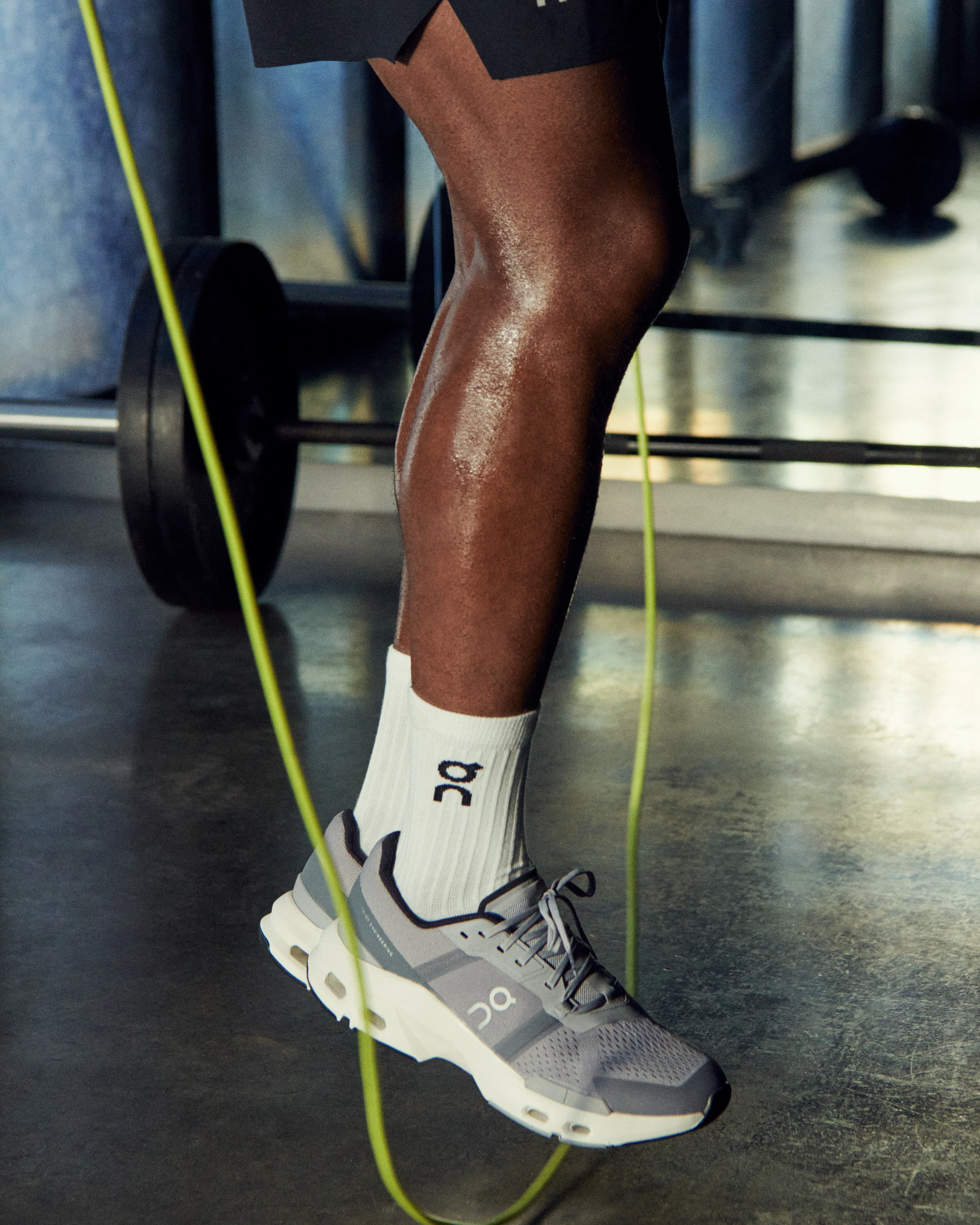
Jump rope is more than a playground activity. Athletes use it in their hybrid training to boost agility, rhythm, and coordination. It demands full focus and offers a surprising amount of lower-leg strength work. Weighted jump ropes build strength in your core and upper body.
Benefits:
- Engages calves, quads, glutes, and hamstrings - Strengthens ankles - Improves foot speed

A low-impact, full-body workout that strengthens without adding stress to the joints. Swimming is especially effective for injured runners or anyone needing active recovery.
Benefits:
- Improves endurance and lung capacity - Targets different muscle groups through varied strokes - Protects joints while keeping training consistent
Outdoor rides or stationary bike sessions build endurance without the impact of running. On athlete and French middle-distance runner, Agathe Guillemot, often uses the bike for evening recovery sessions.
Benefits:
- Strengthens quads, hamstrings, and glutes - Promotes blood flow for active recovery - Reduces joint impact
Rowing blends cardio and strength in one continuous motion. The drive phase of each stroke (when you push yourself away from the machine) can also improve foot-strike speed. This can boost sprints and hill workouts.
Benefits:
- Engages legs, core, arms, and back - Strengthens core and running posture - Enhances speed mechanics
A slower pace, but hiking is still a strong endurance builder. Spending more time in nature also supports mental wellbeing, leaving you refreshed and focused when you go back to the track.
Benefits:
- Boosts leg strength and power - Activates stabilizing muscles in ankles and knees - Improves balance


A joint-friendly option that fits almost any training need. Adjust incline and resistance for gentle recovery sessions to HIIT workouts. The moving pedals and handlebars train both upper and lower body.
Benefits:
- Engages upper and lower body - Minimal joint stress - Builds stamina and aerobic capacity
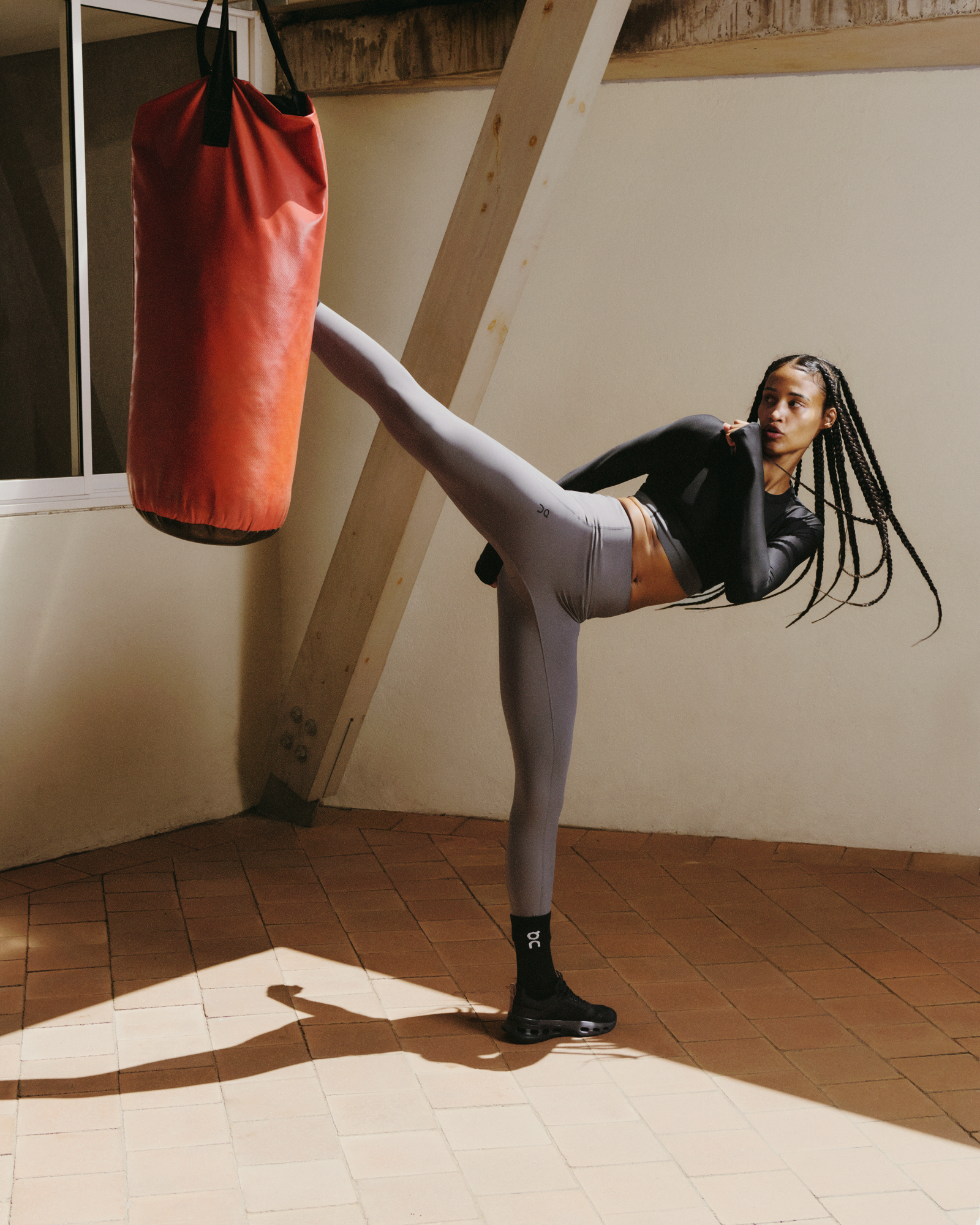
Fast, energetic, and coordination-heavy. Kickboxing draws from boxing and other martial arts styles, mixing punches and kicks to provide a full-body cardio session. Best of all, you can do it without any special equipment, ‘by shadowboxing’.
Benefits:
- Builds upper-body and aerobic strength - Improves speed and agility - Enhances flexibility

Real stairs or a stair machine at the gym both mimic the mechanics of hill running, while building serious leg strength, which can improve performance on hilly terrain.
Benefits:
- Strengthens calves and quads - Reduces impact on joints - Improves stability and balance
Dancing is movement with rhythm. Try hip-hop, salsa, contemporary, ballroom, or any style that gets your heart rate up while keeping your body loose and expressive.
Benefits:
- Improves agility and coordination - Increases flexibility, balance and range of motion - Sharpens focus and body awareness
Circuit training hits different muscle groups in quick intervals with minimal rest. You can adapt circuits based on your fitness level, target muscle groups, and available time.
Benefits:
- Engages the entire body - Strengthens targeted muscles - Builds aerobic fitness
There’s no single approach to cardio. The best routine is the one that you enjoy and keeps you engaged and motivated.
A few ways to get more from non-running cardio:
- Pair different modalities. For example, swimming or cycling, followed by jump rope. - Warm up and cool down for five to 10 minutes. - Increase intensity gradually. Over time, mix in freestyle strokes on swim days instead of sticking with breast stroke. - Add non-running cardio two-to-three times per week. Incorporate them alongside strength and running. - Listen to your body. Take rest days. - Mix things up. Keep exploring new activities to stay motivated.
Just like your cardio sessions, mix up your runs too. Interval training offers a challenging, but powerful change of pace.

With so many non-running cardio options, look for one that fits your training goals – whether that’s building endurance, improving coordination, or adding more movement variety to your week.
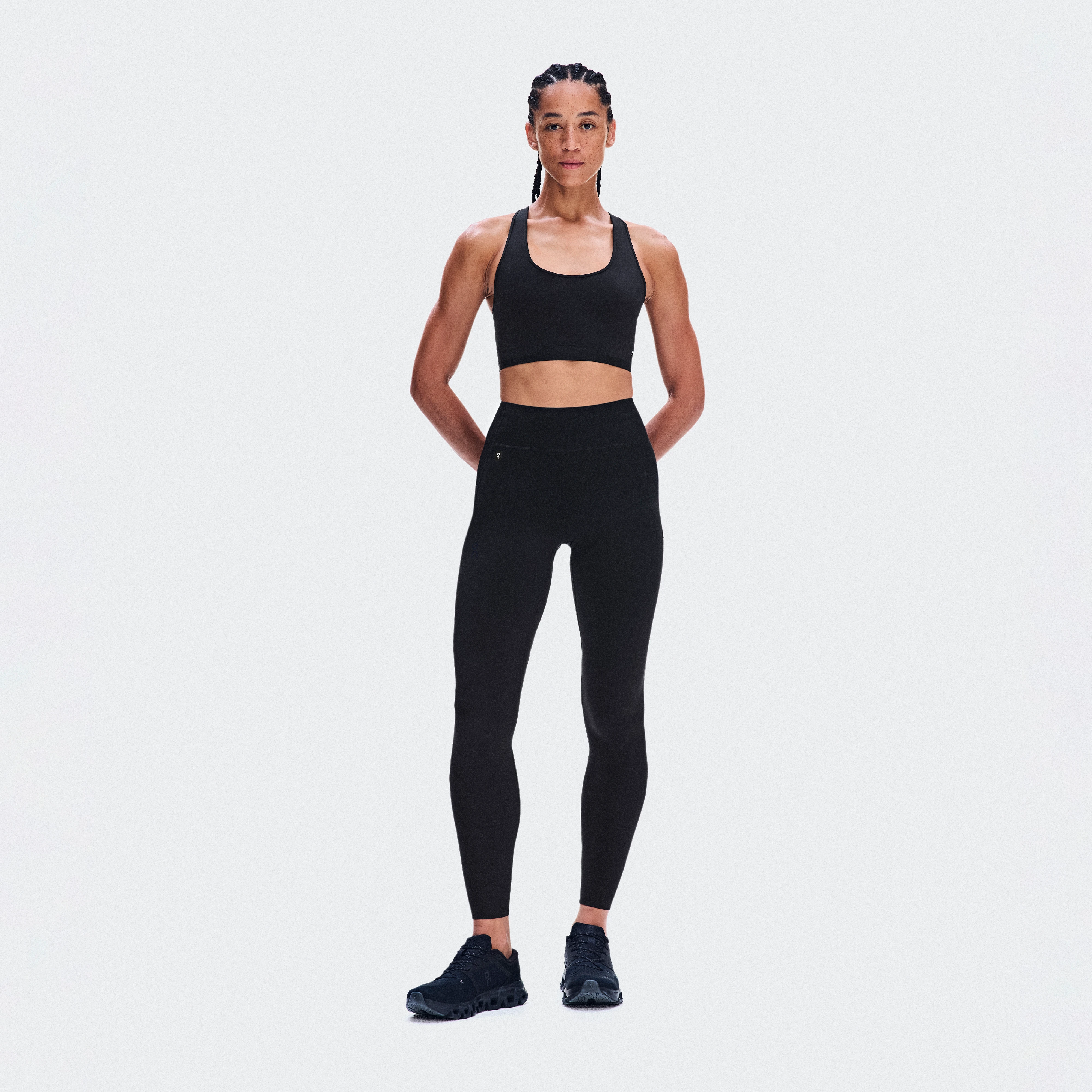
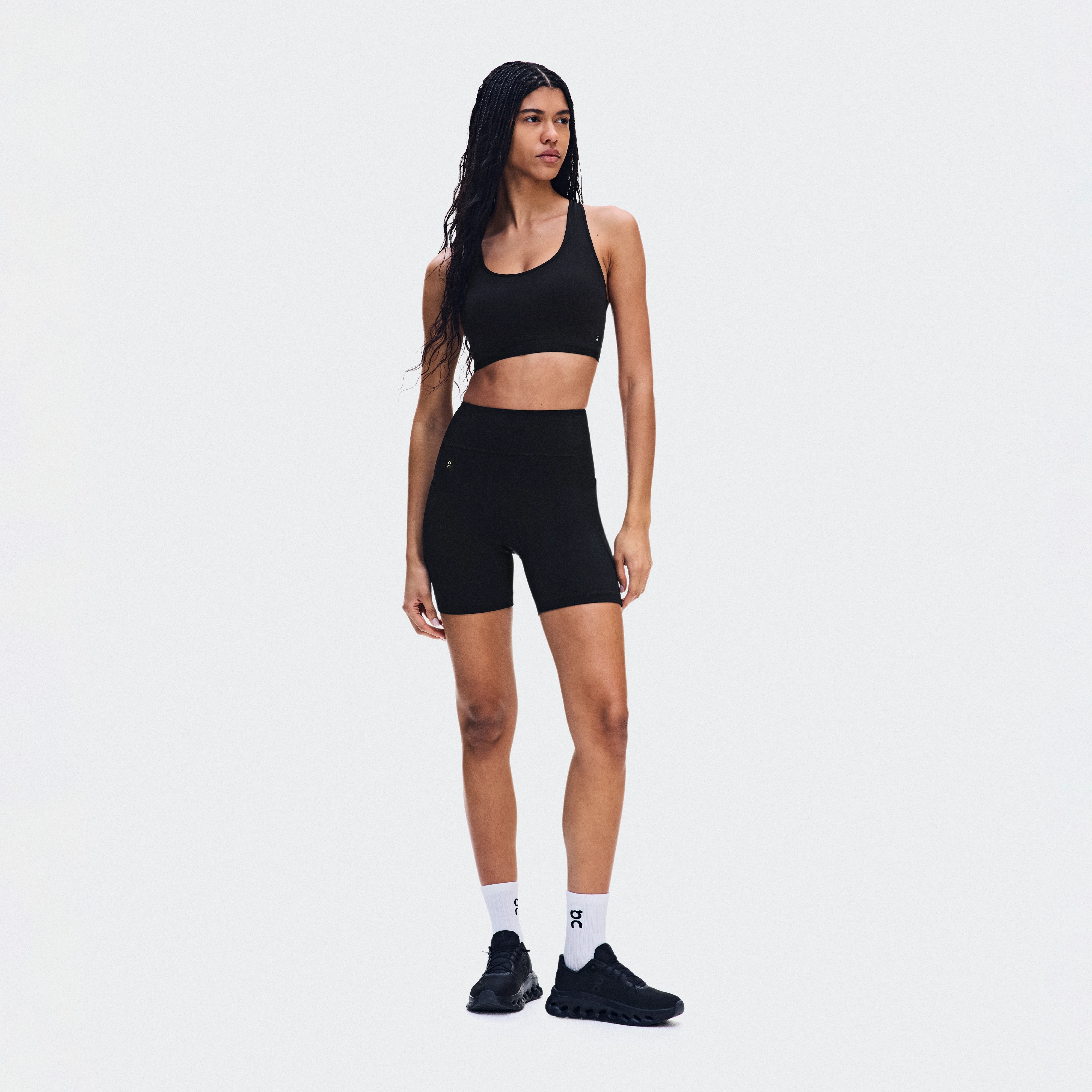
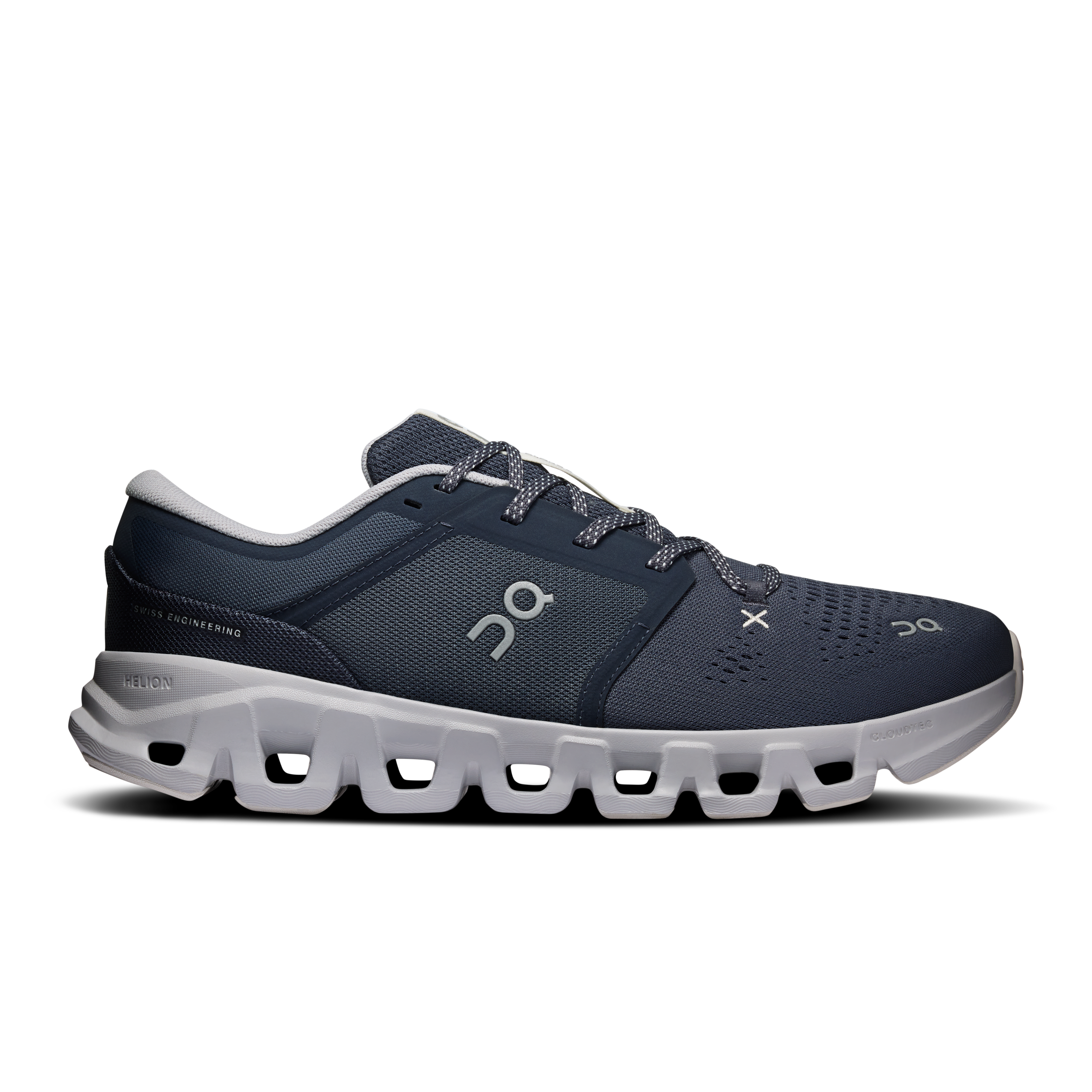
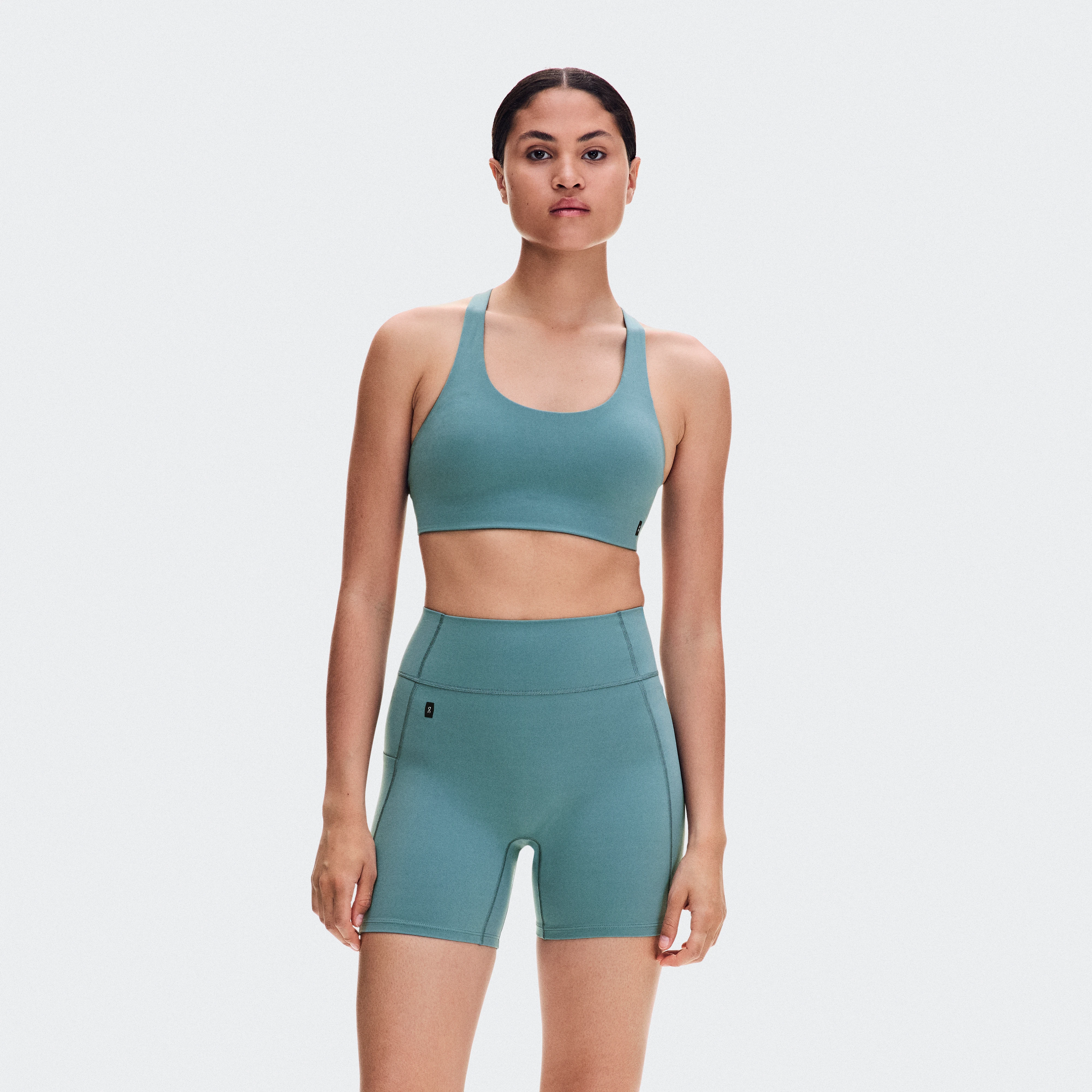
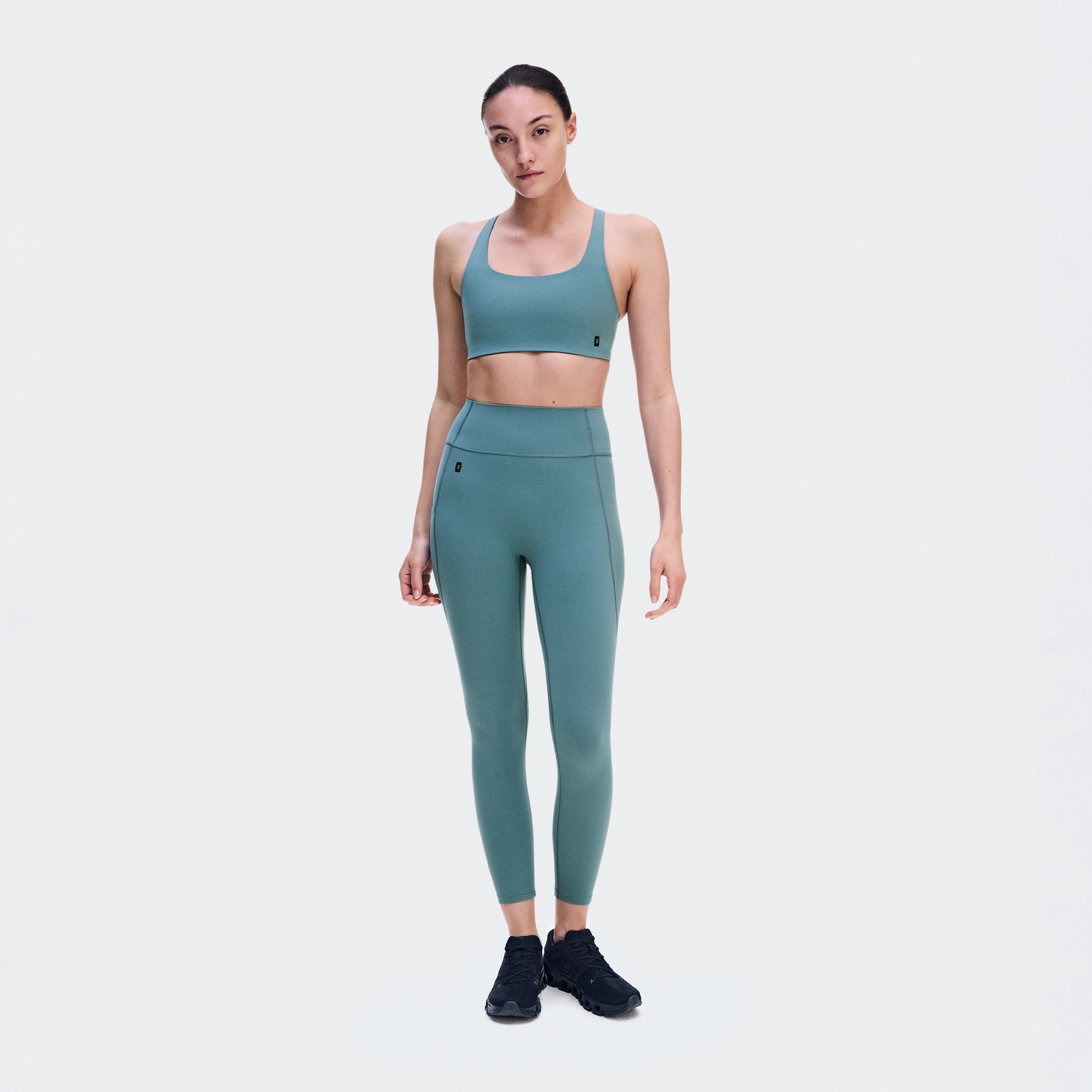
The right apparel supports all of it. Check out training gear that offers comfort and stability, so you can perform your best, no matter the modality.