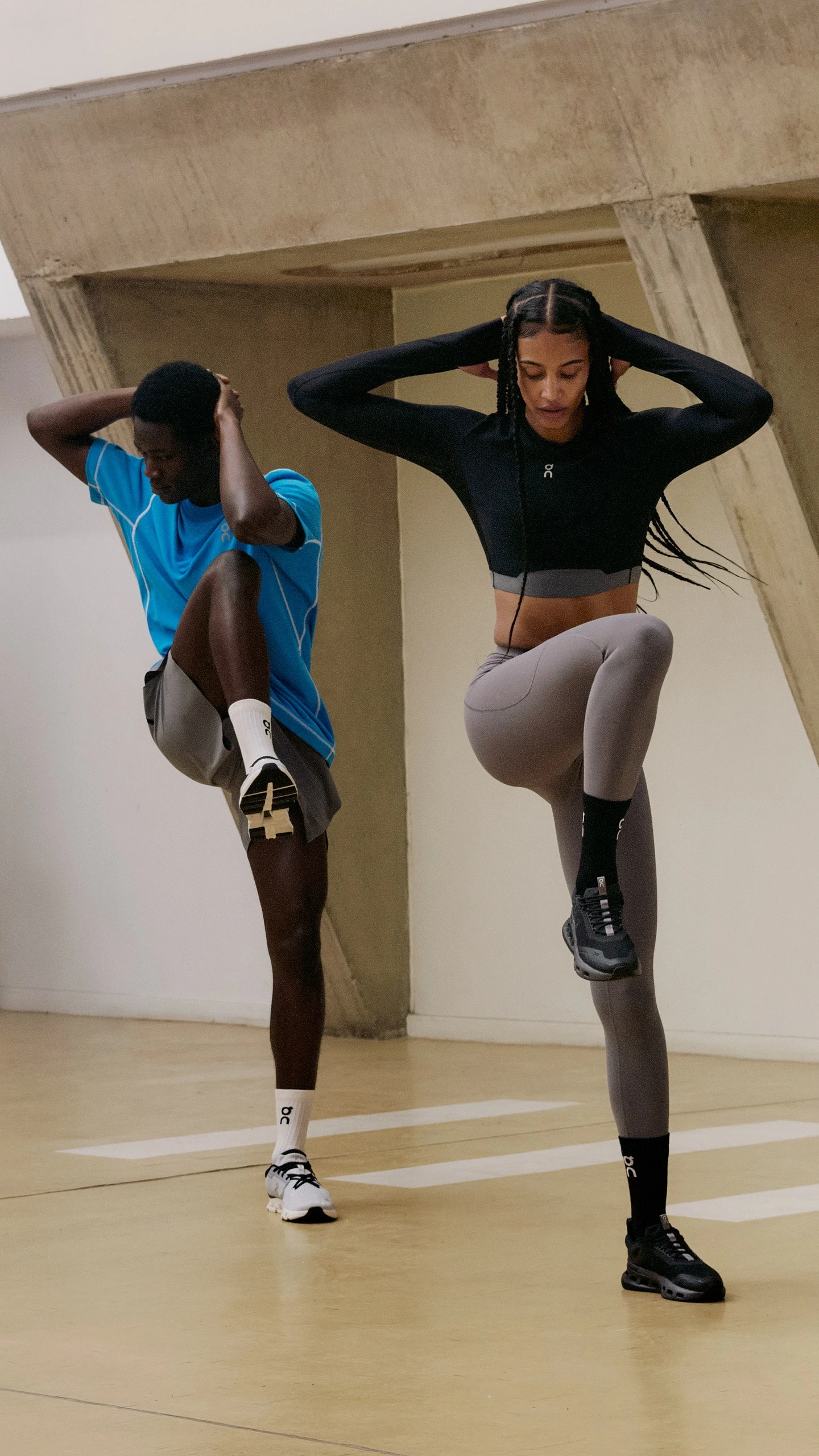
How long should a HIIT workout be?
Short on time, long on impact. HIIT’s brief, all-out intervals build strength, stamina, and energy that lasts long after the workout.
It’s early. You have 30 minutes before the day takes over. Can a brief HIIT workout actually do something for your fitness? Yes. HIIT can do a lot, fast. Designed to push your heart rate, stress your muscles, and dial your focus, HIIT is about effort over time. You train hard, rest briefly, and repeat.
“Focus on how the movement in HIIT makes you feel,” says Dannalize Frischknecht. “Let go of the numbers. Build your practice on presence, not pressure. The most important thing is that you leave your workout feeling more in tune, more awake, more alive.”
Whether you’re chasing a faster 5K or looking to clear your head before work, HIIT is a time-efficient way to build capacity and improve your stamina. Especially when life gets full.
What is HIIT, really?
HIIT is built around alternating intervals of high effort and recovery. That could mean sprinting all-out for 30 seconds then jogging for 60 seconds. Or moving through a circuit with bodyweight exercises in short, challenging rounds with quick pauses. At its core, HIIT is about quality versus quantity and intensity over duration.


How long should a HIIT workout be?
There’s no single number. The power of HIIT lies not in the minutes it takes, but in the energy you bring to each one. HIIT could range from 10 minutes to an hour, including intervals and rests.
Beginners might stick to 10 to 15 minutes with longer recovery periods. More experienced athletes can push to 25 to 30 minutes with tighter rest windows.
For Frischknecht, the sweet spot is somewhere between 50 minutes, with a nice grounding intro and a long stretch. “Long enough to challenge my limits, short enough to stay fully present,” she says.
Here’s the rule: the more intense the intervals, the shorter the total session should be. It’s about maximum effort for short bursts, then stopping while you’re still feeling strong. “I know a session is enough when I finish feeling clear, strong, and connected — not depleted,” says Frischknecht.
“It’s when my breath has deepened, my focus sharpened, and I’ve pushed through resistance. It’s not just physical markers, it’s an internal sense of alignment. Of having met myself fully in the moment.”
Why shorter can be stronger
HIIT is effective because of a physiological effect called EPOC (excess post-exercise oxygen consumption) or the “afterburn.” After your session, your body continues to burn energy as it repairs, recovers, and recalibrates. That means more stamina, more strength and more metabolic benefit long after your last rep.
You don’t need to do HIIT daily. In fact, you shouldn’t. Two to three sessions a week is enough, especially when paired with steady-state training, mobility work, or active recovery.
Not every day: knowing when to pause
George Beamish knows the temptation to go all in, too quickly. The New Zealand distance runner for OAC has built a career on pushing limits, but even he warns that HIIT shouldn’t be the first thing in your plan. HIIT is a great tool, but it's important to have a strong fitness foundation first.
The danger is in the overload. Pushing too hard everyday risks burnout rather than breakthroughs. The magic of HIIT is the interplay between intensity and recovery. Those recovery days are where your body adapts, rebuilds, and comes back stronger.
Think of it as a rhythm. Effort, rest, repeat. Tune into your body’s signals: fatigue, soreness, sharp dips in performance, and adjust accordingly. Pair HIIT with steady miles, mobile, or total rest. The goal is to move better, over time.

Build your HIIT session
Warm-up: get things firing
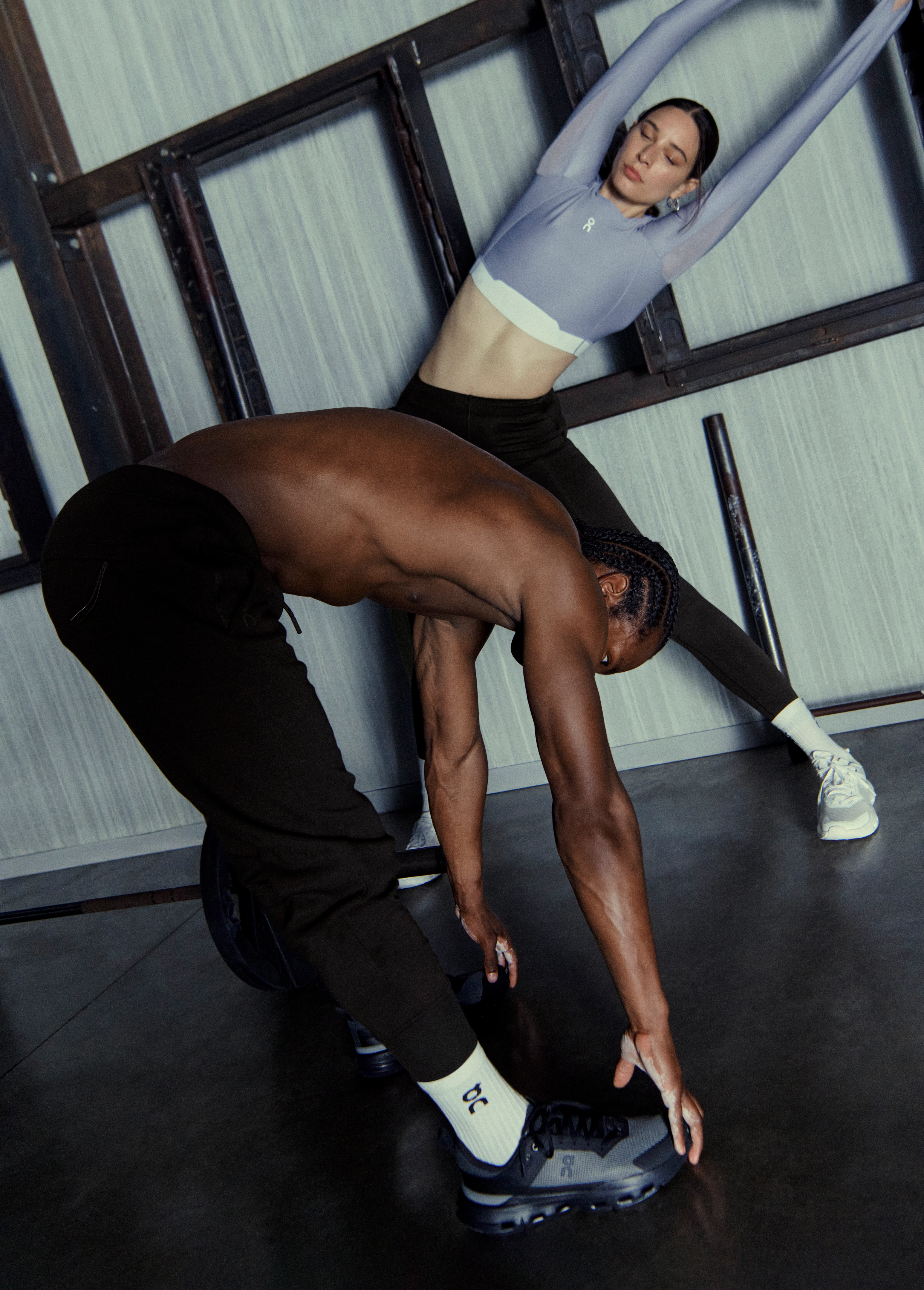
Always start with movement prep. Jog lightly, jump rope, or do dynamic stretches like lunges or leg swings. A proper warm-up gets your body ready and reduces injury risk.
Work:rest ratio: find your formula
Beginners often start with a 1:2 ratio (20 seconds effort, 40 seconds rest). Intermediate athletes might move the ratio to 1:1 so it’s an equal amount of time of effort and rest. Advanced sessions can flip the scale for a challenge such as 40 seconds effort, 20 seconds rest.
There’s no perfect template. Just make sure you can maintain intensity without compromising your form. If your speed or power drops off sharply, it’s time to stop or rest longer.
HIIT could involve cardio like running, biking, skiing, or rowing. It could also involve exercises like mountain climbers, jumping rope, or using free weights or kettlebells. The goal is to raise your heart rate through intense bursts – then let your body recover during each rest interval so you can go again.
Cool-down: don’t skip it
Ease out of your effort. Walk. Stretch. Breathe. This isn’t optional. A good cool-down kickstarts recovery, helping prevent soreness and stiffness later. A few static stretches targeting the muscles you’ve worked can make the difference between bouncing back and burning out.

What does a HIIT workout look like?
Whether you’re training indoors or out, here are a few ideas:
For runners: - 6 × 30s: hill sprints / 60s: walk recovery - 4 × 400m: repeats / 90s: jog recovery
For bodyweight strength: - 3 x 20s work / 40s rest: jump squats, push-ups, mountain climbers, high knees - 4 x 1 min: burpees, lunges, plank holds
For hybrid training: - 30s: kettlebell swings / 30s: rest – keep going for 10 min - 5 pull-ups, 10 push-ups, 15 air squats – AMRAP (as many rounds as possible) in 12 min
Choose what fits your goals. Keep it intense and intentional.
Fuel smart, perform sharper
Your body needs the right fuel to go all-in.
Before: Grab simple carbohydrates, like a banana with peanut butter and a granola bar before your session.
During: Don’t forget water. Hydration supports circulation, reduces fatigue, and speeds recovery. Electrolytes can help too, especially if you sweat heavily.
After: Replenish with protein and complex carbs. A smoothie, eggs and toast, oatmeal with yogurt, or a grain bowl can help muscles repair and energy stores refill.
Dress for intensity
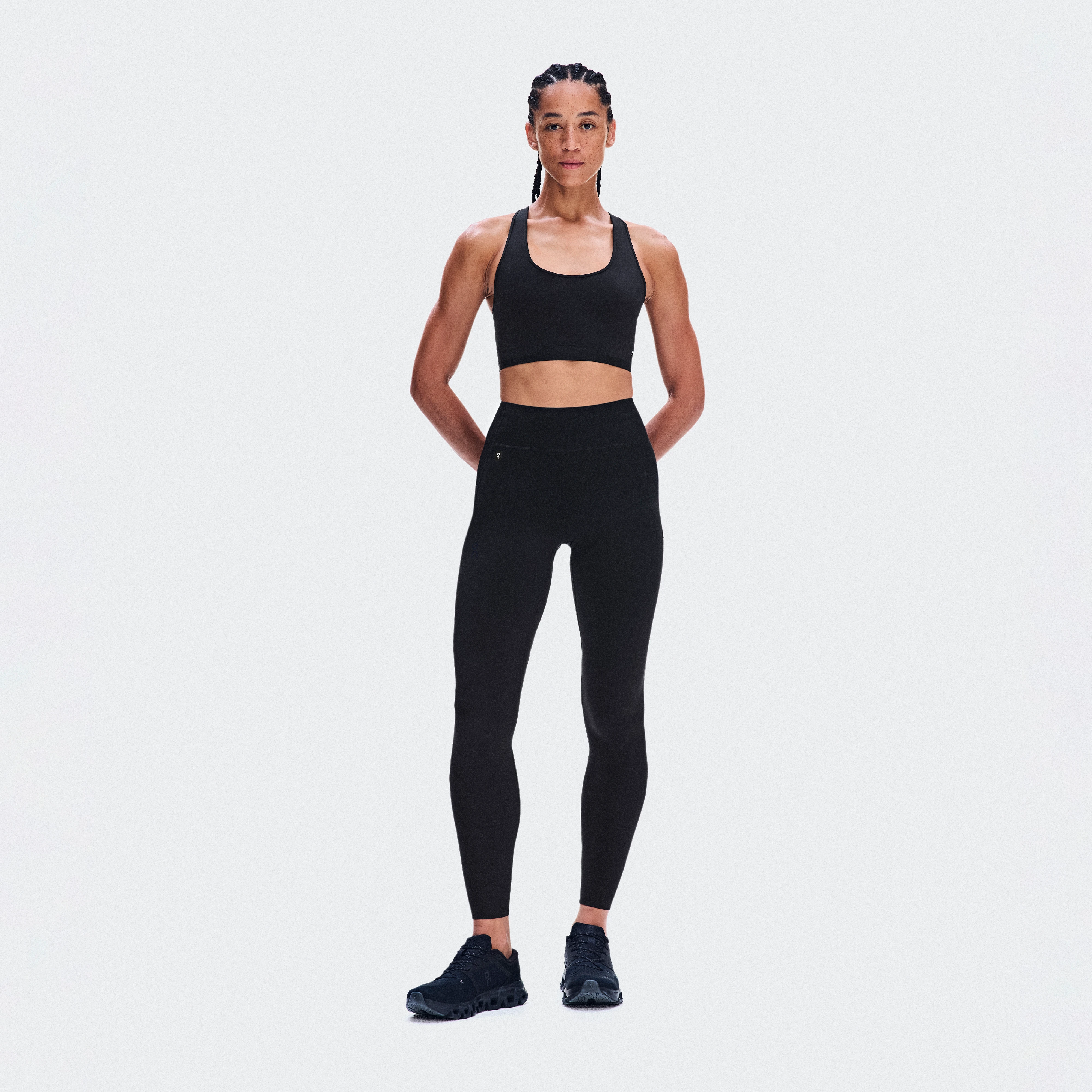
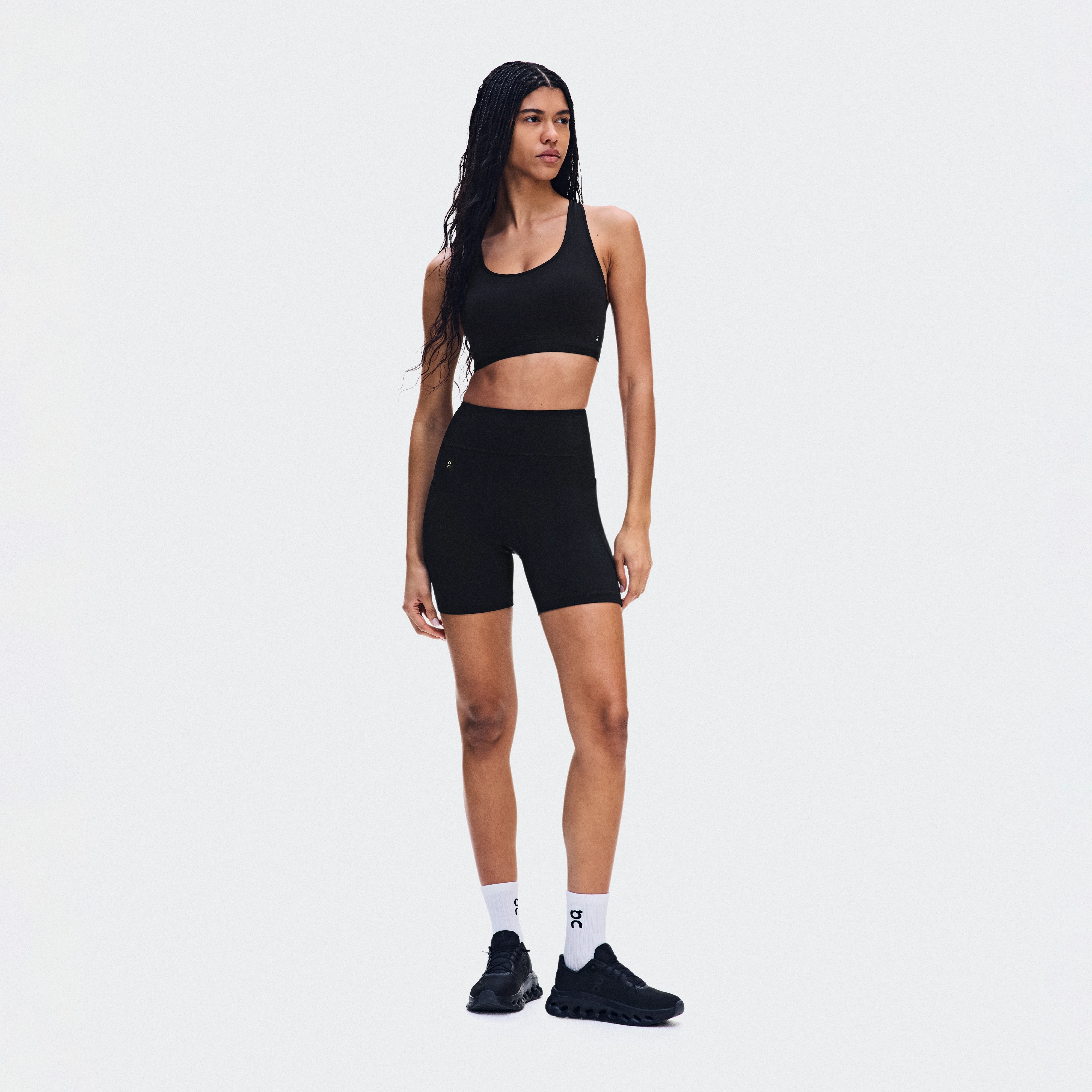
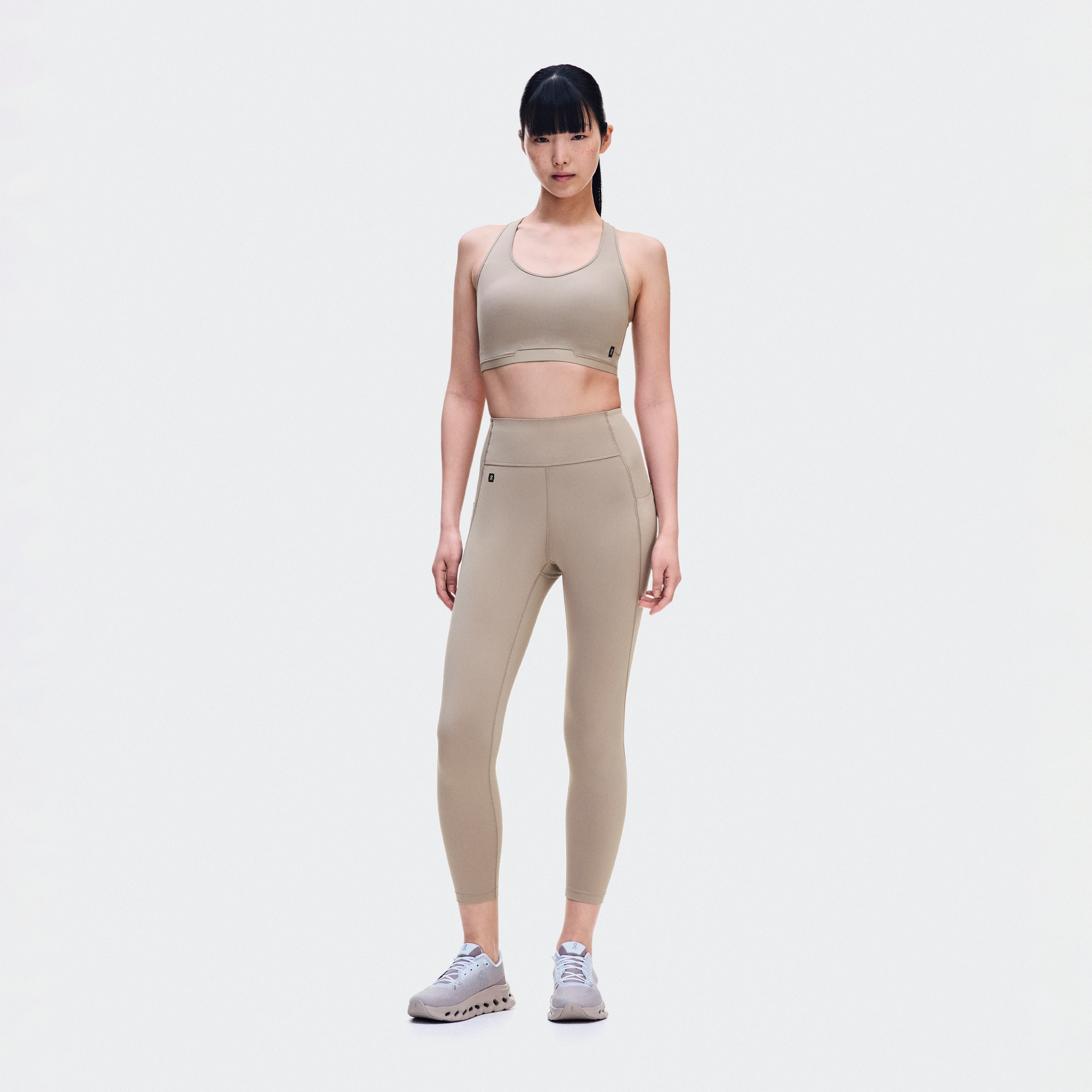
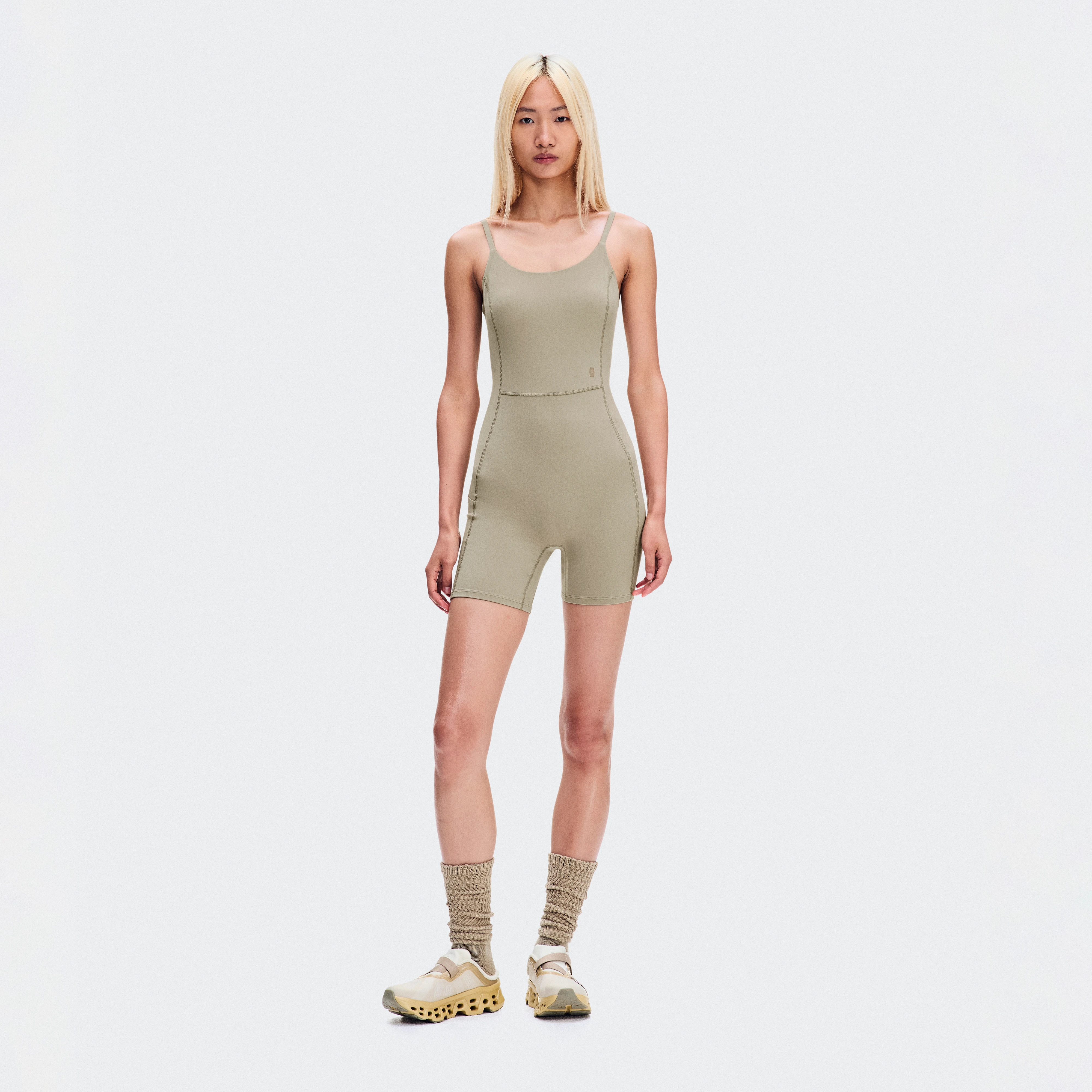
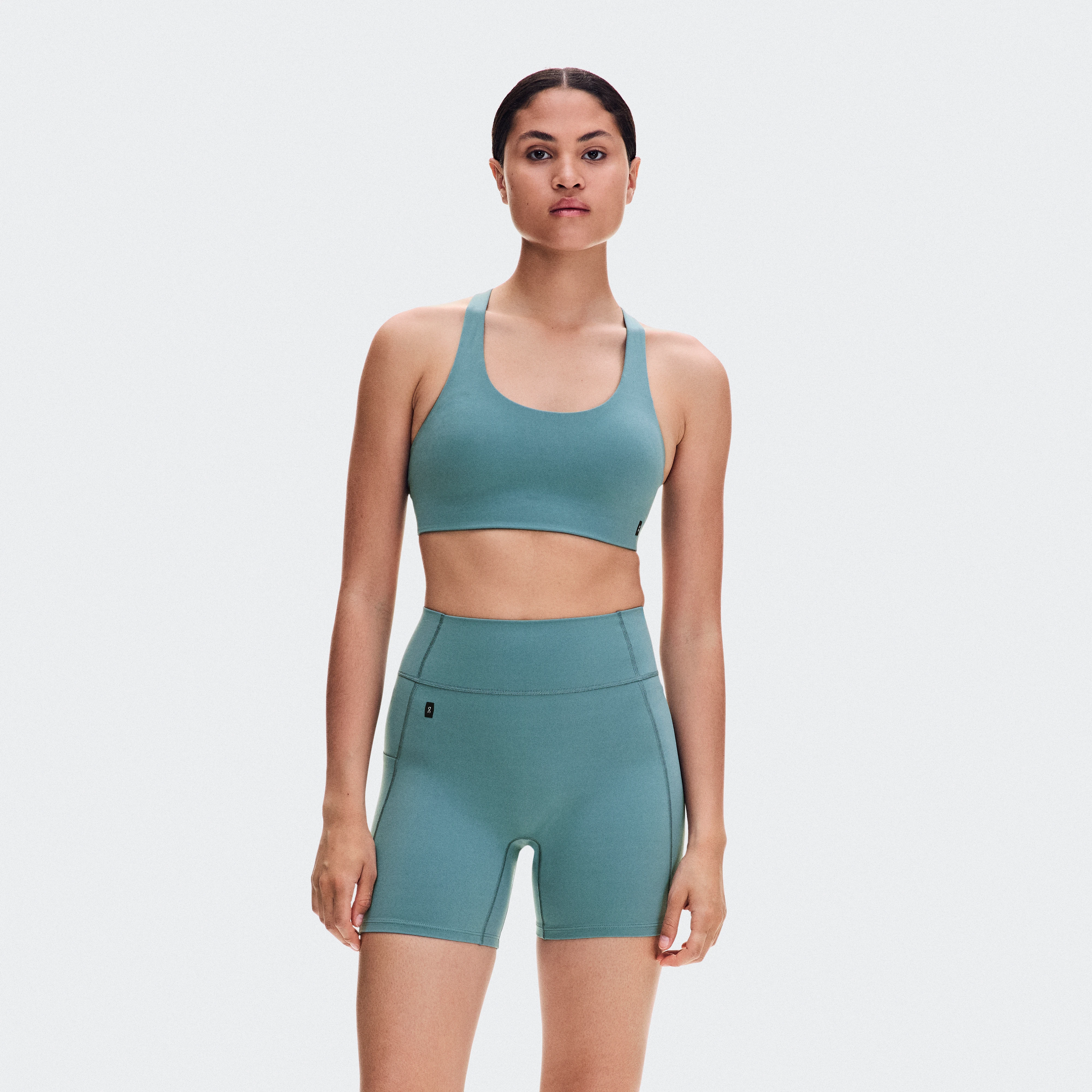
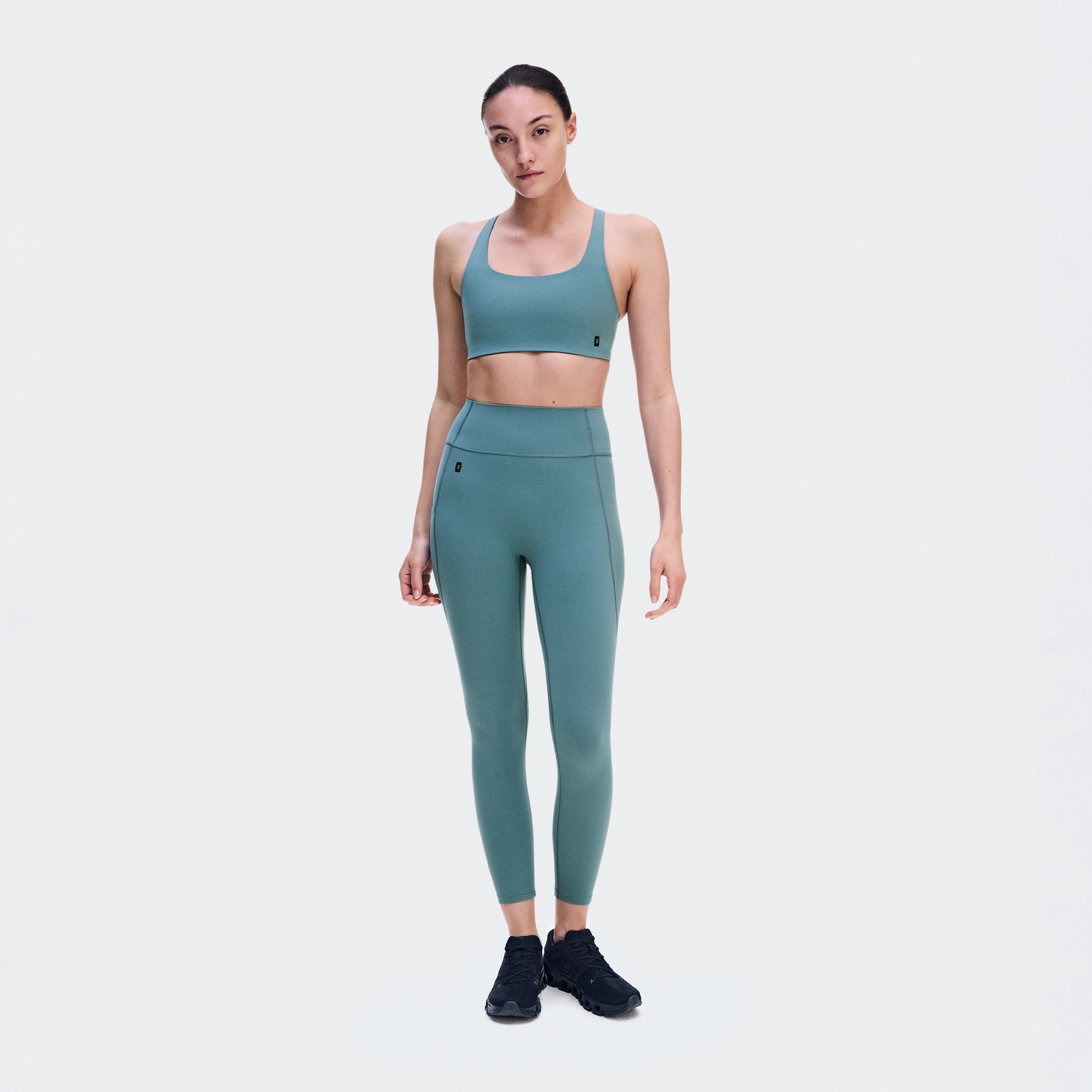
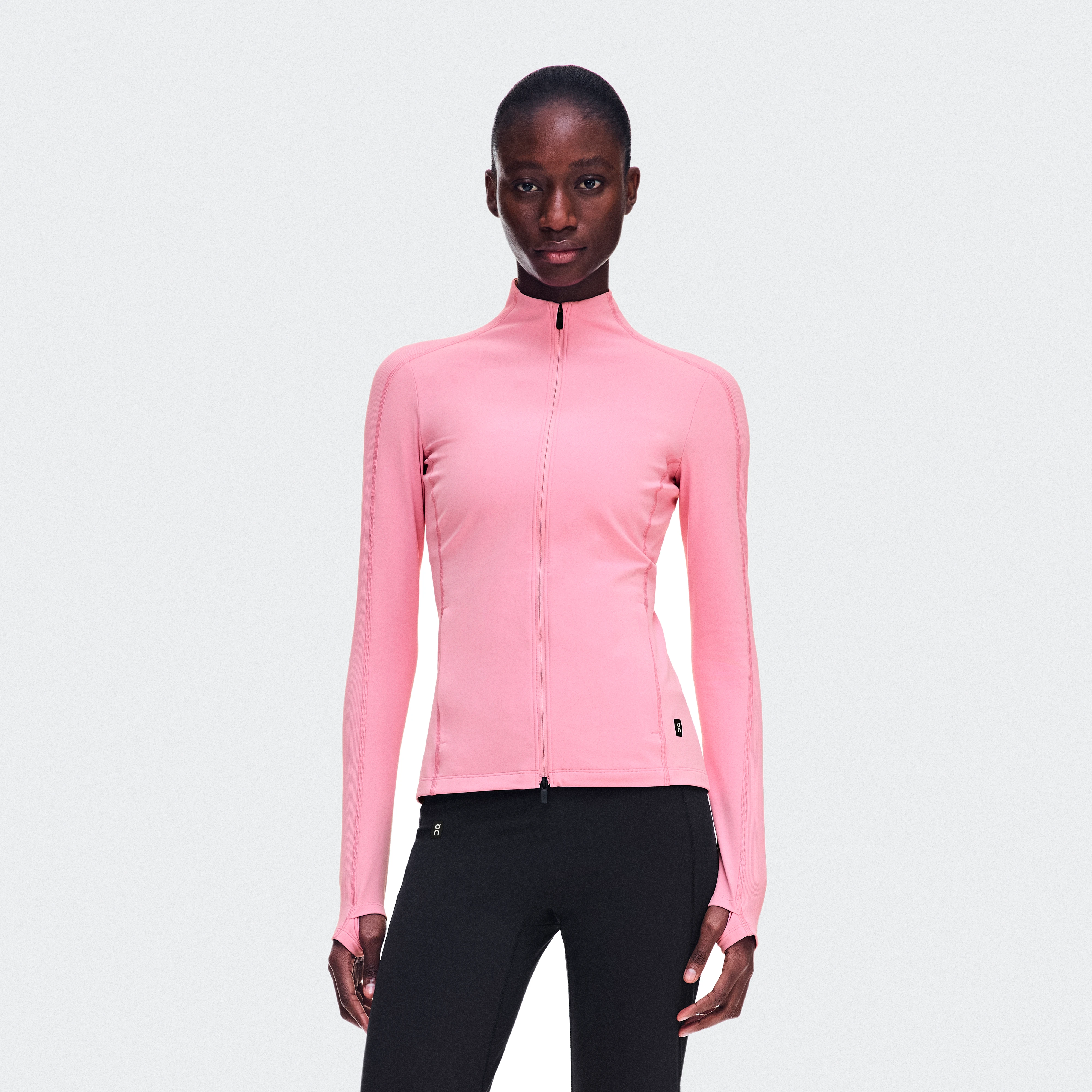
HIIT isn’t static. Your clothes should match your movement whether you’re sprinting, jumping or mid-lift. Look for breathable, sweat-wicking layers that move freely. The On Train-T Graphic or the Train Long-T Crop are made for rapid transitions and tough efforts.
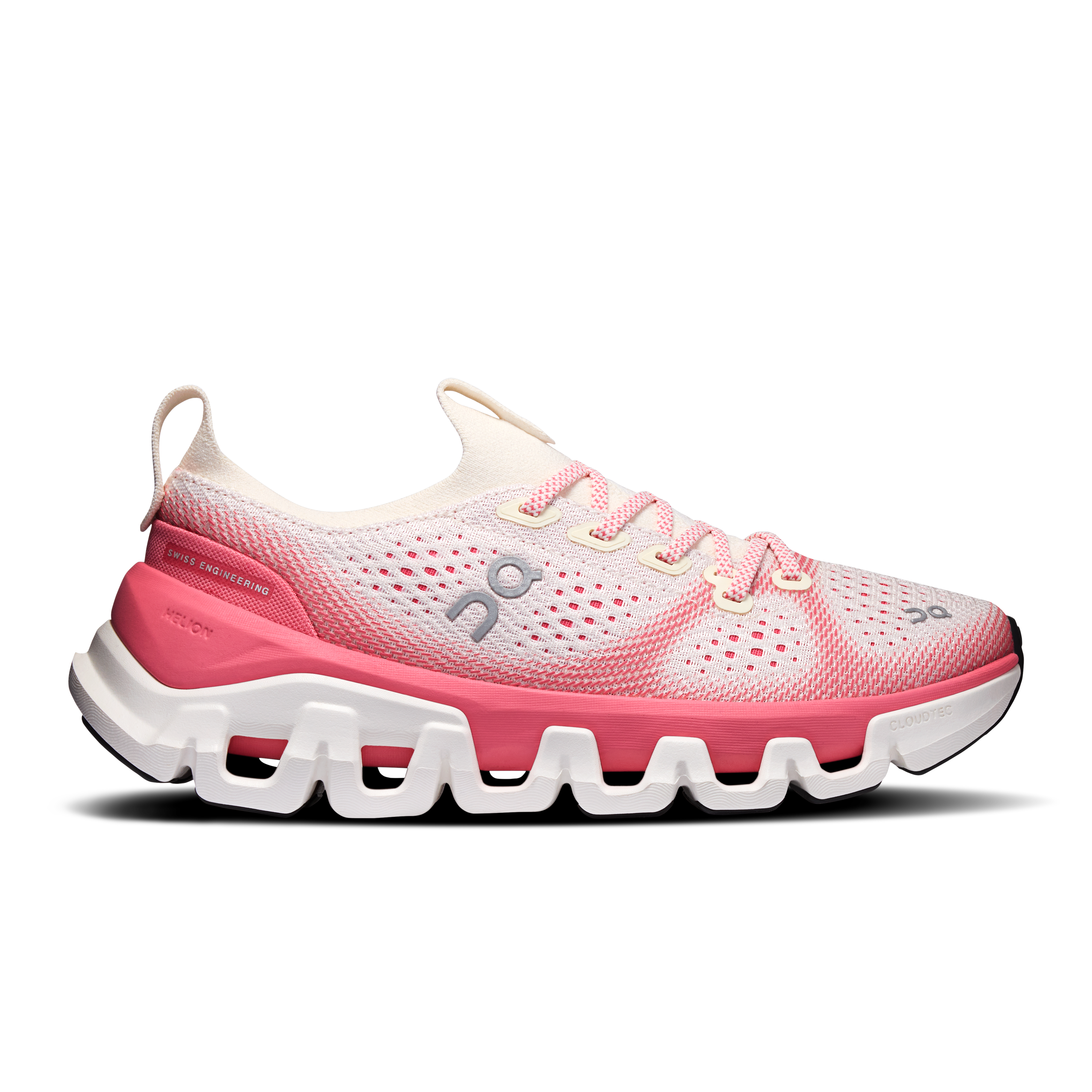
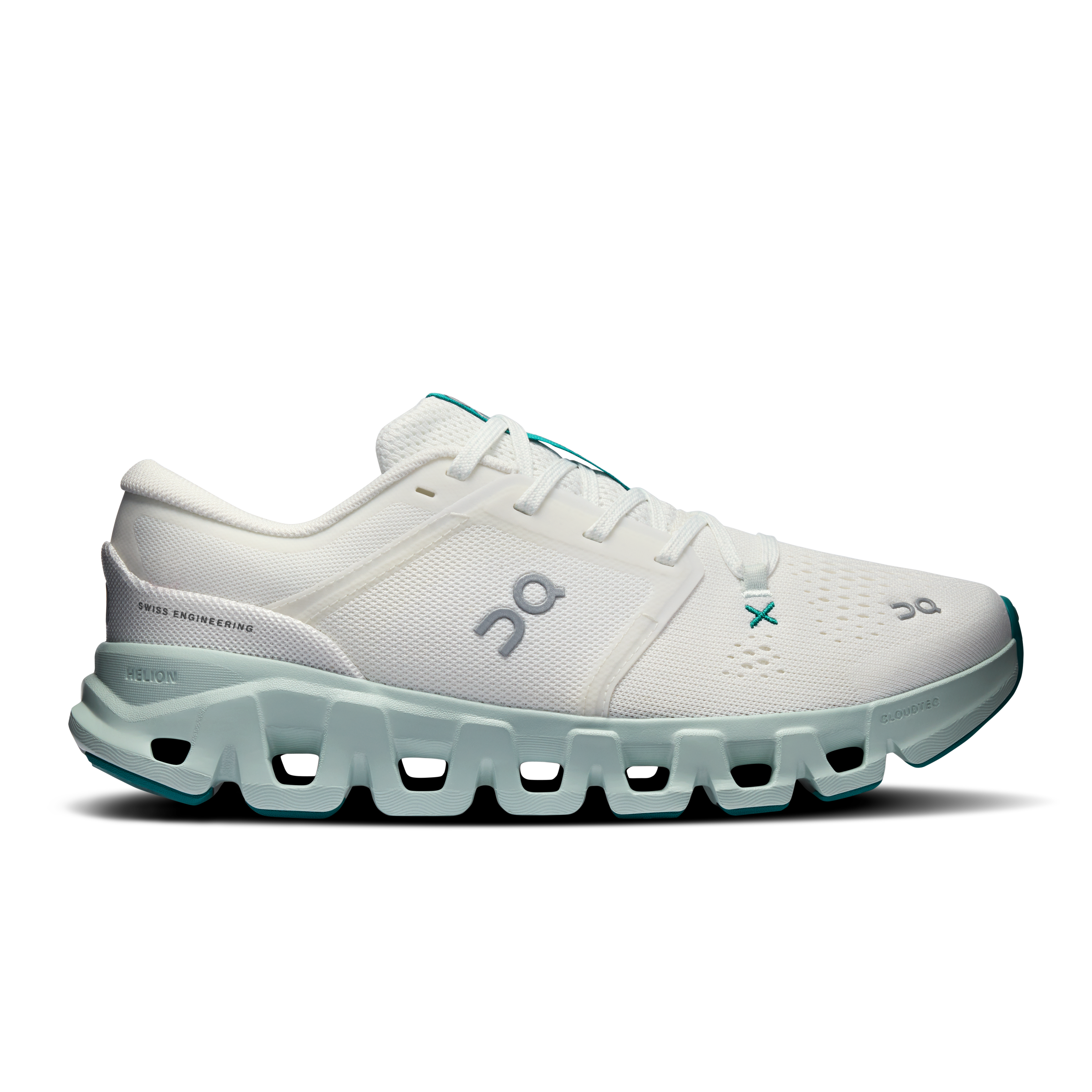
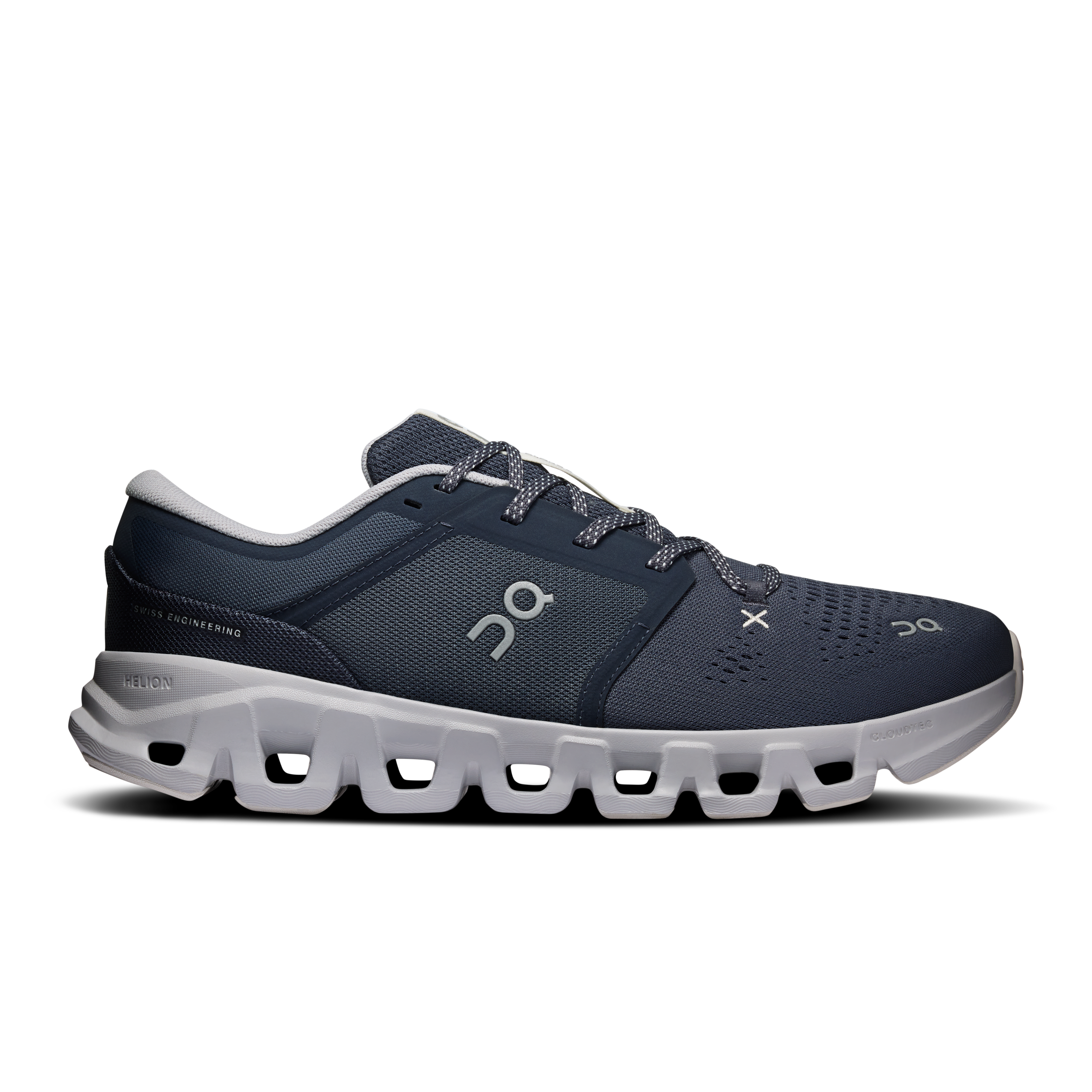
Footwear matters just as much. The Cloud X 4 is designed for a range of movements with added lateral support, grip, and responsive cushioning that adapts to every shift in direction.










Your HIIT journey: built on consistency
The real gains don’t come from one all-out session. In the long run, consistency beats intensity. Even 10 focused minutes, week after week, can strengthen your lungs, sharpen your mind, and make you faster on your feet. If motivation dips, join a class or train with friends. Community has a way of keeping you honest and showing up. Done right, HIIT is one of the most efficient ways to build strength, speed, and resilience.
Explore On Training Gear: Lightweight layers and stable shoes built for every kind of effort.