The new tennis aesthetic: Play outside the lines
Once defined by rules and quiet etiquette, tennis is being reimagined by Club Volley. The LA-based community is shaping a new tennis aesthetic through style, fluidity, creativity and access.
The Traditionalists
Tennis has long been built on heritage. A hierarchy. And an unspoken sense that you’re meant to fit in before you’re allowed to belong. It’s a sport defined by formal dress codes and steadfast code of conduct – one that engenders respect, as much as exclusion.
“I always thought this sport was only for rich people until I was able to play for fun,” says Ralph Cueto, a member of Club Volley who grew up in the Philippines.
That tension sits at the center of the traditional tennis aesthetic. Wimbledon whites and open-collar polos are iconic for a reason, but increasingly out of step with younger tennis players who may not see themselves reflected in an elitist world. “Most clubs ask you to fit into tennis and all of the space’s rules,” the founders say.
“Traditional clubs didn’t reflect us.”
The Wildcards
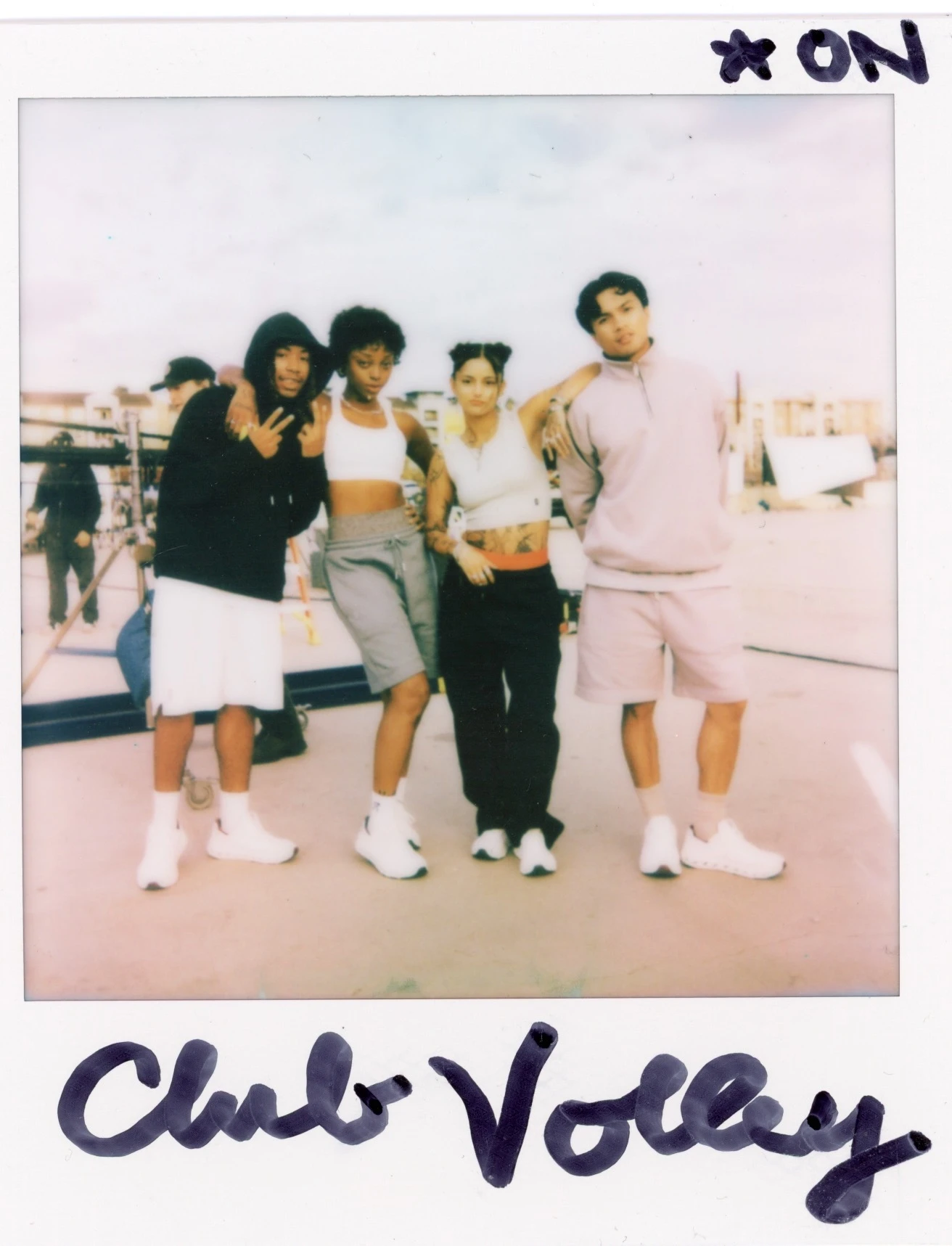
Club Volley began as a question between friends: Could a traditionally formal sport feel more like the culture they’re already part of – creative, expressive, mixed, curious? Stedmon Harper, Deyonte’ Davis and Michael Watson II decided to build the answer themselves.
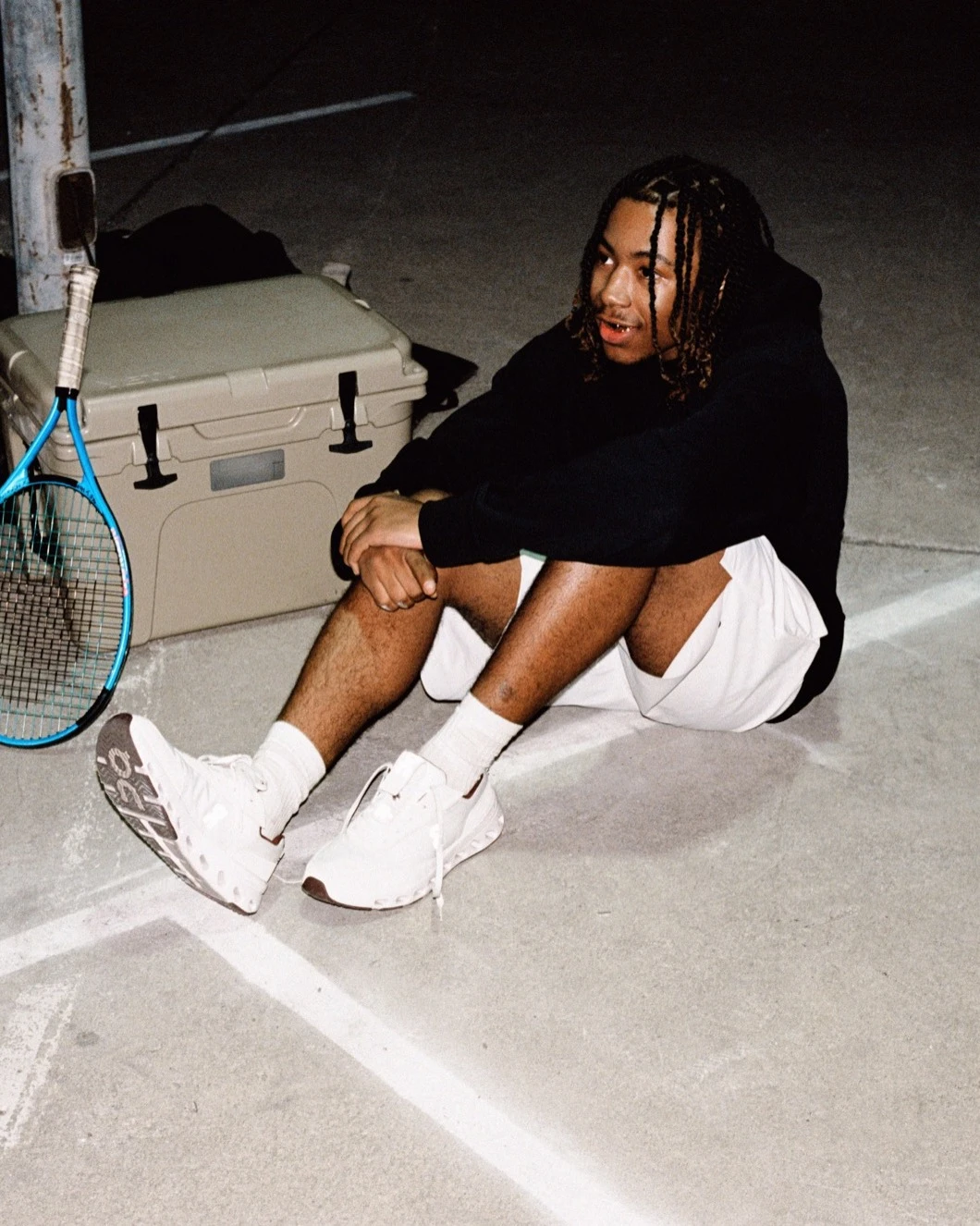
June 2024. Los Angeles. A public court. A playlist. Analog cameras. A handful of rackets (and friends). “One of us literally DoorDash’d a racket to the court just to jump in,” they say – a detail that captures the ethos immediately – no gatekeeping, no “proper” experience required.
This wasn’t a formal tournament or practice session, but an informal gathering that filled the gap where creativity and tennis could intersect. The court quickly turned into a muse.
“We built a space where tennis expands to fit you,” they say. “It wasn’t about fixing it, but reimagining it.”
Club Volley operates like an open studio rather than a structured club. Anyone can sign up and join the Sunday practice. Sessions move with the rhythm of whoever shows up: artists, designers, filmmakers, athletes from other sports or people pulled in by the music alone (their playlist on Spotify has earned over 1,000 saves).
“Everyone carries a different relationship to the sport, and that’s the point,” the founders say. The court becomes a meeting place – less about etiquette and hierarchy, more about connection and flow.
The gap was obvious. Tennis already had space for tradition and recreation, but not for people who move through culture for a living. “There was no place where the creative world and the tennis world naturally intersected,” they say.
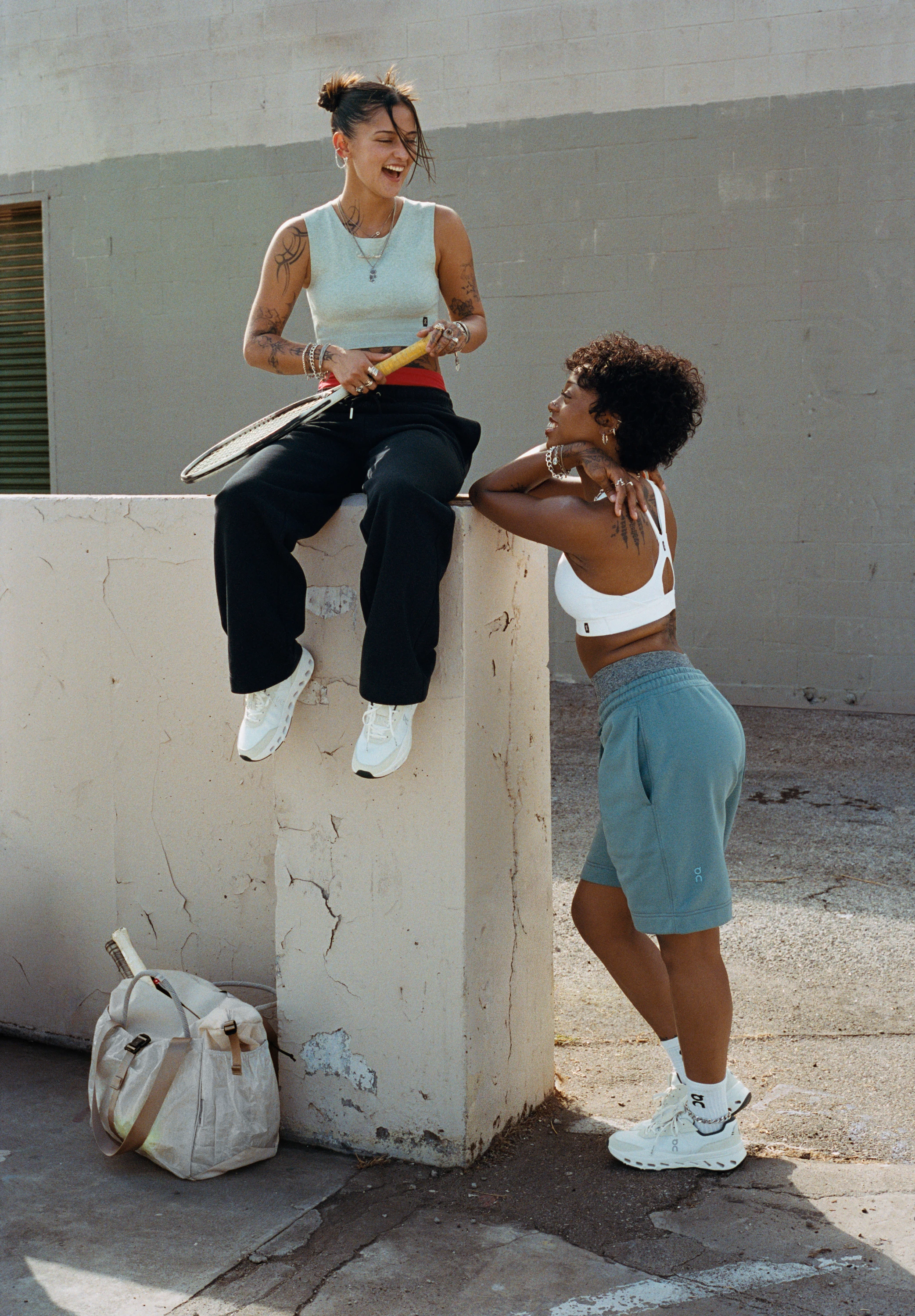
At Club Volley, style is whatever reflects players' identity that day. There’s no prescribed uniform. Creativity unfolds in the session itself – in the photographs and film, in the designers they champion, in the stories they tell. It’s a built-in artistic lens that reshapes how they approach a codified sport.
“There needed to be a home court for the wildcard,” they say. For the cultural connector. For the person who found the sport sideways. For the people who bring a fresh perspective to the game.

The new tennis aesthetic
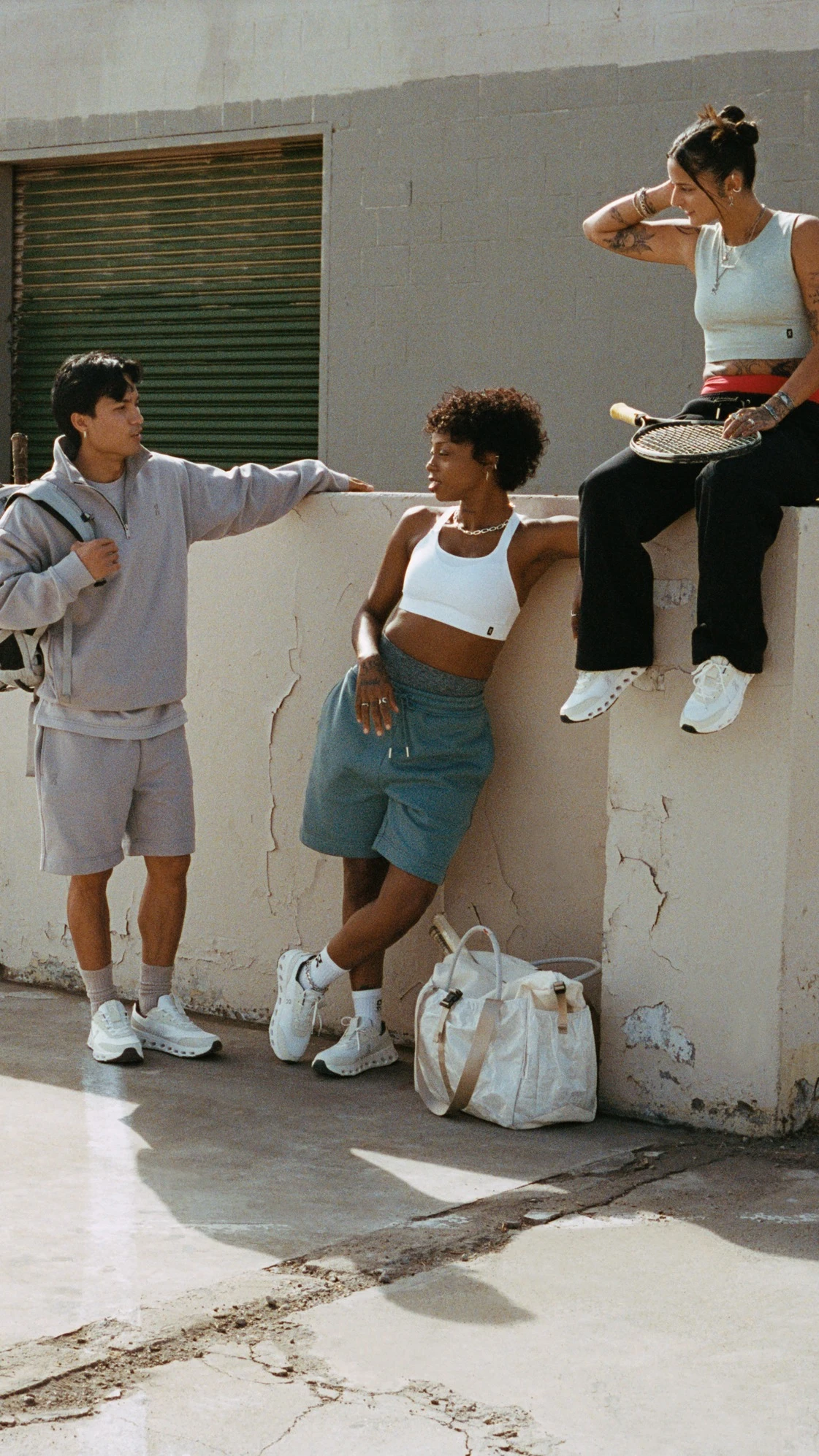
If the ‘old world’ of tennis was defined by uniformity, the new one is about individuality – and it reaches beyond what you wear. The new tennis aesthetic is already here. At Club Volley, members remix the sport through the lens of culture shaping it now.
You can see it in the clothes: layering, silhouettes, subtle rebellions against the old rulebook. But it runs deeper than outfits. “It’s the way people move, the way they connect, the way the sport absorbs influences from music, fashion, art, and everyday life,” the founders say.
Tennis aesthetic becomes a new language. Rooted in sport, textured by street style, loosened by creative communities who treat the court as a social space. Crucially, it isn’t dictated by federations or tradition. It emerges from designers, stylists, photographers, and players who treat tennis like a creative medium.
Because this shift is happening off-court as much as on it, tennis fashion has to keep up. Longstanding classic shoes are starting to feel like they’re part of a byegone era. “A future tennis lifestyle shoe shouldn’t be an ode to nostalgia,” the founders say. “It should express where the culture is actually going.” People move between the court, the studio, the street, and social moments all in the same day. The footwear has to move with that rhythm.

A shoe that moves with culture
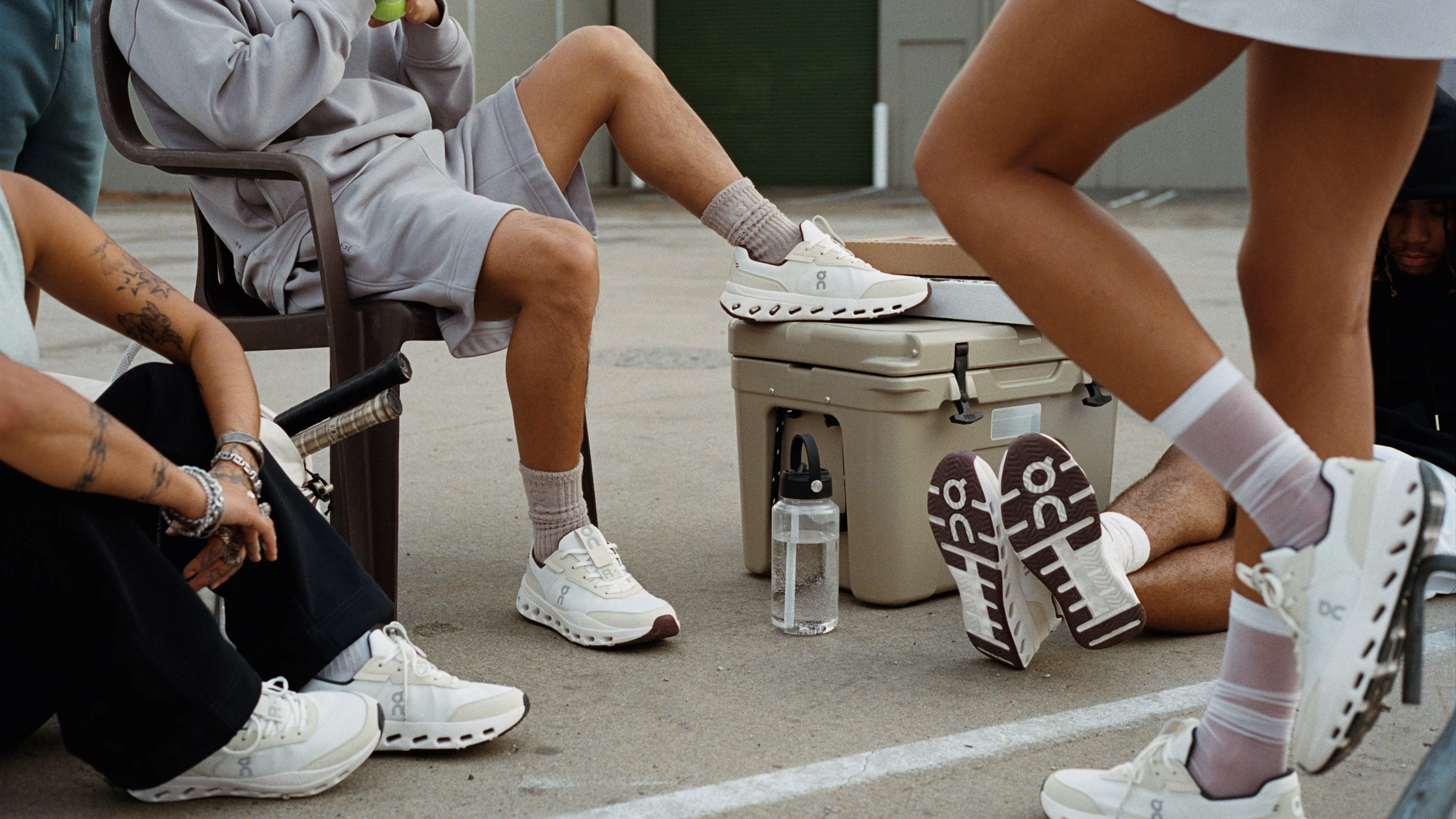
For Bueli N’jheri, a member of Club Volley, the right shoe is in the details. She notices the small things – like the clip that tucks away the laces in THE ROGER Wildcard. “It makes the shoe feel really sleek and intentional.”
They’ve ended up in her daily rotation. Disneyland. Grocery runs. Long convention days. “They feel supportive but still light,” she adds, “so I wear them to the gym, on the courts, on the track.”
Adonis Heron noticed comfort immediately. “The soles looked like a mattress,” he laughs. “And it feels exactly how it looks.”
For Sammi Gutierrez, the Wildcard adapts to whatever mood she’s in. “If I want to be more dramatic, the shoe can handle that with a funky sock or maybe a silly chain,” she says. “On a more serious day, I’ll keep it simple with a color block or monochrome look.”
The flexibility is the point. Tennis fashion no longer switches off when the match ends. It’s carried through the rest of the day. What you wear on your feet becomes a part of the story long before the first ball is even hit.
The new playground
At Club Volley, the court resists being boxed in. It’s a social space. A creative space. A place you can enter from the side.
The founders imagine people who never saw themselves reflected in tennis, but feel an instant connection the moment they step onto the court: filmmakers, DJs, stylists, designers, photographers, athletes from other sports or people picking up a racket for the first time.
“The next generation of tennis isn’t defined by rankings or country clubs,” the founders say. “It’s defined by people who treat the court as a playground for creativity.”
That’s the bigger shift – tennis is becoming less about the court itself and more about the cultural movements around it. Old hierarchies are flattening. Participation shouldn’t need a specific elitist background. Just curiosity and a willingness to play.
“Tennis is no longer confined to courts,” the founders say. “It lives wherever people gather.” They imagine a future where tennis is belonging-first, rather than performance-first; where courts are activated like parks or galleries; where people discover the sport the same way they find a new artist or restaurant – through vibe, curiosity and what’s culturally relevant.