Runner’s high: What it is and how to reach it
There’s a reason why running feels so good. The science behind a runner’s high shows how the mind and body connect to create that euphoric post-run feeling. Here are eight tips on how to stay in it longer.
When you finish a long run, the world suddenly feels brighter, problems seem smaller – and your legs, lighter. That feeling is the elusive, much-talked-about runner’s high.
This euphoric state is both physiological and psychological – a deep connection between body and mind that unlocks new energy reserves. Scientists are only beginning to understand what really causes it, but runners have known the feeling intimately for decades.
Here’s what the runner’s high is, what sparks it, and how to stay in that state longer – whether you’re training for a marathon or just trying to push yourself a little further.
What is a runner’s high?
A runner’s high is a state of euphoria, meaning reduced anxiety and lower pain perception that you feel during or immediately following a long or difficult run.
For years, science credited this sensation to endorphins, the body’s natural painkillers. But newer research suggests the real trigger may be endocannabinoids – chemicals produced in the body that act similar to those found in cannabis.
When you push yourself past your comfort zone, like on a sustained uphill run or long tempo runs, your body experiences controlled stress. In response, the brain releases endocannabinoids that cross the blood-brain barrier, binding to receptors that create feelings of peace, ease and mild euphoria.
It’s a natural high that rewards endurance.
Runner’s high versus flow state
It’s easy to mix up the two, but they’re not the same. The runner’s high is a physical response – a wave of calmness triggered by endocannabinoids. Flow, on the other hand, is a mental state of deep focus where effort feels effortless.
State | What it is | Characteristics |
Flow state | “The zone;” a mostly cognitive psychological state of complete absorption during the run | Deep focus Mental clarity |
Runner’s high | The physiological reward, primarily driven by endocannabinoids after passing a period of discomfort deep into a run | Physical pain reduction Calm, floaty euphoria |
The two often overlap. Chasing a runner’s high can help you slip into flow, but they’re not the same thing.
Video Player is loading.
This is a modal window.
The media could not be loaded, either because the server or network failed or because the format is not supported.
What does a runner’s high feel like?
Every runner experiences it a little differently, but most describe a sudden shift: a wave of euphoria, lightness and calm that floods in after the hardest part of a run.
Fatigue fades, breathing steadies, and each stride feels easier. It’s the body’s natural reward for sustained effort. A surge of endocannabinoids and endorphins that lift mood, ease pain, and create that unmistakable, floaty post-run glow.
From total beginners to ultra-marathon masters, that fleeting sense of freedom keeps runners coming back – chasing the feeling that for a few moments, feels limitless.

How to reach a runner’s high
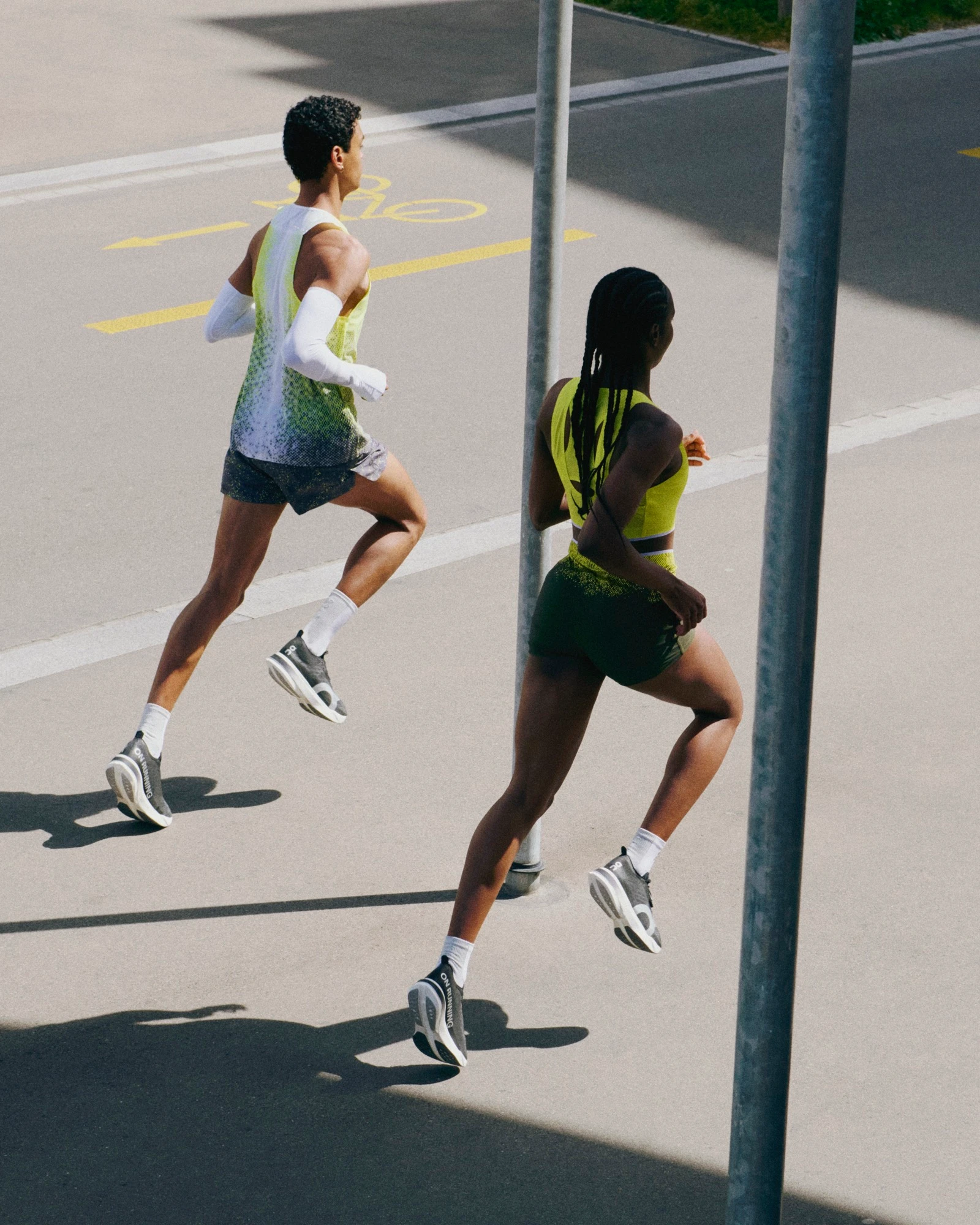
You can’t force a runner’s high. It’s earned through patience, consistency, and sustained effort.
- Warm up well: Start with 10–15 minutes of easy jogging and dynamic stretches to prepare your body and prevent burnout later. - Find your pace: Aim for a steady effort in the high-aerobic zone (70–80% of your max heart rate) – where you can speak a few words, but not full sentences. - Go longer: The high usually hits after prolonged effort. Extending your usual distance increases the chance of triggering the endocannabinoid release that drives euphoria. - Keep a rhythm: Sync your breath and stride. Repetition helps the mind detach from effort and settle into flow. - Change your scenery: Trail running on grass and rolling terrain engage more muscles and sharpen focus which can help spark the high. - Tune in, or out: Music over 180 BPM can keep your cadence high, or skip the playlist and let nature’s sound immerse you. - Stay mindful: Focus on your breath, stride and the feeling of your road running shoes hitting the ground. How much attention can you bring to the middle of an effort? - Push through discomfort: The breakthrough often comes right after the hardest stretch. Maintaining your pace for just a few minutes longer during this period is what typically flips the switch, replacing strain with that effortless, floaty feeling.
Reaching that state takes time. The more you practice these habits, the more naturally your body and mind will tap into that powerful, natural feeling of being in the zone and moving effortlessly.
Chase the feeling
Once you’ve experienced a runner’s high, chances are, you’ll want to find it again. The key is to stay present. Remove distractions so your focus stays on movement and not what you’ve got on.
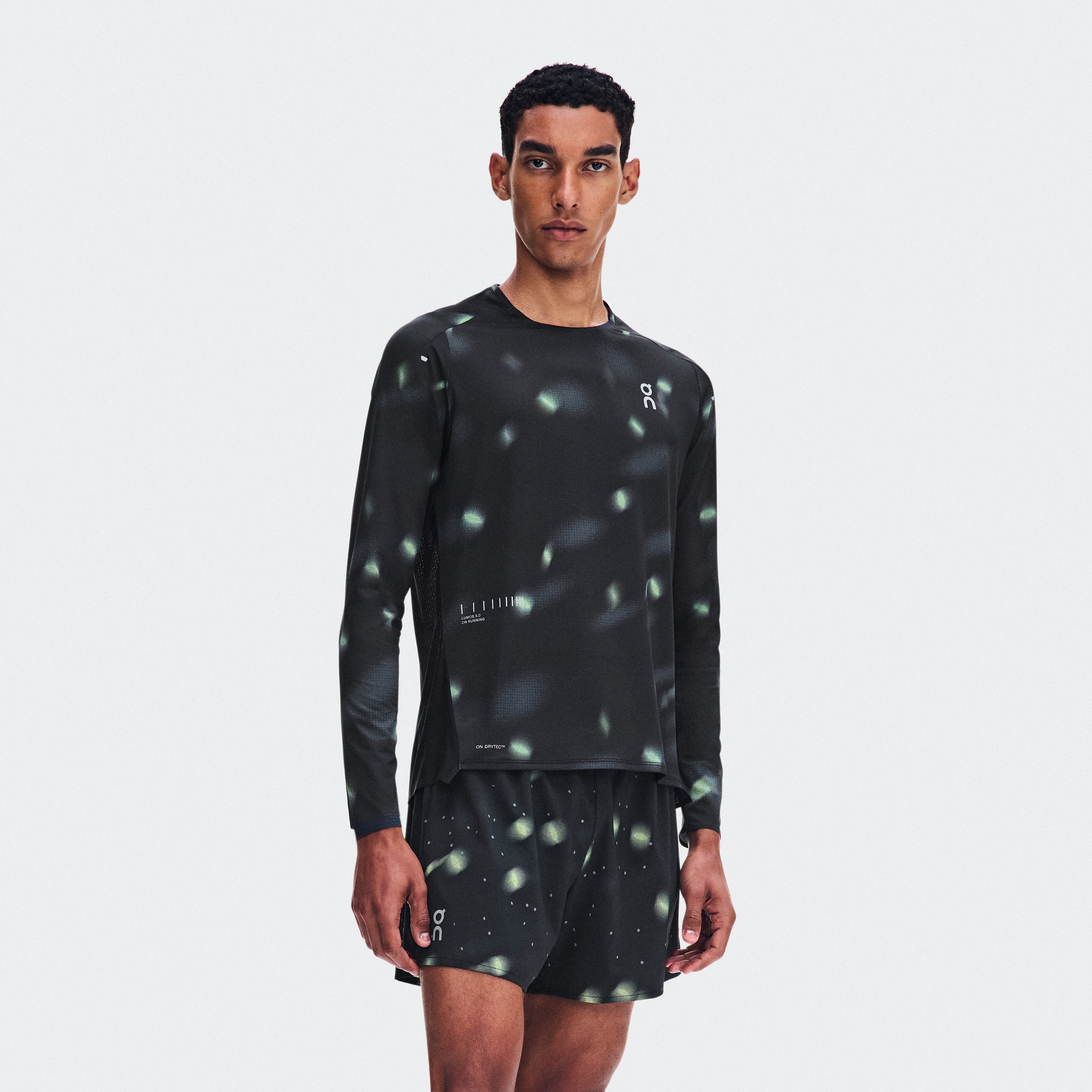
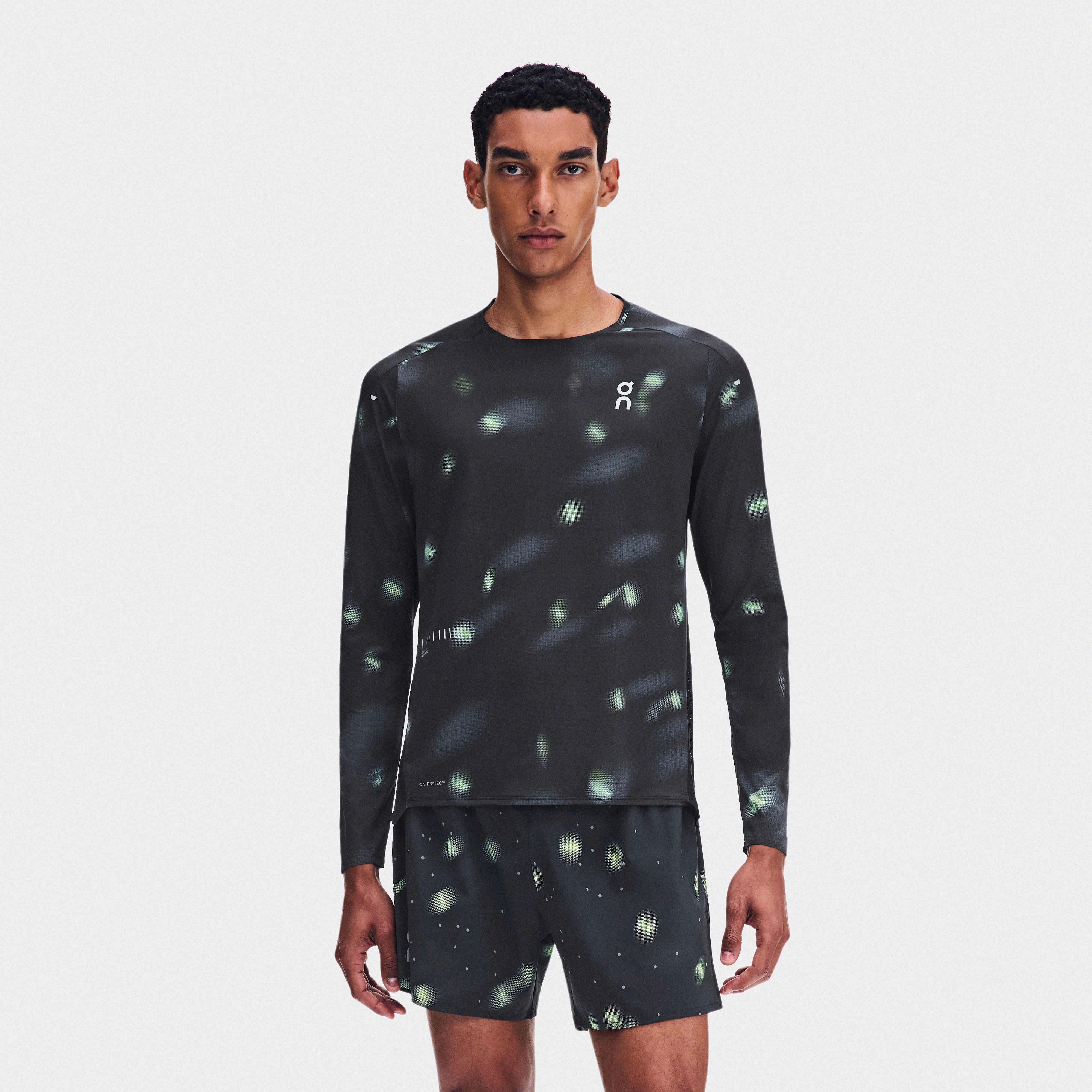
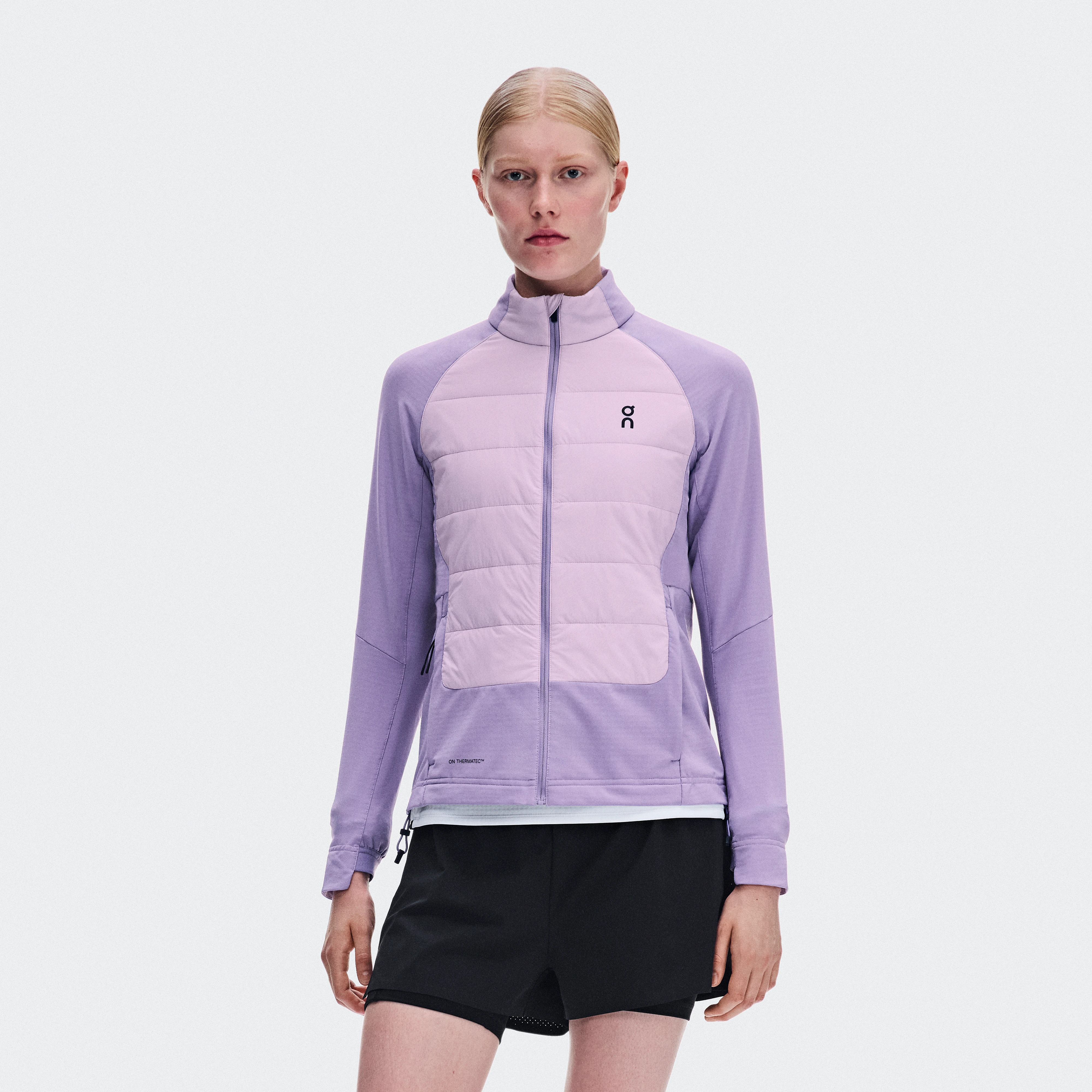
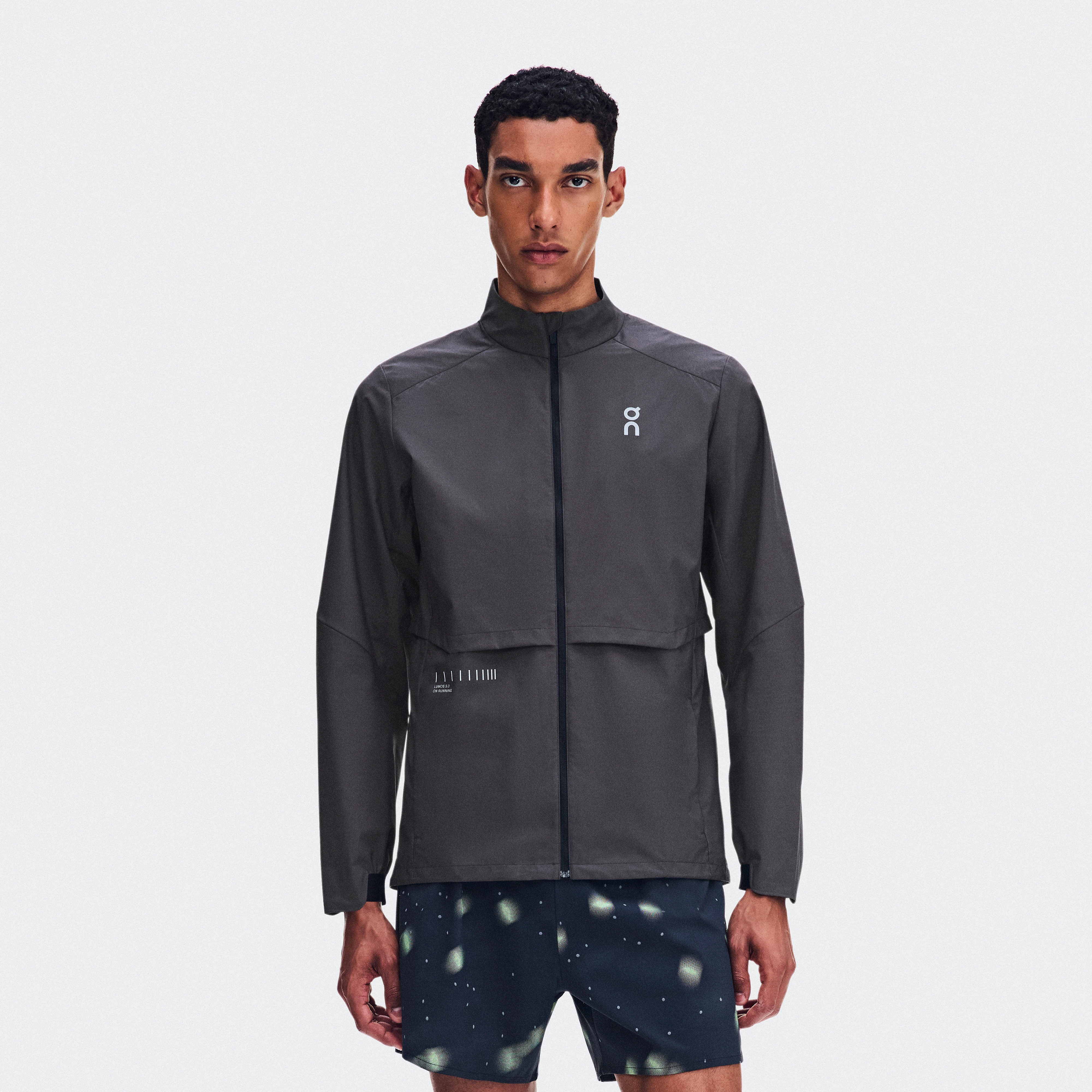
No article of clothing can guarantee the feeling, but the right running apparel and a stable pair of running shoes can make every stride feel lighter – that’s where the magic happens.
Frequently asked questions
Can a runner’s high be bad for you?
No – the runner’s high itself is not harmful. It’s a natural biochemical response that helps ease stress and boost mood. But it can make you feel almost invincible, which sometimes leads runners to ignore pain or overtrain. Enjoy the feeling, but listen to your body. Never push through sharp or lingering pain.
Is runner’s high a myth?
No. Runner’s high is a scientifically recognized physiological state. While it was once linked mainly to endorphins, research now shows that endocannabinoids – chemicals your body naturally produces – play the bigger role. Because it takes patience and sustained effort to reach, some runners doubt its existence. But the high is real and earned.
Do endocannabinoids cause runner’s high?
Yes. Current science points to endocannabinoids as the main driver. These small lipid molecules can cross the blood-brain barrier and bind to cannabinoid receptors, producing that signature mix of calm, pain relief, and euphoria. In short: they’re the body’s built-in reward system for endurance.