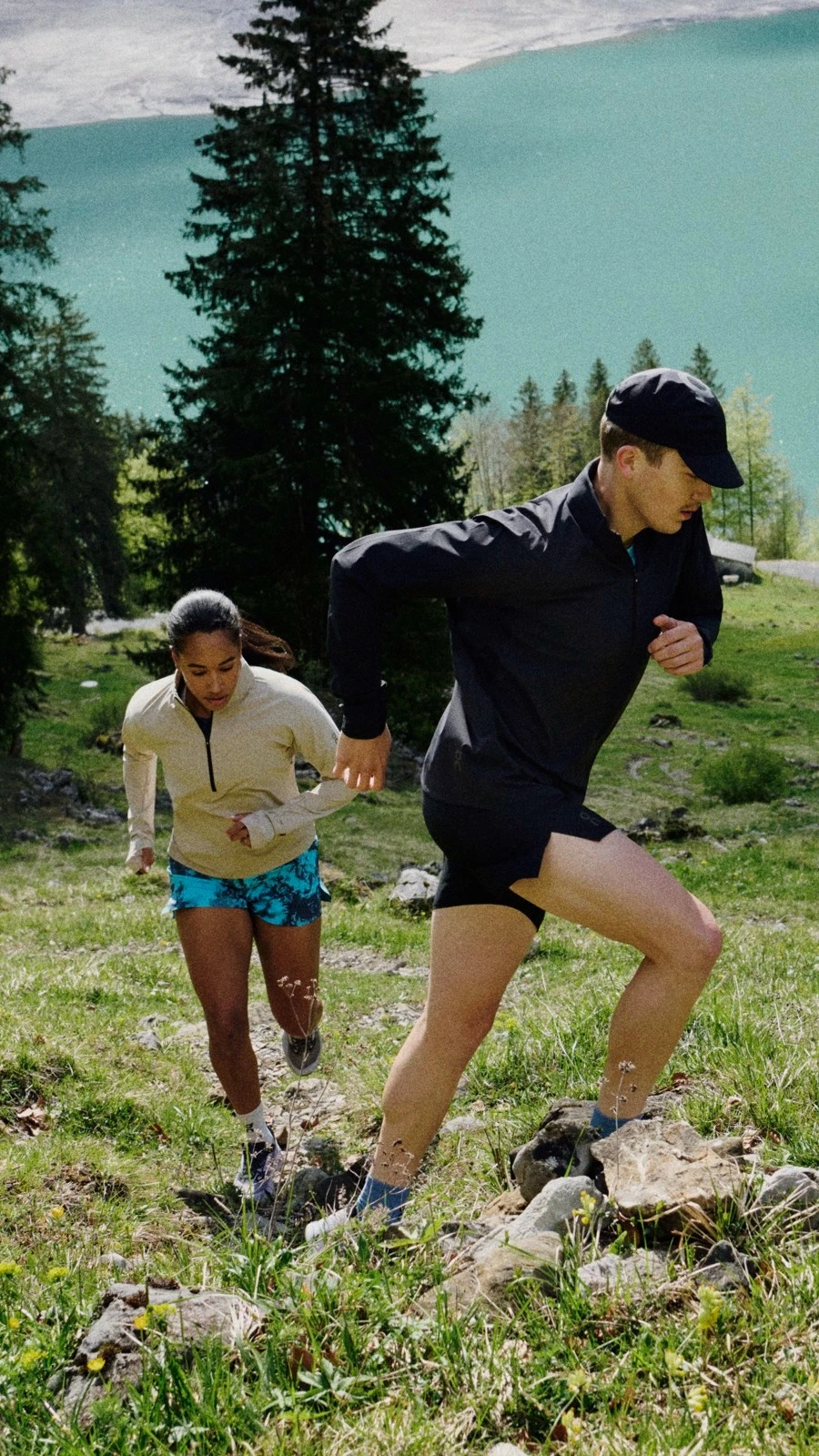
Trail running for beginners: How to get started and keep going
“The trails are for everyone,” says trail runner and On athlete, Dave Norris. Here’s his guide to leaving the pavement behind and finding confidence on the trail.
Trail running doesn’t have to mean big mountains or ultra long races. For many people, it starts with a dirt path, a park loop, or a stretch of trail just off the road.
Colorado-based On trail athlete Dave Norris describes trail running as “Moving efficiently [off-road] through the woods or mountains and adapting to the terrain as you go.” What keeps it fun for the former professional cross-country skier is the novelty of what he discovers out there. “Every minute, the stride, pace, terrain, and view all change.” That variety is what makes people come back.
How to get started with trail running
A little preparation goes a long way before you leave the pavement. Trail running challenges your body with changing terrain – but it doesn’t have to be complicated.
Below, Dave Norris shares simple advice to help you choose the right gear and get your body for the trail.
Choose the right trail running shoes
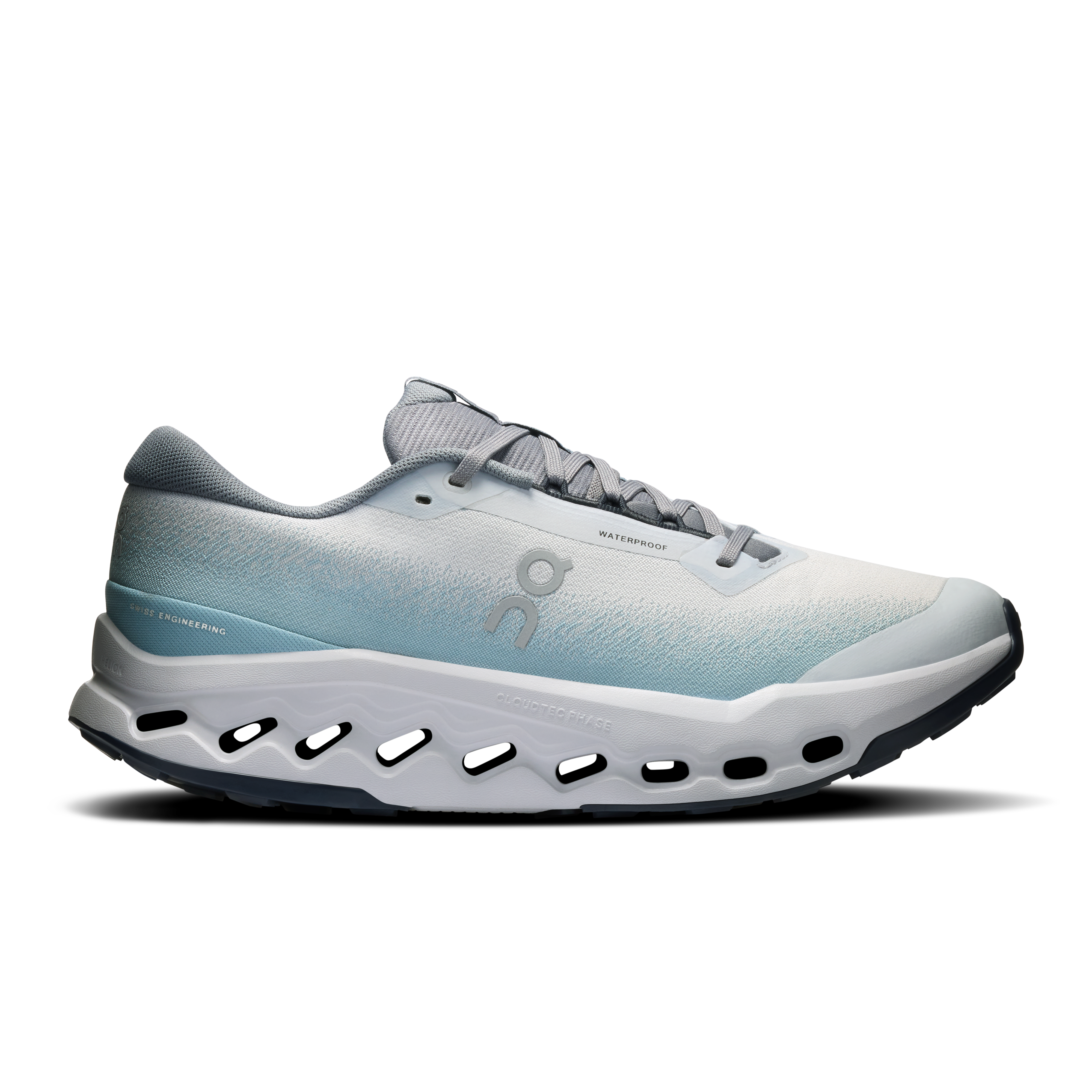
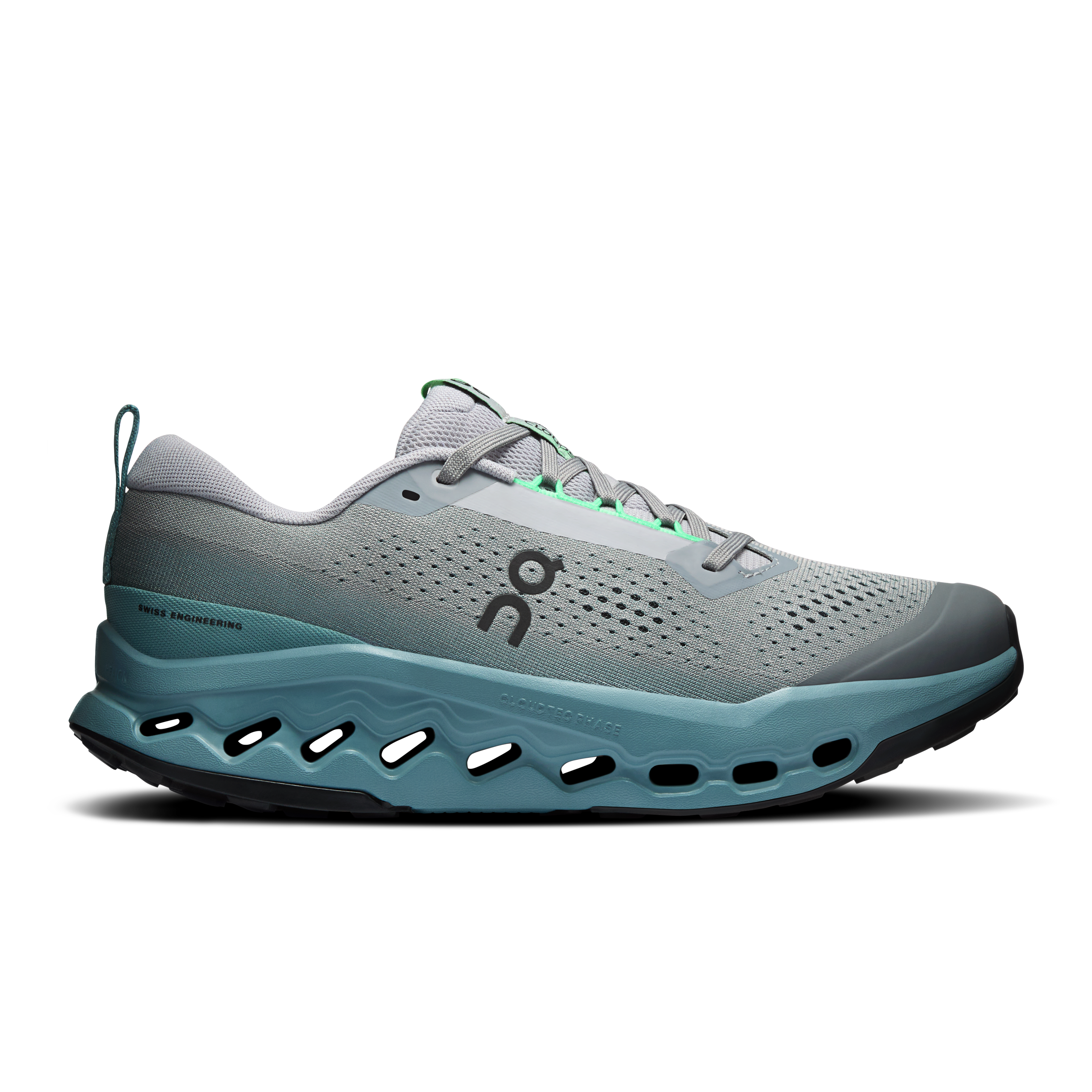
Your shoes matter most. On trails, comfort and stability come first. Unlike road shoes, trail running shoes are built to handle uneven ground, loose surfaces, and sudden changes underfoot.
When choosing your first pair, look for a few key features:
- Traction: An outsole with deeper lugs or multi-directional grip helps you stay steady on mud, rocks, and roots. - Durability: Reinforced uppers – especially around the toes – protect your feet from bumps and trail debris. - Fit and comfort: Your shoes should feel secure without squeezing. A stable fit helps prevent blisters and keeps your foot from sliding on uneven terrain. - Stability: A supportive midsole and secure heel and ankle help you move confidently when the ground isn’t predictable.
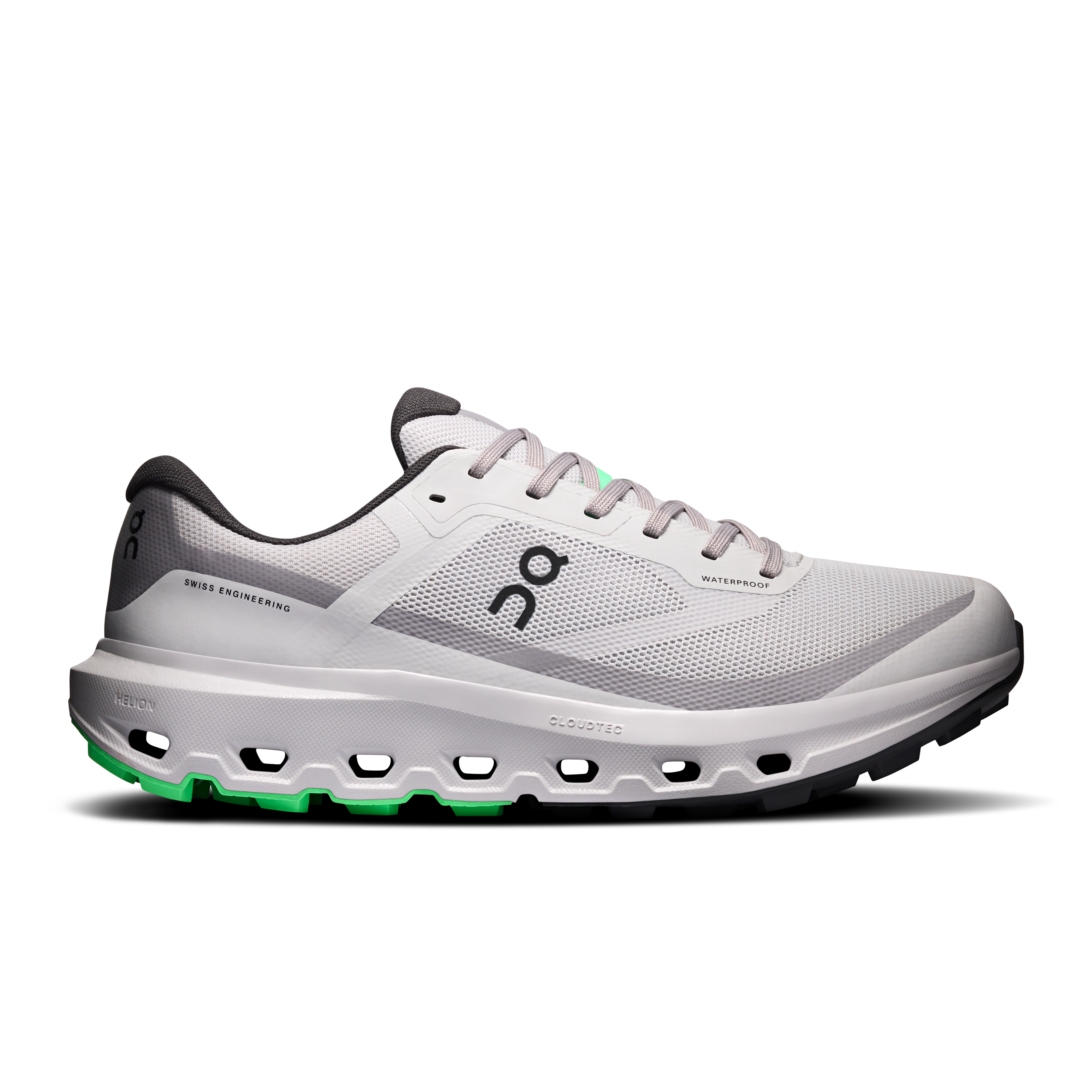
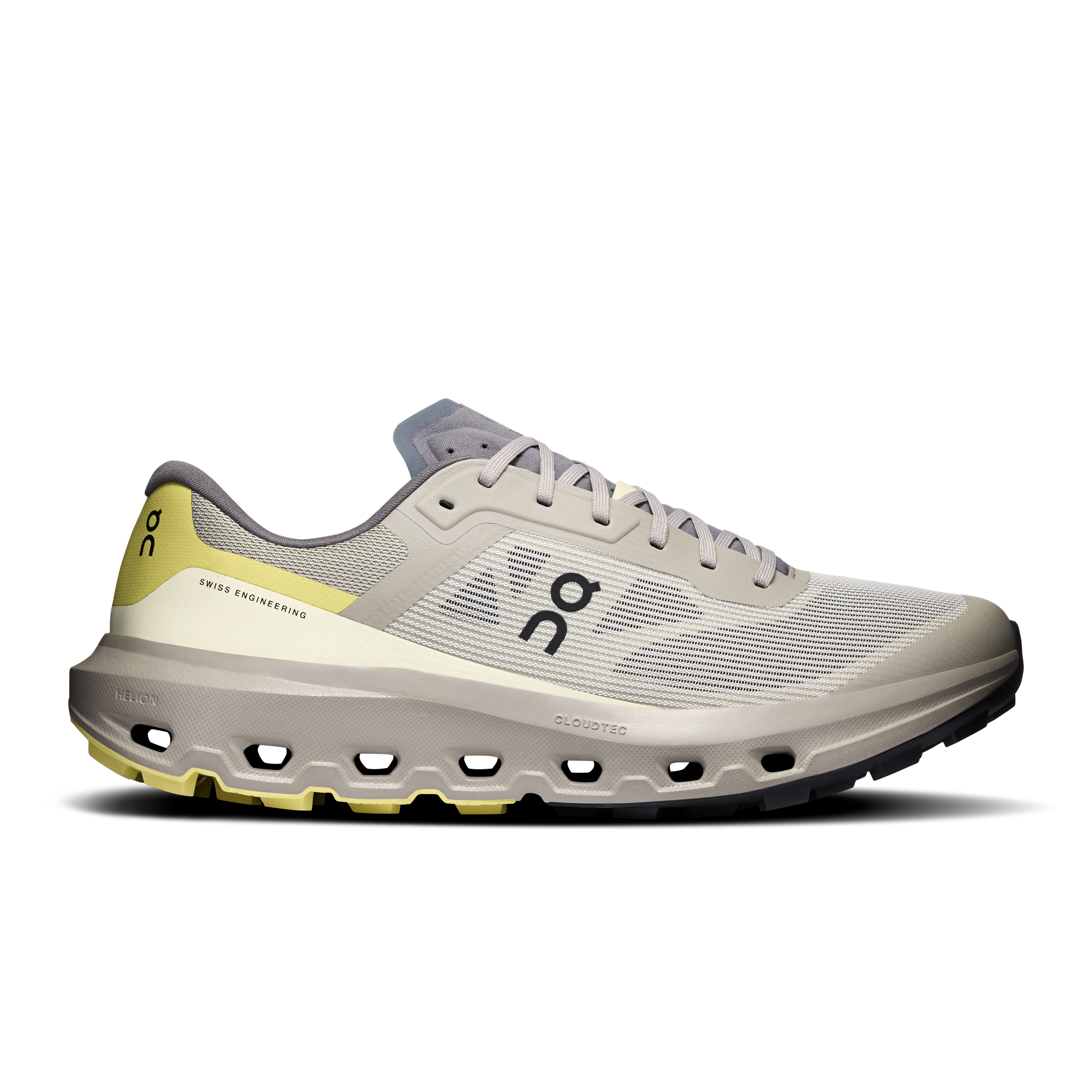
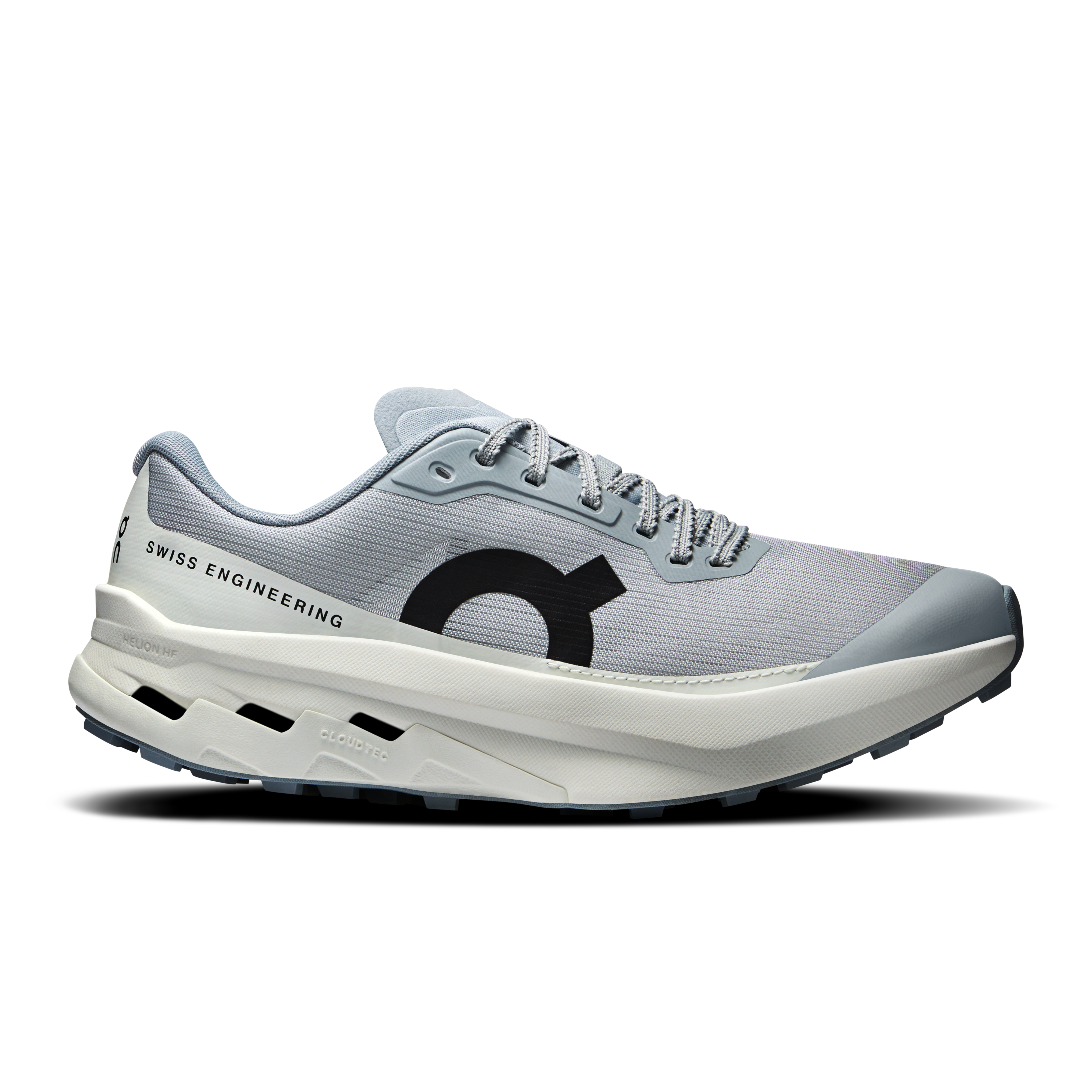
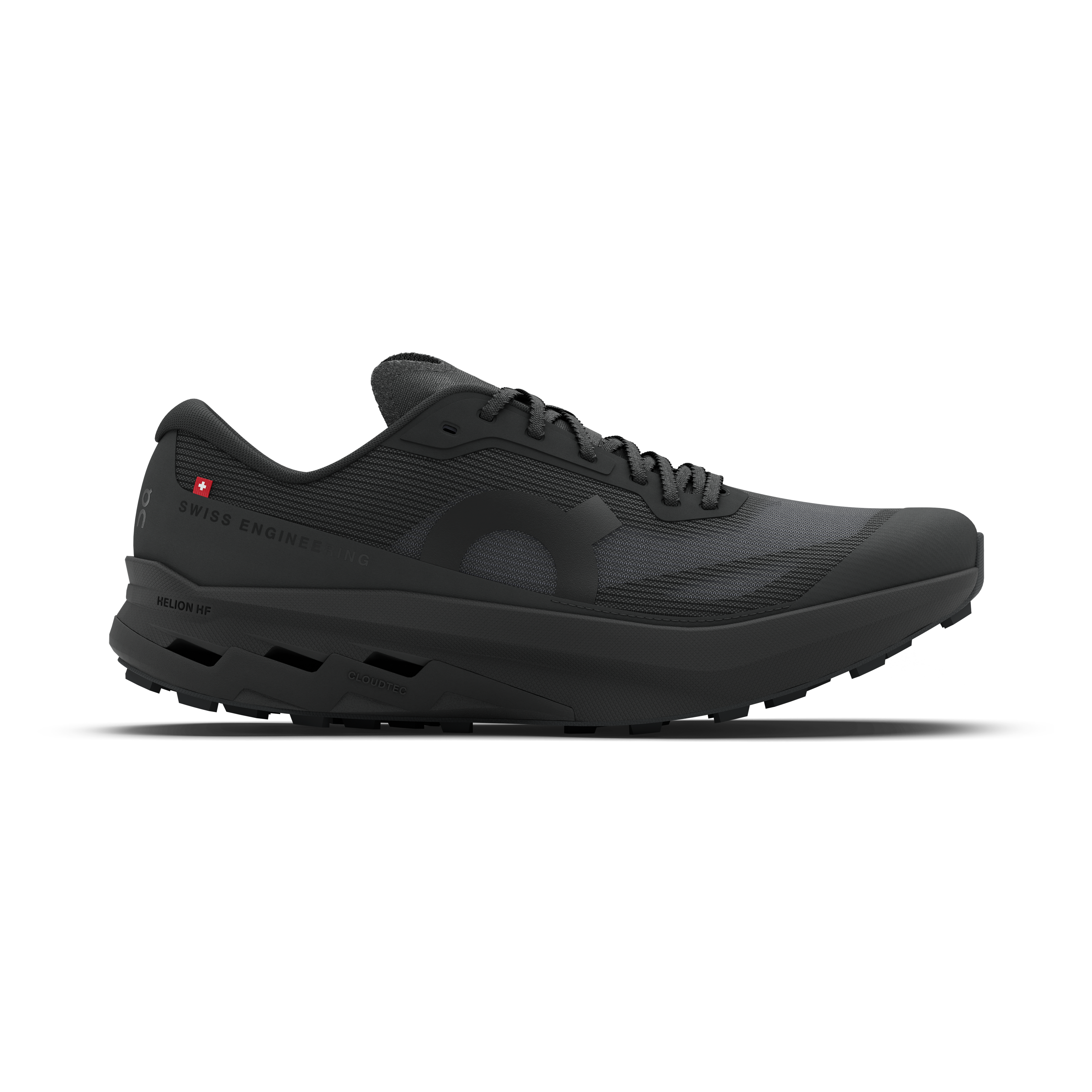
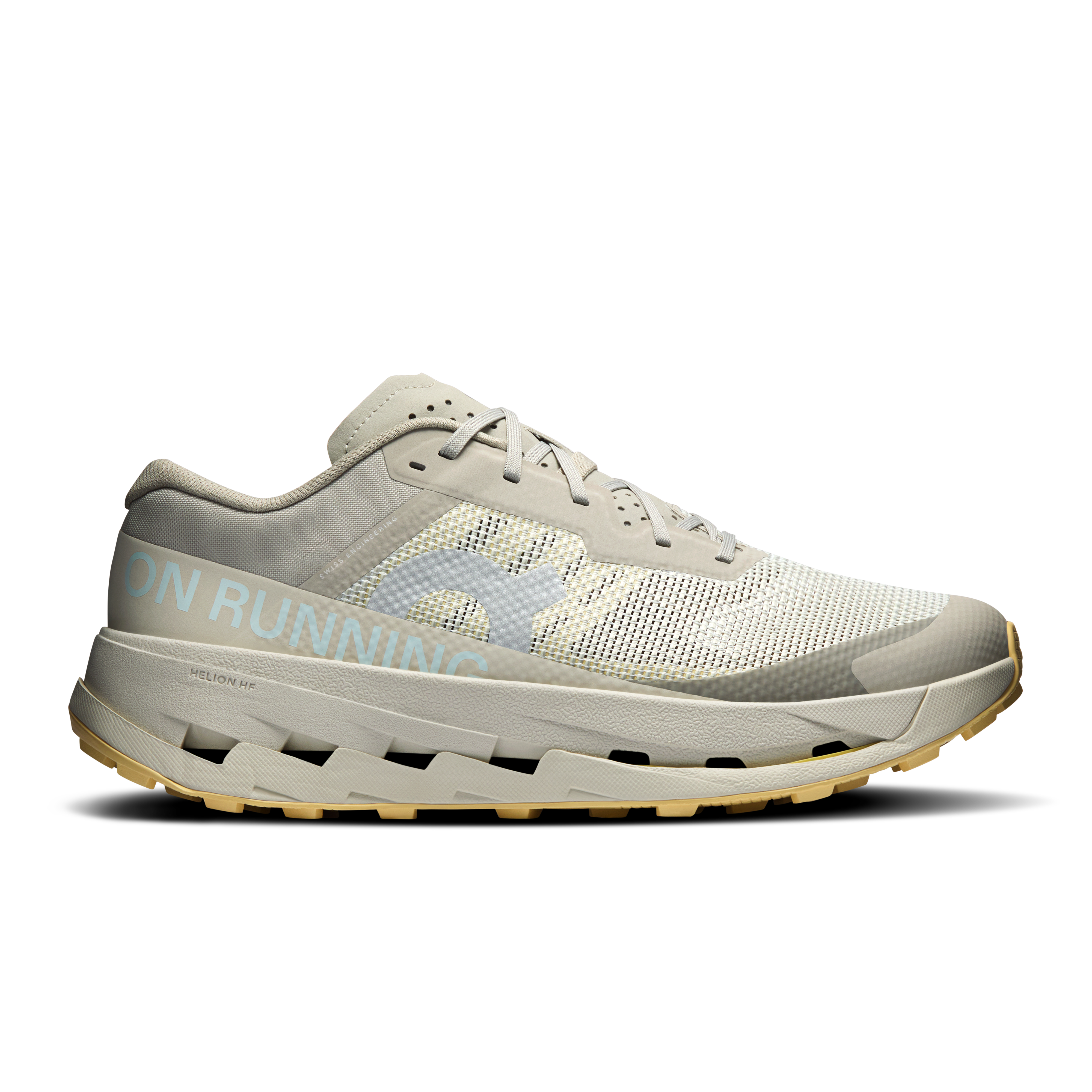
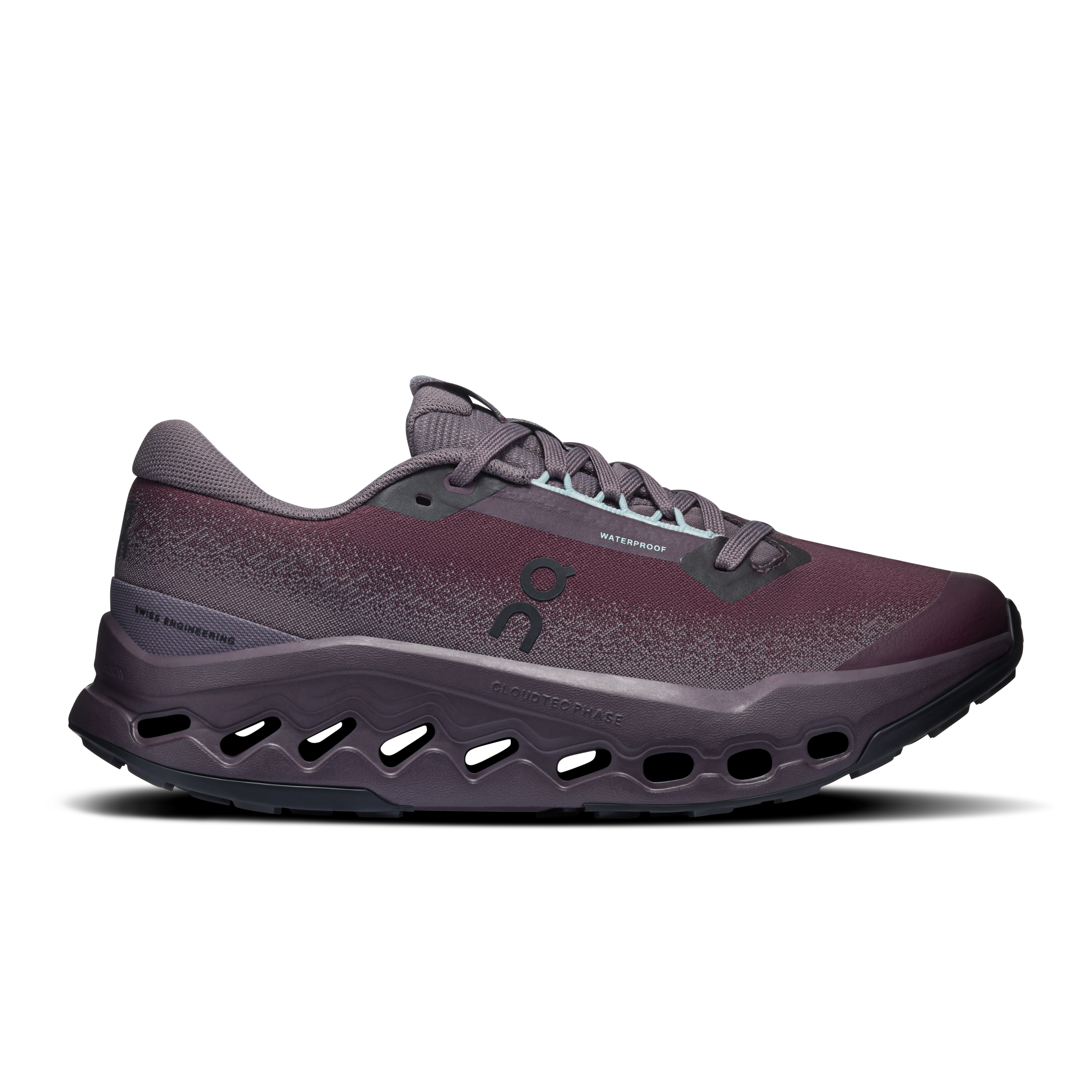
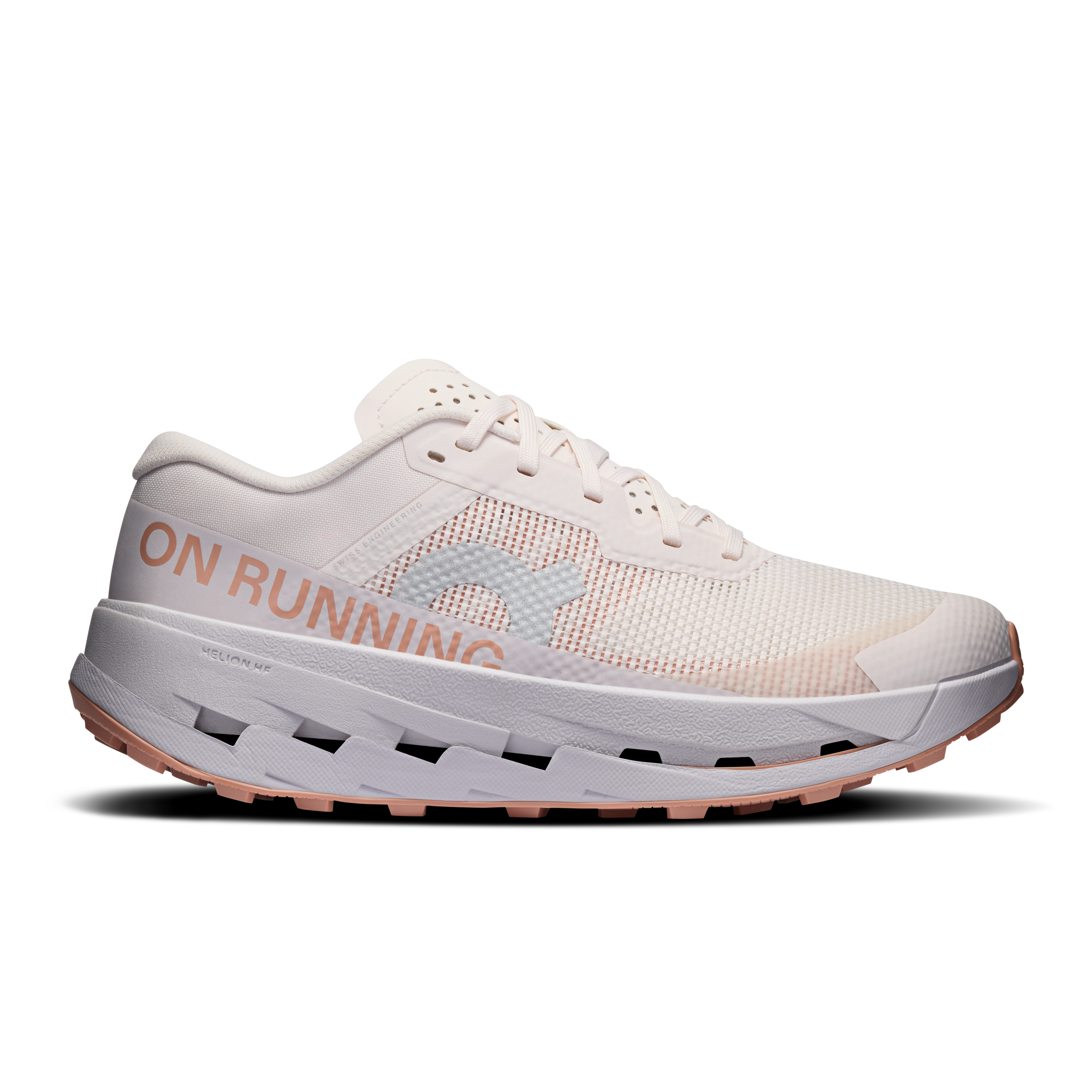
Norris recommends the Cloudvista 2 as “an all-round trail shoe” because of its lightweight construction with flexibility and comfort. For moderate terrain, the Cloudsurfer Trail 2 is another solid place to start.







Pack the right clothing and gear
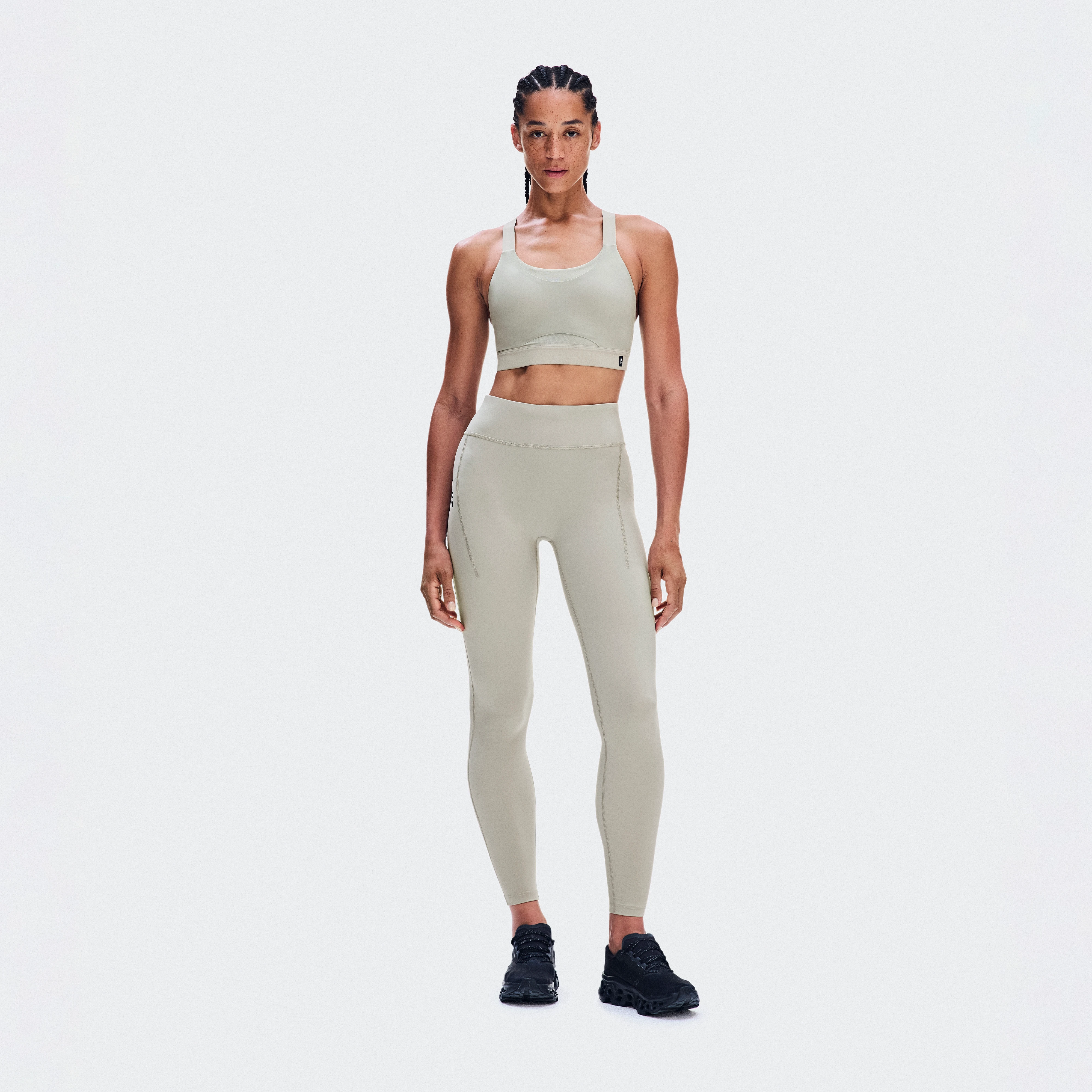
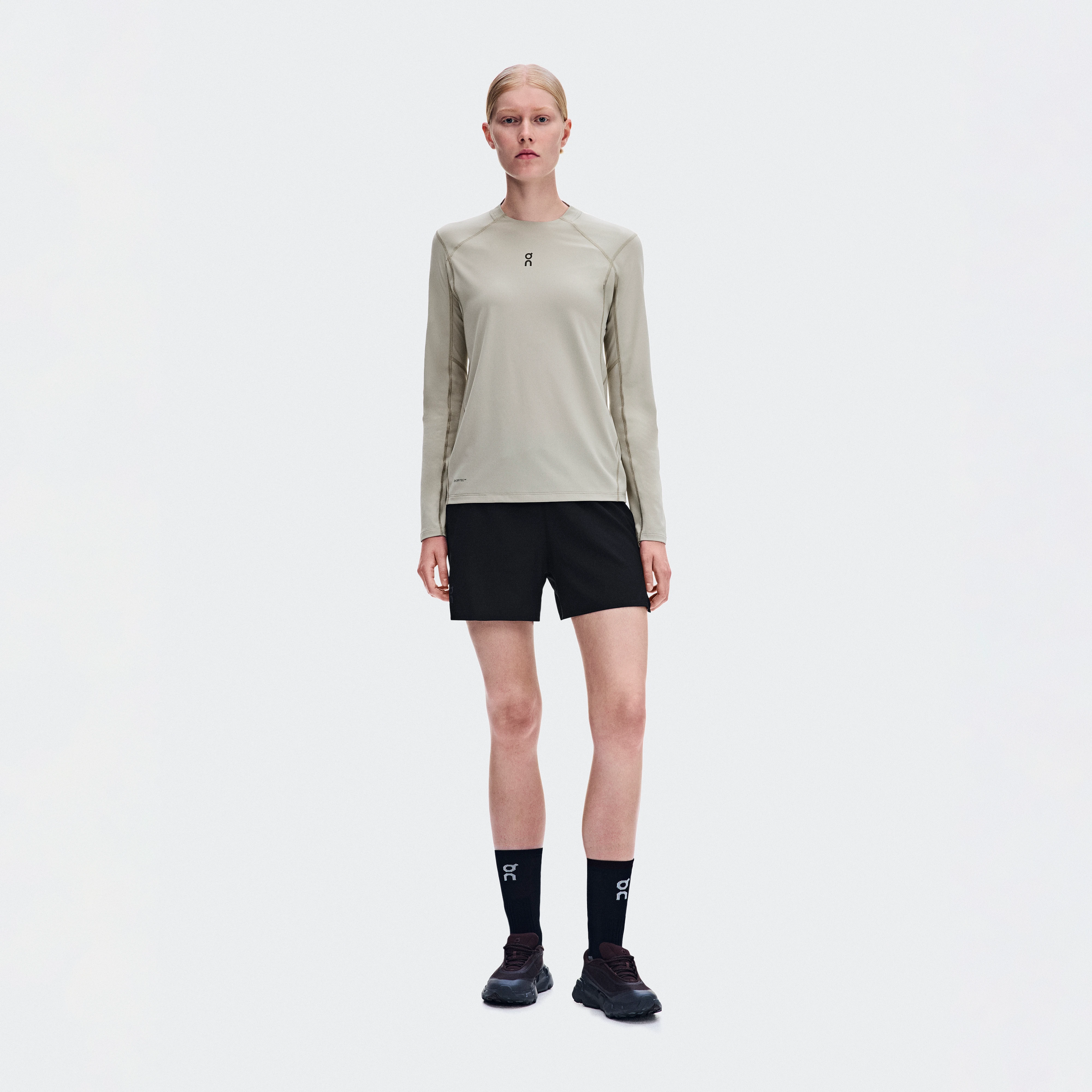
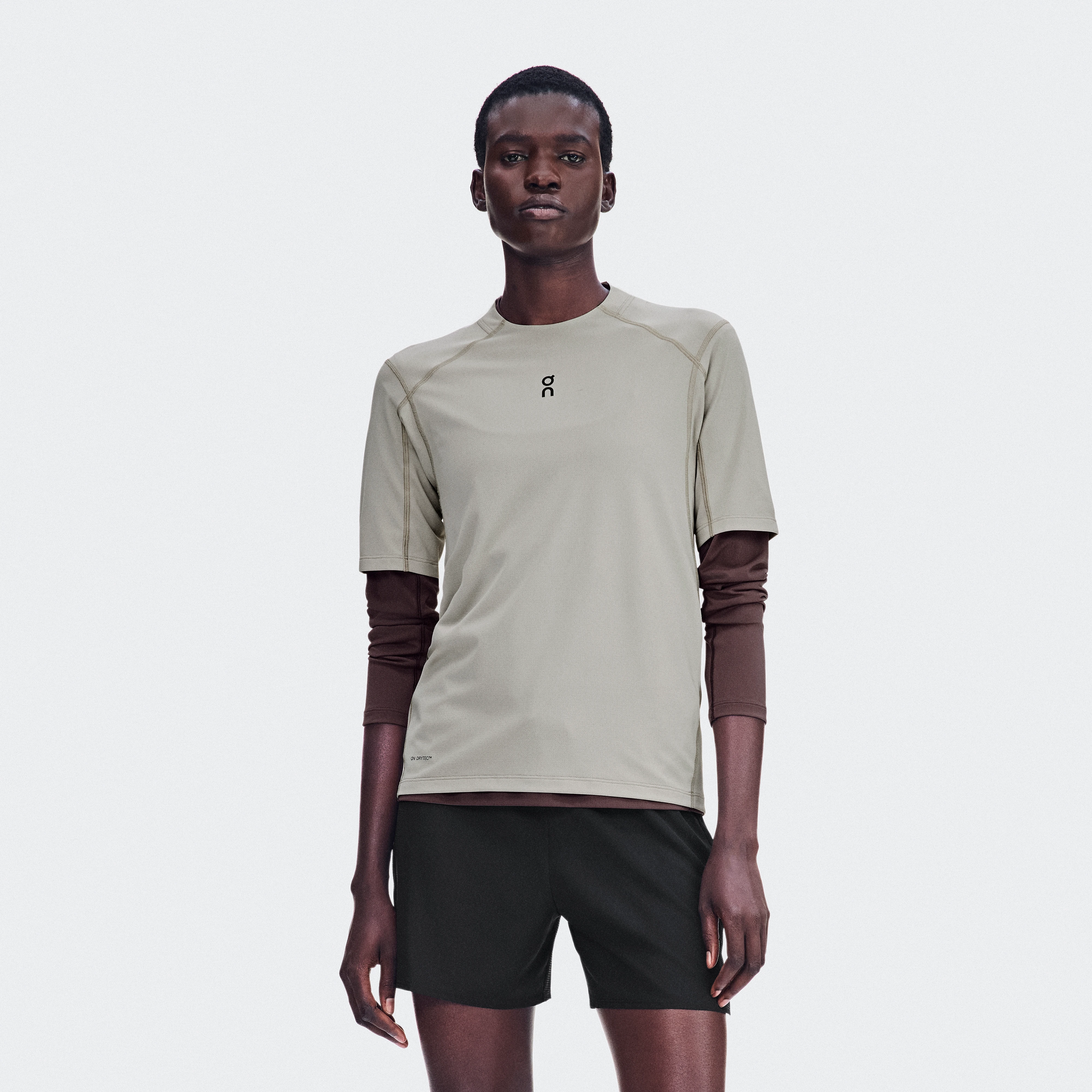
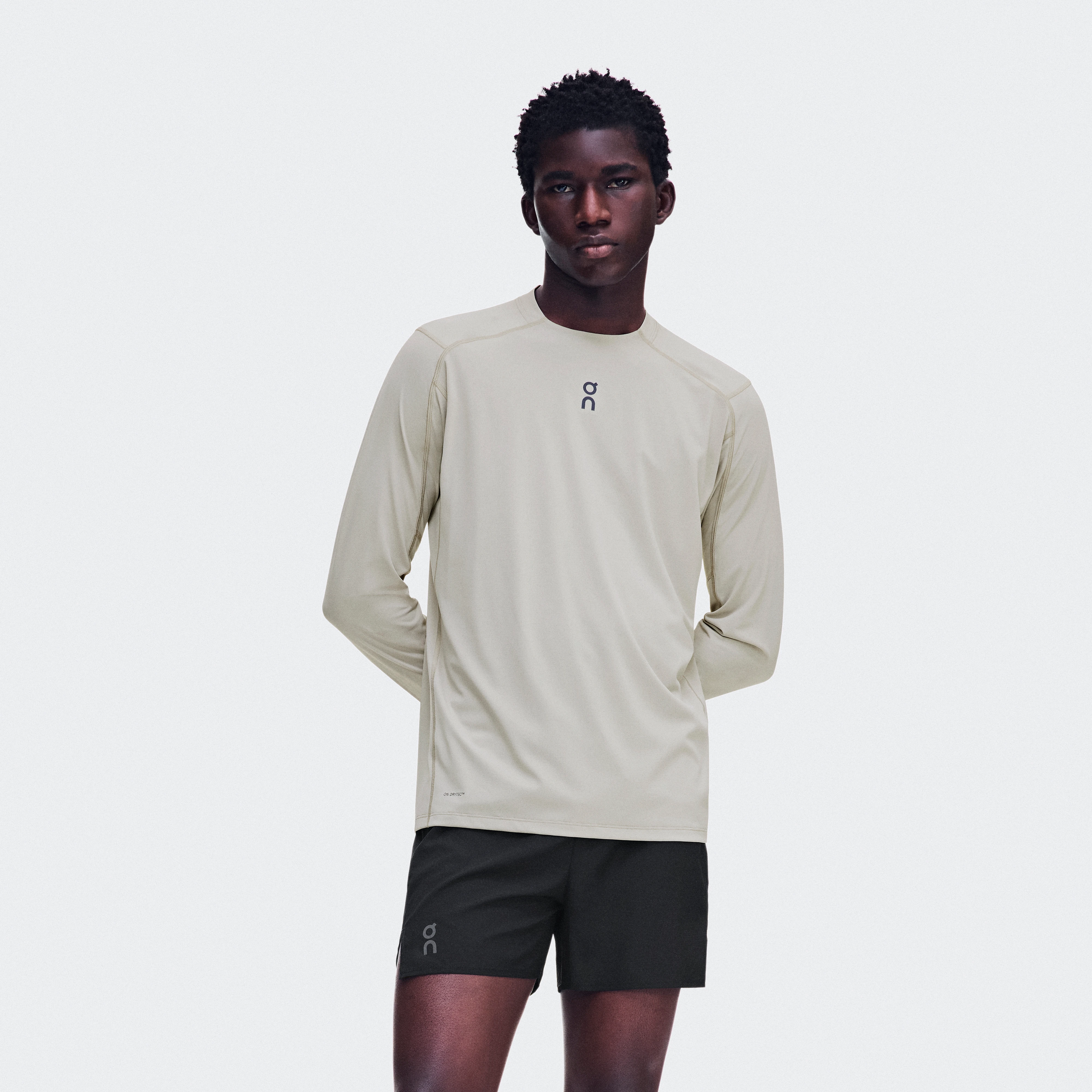
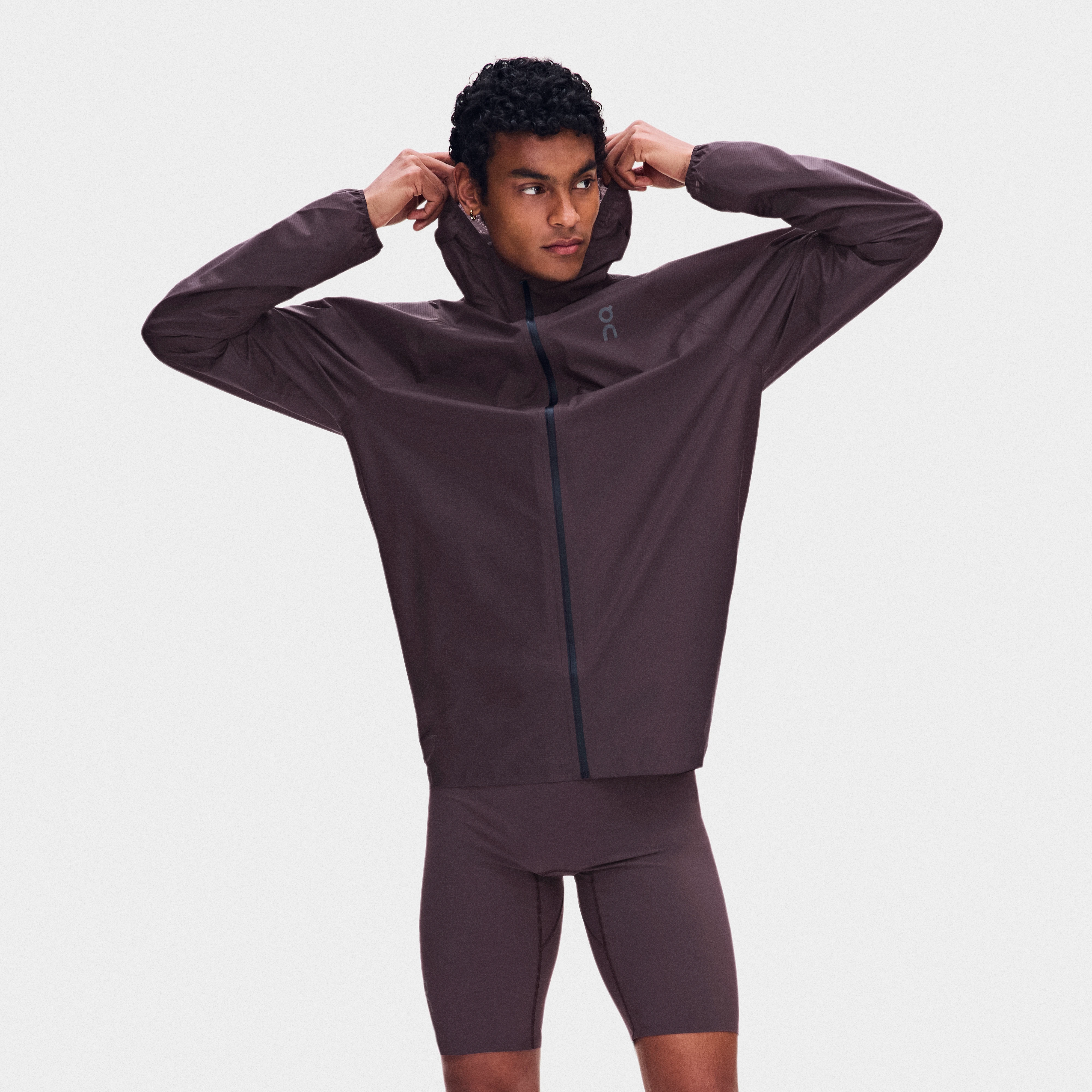
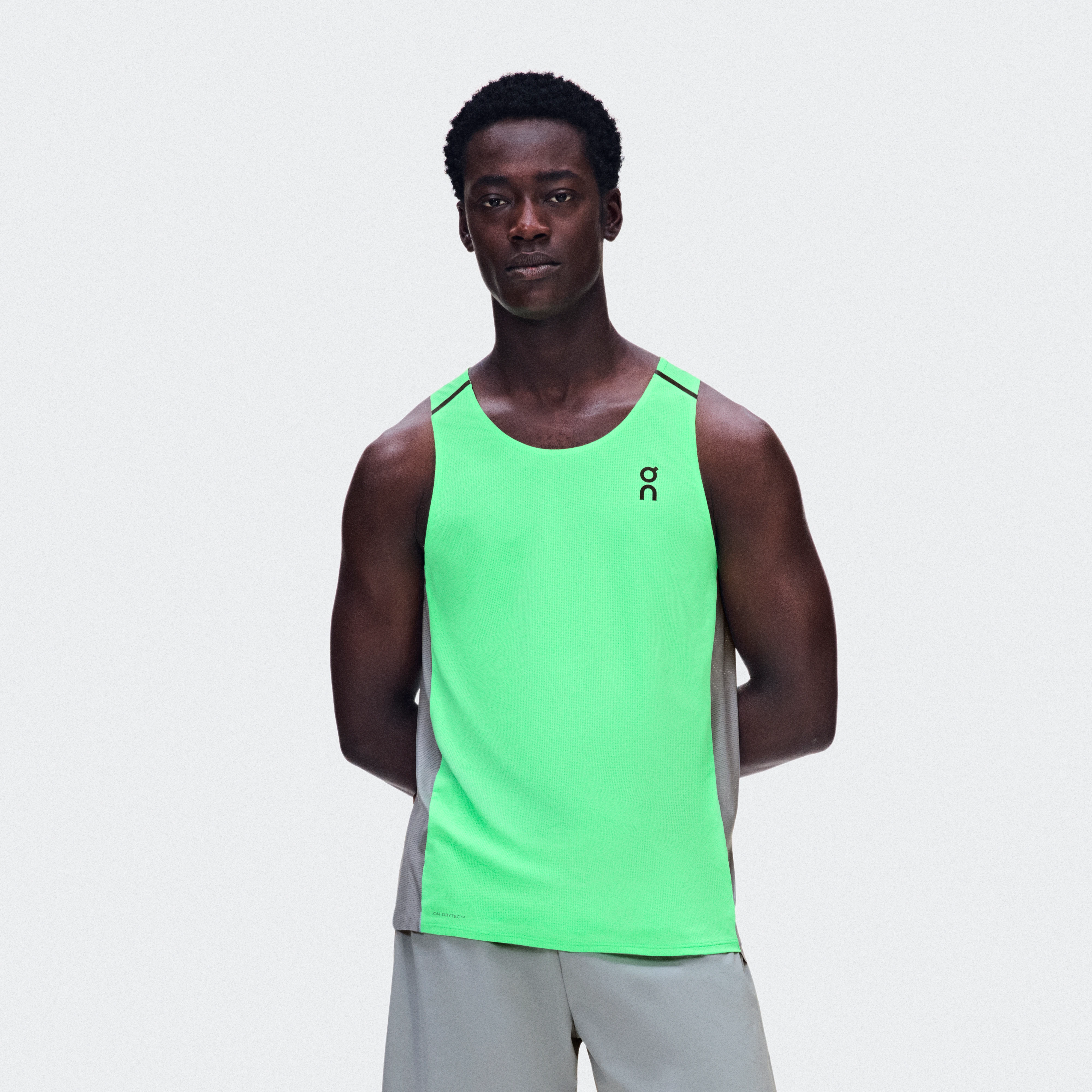
It’s easy to get carried away with gear, but starting simple is often best. “Trail shoes and a raincoat are some basic items to own. From there, you can build up your kit based on the run's distance and environment.”
“Better to be safe than sorry if the weather shifts quickly,” says Norris.
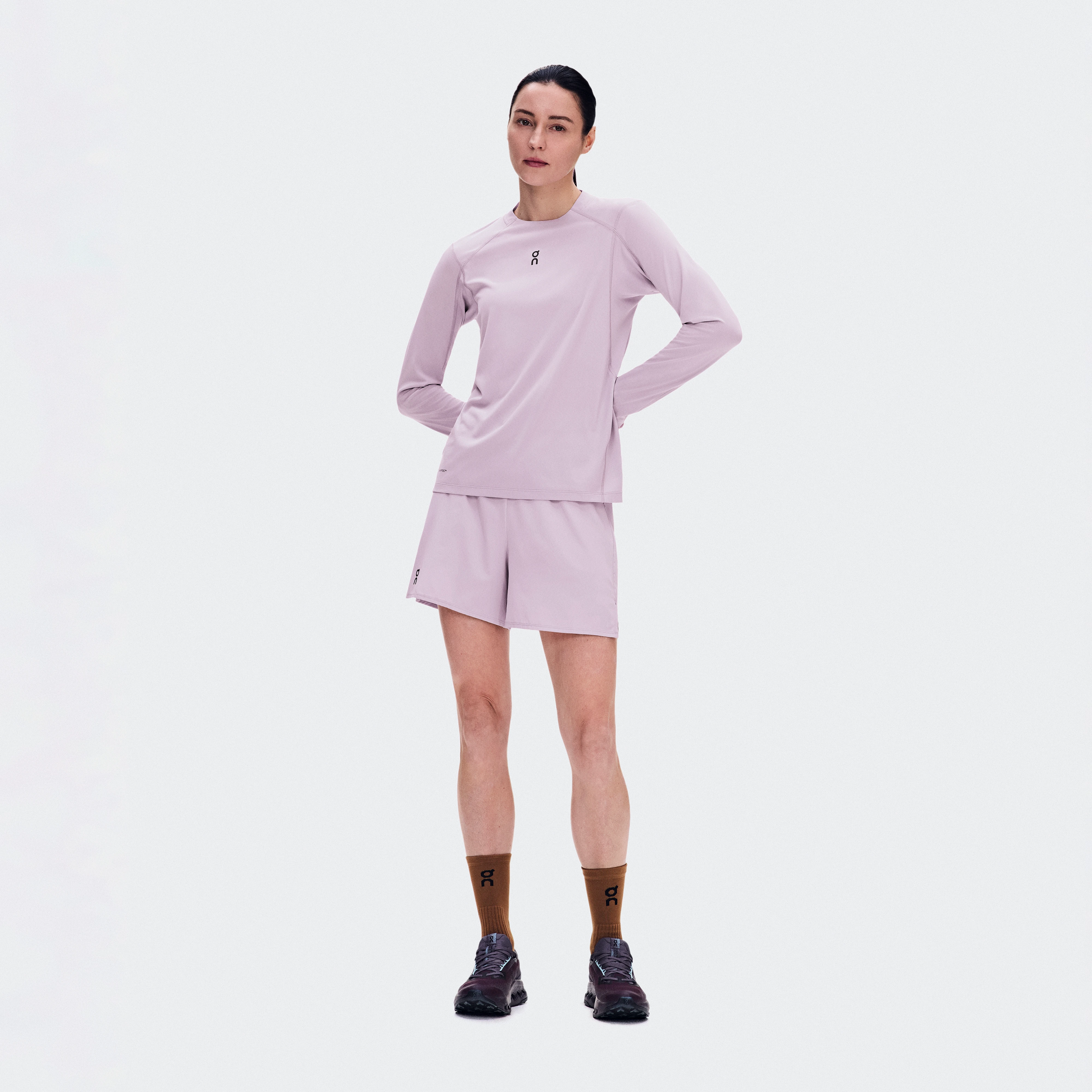
For longer runs or changeable conditions, planning ahead matters. Norris suggests lightweight, packable layers that are easy to carry and quick to put on. “For longer trail runs, I bring my Ultra Vest, and if I might be getting into the wind or spending time above the tree-line,” he says. “I often throw the Ultra Jacket and Ultra Pants in my vest because they're so lightweight.”
A hydration vest makes it easier to carry water, layers and essentials without breaking your stride.













Training tips for trail running beginners
You don’t need exceptional fitness to start trail running. The goal is simply to move at a pace that feels right for you, and enjoy the process.
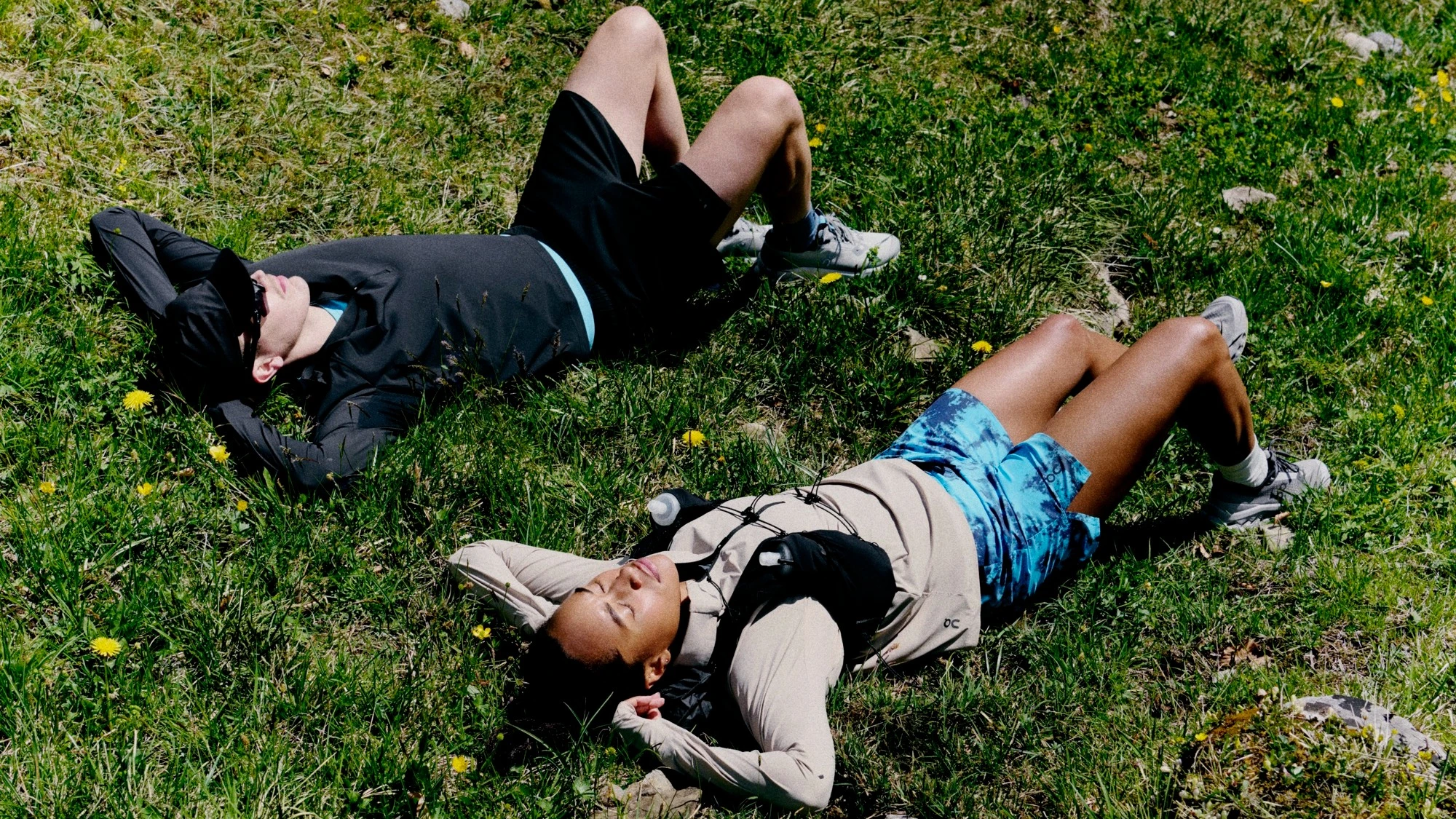
“[Build] up your fitness gradually, and [try not] to make your first trail experience an epic whole-day run,” says Norris. Trail running places different demands on your body. Uneven ground challenges balance and ankle strength. And navigating steep downhills can leave your legs sore. The key is progression. Start short, take breaks, and build over time.
“Build up your fitness gradually, and try not to make your first trail experience an epic whole-day run.”
To prepare your body, focus on a few trail-specific habits:
- Build a steady base: Gradually increase your mileage and time on your feet. Consistency over speed. - Work on footwork and balance: Light, quick steps help you adapt to rocks, roots, and uneven ground. - Practice hills: Power-hiking or running uphill builds strength and confidence for elevation changes. - Add strength and mobility: Strength training supports joints, bones, and tendons as terrain gets more demanding.
Progression works best in small steps. Norris recommends making “Small adjustments rather than big ones” as you increase volume or intensity.
And prioritize recovery and nutrition. Rest and fueling are part of training. They help your body absorb the work and get ready for the next adventure.
Tips for hitting the trail safely
A little preparation goes a long way toward staying safe and relaxed on the trail.
- Choose routes that match your fitness: Start with manageable distance and elevation. - Check the forecast: Weather can change quickly, especially at higher elevations. - Carry essentials: Bring water, and for longer runs, snacks and basic first aid supplies. - Share your route: Let a friend or family member know where you’re going and when you expect to be back.
Navigation tools help too. A fully charged phone with a trail app is often enough. On longer or more remote routes, some runners carry a map, GPS or compass as backup.
Trail running nutrition: How to fuel your adventure
Fueling helps you enjoy your run and get the most of your time spent outdoors.
“You can take on a lot of amazing adventures by just bringing a peanut butter sandwich and some water with you,” Norris says.
Norris believes in training your gut to handle fuel, and in consuming calories throughout a few training runs per week so that it's used to the consumption come race day.
A simple approach works well for beginners:
- Keep it light on short runs: Water and a small snack with carbs and protein are usually enough. - Practice with performance fuel if needed: Gels or energy bars are useful for longer efforts and races. Test what works for you. - Stay hydrated: Adjust your water intake based on distance, terrain and temperature.
How to discover local trail routes
Finding a route is part of the fun. Norris recommends starting with digital tools like map apps or Strava to get a sense of terrain and distance before heading out.
“My first runs will be out-and-back type runs, so I don't get lost or get stuck running way longer than planned,” Norris says.
If you’re looking for community, local running clubs and social trail groups are a great way to explore new routes with others.
Trail running etiquette
Trails are shared spaces, and good trail running starts with respect. The guiding principle is leave no trace: stay on marked trails, avoid shortcuts and minimize your impact on the environment.
A few simple courtesies go a long way:
- Give way to uphill runners - Be considerate of hikers, bikers and equestrians - And remember, walking is part of trail running
“People think trail runners don't hike,” Norris says. “I hike a lot throughout a trail run and I even do it in races when the terrain is steep.” Walking the steep sections is smart, it’s not something to avoid.
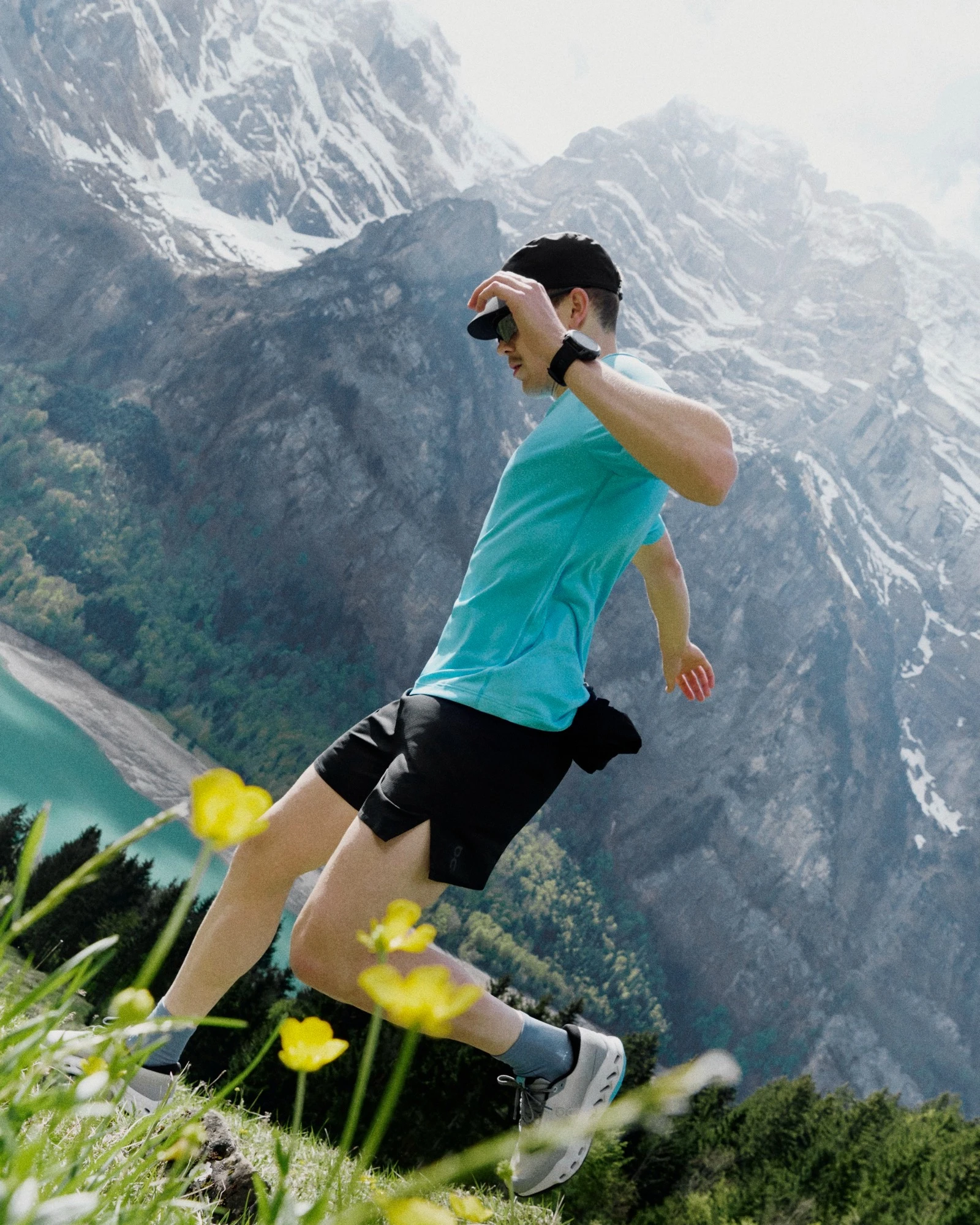
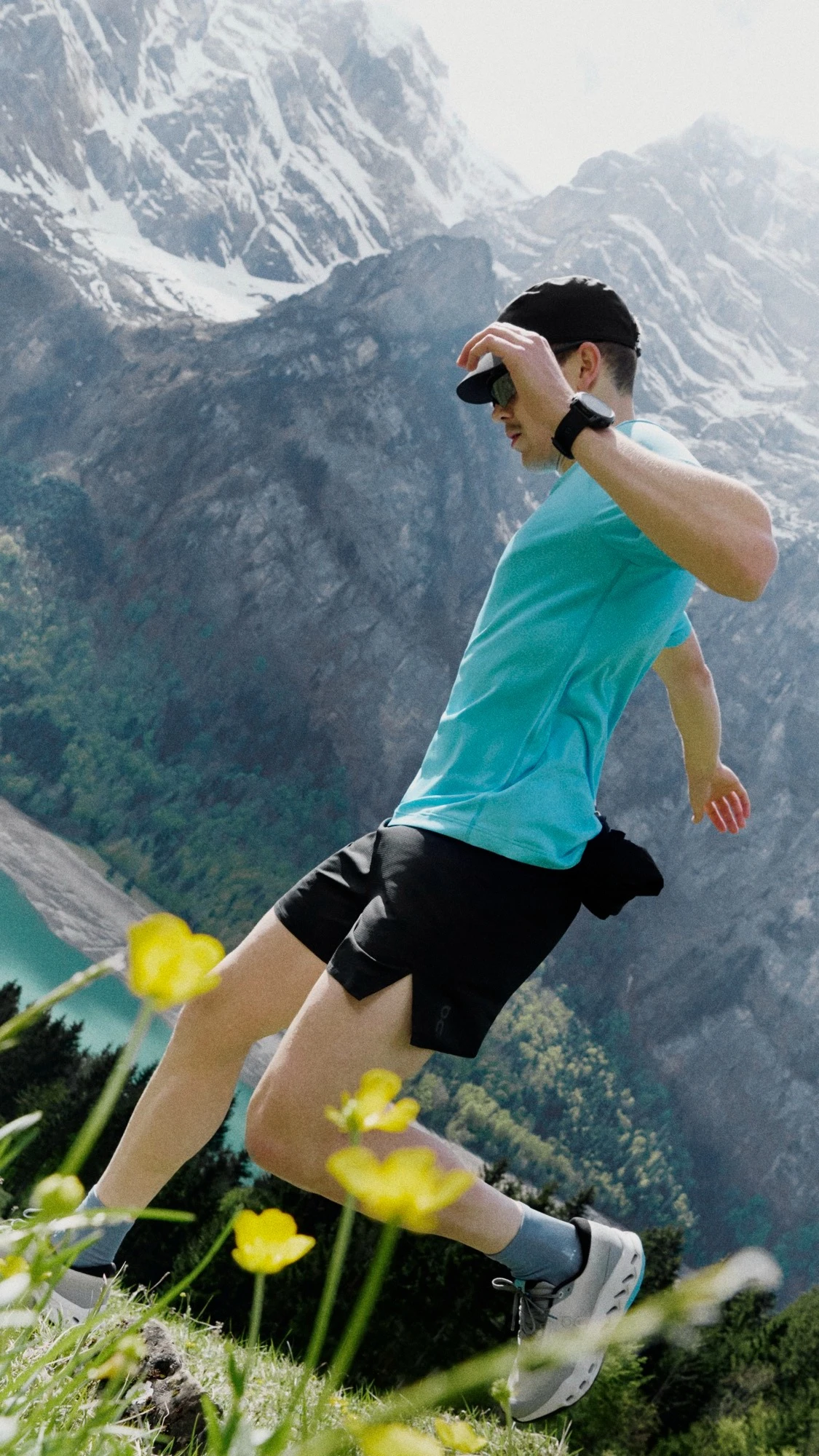
Explore the trail with confidence
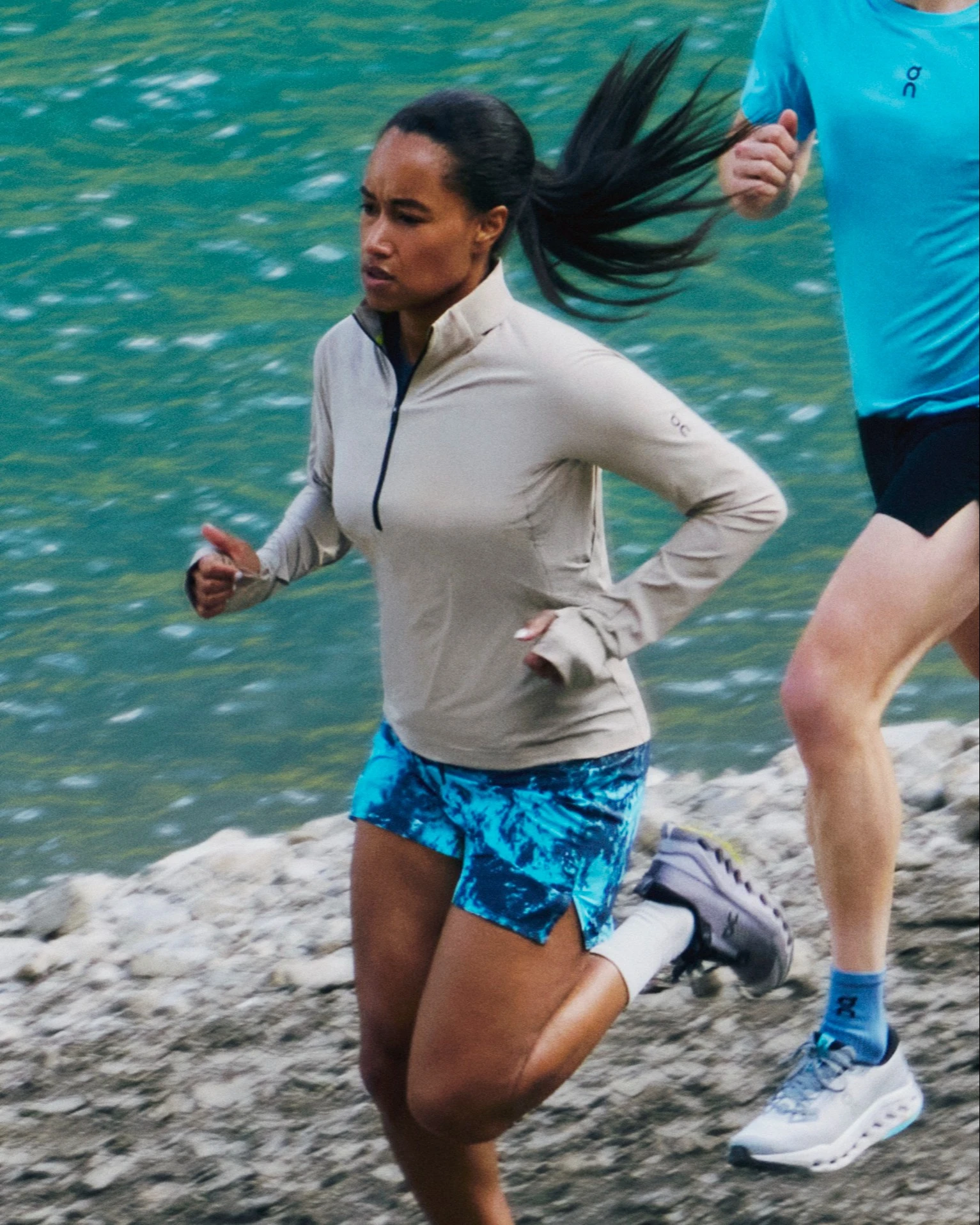
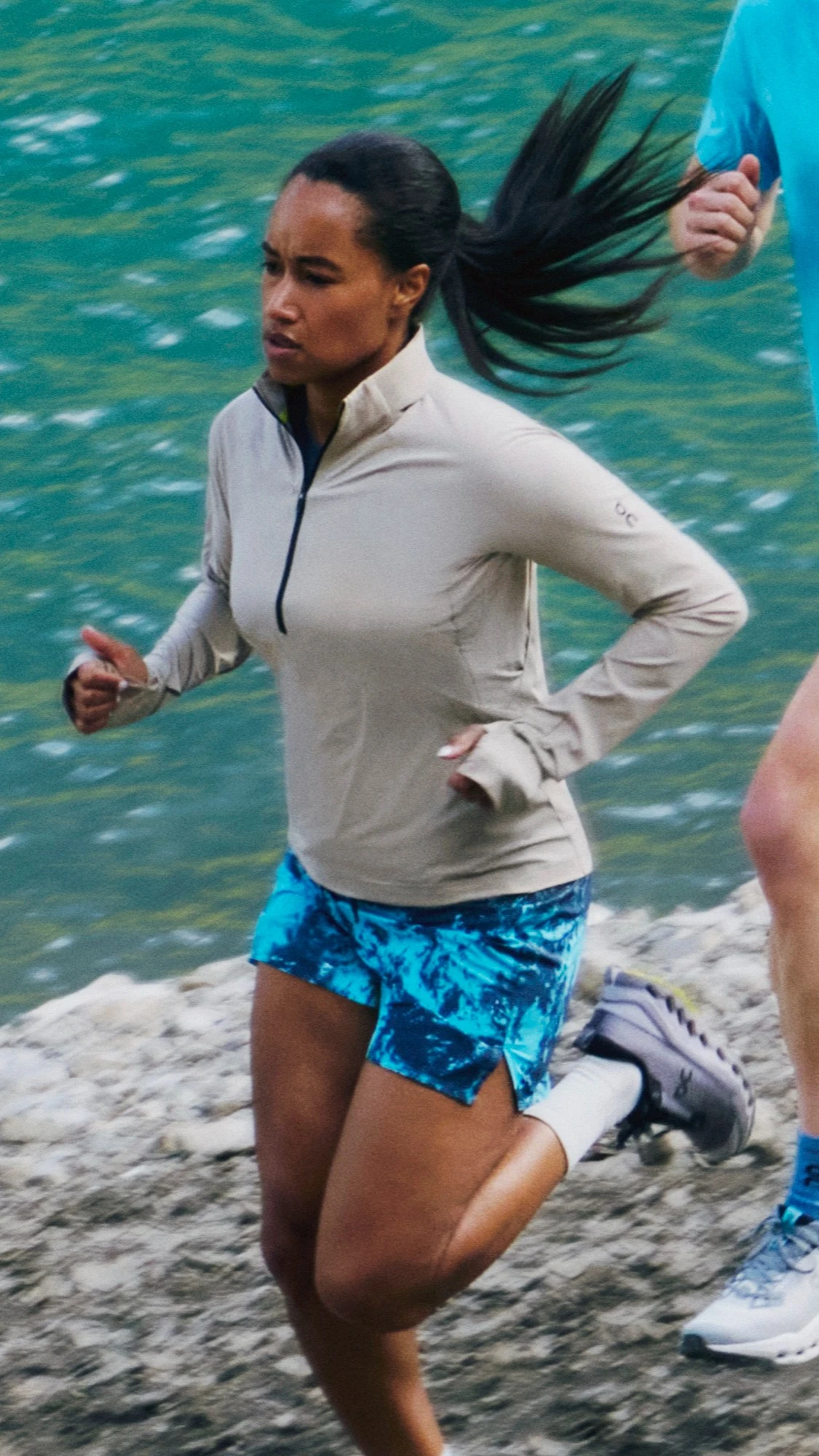
Trail running is an opportunity to pay more attention to presence over performance. But having the right trail gear supports you and allows you to slow down and explore more fully.
Norris's final tip is simple: “Just get out there and explore.”