My support story: Sofia Gonzalez knows no limits
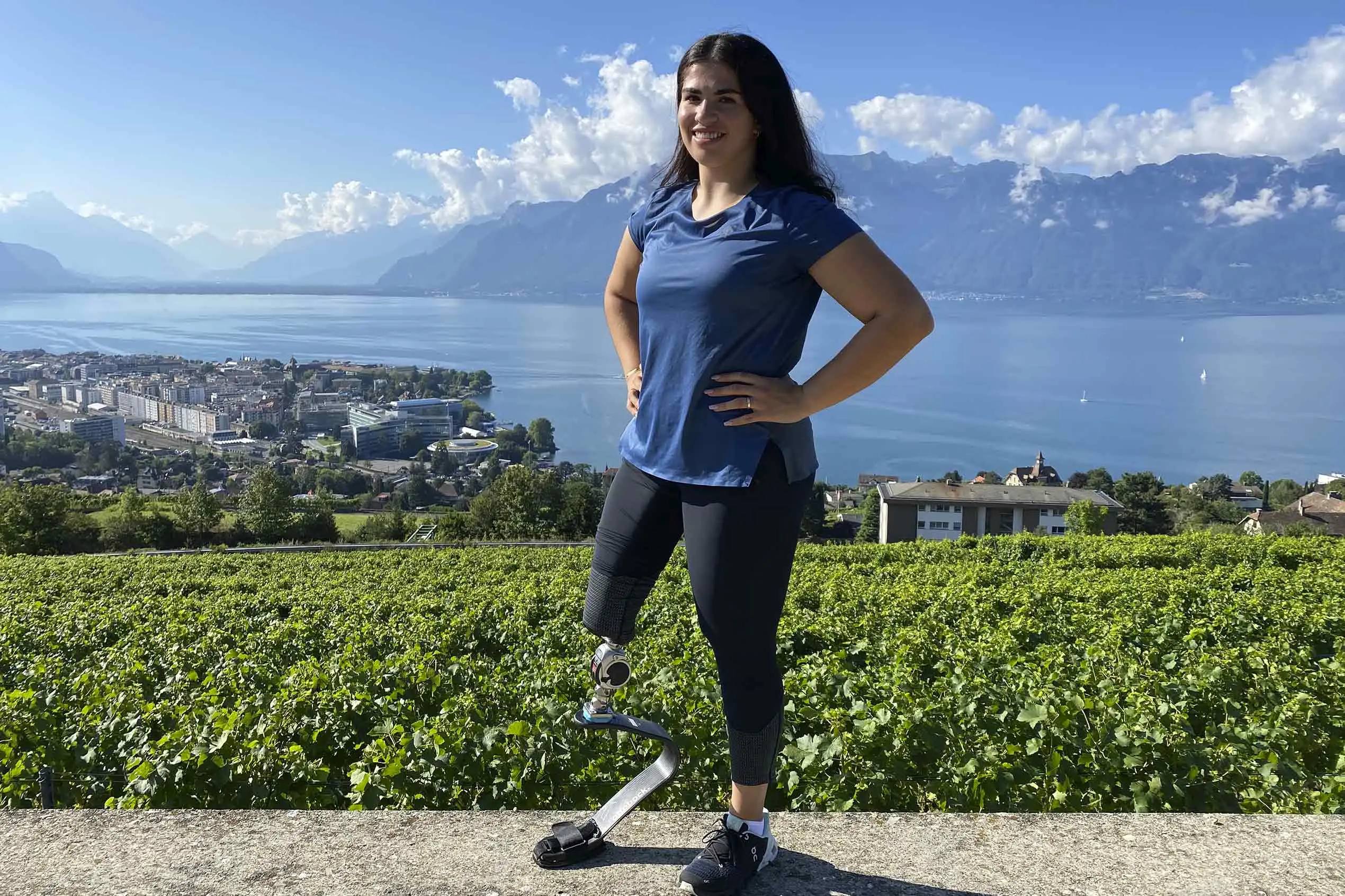
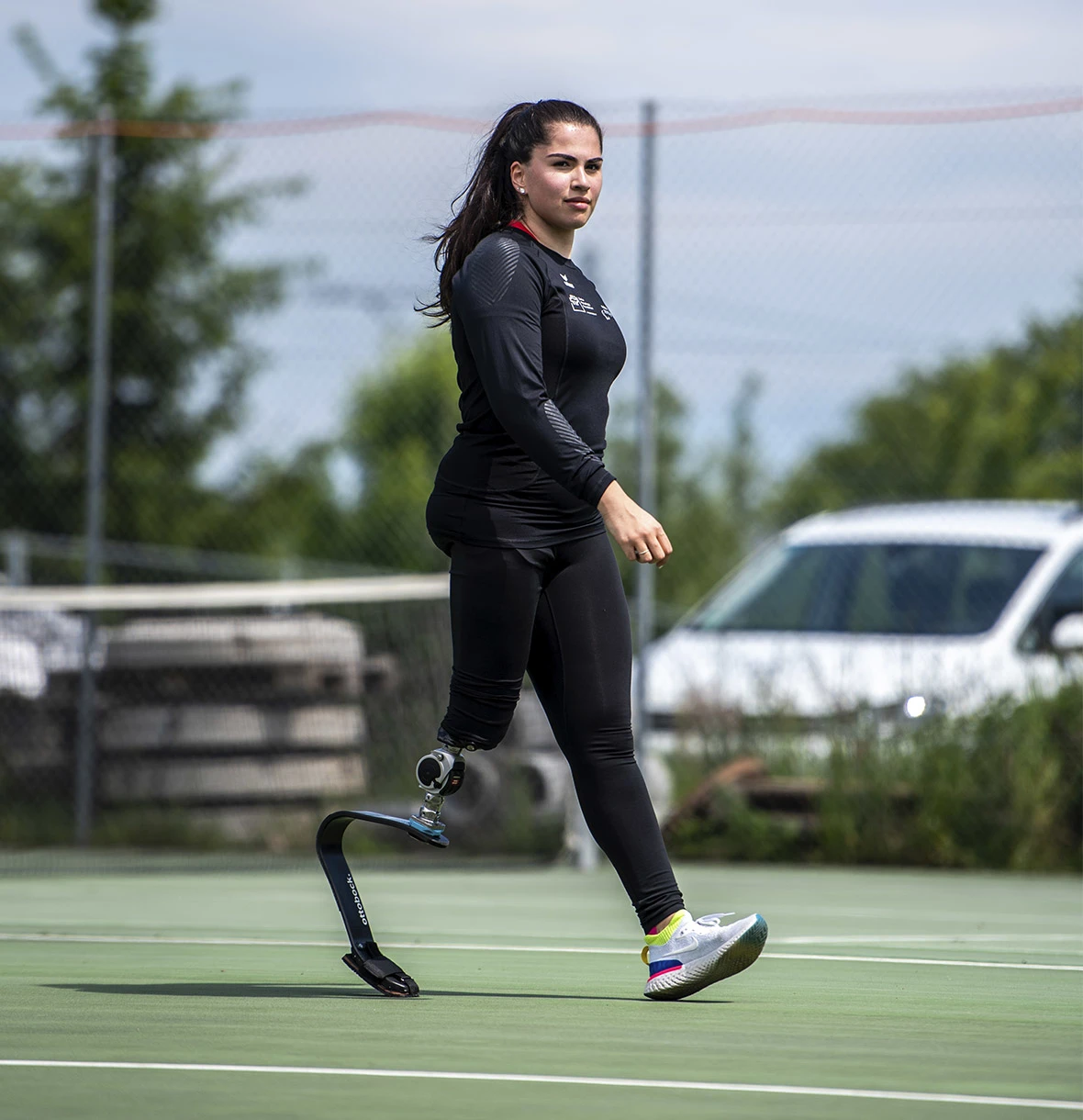
Like most young girls, Sofia Gonzalez wanted to ski, climb, ride horses, swim and run. Unlike most, her right leg was amputated when she was three. Luckily, her parents offered the best possible support: they never said “no”. Now, they’re supporting all the way her as she aims for the Paralympic Games in Tokyo next year.
In June 2017, Sofia Gonzalez took part in her first organized race, the World Para Athletics Grand Prix in Nottwill, Switzerland. Just four years later, she will be at the Tokyo Paralympic Games 2021. How does she know this? Because that’s her goal – and she won’t let anything stand in her way.
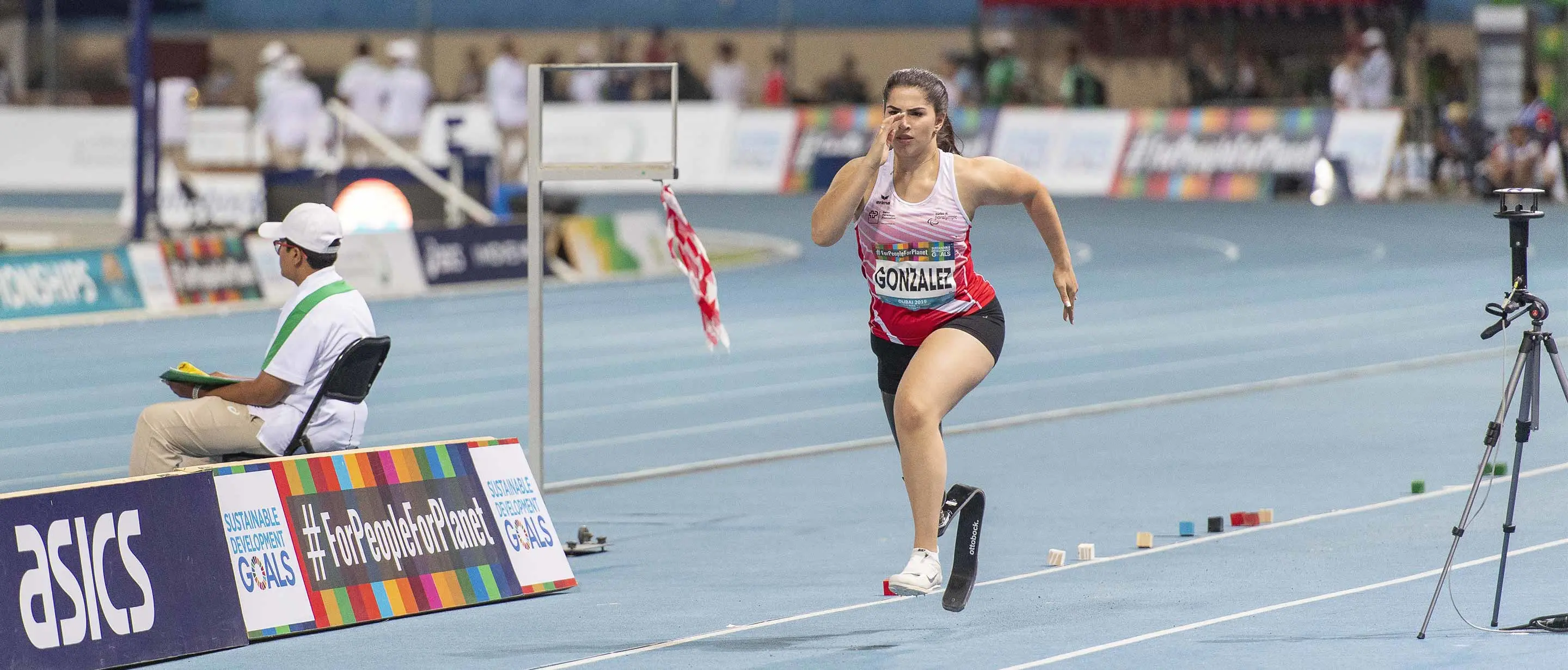
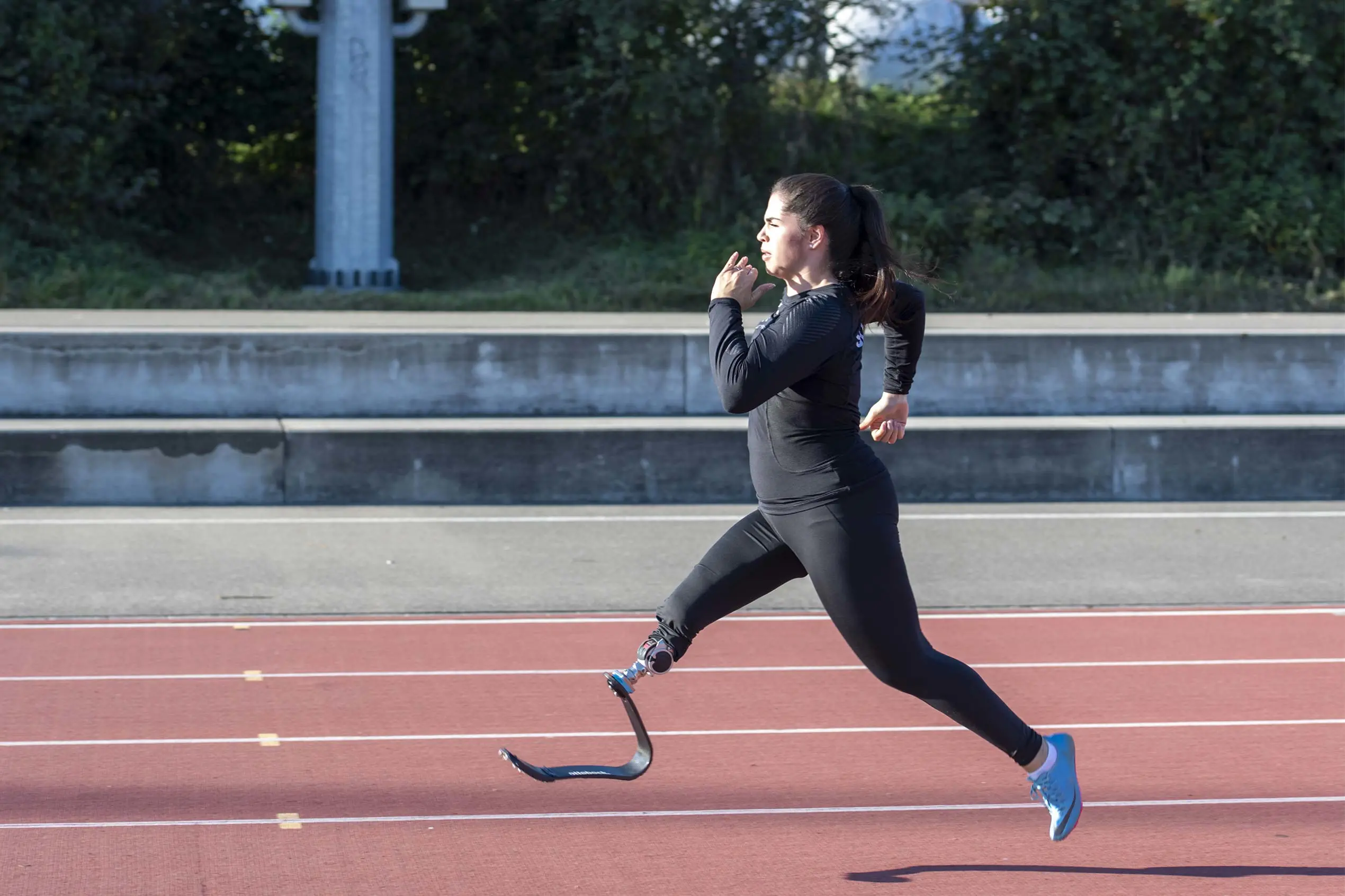
Despite having her leg amputated at three years old, Sofia only ever wanted to set her own limits. Then in 2016 she discovered Ottobock’s running prostheses – “bladerunners”, as they’re commonly known – and began training at an athletics club. She was instantly hooked. And she’s never looked back.
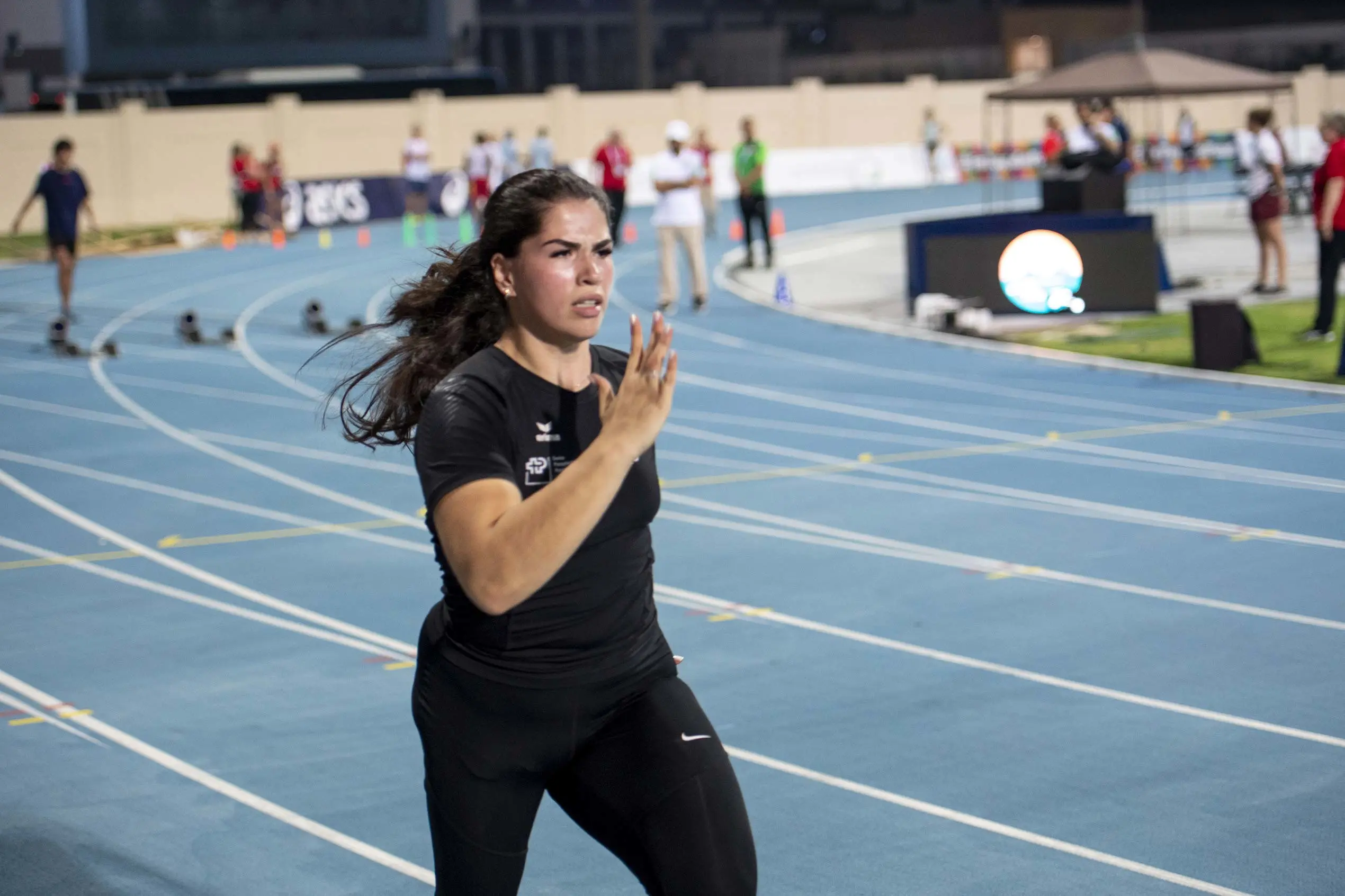
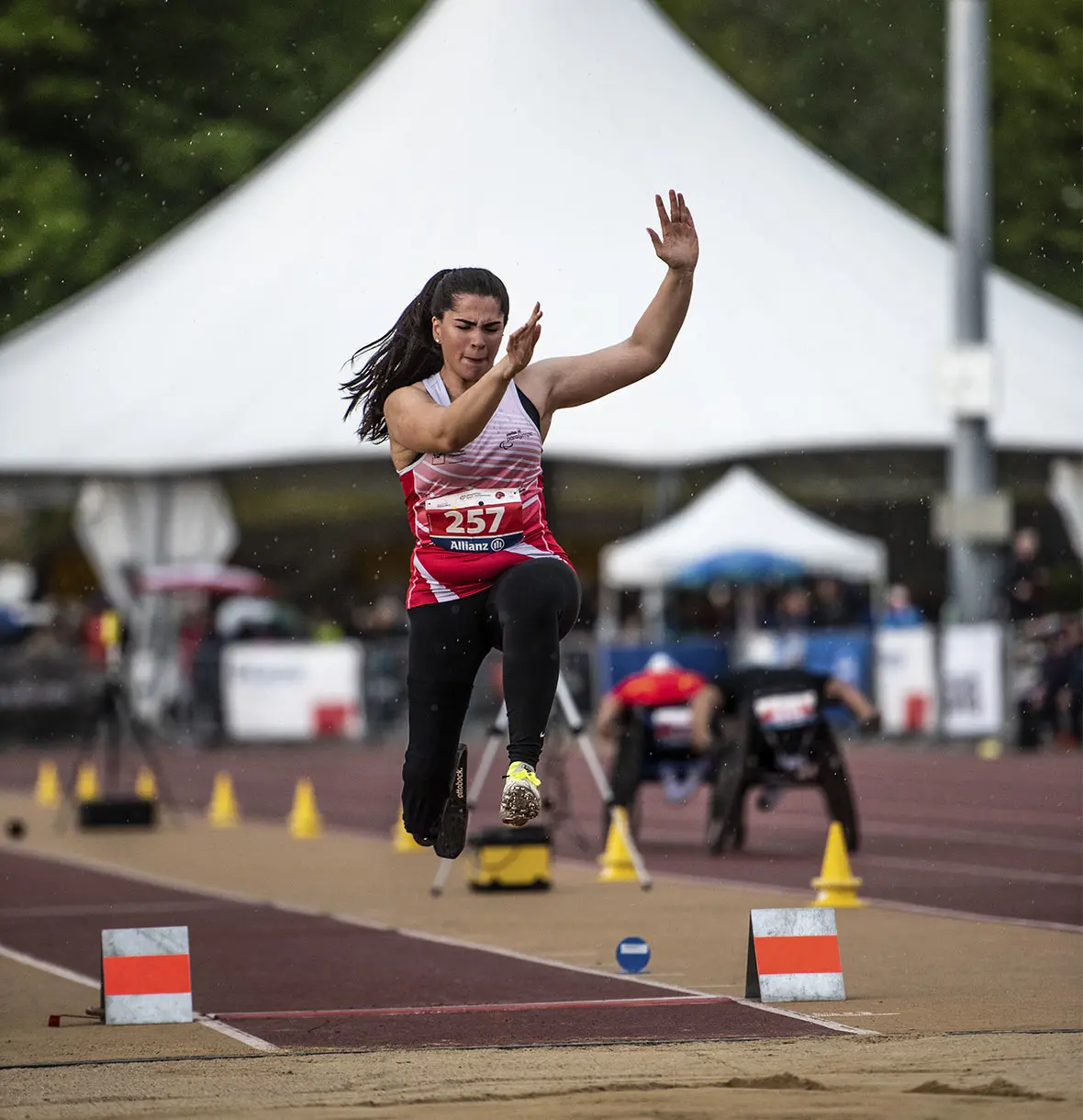
In the 2019 World Championships in Dubai, she set a new personal best in the 100m, taking a strong fifth place (missing fourth by only six hundredths of a second). She also increased her PB in the long jump, her second discipline. Thanks to these performances, she was named Allianz Newcomer of the Year Award at the Swiss Paralympic Night 2019.
Like all her previous successes, these recent achievements have only added fuel to the fire of her Olympic ambitions. Read on to find out about the unique support and inspiration that’s driving Sofia to go further, to go faster, and, hopefully, to go all the way to Tokyo.
What’s driving your Tokyo 2021 ambition?
My parents took me to the 2012 Paralympics in London. I was 12 years old. It was such an incredible, life-changing experience. To see that I wasn’t alone. To see that there are disabled athletes all over the world who can do anything, everything. They were all so good, so committed. I could see how much it meant to every one of them. And I wanted that for myself. That drive. That skill. That hunger to achieve.
Is it hard to set yourself such a huge goal?
Sometimes, yes, it can feel overwhelming. But I’ve learned to create smaller goals. Every day, every training session, every race, I think: just be faster, just improve, even if only a little bit. A second here and there. They all add up. And those smaller goals are how I’ll achieve the bigger one – the biggest of my life so far.
What was important to you at the beginning of your athletics career?
I think having people believe in me, right from the start. That kind of support really helps you. It means you can believe in yourself. If they believe in me, I thought, I guess I can do it. It only takes one person to believe in you, then you can do whatever you want.
What other support do you benefit from?
I do both sprints and long-distance runs, and also the long jump. So for me, with my prosthetic right leg, I need a lot of support for my left foot. It’s vital that my left foot has the vey best support, so I can go further, and faster. That’s why I wear the Cloudflyer. I’ve never found anything else that offers the same level of support. Whether I’m sprinting, running longer distances, or jumping into the sand, I have to totally trust my left foot.
Also, even though athletics is an individual sport, athletes in the Paralympic movement are strongly connected to each. We know that we’ve all faced obstacles, challenges, doubters. There’s a shared understanding, solidarity. We are competitors, of course, at the beginning of a race. But more than that, we are together, we support each other.
You focus more on shorter distance, but what’s the longest you’ve ever run?
I think the longest I’ve ever runwas 10km, in Lausanne with my dad. That’s where they also have the famous marathon. It’s an Olympic city, which made it feel really special. It was tough at times, but more than anything it was fun, I enjoyed it. That’s important, I think. To always try and enjoy what you’re doing.
What role does your family play in your career?
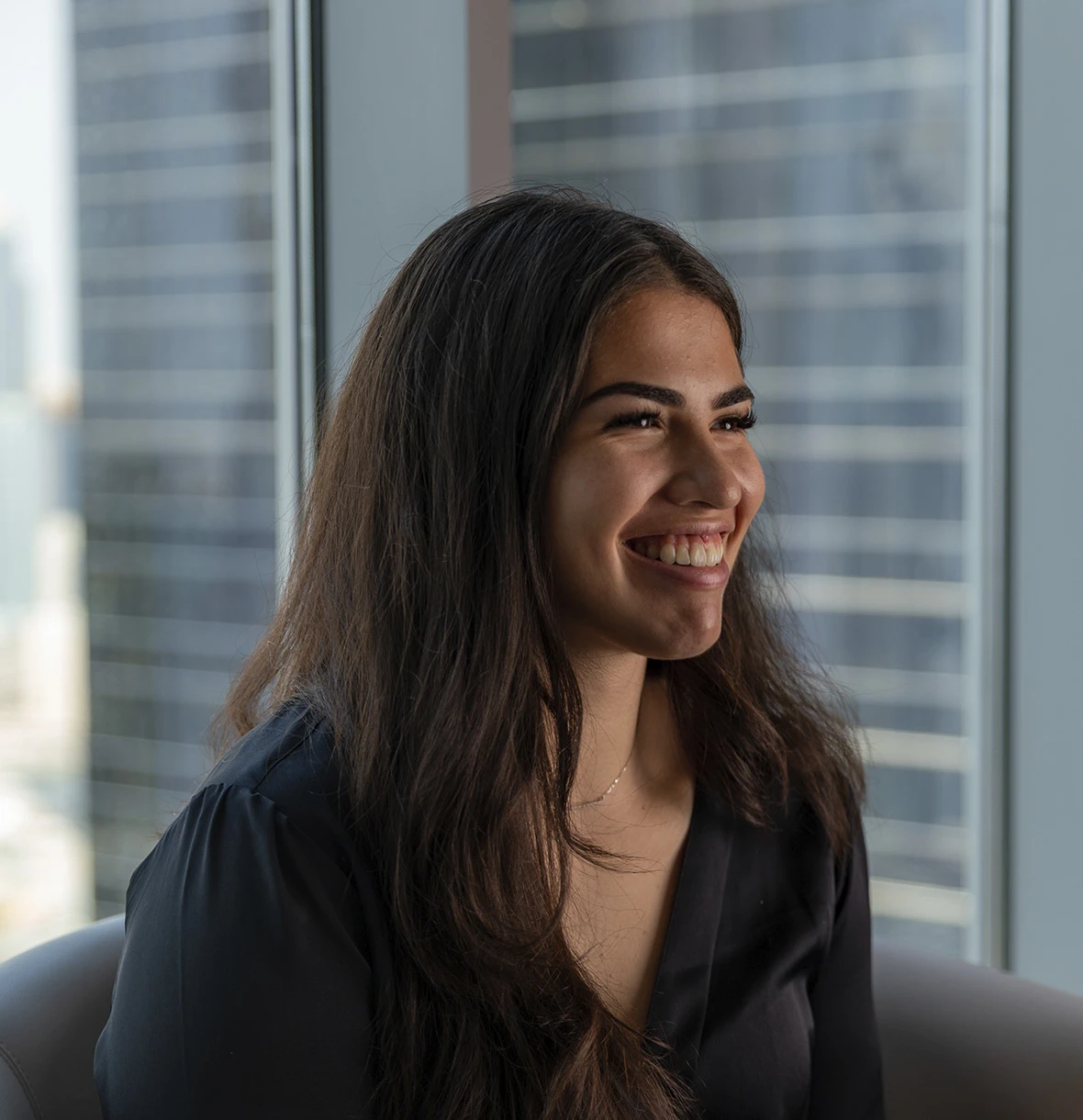
They’re my most important support system. They’re the first people I go to with any questions or problems. And they’re always there for me. I wouldn’t be able to do any of this without them. You don’t need to see yourself as different, they told me. They never set any limits, or doubted me for a second. I learned to set my own limits.
And then there’s my coaches at CA Riviera athletics club. I train six times a week with non-disabled athletes, and we all support each other. Plus I attend monthly training sessions with the Swiss national team. I feel so lucky to be supported from so many directions.
Training for such a tough goal, how do you get through the hardest sessions?
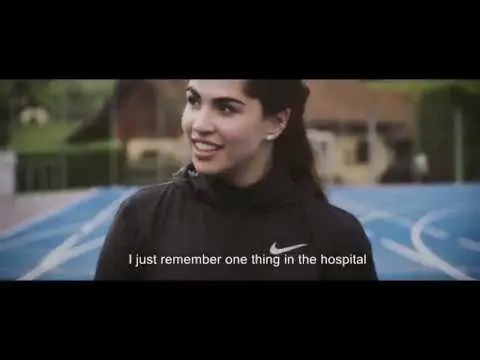
It’s about having the right mindset. What gets me through really difficult training is saying to myself, I can do this, I believe in myself. Even when I get pain through my prosthetic, or in my left leg or foot, I know I can get through it.
Do you encourage others to run? If so, what do you tell them?
Just get out there and try it. When you try running, you’ll love it. Maybe not immediately, but very soon after. Even if it’s difficult at the beginning, you can get through it.
And if you need help, you can ask other runners. There’s a running community out there for everyone. Online, in-person, all over the world. That’s what I love about running.