Dear Echo: Nicolas Navarro and the art of adaptability
From racing bikes and working in a sports store to making the Olympic marathon, Nicolas Navarro reached the top against all odds. And he’s still having fun.
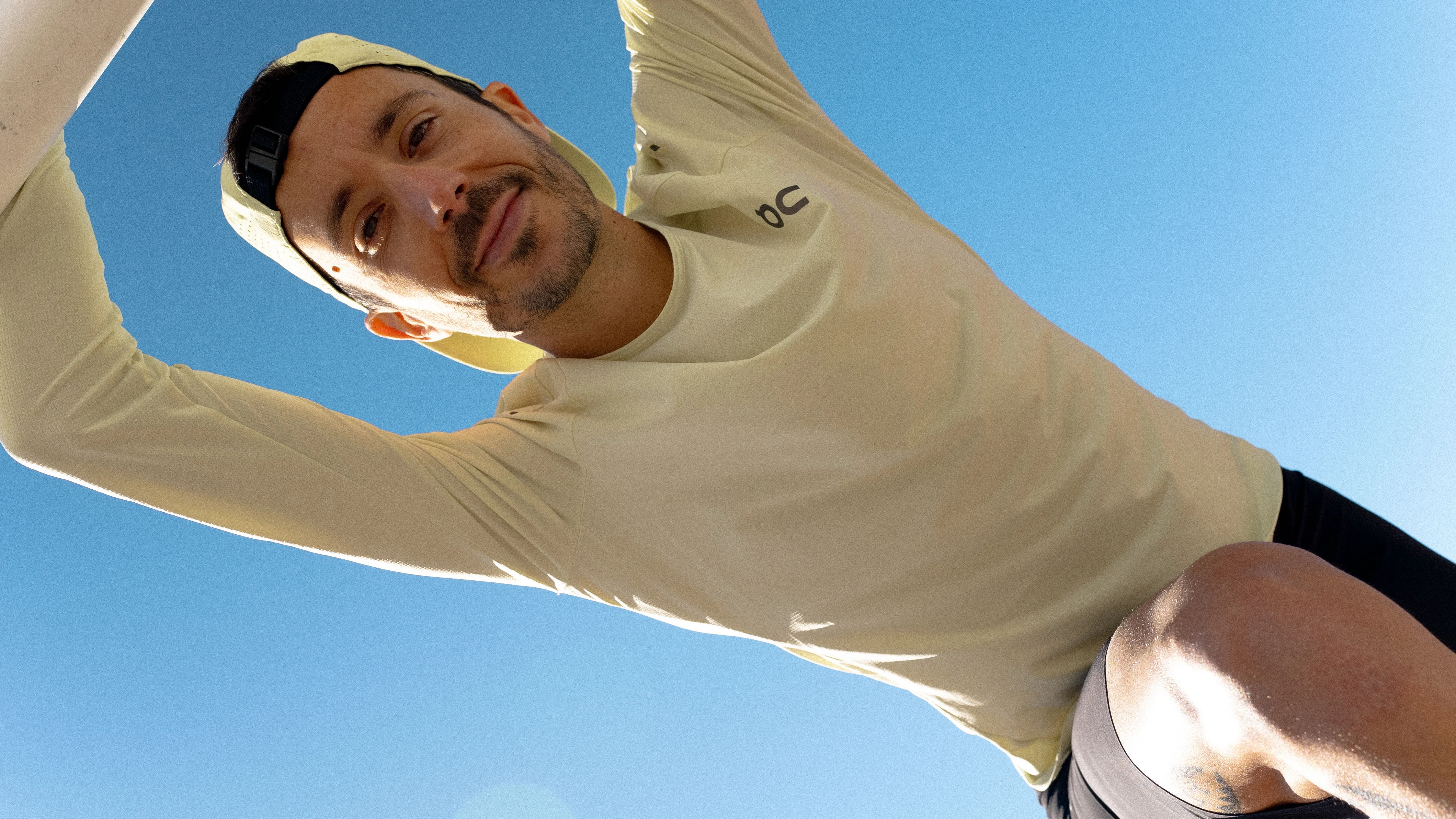
Words by Andy McGrath. Photography by Emma Burlet and Navarro family archive.
It’s October 2013 and Nicolas Navarro is in uncharted territory, fighting for victory in his very first marathon through the streets of Montpellier. Disaster strikes: a marshal waves his lead group the wrong way and they find themselves running in the wrong direction, close to the finish in the southern French city.
Though Navarro lost an estimated 90 seconds and wound up in third place, he gained a lot more that day. He discovered the distance that suits him best. In the last decade, he has completed a lot more marathons and gone considerably quicker than that first 2:28 marker.
As for going off-course, Navarro is a master at making the best of unexpected changes.
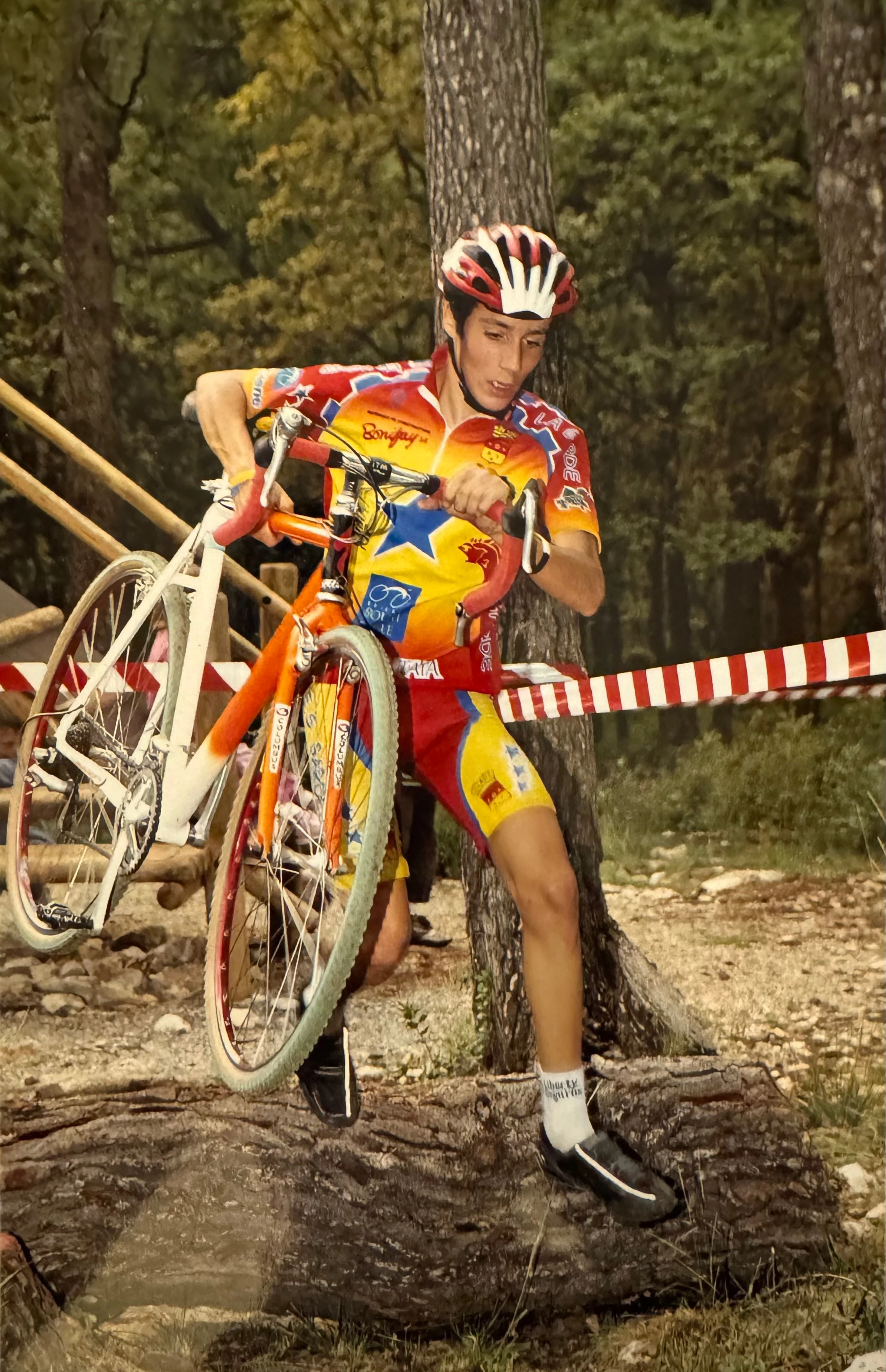
After all, the 32-year-old never intended to log the kilometers in running shoes and split shorts. Growing up in the sun-drenched French Riviera city of Toulon, he fell in love with bike racing. Winning numerous races, he competed against future Tour de France stars Thibaut Pinot and Julian Alaphilippe as a teenager.
“They say cycling is a school for life. It’s true, and it got me used to difficult training sessions and suffering. I think racing four or five hours in the mountains on a bike is even harder than the marathon.”
At the age of 17, he broke three vertebrae in a crash, which effectively ended his promising career. Like a regular teenager, Navarro started heading out to nightclubs and parties.
“Racing four or five hours in the mountains on a bike is even harder than the marathon.”
But Navarro wasn’t done with sport. He watched his older brother, Julien, doing a local trail race and was encouraged to run.
“I went out on the trails and the road, going wherever I wanted. That’s what I loved about running straight away, that sensation of freedom and the ease of it.”
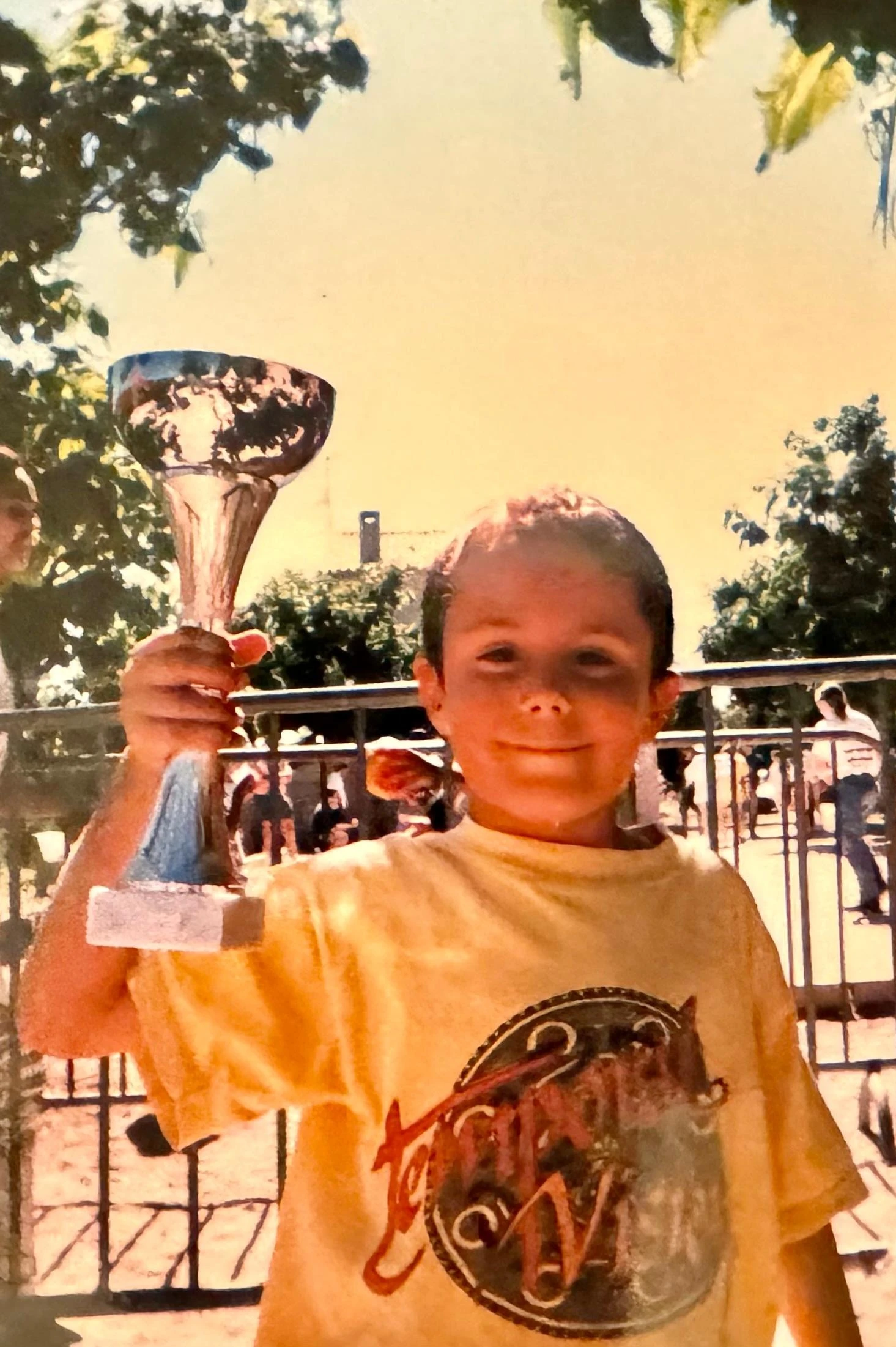
Navarro threw himself into all kinds of races. After years of steady improvement, eighth place in a 20-kilometer (ca. 12-mile) event, the 2016 Marseille-Cassis, was the turning point that made him realize his potential.
He joined a club in Aix-en-Provence, southern France, got a coach and gradually increased his volume; now, he runs 240 kilometers (149 miles) in a big training week. Back then, it was difficult, starting at the bottom as an outsider without sponsors and not knowing anyone.
“It was a big motivation to get to the top without taking the same route as the others, without athletics school or competing as a youngster. Doing it bit by bit.”
Training also had to fit around his day job. Navarro worked at a sporting goods store – ironically, not in the running section, but in the cycling and ski department. Fixing bikes kept him in touch with his first sporting love.
Colleagues were surprised to discover he’d often run 12 kilometers (7.4 miles) to work and get the bus to track sessions afterward, sleeping on the way there. Sometimes, he clocked in at nine in the morning and finished at eight.
“There were some tiring days, for sure. I think it gave me even more discipline. And it also meant my life wasn’t 100 percent running. If I had good results, all the better. If not, it wasn’t a big deal and I went back to my normal routine. It allowed me to be a bit detached.”
The intense schedule didn’t stop Navarro from reaching the pinnacle of sport. To optimize his preparation, he took two months of unpaid leave before the Valencia Marathon in 2019 and finished in 2:10:01, inside the Olympic qualifying standard. The French team came calling.
“That’s what I loved about running straight away, that sensation of freedom and the ease of it.”
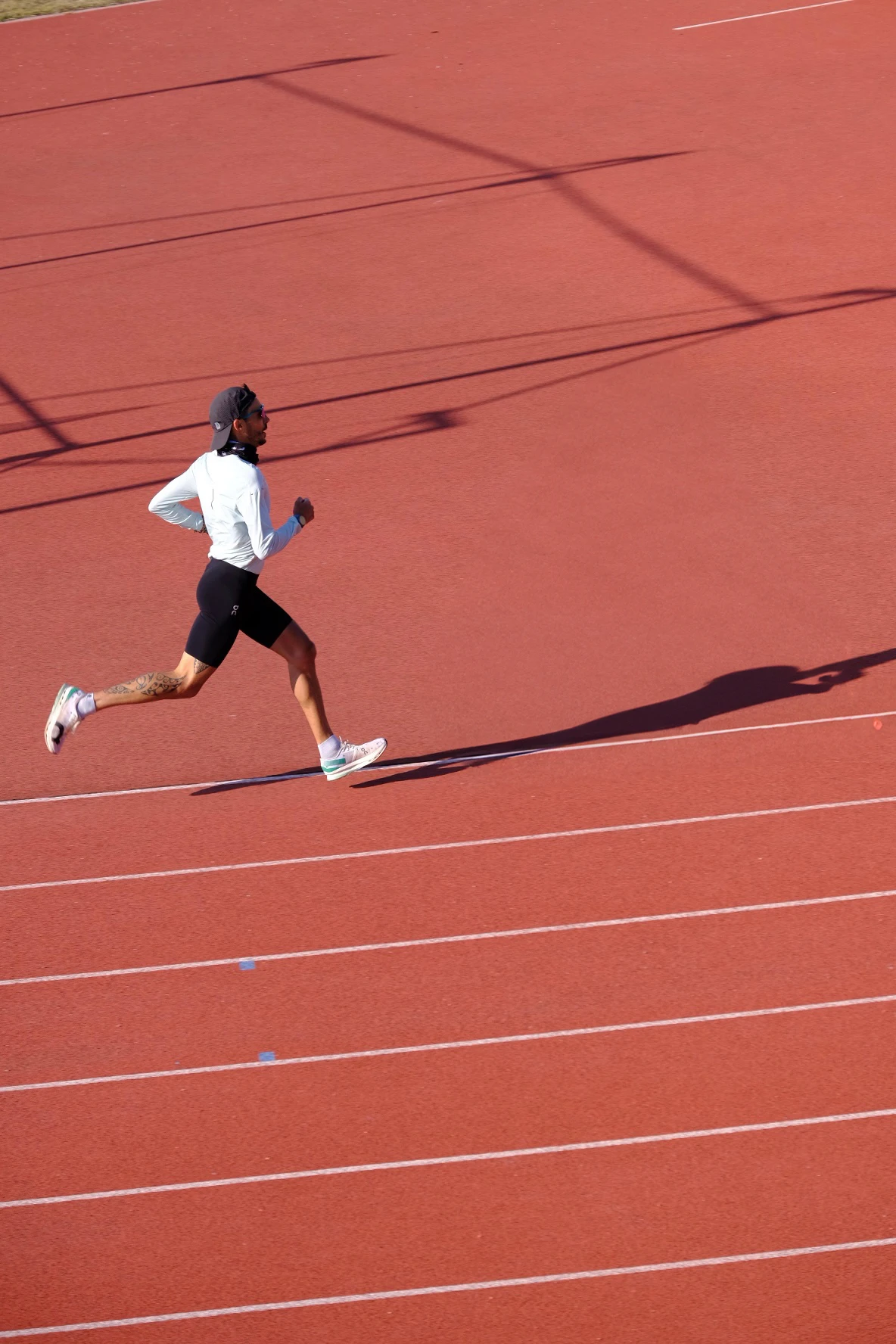

Imagine the shock of his retail colleagues seeing their fellow employee on television, twenty-months later, passing rivals in the Japanese streets.
Crossing the line in 2:12:50, the Olympic marathon in Sapporo has gone down as a simultaneous high and low for Navarro. He was overjoyed to finish twelfth. And yet, the distance that pained him the most wasn’t the pace-defying 42 kilometers (26.2 miles), but the distance he felt from his family and friends, “I was all alone at the finish. I find that a bit sad: I’d done the biggest race in the world and I couldn’t share it with them,” he says.
Navarro stopped working at the sports store in late 2021, completing the full circle from leisure runner to professional athlete. Chasing better times and sensations, he knows that a runner can go through every possible mental and physical state in a marathon.
“When you start, there’s the plan and everything else that happens around it won’t always go the way you want. You need to adapt as best you can. If you feel bad, you need to keep thinking positive, that it’ll go better, that all the training you’ve done for months has gone well.”
Anything can happen. At the 2022 European championships, Navarro hit the deck late in the race after tangling with another runner. He gritted his teeth and finished fifth.
“I adapt quite easily to little obstacles. It comes naturally, I’m really zero-stress. Losing your head when things don’t go as planned doesn’t help in any way.”
Whatever occurs, enjoying running is paramount. That’s his advice for any young athlete trying to balance training, work and life. “Fun is the base of everything. If I don’t have that, the race will go badly, too.”
His happiness levels have been boosted by the birth of his first child, Nino, in June. “Fatherhood can be very tiring, but it’s a joy at the end of the day – a bit like at the finish of a marathon. It’s added motivation to train and race better because it’s for him.”
“Fun is the base of everything.
If I don’t have that, the race will go badly too.”
It’s just one more adjustment for this artist of adaptability to make for the Valencia Marathon. The fast, flat route in December is a chance to showcase his stamina and speed.
His goal is to lower his 2:06:45 personal best, set in Seville in February 2023. Achieve that and Navarro would qualify for his home Olympic Games next year too. “That would be the race of my life. I’ll do everything I can to be there in Paris.”
With his unorthodox path to the top, Navarro is a shining example to hungry amateur runners.
“I think you don’t need to set limits to your capacities. If you have a dream, whether that’s going to the Olympics or doing 10 kilometers (6.2 miles) in 40 minutes, you have to believe it and do your best to reach it.”
“I hope I haven’t found my limits yet, that would be a shame. Of course, the margins get smaller, and it’s about gaining seconds for me now. I try to keep progressing to make the difference in every race.”