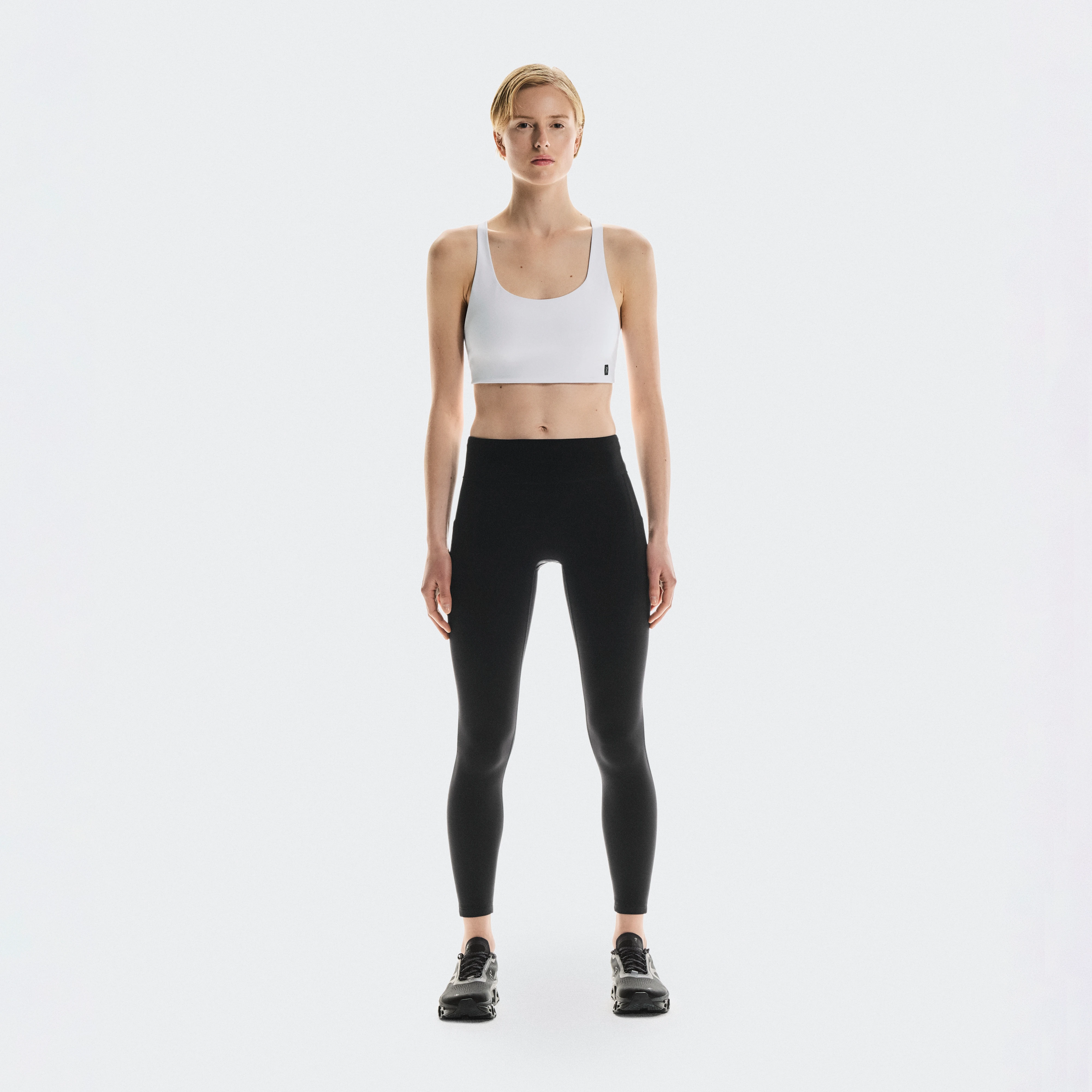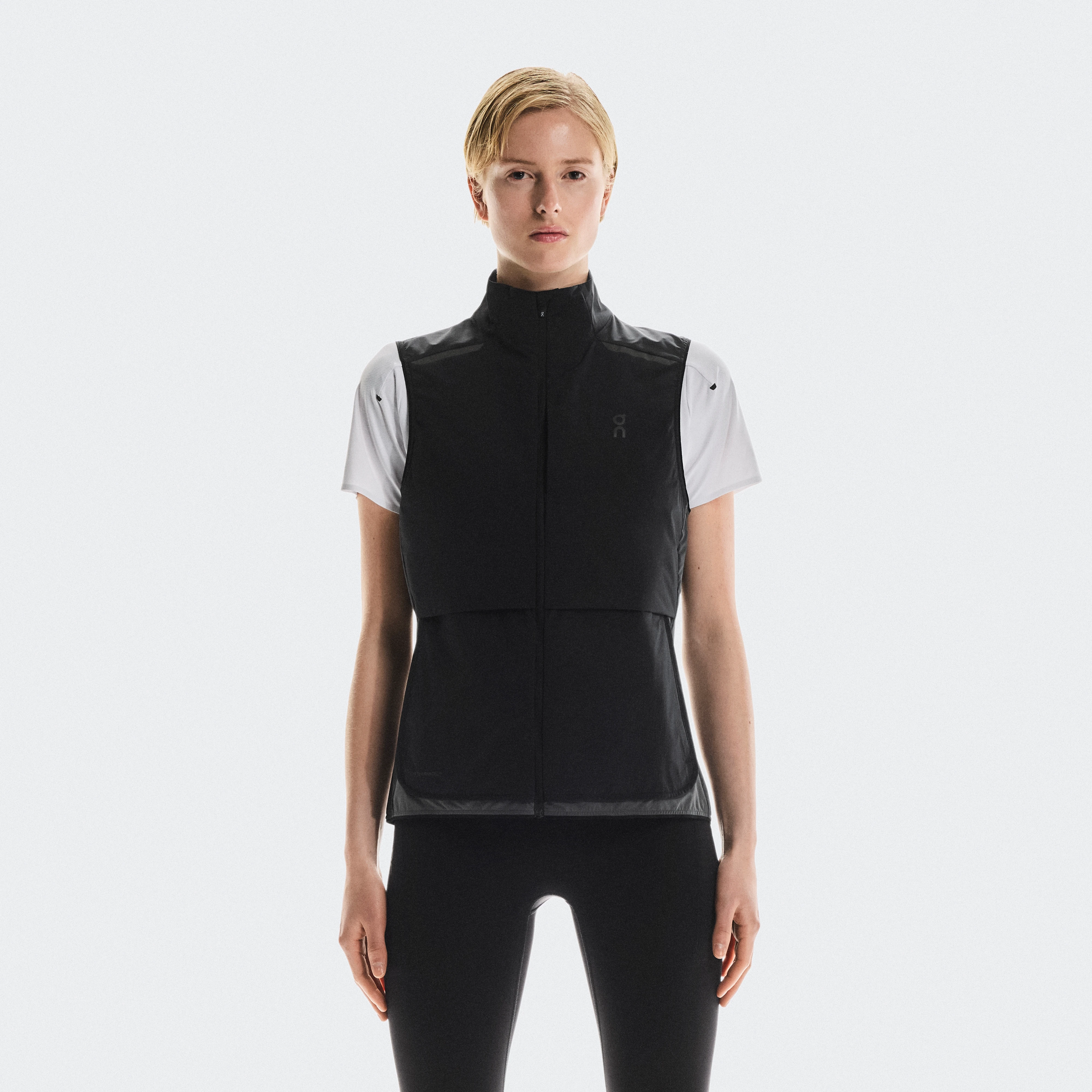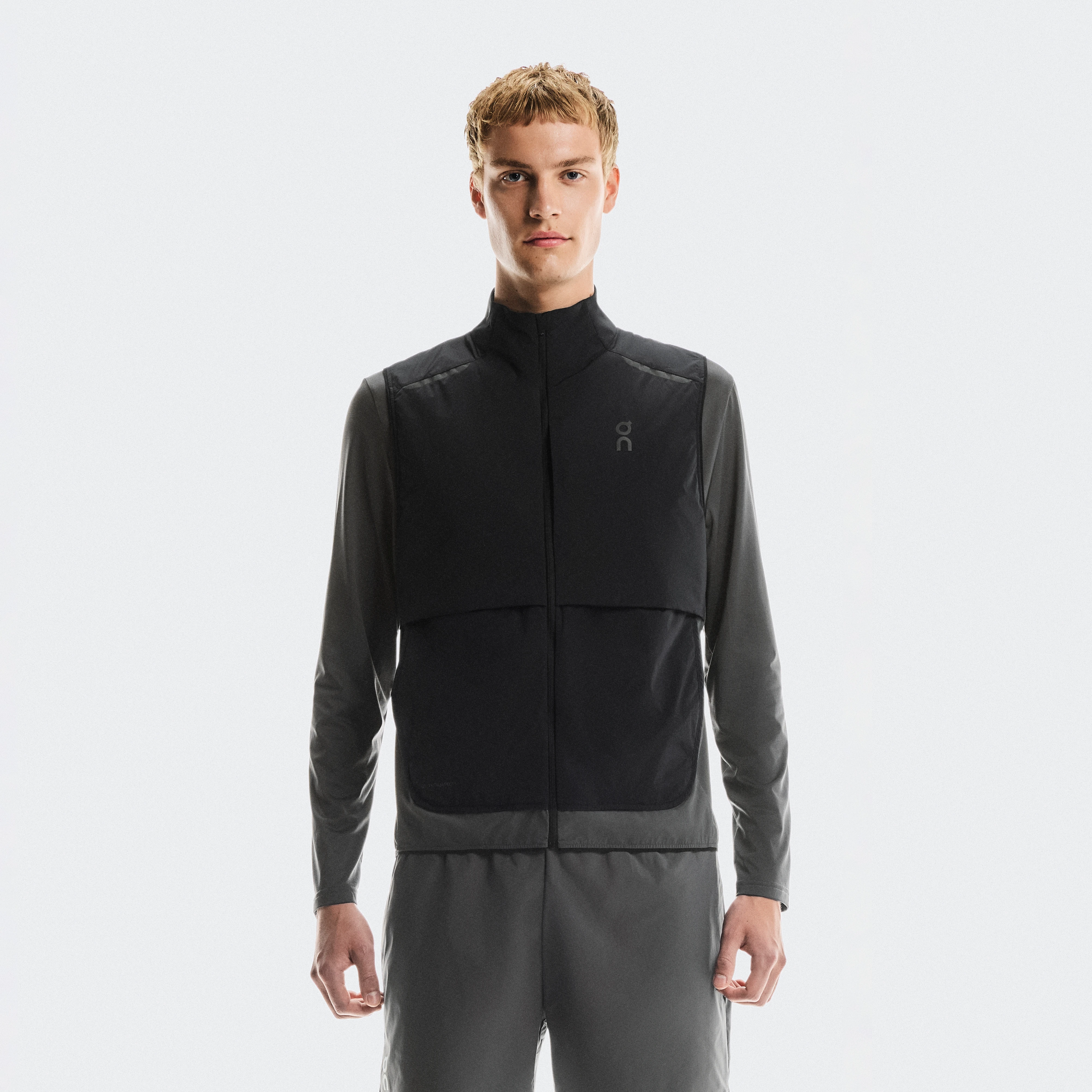
What to wear when running in the cold
Cold-weather running can feel surprisingly refreshing. Here’s how to layer smart, stay warm and keep your motivation strong all season long.
Getting out the door for a winter run when it's cold and dark can feel like a Herculean task. That cozy duvet and inviting couch are tough competition. But push past that first moment of resistance, and there's a unique sense of accomplishment after braving the elements.
Whether you’re training for a spring marathon or just sticking to your routine, that effort now will make all the difference when the days start to stretch again. All it takes is the right mindset and the right gear.
What to look for when choosing winter running gear
The secret to staying comfortable on a cold run – from that first blast of icy air to your final stride – lies in the quality of your clothing.
When shopping for winter running clothes, focus on materials that balance warmth and breathability. Breathable insulation is key: it traps warm air close to your body without locking in moisture.
Insulating fabrics hold tiny pockets of air that warm your body heat, keeping you comfortable even as the temperature drops. At the same time, moisture-wicking materials pull sweat away from your skin, preventing chills when you slow down or stop.
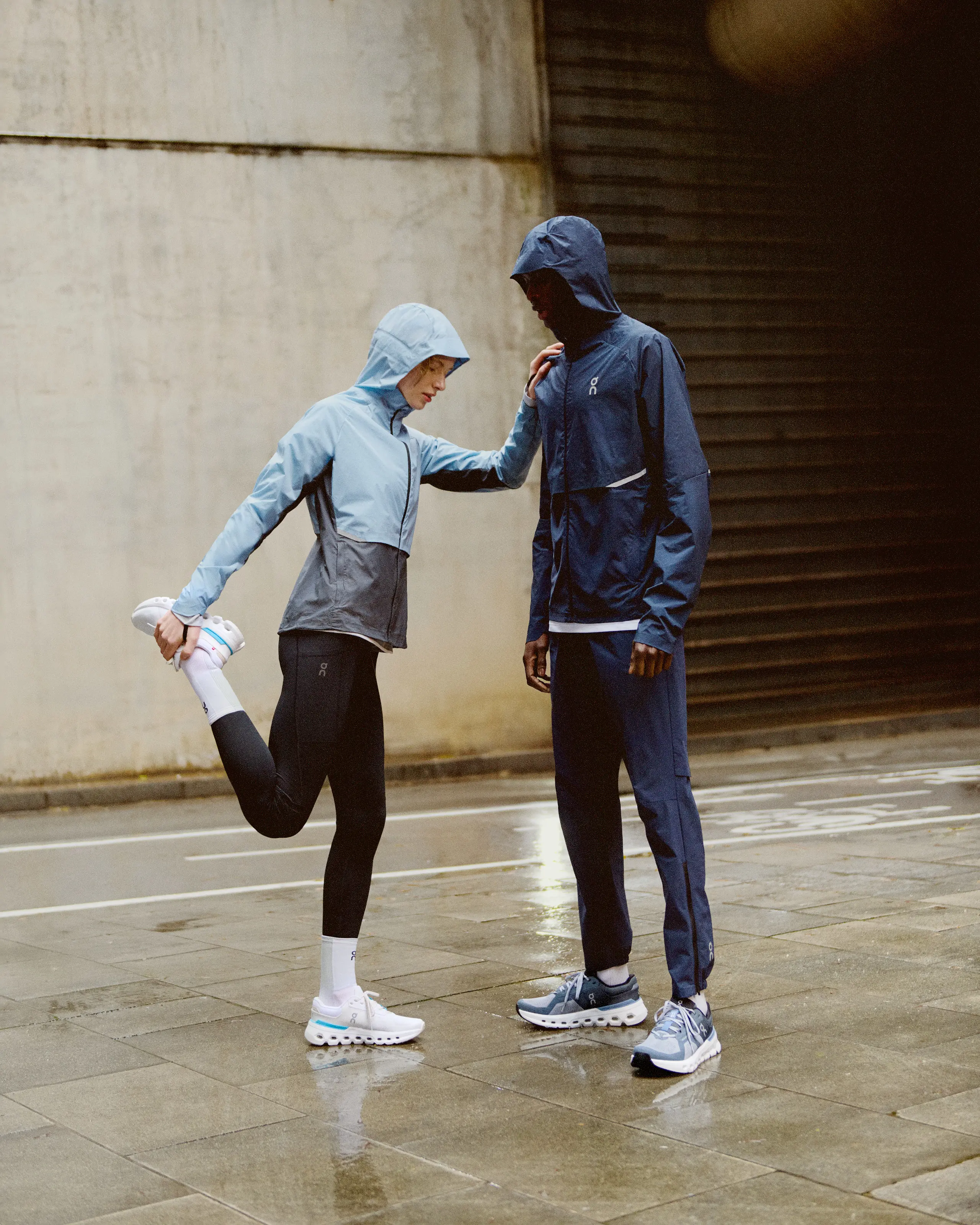
Finally, don’t forget weather resistance. Insulation keeps you warm, but a lightweight, wind- or water-repellent outer layer protects against rain, snow and biting gusts (your final barrier against the elements).
How to layer for cold-weather running
Throwing on a single jacket won’t cut it in winter. Like warming up and cooling down, layering is essential. It helps you adapt to shifting weather and your body’s unique temperature changes.
A smart layering system has three parts:
- Base layer: your moisture-wicking foundation - Mid layer: your insulating warmth - Outer layer: your shield against wind or rain
Everyone runs differently. Some heat up fast, others take longer to warm. There’s no one-size-fits-all setup, so if you’re unsure, start with an extra layer. You can always take it off later.
What to wear in cold weather
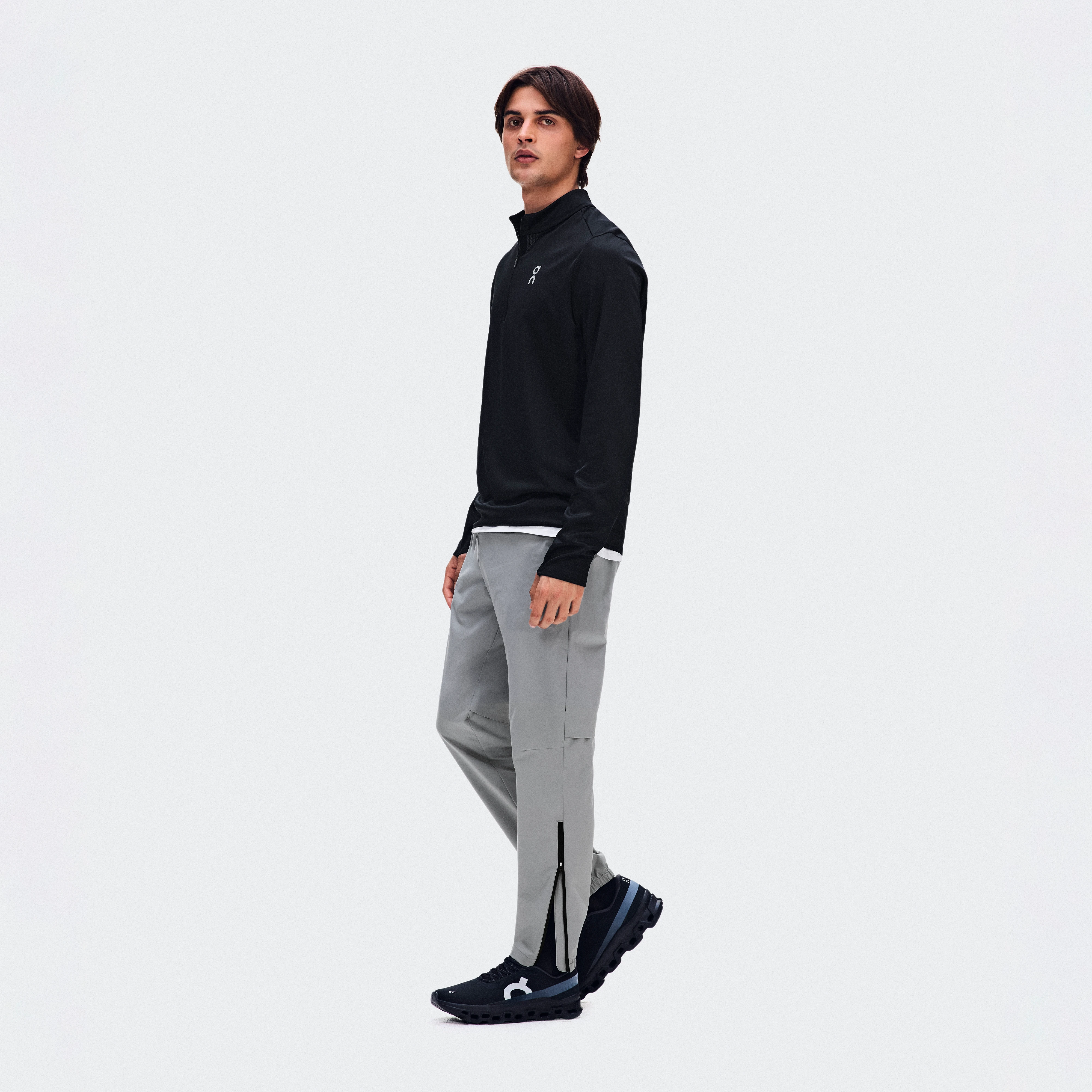
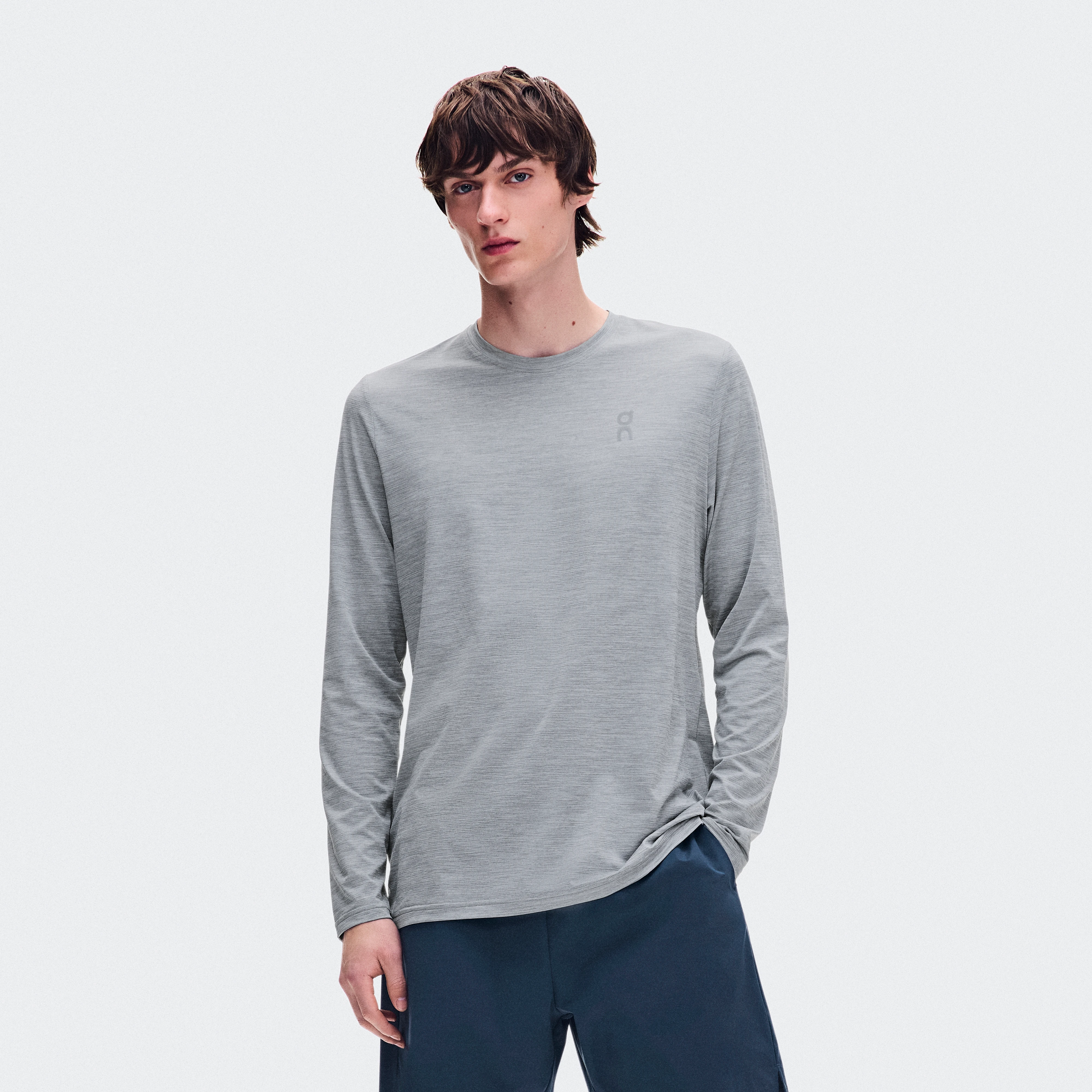
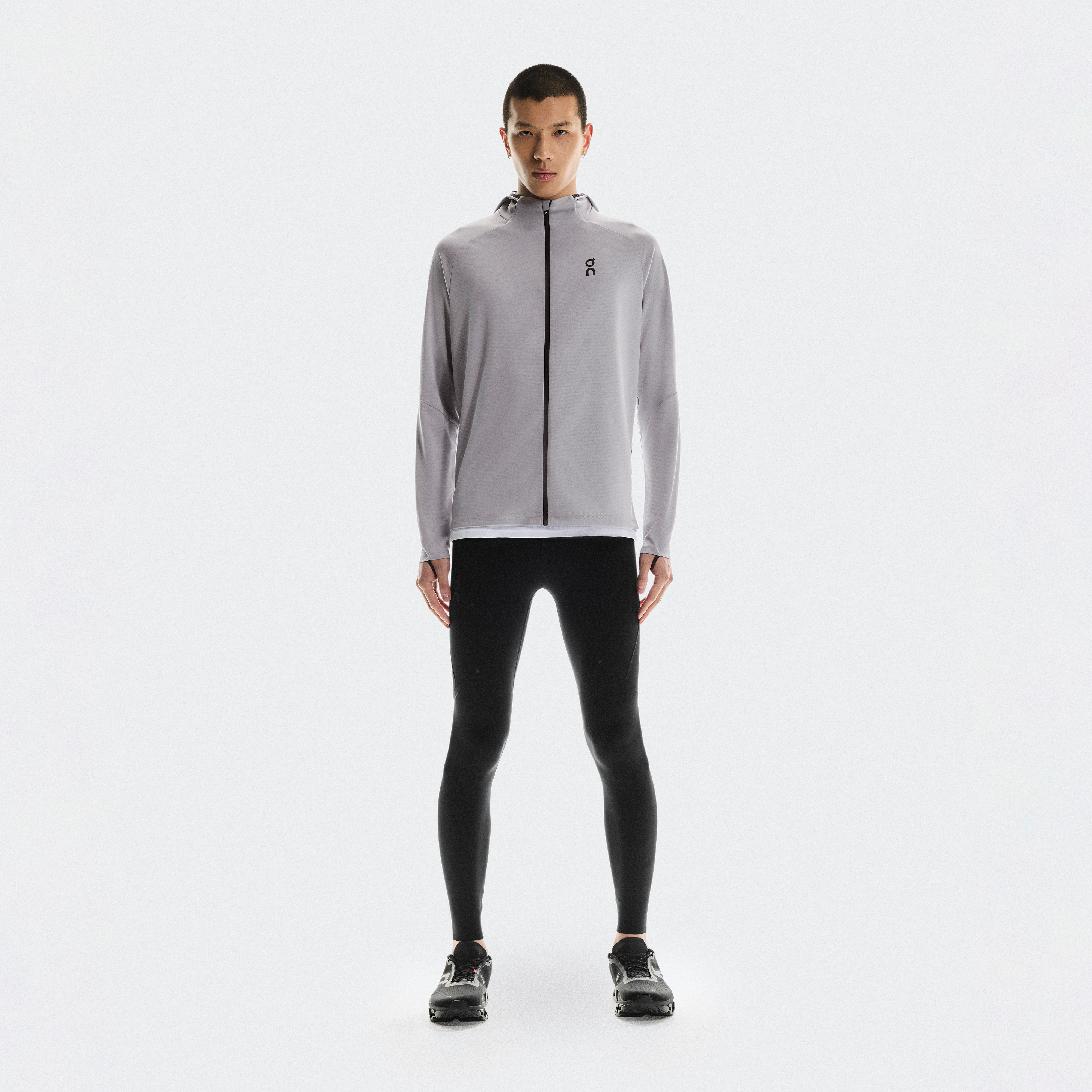
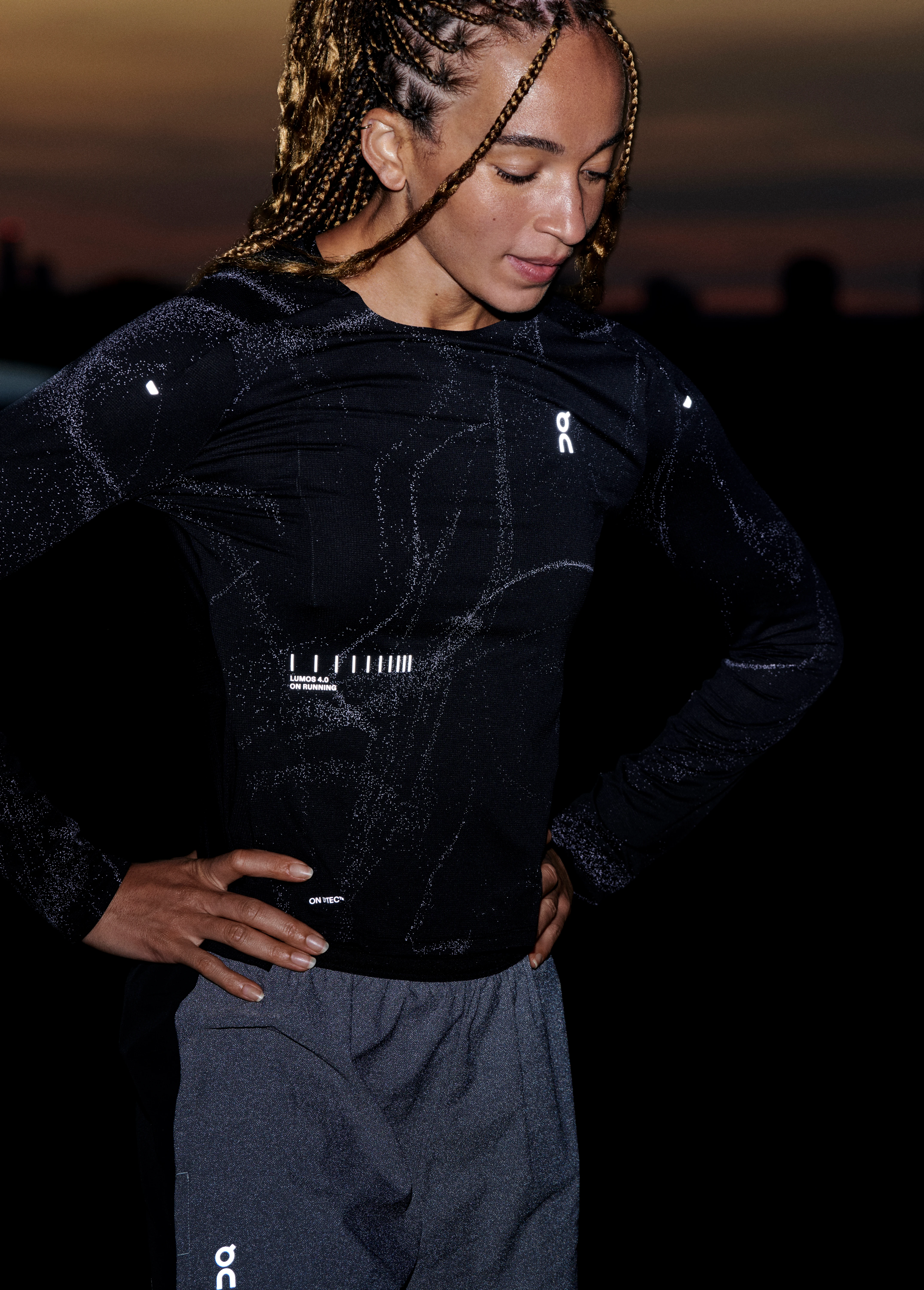
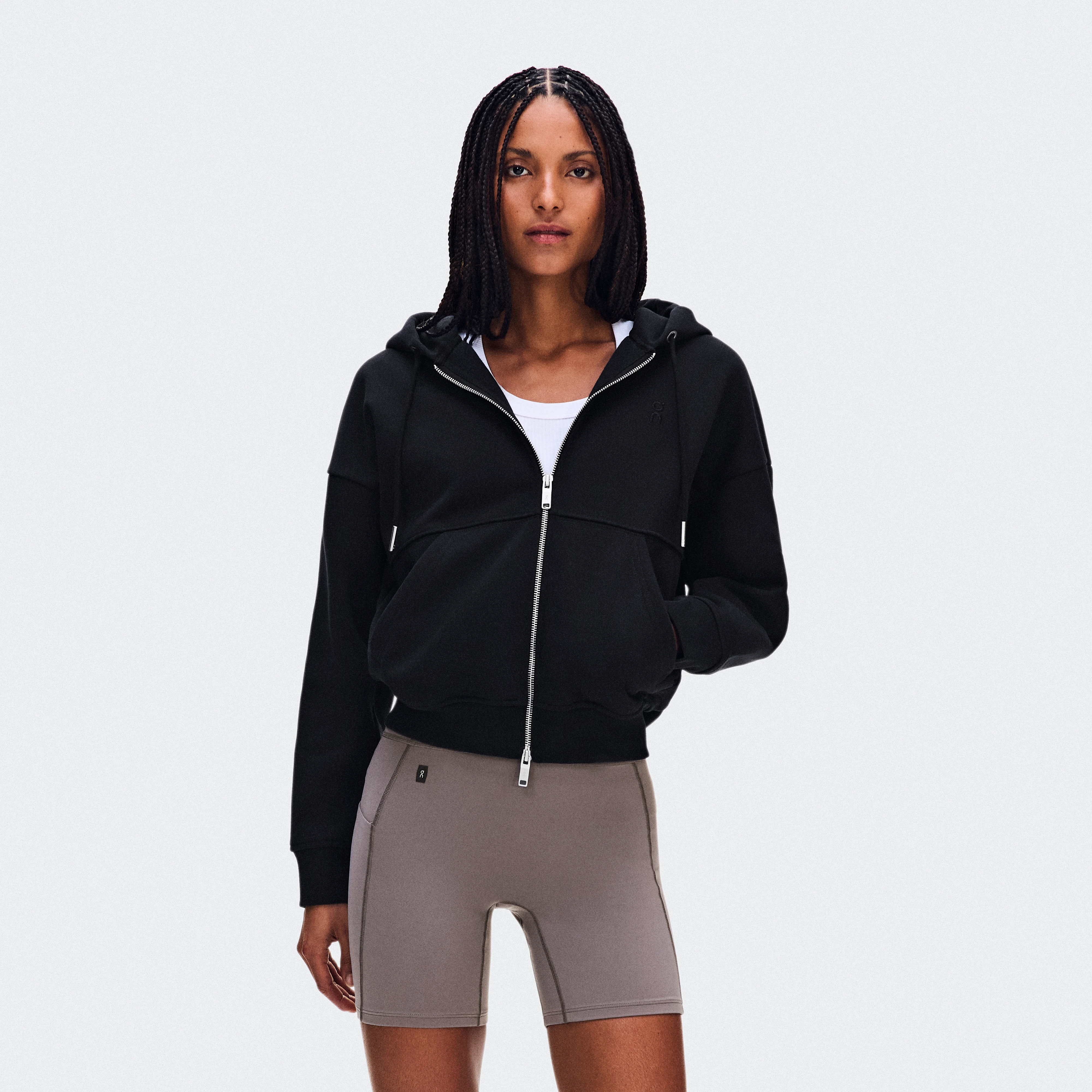
- First layer (base or mid): Focus on comfort and insulation. The Climate Shirt is lightweight and provides warmth for cold-weather running, featuring channel-constructed fabric that traps warmth without bulk. It works well directly against the skin or as a mid-layer when conditions are particularly cold.
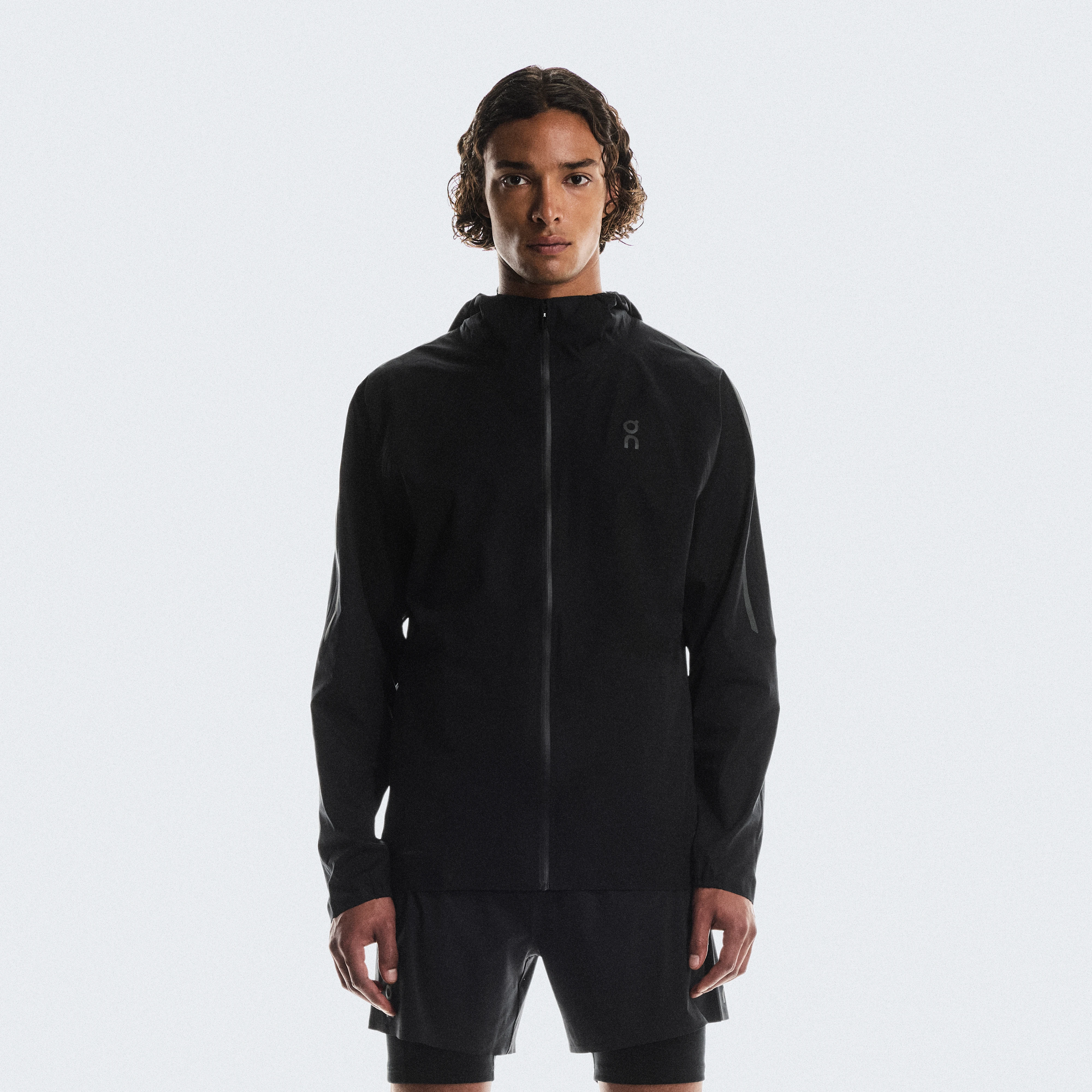
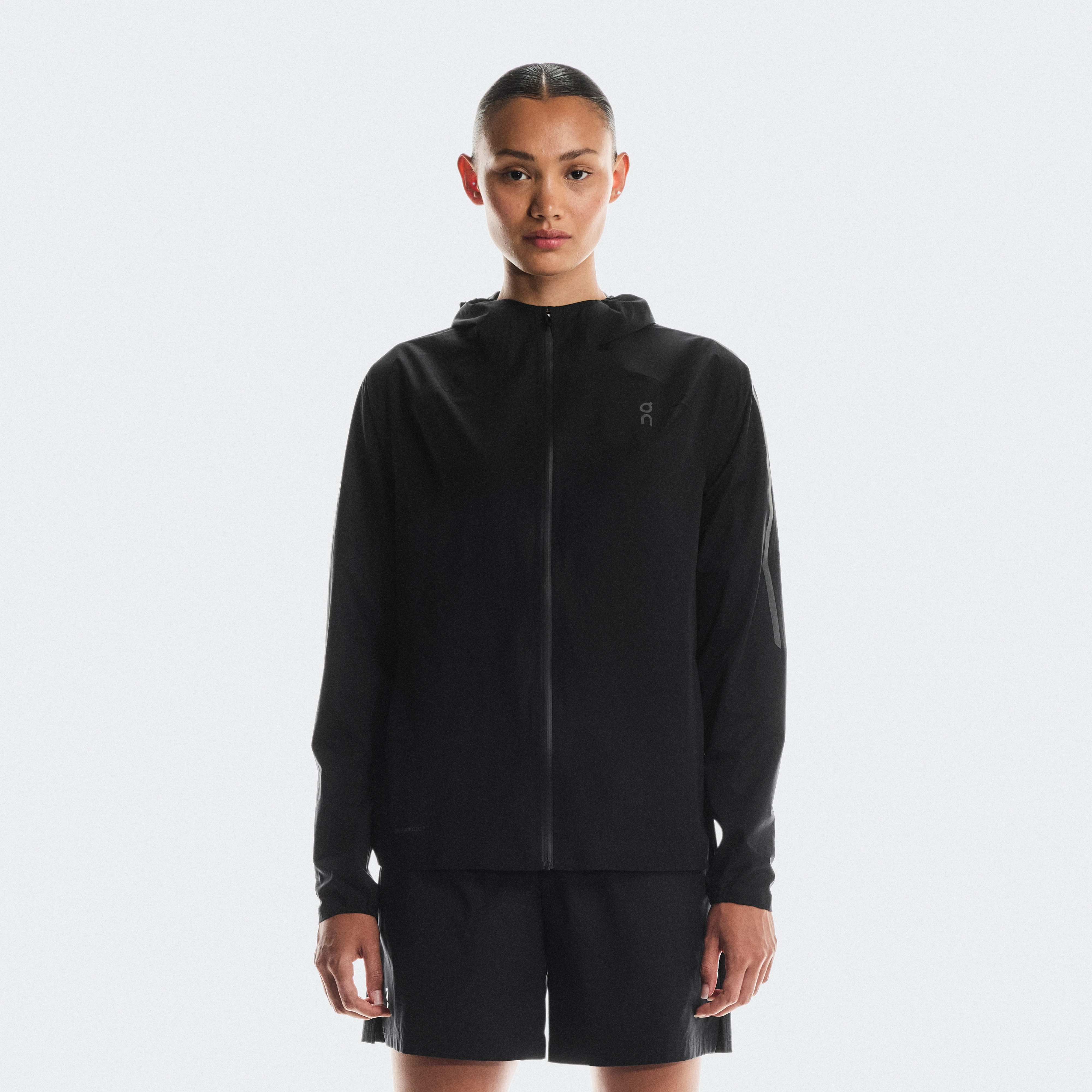
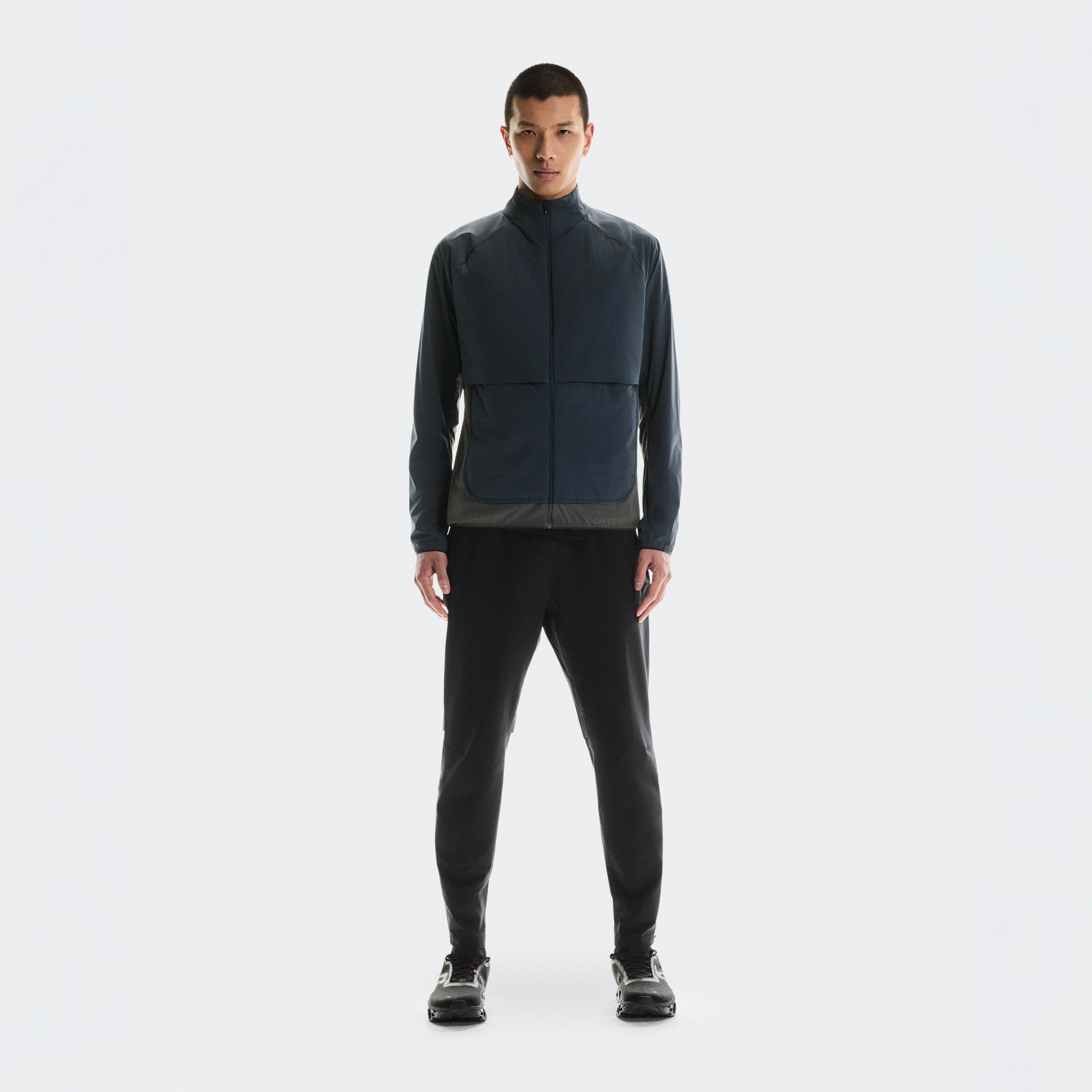
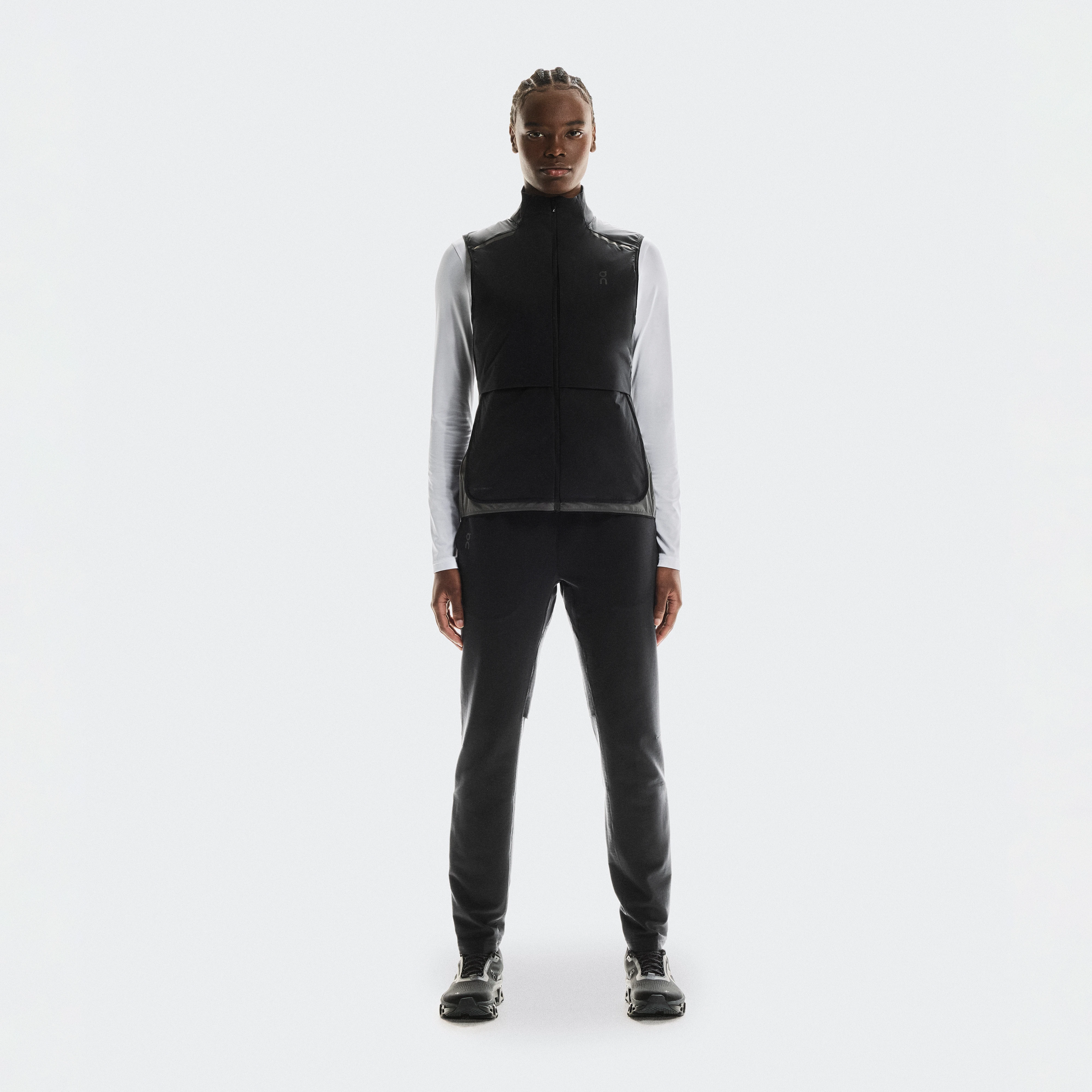
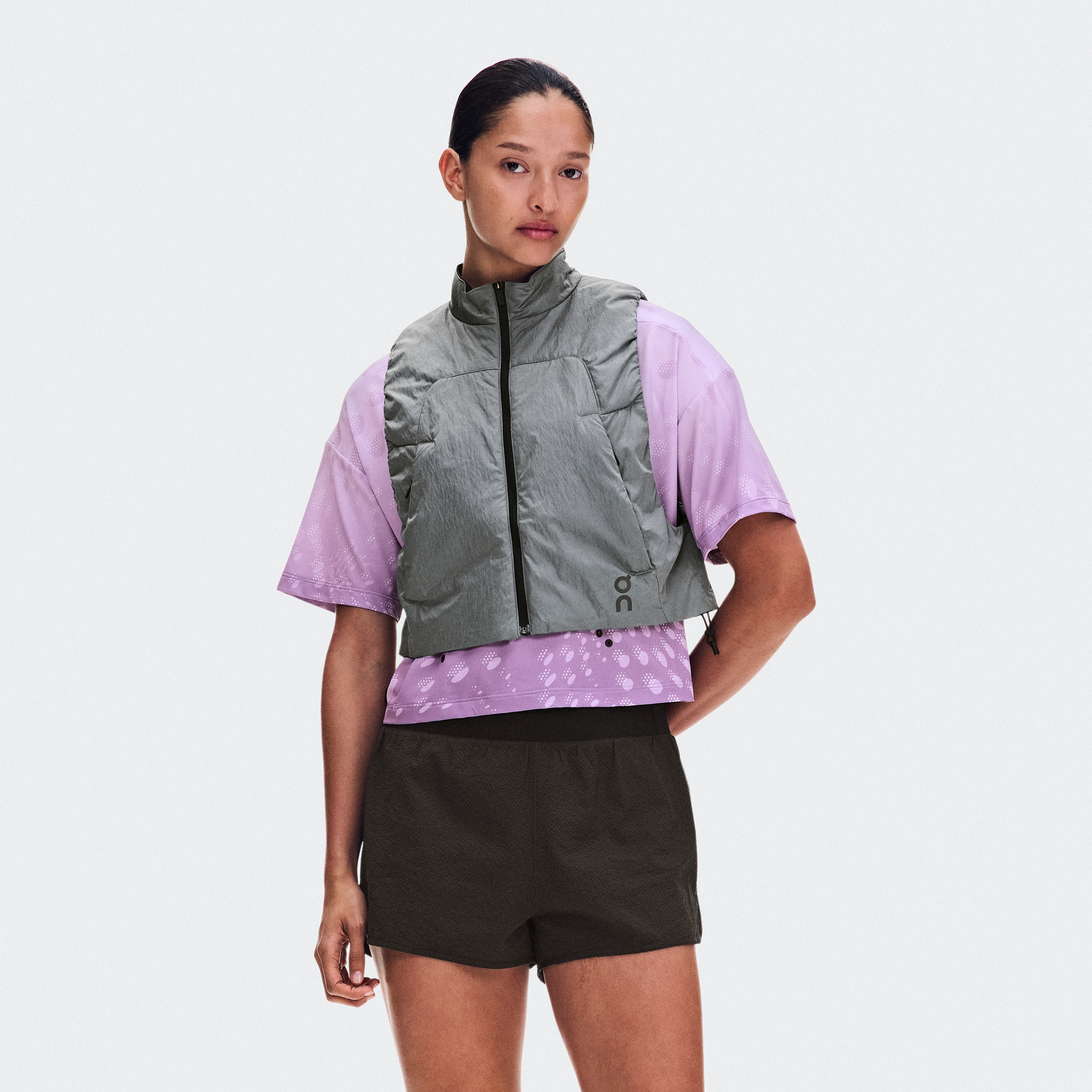
- Second layer (mid or outer): Adapt this layer to the weather. In dry, calm conditions, a Climate Shirt over a thin base layer is often enough. For rain, snow, or wind, add a lightly insulated mid-layer and finish with a water-repellent outer shell such as the waterproof Trek Jacket for full protection.
What to wear in cool weather
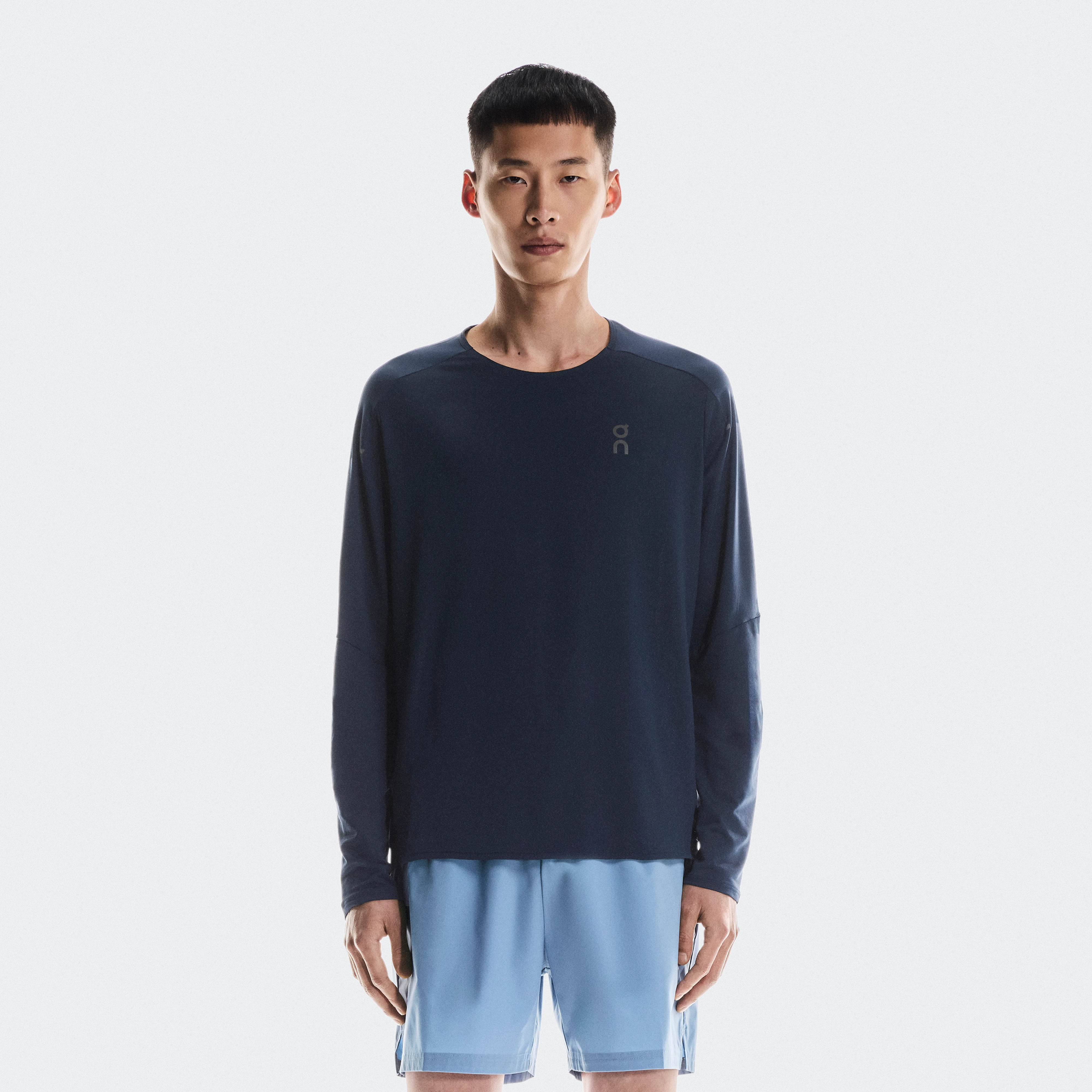
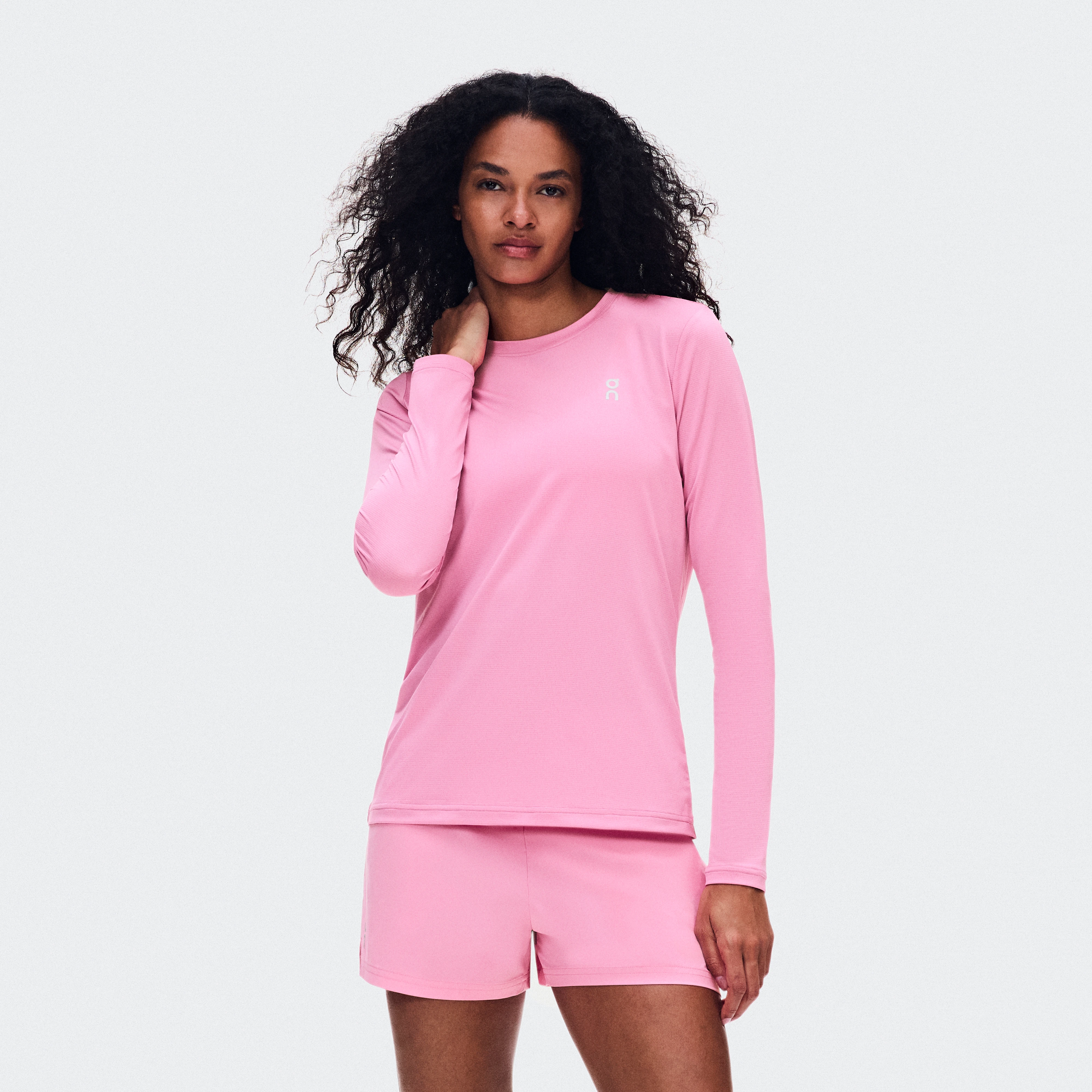
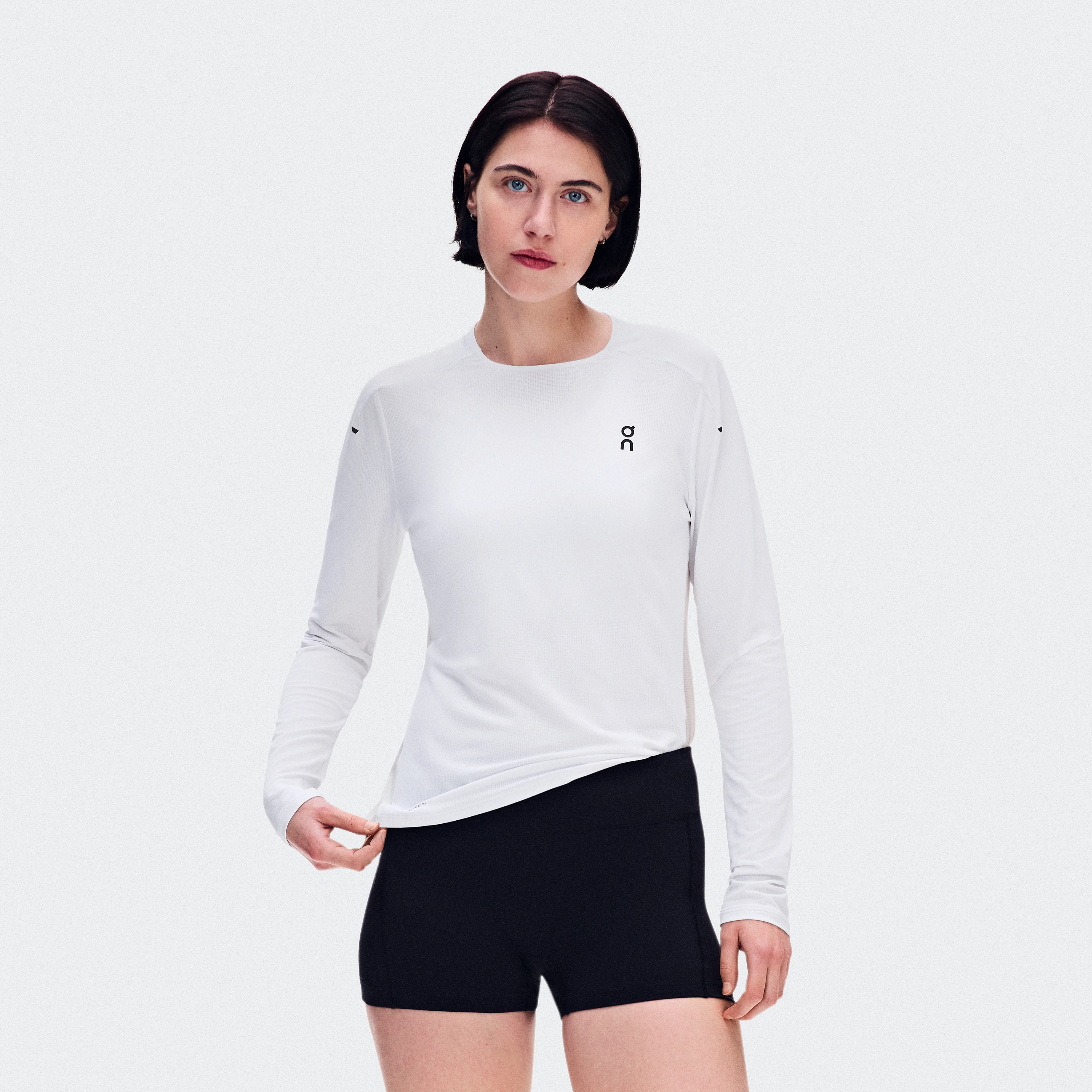
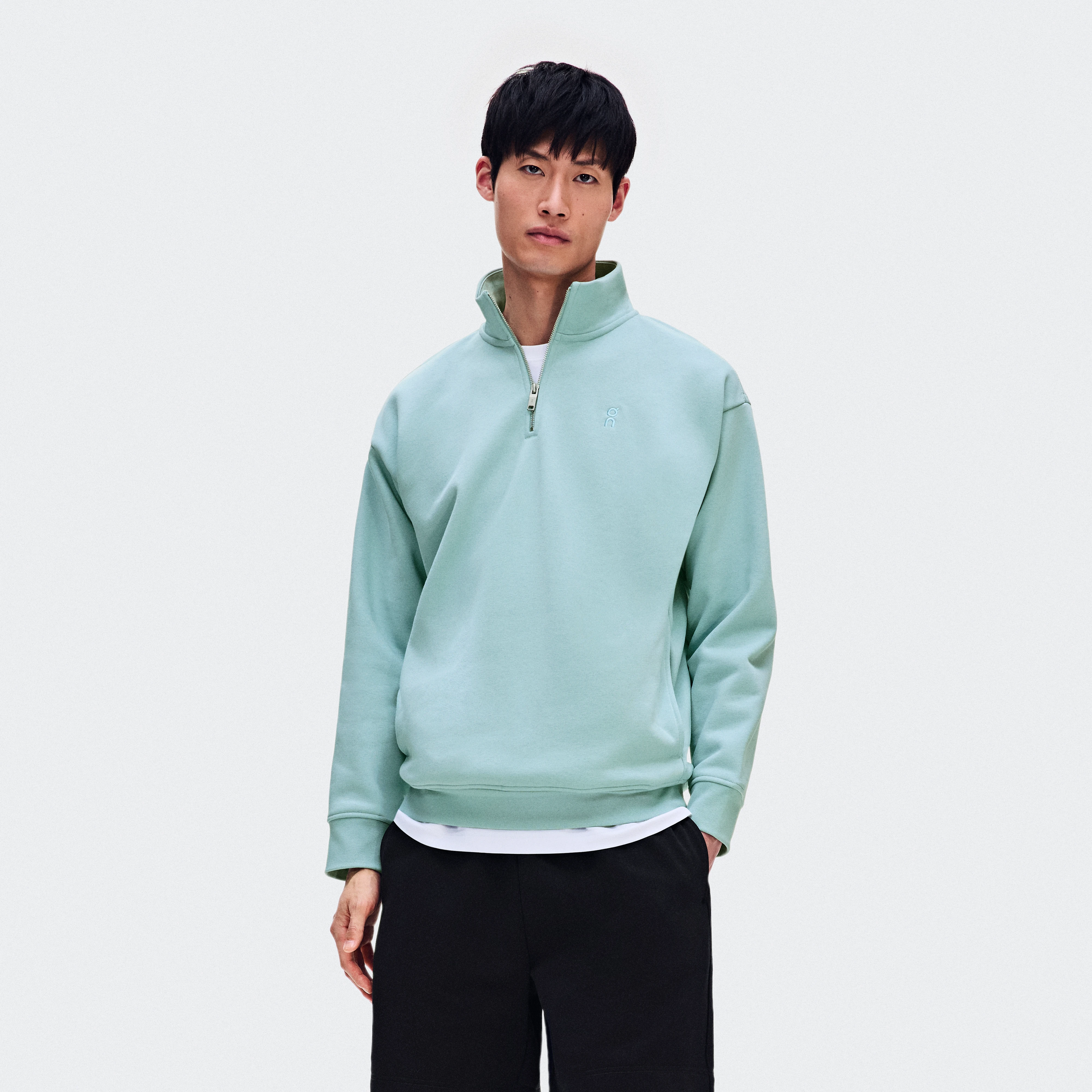
- First layer (base): Choose a moisture-wicking top that keeps you dry and comfortable. The Performance-T is ideal while the long-sleeved Performance Long-T adds warmth and coverage.
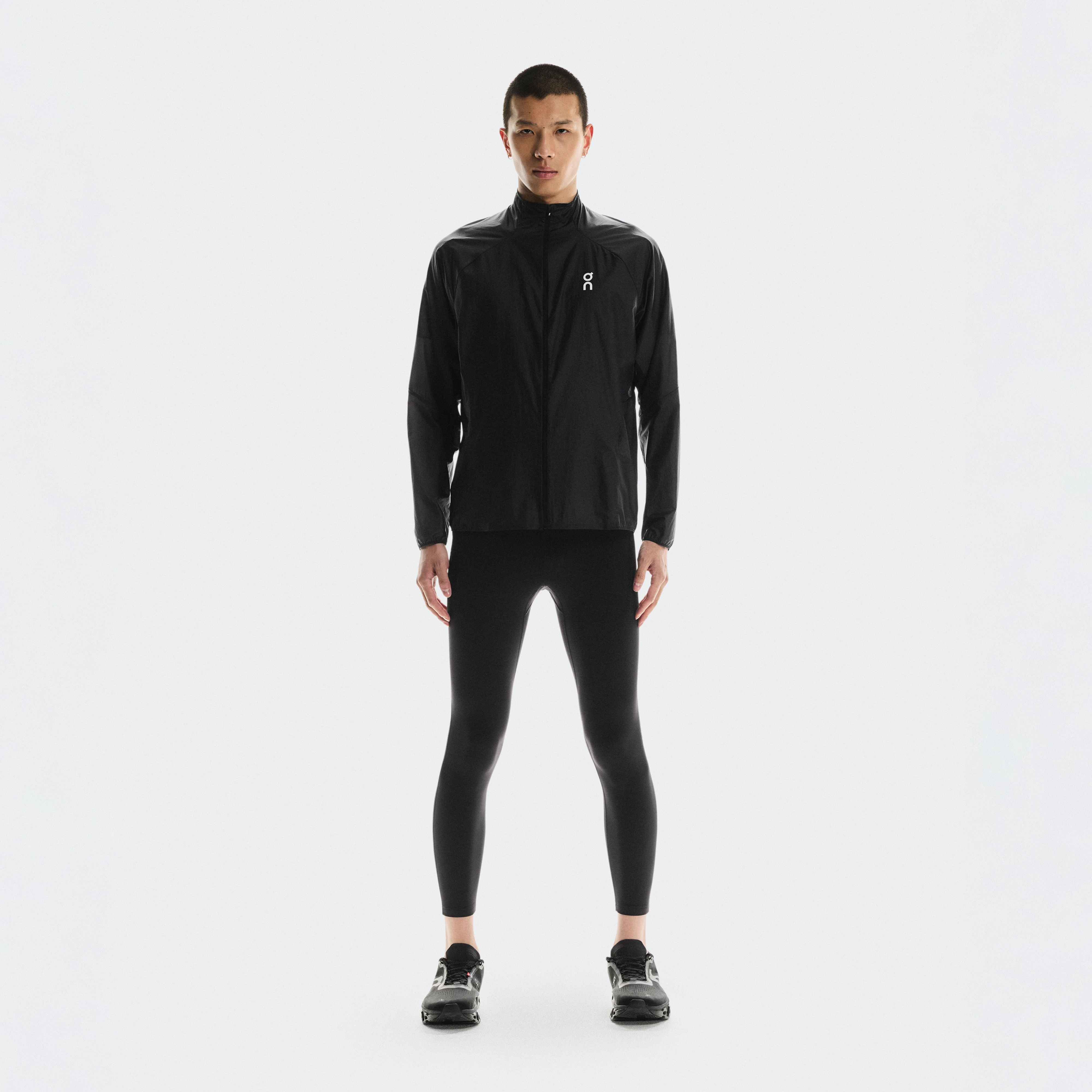
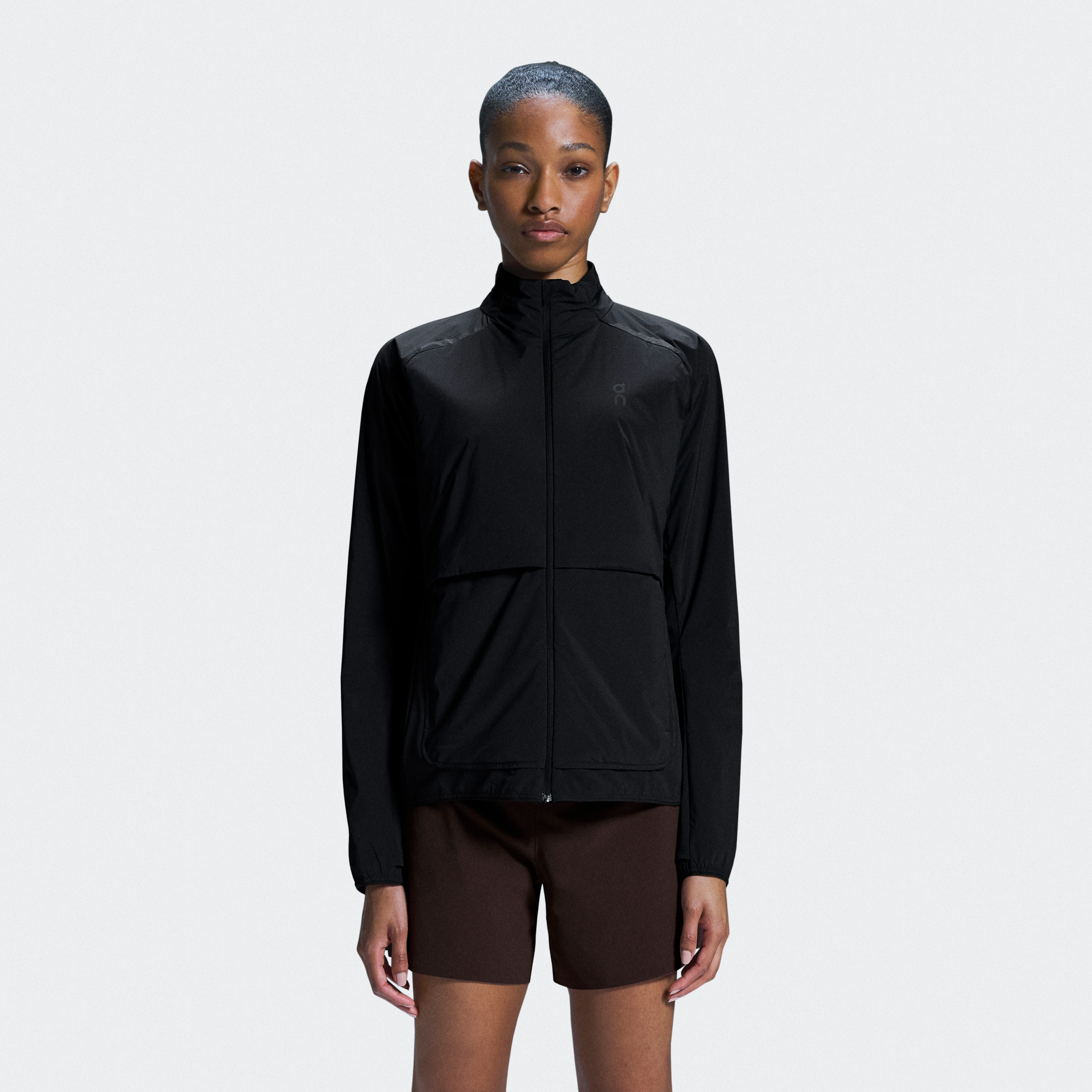
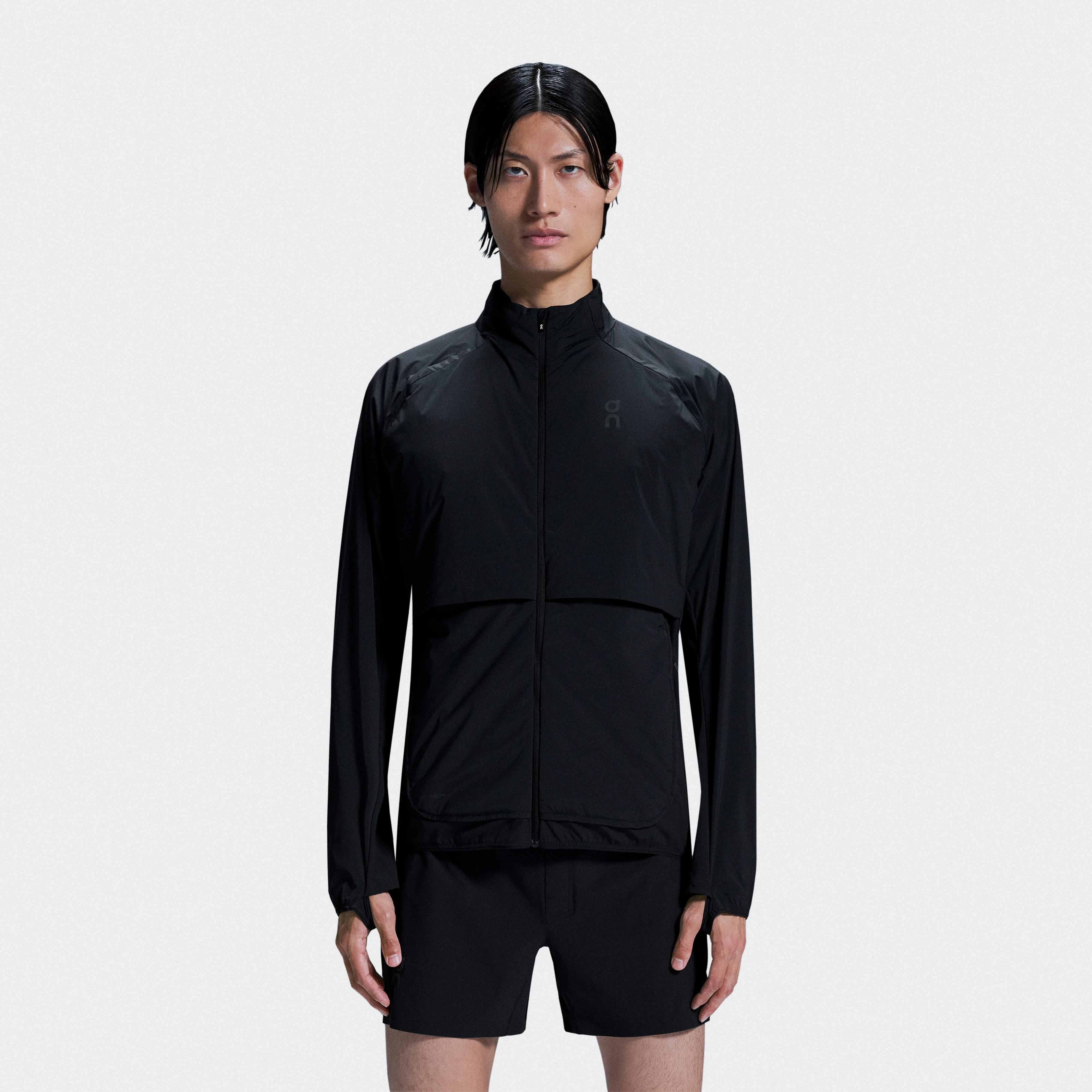
- Second layer (outer): Skip the mid-layer to avoid overheating. The Core Jacket, crafted from technical materials, offers significant weather protection from wind and light rain without restricting movement.













Top benefits of running in cold weather
Lacing up for a run when the weather is less than ideal takes grit, but it also brings real physical and mental rewards. Running in the cold (or the dark) can make you a stronger, more resilient athlete when spring finally arrives.
- Boost cardiovascular fitness: Cold conditions make your heart work harder to circulate blood and regulate body temperature. Over time, that extra effort enhances your cardiovascular efficiency and endurance.
- Aid muscle recovery: Cooler air naturally reduces inflammation and heat buildup after tough sessions. It’s not quite cryotherapy but does help your muscles recover faster between runs.
- Lift your mood: Winter running triggers the release of endorphins and endocannabinoids – natural chemicals that elevate mood and reduce stress. Add in the satisfaction of overcoming the elements, and it’s a proven antidote to winter fatigue.
- Run stronger with less effort: In cooler weather, your body spends less energy on heat regulation. This allows you to maintain a faster pace with less perceived effort, making fast runs feel easier and improving your endurance.
Run well, whatever the weather
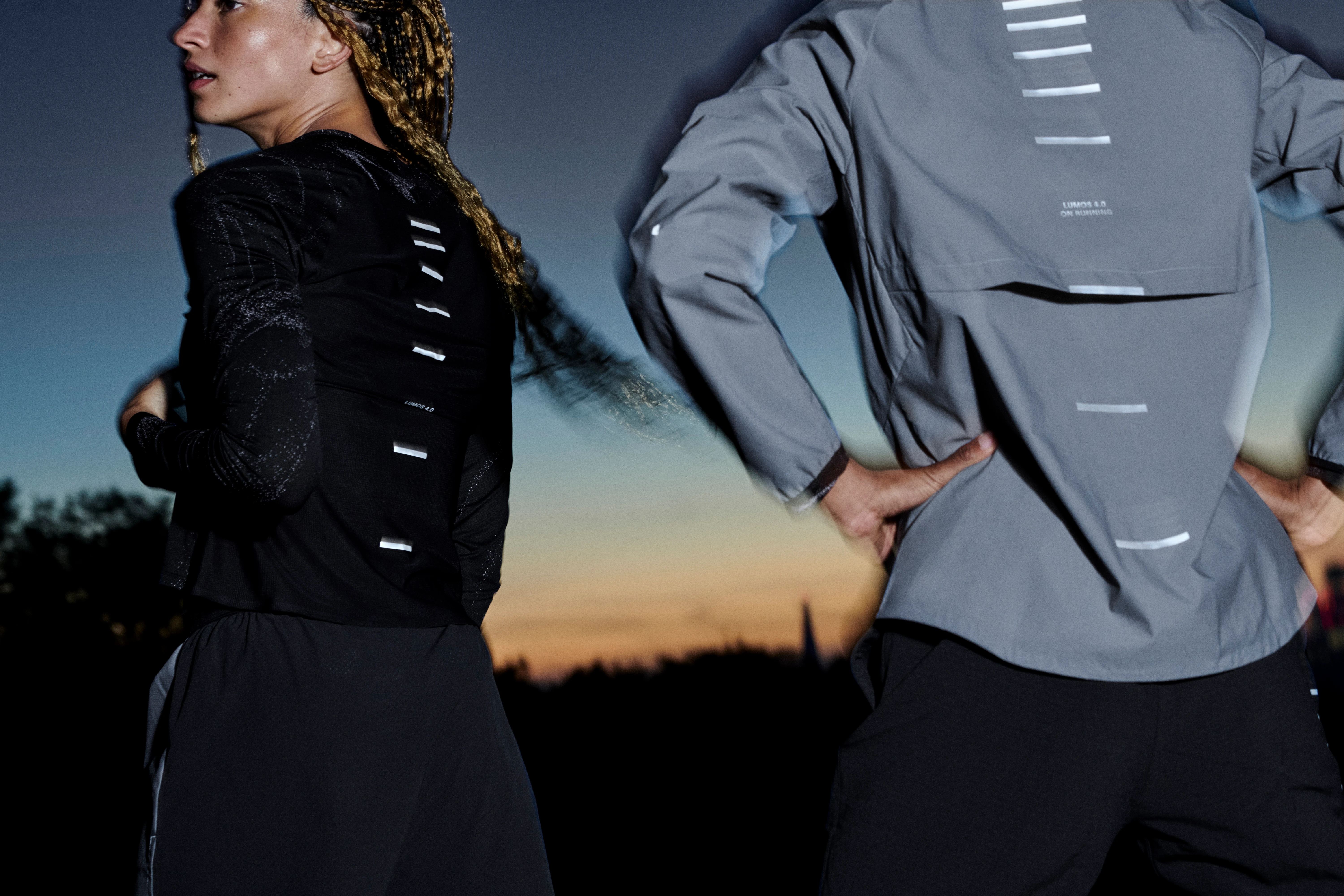
The right cold-weather gear lets you adapt to shifting conditions, whether it's a brisk 50°F jog to a near-freezing long run. For lightweight yet durable defense against wind and rain, explore our selection of jackets so you can stay confident and comfortable in every condition.
Don’t let dark mornings or icy winds keep you indoors. If you’re just getting started or training for your fifth marathon, embrace the satisfaction that comes with moving through winter.