
Strength training for runners: Build power and speed
Speed, endurance and injury prevention – strength training does more for runners than you might think. From core to calves, build the foundation for your best performance yet.
Many runners discover strength training out of necessity: to correct muscle imbalances or recover from injuries. But for On ambassador Florencia Guarco, strength training came first.
“Strength gave me the foundations to run better, for longer, and with way more power,” she says. “Once you feel what a strong body can do, how stable and resilient it feels, you realize it’s not just about running faster – it’s about moving through life stronger. That feeling keeps me coming back every single time.”
A strong strength training routine builds the foundations for faster, more resilient running. Targeted exercises do more than boost power. They help prevent injuries, so you can stay out on the road.
A few well-planned sessions each week is all it takes to move better and feel stronger with every run.
Benefits of strength training for runners
Strength training strengthens muscles and tendons, while also improving stability and posture. Guarco compares running with a strong body like driving a sports car with great suspension.
“Everything feels more controlled, efficient, and powerful,” she says. “A fast body can go hard, but a strong body can go far.” With strength training, you’re less likely to break down, and more likely to recover quickly.
She adds: “Strength gives you that extra gear when your legs are tired, and it’s what turns ‘I can’t do it’ into ‘I’ve got this.’”
Reduced injury risk
Running might not look like it, but it’s a high-impact sport. Every stride puts stress on your knees, muscles, and joints. Over time, that strain can lead to common injuries like stress fractures, shin splints, or muscle strains, if the body isn’t properly conditioned.
Guarco compares consistent lifting (especially working on glutes, hamstrings, and core) as your insurance policy against injury. “It keeps common runner injuries like IT band pain and knee aches away. When you’re strong, your body handles impact better,” she says.
Strength training helps the muscles and tendons in the legs better absorb stress. A workout plan that targets the entire body can address common muscle imbalances, enabling you to improve your form and avoid strains and other injuries.
Run faster, longer
Strength training also improves runners’ muscular endurance and speed. Stronger muscles can generate more force, allowing for a faster and more powerful stride. Consistent strength training also helps your body maintain energy levels for longer, so you can keep up that faster pace for even longer for HIIT or other workouts.
“A lot of runners think weights will make them bulky or slow, but I don’t see it that way,” says Guarco. “Strength training makes you more efficient, more balanced, and more explosive. Once I understood that muscle isn’t just for aesthetics, but for performance and longevity too, the weight room became much more empowering.”
Strengthened joints
Stronger muscles and tendons help stabilize your joints and gives them the support they need with every stride. This added stability reduces the risk of missteps or twists that can lead to injury.
By absorbing more of the impact from each step, your muscles protect your joints from overuse and help you move more efficiently and comfortably over time.

How to build your strength training plan
An effective strength training program doesn’t need fancy equipment or even a gym membership. Many of the best exercises for runners just use bodyweight, or a simple set of dumbbells.
Aim for two to three strength training sessions each week. For each exercise, complete two to three sets of 8-12 reps, adjusting weight as needed to maintain good form. Each session should take around 45 minutes to an hour, including time for rest and recovery between sets.
Fire up your core
A strong core is the foundation of efficient running. It stabilizes your torso, supports better posture and breathing, and improves the transfer of energy between your arms and legs. The result is smoother movements, stronger strides and fewer injuries.
Try exercises like planks for endurance, deadbugs for control and mountain climbers for dynamic strength. Each one helps you build the stability and coordination that carry you further, faster.

Power your legs
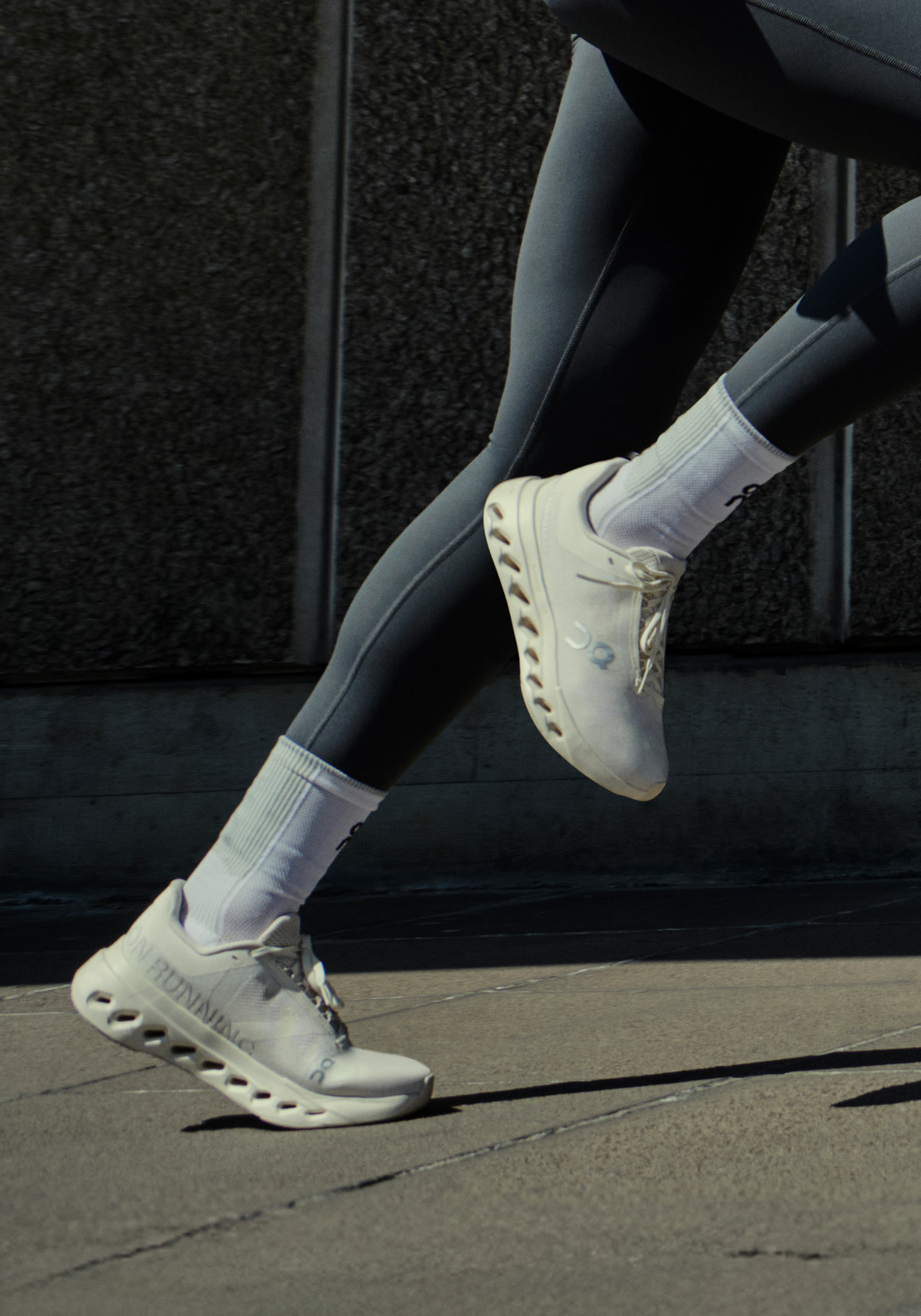
Every stride starts with strong legs. Your glutes, hamstrings and hips drive power and stability, while your quads and calves absorb impact and push you forward.
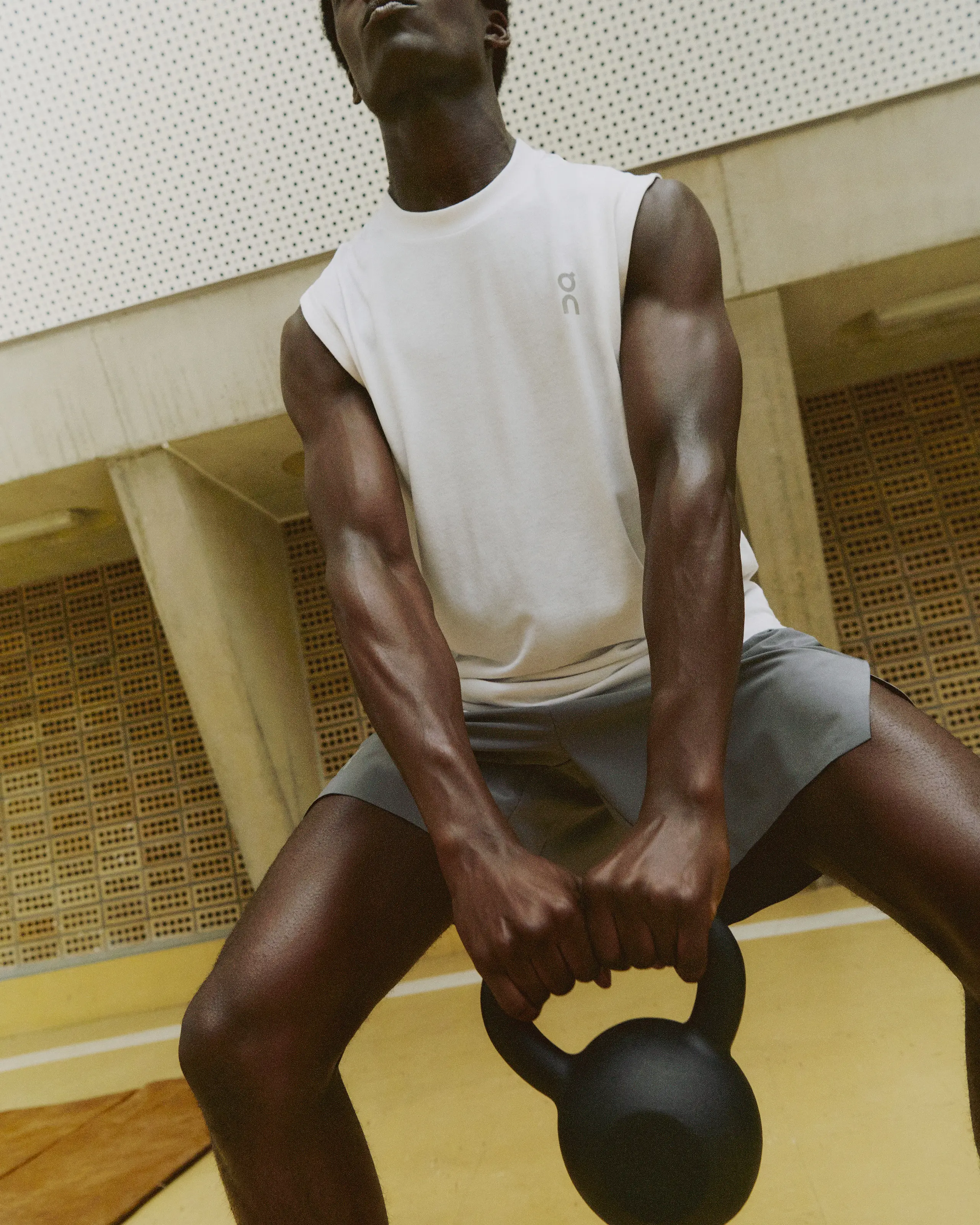
To build balanced strength, mix in a variety of lower body exercises. Split squats target the quads and glutes. Glute bridges strengthen the posterior chain. And step-ups build calf and core stability, while lunges bring it all together for strength and control through every stride.
But, the move that’s been a game-changer for Guarco? Deadlifts. “They teach you how to hinge, generate power from your posterior chain, and stabilize your core: all key for strong, efficient running,” she says. “Plus, nothing builds confidence like feeling strong in a lift that carries over directly to your stride.”
Strengthen your upper body
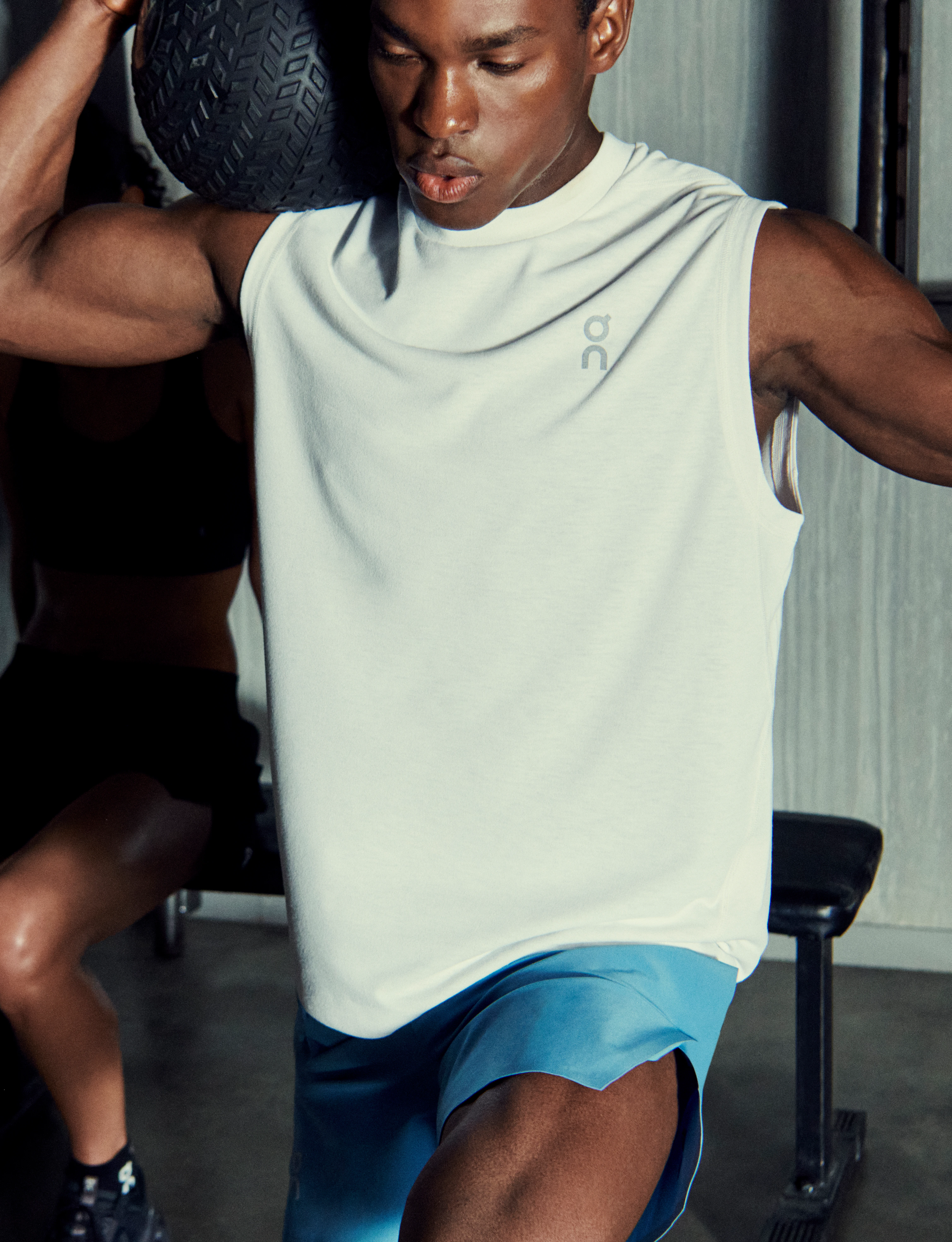
Running power doesn’t just come from your legs. A strong upper body helps you stay balanced, maintain posture and drive each side – especially on uneven terrain, like when trail running.
Bodyweight moves like push-ups, tricep dips and arm circles build strength without equipment. You can also add light weights to target your shoulders, arms and back for extra stability and endurance.

Try this routine
Strength training for runners should target the entire body. Guarco incorporates a mix of everything. “I love combining compound lifts with functional, athletic movements. Think deadlifts, Bulgarian split squats, core stability work, and explosive power drills.”
Every session has a purpose: build strength, move better, and feel unstoppable. Here’s an example of a strength training routine you could try.
- Warmup: 5-10 minutes of light cardio and dynamic stretching - Squats: 3 sets of 8-12 reps - Lunges: 3 sets of 8-12 reps - Calf raises: 3 sets of 8-12 reps - Planks: 3 sets, holding for 30 to 60 seconds per set - Mountain climbers: 3 sets of 30 to 60 seconds each - Pushups: 3 sets of 8-12 reps - Tricep dips: 3 sets of 8-12 reps - Dumbbell rows: 3 sets of 8-12 reps per side - Cool down: 5-10 minutes of static stretching
What equipment do you need?
Building full-body strength is a strong start. But how you train matters just as much. Keep these best practices in mind to get the most from your workouts, improve performance and stay injury-free.
Tips to train smarter
A mix of strength exercises for your entire body is ideal, but it’s not the only thing you’ll need for a successful routine. Keeping a few key best practices in mind as you train will help you maximize results and avoid injury.
Perfect your form
Good form builds strength and keeps you running. It helps you target the right muscles, improve efficiency, and protect your joints from unnecessary strain.
Focus on posture and alignment, moving with control through each rep. If you’re training indoors, use a mirror to check your form and make small adjustments as you go.
Build unilateral strength
Running is a one-sided sport: each stride relies on a single leg to drive you forward. That’s why building unilateral strength matters.
Single-leg exercises help you develop balance, stability and core control while targeting each leg individually. They also make it easier to spot and correct muscle imbalances, helping reduce the risk of injury and improve running efficiency.
Manage progressive overload
To keep getting stronger, your body needs new challenges, but progress isn’t about jumping straight into heavier weights. It’s about building gradually.
Increase your load, reps or sets over time, paying close attention to how your body responds. When a routine starts to feel easier, that’s your cue to level up: steadily and safely.
Rest and recover
Recovery is where progress happens. Most runners benefit from two to three strength sessions a week: enough to build power without overloading the body. Between workouts, focus on hydration, balanced fueling and quality rest to let your muscles adapt.
Listen to your body. If you need more time to recover, take it. Consistency matters more than intensity.


What to wear for strength training
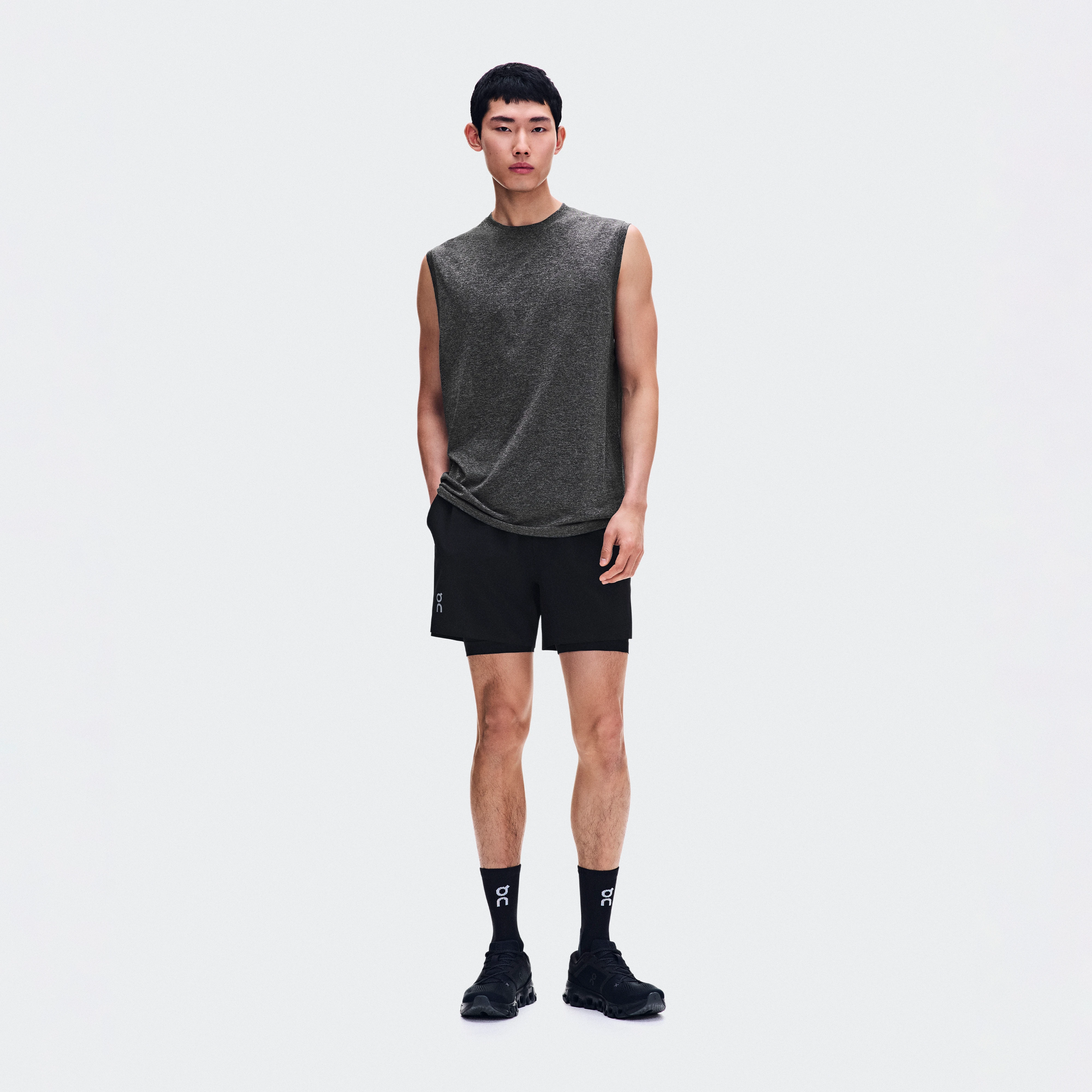
Form comes first – and the right gear helps you stay focused. The Train-T uses ultra-breathable, moisture-wicking fabric to keep you cool and comfortable during your workout.
The Train Shorts feature generous side openings, a bonded, reduced chafing hem and a light and breathable fabric, making them a good fit for various strength training movements.
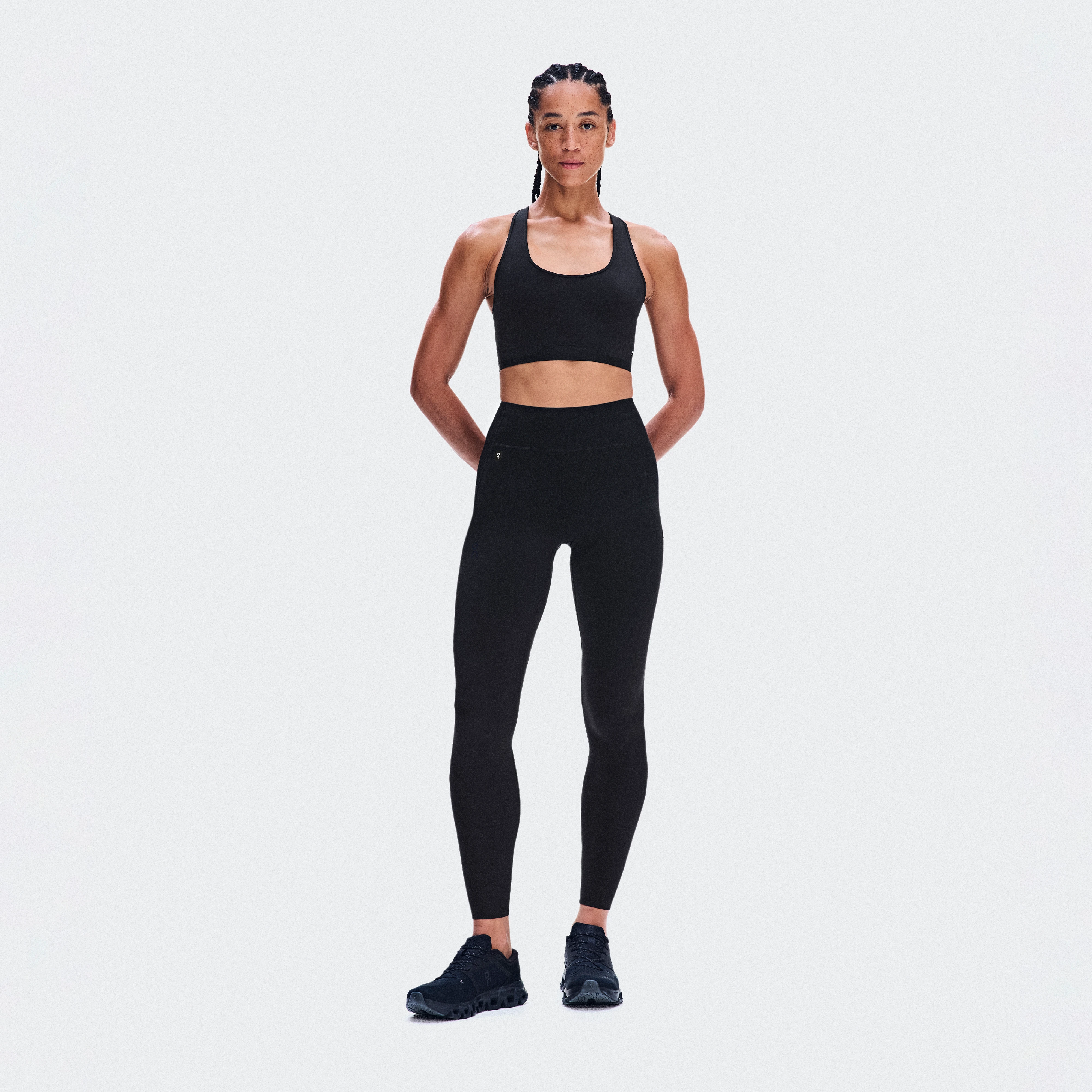
And the Women’s Train Bra provides comfort and support throughout the session.













Next steps: Build your run-ready routine
Strength training might not be the first thing that comes to mind when you think about running faster. But just like learning to pace your miles, building strength pays off over time – helping you move more efficiently, stay injury-free, and go the distance.
“Strength training is for every runner who wants to feel better in their body,” says Guarco. “Not just perform better.” She emphasises that building muscle isn’t just about looks or speed. “It’s one of the healthiest things you can do for your metabolism, bone density, and longevity. It keeps you running strong for years, not just kilometers.”