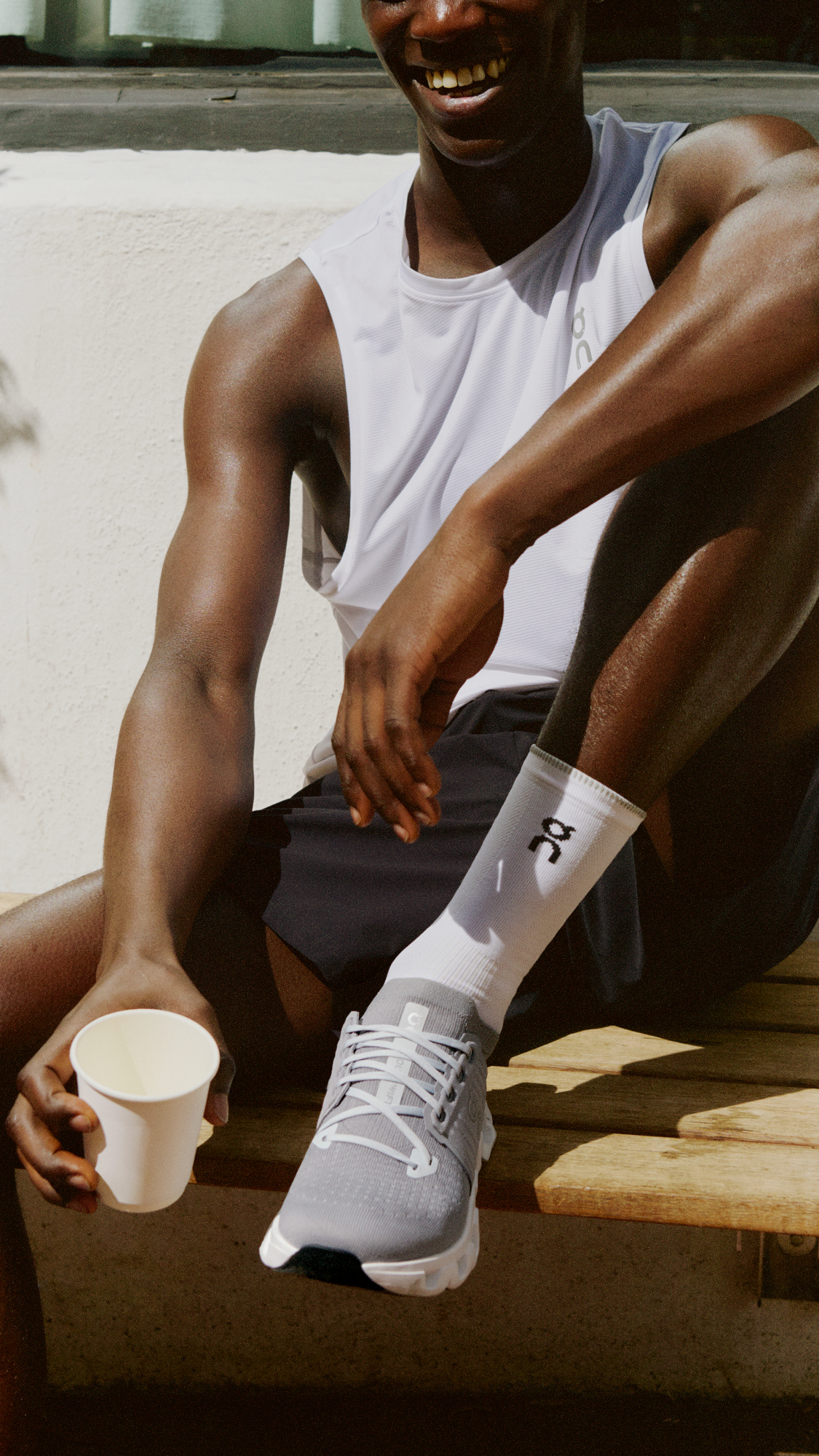
Coffee before your workout: What to know
Athletes have been chasing a pre-workout caffeine buzz for years. Coffee can sharpen focus and fuel endurance, but too much, and it can derail the session.
For many of us, the day doesn’t start without coffee. But what about before morning workouts?
Many athletes, like On ambassador and dietician Jade Reilly, swear by it — coffee is both a ritual and a boost. “It’s my wake up call pre-workout and I will admit I notice my performance in the gym tends to be greater when I’ve had my caffeine fix,” says Reilly. Others save it for after training.
The truth? Coffee before a session has real perks, but some drawbacks. Knowing both helps you decide what works for your body and training routine.
Perks of showing up caffeinated
Plenty of athletes already back coffee before a workout. It’s just part of peak-performance training. As hybrid athlete and author of Eat Like a Legend, Dan Churchill puts it, the recovery ritual he swears by is simple: “My coffee.”
Boosts your performance
Your morning brew can do more than wake you up. Studies show that caffeine before a workout can improve strength, endurance and overall cardiovascular output. It also lowers how hard the session feels, so when you think you’ve got more in the tank, you usually do.
Some research even suggests that caffeine can dull pain, helping you to push further. Because of this, stay tuned into your body. Coffee can help you go harder, but it can’t set limits for you.
Helps you go longer
Coffee is more than a quick boost for short-term performance. It can also help you endure. That’s why marathoners and trail runners often lean on coffee before long runs and caffeine gels during steady, prolonged efforts.
By nudging your body to burn more fat for fuel and save glycogen for later, caffeine helps you stay steady when the miles stack up. Whether you’re in the middle of a marathon cycle, back-to-back training blocks, or having a big day out on the trail, you might notice you can hold on longer before fatigue takes over.
Sharpens your focus
Coffee is fuel for the body as much as a spark for the mind. For many athletes, that pre-workout cup is the ritual that flips the switch from “just waking up” to “ready to train.”
Coffee boosts alertness and cuts through tiredness, giving you the focus to stay locked in, especially during early sessions or mornings when the energy is low. It’s not just about chasing performance. The mental lift can help you get out the door and closer to that runner’s high.
What coffee doesn’t tell you
Coffee can give you a welcome buzz, but still, it’s not for everyone. After all, caffeine is a drug. Too much, and it can leave you anxious, jittery or wide awake when you’d rather be recovering. Drink it too late, and your sleep (and tomorrow’s training) can take the hit.
Coffee can also upset your stomach, especially when you’re working out on an empty one. The acidity and digestive kick that makes coffee a morning ritual for some can mean cramps or discomfort mid-session for others.
“I would suggest trying single shot options with lesser strength versions like lattes to establish whether or not you enjoy coffee first,” advises Reilly. Bottom line: what fires up one athlete might derail another. If you’re curious about making caffeine part of your pre-workout routine, start small.
How to make coffee work for your body
Should you drink coffee before a workout? It depends. Tune into how it makes you feel, and adjust when and how much to suit you.
How much is enough?
Research suggests most athletes feel a training boost with 3-6 mg of caffeine per kg of body weight. For someone weighing 68 kg (150 pounds), that’s roughly 200-400 mg (two to four cups of coffee).
An average cup of coffee contains 95 mg of caffeine, though it varies (espresso packs 64 mg of caffeine, instant coffee often has less). Some athletes prefer caffeine gels for precision, but coffee still works if you keep track of your intake.
The FDA advises 400 mg of caffeine per day. More than that, and the benefits drop off, leaving you more jittery than powerful.
The goal isn’t to push harder at all costs. It’s to feel good about your session and energized, but still in control.
When should you drink it?
Timing matters. Just like you consider what foods to eat before a run, coffee should be considered too. Aim for 30 to 60 minutes before training so the caffeine has time to kick in. For Reilly, she has her cup about an hour before an intense workout. “This allows [the caffeine] to have a good effect during my workout without causing any discomfort,” she says.
Keep in mind the time of day, too. Have it too late in the afternoon, and you’ll pay for it at night. Caffeine can linger for hours, cutting into the sleep your body needs to recover.
What kind of coffee actually works best?
Not all coffee hits the same. Brew method, strength and even what you add can change how it feels in your body.
Brewed coffee delivers caffeine steadily while espresso feels more intense, mostly because it’s concentrated and downed quickly.
Cold brew has become a go-to for athletes: higher caffeine, lower acidity and refreshing on hot days.
Additives matter too. Sugar can spike and crash your energy. Milk or cream sometimes upsets digestion. That’s why athletes often stick to black coffee or an Americano. It’s simple, effective, and less likely to get in the way of your workout.
Build a workout routine that supports you
Coffee can kick-start your session, but the real gains come from consistency. Whether you drink it before training or not, the key is finding habits that work for your body. And for Reilly, she swears by her morning cup. “Put it this way, there’s not many workouts where I will not have had my coffee beforehand.”
Fuel well, listen to how caffeine affects you, and build routines you can stick with.