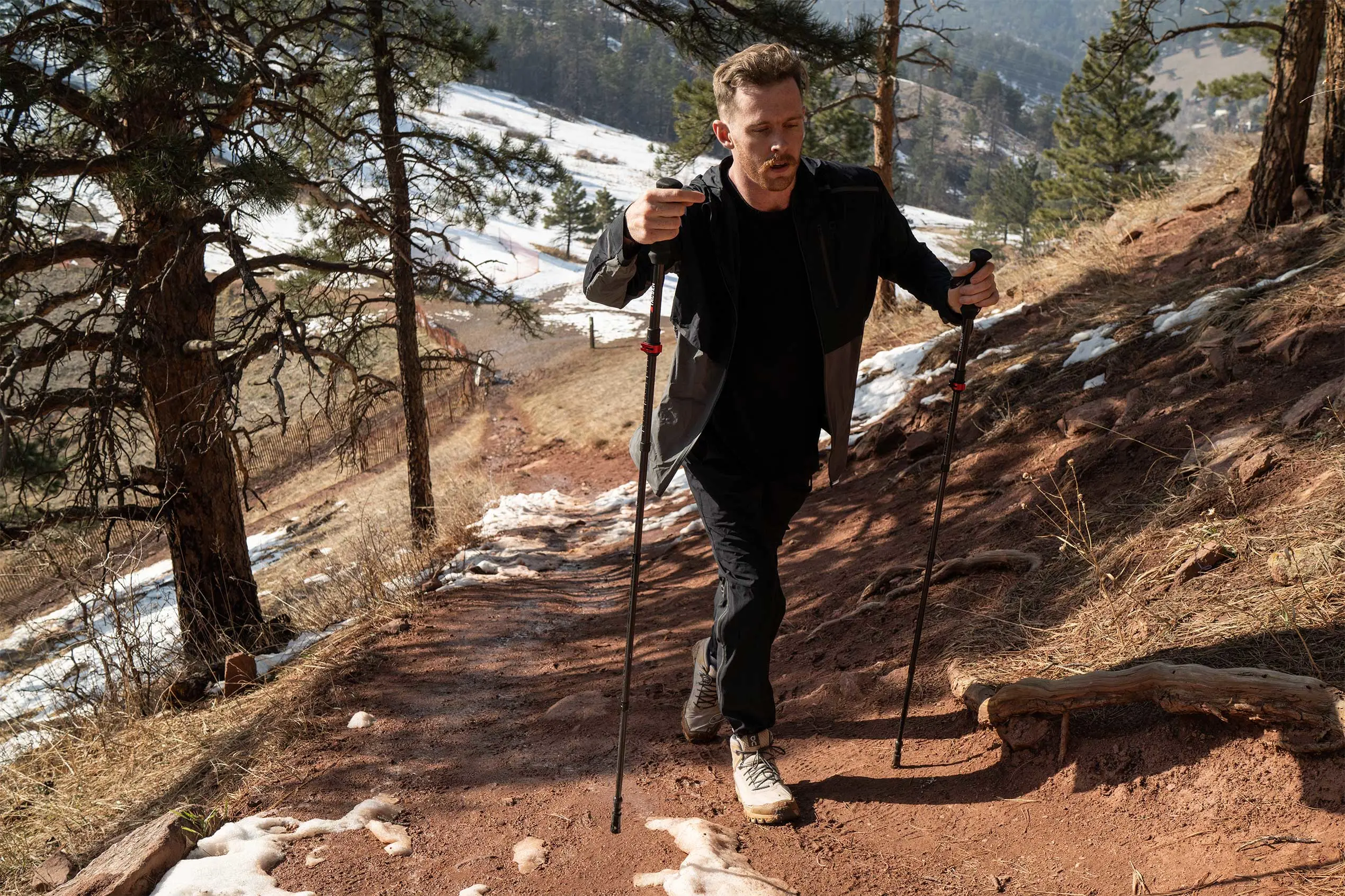
Paralyzed to peaks: a story of determination
Standing at 14,505 ft, Mount Whitney is the tallest peak in the lower 48 of the United States. With over 20 miles of hiking and an elevation gain of 6,100 ft awaiting those striving to reach the summit, getting to the top is no small achievement. But when you’re an ambulatory incomplete quadriplegic, it takes on a whole different magnitude. And that’s precisely the goal Jack Greener has set himself.
Back in November 2018, the challenge facing Jack Greener was nothing short of monumental.
Paralyzed from the neck down in a Jiu Jitsu accident, he’d suffered multiple strokes as a result of blood clots passing through his brain. After spending nine long hours under the surgeon’s knife to remove the remaining clots in his neck – reducing the chance of yet another stroke – he was given just two days in which to show improvement or he’d be offered assisted suicide. Miraculously though, his body started to respond.
“The best way to describe incomplete paralysis is like being stuck in an ice cube and you don’t know which part of your body is going to thaw out. Maybe one arm will or maybe a leg – it's basically complete luck. I got my left big toe back first. Then my fingers and part of my leg. And then I was able to stand.”
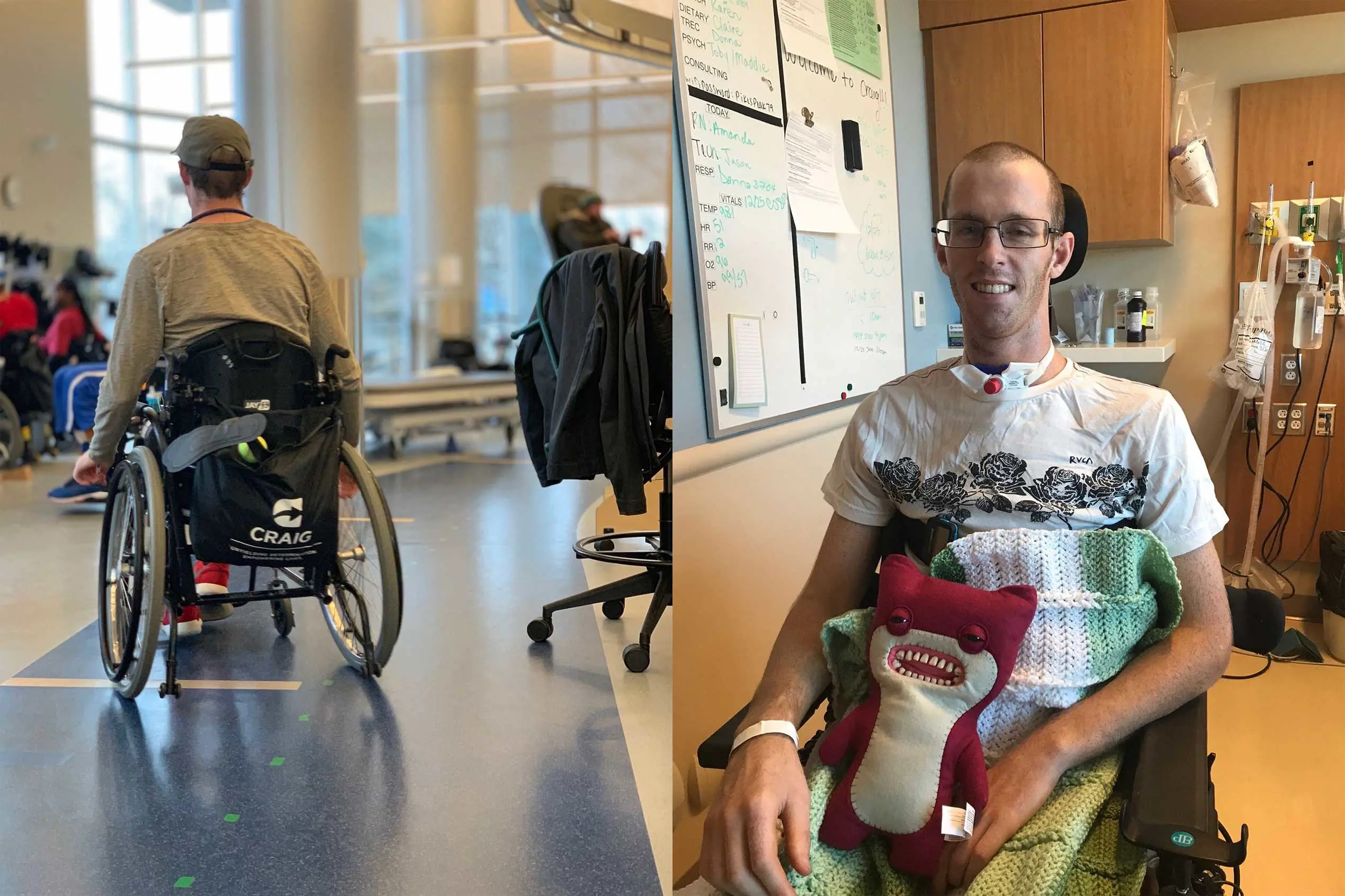
Step by step, Jack progressed, and by the middle of January 2019, it was looking like he would even be able to walk again. That’s when the real work started. “During that time, I was in therapy seven hours a day. I would tell my therapist, ‘I want you to to make this as hard as possible. If I collapse, that’s cool.’ I’m not sure she felt the same way!”
His determination and commitment paid off, and come March he was able to walk out of the hospital with just a pair of crutches for support. “I could live on my own again. I was still in a wheelchair about 70% of the time, but I was able to walk around my apartment.” He then spent the rest of the year relearning everything. “How to dress, clean, cook, how to breathe, swallow, chew... crawl! I literally had to relearn life at 23 and 24.”
And that was just the beginning. Because Jack is driven. Very driven.

He’s currently one of only two individuals with his disability – Ed Jackson being the other – to go above 14,000ft on foot. “I did that last August on Mount Bross in Colorado.” He also has the first paralysis ascent of the first Flatiron in Colorado. And his next goal is even bigger. Literally.
“This year I want to be the first quadriplegic to ascend Mount Whitney.”
“Diet, hydration, tiredness, coldness. Some days I walk really well, but others I have to use a walking stick – which can really confuse people, because they’re not used to seeing a 25 year old with a cane! It’s great to have an assistive device to catch me when I fall though. Like on curbs. Curbs are terrifying! So are steps. Going up, not a big deal, going down…” Jack reveals “Everything can affect me,” but completing the mountainous 22 mile hike is going to be anything but easy.
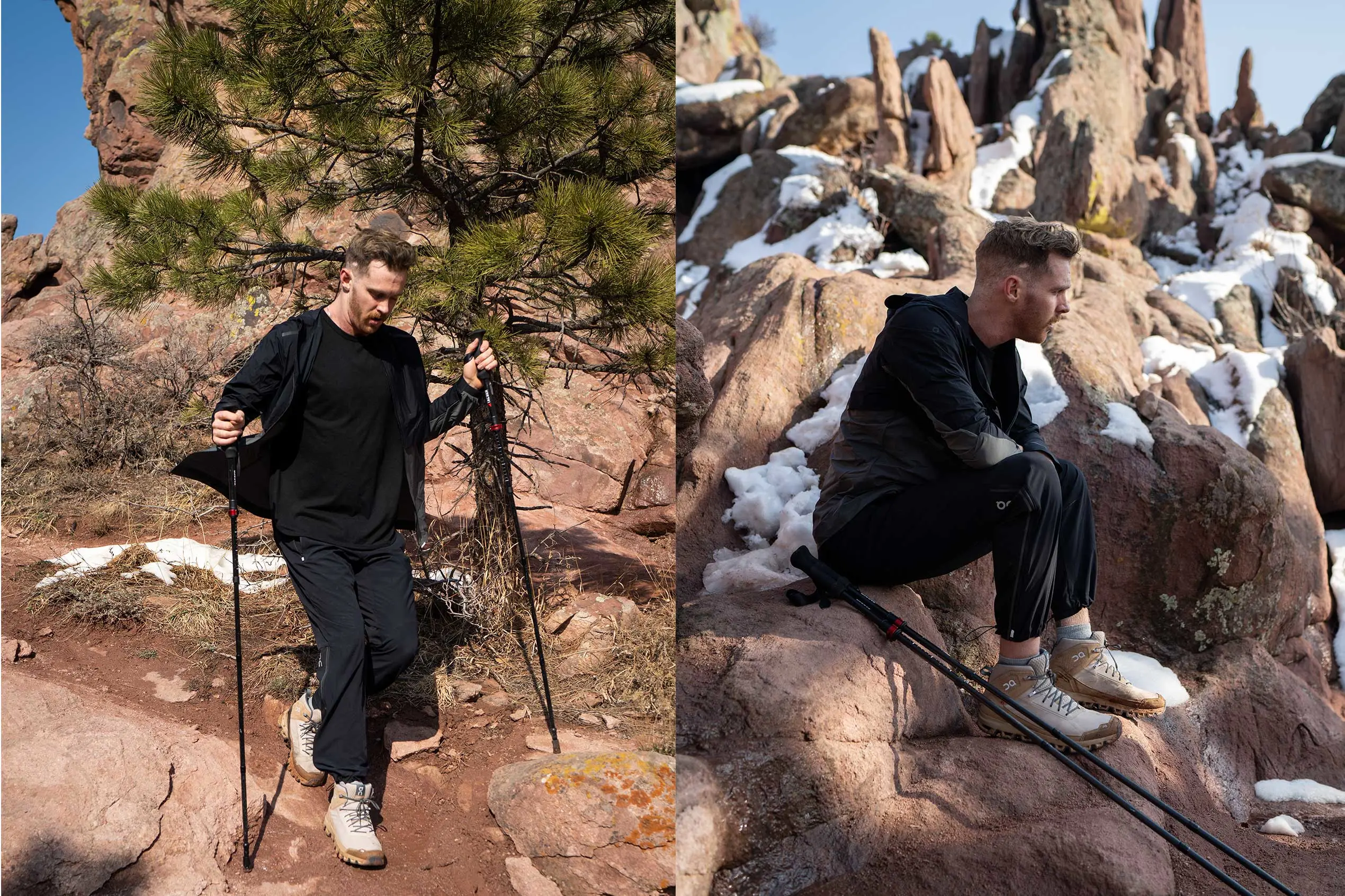
All of which leads us to one inevitable question – why? Well, according to Jack, it’s because he likes to suffer. “That’s the simple answer. It’s nothing new either. I grew up freediving - where your lungs are screaming for oxygen, but you know you don’t need it. The Mount Whitney project is the same kind of thing. I want to do it because it’s difficult. It’s already hard, but then you add in a disability that makes literally everything difficult, from moving to sleeping, and it just takes it to the next level.”
This desire to prove himself is something that really drives Jack on. “Mount Whitney is to show myself that I’m as capable as anyone else. As an adaptive athlete, just getting outside is a victory. Because once you have some sort of physical impediment, the world really isn’t your friend.”
But that’s not the only reason he’s doing what he’s doing.
“I want to push the envelope as a paralyzed athlete. I have the privilege of setting the bar for other people like me.” As great as that is honor is though, it can feel like a burden at times. “I have no reference point. At all. I can’t really look at anybody who’s like me and say, ‘Oh yeah, if they can do it, so can I’. So, I put a lot of pressure on myself to be that person for the next kid.”
Which is why the concept of representation is so incredibly close to Jack’s heart. “It’s extremely important to me. If I get to be a part of that as an adaptive athlete, if I get to show what paralyzed athletes can do, that’s badass – it’s really cool.”
And while the ascent of Mount Whitney is going to take time, training and no small amount of sweat, it does mean that Jack gets to indulge one of his passions – nature. “Being outdoors is really important to me. It’s when I disconnect. No one is looking at my disability and thinking I shouldn’t be doing these things, because I’m already out there doing them. It’s a form of therapy. It allows me to slow down and just be present.”
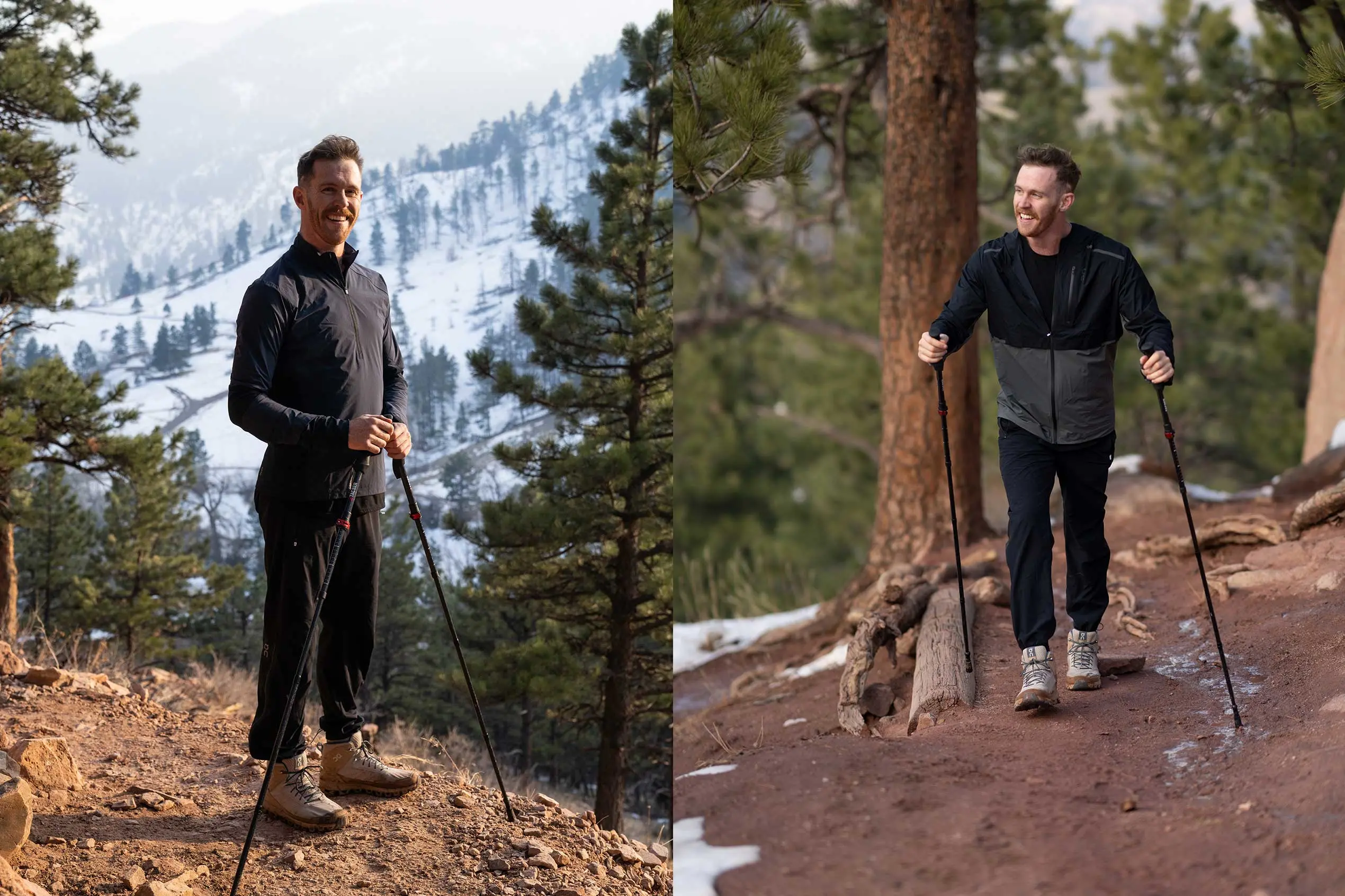
When it really comes down to it though, all of Jack’s work, all of his effort is about one thing...
“Progression. That’s the most important thing to me. In my mind, I haven’t accomplished that much yet. Mount Whitney will be the first real pinnacle. Grand Teton, which I’d like to do later in the summer, would be the second. Because for me, the big accomplishments, the big achievements, they come in the big mountains.”
You can follow Jack, and his journey to the top of Mount Whitney, on his Instagram and his blog.