
What is a tempo run? 6 benefits for runners
Run hard, run far. Tempo running is where endurance meets speed – and understanding this can help you run stronger, pace smarter and reach your race-day goals.
Tempo running changes how effort feels. Instead of chasing speed, you learn how to stay with it. Steady pressure, clear rhythm and confidence that builds over distance.
These runs sharpen your sense of effort so you can settle into race pace faster and stay composed when intensity rises.
What is a tempo run?
A tempo run is a sustained, comfortably hard effort you can hold for an extended period of time (usually 15 to 60 minutes).
In heart rate terms, many runners experience this effort in zone three to low zone four, where the aerobic system is working hard but still sustainable. It should feel harder than an easy run, but controlled enough to maintain without fading.
Ideal for marathoners, tempo runs help improve endurance without demanding as much from your body as an interval session.
Tip: One way to find your tempo pace is to run at the fastest effort you could hold for about an hour – strong, controlled and consistent from start to finish.
6 tempo run benefits
Tempo running builds strength that lasts. Not all-out speed. Not easy mileage. Sustained effort that makes the next run feel smoother.
Below are the key benefits of adding tempo runs in your training plan:
1. Builds sustainable speed
Speed becomes steadier. Tempo training helps your stride stay consistent even as effort rises. The pace feels strong, not rushed.
Over time, this builds the ability to run faster without feeling like you’re sprinting. For many runners, that translates to stronger performances in longer races and workouts where maintaining pace matters.
2. Improves running economy
Over time, the same pace starts to feel like it costs less. Your breathing settles. Your stride stabilizes. Running fast feels less disruptive. Training at, or just below your lactate threshold improves running economy and aerobic efficiency. In simple terms, you learn to do more work with the same level of effort.
3. Delays fatigue
Tempo running teaches you how to stay close to your edge – and gradually move it. By improving how your body processes and clears lactate, you can sustain faster paces before fatigue sets in. More time at this comfortably-hard effort means more capacity when the pace turns up a notch.
4. Strengthens race rhythm
Tempo efforts mirror the constant effort in longer races. They teach you to stay relaxed and in control while maintaining a challenging pace.
For marathon and half-marathon training, this translates directly to better pacing and execution on race day.


5. Improves pacing instinct
Watches provide data, but tempo runs build intuition. You begin to sense when effort is steady and when it needs adjustment before it’s too late.
That awareness becomes valuable during races, when early pacing mistakes can lead to fatigue later. Tempo runs help you develop a better internal sense of rhythm and control.
6. Builds confidence under pressure
Holding tempo pace requires attention under tension. You learn how to stay present while effort builds: calm, focused, steady. Over time, that effort becomes familiar and the rhythm of constant effort might begin to feel surprisingly smooth.
Types of tempo runs
Tempo effort isn’t about a fixed pace, but rather a fixed amount of time.
Some runs settle into an ongoing rhythm. Others break the effort into segments or build gradually across distance. Each approach develops the same skill: staying strong and controlled as intensity builds.
Here are three types of tempo runs you can try:
Steady state
The classic format. Continuous effort. Clear rhythm. After warming up, settle into a pace that feels demanding but stable. No surges. No spikes. Just consistent movement from start to finish. Simple, steady, effective.
Example structure:
- 10 minutes warm-up jog - 20-30 minutes tempo - 10 minutes cool-down jog
Tempo intervals
Tempo intervals divide the effort into smaller segments with short standing or jogging recovery between each rep. Same intensity. More flexibility.
Breaking the effort into intervals can make sustained running feel more approachable, especially as you build toward longer sessions. Short resets. Meaningful time at tempo effort.
Example:
- 3 × 10 minutes tempo - 2 minutes easy jog between efforts
Progression tempo
A progression tempo gradually increases the pace during the run. Start relaxed, let effort rise naturally then finish strong.
Example:
- 10-15 minutes of easy running - Gradually increase faster towards marathon pace continuously - Finish the final 10-15 minutes at tempo effort

How to add tempo runs to your training
Tempo runs work best within a balanced week. Easy runs for active recovery. Long runs to build endurance. Tempo runs for strength that stays steady as the work becomes more demanding.
If you’re new to running or new to tempo efforts, start gradually. Let consistency shape progress.
A few ways to begin:
- Build a base: Start with regular easy runs before adding tempo sessions. Consistent mileage creates the stability that stronger efforts build on.
- Warm-up and cool-down: Ease into tempo effort. Begin with at least 10 minutes of relaxed running, then finish with an easy cool-down to let your stride settle.
- Find the right effort: Tempo pace feels controlled but demanding. You can speak in short phrases, but conversation fades into rhythm. If the effort feels rushed, ease back.
- Keep it consistent: Many runners include one tempo session per week, spaced between easier days. Over time, the tempo duration can gradually extend as confidence builds.
What tempo pace actually feels like
Tempo pace feels purposeful – breathing deep but controlled. You’re working, but not straining.
Most runners find this effort around six to seven out of 10, a level you can sustain without fading. This effort should feel strong enough to require focus, yet steady enough to maintain for 20-60 minutes.
Tempo pace typically falls between 75-85% of maximum heart rate. For many runners, this lies between aerobic endurance work and high-intensity intervals. Watches and training apps can help guide this range, but the goal is still to match the effort to how your body feels.
When comparing tempo pace vs marathon pace, tempo running usually feels slightly harder. Marathon pace is designed to be sustainable for longer distances, while tempo effort pushes closer to your lactate threshold.
- A simple test: You should be able to speak short phrases, but not hold a full conversation. Breathing becomes deeper and more rhythmic. The pace feels purposeful, never rushed. For many runners, tempo effort falls between 6 and 7 on the effort scale. If your max heart rate is 180 bpm, a tempo effort at 75-85% would fall between 135 and 153 bpm.


Your tempo, your terms
Tempo training looks different for every runner. The pace, distance and workout structure will depend on your experience, goals and how your body responds to training.
What matters the most is your effort and learning how to move with strength and find a rhythm when the pace picks up.
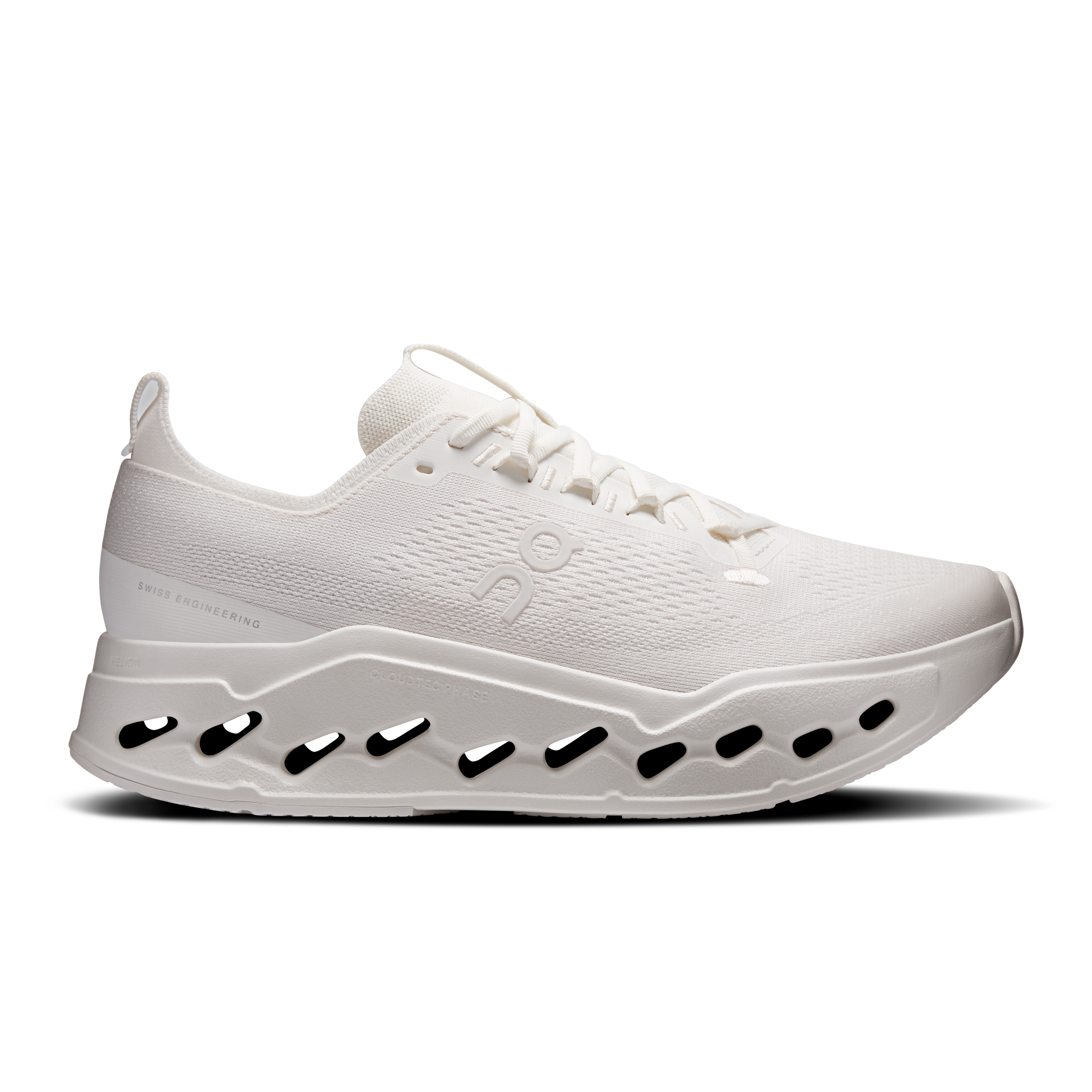
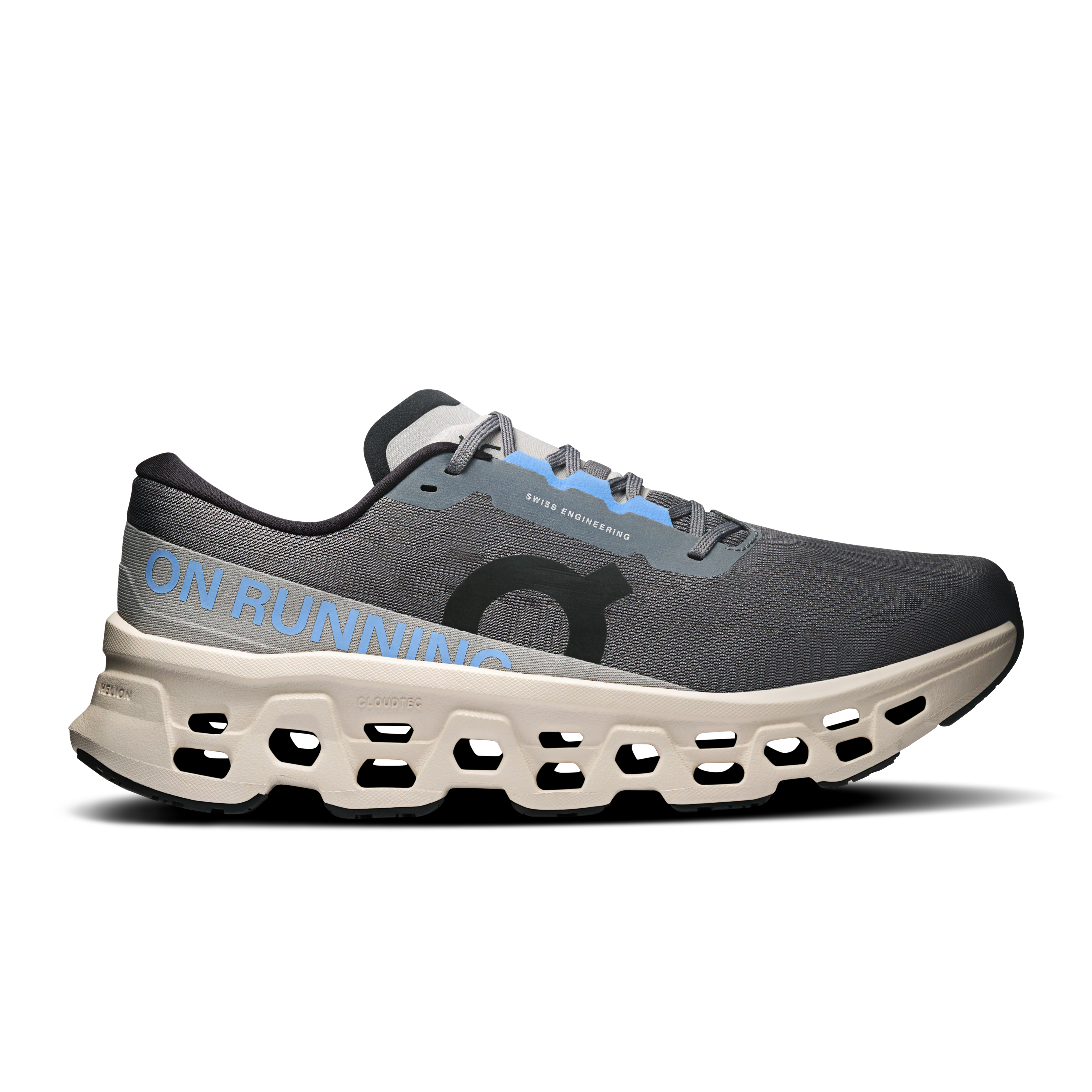
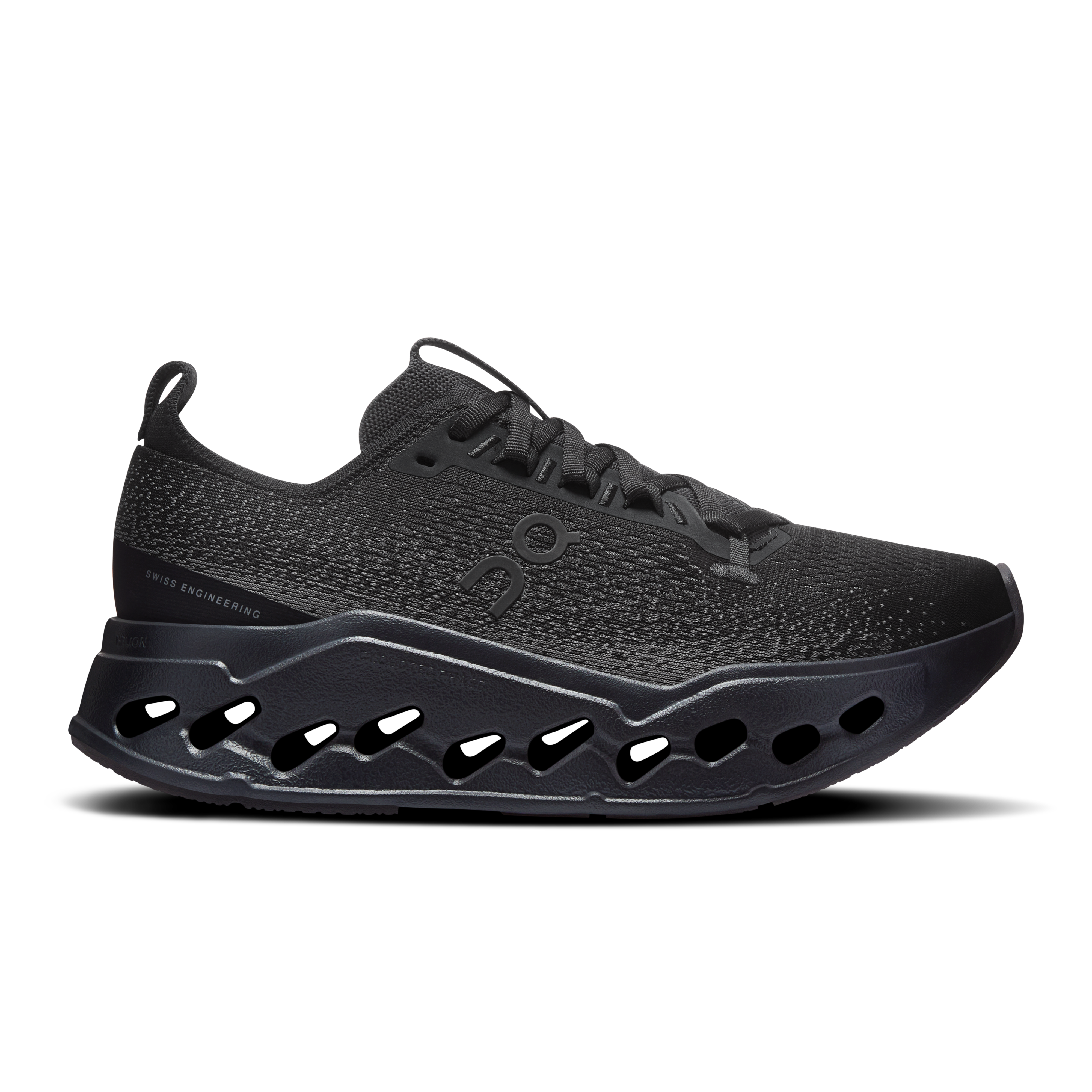
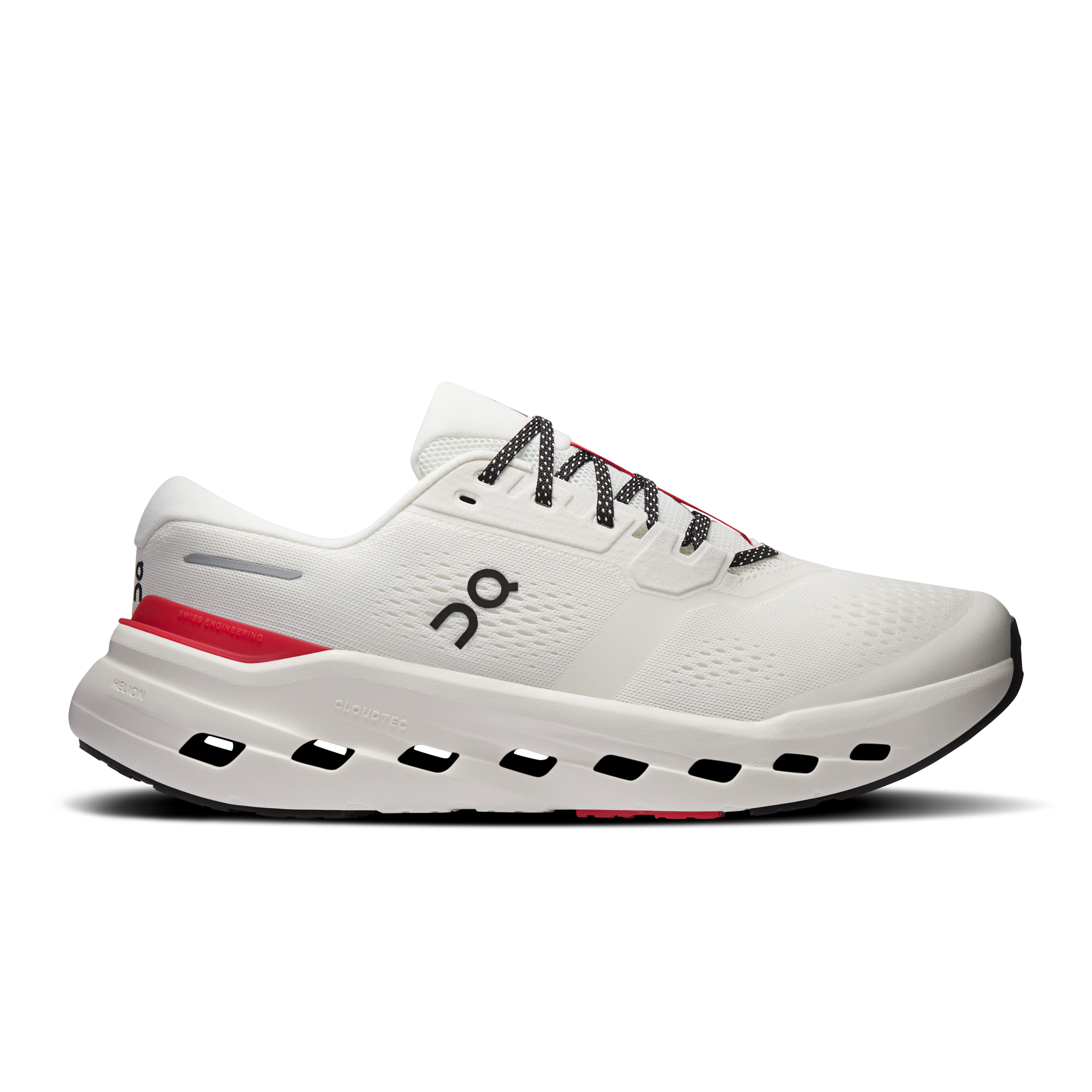
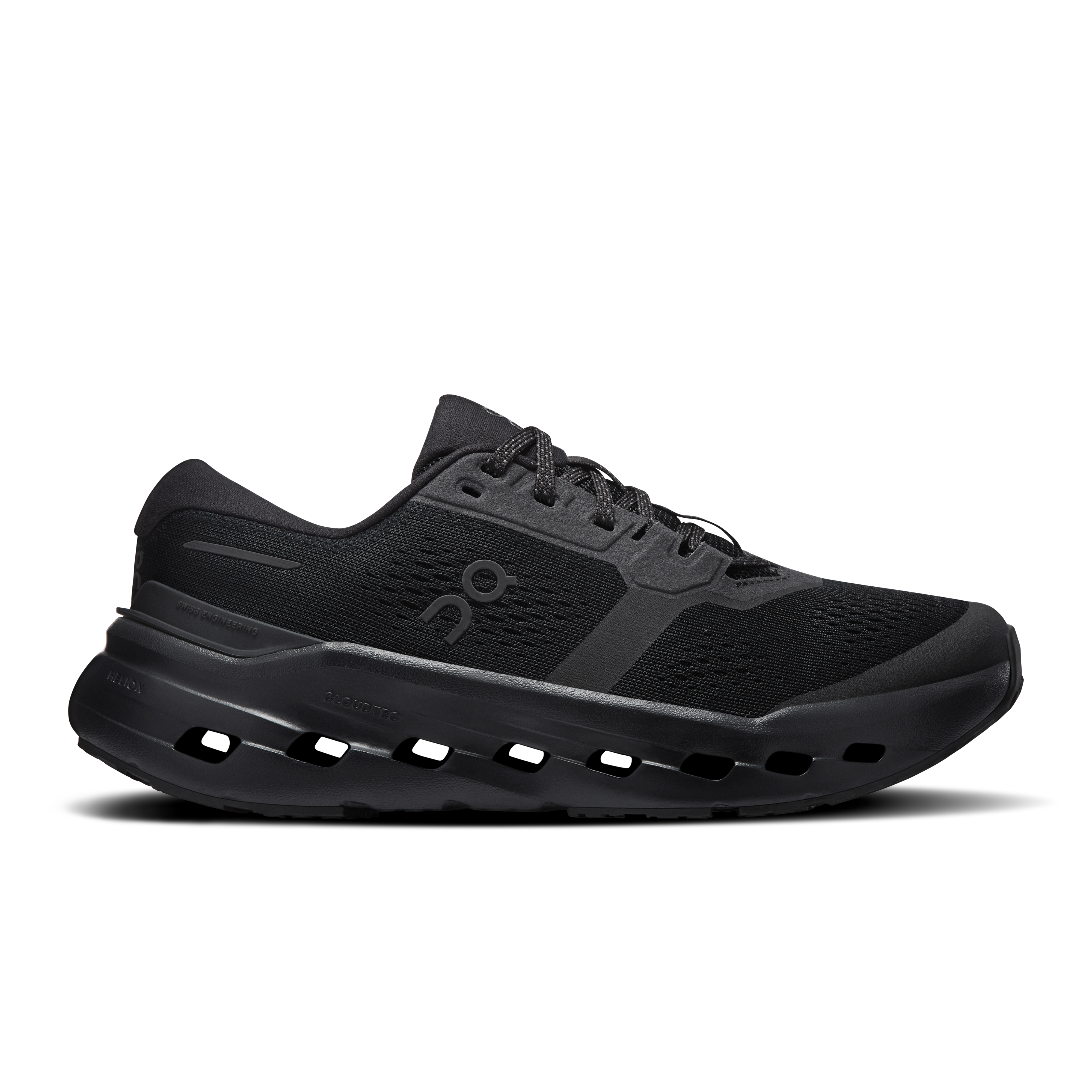
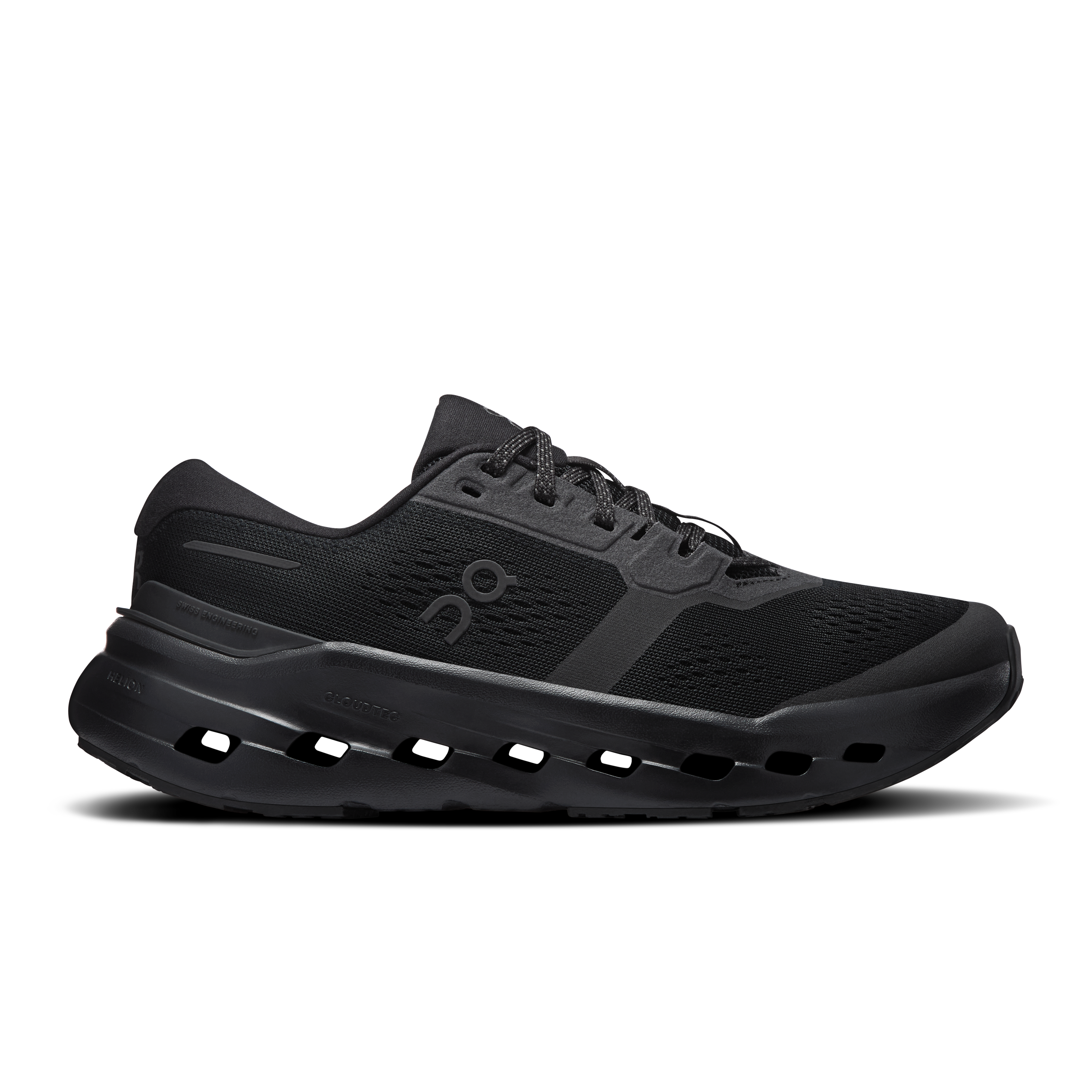
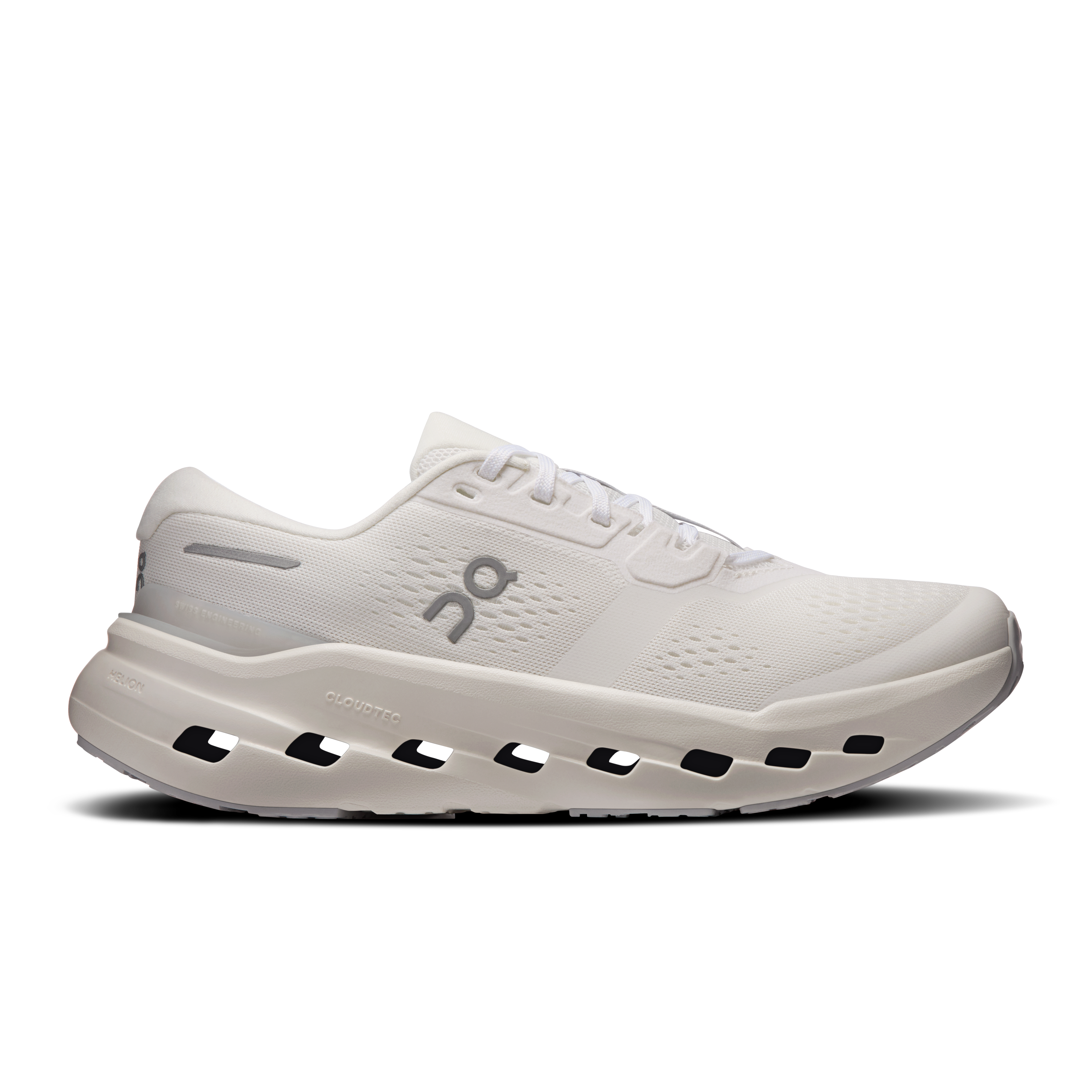
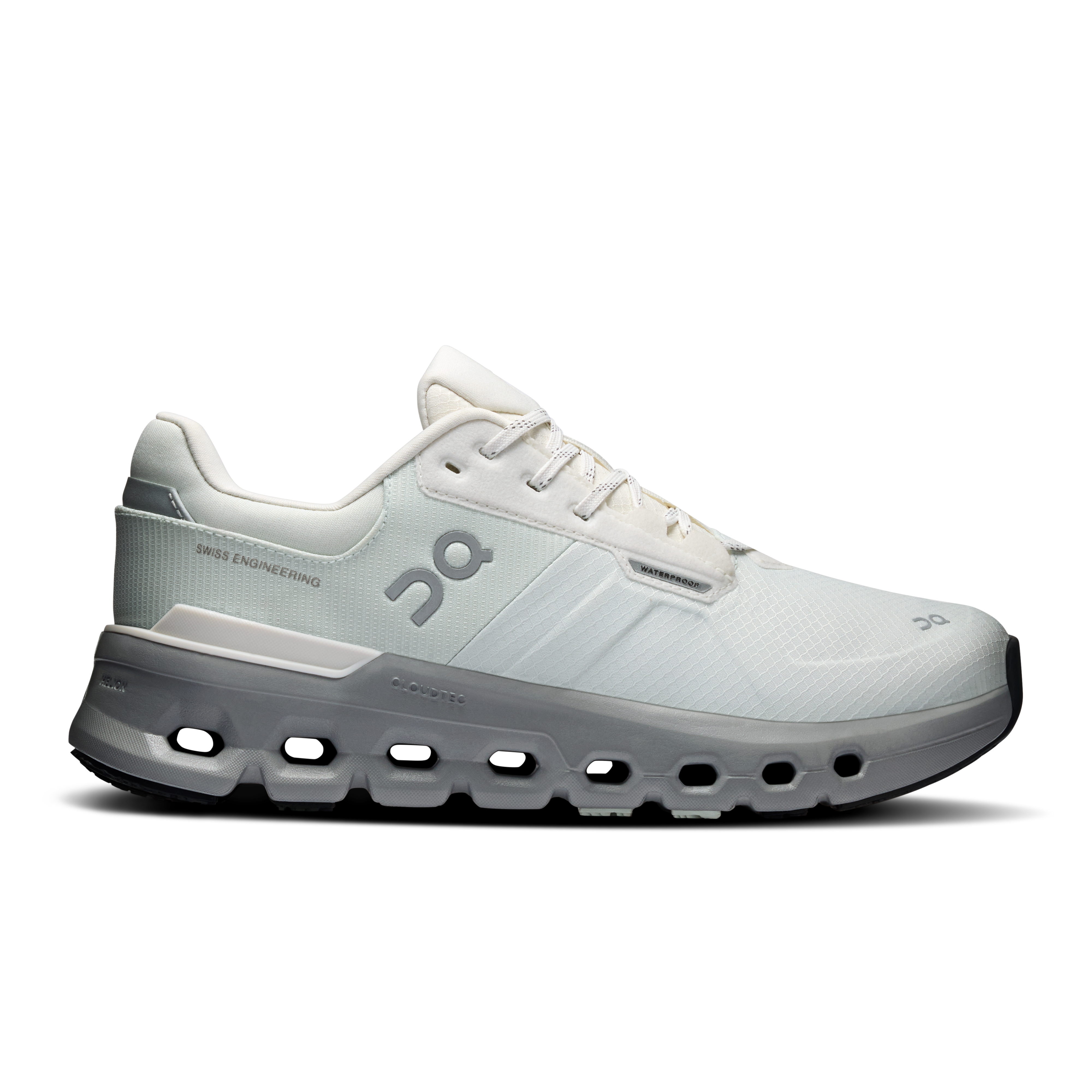
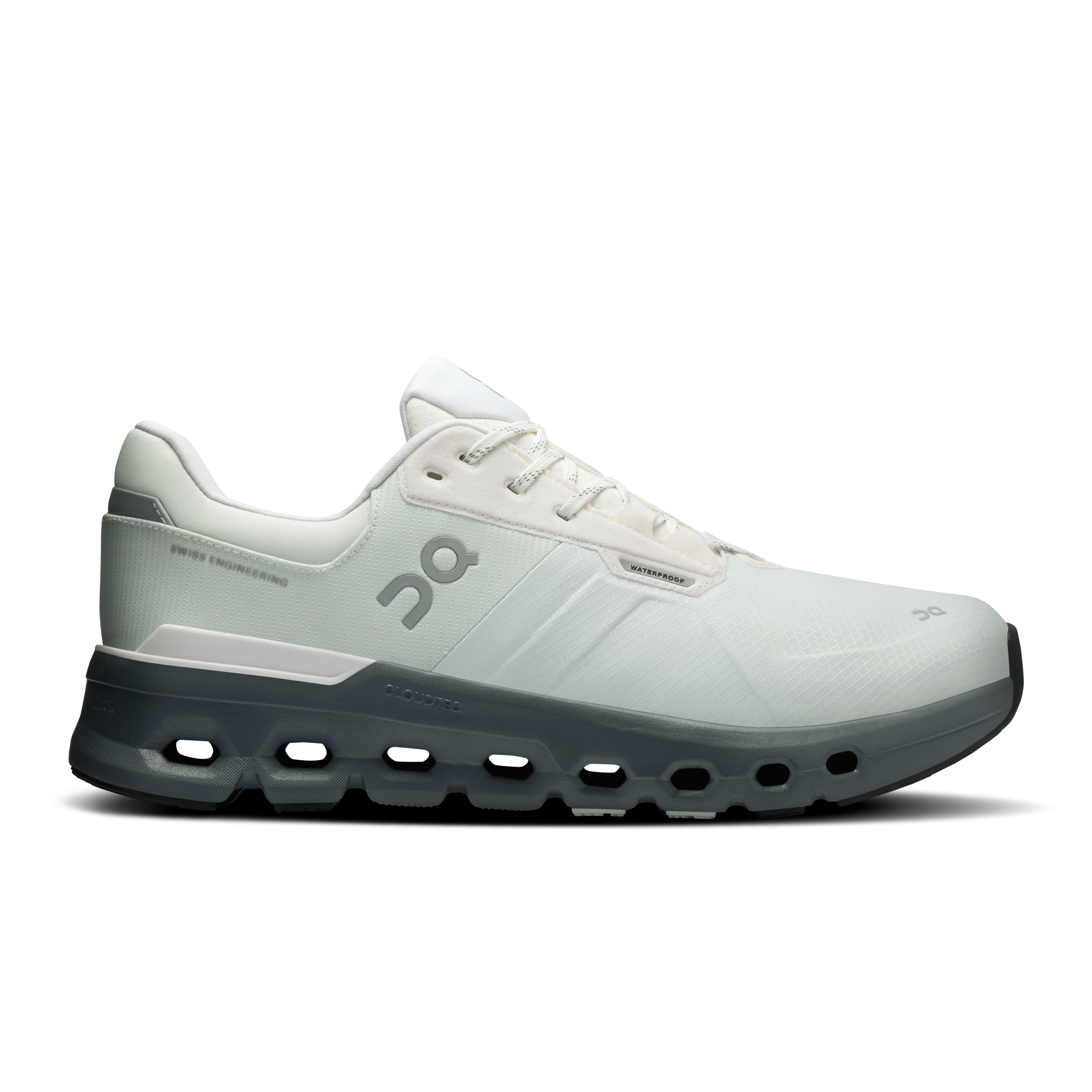
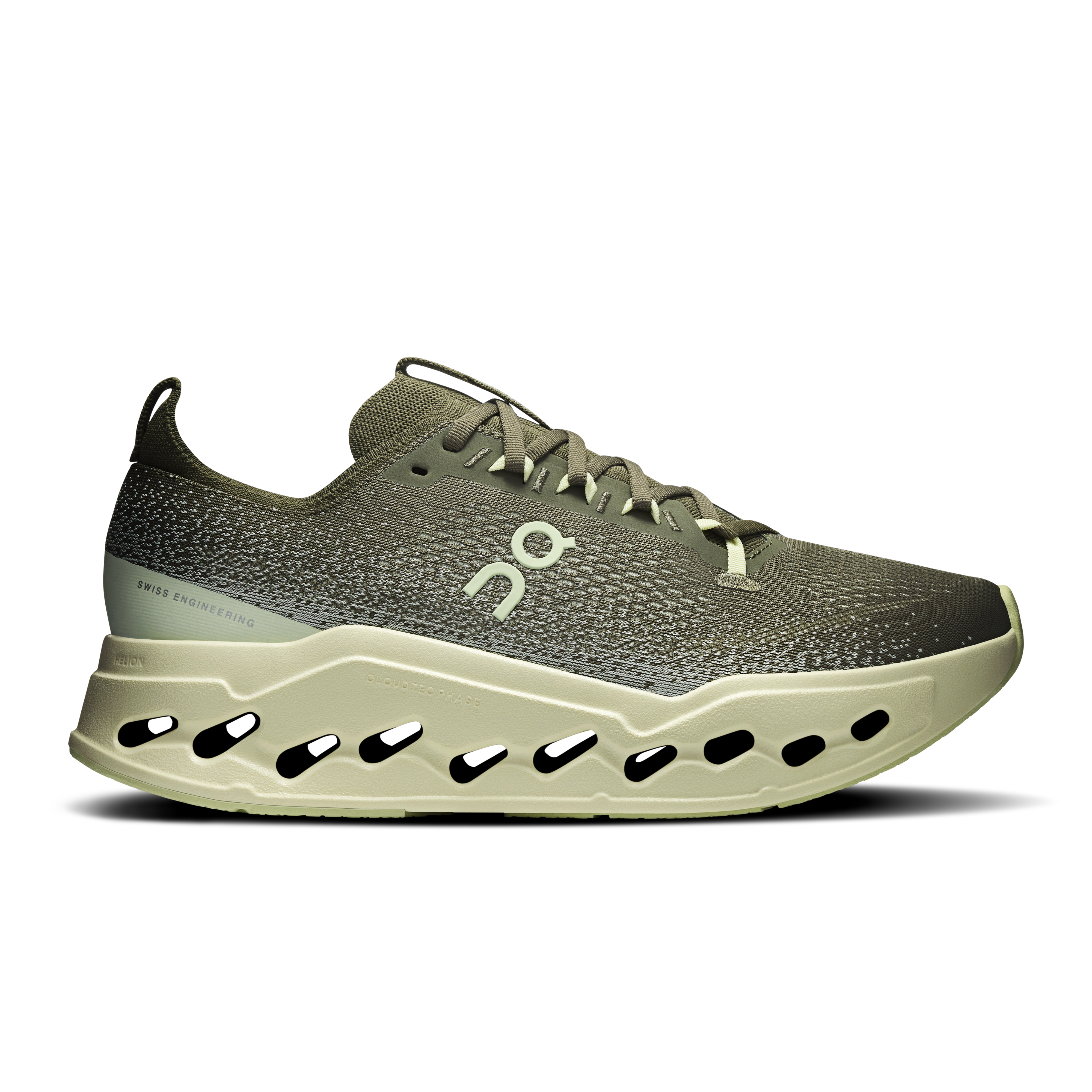
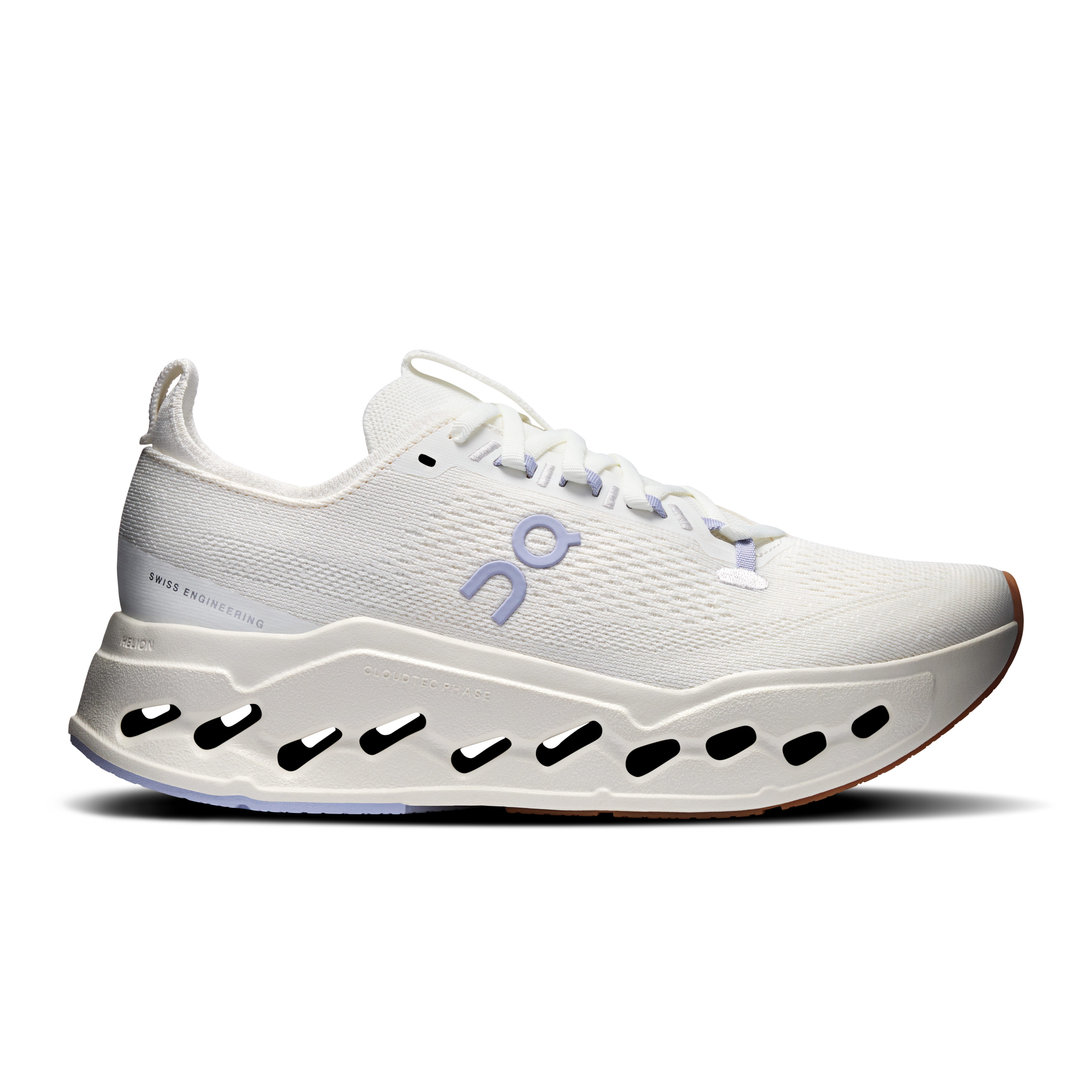
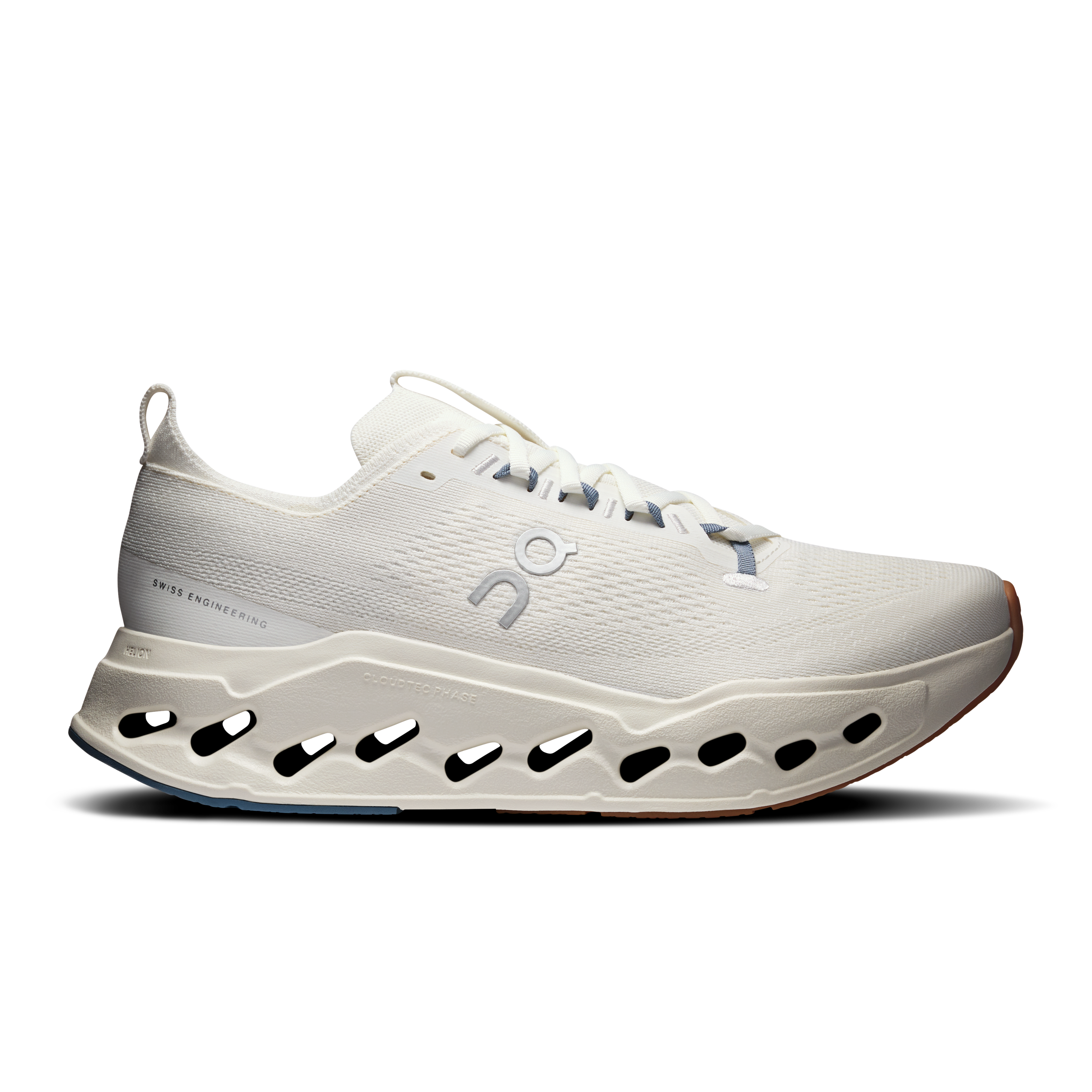
When you’re ready to build your training routine – or find gear designed for faster efforts like the Cloudflow 5, built to support every stride.








FAQ
What is a tempo run?
A sustained, comfortably hard effort you can hold for an extended period. It builds endurance at stronger speeds and helps running feel more controlled as pace increases.
What pace should my tempo run be?
Tempo pace is unique to each runner but it’s an effort that feels comfortably hard but sustainable over the entire workout. Conversation shortens to a few words, but the effort stays steady for 20-30 minutes or longer.
Many runners experience this effort around six to seven out of 10 on the perceived exertion scale, often close to lactate threshold pace.
Are tempo runs necessary for marathon training?
Tempo runs are one of the most effective tools for marathon preparation. They help you stay composed as effort builds and fatigue begins to set in. Practicing steady intensity in training makes race pace feel more familiar on race day.
Is tempo pace the same as half-marathon pace?
Tempo pace is often similar to half-marathon pace, but not always identical. Tempo effort usually sits near the fastest pace you could sustain for about an hour. For many runners, this lands slightly slower than 10K pace and close to half-marathon effort. Exact pacing varies based on experience and current training cycle.
How long should a tempo run last?
Most tempo efforts last between 20-40 minutes. Some runners complete one continuous effort, while others divide the workout into shorter segments with brief recovery. What matters most is maintaining a steady, controlled effort throughout.
How often should you do a tempo run?
Many runners include one tempo session per week as part of a balanced routine that also includes easy runs, long runs and interval training. Spacing tempo sessions between easier days helps effort feel sustainable week after week.
Do tempo runs increase VO2 max?
Tempo runs mainly improve lactate threshold, helping you sustain stronger paces for longer.
VO₂ max is best developed through higher-intensity interval training. Tempo running still supports overall endurance progress but its primary role is making your pace more durable rather than raising your top-end capacity.
Is tempo the same as 10K pace?
Tempo pace is usually slightly slower than 10K race pace. A 10K effort feels more intense and is typically held for a shorter period. Tempo running focuses on steady effort just below that level, where rhythm remains controlled over longer stretches.