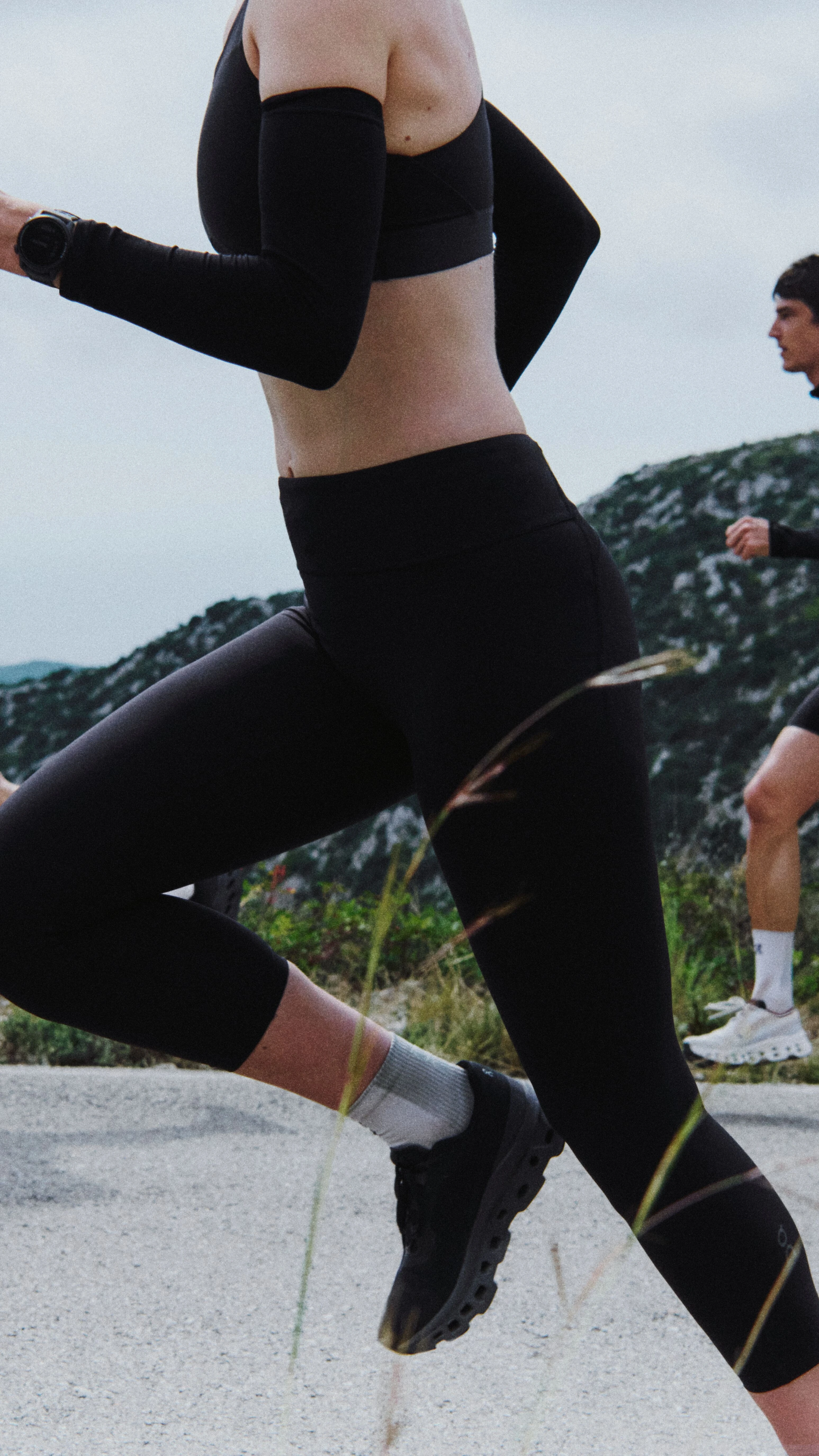
Altitude running: How to adapt, breathe and train in thin air
There's a reason why runners head for the hills during training camps and off-season: the altitude. Every step asks more from your lungs, your legs, your rhythm. As your body adapts, it learns to work with less oxygen and move more efficiently. Here’s how to do it right.
When Carolina Candelise, an On ambassador, runs at high altitude, everything changes. The air is thinner and drier, her breathing becomes deeper and faster, and she has to listen to her body more carefully. “In the mountains, I’ve learned that it’s not about chasing pace, but about finding the right rhythm based on perceived effort,” she says.
Less oxygen in the air means less oxygen reaching your muscles, and your body has to work harder to move. But it adapts: red blood cells multiply, breathing efficiency improves, and the same pace that floored you on day one starts to feel manageable.
When Candelise runs by the sea, that translates into performance. “At first, I feel the humid air and a warmer, heavier breath,” she says. “But at the same time, my body feels freer to push: oxygen availability is higher and I can usually hold faster paces with less effort.” That improvement is exactly why runners seek out high altitude in the first place.
Here's what's happening in your body, how to prepare and what to bring.
What happens to your body at high altitude
How elevation affects running comes down to one thing: oxygen. Above 5,000 feet, oxygen levels drop significantly. At around 8,200 feet, you're working with roughly 15% oxygen compared to 21% at sea level. That gap is small on paper. In your lungs, it's huge.
Sensing a drop in oxygen, your kidneys release a hormone called erythropoietin, which signals the bone marrow to produce more red blood cells. More red blood cells mean more capacity to carry oxygen to working muscles. Your heart rate climbs, your breathing rate increases and your body gets to work. It's uncomfortable – and this is also exactly what makes altitude training work. “At altitude, I’ve learned that chasing pace is pointless,” says Candelise. “Because of the thinner air and lower oxygen availability, perceived effort increases and breathing naturally becomes deeper and faster, even at slower speeds. So instead of focusing on numbers, I focus on sensations.” Over time, those changes compound. Your running economy improves – meaning your body gets better at doing more with less. When you return to lower ground, that adaptation comes with you. Those adaptations can last up to two weeks, which is why many runners time altitude blocks ahead of key races.
There are more lasting adaptations too. “For me, the mountains are one of the purest forms of self-discovery,” says Candelise. “Altitude forces me out of my comfort zone: the thinner air, the physical fatigue, the unpredictable weather, and the long hours on technical terrain constantly challenge both my body and my mind.”
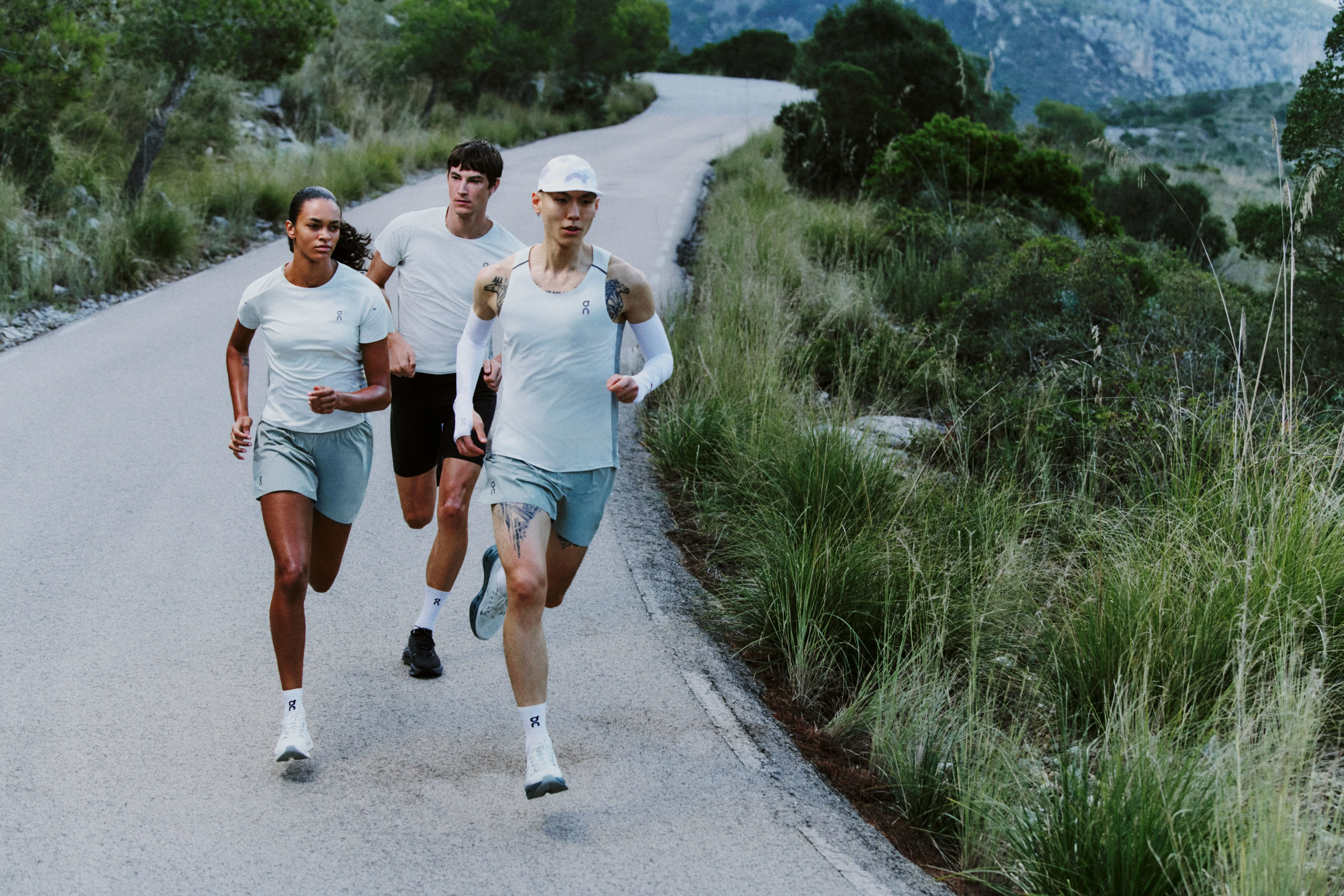
Benefits and challenges of altitude running
Altitude running will make you a stronger runner – but the first week or two is humbling. A 2024 analysis confirmed what most high-altitude runners already know: put in the time above 5,000 feet and your body responds.
Here's what you're signing up for:
Benefits | Challenges |
Increased red blood cell count | Reduced training intensity |
Improved aerobic capacity | Altitude sickness risk |
Greater running economy | Slower recovery |
Performance edge at sea level | Increased dehydration risk |
Race-specific preparation | Adjustment period |
How to prepare (before altitude)
Preparation looks different depending on where you're starting from. Maybe you're heading to a mountain race, planning a training camp or just curious what a week at elevation actually feels like in your legs. Whatever the reason, preparing at sea level goes a long way.
1. Interval hill training
Interval hill training is repeated efforts uphill, with a recovery jog or walk back down between each one. It builds leg strength, pushes your cardiovascular system and forces deeper, more controlled breathing. All things that pay off when the air gets thin.
Aim to add hill intervals once or twice a week. Start with four to six repeats of around 30–60 seconds at a challenging effort. Then build from there. For altitude training beginners, tack a few hill sprints onto the end of an easy run. Your body is already warm, your muscles are loose, and the fatigue means you're working harder for the same effort. That's close to what altitude feels like.
2. Practice breathing techniques
At altitude, how you breathe matters as much as fitness. Shallow chest breathing is the default under effort. At elevation, your muscles feel it immediately.
Two breathing techniques are worth practicing:
- Diaphragmatic breathing: Inhale through your nose so your belly expands, exhale fully through your mouth. - Pursed lip breathing: Inhale through your nose, exhale slowly as if blowing through a straw. Practice both at rest.
Try these on your easy runs. A few weeks of this and the rhythm becomes second nature. When you hit elevation, your lungs already know what to do.
3. Consider training classes
Some gyms and specialist facilities offer altitude rooms – spaces where oxygen levels are reduced to simulate a higher altitude. A session or two is a useful introduction. Your breathing gets challenged, your heart rate climbs and your body starts to recognize what working with less oxygen actually feels like.
If you want to go further, consider an altitude training camp, which is typically one to two weeks long with coaching sessions and guided runs. A solid option if you’re targeting a race at elevation or just want a focused block in a new place.
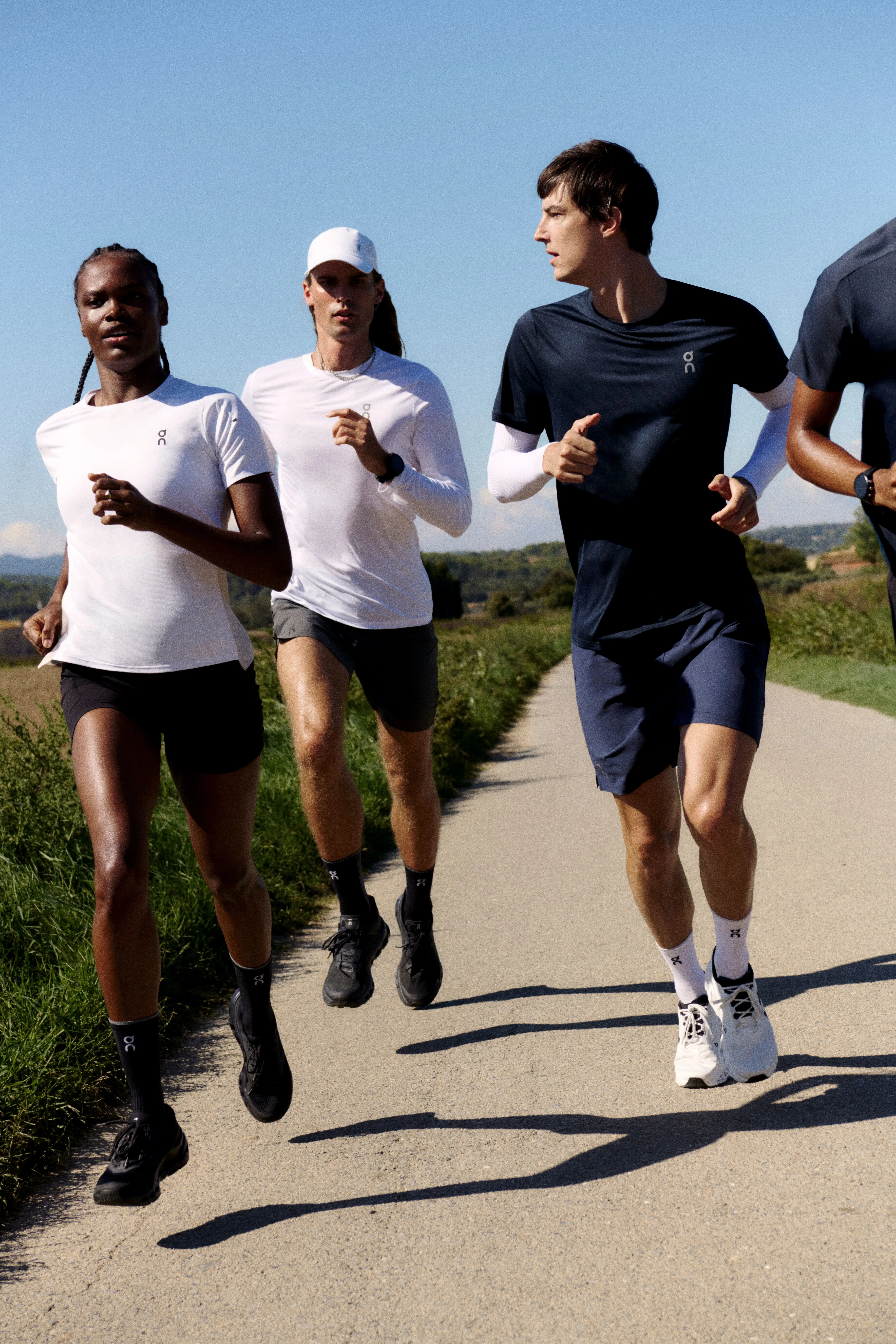
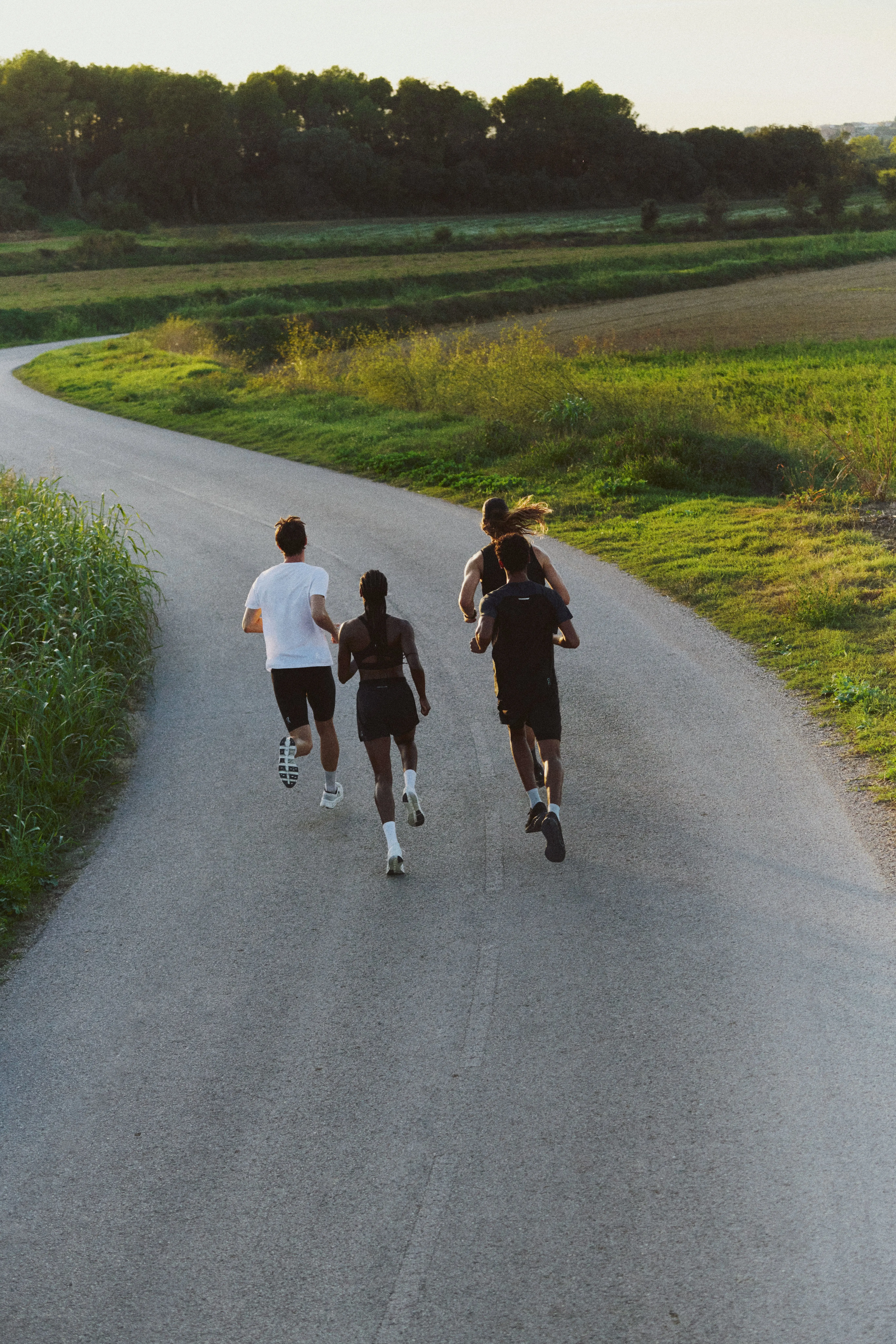
6 tips for running in thin air
Preparation got you ready. Now it’s about working with your body, not against it.
1. Structure altitude training blocks
An altitude training block is a dedicated period of training at elevation. The first week is mostly an adjustment. Three to six weeks is the sweet spot. That’s how long it takes for red blood cell count to climb, oxygen efficiency to improve and your body to adapt. The benefits come after.
Can’t take a month in the mountains? Altitude tents and chambers reduce oxygen levels to mimic high-altitude conditions and can trigger some of the same adaptations as home. Running masks are a popular alternative. While they don’t actually simulate altitude, they train your respiratory muscles. At elevation, where every breath works harder, that matters. Just not a substitute for the real thing.
2. Allow yourself time to acclimate
Your first few days at elevation are not the time to push. Your heart rate climbs higher than usual at paces that would feel easy at sea level. Breathing is heavier and energy drains faster. That's normal.
Keep your first runs short and easy. Use effort as your guide. Watch your heart rate. If it's running significantly higher than normal, back off. Let your respiratory system find its footing. Most runners start to feel like themselves around day five. Some take longer. The adjustment period is part of the process.
3. Adjust your pace accordingly
Leave your usual splits at sea level. At higher elevations, your cardiovascular system works harder to deliver oxygen. Chasing pace up here will burn you out fast.
Run by feel. Forget pace entirely. Rate your effort out of 10 and use that as your guide. If it feels like a seven, it's a seven, whatever the watch says.
4. Gear up for the height
Mountain terrain demands more than your usual kit, especially if you're packing for an ultra trail race. Weather shifts fast at elevation. Sunshine one minute, wind and cold the next.
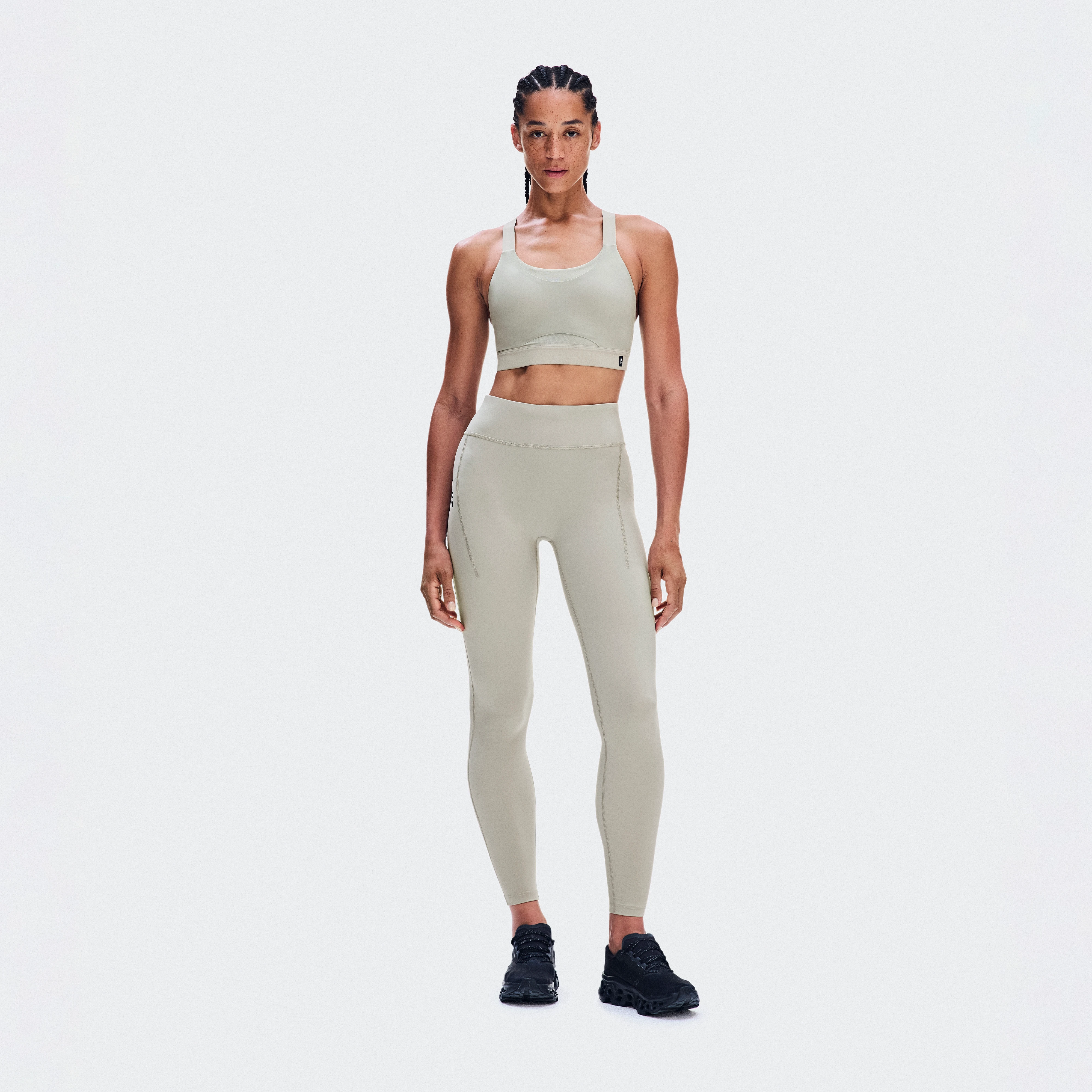
Breathable layers you can add or shed quickly are essential. Candelise always packs a windproof jacket. “It helps protect me from wind and rain, and when temperatures drop, it also allows me to maintain my body temperature,” she says.
Another item that comes in handy is a bandana or neck gaiter. “It is incredibly useful for retaining warmth and for shielding my face and neck from strong winds when breathing becomes difficult.”
Don’t forget about UV protection; the higher you go, the stronger the sun. “A cap is another essential item,” Candelise adds. “It protects me from the sun, wind, and rain, making it extremely versatile and useful in both very cold and very hot conditions.”
For longer runs, a hydration vest keeps water accessible without breaking stride.
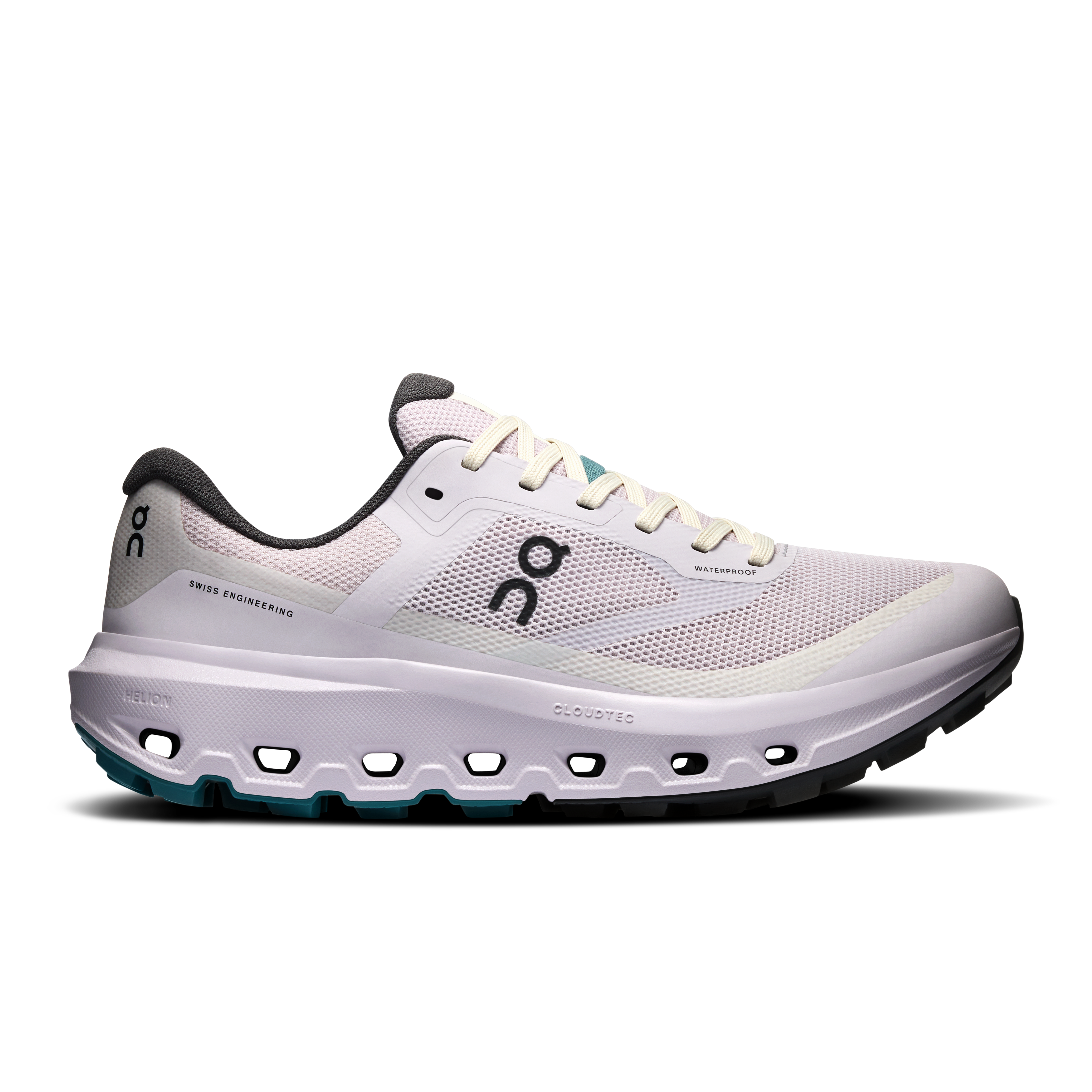
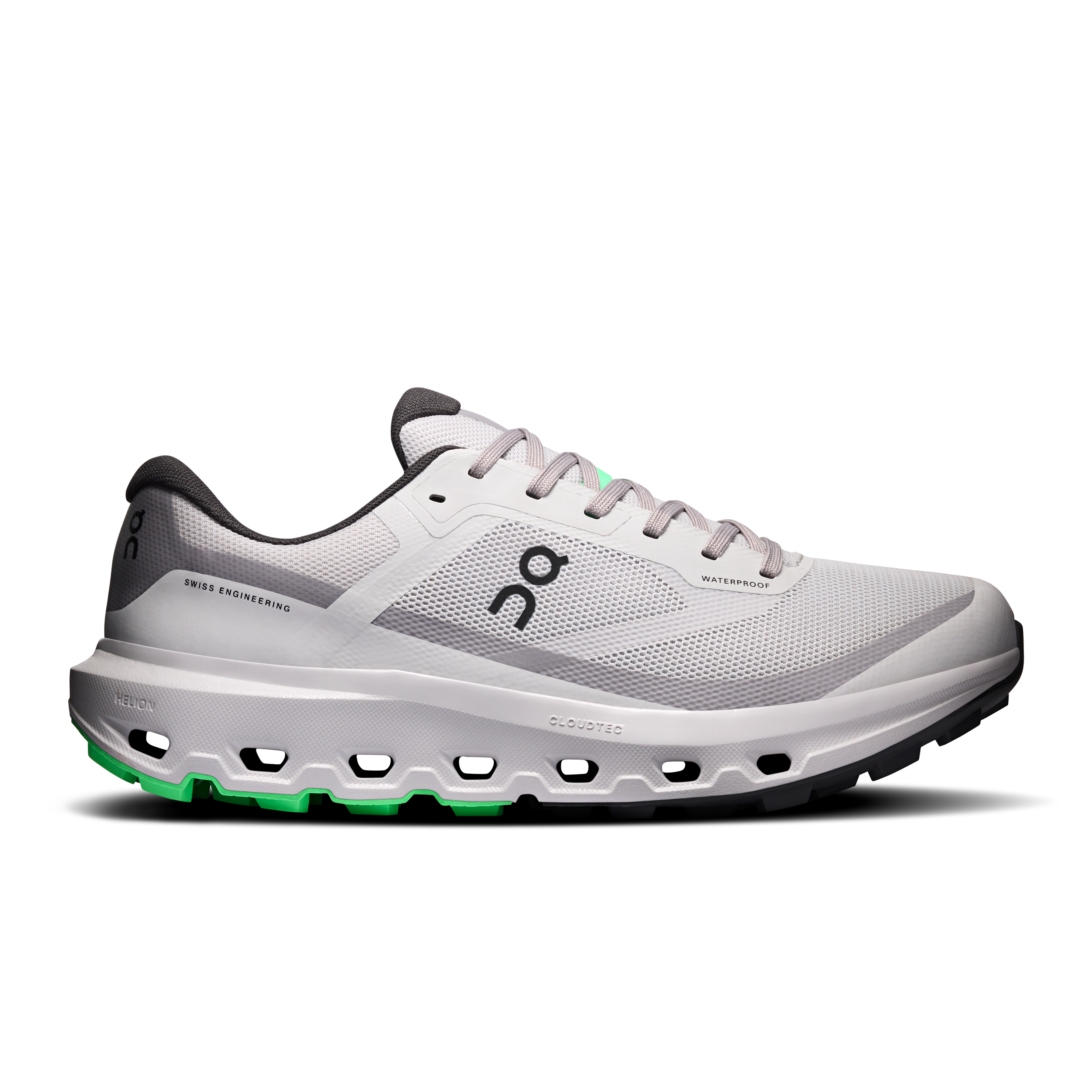
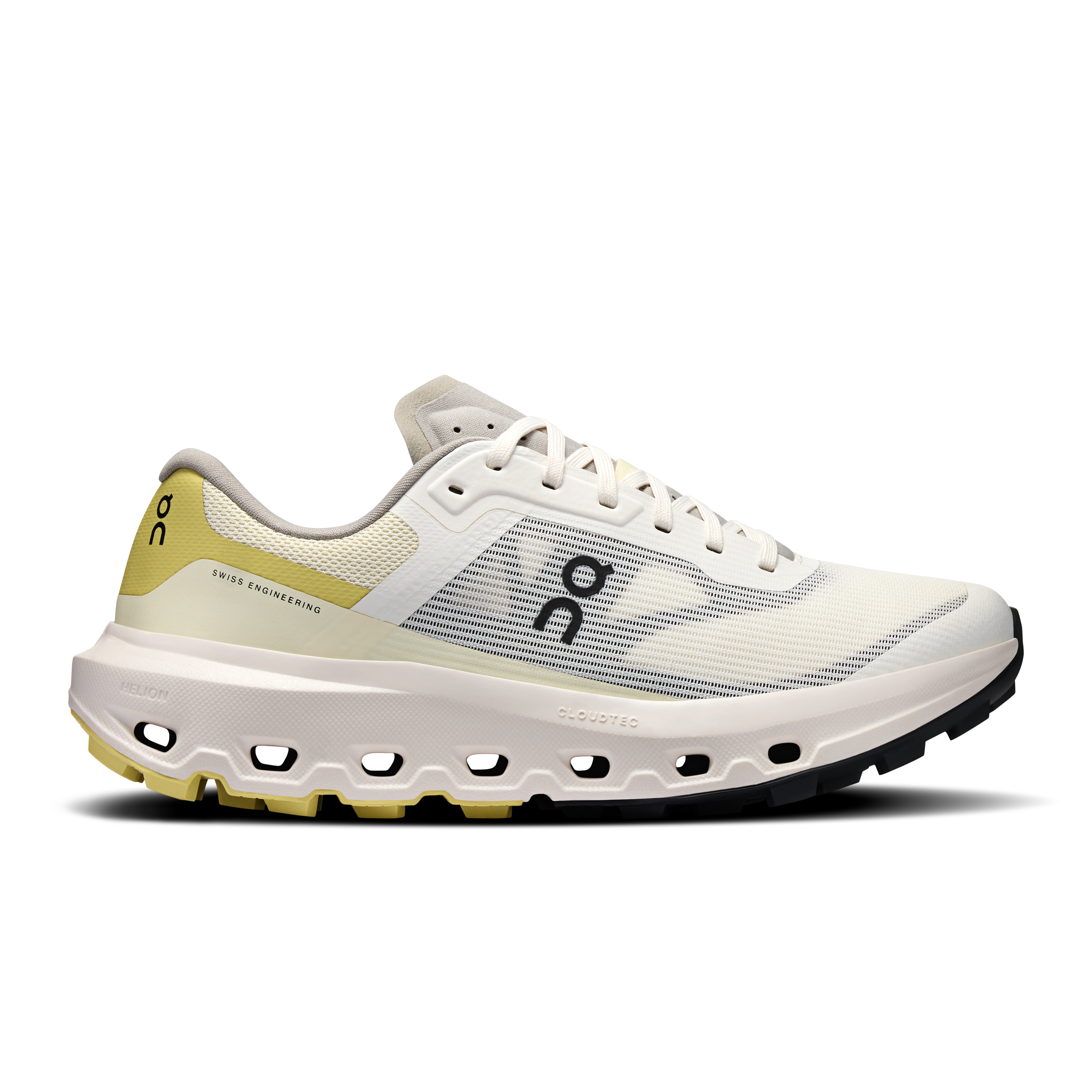
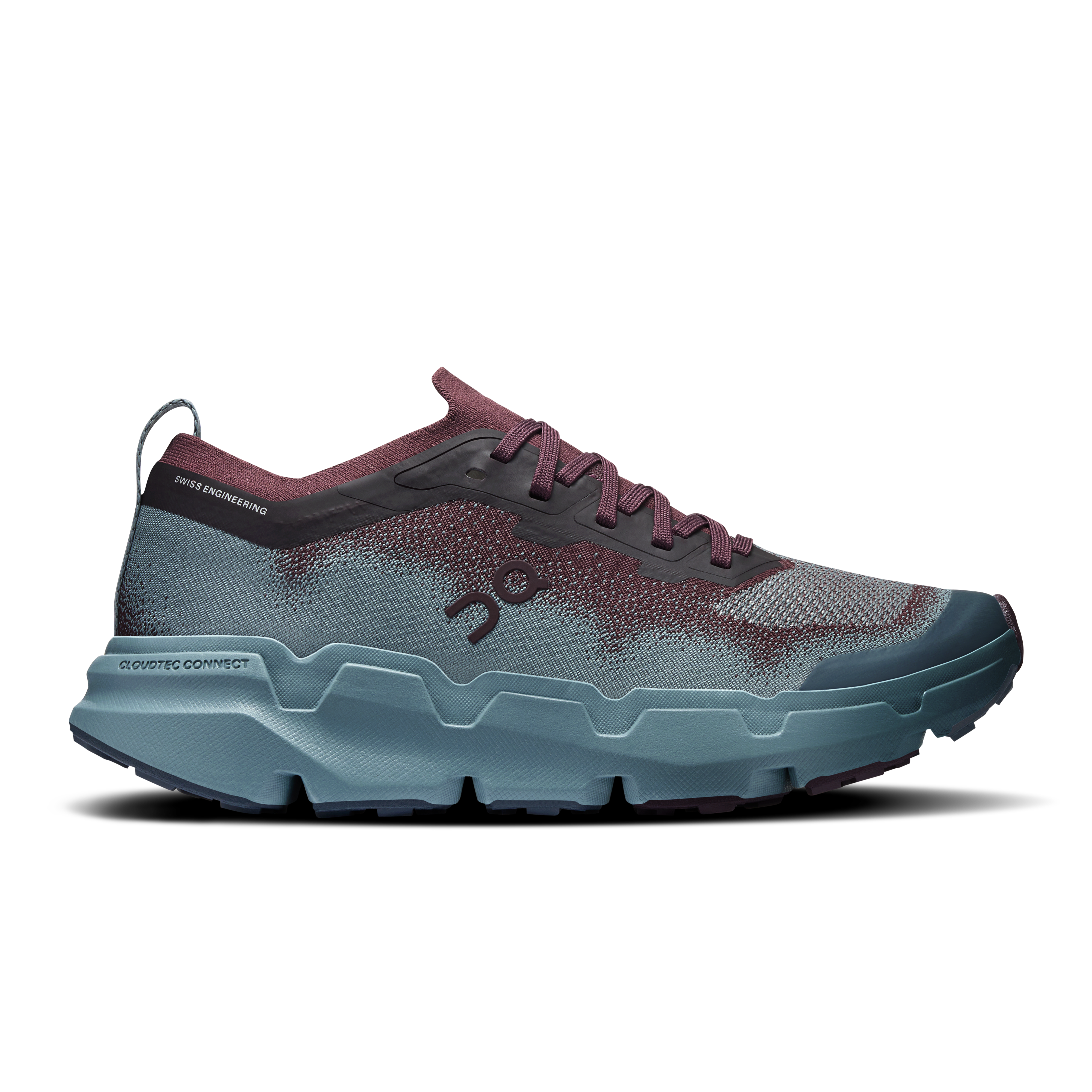
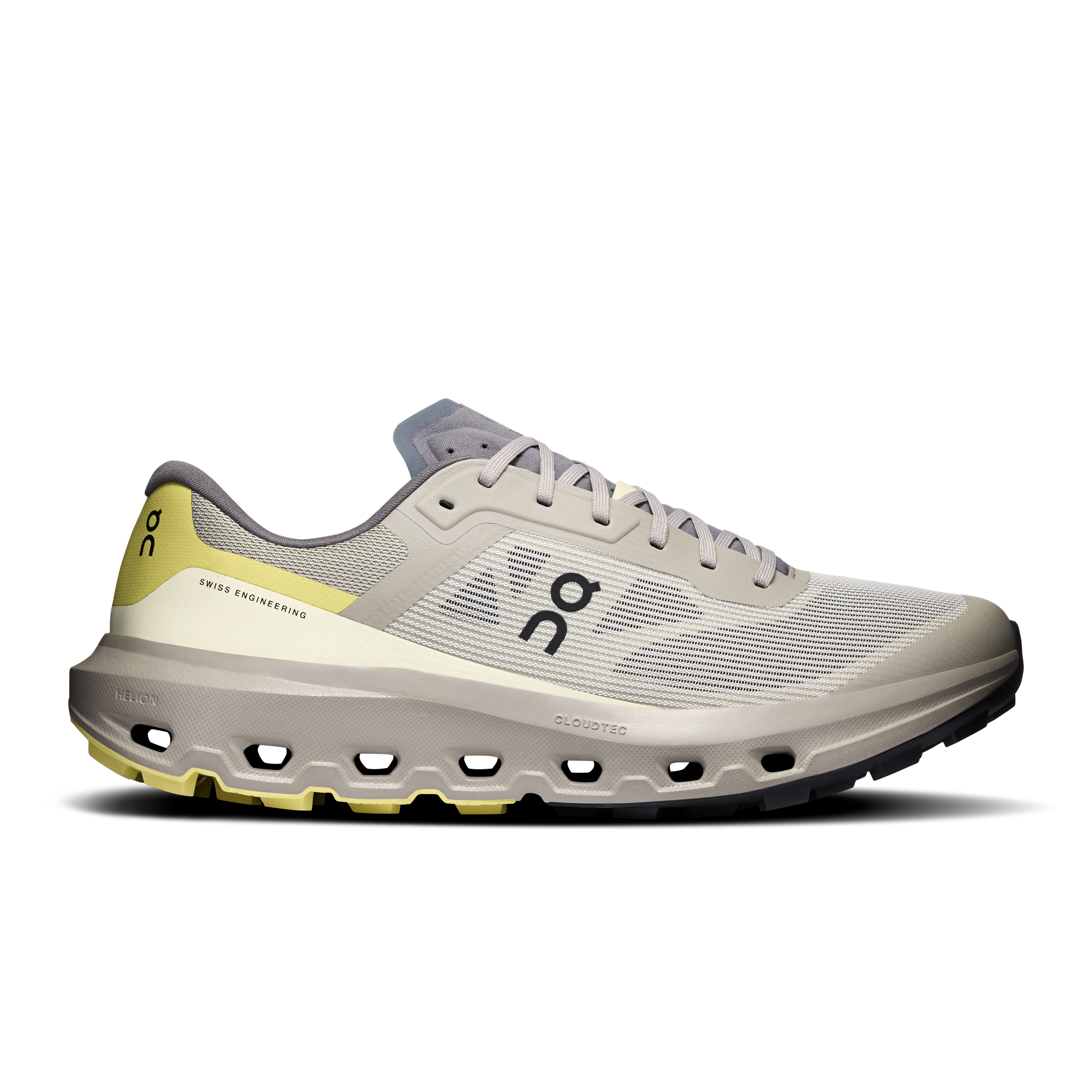
Your shoes matter, too. Road shoes won’t cut it on technical mountain trails. You need grip, stability and protection underfoot. Trail running shoes like the Cloudultra 3 are built for exactly this. They combine CloudTec® cushioning with Helion™ HF hyper foam for stability and energy return so your legs stay fresh over long miles on unpredictable ground.














5. Prioritize nutrition and recovery
At altitude, energy expenditure increases significantly due to the combined stress of climbing, colder temperatures, and reduced oxygen availability. Because of this, Candelise tries to fuel consistently and proactively “rather than waiting until I feel tired or hungry,” as fatigue can escalate very quickly in mountain environments.
Carbohydrates are your best friend at altitude: they're the most efficient energy source when oxygen is limited. For Candelise, carbohydrates dissolved in water have become a key part of her strategy. “They help me stay hydrated while also providing a continuous source of energy, which is particularly valuable at altitude where both dehydration and energy depletion can happen faster than expected.”
Iron matters too. Your body is producing more red blood cells and needs the supply to keep up. Lean meat, fish, legumes and leafy greens are your best sources – worth prioritizing before and during your time at elevation.
Appetite can drop. Eat anyway. Energy gels, bars and dried fruit are easy to carry and easy to get down on the move. Candelise aims to eat something every hour, “preferably solid food whenever possible, since it helps me feel more satisfied and gives me a steadier source of energy over long efforts.” But she also relies on gels and energy bars, especially during more intense sections or when eating solid food becomes difficult.
When you're back at camp, make a proper meal a priority — something with carbohydrates and protein. Your body needs both. What you eat after running at altitude is just as important as what you eat during.
Hydration is non-negotiable. At 4,300 meters, you can lose close to two liters of fluid a day just through breathing. Drink before you're thirsty. Check your urine color. Pale is good. Dark means drink more.
Sleep is harder at altitude, too. Your body wakes itself up looking for oxygen. Get horizontal early.
6. Stay vigilant about mountain safety
Know the signs of Acute Mountain Sickness before you head up. A headache usually comes first. Nausea, dizziness, fatigue and disrupted sleep can follow. If symptoms arrive, stop ascending. Rest, hydrate, fuel and see how your body responds.
“I’ve learned that consistent fueling and hydration are not just about performance, they are also a form of safety and self-care in the mountains,” says Candelise.
If things get worse – confusion, loss of coordination, difficulty breathing at rest – descend immediately. Don’t push through it.
Check the weather before every run. Conditions shift fast in the mountains. Know the trail before you’re on it.
And if you’re new to mountain environments, follow the “climb high, sleep low” principle. Spend time at elevation during the day, then descend to sleep. Your body gets the acclimatization stimulus without the added stress of recovering overnight in thin air.
Go beyond the summit
The thin air doesn’t get easier. You just get better. “Altitude forces me out of my comfort zone: the thinner air, the physical fatigue, the unpredictable weather, and the long hours on technical terrain constantly challenge both my body and my mind,” reflects Candelise.
The discomfort is temporary but the adaptation is real. Go in prepared, listen to your body and give yourself time to find your rhythm up there.
FAQ
Is running at altitude good for you?
Yes. Training at elevation triggers measurable physiological changes — more red blood cells, better oxygen efficiency and improved endurance that carries back to sea level. Give your body time to adapt, and the benefits follow.
At what altitude is it hard to run?
Most runners notice the difference above 5,000 feet. That's where oxygen availability drops enough to affect breathing, heart rate and pace. The higher you go, the more pronounced the effect.
How long does it take to acclimate to altitude for running?
Most runners start to feel like themselves again around day five. Full physiological adaptation – increased red blood cells, improved oxygen efficiency – takes three to six weeks. The higher the altitude, the longer it takes.