
Marathon nutrition: How to fuel your body for the long run
Fueling for a marathon is part science, part practice. Here’s what experts recommend – from how you eat during training to race-day strategy and recovery.
No matter whether you’re training for your first marathon or fourth, the way you nourish your body will shape how you feel – from your first mile to the last.
The right fuel will support your performance, recovery, and rhythm of the run itself. And, while most runners have heard of (or experienced) “the wall,” thoughtful nutrition can help you stay steady when it matters most.
This guide breaks down simple, expert-backed advice for what to eat before, during, and after your marathon.
Fuel your foundation: Marathon nutrition during training
Your marathon training plan should factor in more than miles. What you eat and when, supports the work you demand from your body, especially in the weeks before race day.
A key principle:
- Adjust for volume and intensity: Keep protein steady throughout training to support recovery. And add more carbohydrates as you rev up volume and intensity.

Tapering fuel: Mastering your carb load
In the final days before the race, most runners shift toward carb loading: choosing simple, easily digestible carbs to top off glycogen stores. A few things to keep in mind:
- Use a 48-hour carbohydrate strategy: Aim for 10-12 g/kg of bodyweight per day for one to two days before the marathon. - Avoid common pre-race pitfalls: Stick to foods your body knows. Minimize fats and fiber so digestion stays comfortable, and skip anything that could cause surprises – spicy meals, included. The goal is to arrive on the starting line feeling fresh, steady, and well-fueled.
What to drink leading up to a marathon:
Hydration needs are personal, but the aim is simple. Maintain rather than over-hydrate. Good options can include:
- Water - Juices - Electrolytes - Carbohydrate-electrolyte sports drinks
Start strong: Race day marathon nutrition
Race day brings its own routine and ritual. Here’s how to anchor it.
- Eat a reliable pre-race breakfast: Choose high-carbohydrate, low-fiber, low-fat foods you’re comfortable with: white toast, bagels, cereal, jams, fruit juice, or sports drinks. The focus is topping off fuel without upsetting your stomach. - Stay on track with in-race fueling targets: Aim for 60-90 g of carbs per hour. Gels and liquids are often easiest to tolerate, chews work if you prefer more texture. - Use a clear hydration strategy: In the 2-4 hours before the marathon, take in 5-10 ml/kg of fluid. During the run, adjust based on heat, intensity, and thirst. Don’t forget to include electrolytes too. - Time your caffeine: Save caffeine for the later miles. A dose of 2-3 mg/kg taken 60-90 minutes before your predicted finish time can help reduce perceived effort when you need it most.

Recover well: Post-marathon fueling tips
Recovering starts the moment you finish. Think of it in two phases:
- Phase 1 – The immediate window (0-60 minutes post-finish): Appetite might be low, but try to take in a mix of carbohydrates and protein. This helps replenish glycogen and supports the early stages of muscle repair. - Phase 2 – The replenishment meal (2-4 hours post-finish): Choose a carbohydrate-rich meal (such as pasta, rice, or potatoes) paired with protein (like chicken, fish, or tofu), plus vegetables. And if you’ve had a post-race craving in mind, now’s the time. Recovery is physical, but it’s also emotional.
Fuel for the final miles
Marathon nutrition is individual. Your goals, preferences, digestion, and experience all shapes what works best. Test your race-day strategy during training, refine it during taper week, and trust it on the day.
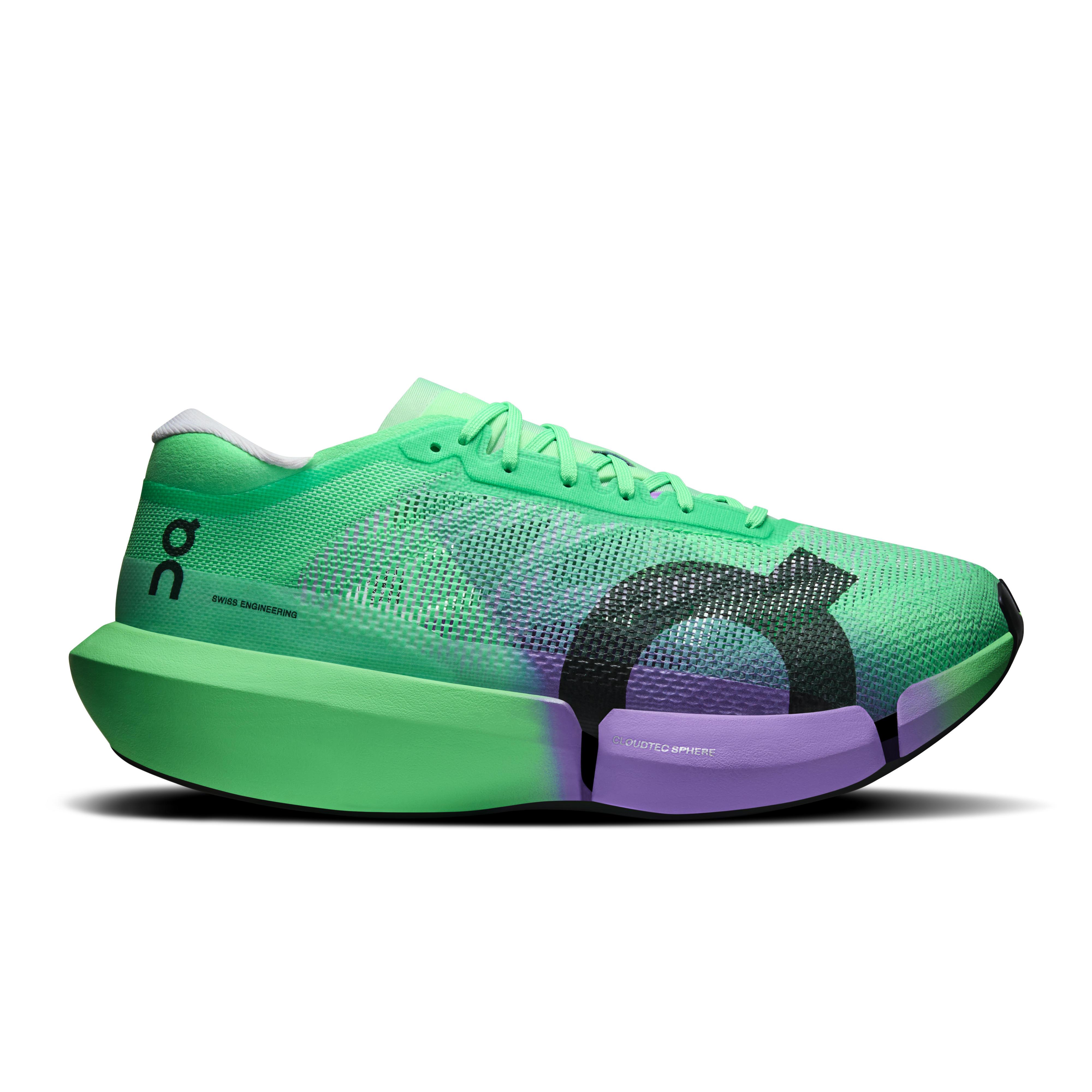
Once your fueling plan is set, explore the marathon gear that can support the rest of your run.
Frequently asked questions



















How many carbohydrates should I aim for per hour during the marathon?
Many runners aim for 60 to 90 grams per hour. Elite runners may push closer to 120 g. Practice during long runs to find out what works for you.
Should I consume caffeine during the marathon?
If your body tolerates caffeine, yes. 200-300mg total (or3 to 6 mg/kg of body weight) can help reduce the perception of fatigue and sharpen focus.
How does fueling differ on high-volume training days vs. easy recovery days?
High-volume or intense training days typically call for higher carbohydrate intake to fuel and replenish energy stores. Recovery days still need consistent energy and fuel, just with a more moderate carb load. The goal is supporting adaptation, not restricting intake.
How can I tell if I am adequately hydrated before the marathon starts?
Your urine should be clear to pale yellow. You shouldn’t feel thirsty in the hours leading up to the start.
Is it better to consume gels, chews, or sports drinks during the race?
Gels and drinks tend to be easier at higher intensities. Chews offer more texture, if that’s your preference. But all three work.