
How to warm up before running: 11 movements to try
A good warm-up can transform your run – reducing injury risk and improving performance so you feel ready for the miles ahead. We asked Swiss 1500m champion Tom Elmer to share the routine that works for him.
The difference between a good run and a great one often comes down to what happens before you start.
Most runners know that sluggish first mile when you go in unprepared. Heavy legs, stiff muscles. Your body just isn’t quite ready yet. A proper running warm-up fixes that. It's the bridge between where you just came from, and where you’re about to go – easing your body out of stillness and into motion before your workout begins.
OAC Europe runner Tom Elmer knows the value of the right preparation before intense interval sessions. “A solid warm-up routine gets you ready for the first rep and sends a signal to your head that things are about to get intense. Keeping that in mind, it's critical to keep your preparation consistent."
Do that, and you'll feel the difference from your first stride onward. Here’s how to warm up before running, with mobility, activation and rhythm.
Running warm-up exercises to get you moving
A good warm-up covers three bases: mobility to open up your joints, activation to wake up key muscles, and rhythm drills to get your body moving like a runner. You don't need to do every exercise. Pick one or two from each category, and you're good to go.
"There's the mechanical part, warming up muscles, joints, tendons – to prevent injury,” says Elmer. “Then there's the physiological part where it's about activating the aerobic energy systems of the body, which are used for long and/or low-intensity activities.”
And remember to wear something you can move freely in. Your running kit should move with you too.

Mobility
Running warm-ups start with mobility. Use dynamic stretches that move your joints through their full range of motion to prepare your body for the work ahead.
A 2024 study found that mobility movement improves flexibility, joint mobility and muscle activation, reducing the risk of strains and sprains before your first step.
Some of the best dynamic stretches for runners include:
1. Leg swings: Balance yourself with a wall or post, swinging one leg back and forth in a controlled arc, then side to side. 10–12 reps per leg, each direction. 2. Ankle circles: Lift one foot slightly off the ground and rotate your ankle slowly in both directions. 10 circles each way, per ankle. 3. Hip hurdles: Stand tall and drive one knee up and out in a circular motion, as if stepping over a hurdle. 10 reps per leg, forward and back.
Activation
Activation drills target the muscle groups you rely on most – glutes, calves and quads – the engines behind every stride.
Elmer focuses on the glutes: "They’re critical for stabilizing the entire leg axis. Glutes can absorb a lot of the impact when landing, so the knees don't have to take such a heavy load. It's not about strengthening those muscles in the warm-up, but about targeting and activating them so that they can do their job properly."
A few activation drills for your running warm-up include:
4. Bodyweight squats: Stand with feet shoulder-width apart, lower until your thighs are parallel to the ground, then drive back up through your heels. 10–12 reps. 5. Lateral lunge: Step out to one side, bend the leading knee and lower your hips while keeping the trailing leg straight and chest up. Push back to the center and repeat on the other side. 10–12 reps per leg. 6. Calf raises: Stand tall, drive up onto the balls of both feet, then lower slowly back down. 10–12 reps.
Rhythm
This is where your warm-up starts to feel like running. Rhythm drills gradually raise your heart rate and body temperature while reinforcing movement patterns like arm drive, cadence and foot strike.
By the time you're done, your body is ready for what's coming.
A few rhythm drills to include in your warm-up include:
7. A-skips: Drive one knee up while swinging the opposite arm forward, popping off the ground from your midfoot. Keep it controlled and consistent. 10–12 reps per leg. 8. High knees: Run on the spot, driving your knees up to hip height with a quick, light foot strike. 30 seconds. 9. Butt kicks: Run on the spot, flicking your heels up toward your glutes with each step. 30 seconds. 10. Jump rope: Builds cadence and foot speed; keep your jumps small and your turnover quick. 30–60 seconds. 11. Slow jogging: Finish with 60–90 seconds of easy jogging to bring everything together before you hit your full stride.
Warm-up based on temperature
Cold muscles are stiffer and slower to loosen. A 2021 study found that longer, more deliberate preparation improves both performance and injury prevention in lower temperatures. Don't rush, give yourself extra time before you start your run.
In the heat, too much effort before running can raise your body temperature too high. Keep it shorter, lighter and stay hydrated.
Time of day matters too. Morning runs need more activation after hours of rest. By evening, a shorter routine is usually enough.
The 5-minute warm-up
If you don’t have time for a full routine, even five minutes can make a difference. Pick one exercise from each category: mobility, activation and rhythm. Focus on what your body needs most. A quick example: Ankle circles (mobility) + calf raises (activation) + high knees (rhythm). Three moves, five minutes – you're ready to run.


What happens after the run matters, too
A thoughtful cool-down eases your heart rate back to baseline and helps your body transition into recovery.
A good cool-down could include:
- Easy jog or walk for 10–15 minutes. - Static stretching for 30–45 seconds per stretch.
Stretches you could focus on:
- Calves: Stand on a step with the ball of your foot, then let your heel drop. - Quads: Pull your foot up behind you, pressing your hips forward to deepen the stretch. - Hamstrings: Hinge forward with soft knees, letting your upper body hang heavy toward the ground.
Should you warm up before a run?
Yes, dynamic warm ups before running helps increase blood flow and muscle temperature, making your body more responsive before the work begins.
Five to 10 minutes of active stretches – leg swings, A-skips and hip circles – is enough. It wakes up the glutes and core (the muscles that stabilize your joints and drive your stride), so they're ready when you need them.
Benefits of warming up before a run
A solid running warm-up improves your performance and how your body holds up over a training block. Here's what just a few minutes of preparation can do:
- Reduced injury risk: Warmer muscles are less prone to strain. - Improved performance: Settle into your pace sooner and sustain effort for longer. - Increased focus: A moment to arrive in your body and set your intention.
Dynamic vs. static stretches
Not all running warm-up stretches are created equal. Dynamic stretches move you through a range of motion. Static stretches hold you in one place. Both have value, but timing matters.
Before a run, dynamic drills are the better choice. Movements like A-skips, hip circles and walking lunges mirror the running gait, waking up the muscles and joints you're about to use.
Save static stretching for after your run. Research shows it can temporarily reduce strength and power output before a workout. Save it for the cool down, when your muscles are warm and ready to wind down.
Build your personal ritual
An effective warm-up is simple, but consistency is key. Pick three to five movements that address your tight spots and repeat them regularly. Over time, your brain recognizes the pattern so by your first stride, you’re already in it.

Common running warm-up mistakes to avoid
Most runners warm up. Not all of them warm up well. Here are a few habits worth reconsidering before your next run:
Starting with static stretches: Save them for after your run.
Relying only on a slow jog: It gets your heart rate up, but add dynamic movement for the full prep.
Ignoring conditions: Cold weather means your muscles need more time to loosen.
Move with intention
How you spend those first five minutes shapes the miles that follow. A warm-up isn’t just about preparation. It’s the transition into the run.
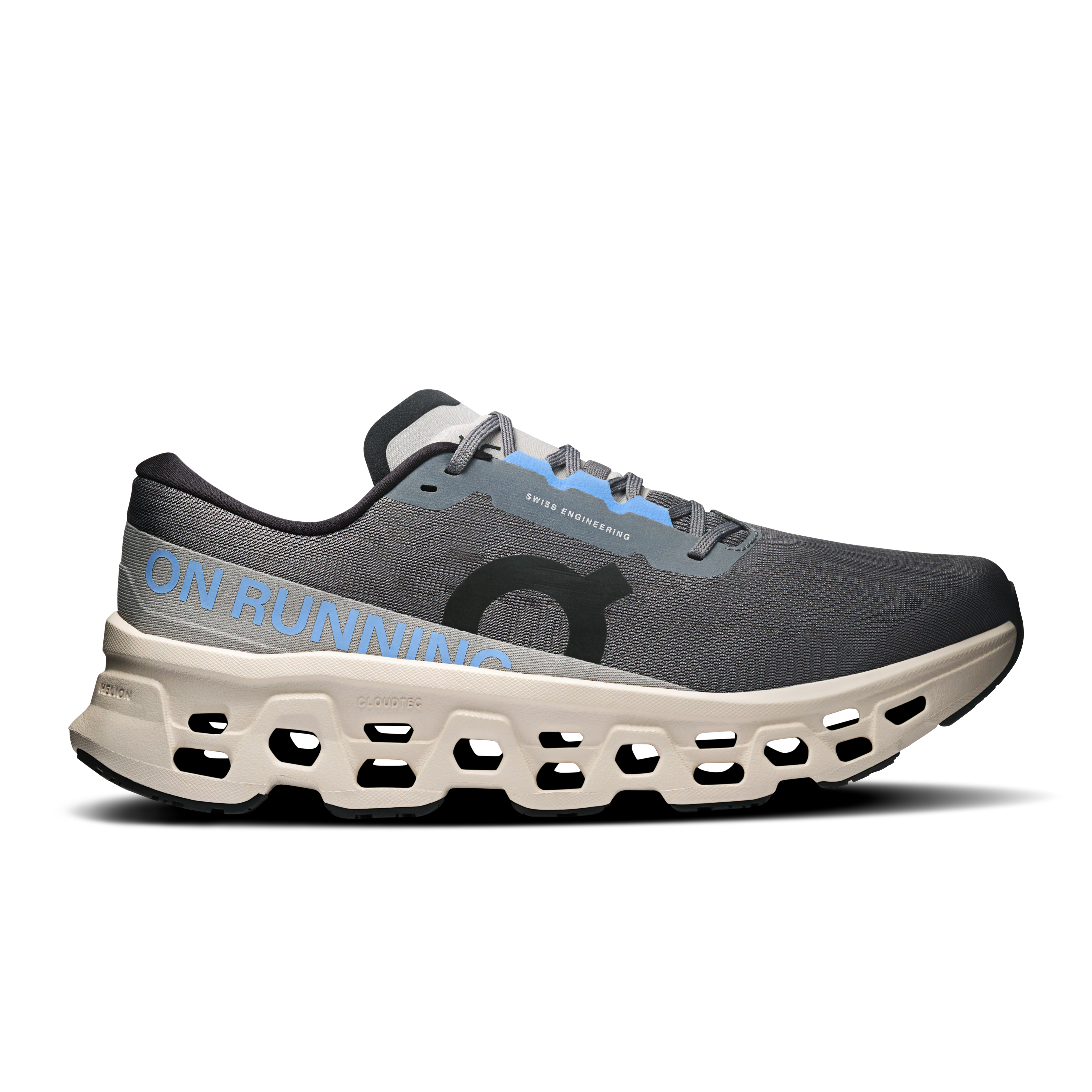
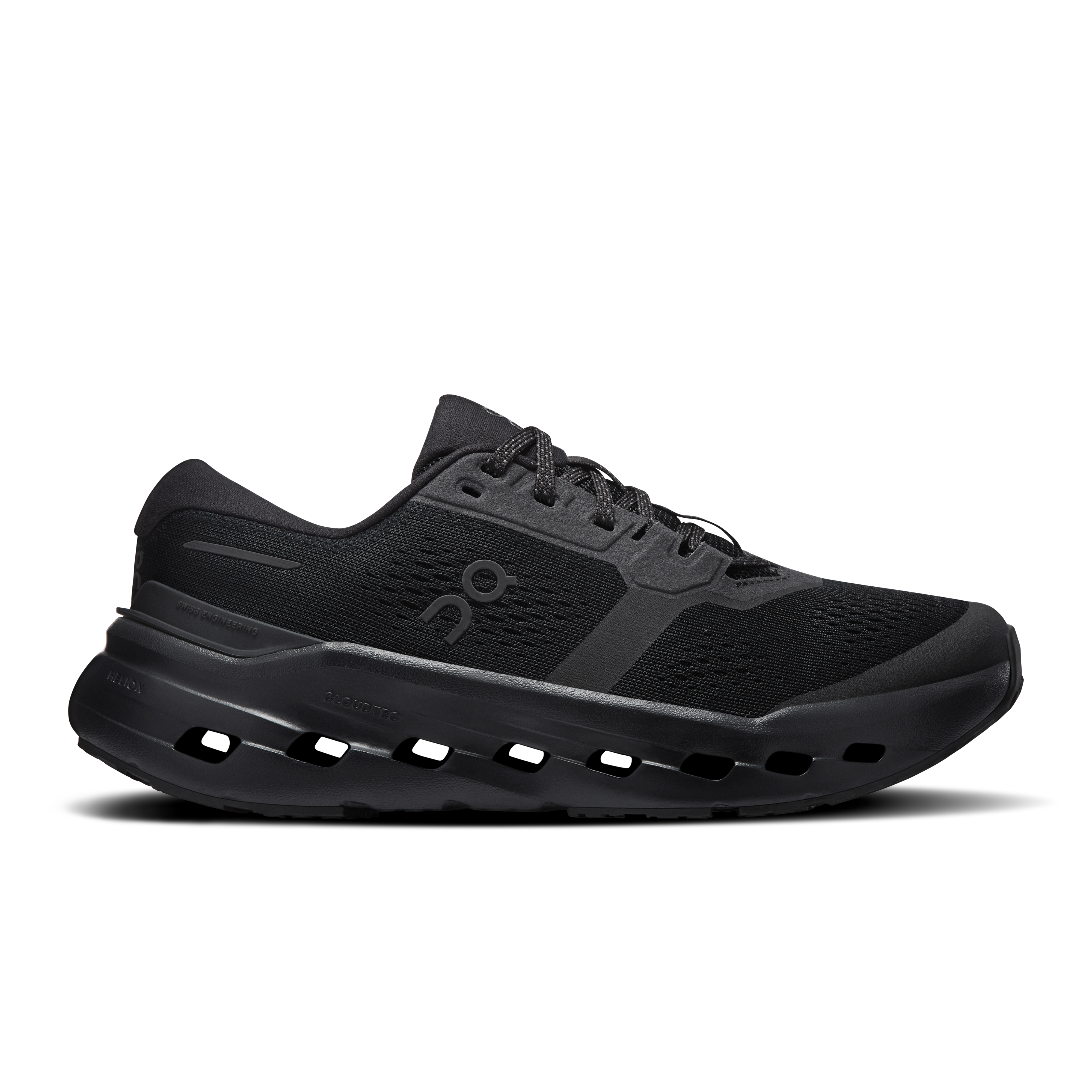
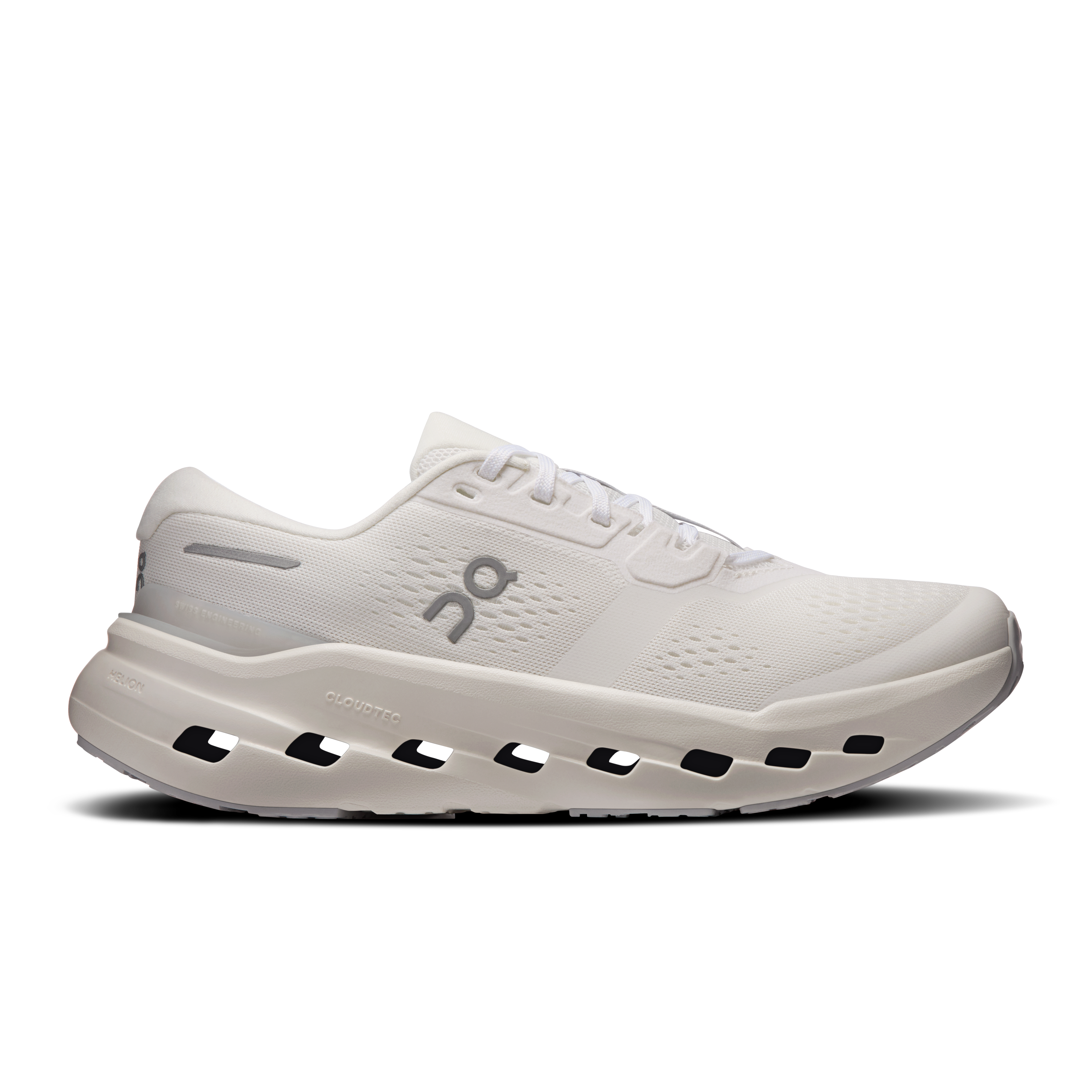
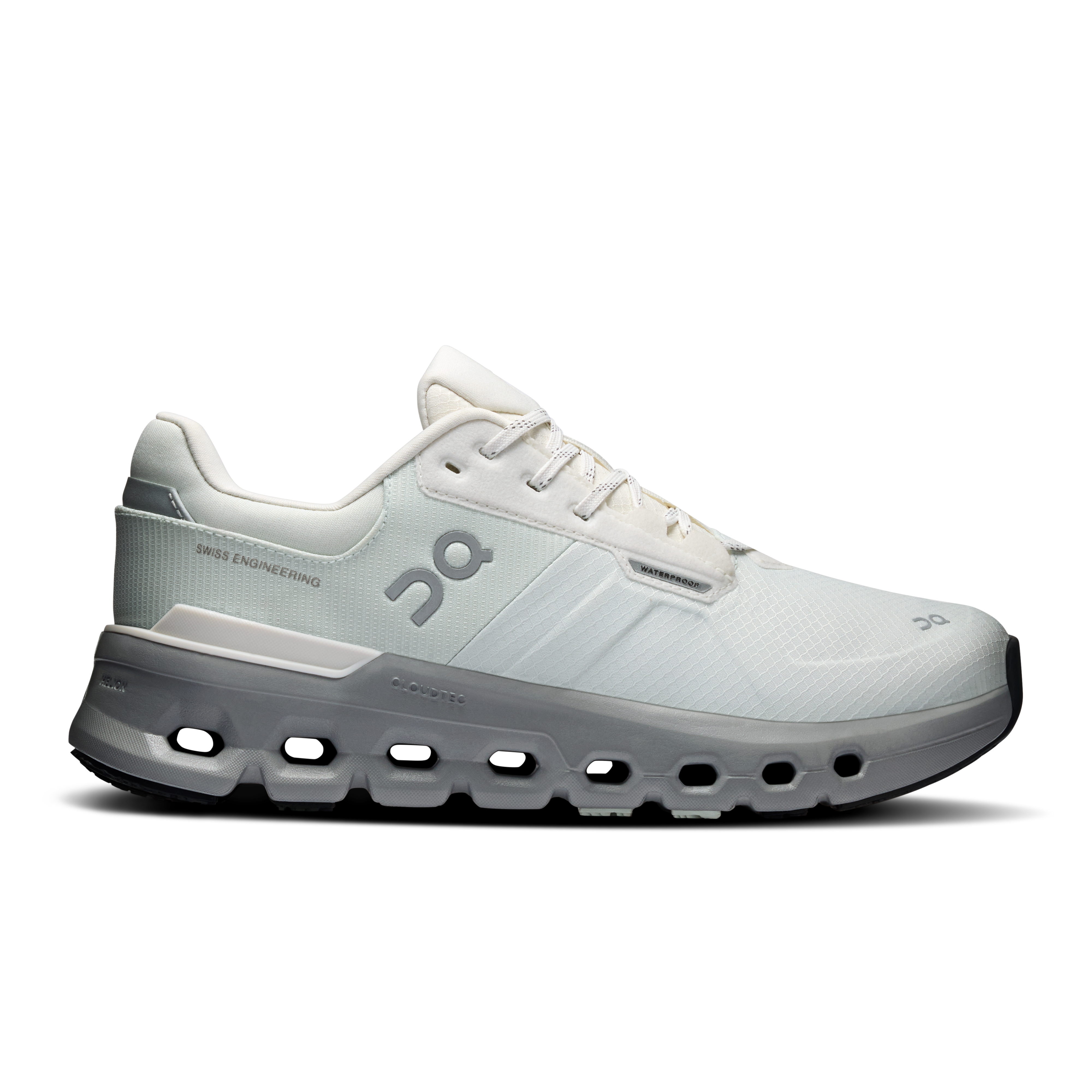
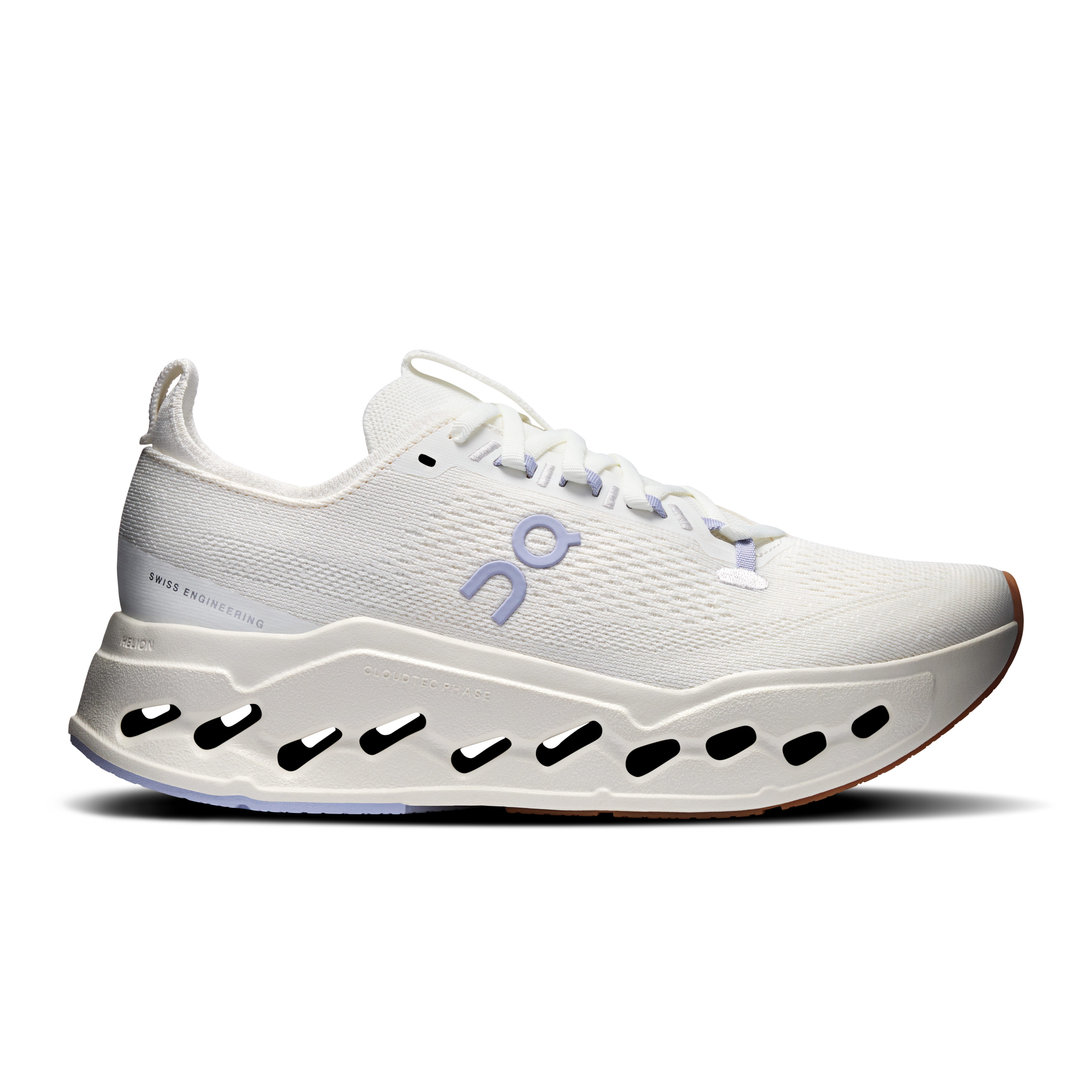
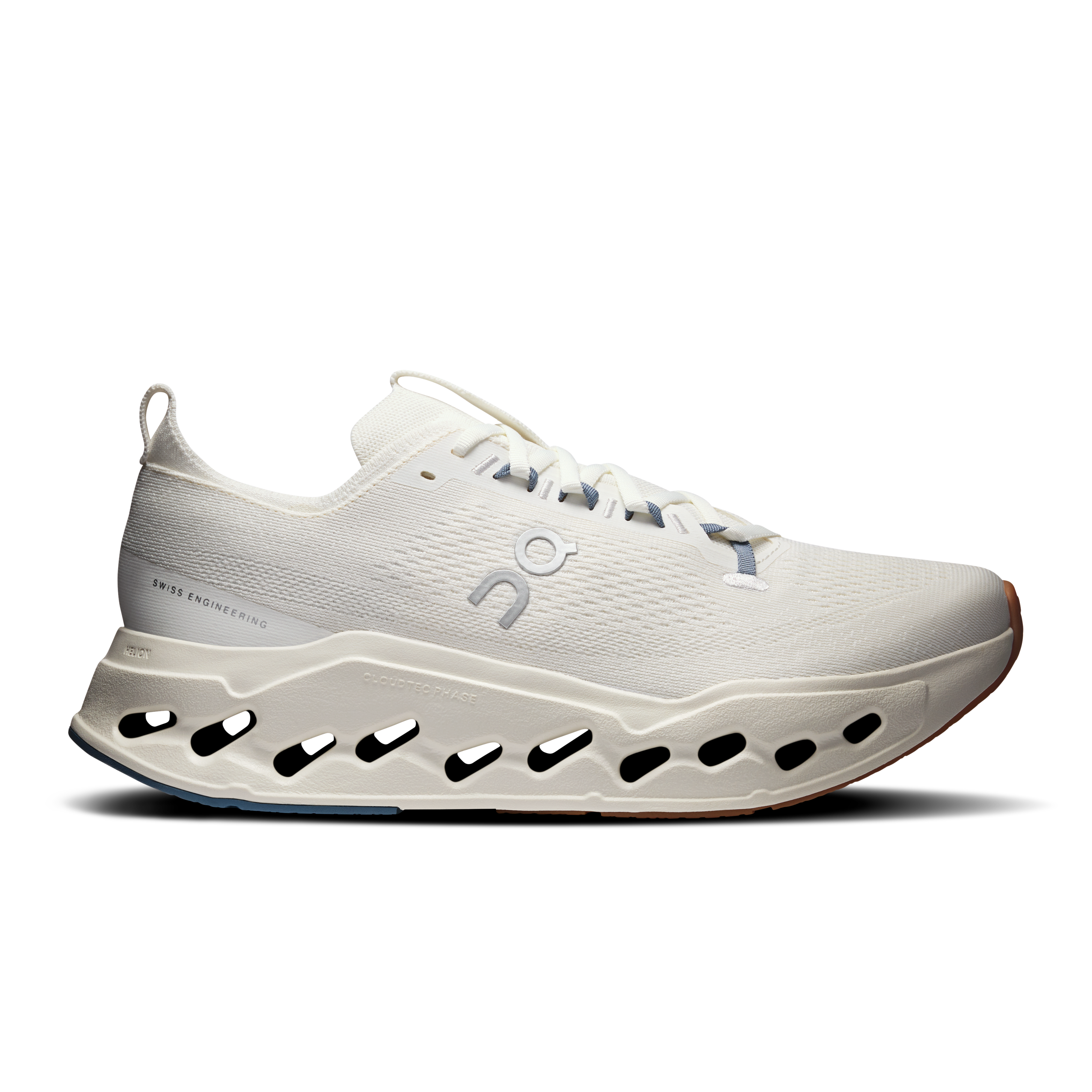
When your apparel moves with you and your running shoe feels like a natural extension of your stride, you can stop thinking about the gear and start focusing on the miles ahead.
Take those extra moments to settle in. Your run will feel it.













FAQ
Should I stretch before running?
Yes, but focus on dynamic stretches like squats, high knees and A-skips.
When don’t I need a full warm-up to start running?
On easy, low-intensity days, a shorter warm-up is fine. A brisk walk or a slow jog can ease you in but harder sessions need more preparation.
What happens if I skip my warm-up?
You go from rest to effort without any preparation. Cold muscles, stiff joints and a higher injury risk.
How long should a warm-up and cool-down be?
Five to 10 minutes is enough for most runs. For intervals or speed work, aim for 10–15 minutes.
How do I know I’m warmed up enough?
Your body will tell you. When movement starts to feel easy and your stride loosens up. If it still feels off, give yourself a few more minutes.
Does walking count as a sufficient warm-up?
It’s a good start, but not enough to fully prepare your muscles and joints for running. Pair it with dynamic movements, and you're in much better shape heading into your run.