What are stability shoes, and why do runners need them?
We all need a little extra support sometimes, so here’s your complete guide to stability running shoes.
You're deep into a marathon, lungs burning, legs heavy. When you hit that wall, the last thing you want is less support where it matters most.
Support shoes are one of the most useful tools a runner can have, whether you’re new to the sport or a professional. Yet they’re also one of the most misunderstood.
This guide breaks down why runners need support shoes, how stability works and how to choose the right pair for your goals.
What are stability shoes, and why are they important?
Stability shoes are designed for runners whose feet roll excessively inward (known as overpronation). These shoes often use firmer foam on the inner side or other guiding elements to help steer the foot forward toward a more neutral alignment.
Neutral shoes, by contrast, are lighter and more flexible for runners who don't need corrective support. Racing shoes are the lightest of all, prioritizing speed with minimal cushioning and support. They’re the ideal option for short, fast efforts.
Pronation, the natural rolling motion as the foot hits the ground, is your body’s built-in shock absorption and propulsion. It softens impact, then springs you forward. But when your muscles tire or your mechanics can’t maintain that pattern, alignment can falter. That’s when form breaks down and injury risk climbs.
Support shoes help maintain that efficient rolling motion, especially when fatigue hits.

Why every runner can benefit from stability shoes
Even neutral runners can benefit from stability in certain situations.
Here’s where support becomes especially valuable:
- New runners: Early on, your muscles and tendons are still adapting. Added support helps them handle the increased load of regular running. - Runners returning from injury: Stability shoes offer structure as you rebuild strength and confidence. - Long-distance runners: The longer the run, or the more difficult the terrain, the more fatigue sets in. Support shoes help maintain alignment late into a session. - Easy or recovery runs: When you’re going for an easier session between harder efforts, support shoes can ease strain and help prevent future injury.
How to choose the right support shoes for your runs
Finding the right stability shoe starts with understanding your body and stride.
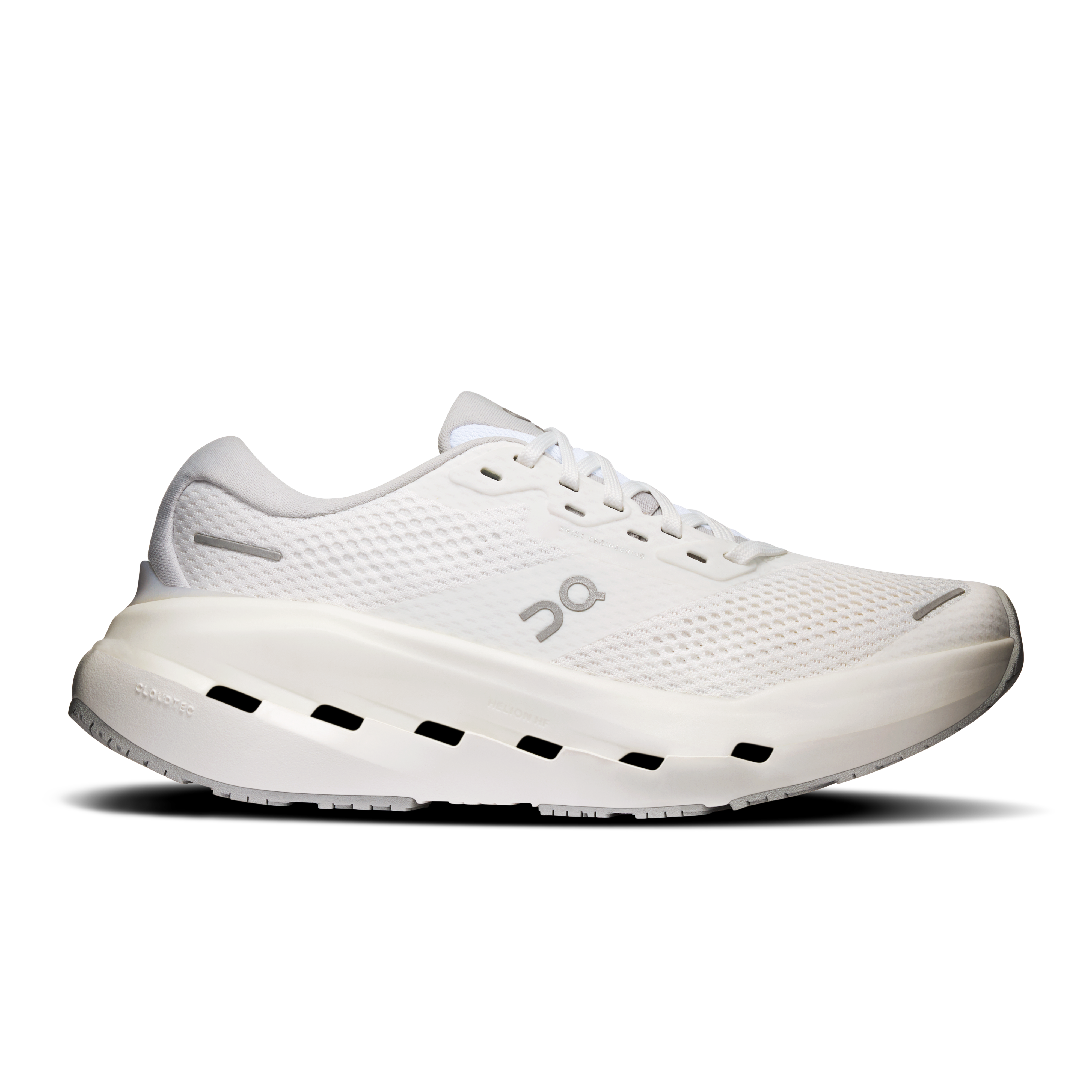
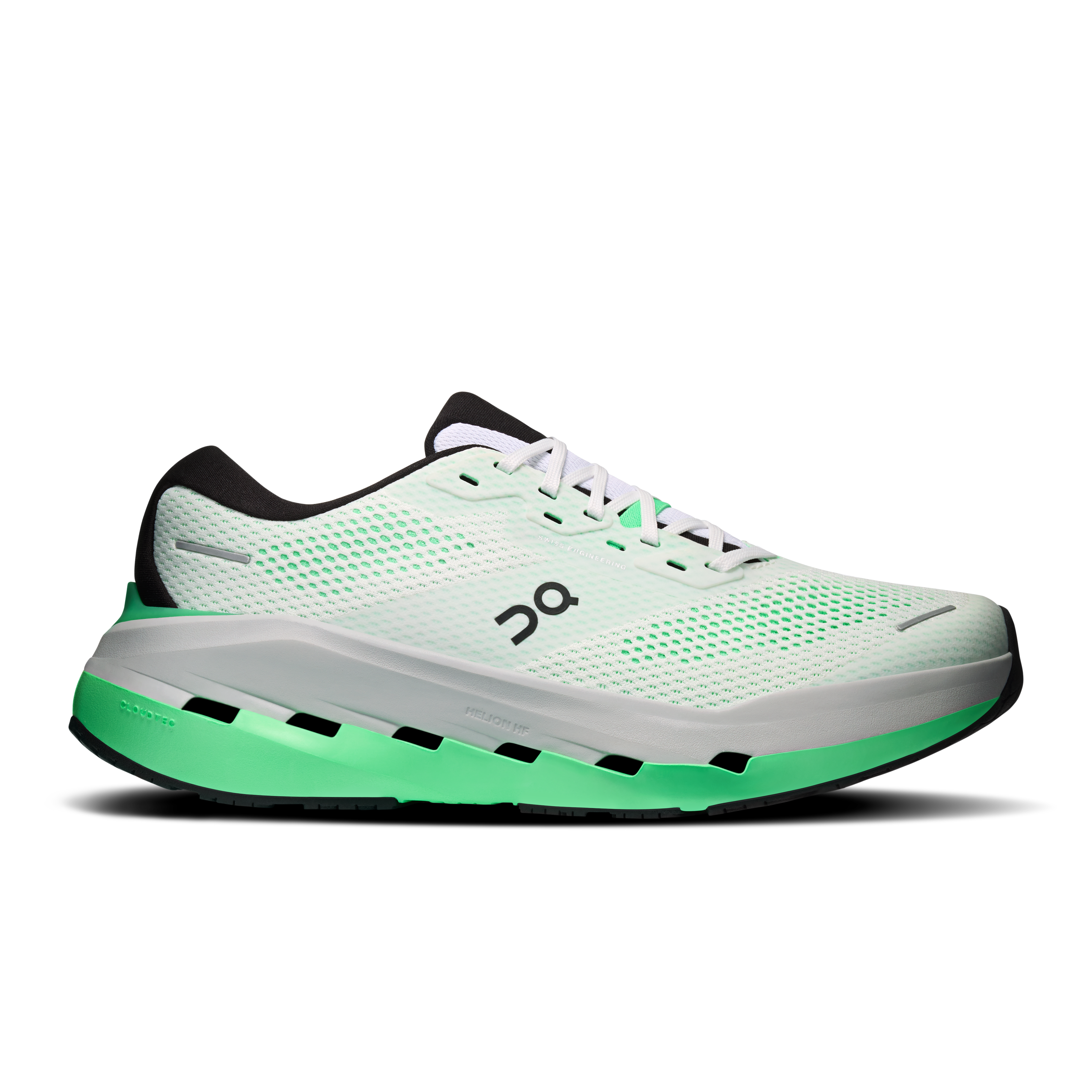
- Understand your gait: A running analysis will show whether you overpronate or have a neutral gait, and how much support you actually need. - Identify your arch type: High arches often need soft cushioning with high shock absorption. Flat arches may benefit from firmer stability features. - Check the midsole: Overpronators should look for a firmer midsole, like the dual-density Helion™ foam used in the Cloudrunner 2. - Look at the heel counter: A firm or rigid heel counter wraps around the heel bone, offering better control during initial contact – especially important for overpronators. - Consider the weight: Lighter stability shoes use modern foams and subtle guidance systems for mild support. Heavier options offer firmer, more durable structures for runners who need maximum stability.
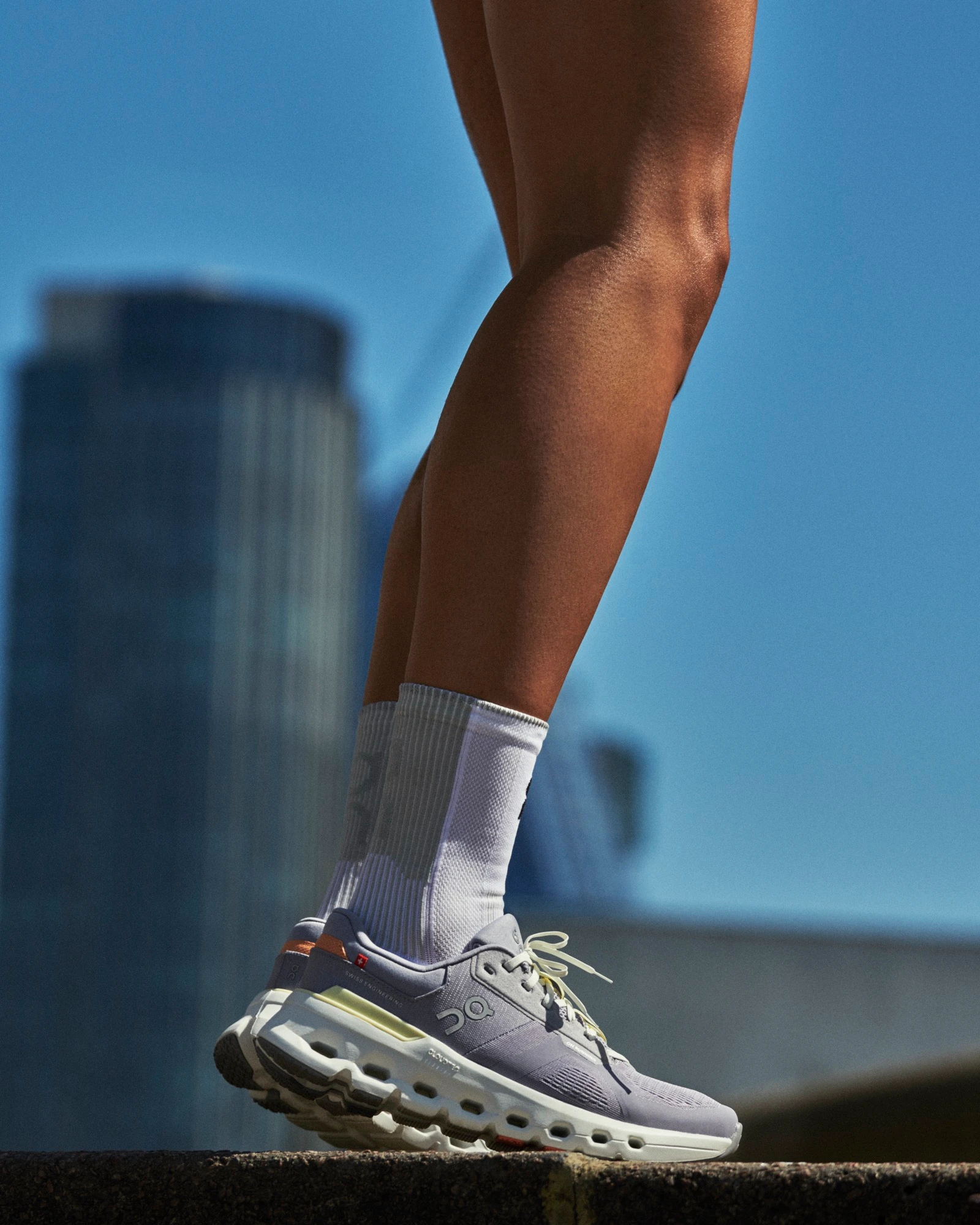
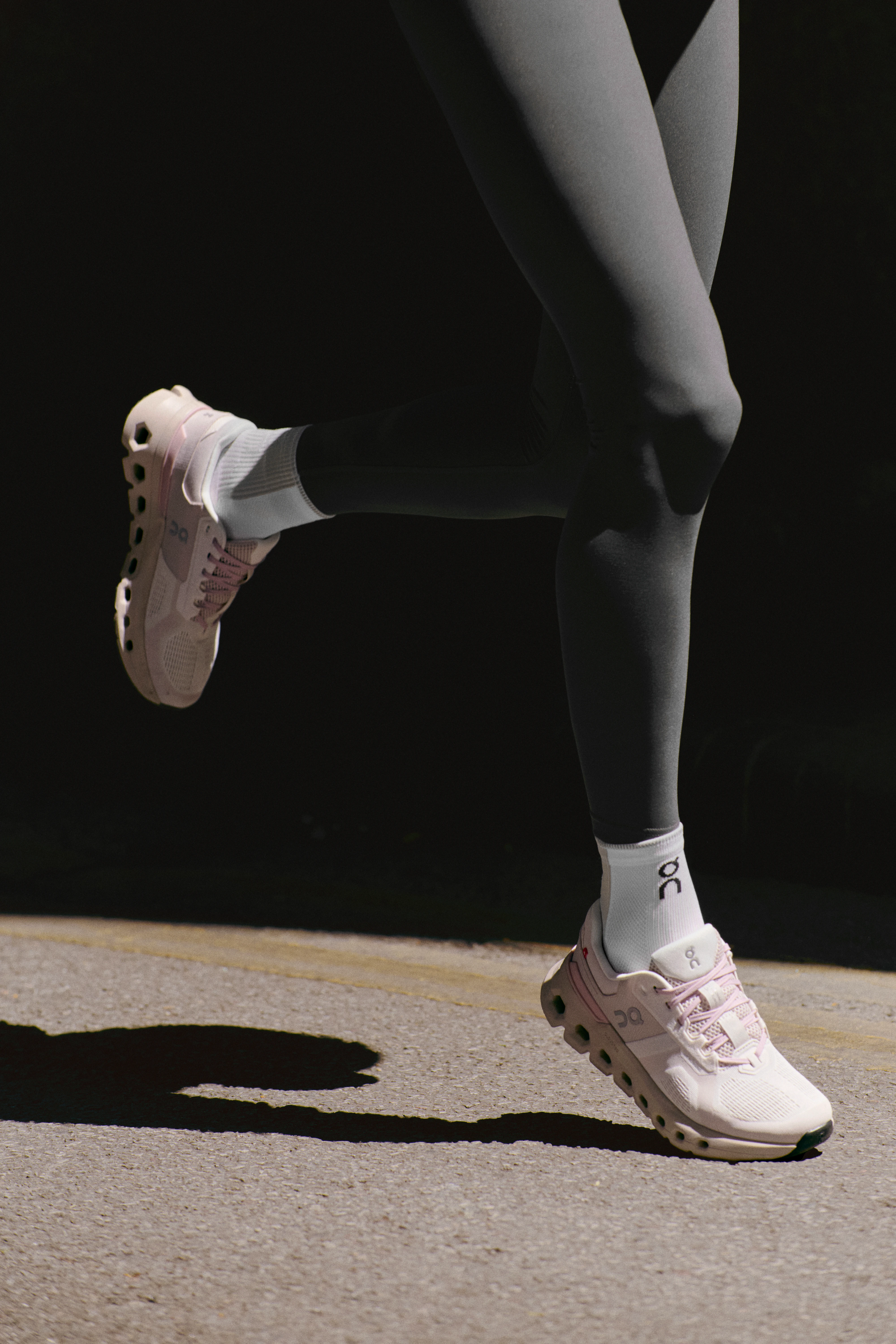

Stabilize for better, more engaging running
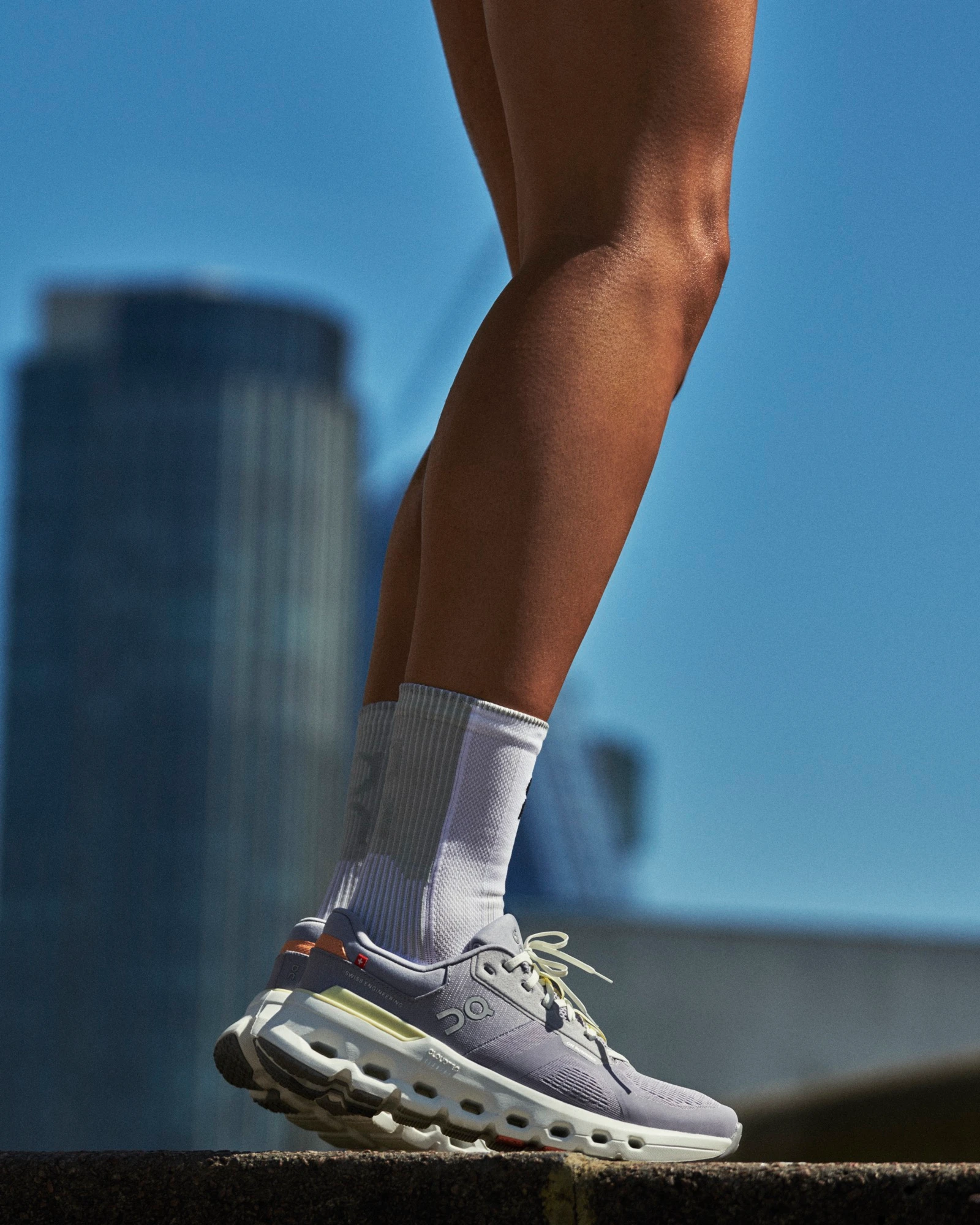
Stability shoes help maintain better form, support recovery and make long runs more consistent. Many athletes rely on them for day-to-day training. Just ask sub-2:15 US marathoner Nico Montanez from the Mammoth Track Club. “I wear my supportive Cloudflyers 90-95% of the time throughout my training,” he says.
“The only time I wear racing shoes or flats is during my hard interval and tempo sessions or during my races. After my hard session is over, I slip right back into my support shoes for my cool-down.”
Explore the stability running shoe range and feel the difference that support can make.
Frequently asked questions
What’s the difference between neutral shoes vs. stability shoes?
Neutral shoes suit runners with a balanced stride and no need for corrective support. Stability shoes use firmer materials or guiding structures to limit overpronation.
Is it harmful for a neutral runner to wear stability running shoes?
No. In fact, neutral runners often benefit from added support during long distances, recovery runs or when they’re coming back from injury.
What’s the difference between support shoes and racing shoes?
Support shoes provide structure, cushioning and durability that’s ideal for daily training.
Racing shoes minimize weight and structure for maximum speed, making them best for short, fast efforts and competitive events.