
9 tips to keep you running through winter
Crisp air, quiet streets, steadier miles. Winter running has its own rhythm (once you know how to adapt). Here’s how to layer, plan and train so every run feels a touch lighter.
While some people stay warm and cozy during the colder months, winter runners – like On Athletics Club (OAC) – train through snow-covered roads, finding clarity and strength in the cold. Based in Colorado Springs, we spoke with the OAC and Head Coach Dathan Ritzenhein to gather their go-to winter running tips.
1. Layer up
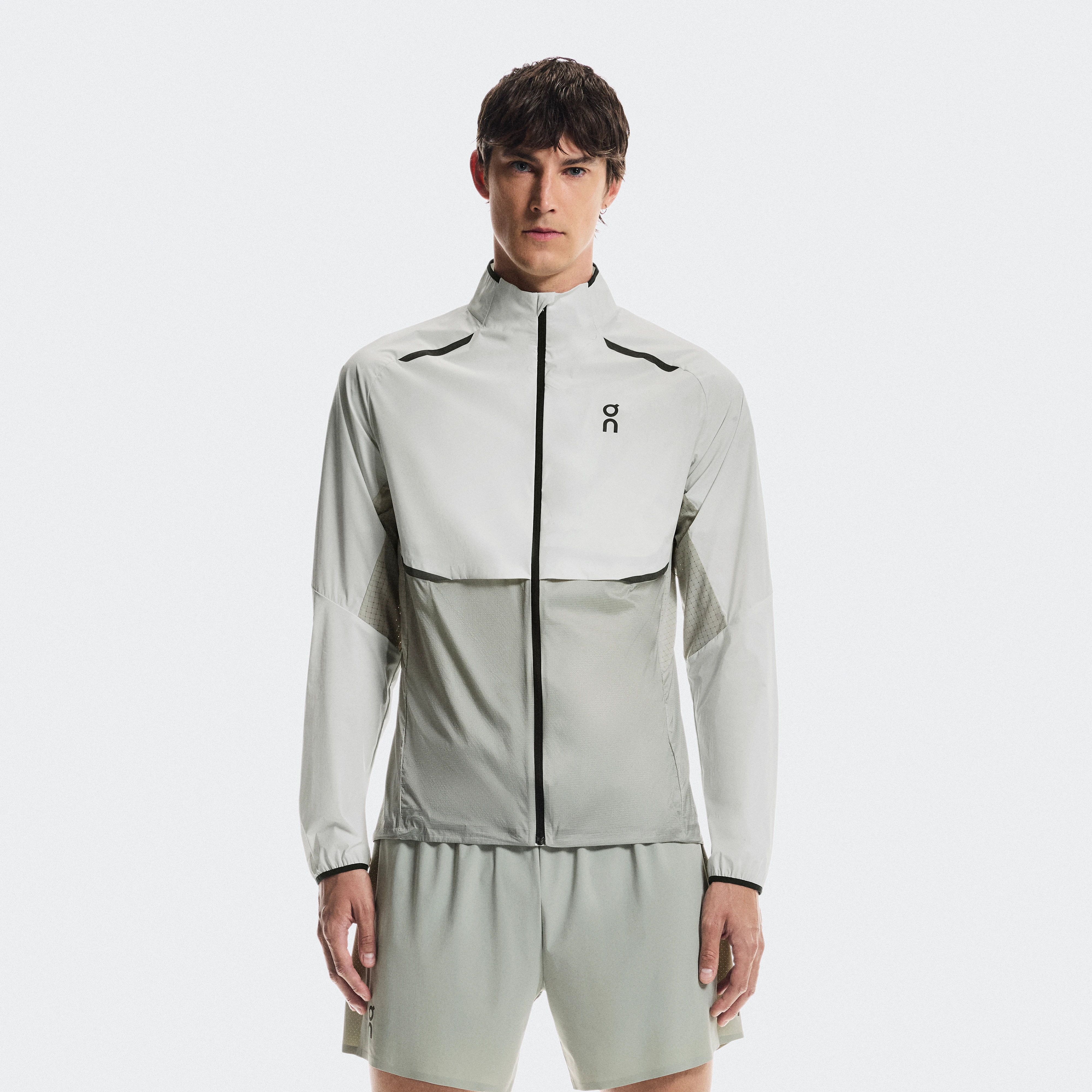
To run well in the cold, your layers should work as hard as you do. Start with a base layer (ideally, thermal or compression material) that traps warmth. Then add a mid-layer for flexibility (such as a long-sleeve shirt) and finish with a protective outer layer that you can adjust as you heat up (like a zip-up running jacket with a hood).
OAC tip: Choose an outer layer that breaks the wind, but you can shed it easily and tie around your waist. This protective layer can be the difference between ending a run early or finishing strong in wet or windy conditions.


2. Warm up
Don’t rush it. Your warm-up shifts your focus from the weather to intention. Start with an easy jog with your layers on, then add a few heart-rate lifting drills to help your body settle into the temperature.
3. Plan your route wisely
Winter running rewards the planners. With weather apps and route builders, it’s easy to scan maps and map out the best routes given the weather conditions.
OAC tip: If it’s windy, start your run into the headwind. You’ll thank yourself on the way back.
4. Run on effort, not pace
Cold air can make your body work harder to stay warm. Instead of chasing your usual splits, tune into effort. Let your pace adjust to the cold conditions and consider wearing temperature-regulating gear.
OAC tip: Even a small drop in temperature increases the load on your system. Give yourself permission to slow down and account for the extra effort.

5. Be flexible with your training schedule
Winter is unpredictable but your training doesn’t need to be rigid. A small shift in timing can turn a grueling workout into a powerful one. “Runners often don’t like deviating from their schedule but consider rescheduling harder sessions for when the weather conditions look more favorable,” says Coach Ritzenhein.
“Whether that means there’s less ice, warmer temperatures or no snow forecasted, you can make the most of your workout.”
6. Mix it up: Run outside and indoors
When it feels too cold to run outside, don’t fight the ice and snow. Adjust, slow down or change surfaces to avoid altering your form and risking injury. You could run on the treadmill and indoor track or even aqua jog in a pool. These variations can keep your fitness sharp without battling unsafe footing.
7. The right winter running gear
Winter shoes matter. Look for grippy outsoles to stay stable on slick surfaces and for waterproof protection to keep your feet dry. If you’re running in the snow and it’s deeper than your ankle, add gaiters to keep the snow out.







8. Change clothes as soon as you can
Post-run, swap wet layers quickly. Stretch, then shower as soon as possible to warm up, practice good hygiene and refuel with a warm drink – like protein hot chocolate.
OAC tip: An Epsom salt bath or warm soak helps your muscles absorb the work and your recovery, especially in cold conditions.
9. Put safety first
Cold air alone won’t make you sick, but being underdressed or unaware of conditions might. With the right outerwear, staying active through the winter has actually been proven to help stave off illness. But watch out for wind-chill warnings. Some conditions simply aren’t safe to run in.



















Benefits of running in the winter
Winter running can be particularly grounding, energizing and even peaceful. Benefits include:
- Lifting winter blues: Cold-weather movement releases endorphins that counter low mood or seasonal affective disorder (SAD). - Building mental toughness: Training through discomfort builds resilience and confidence that shows up on race day and beyond the finish line. - Strengthening your cardiovascular system: Your heart works harder in the cold, a natural conditioning boost. - Sharpening race-day tolerance: Running in cold air helps you adapt to race-morning chill. - Enjoying quieter routes: The off-season brings calmer paths and more room to settle into your stride.
As long as you’re prepared, winter can be one of the most rewarding seasons to run in.
Frequently asked questions
How will my performance be impacted by the cold weather?
Cold, dry air can make breathing feel different but with the right gear, it will feel similar to any other day. When temperatures dip below 39 degrees Fahrenheit (4 degrees Celsius), consider wearing a pair of gloves, a neck warmer or an ear warmer.
What should I do if it turns too cold while running?
Find shelter from wind and moisture and avoid getting wet. Carry your phone and let someone know where you’re running when conditions look severe.
How cold is too cold to run in?
It depends on experience, gear and comfort level. Trust your judgement and follow local safety advisories.
Do I need as much water when I’m running in the cold?
More than you think. Cold air is dry, which means hydration matters just as much, if not more, to keep your airways comfortable.