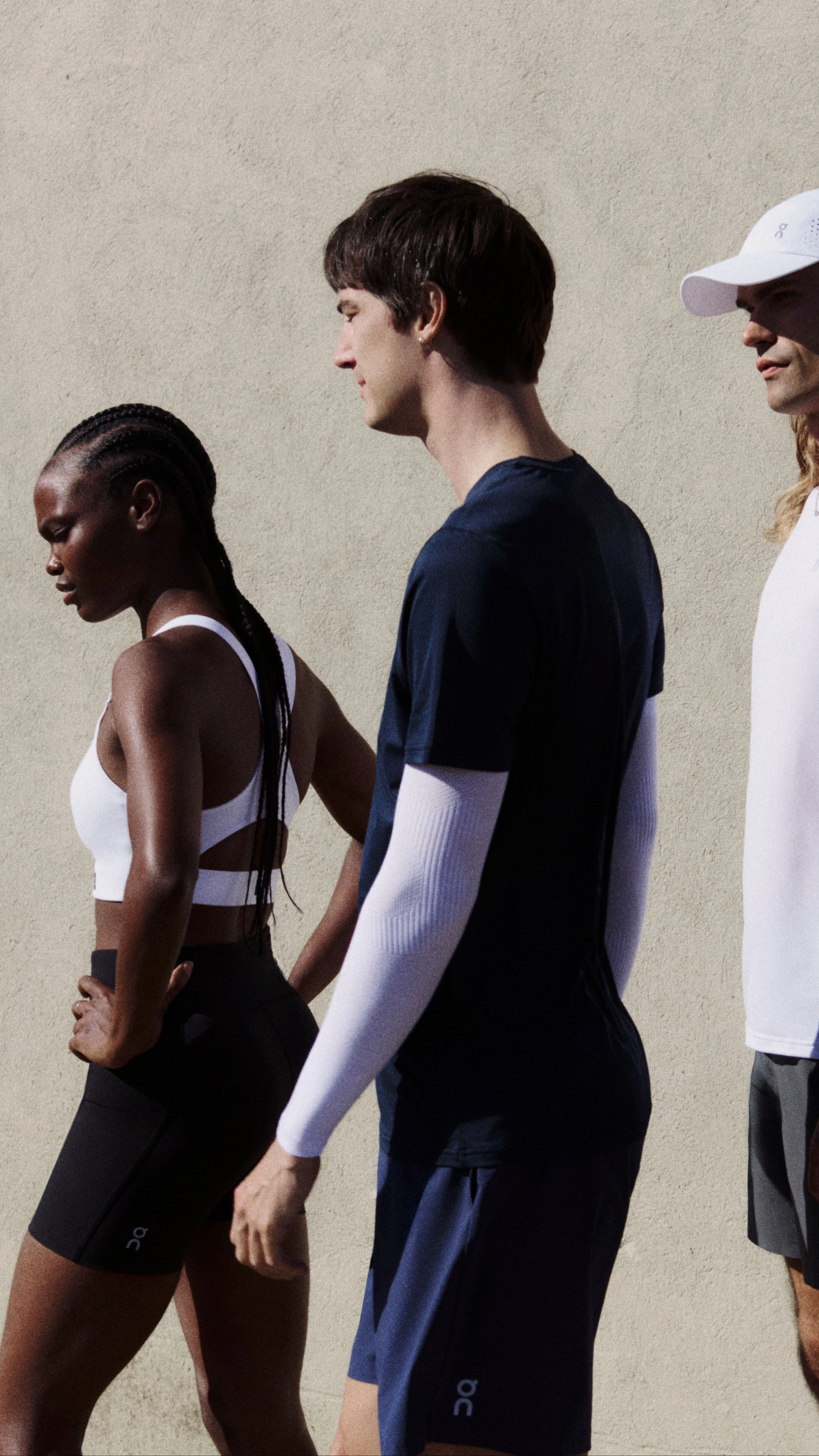
What to wear running, whatever the weather
Every run brings different conditions. Heat, wind, rain or cold. What you wear should adapt with it. Here’s how to layer and choose your gear so you can focus on the run (and not your kit).
Finding the right rhythm starts with the right outfit. You want to grab an outfit and go, but what you wear matters. “My clothes make a huge difference in how I feel during a run,” says Pia Yaa Ampadu, an On ambassador in Germany. “When my gear fits perfectly and feels comfortable, I can focus better on the run and enjoy it a lot more.”
And it goes beyond a perfect fit. “The right gear makes running in bad weather feel easier,” says Yaa. On rainy days, she relies on a hooded rainjacket. Otherwise, she says she’ll “immediately want to stop running, because running in the rain already takes a lot of motivation, so I want to avoid extra problems caused by the clothes I’m wearing.”
Think of your running outfit as a system of breathable layers that helps you adapt to changing conditions. With the right fit and materials, your kit should fade into the background so you can focus on the run instead.
Temperature | What to wear |
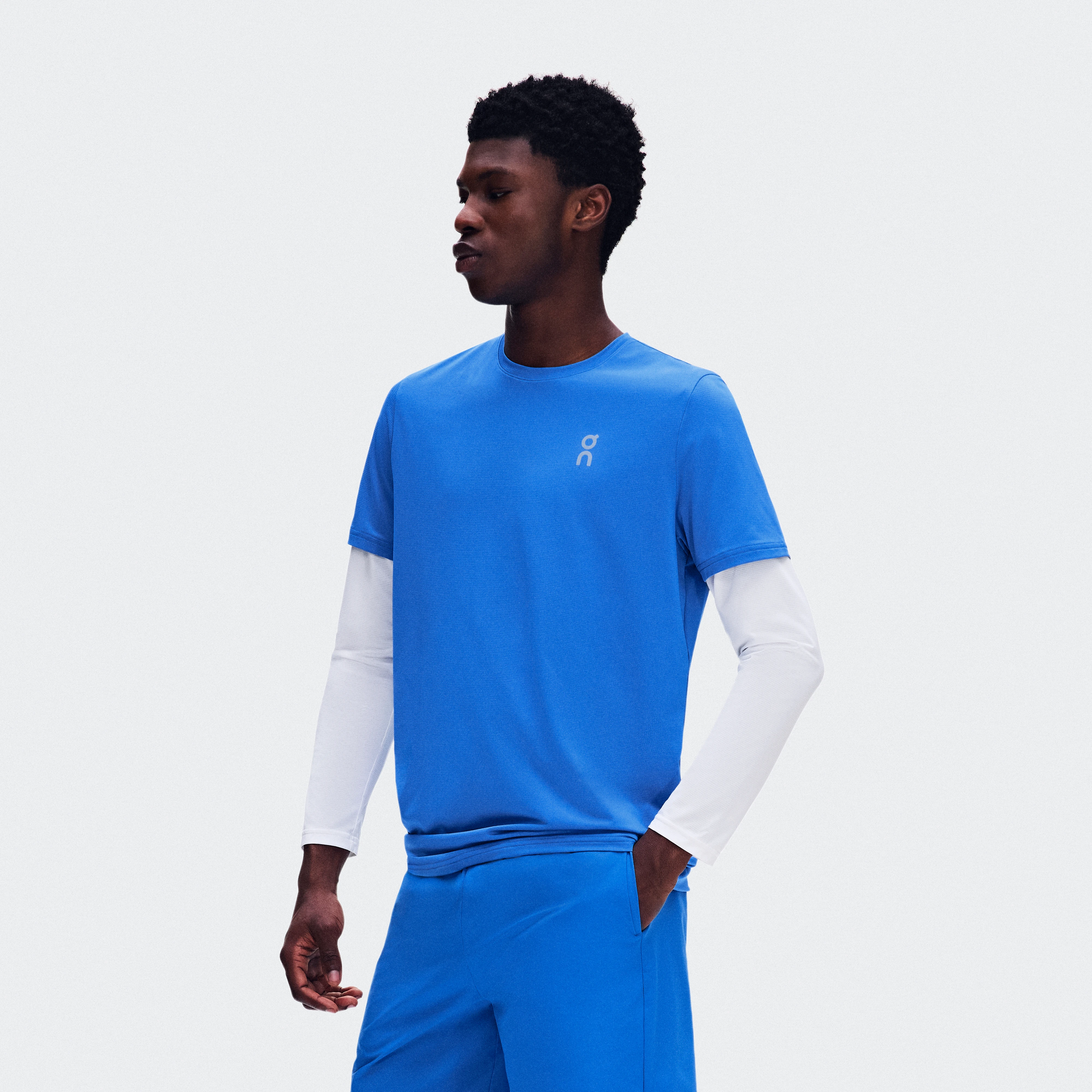
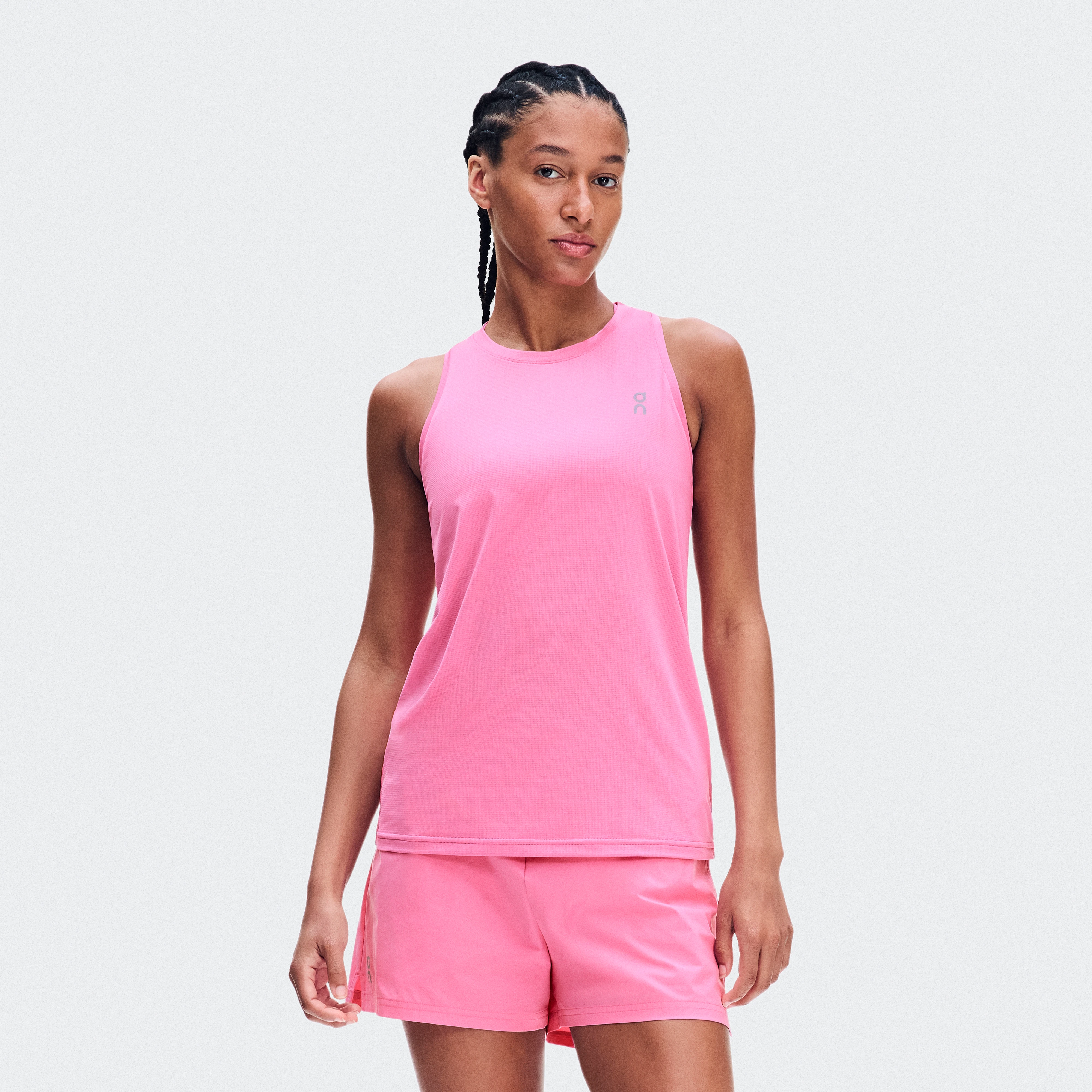
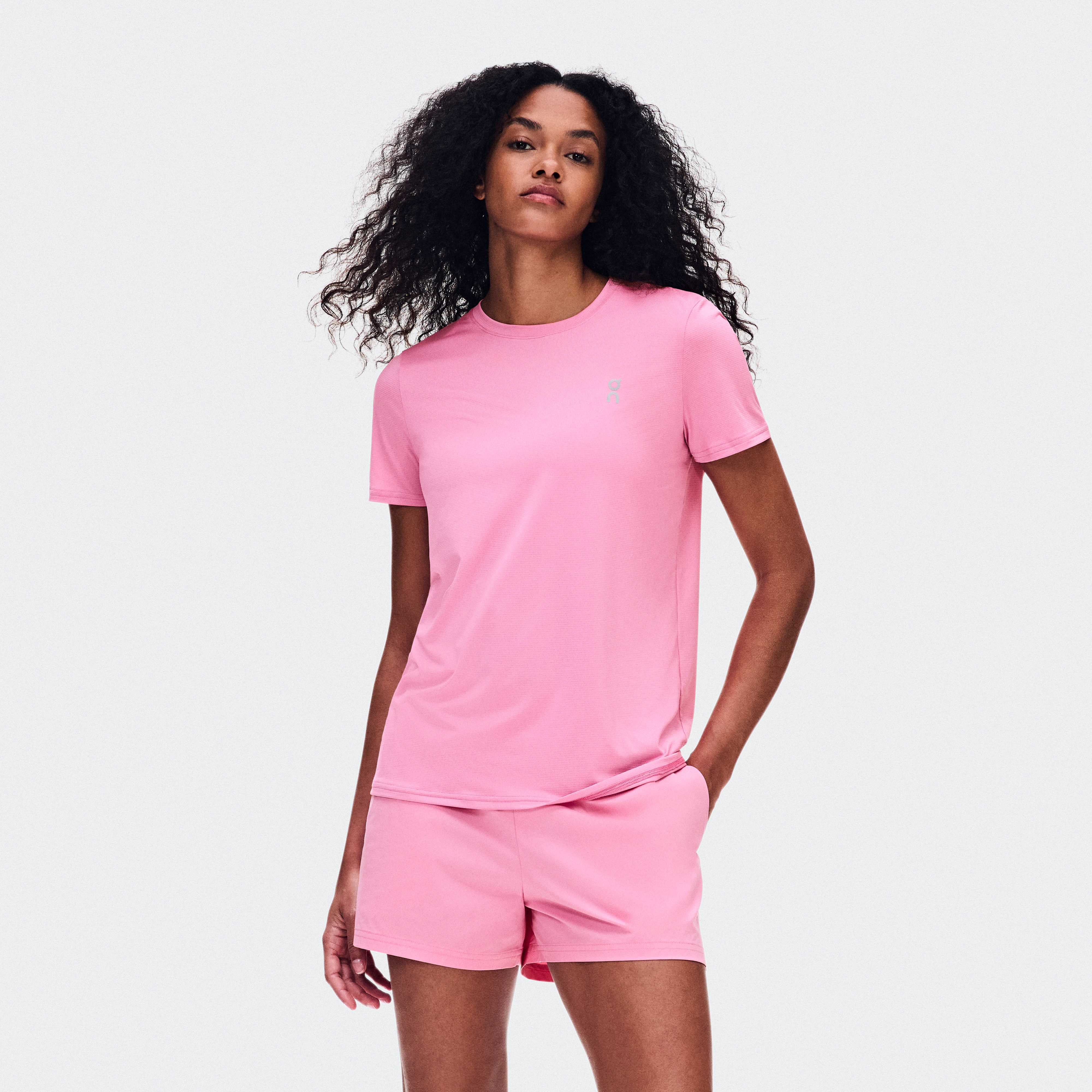
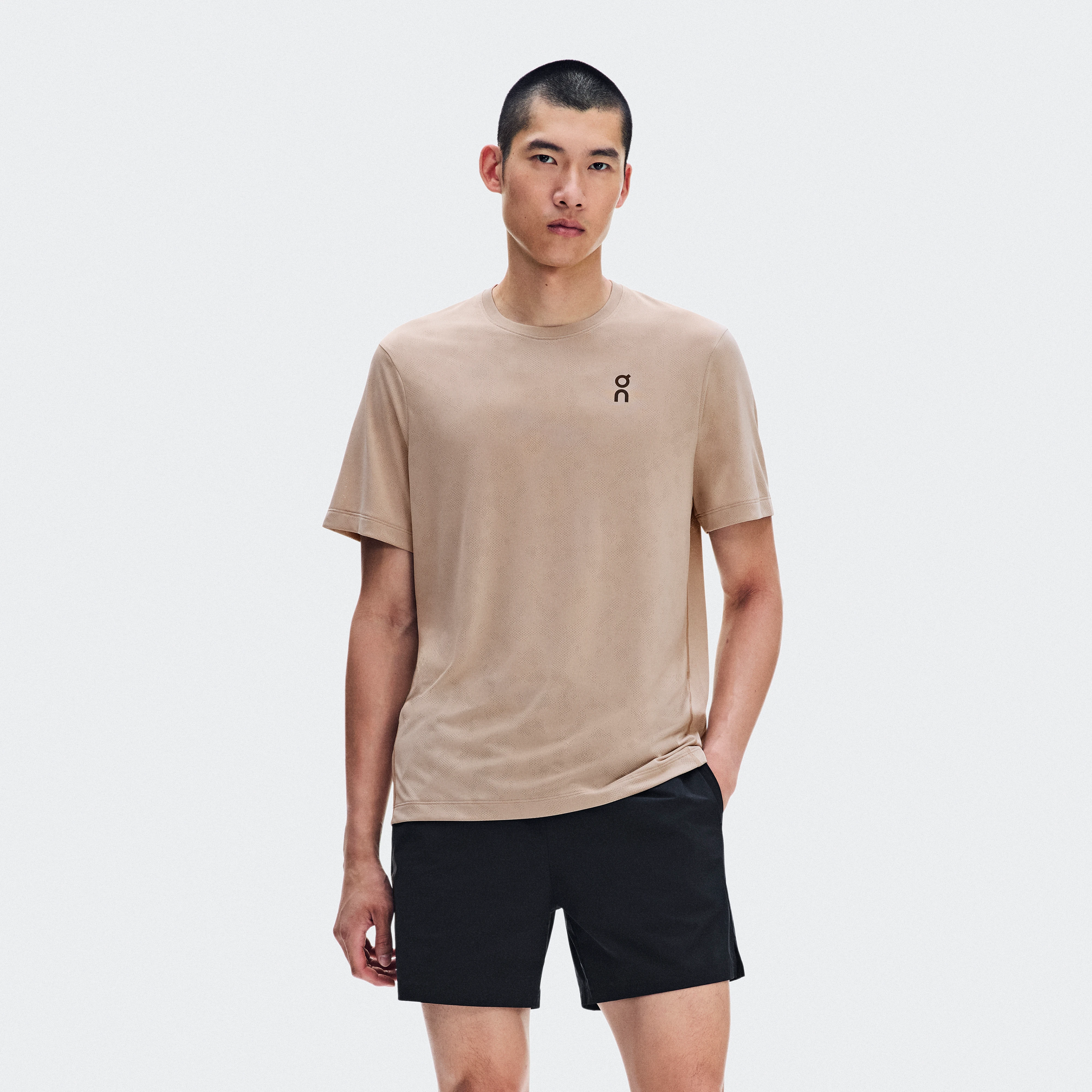
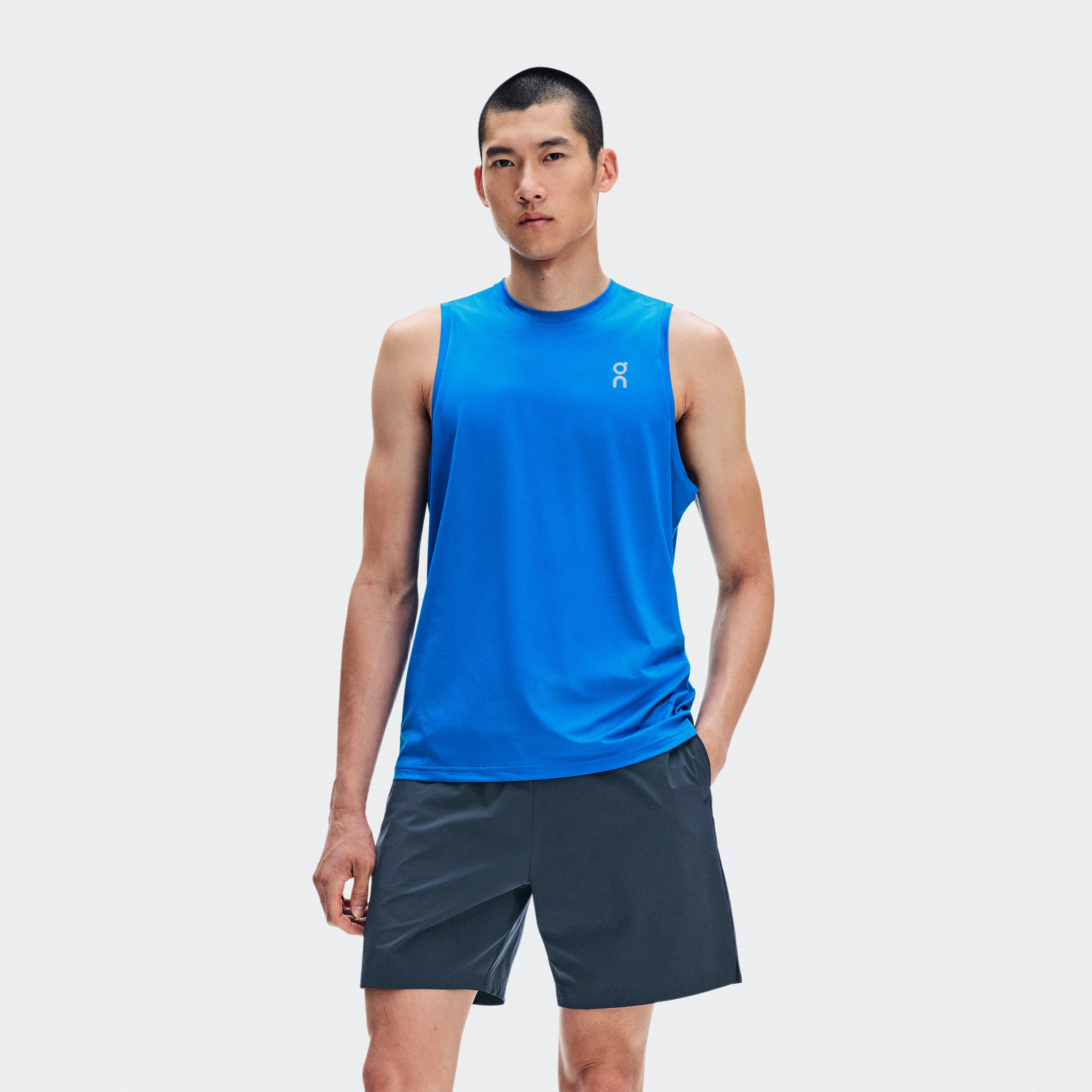
70°F+ (21°C+) | Shorts, singlet or T-shirt and sunglasses |
50–70°F (10–21°C)
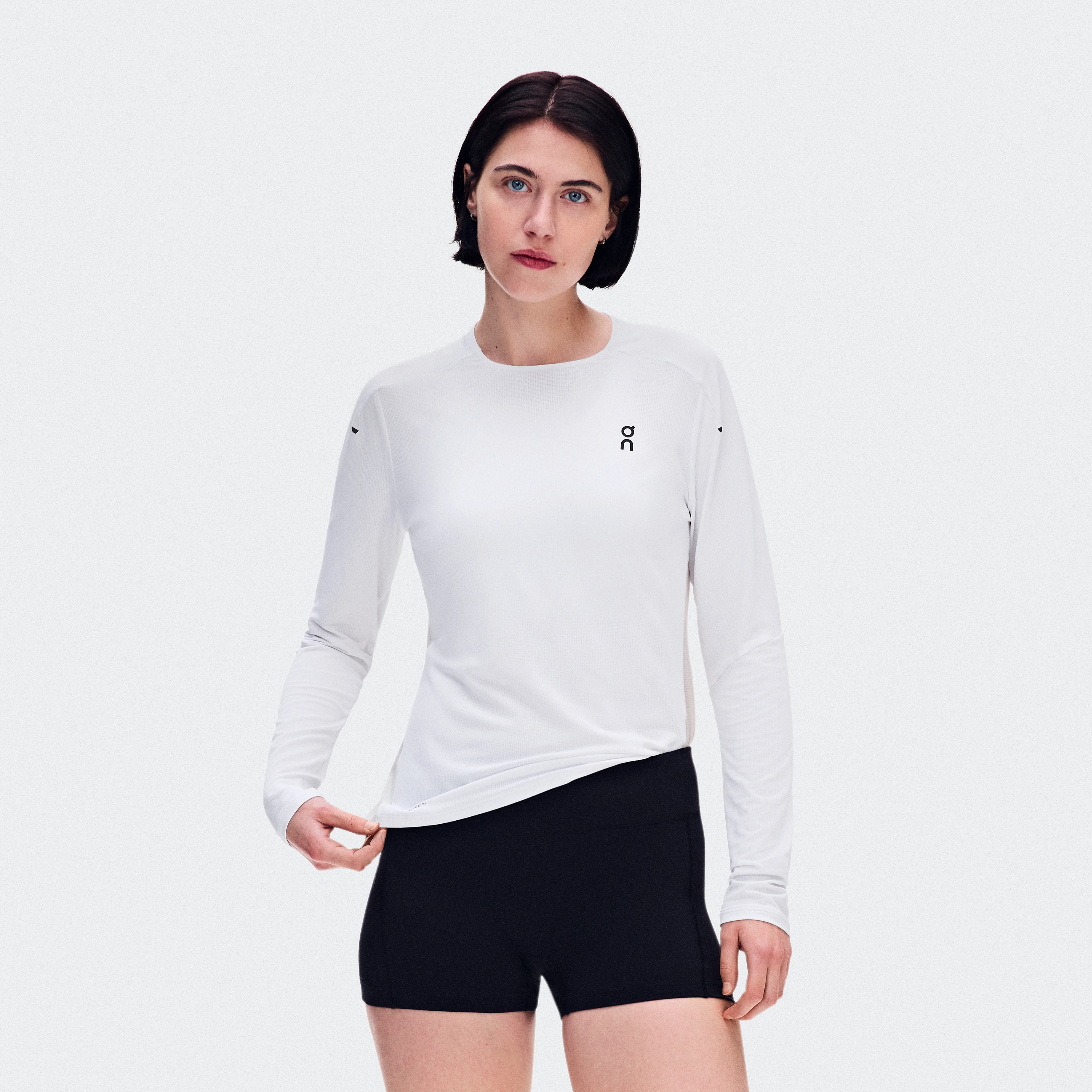
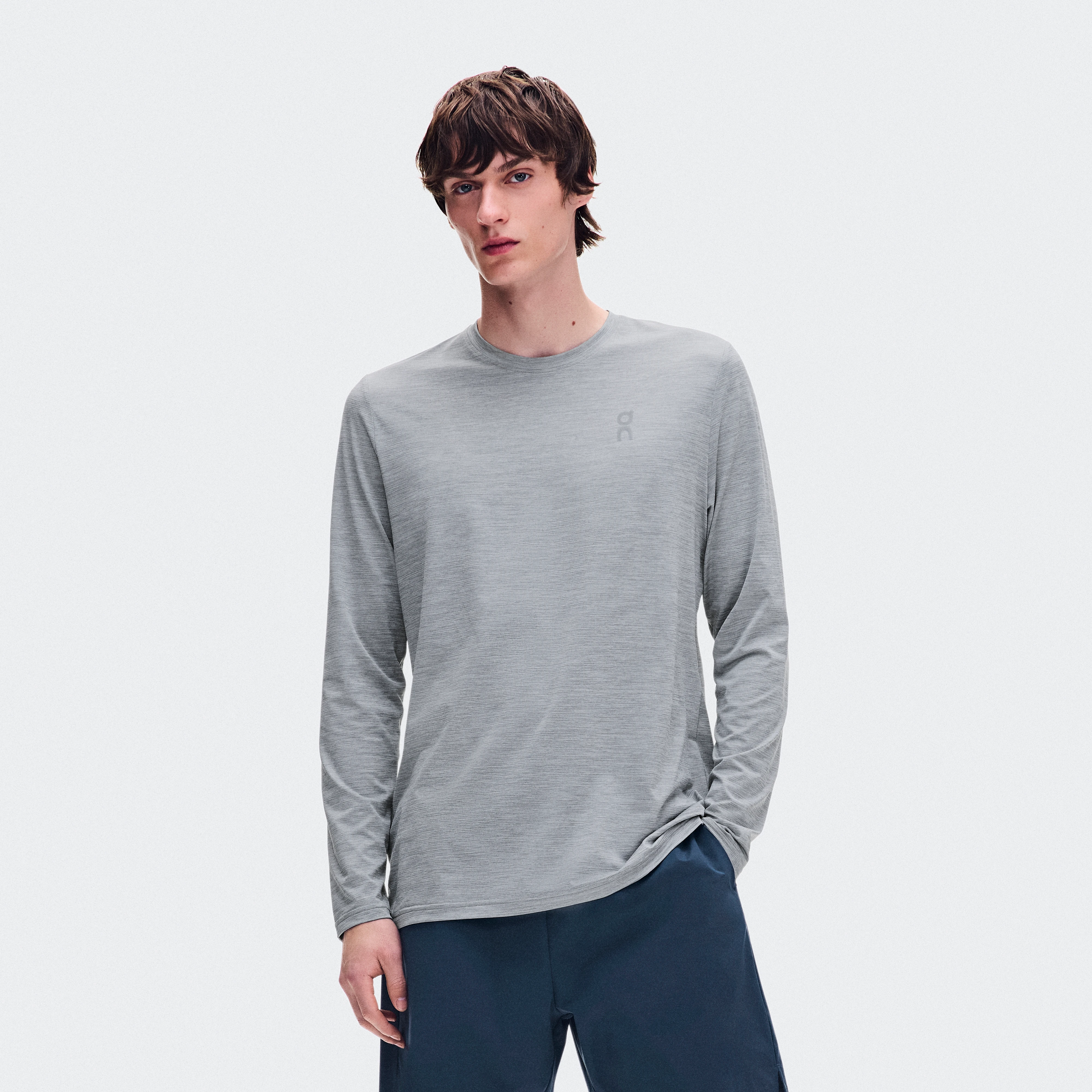
| Shorts or half-tights, light long sleeve or T-shirt Key: dress like it’s 10-15 deg F warmer |
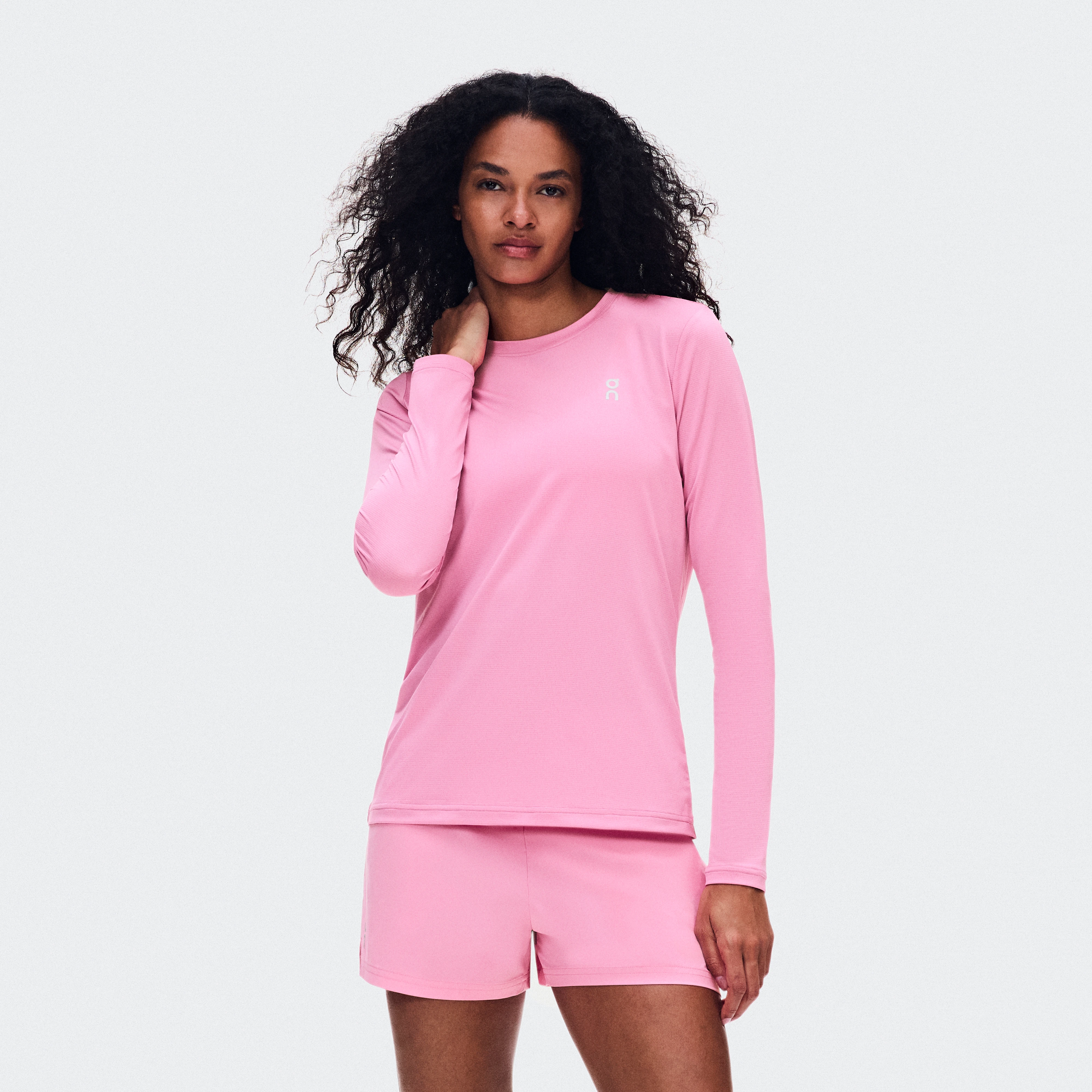
30–50°F (0–10°C) | Long-sleeve base layer, shorts or tights, optional light jacket Key: layer lightly, avoid overdressing |
Below 30°F (0°C)
| Thermal base layer, insulating mid-layer and protective shell Key: cover extremities |
What to wear running in hot weather (70°F+ or 21°C+)
In the heat, less is more. The goal is simple: stay cool, stay dry, keep moving.
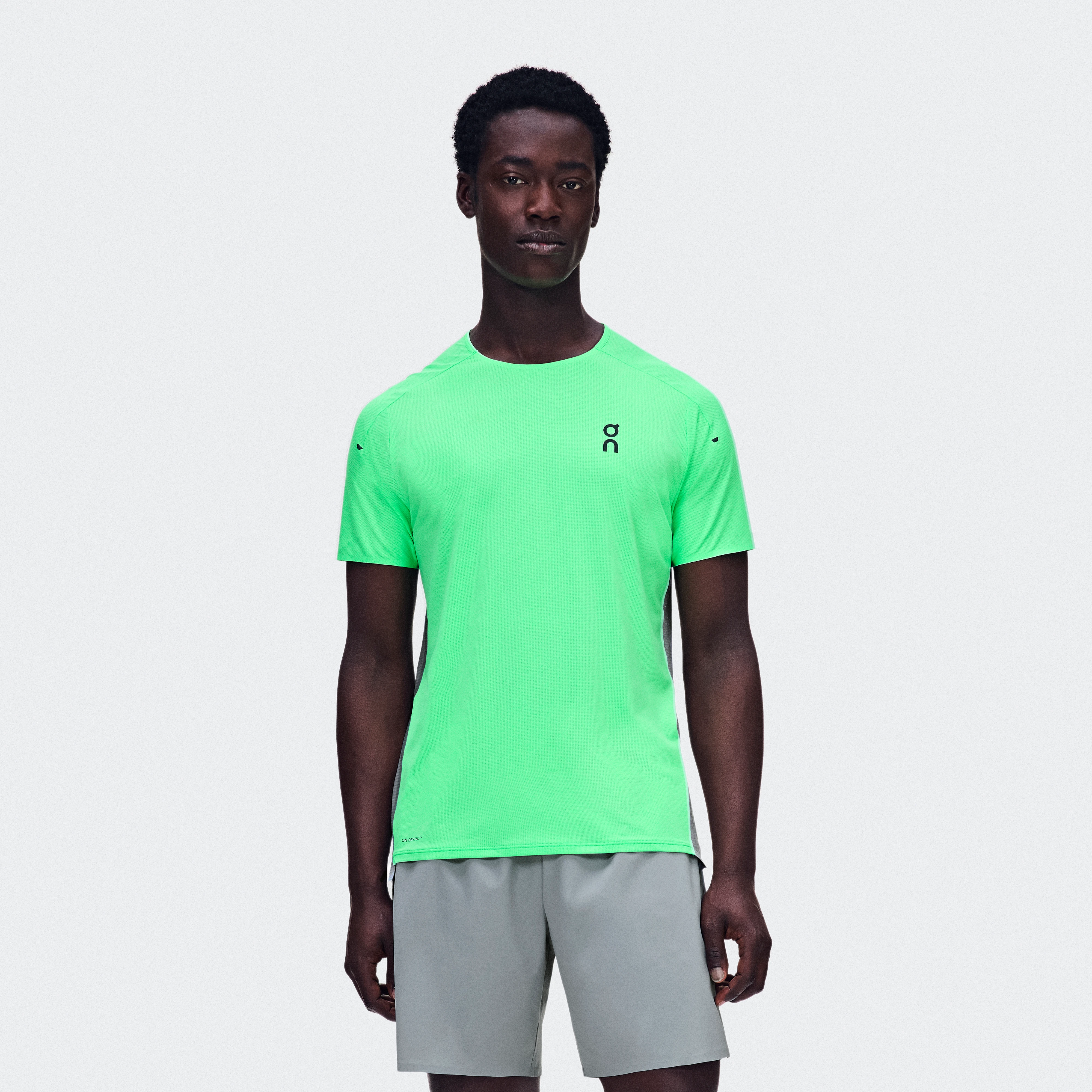
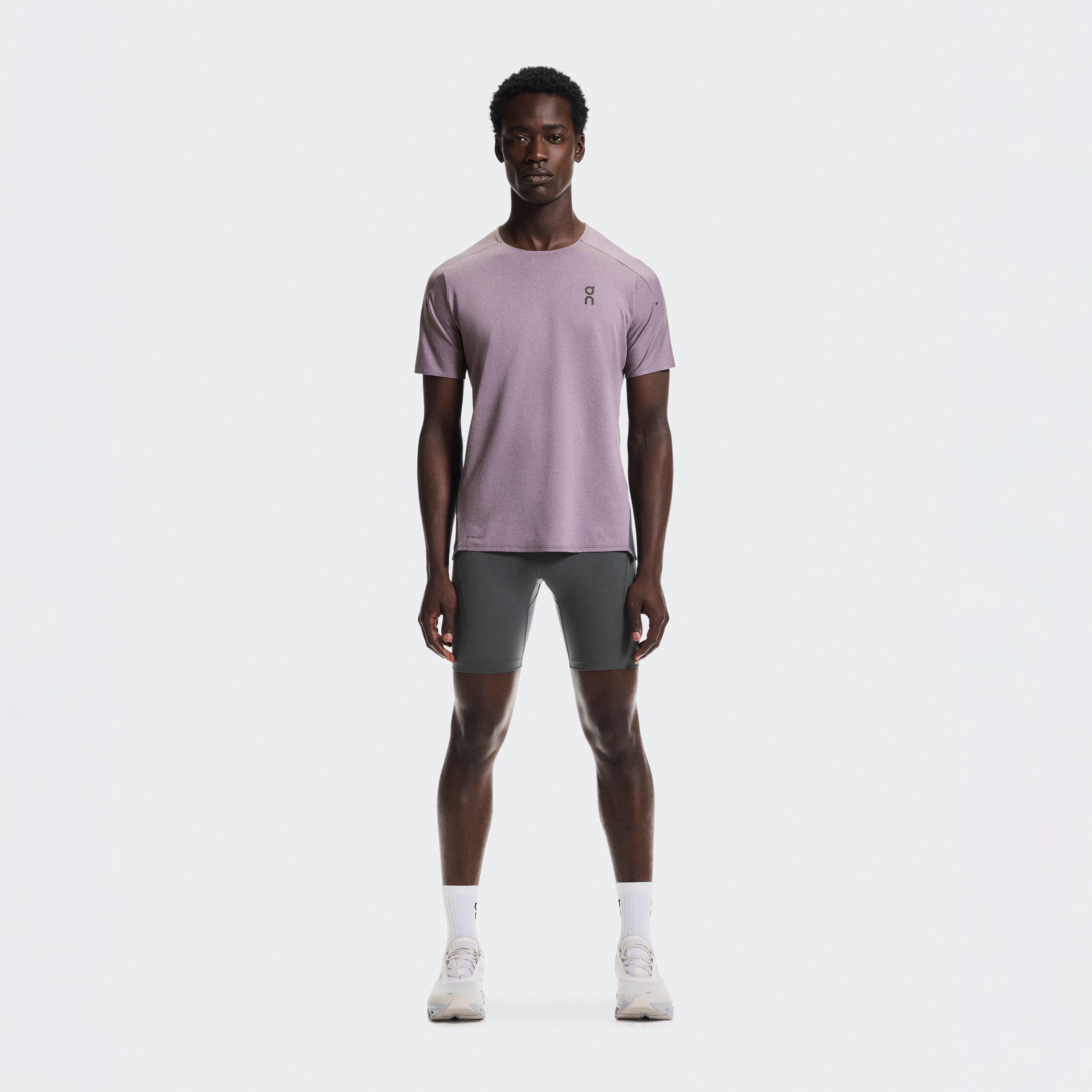
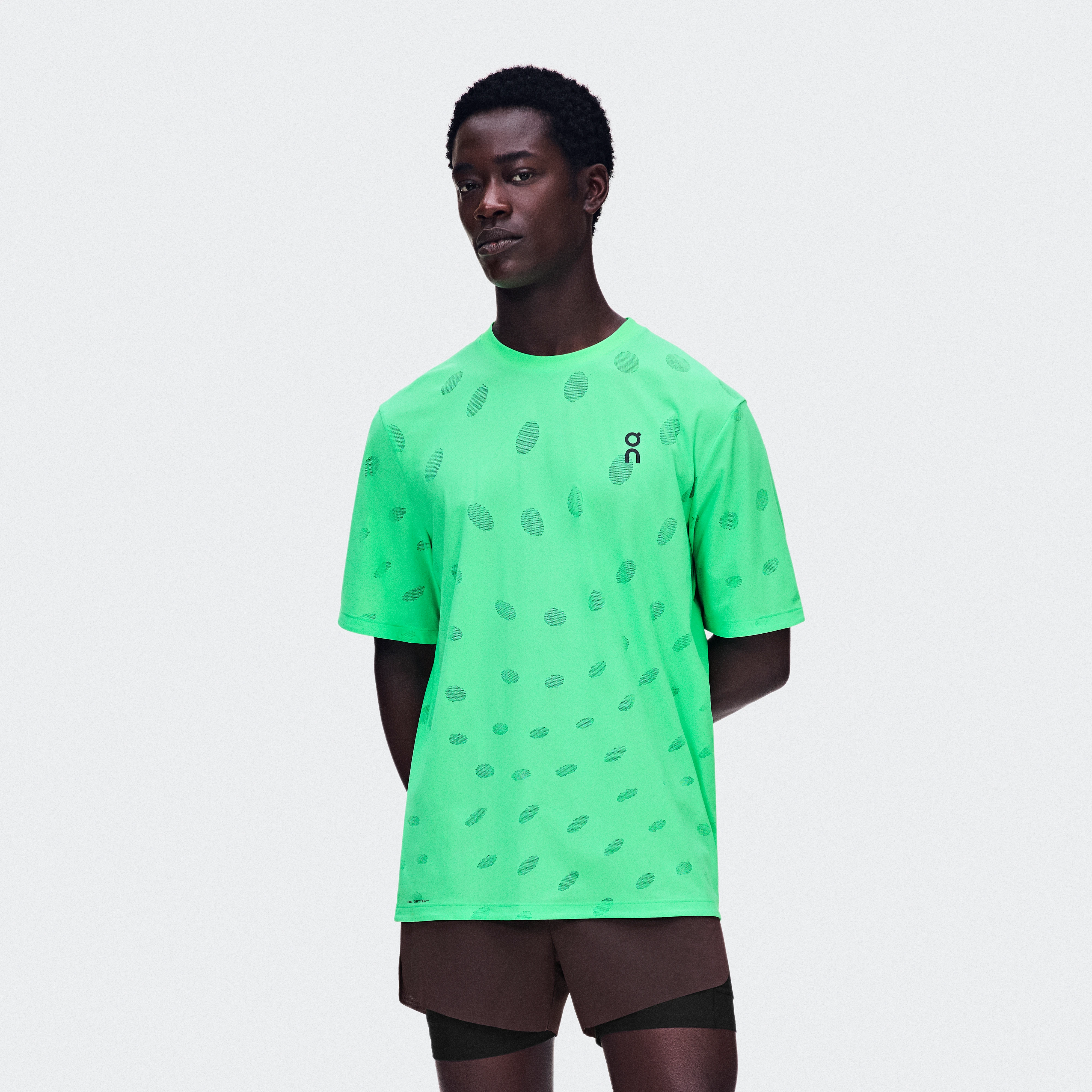
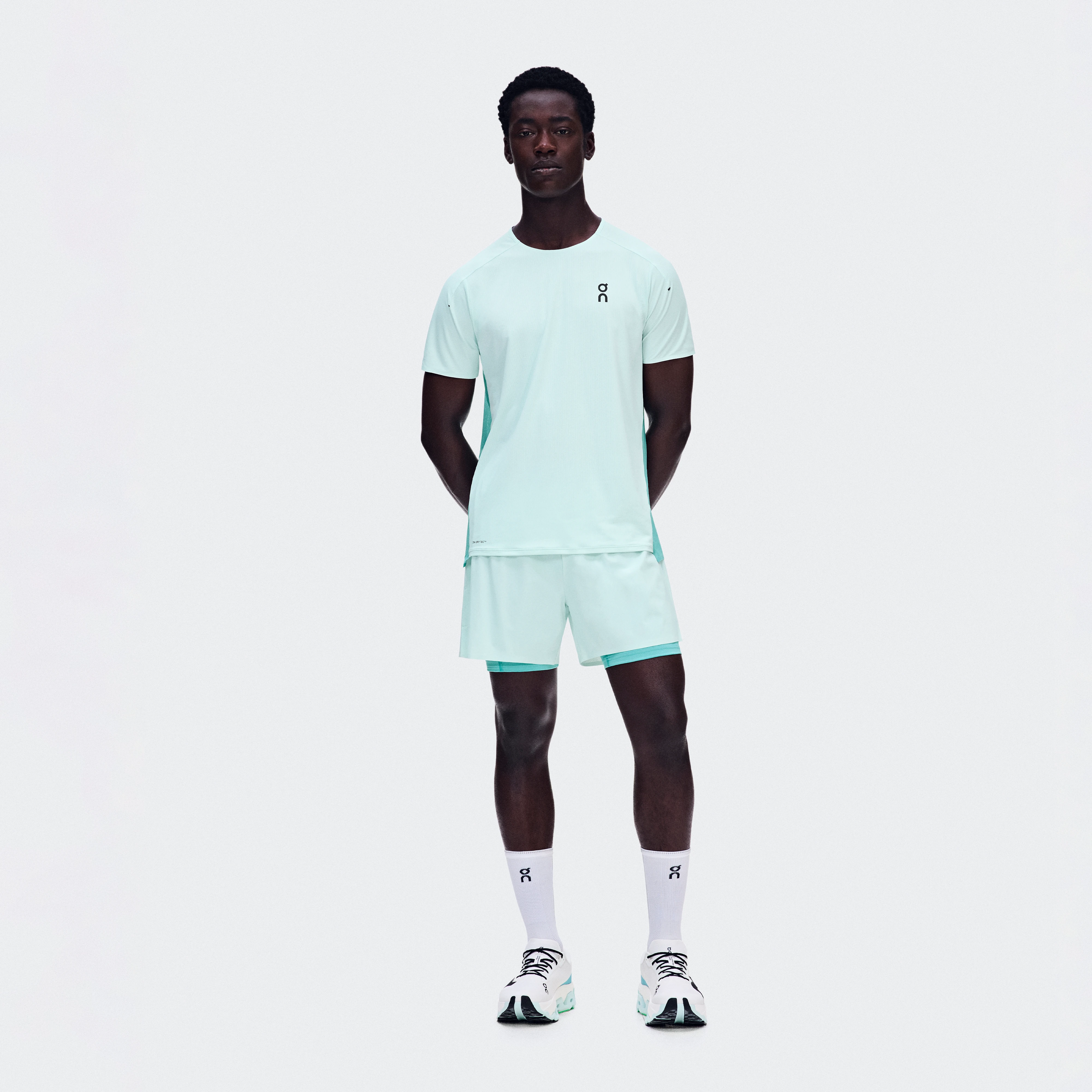
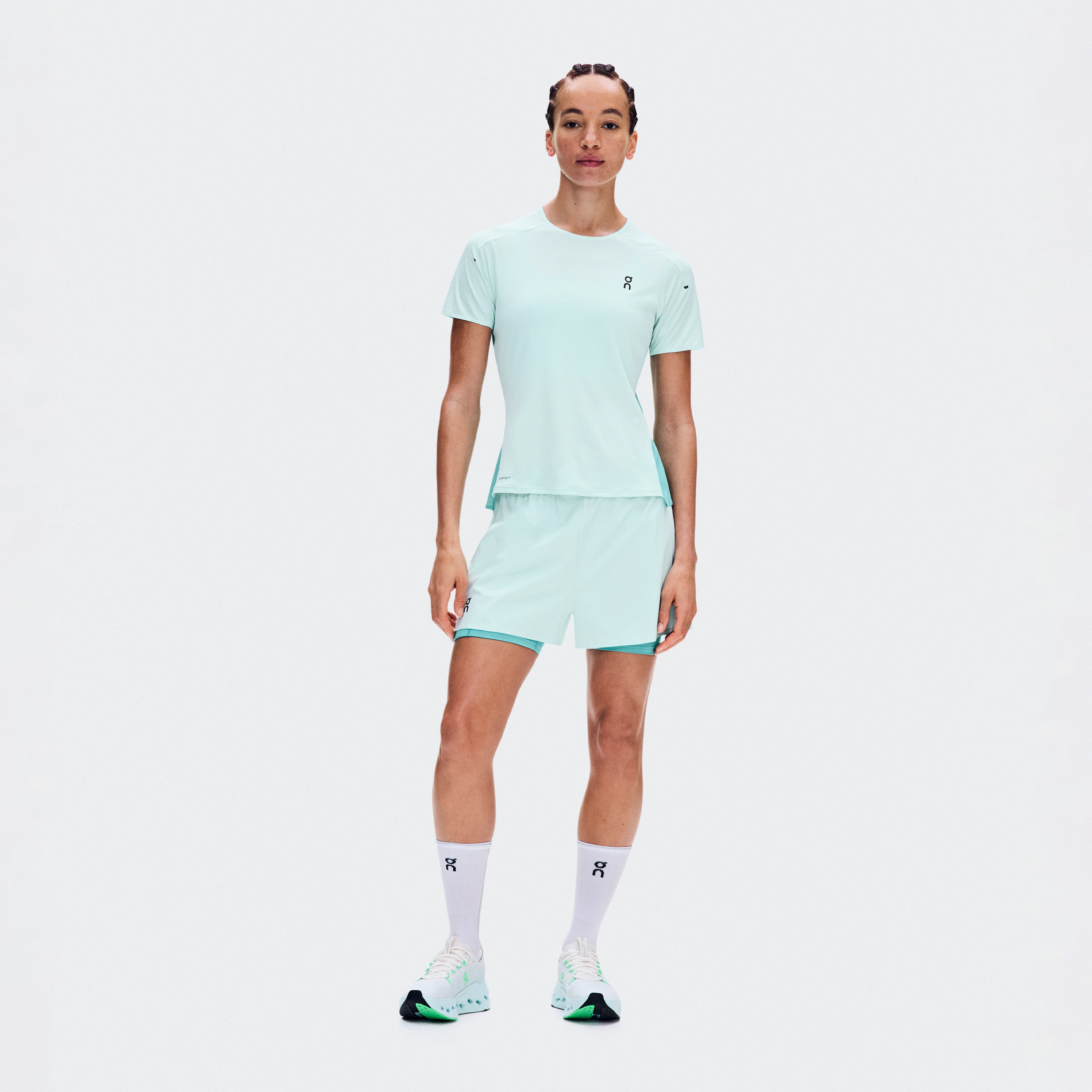
Lightweight fabrics that wick sweat and allow airflow will do most of the work. Maximilian Eichorn, also an On ambassador from Germany, relies on the Performance-T “which dries quickly” and Performance Long-T with On DryTec technology that “provides sun protection” but “never feels heavy while running.”
If your kit holds heat or moisture, you’ll feel it fast. “Heavy materials quickly become soaked, stick to my body, and start feeling uncomfortable because of the extra weight from the sweat,” says Yaa, who stays away from thick materials when it’s hot out.

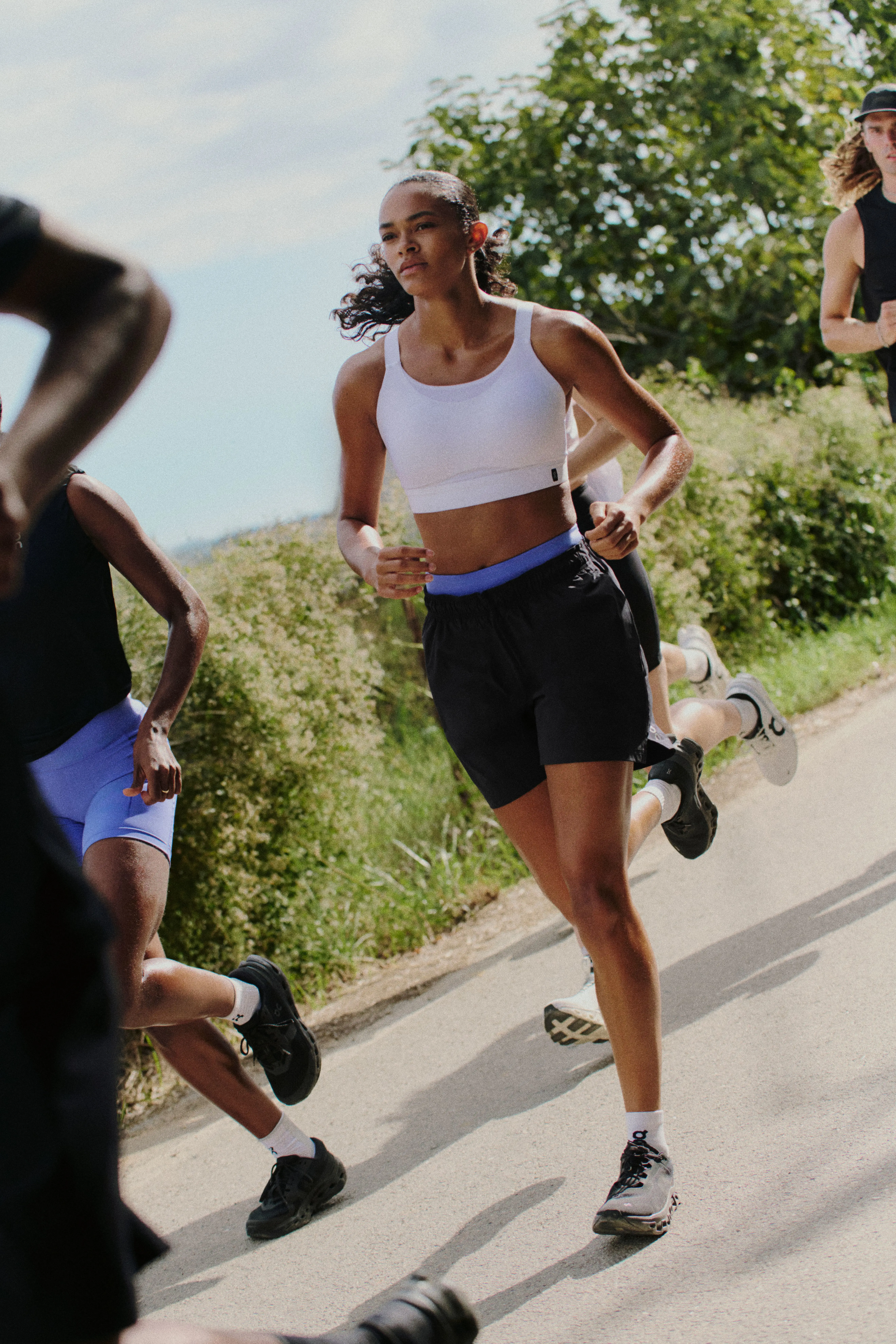
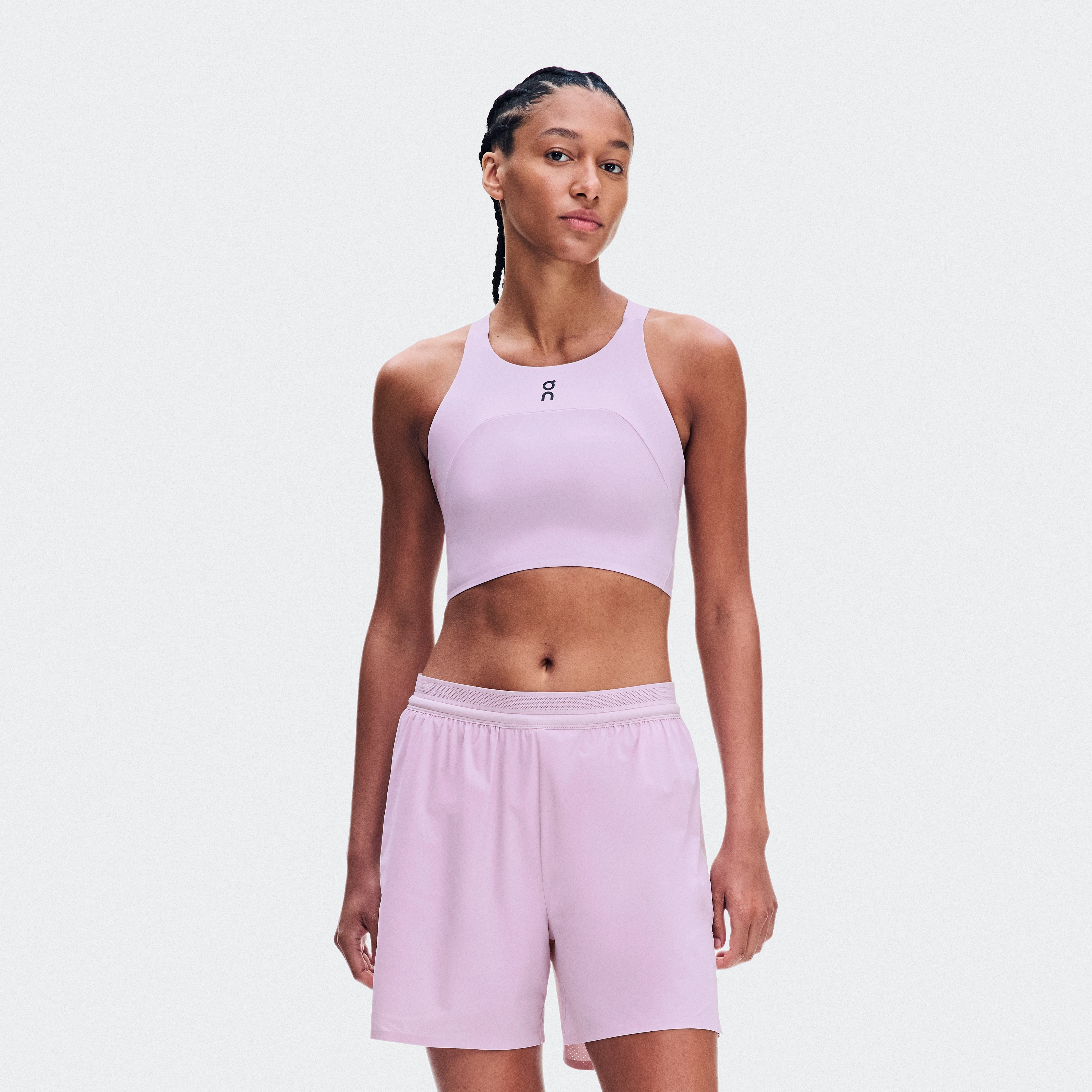
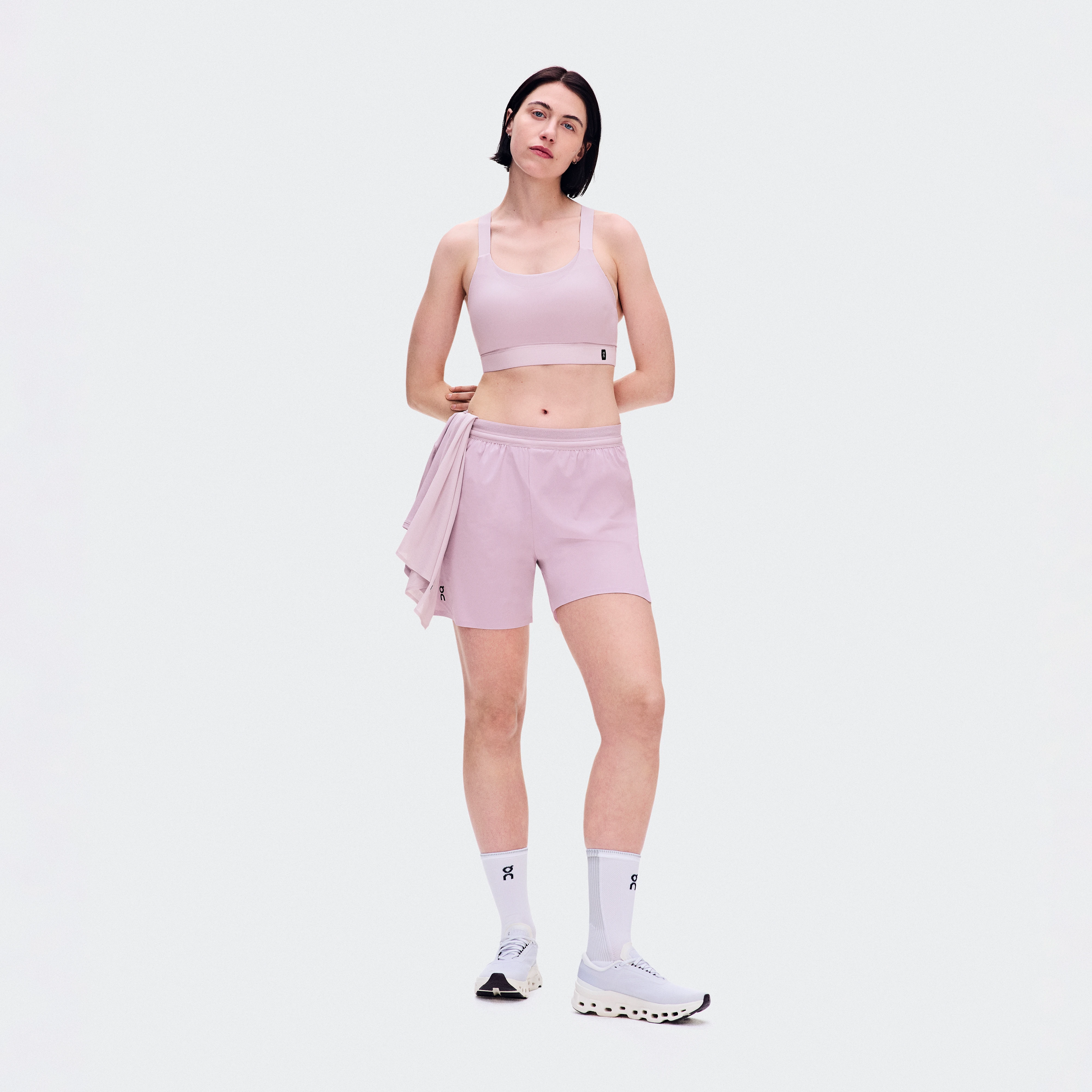
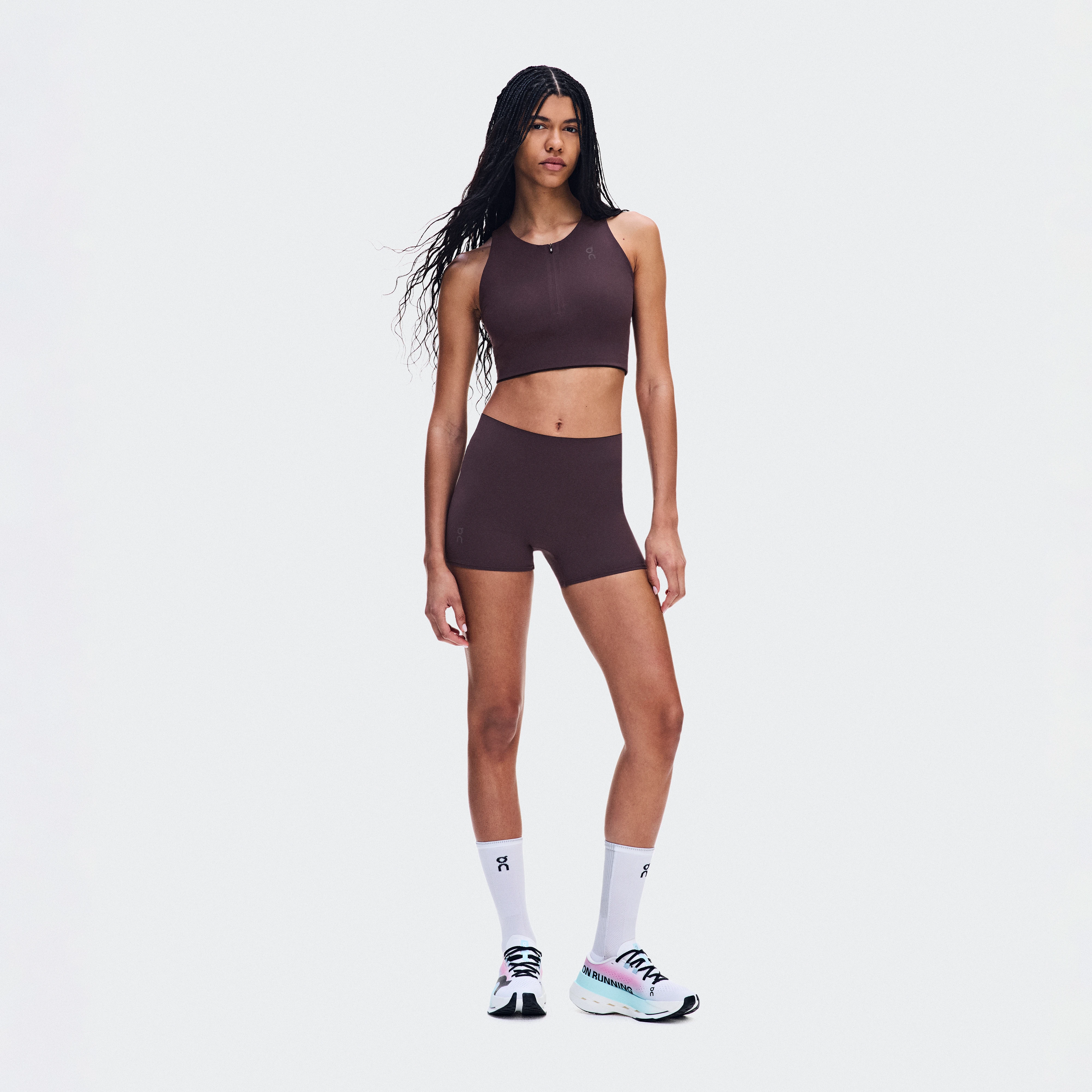
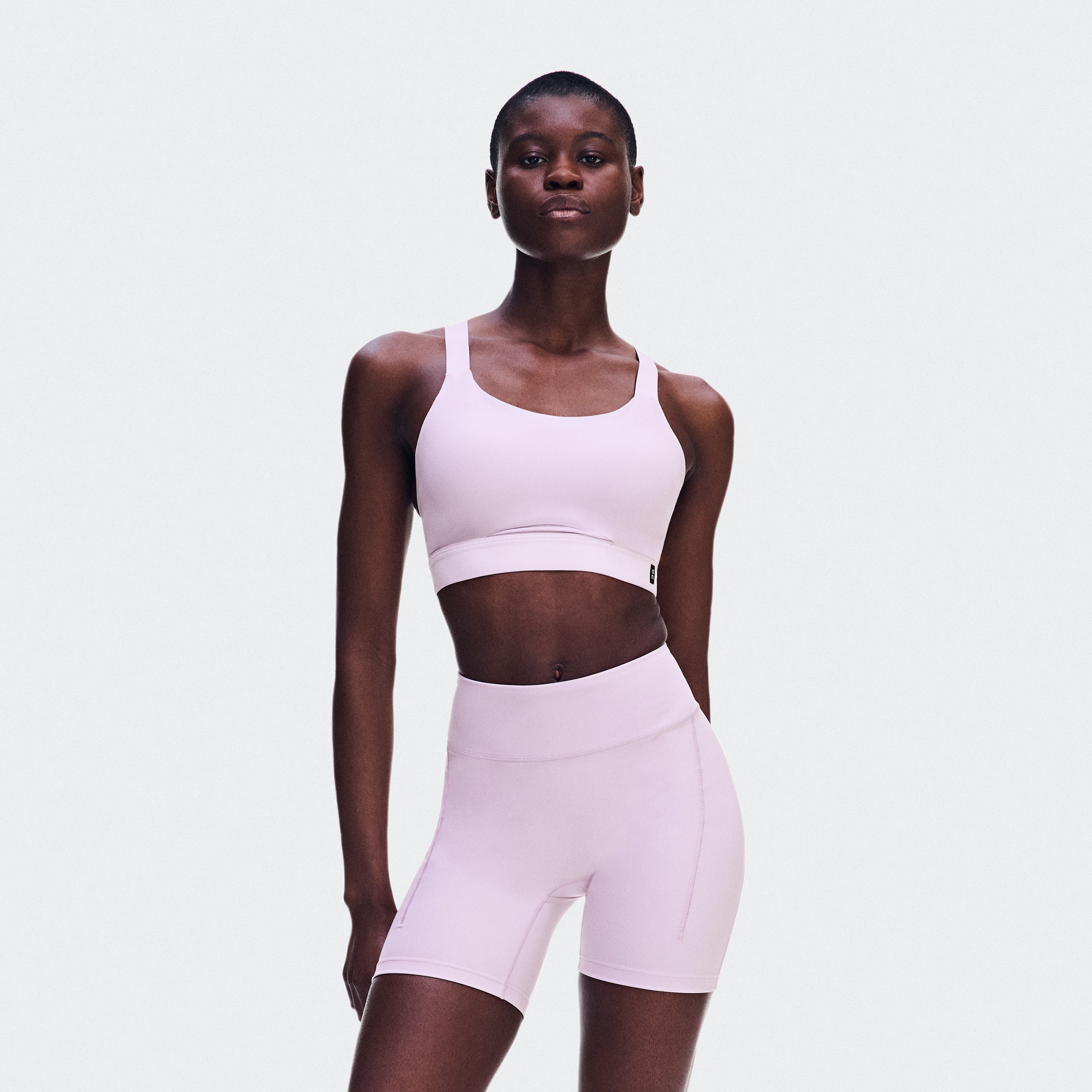
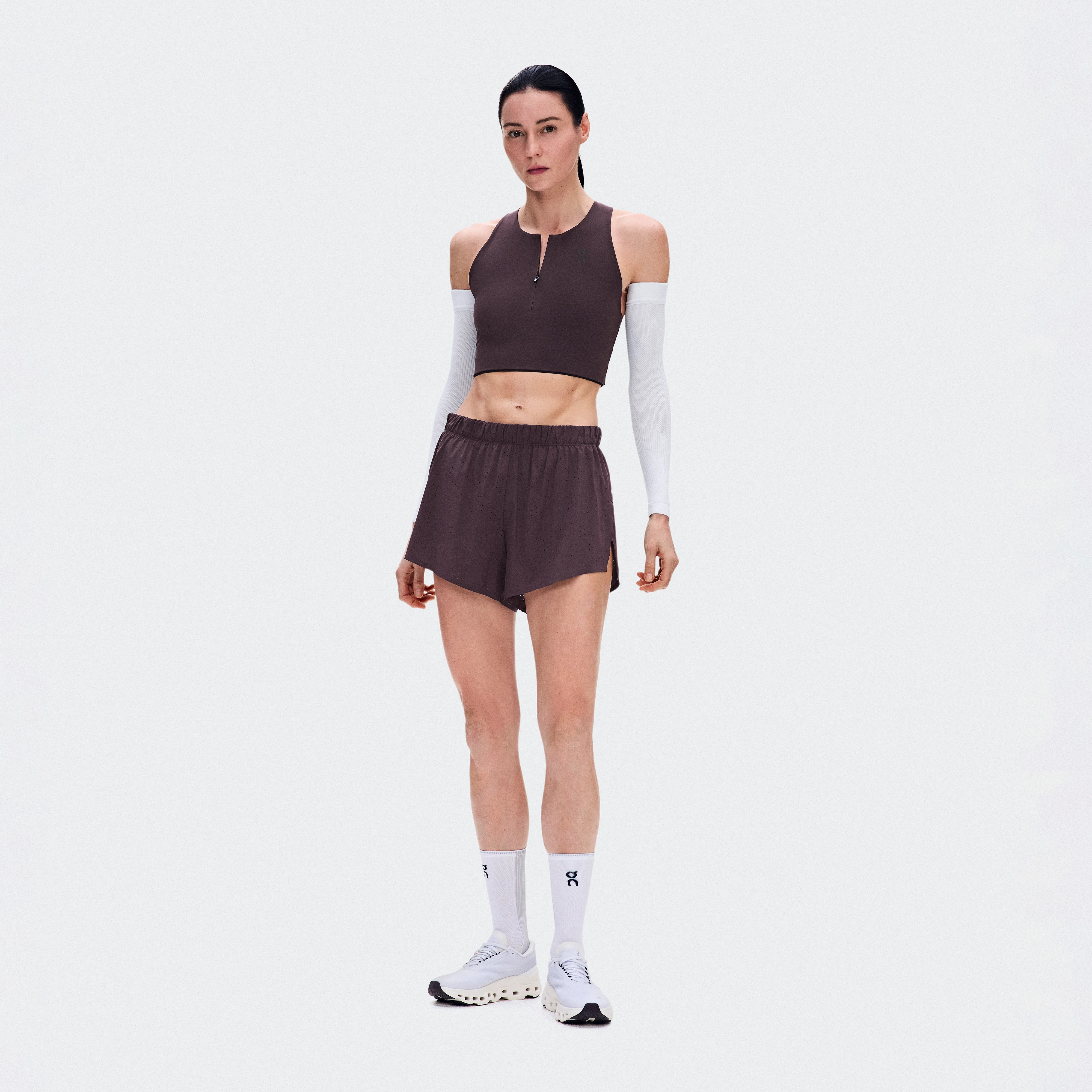
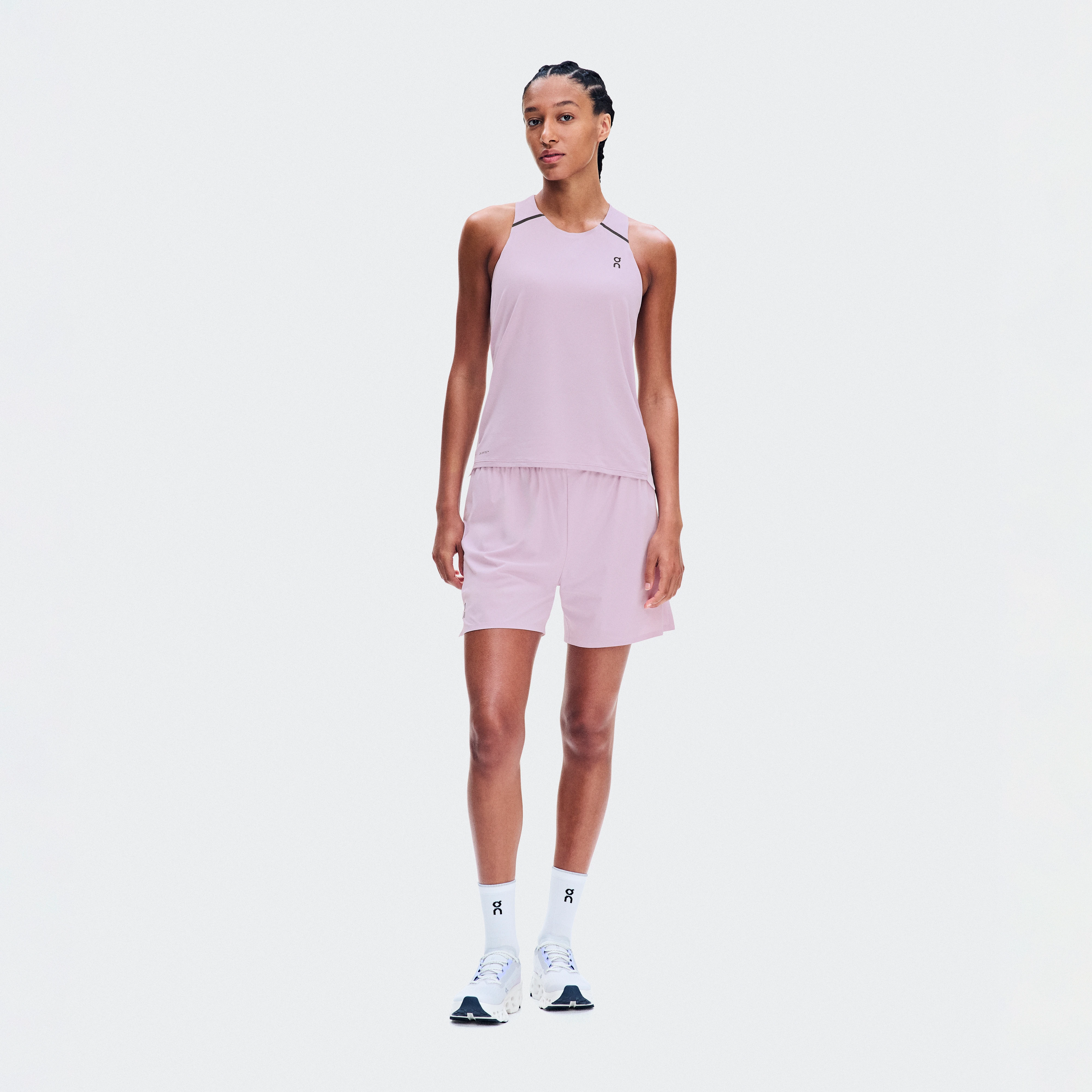
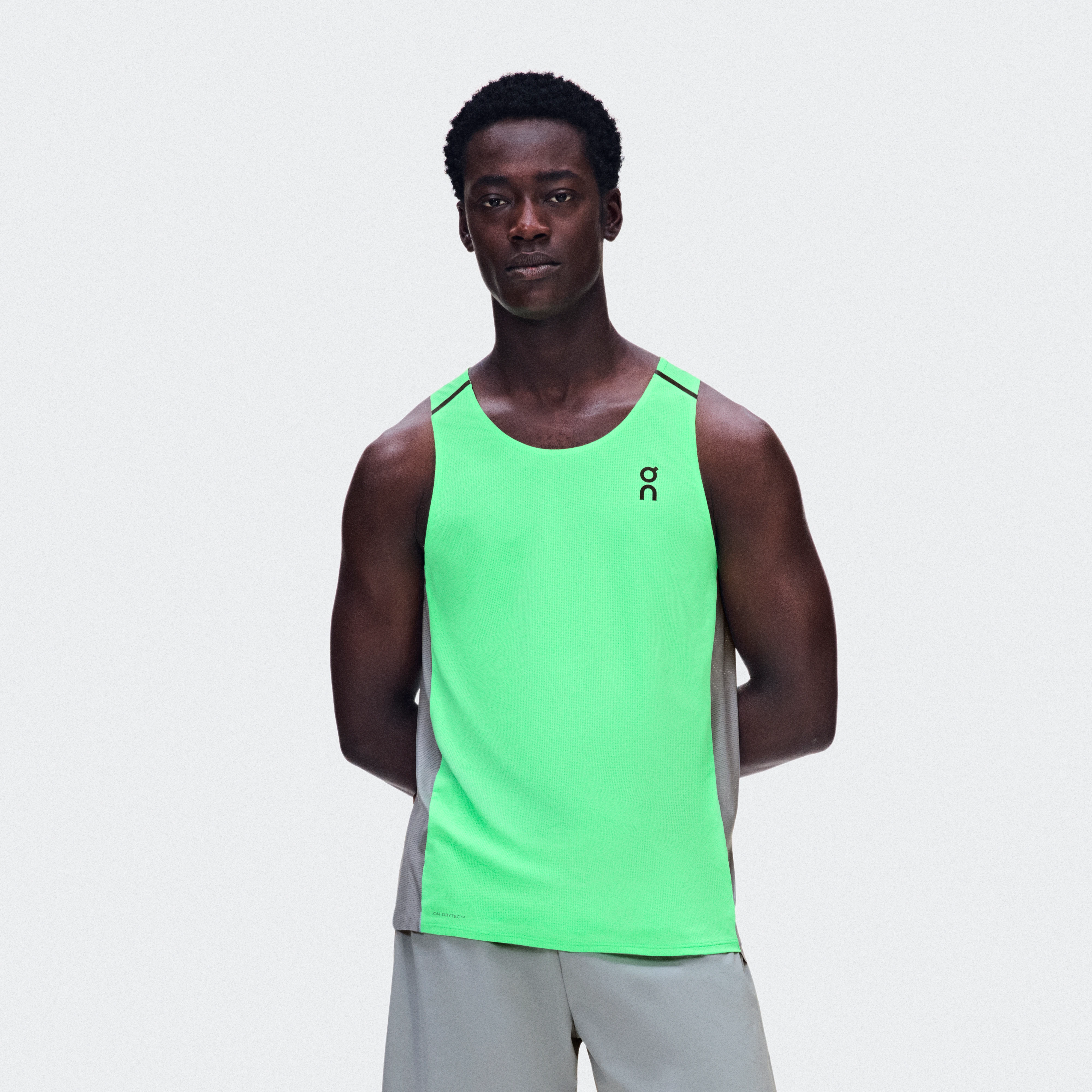
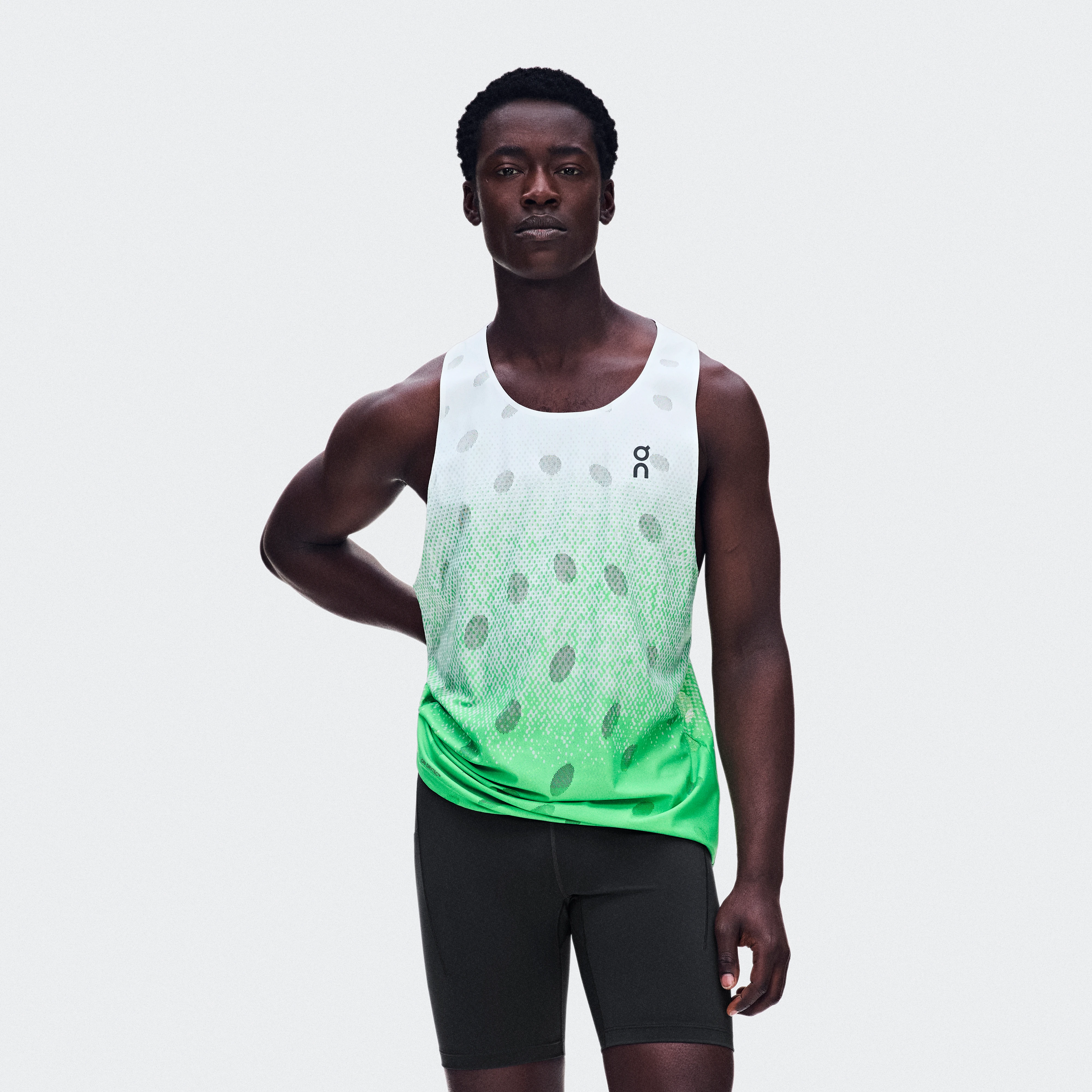
Lightweight tops and shorts
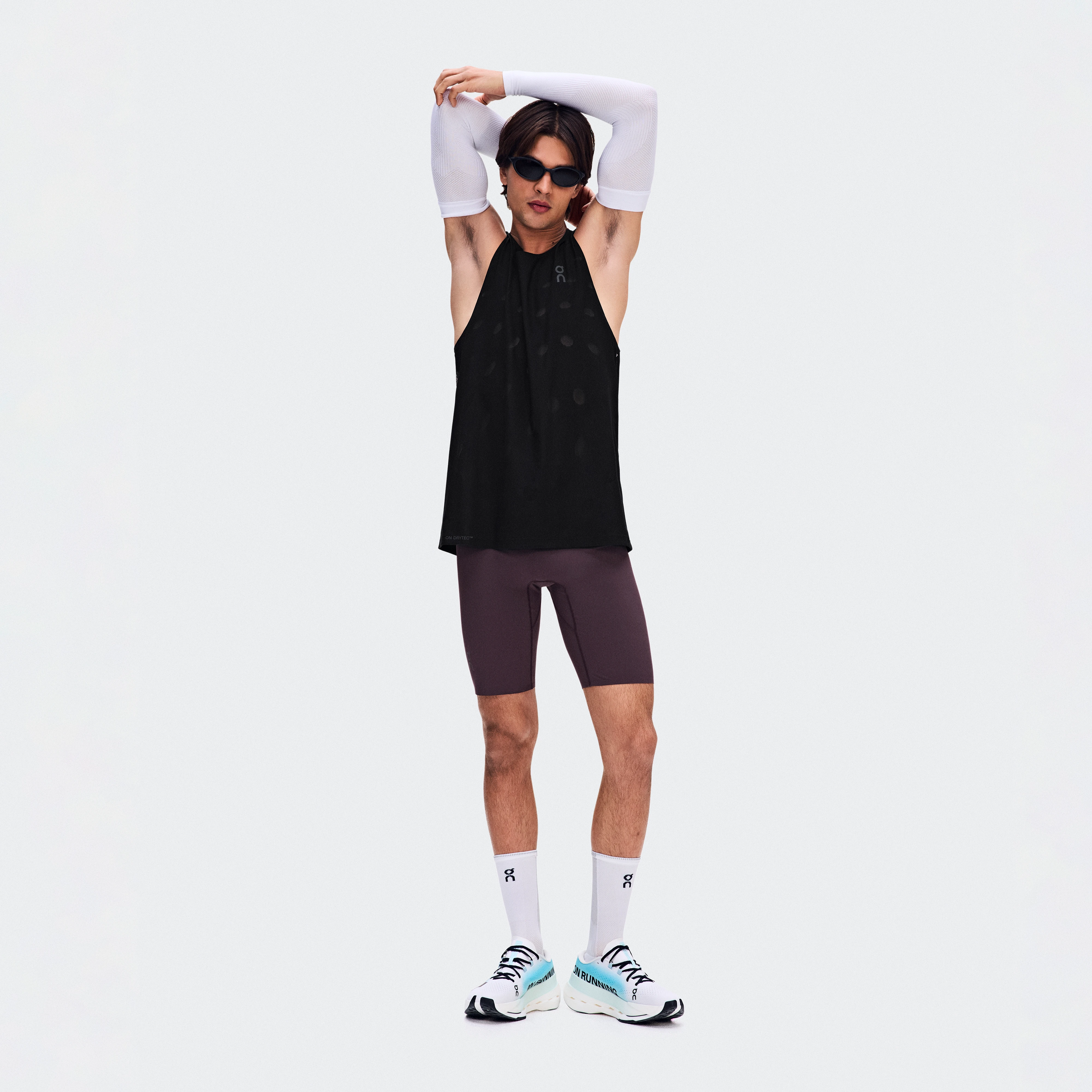
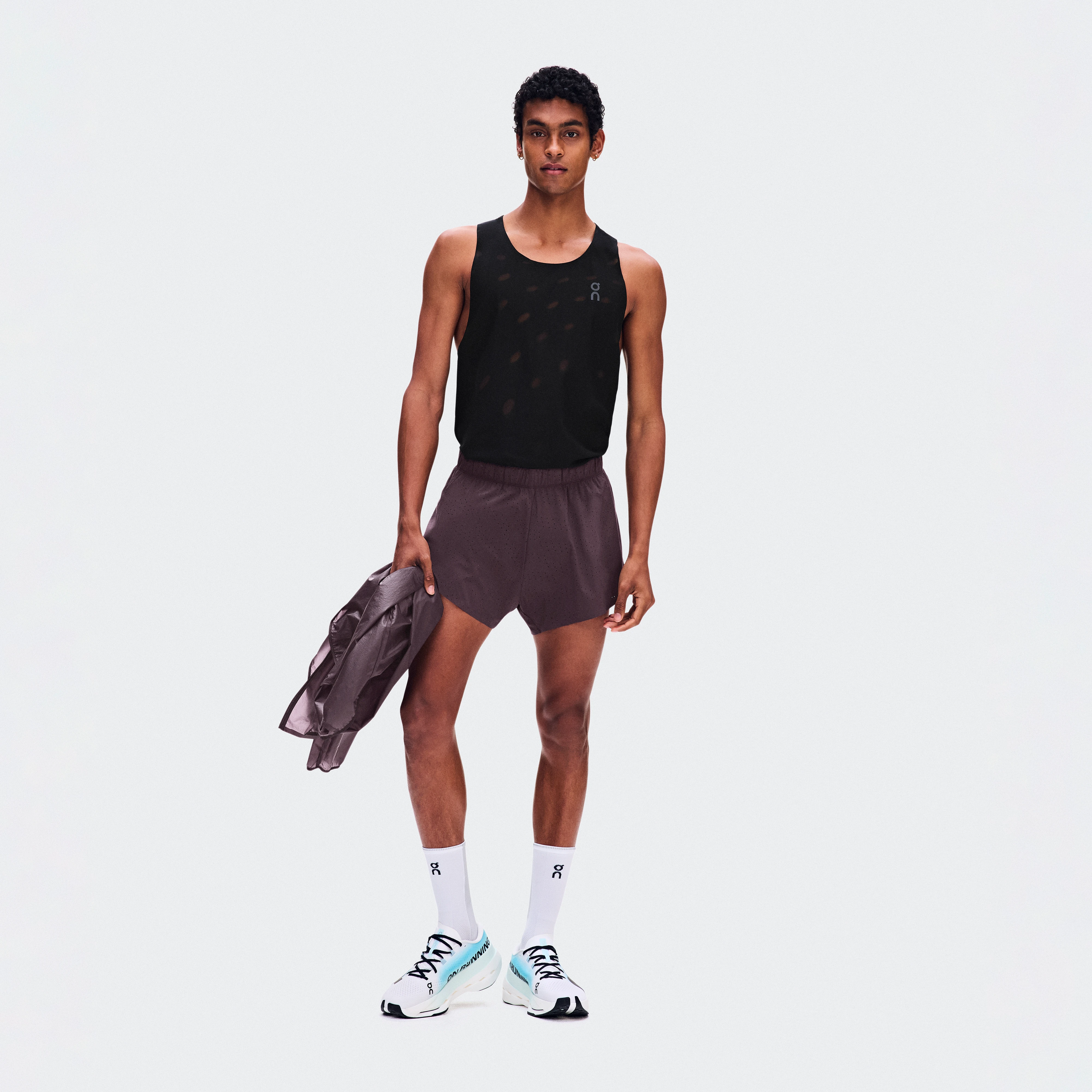
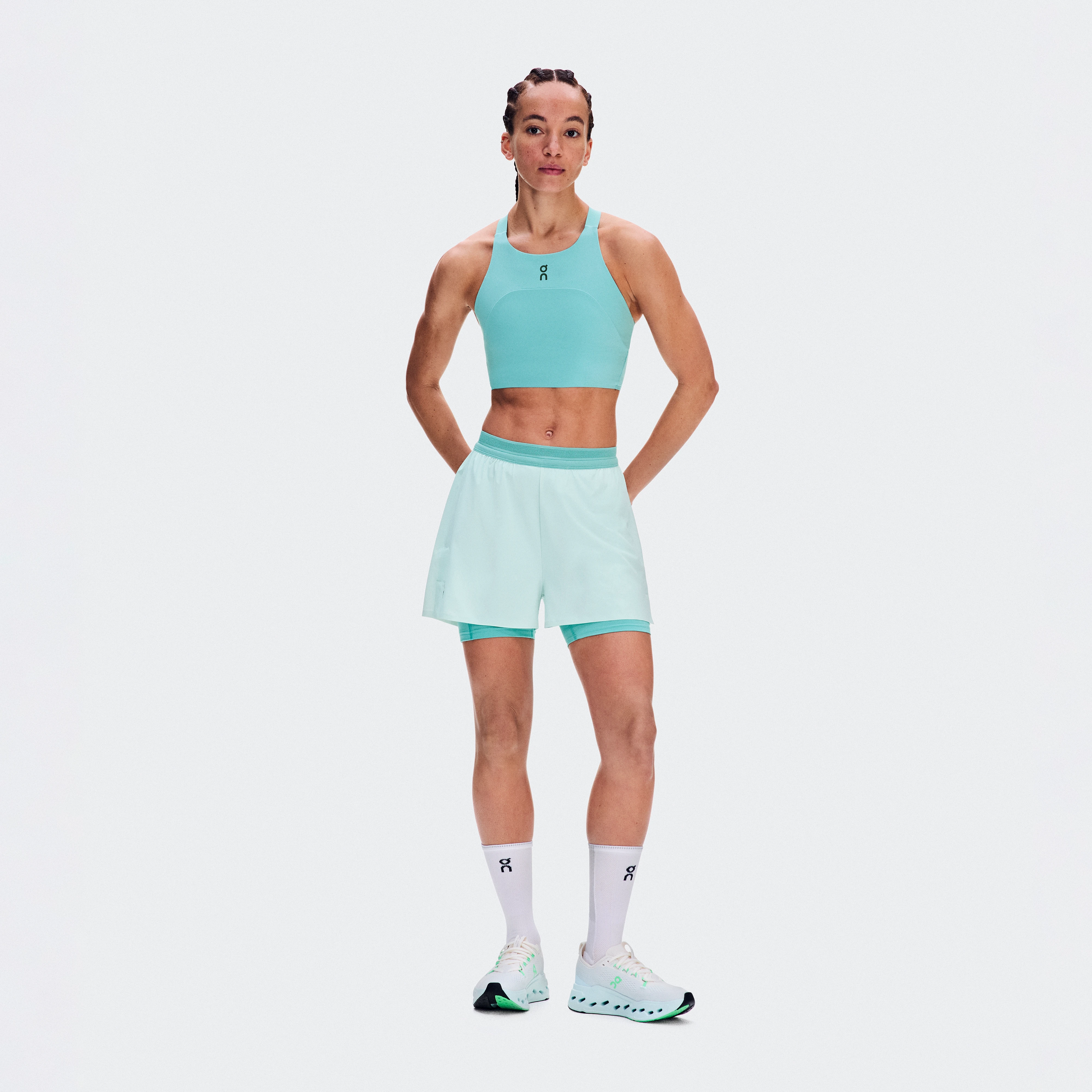
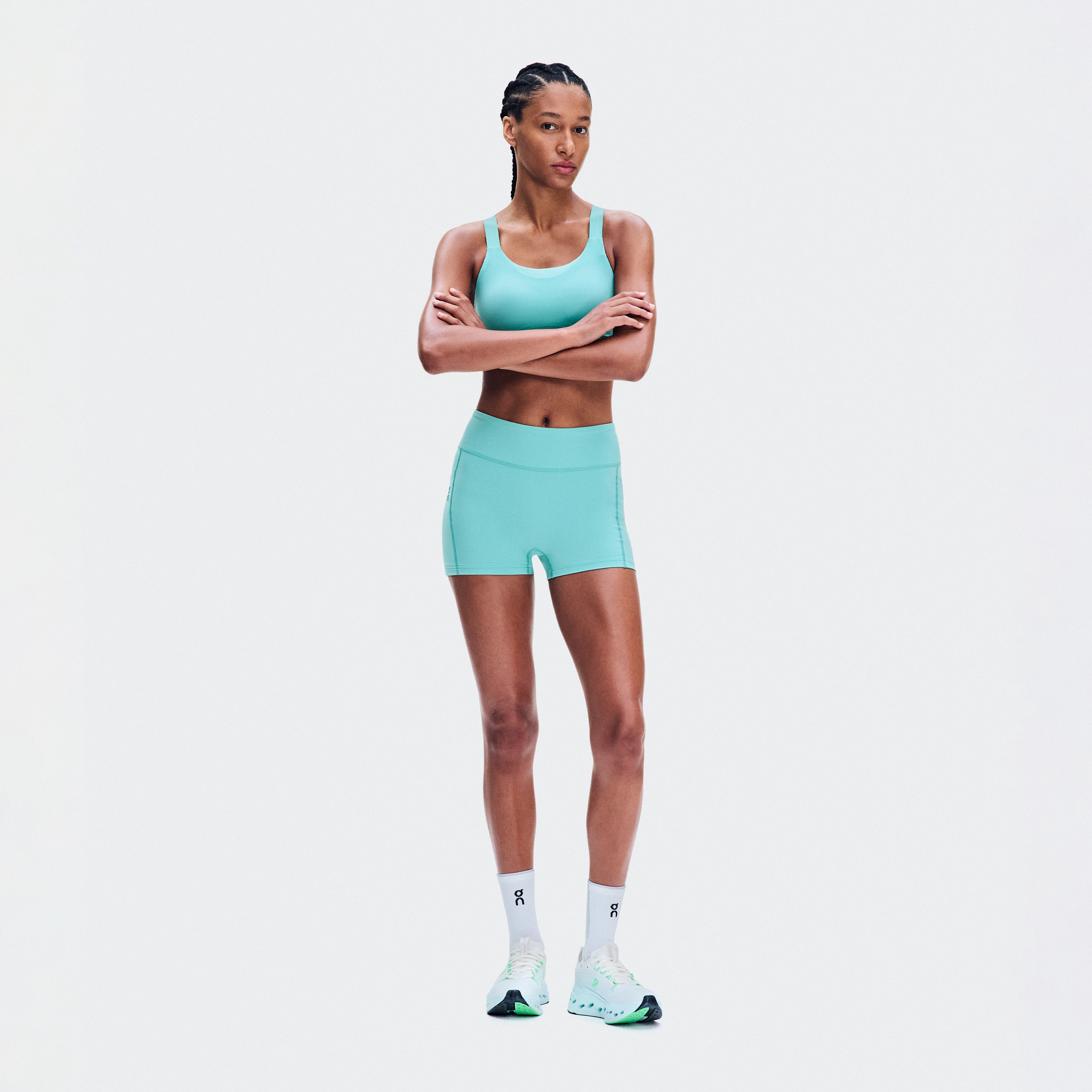
A breathable T-shirt or singlet, like the Zero Singlet, paired with shorts or half-tights, is usually enough. Look for fabrics that dry quickly and don’t cling as you sweat. Cuts that allow airflow – like open backs or split hems – help regulate temperature without adding bulk. The right kit should feel barely there.
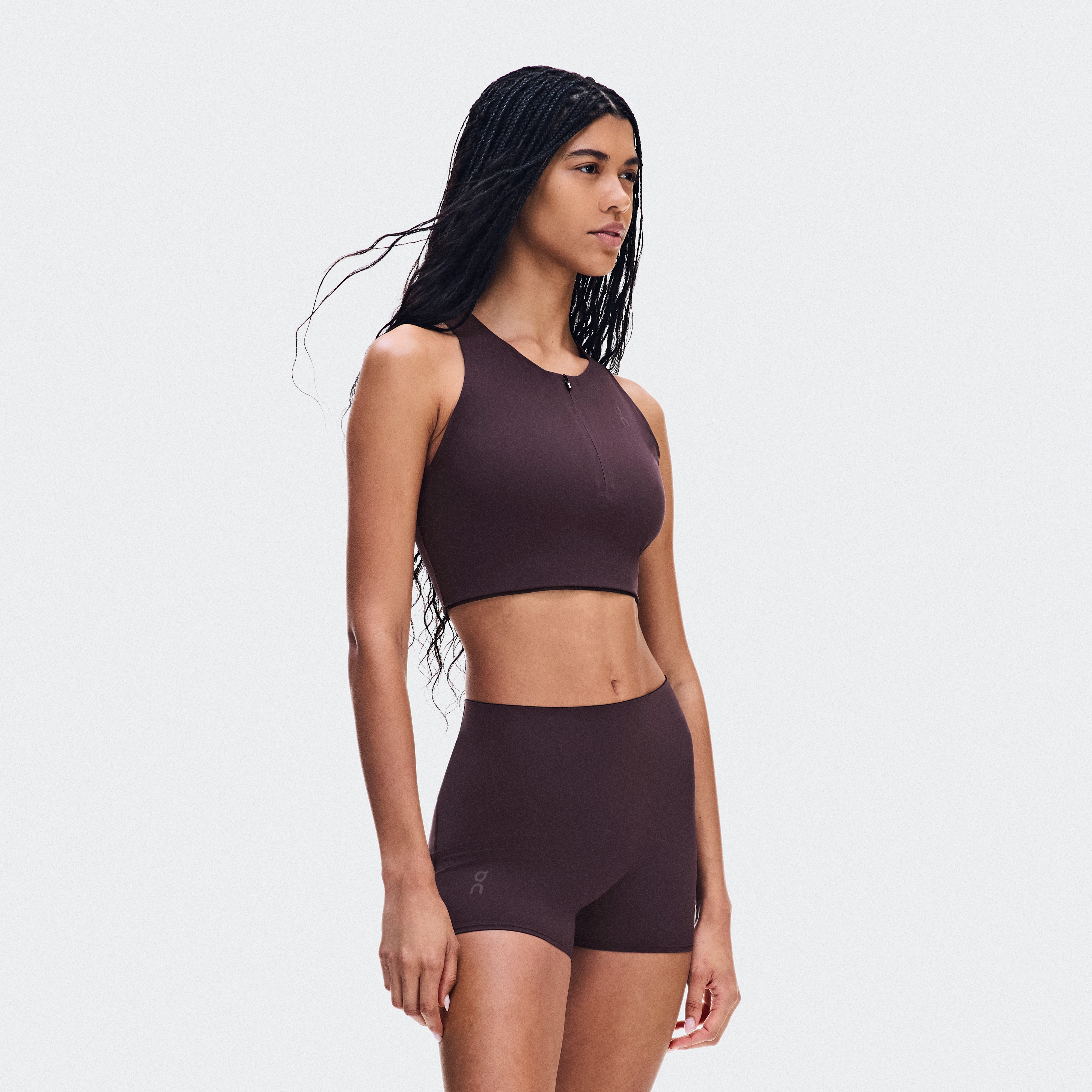


Sun protection and accessories
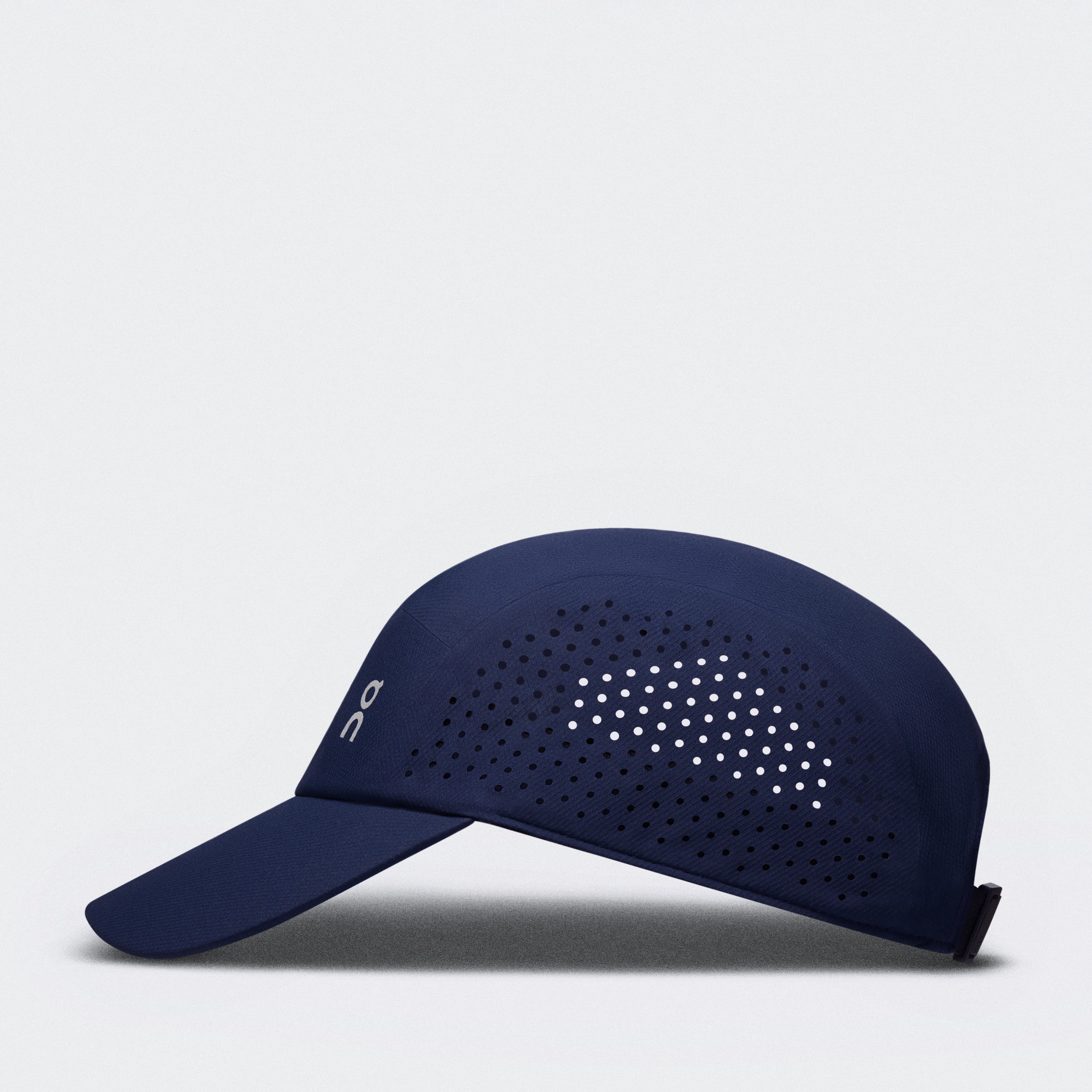
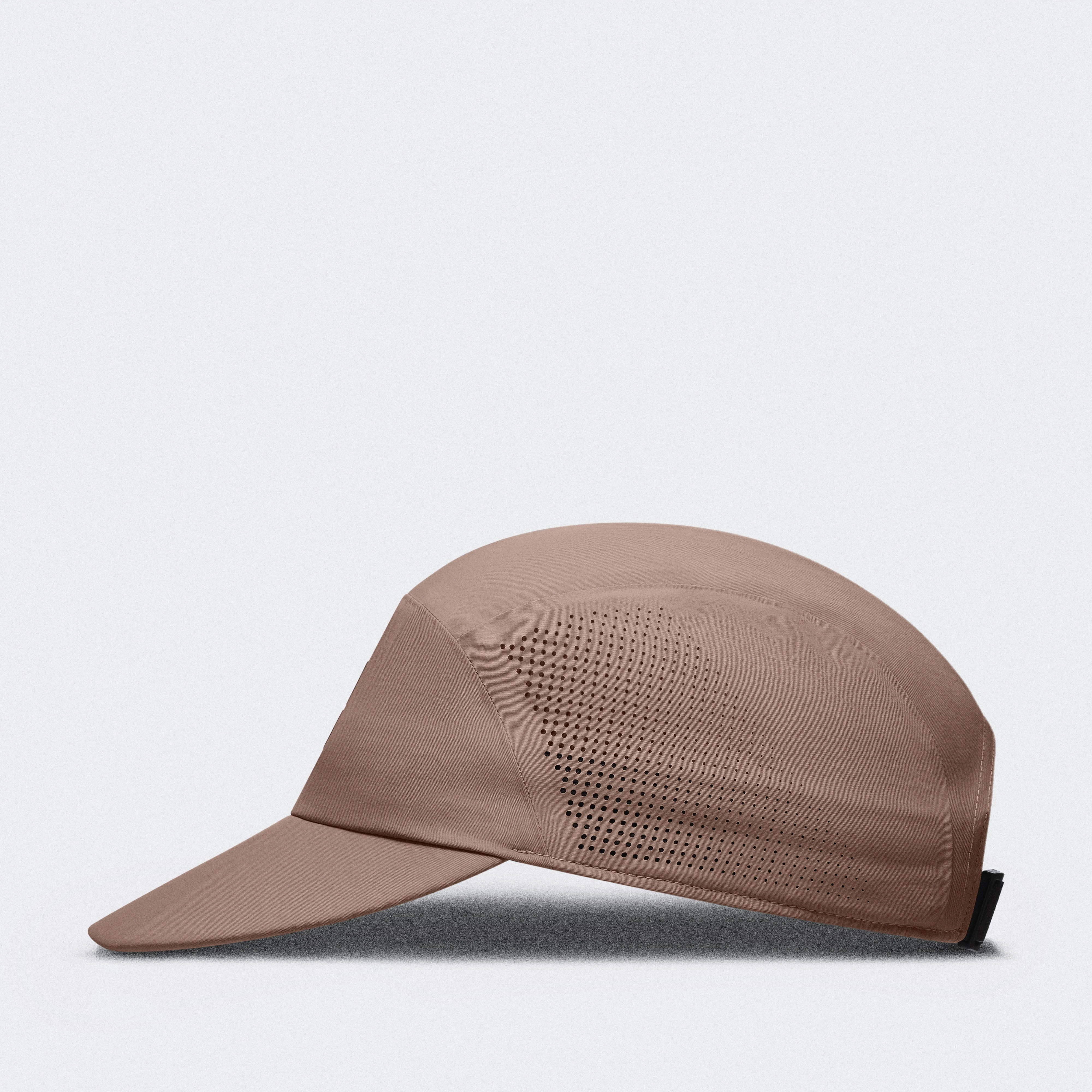
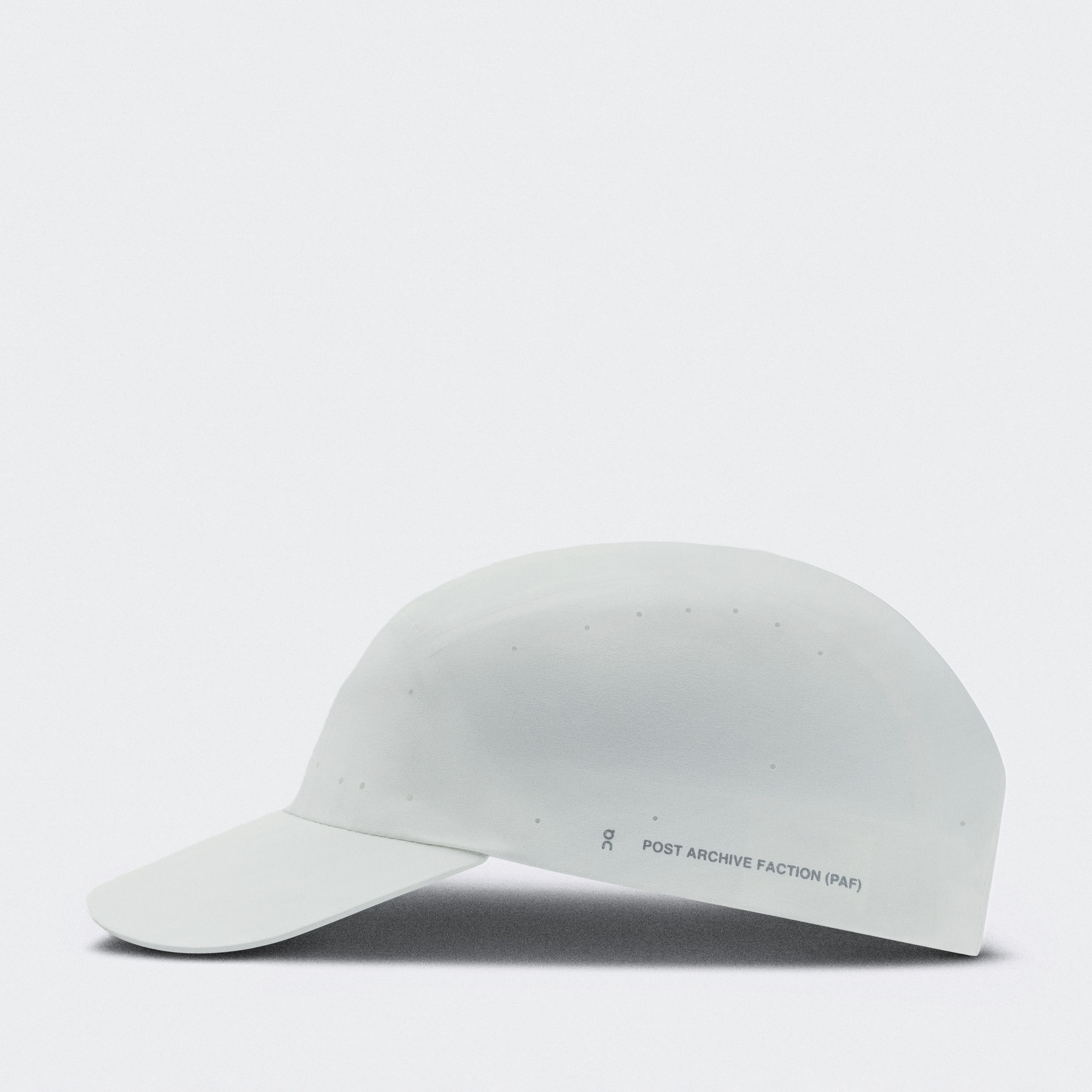
In direct sunlight, small details make a difference. Eichhorn relies on his Performance Cap with the sweatband inside because “it keeps sweat from running into my eyes, so I can fully concentrate on the run.”
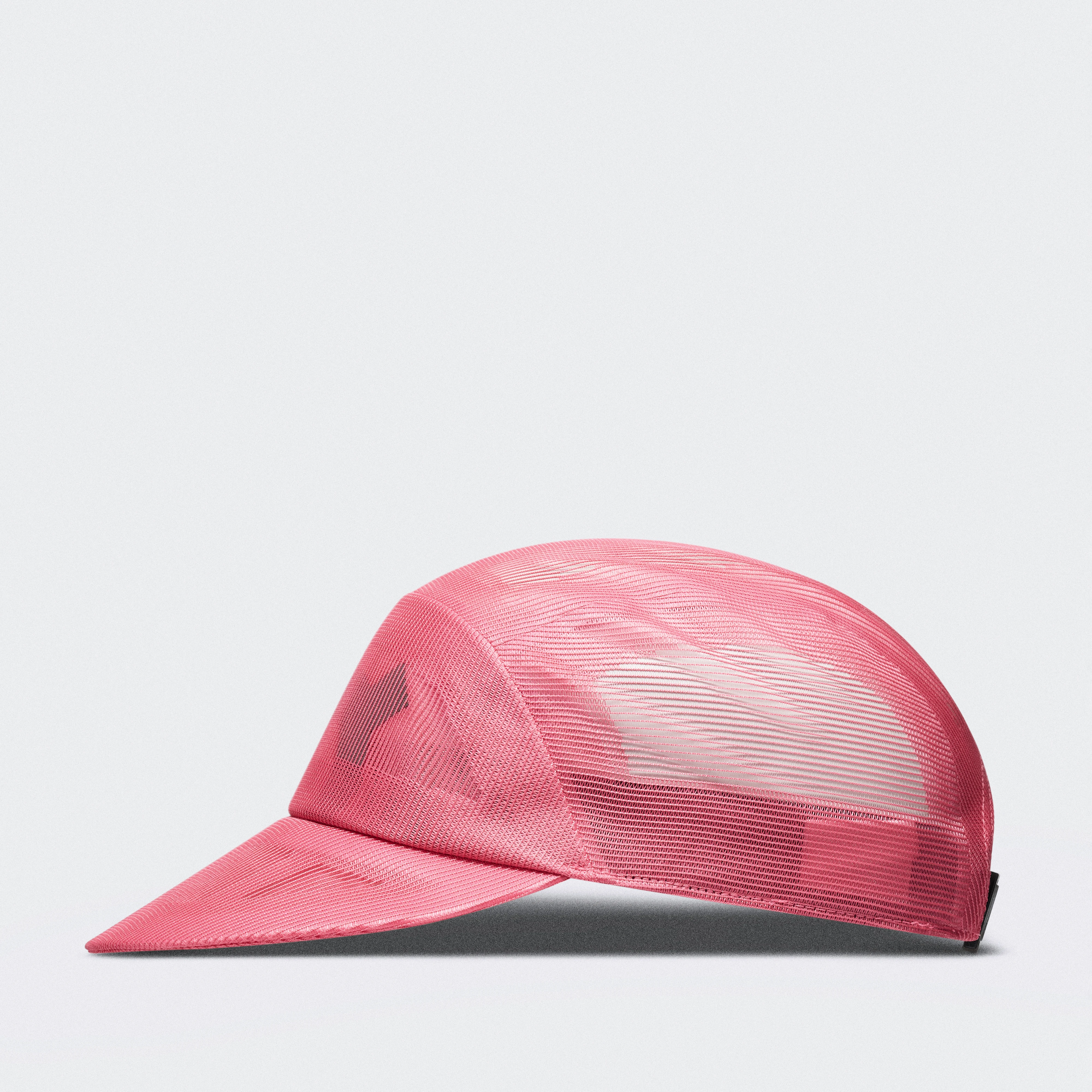
Hat: A lightweight cap keeps glare off your face without trapping heat.
Sunglasses: Reduce strain and help you stay relaxed in bright conditions.
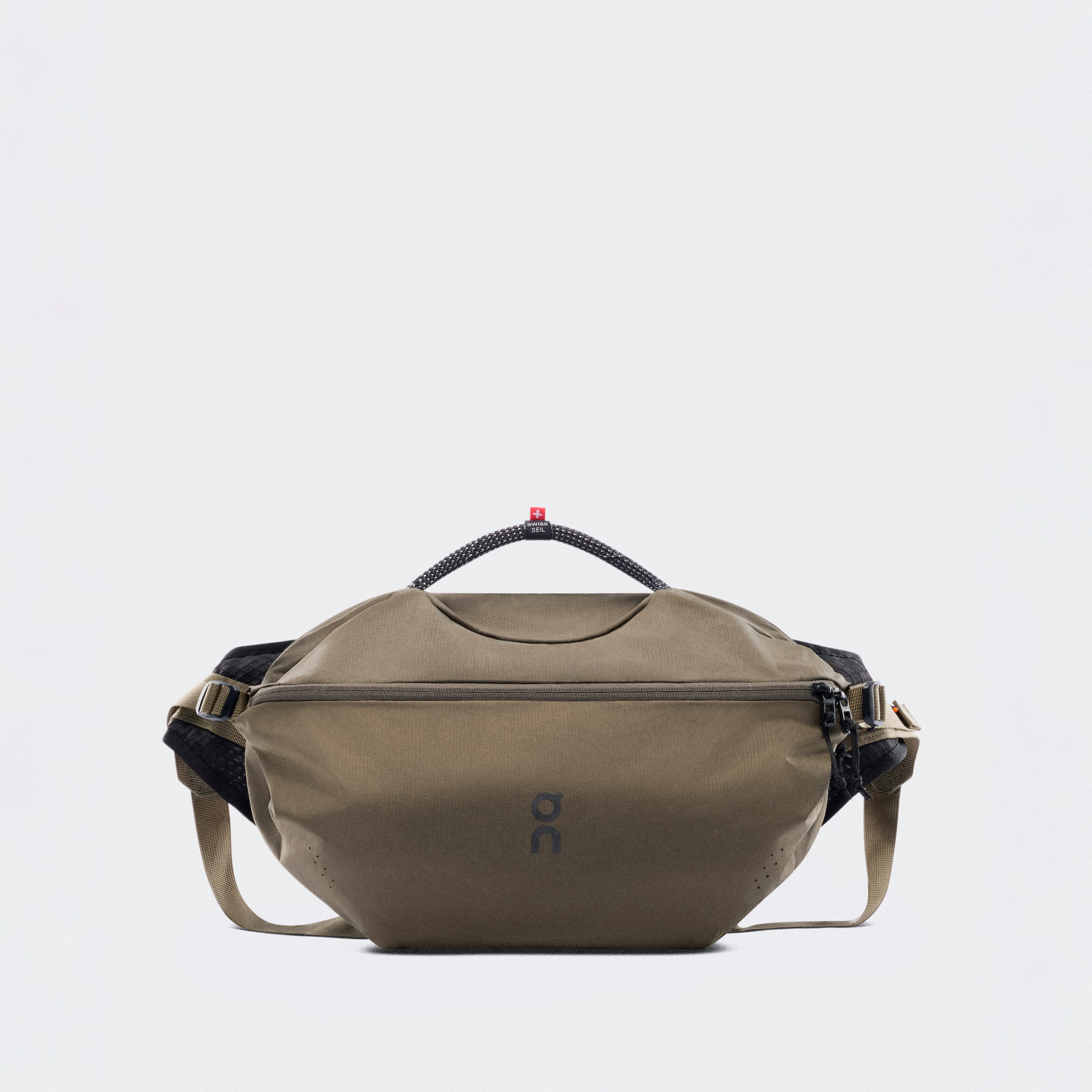
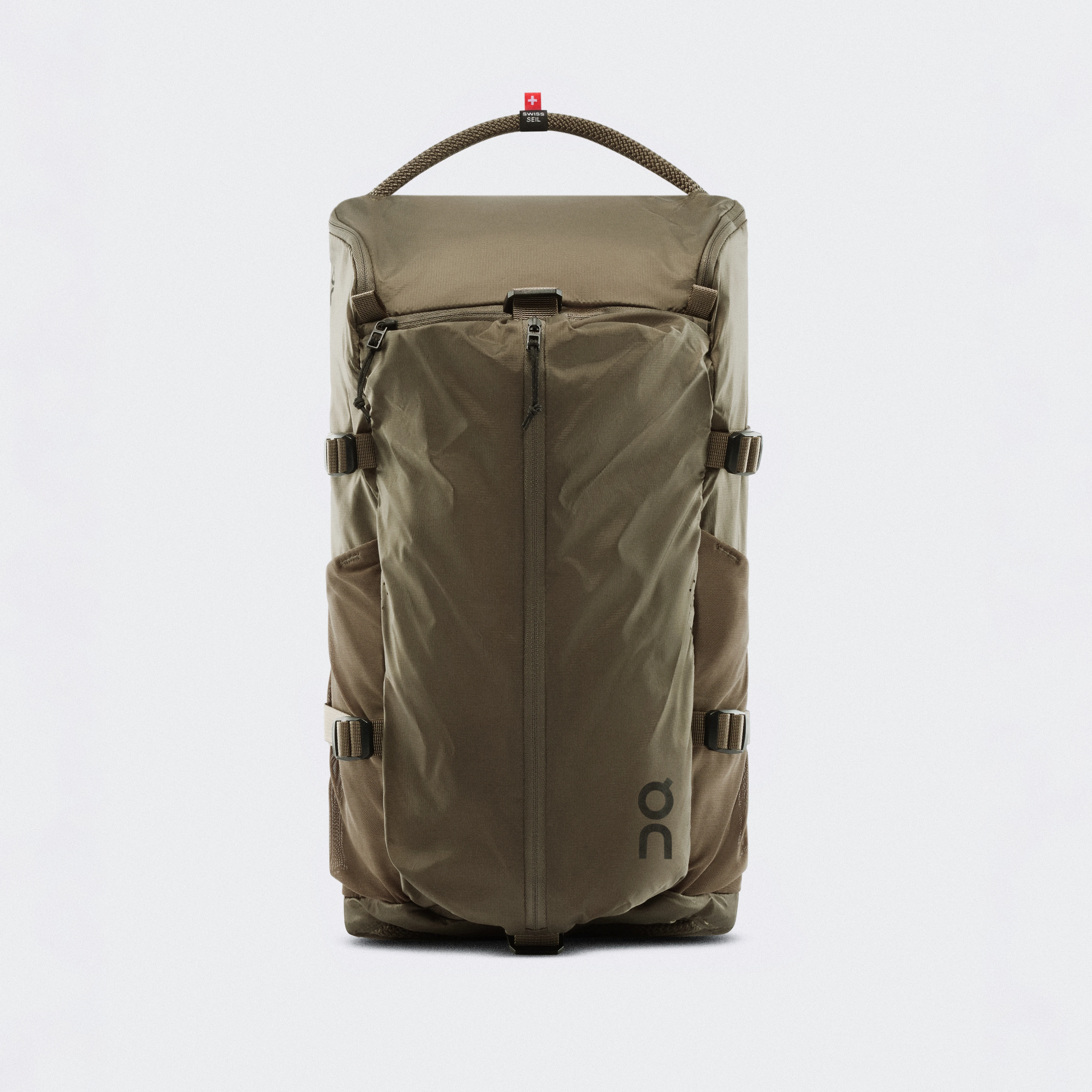
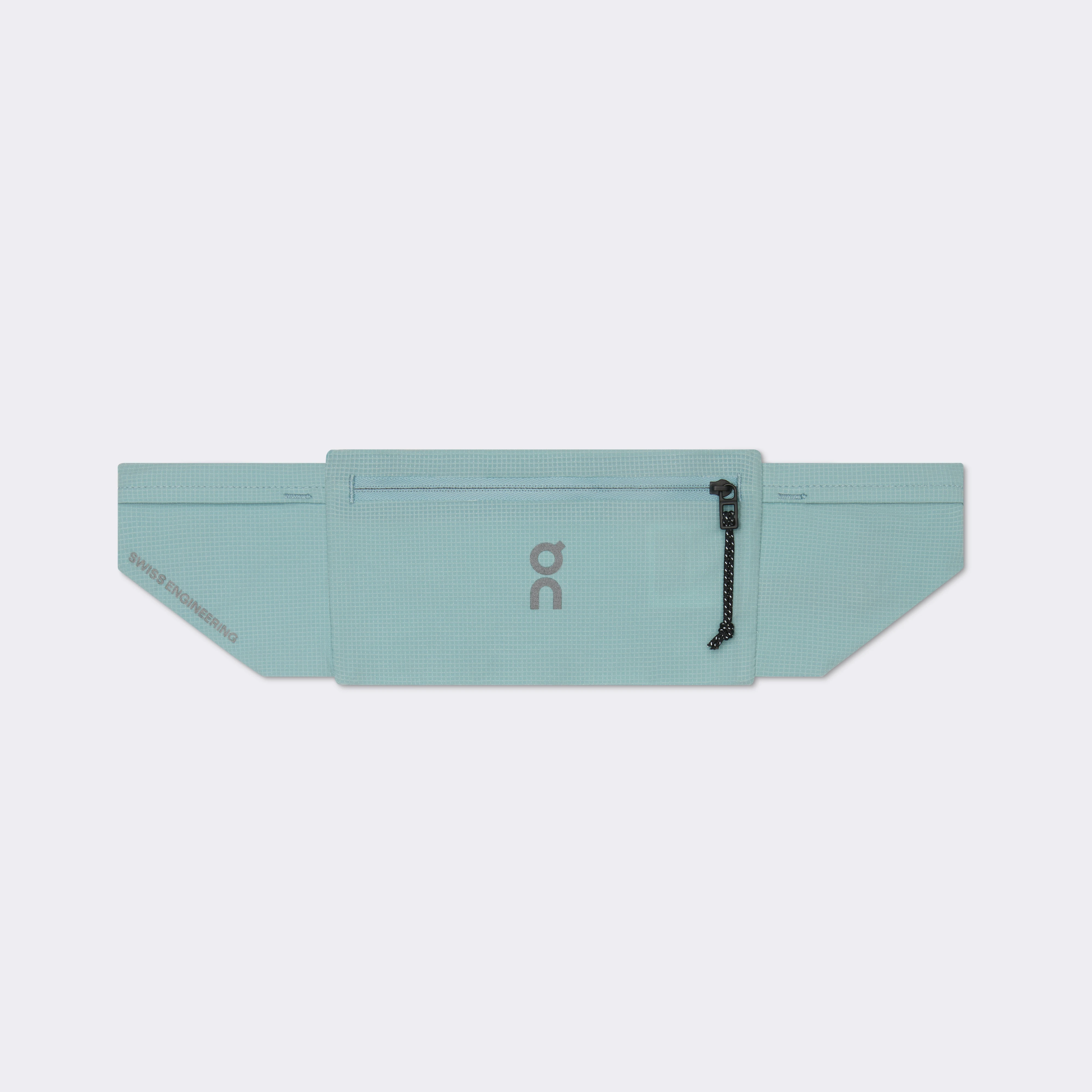
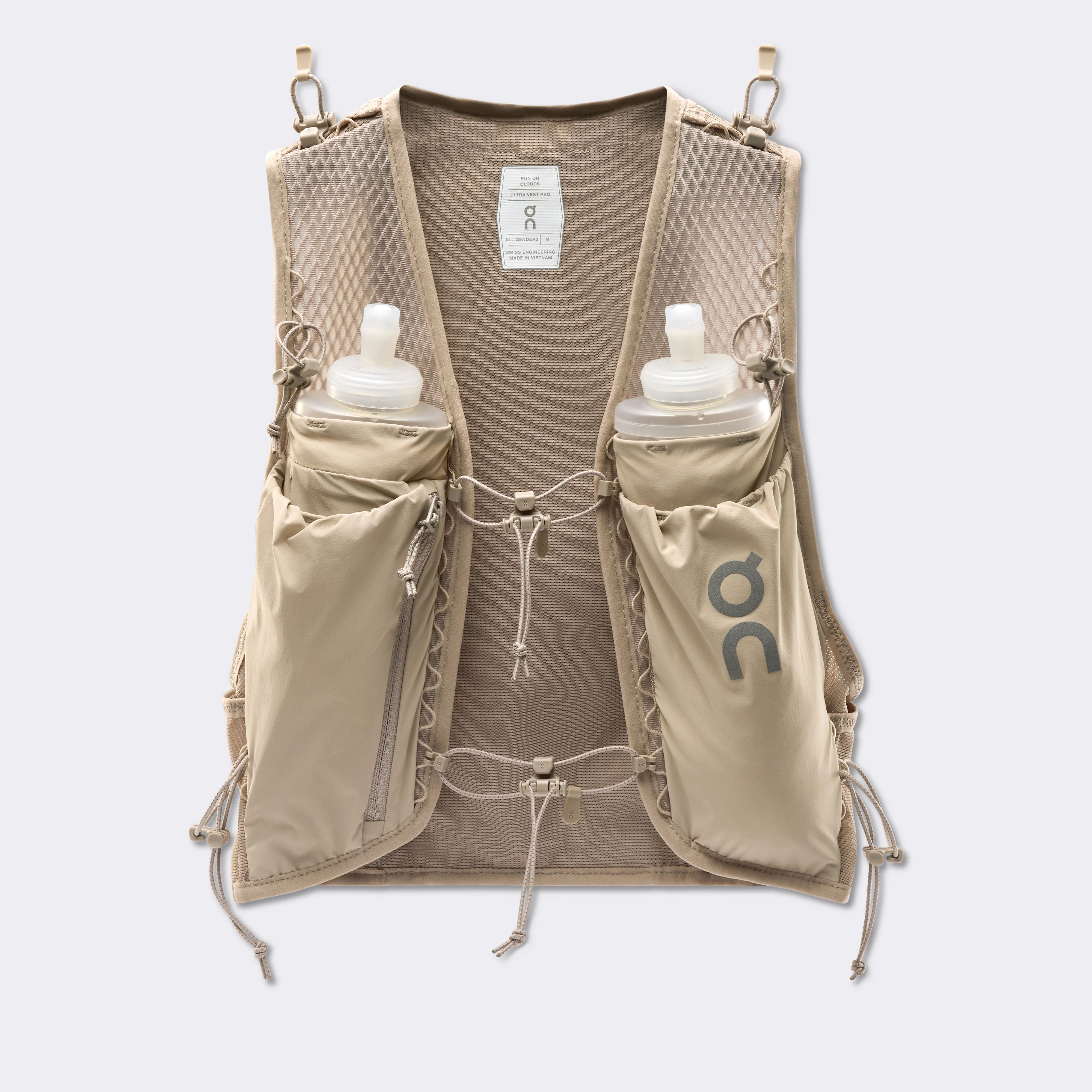
Hydration belt: For longer or hotter runs, carry water – whether that’s handheld or in a hydration belt so you don’t fall behind on fluids.
What to wear running in mild weather (50–70°F or 10–21°C)
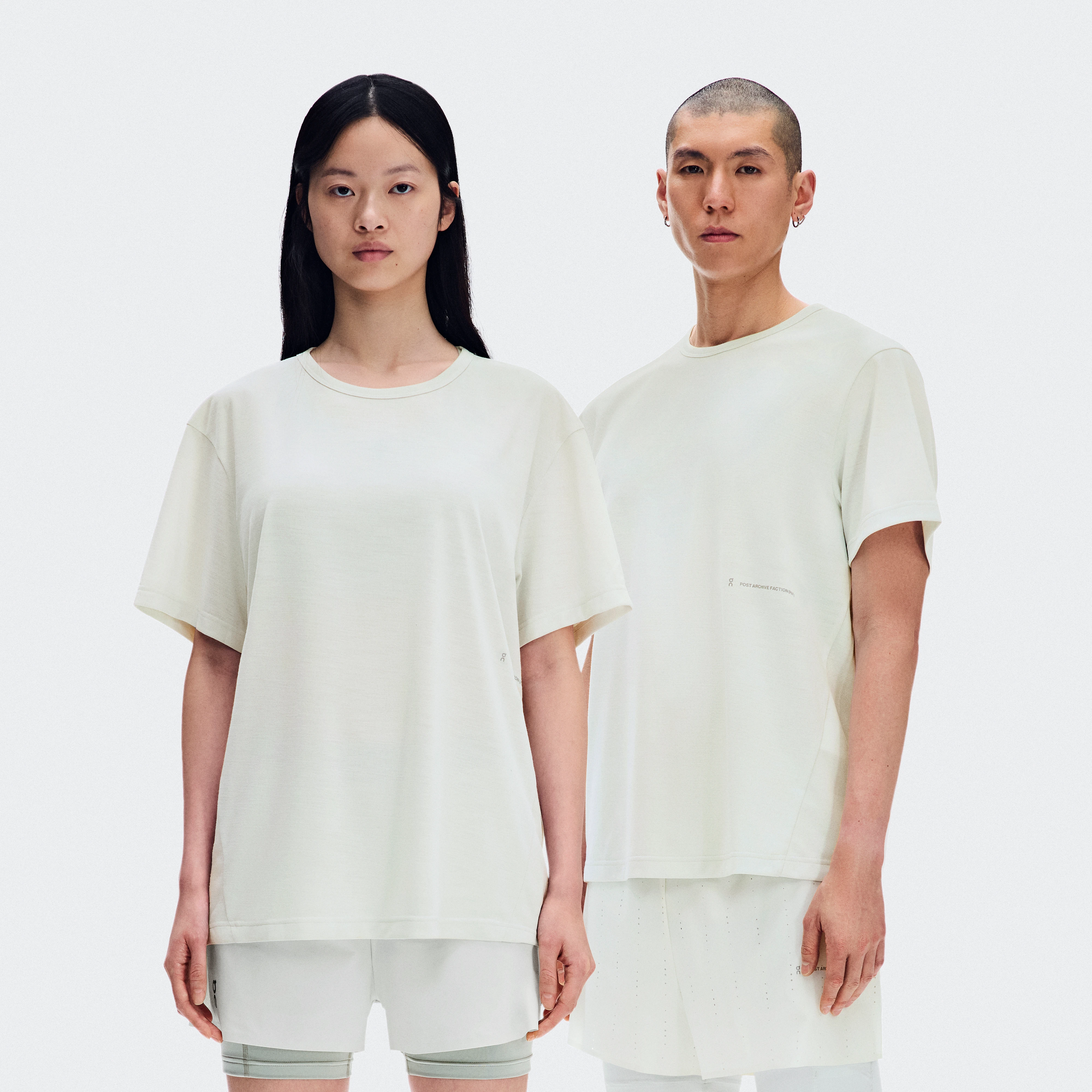
This is where layering starts to matter, but keep it simple. You’ll warm-up quickly, so start light and adjust if needed. Breathable fabrics and a flexible setup will carry you through shifting conditions.

Base layer
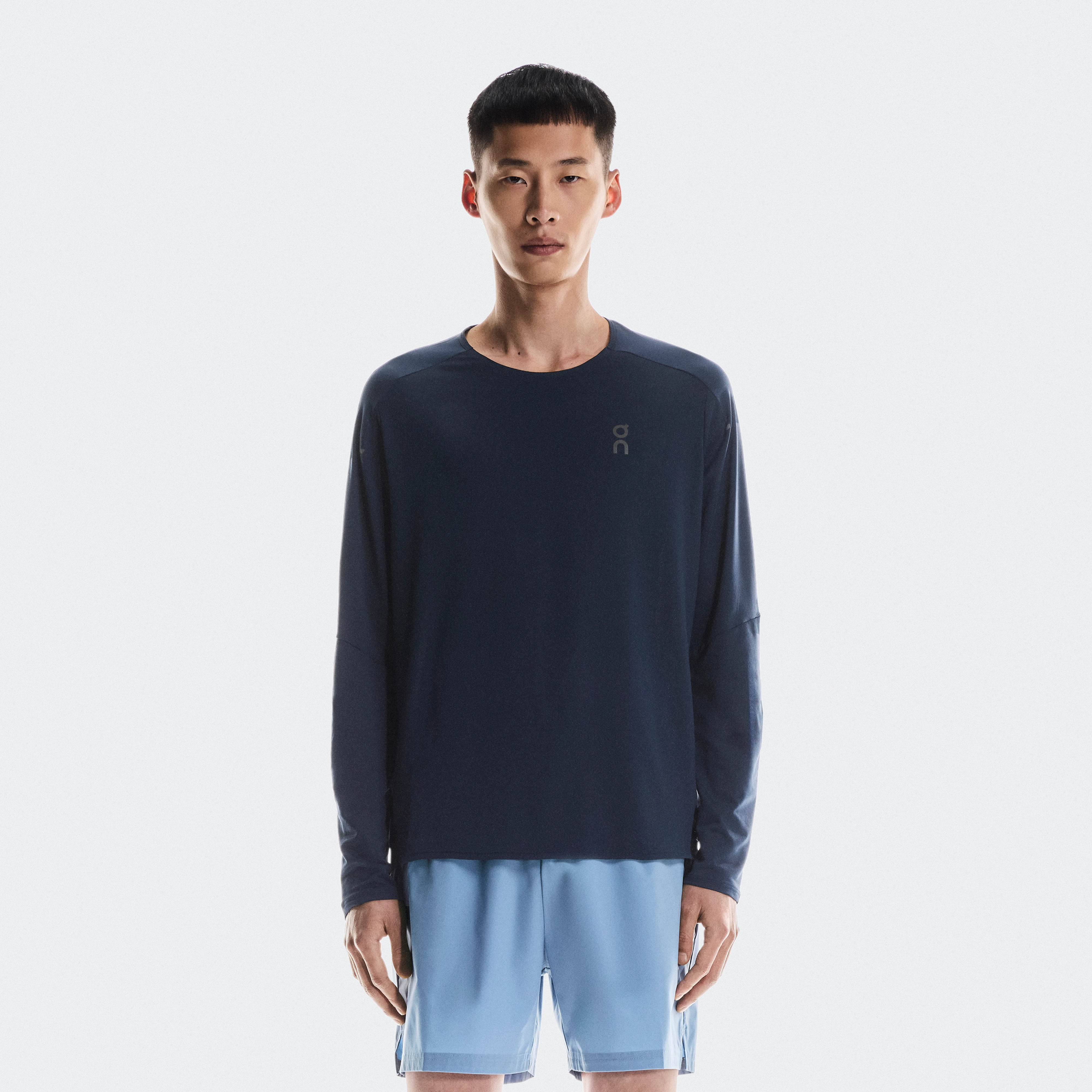
A T-shirt or light long-sleeve like the Performance-T is a solid choice. Choose something breathable that dries quickly and doesn’t cling as you sweat. The fit should feel close but not restrictive.
Optional layer
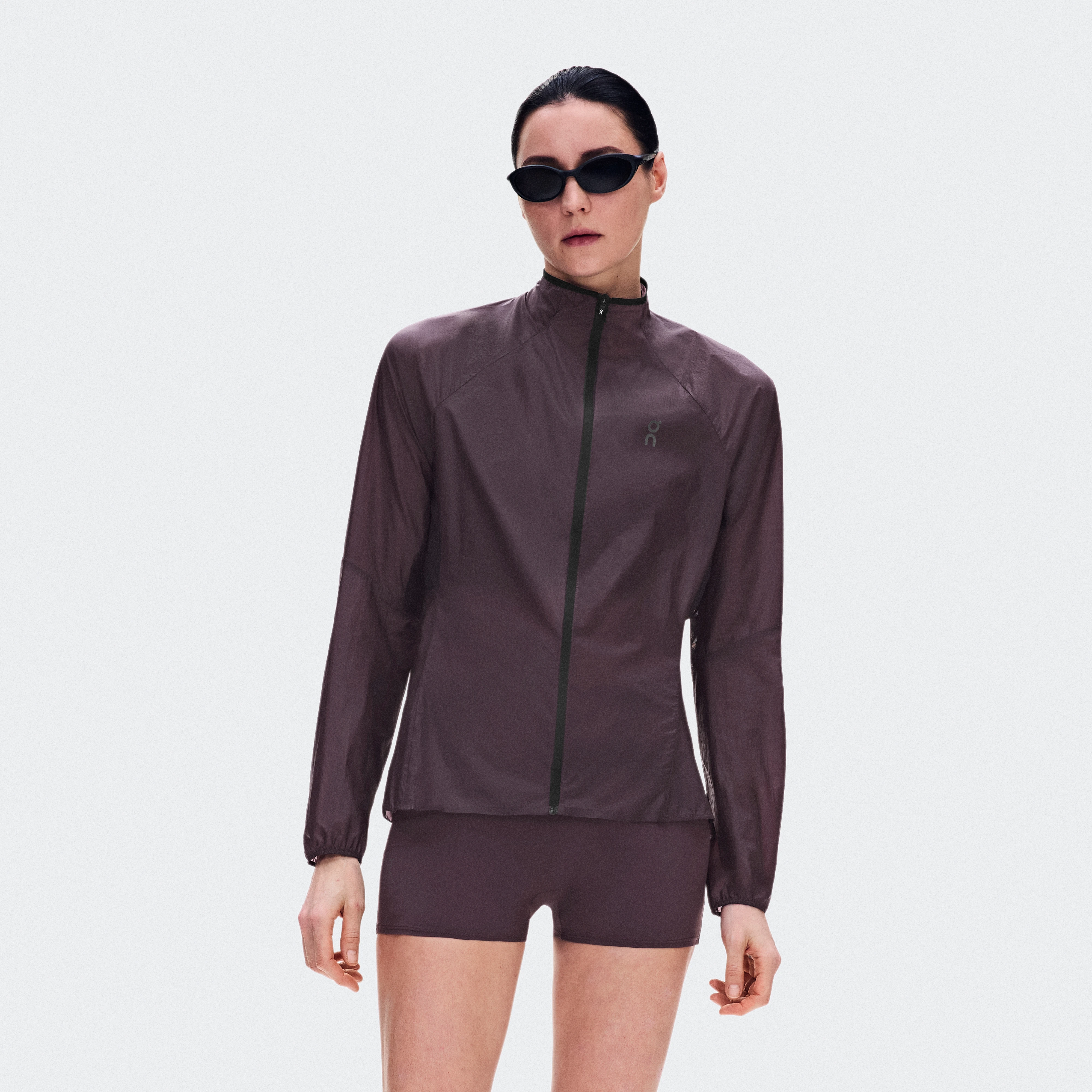
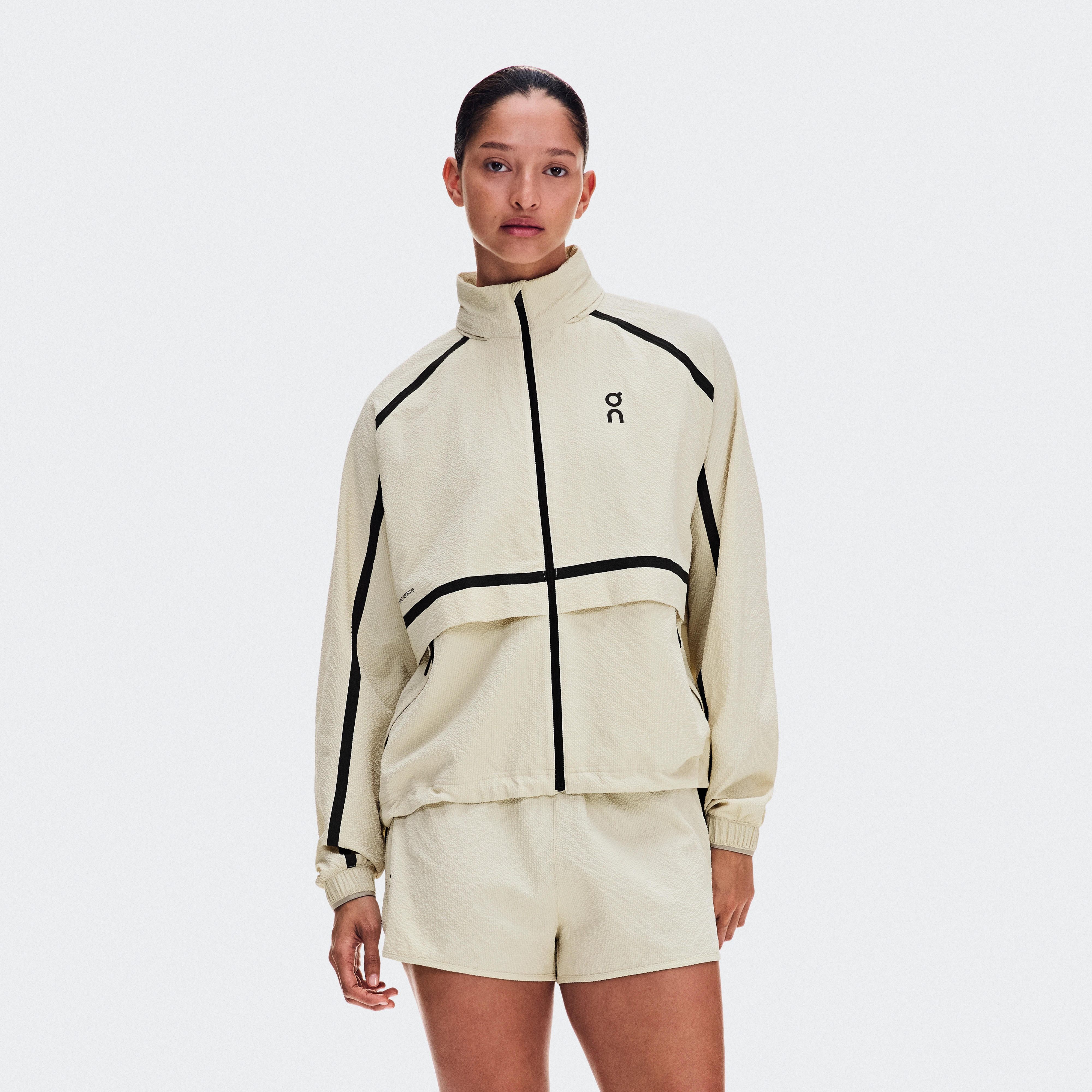
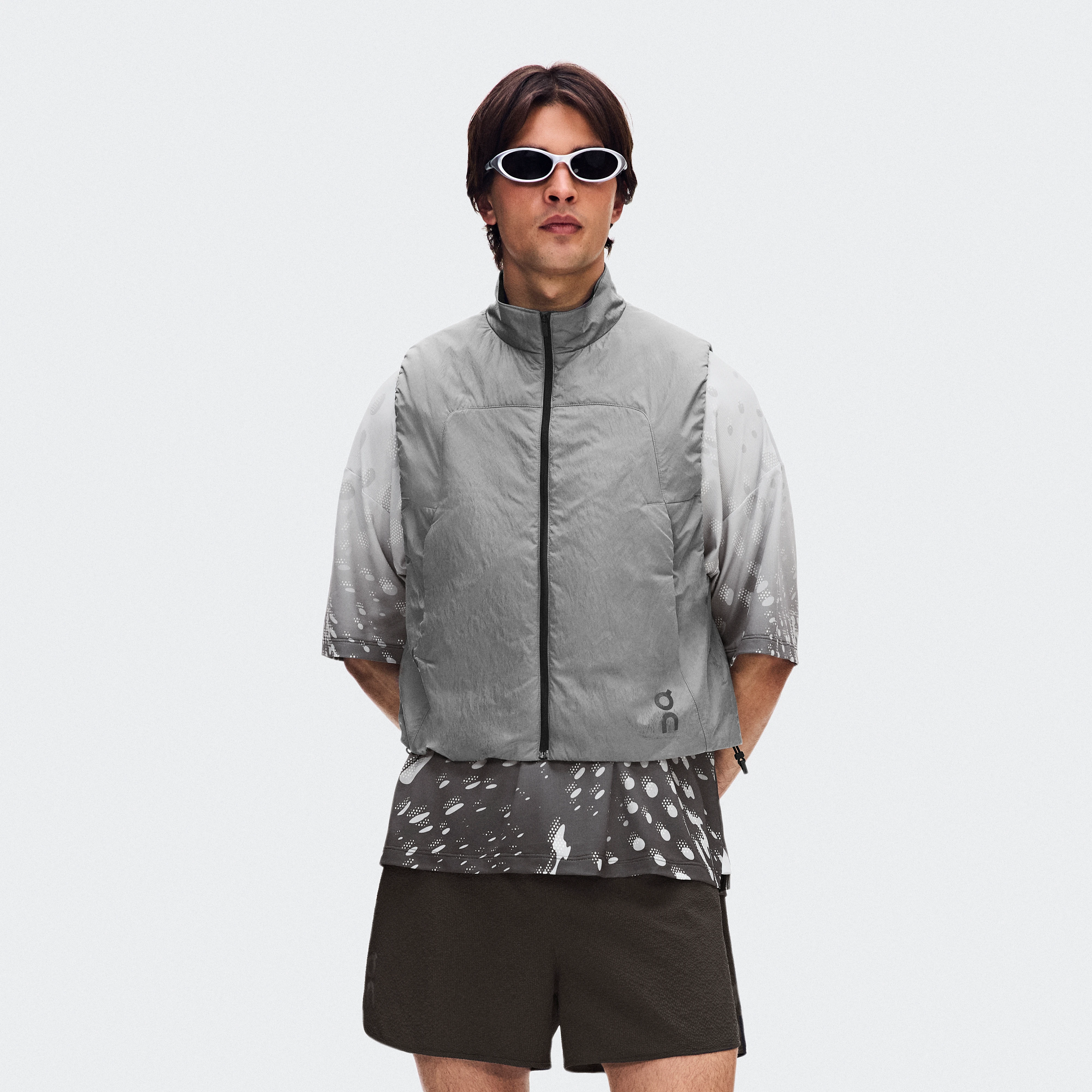
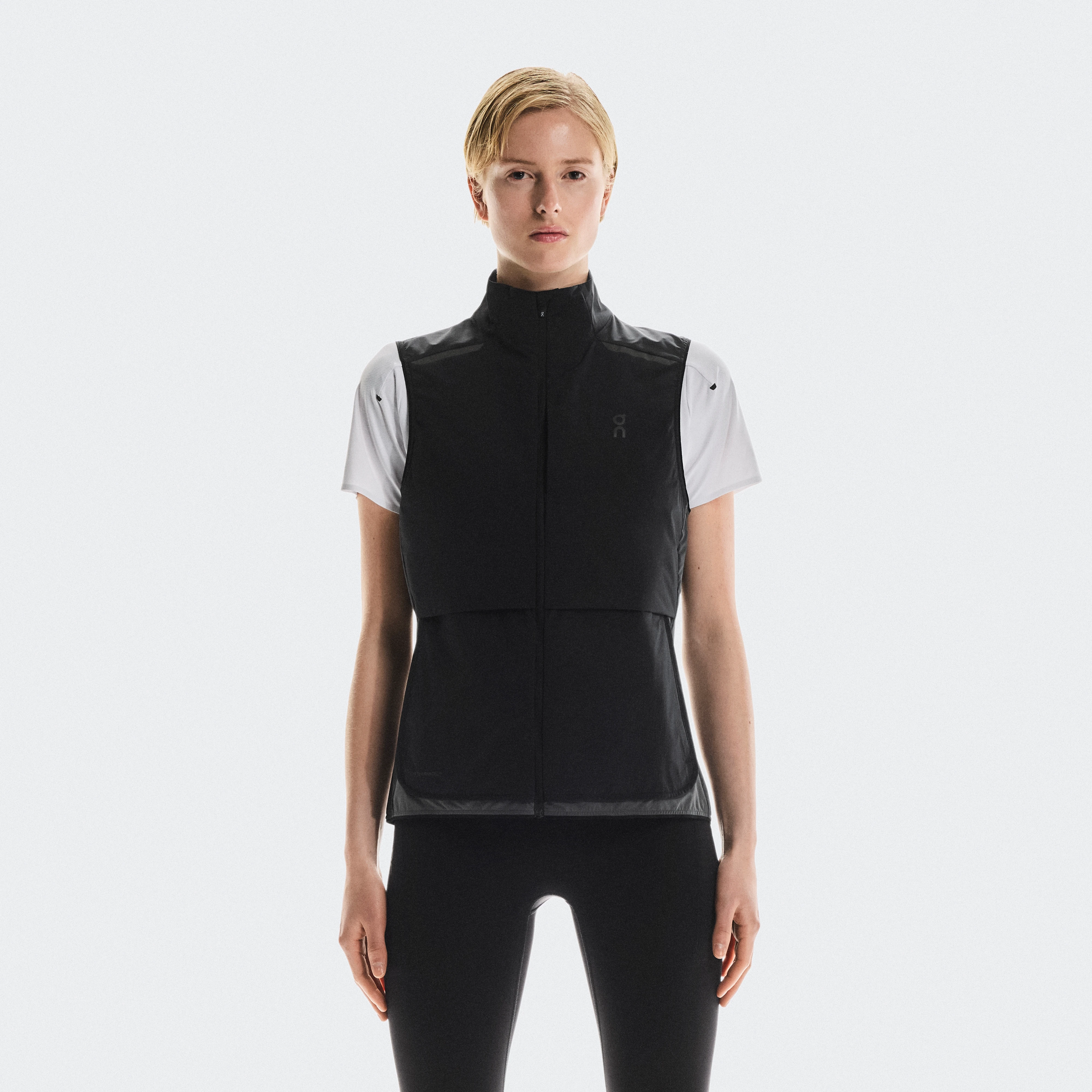
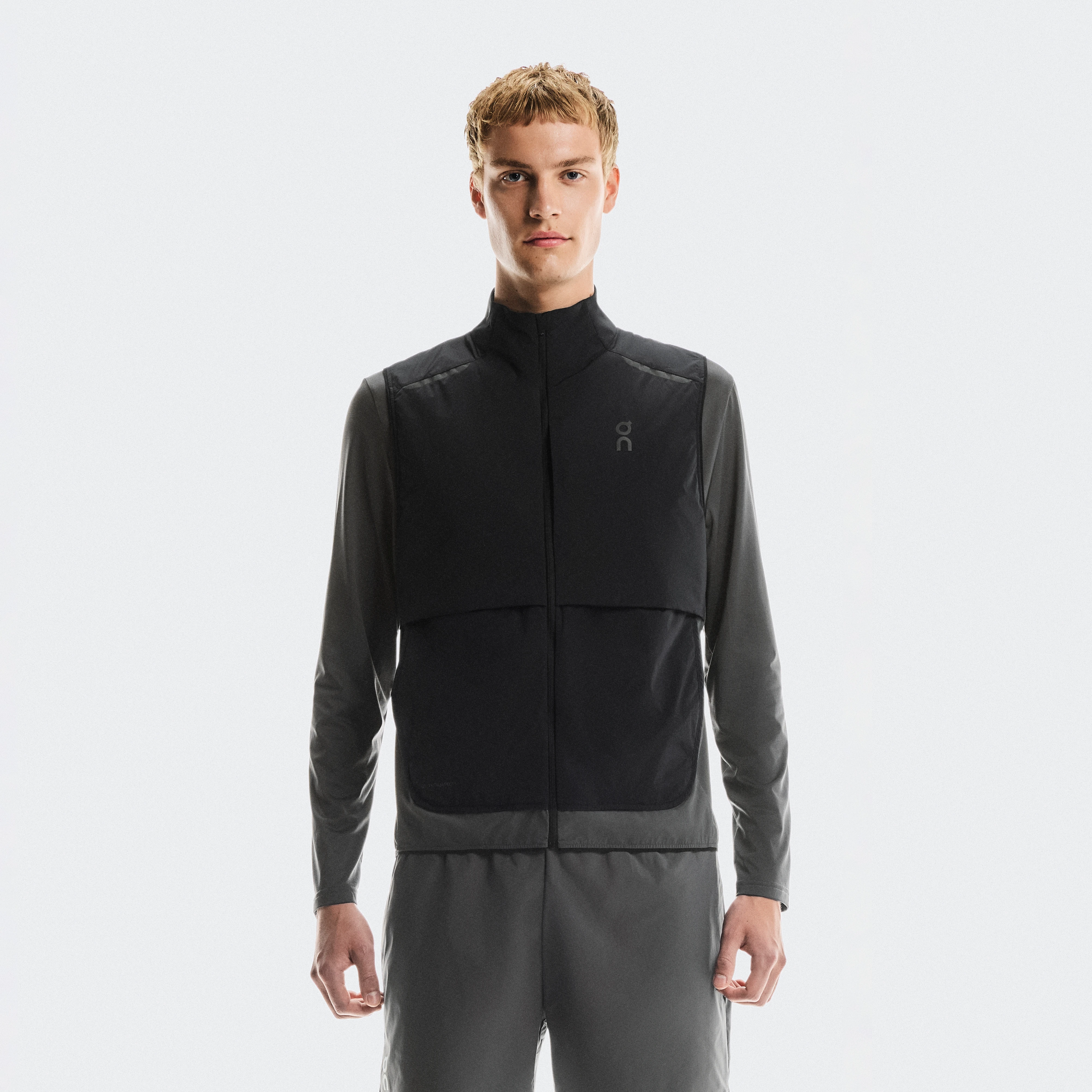
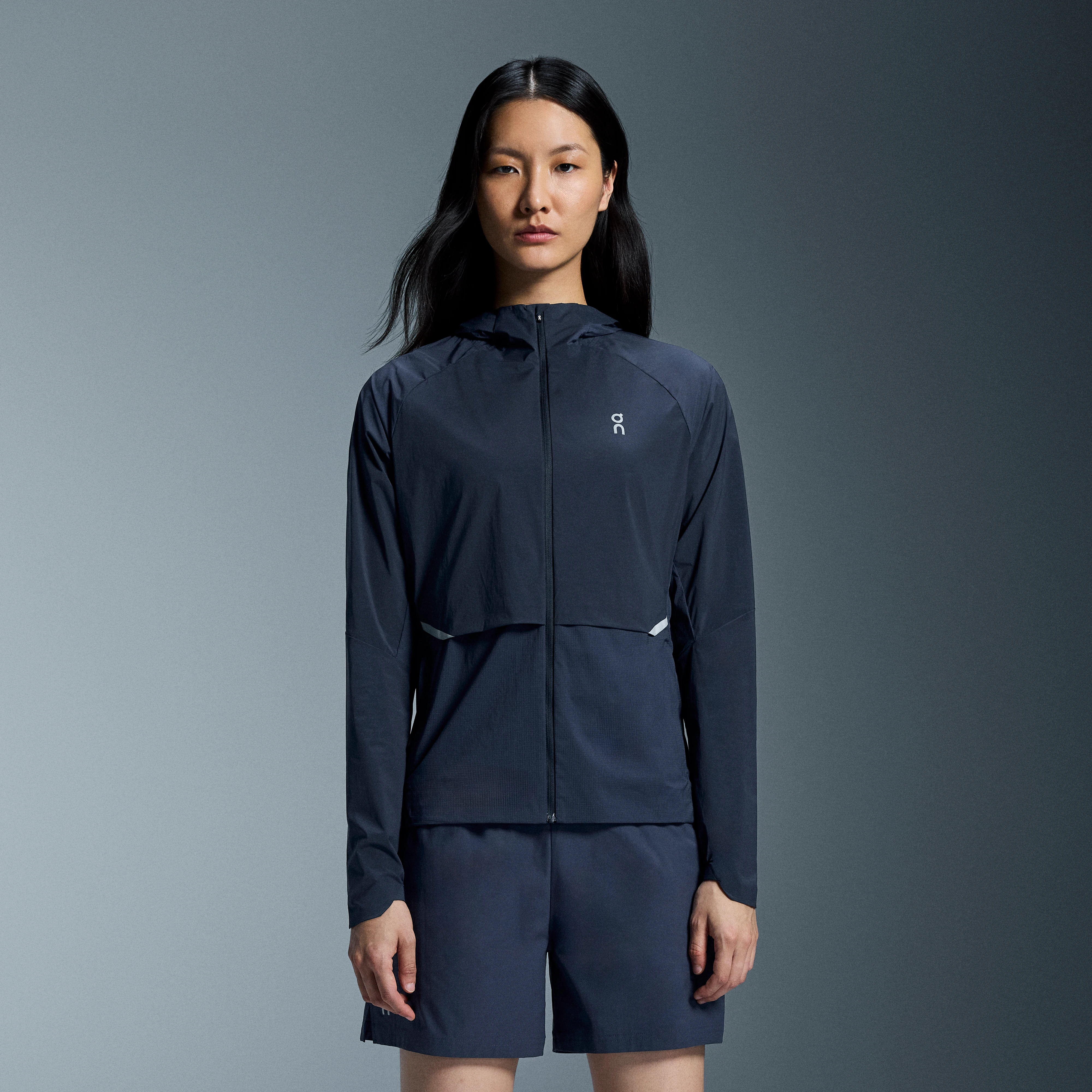
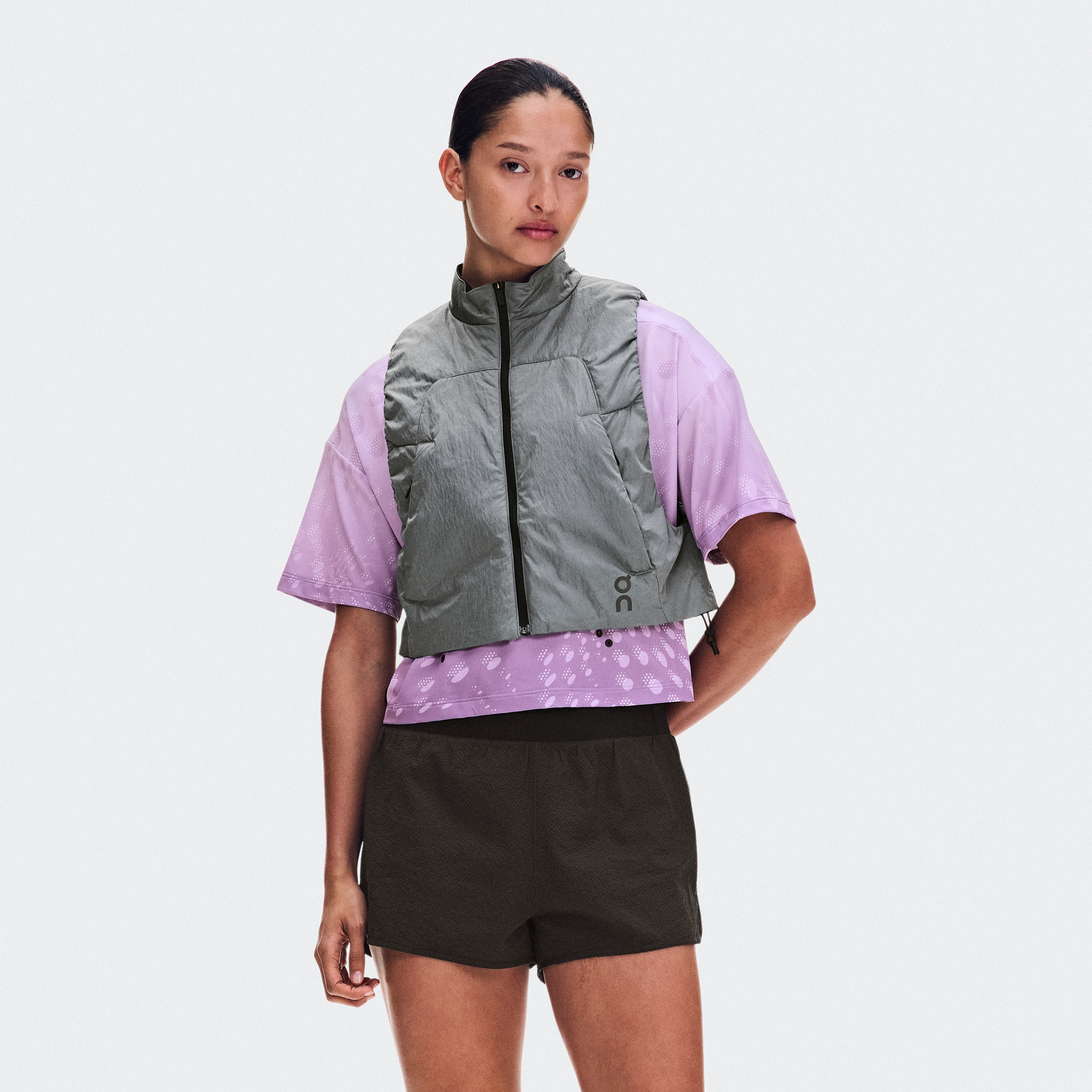
When the morning air stays crisp or a light drizzle begins, add a light jacket or vest. Look for something easy to remove and carry once you warm up. You want protection without overheating.
Accessories
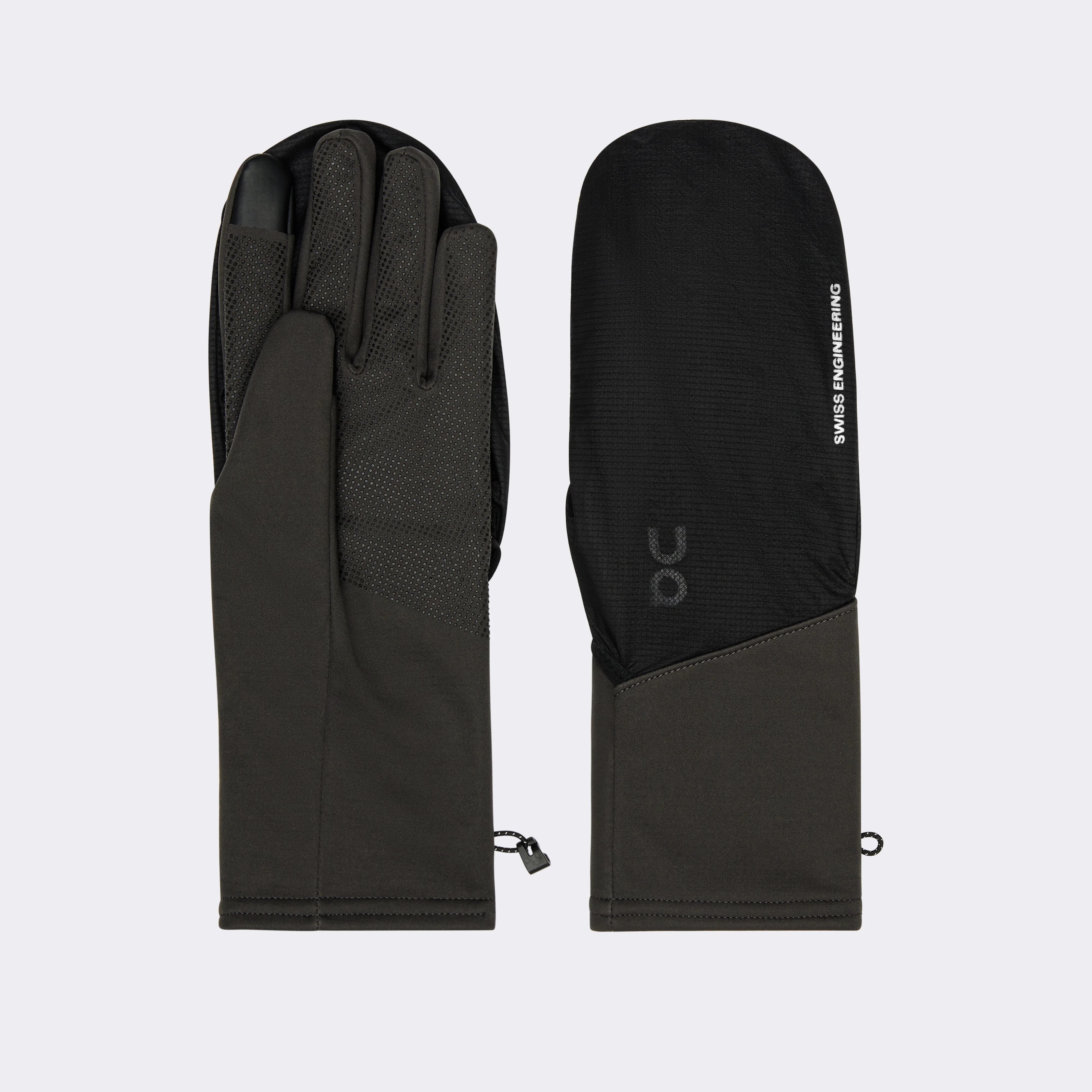
Keep it minimal, but adaptable. Lightweight gloves or a thin headband can provide just enough comfort for the first few miles, then pack away easily.
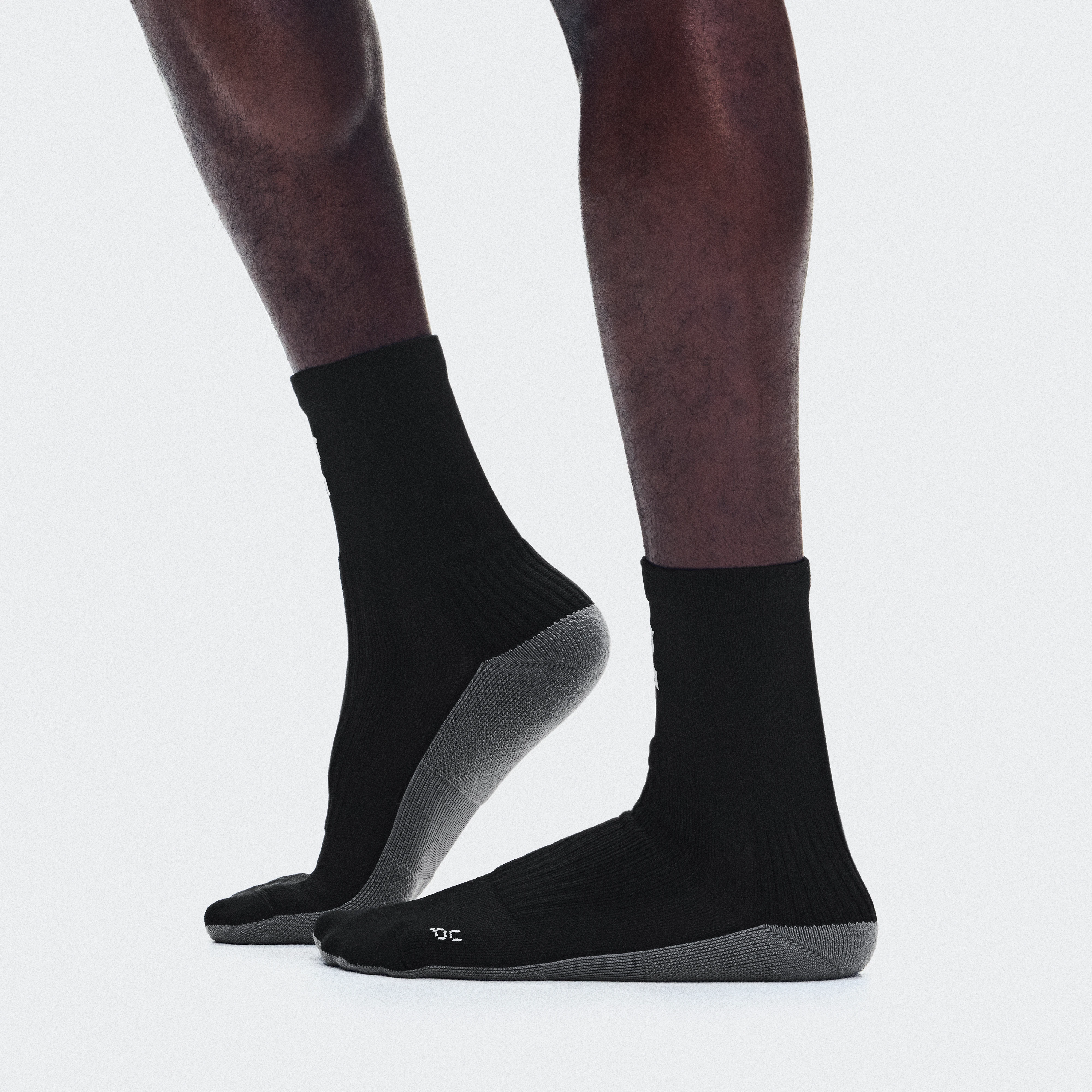
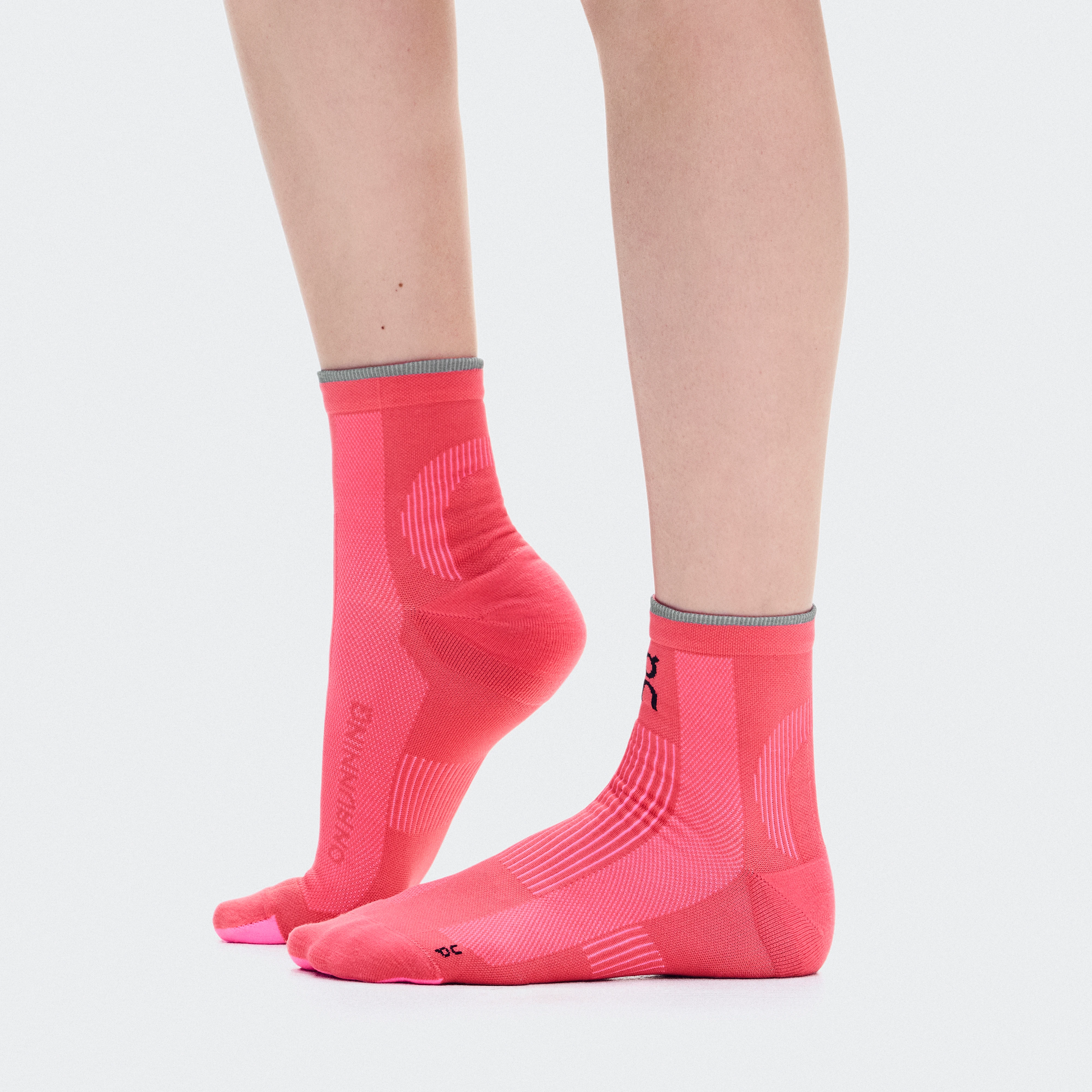
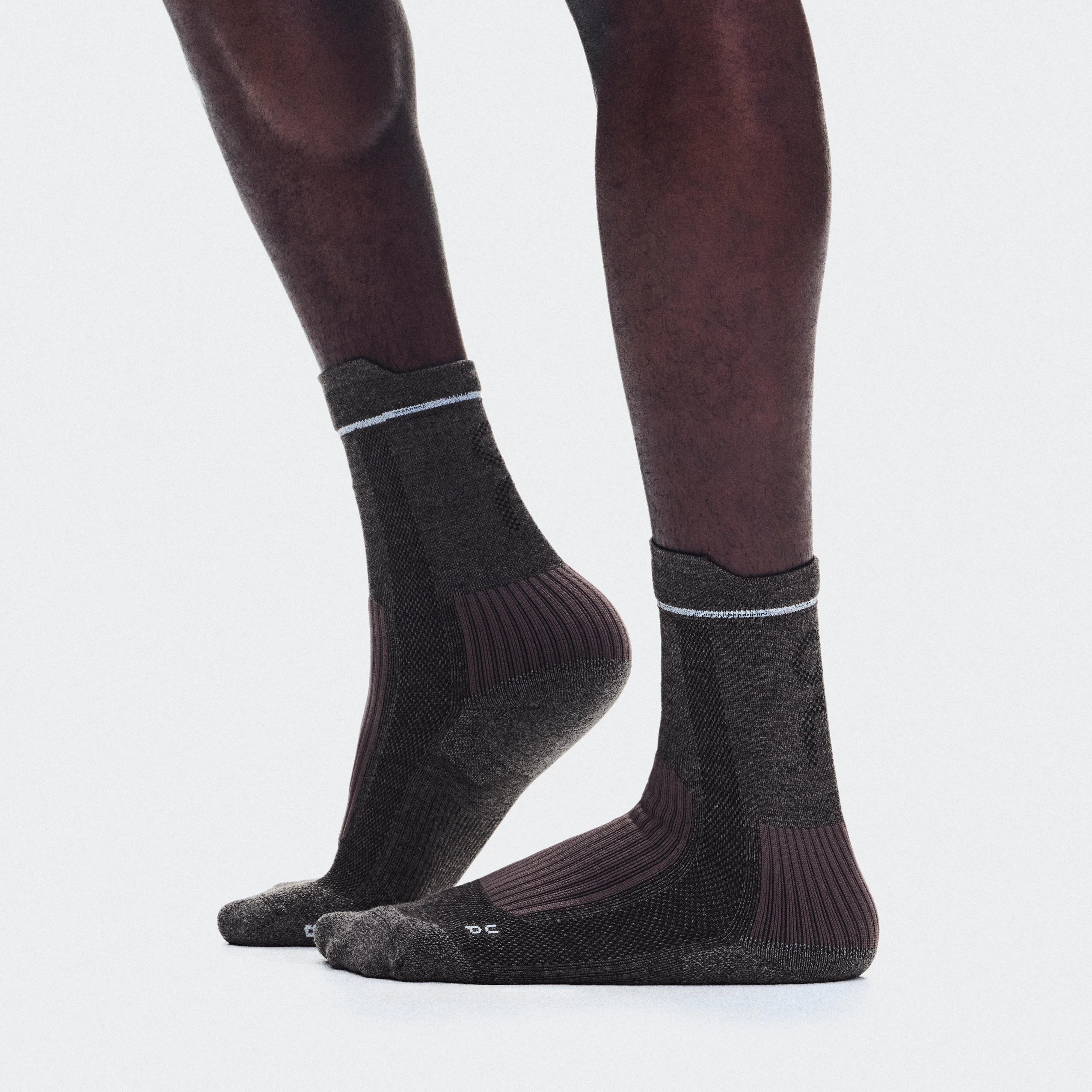
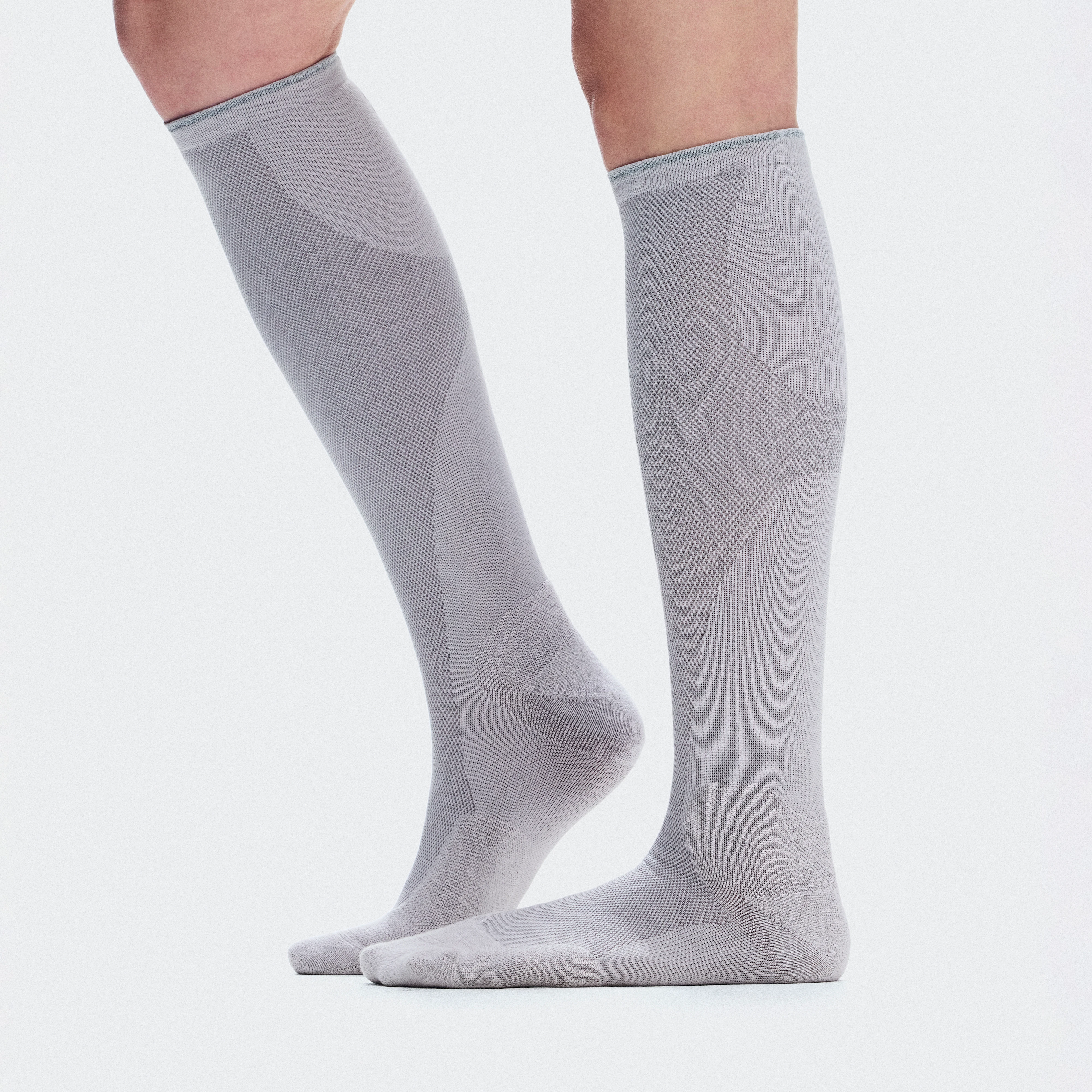
- Socks: Go for breathable, close-fitting socks that stay dry and reduce friction.
- Running shoes: A versatile daily trainer like the Cloudrunner 2 offers the cushioning for road miles while maintaining a responsive feel.
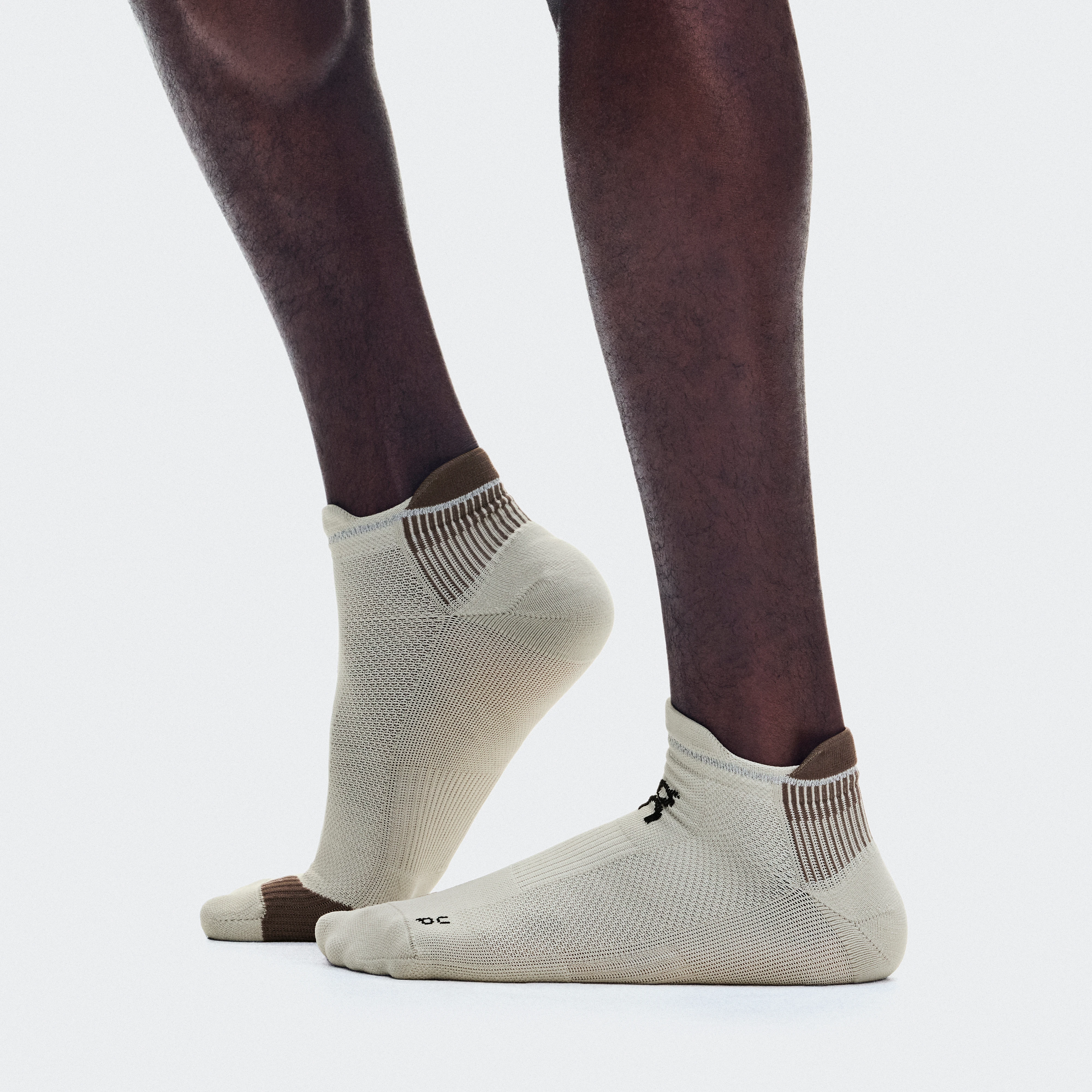
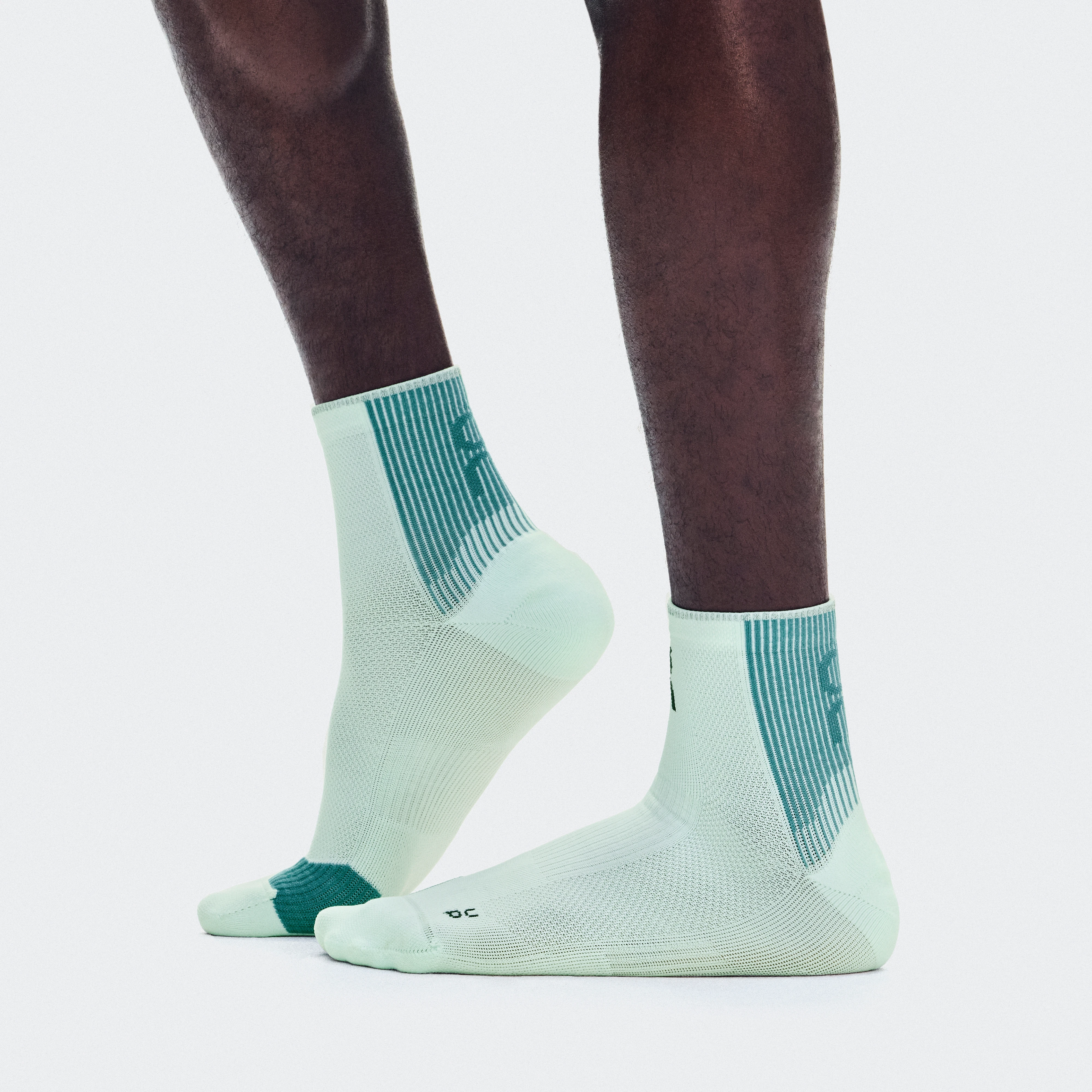
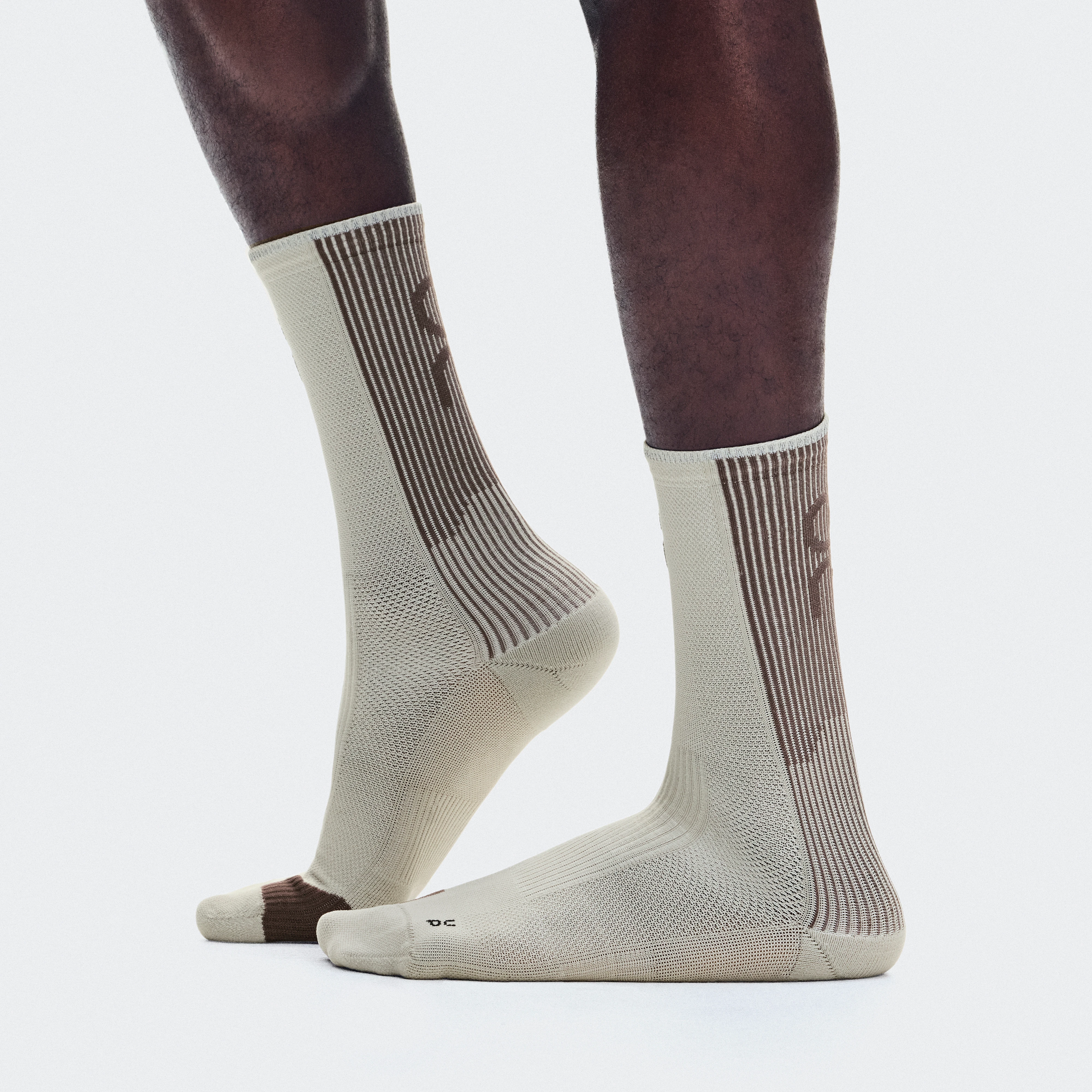
What to wear running in cool weather (30–50°F or 0–10°C)
This is where layering matters most. If you’re warm when you start, you’re probably overdressed. Because once you start the run, you’ll warm up quickly.
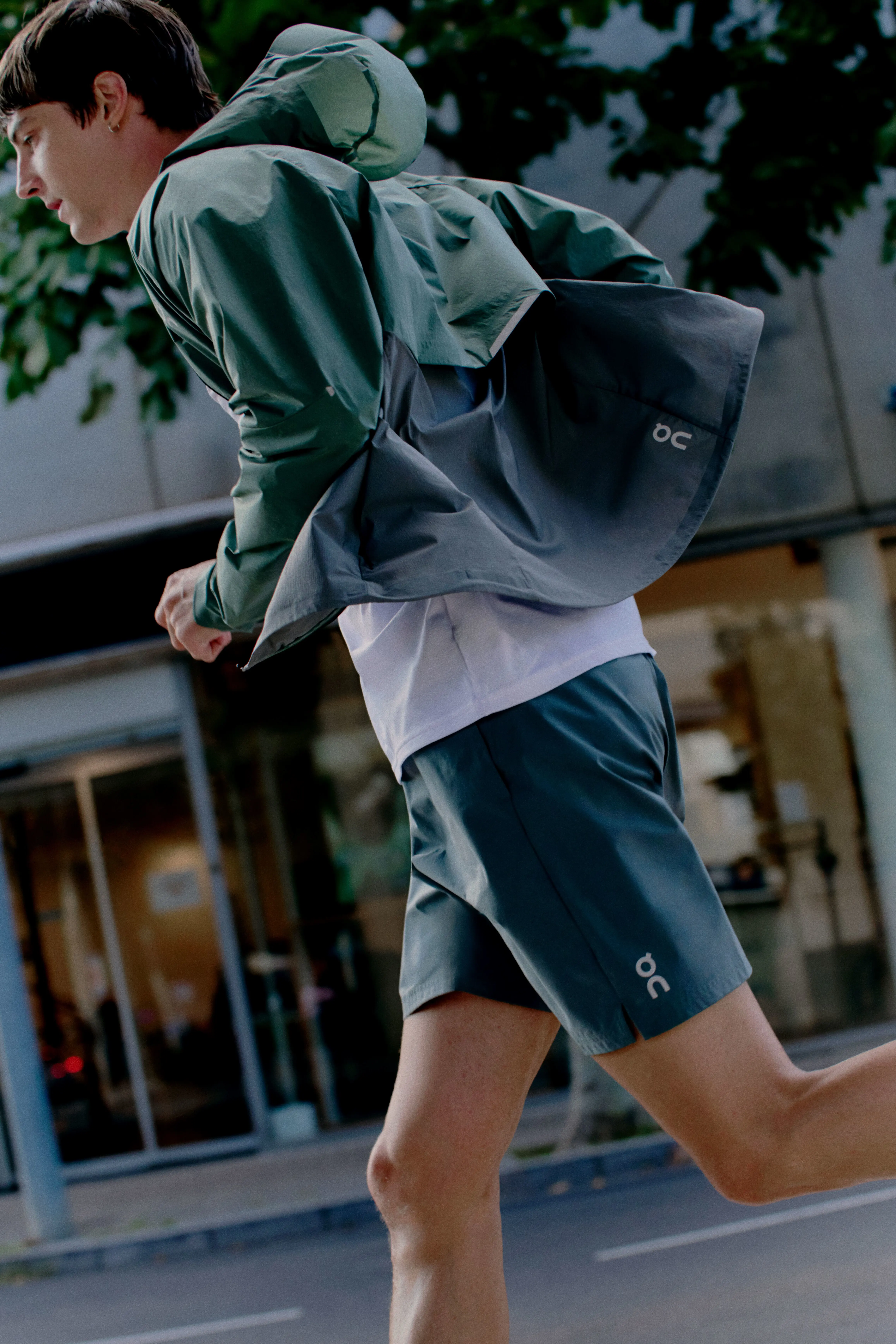
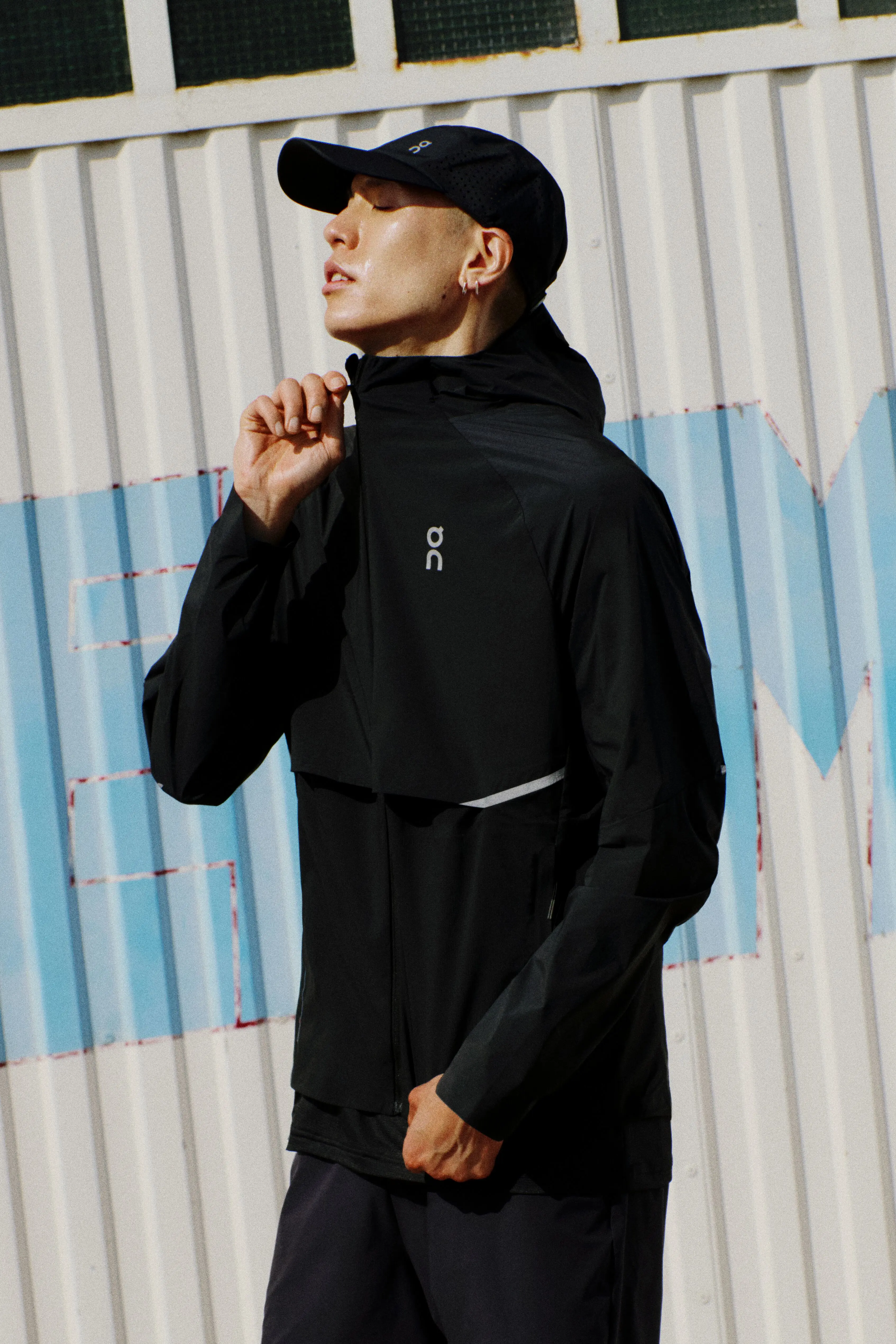
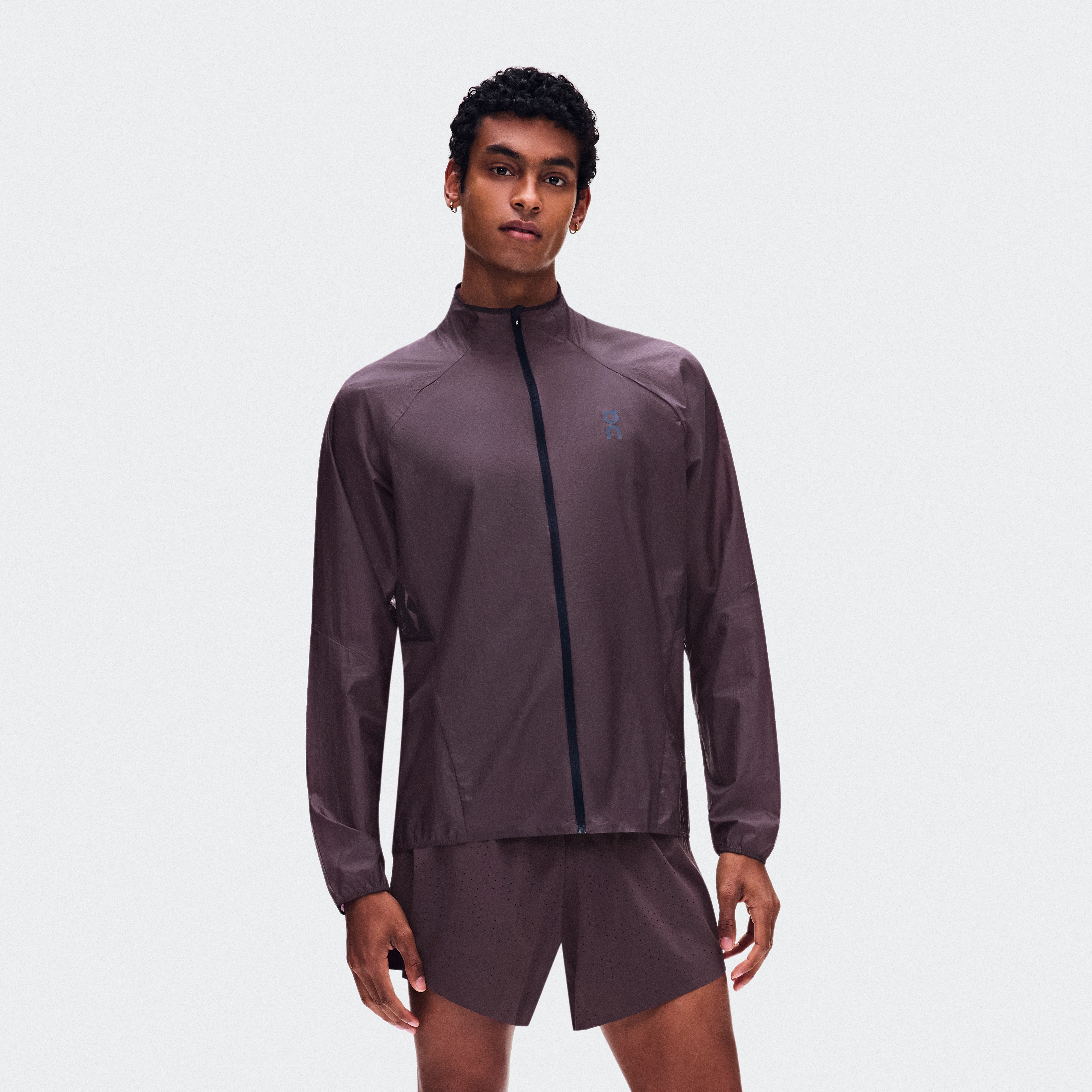
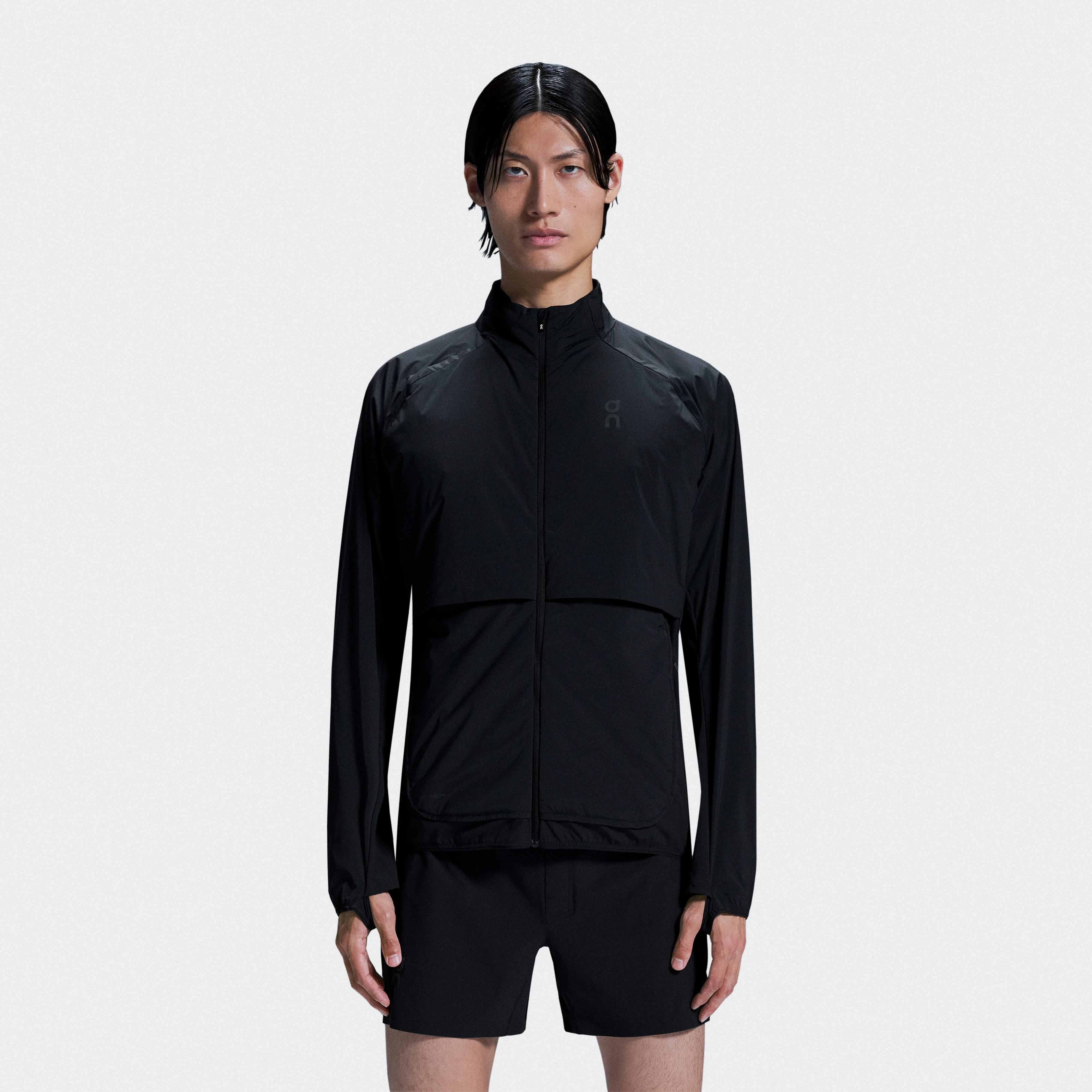
“I try to balance my layers so I stay warm at the beginning without overheating later in the run,” says Eichhorn. He usually wears “a breathable base layer that keeps sweat away from my body” and combines it with a light outer layer to protect himself from wind and cold air.
Test out what combinations work best for you and adjust as you go.
Base layer
Start with a close-fitting long sleeve like the Performance Long-T. It should wick sweat and sit comfortably against the skin without clinging. This is the layer that keeps you dry once you warm up.
Optional layer
If the temperature is closer to freezing, add a mid-layer to your outfit. A light fleece that can still fit under a jacket can help hold warmth early on but should still breathe as your effort builds.
Outer layer
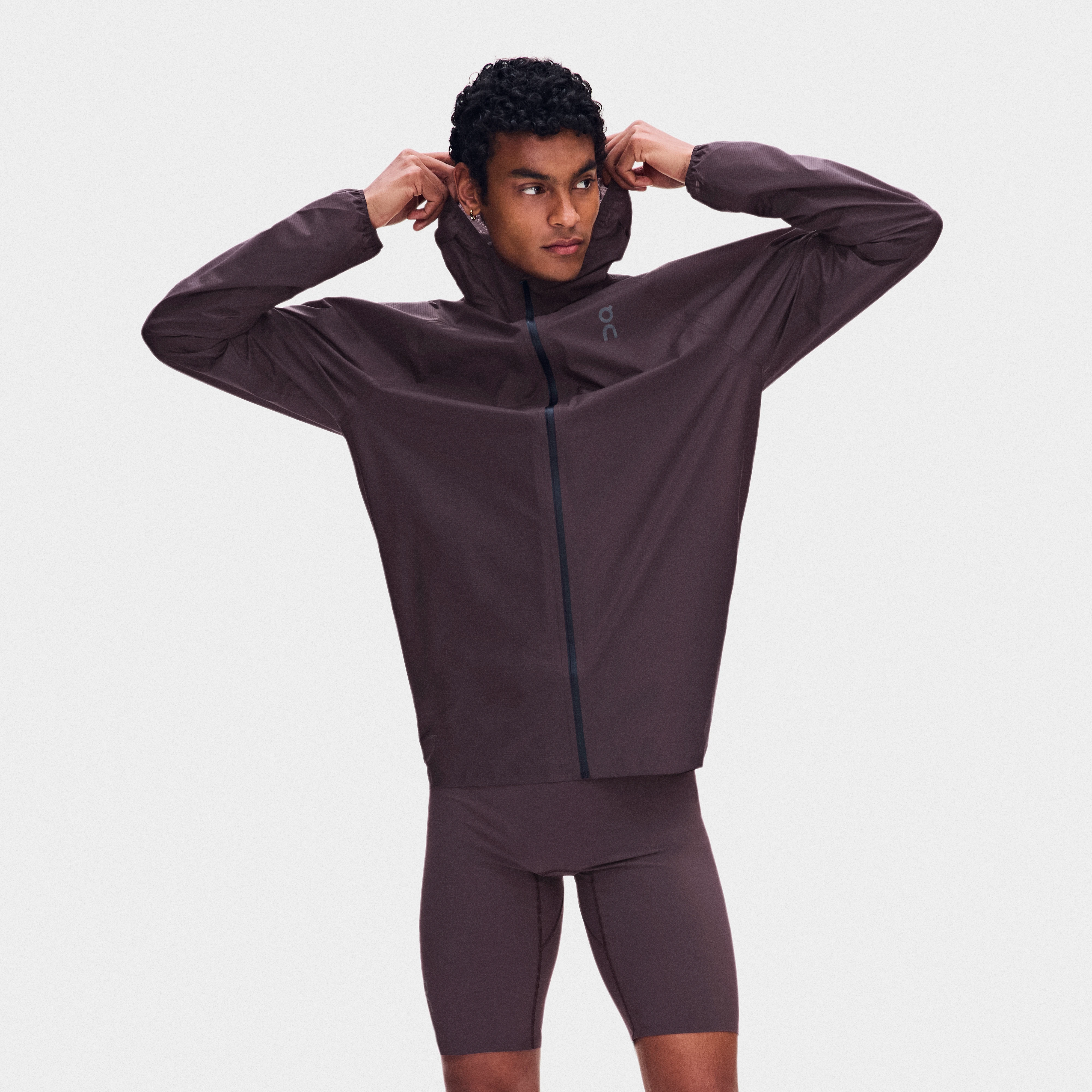
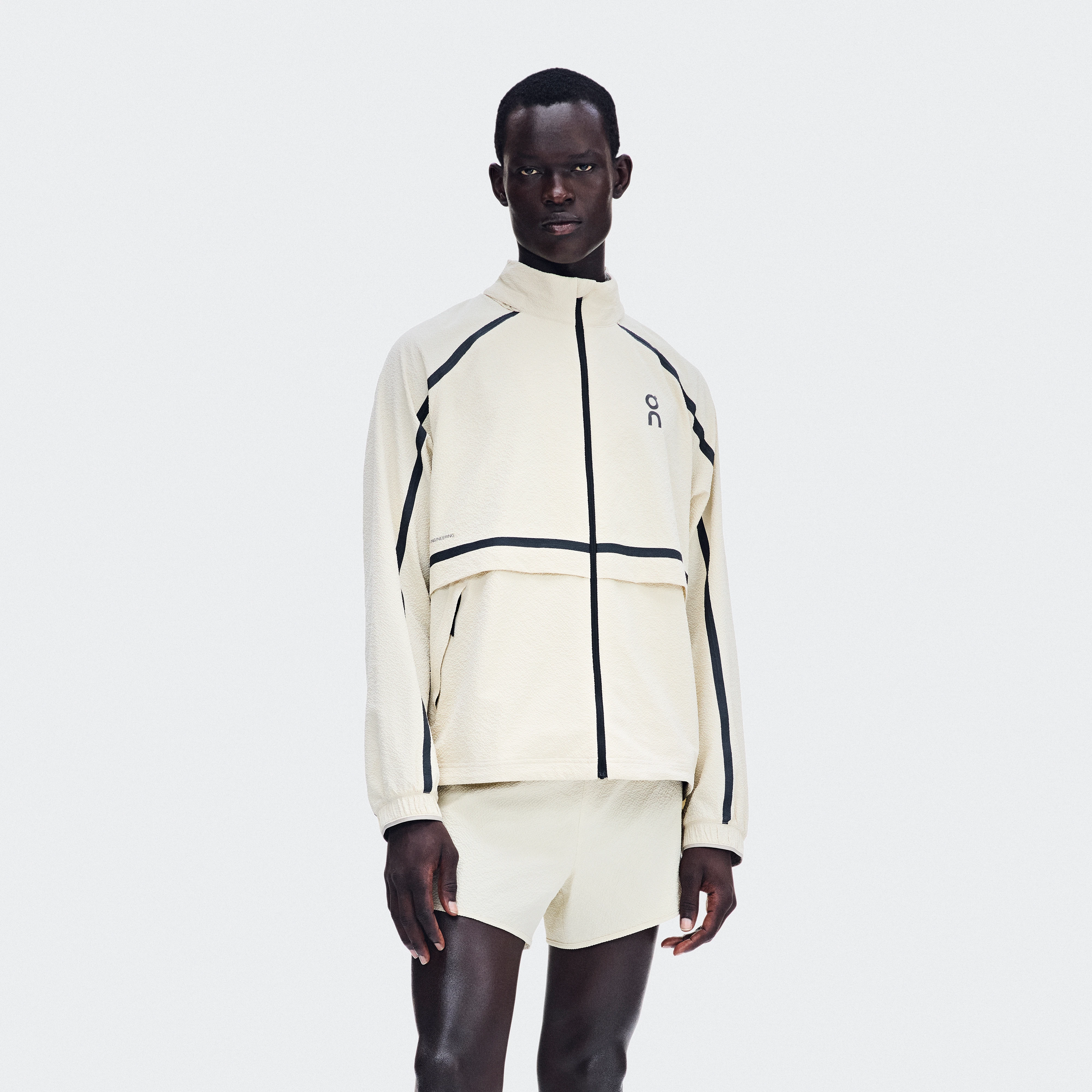
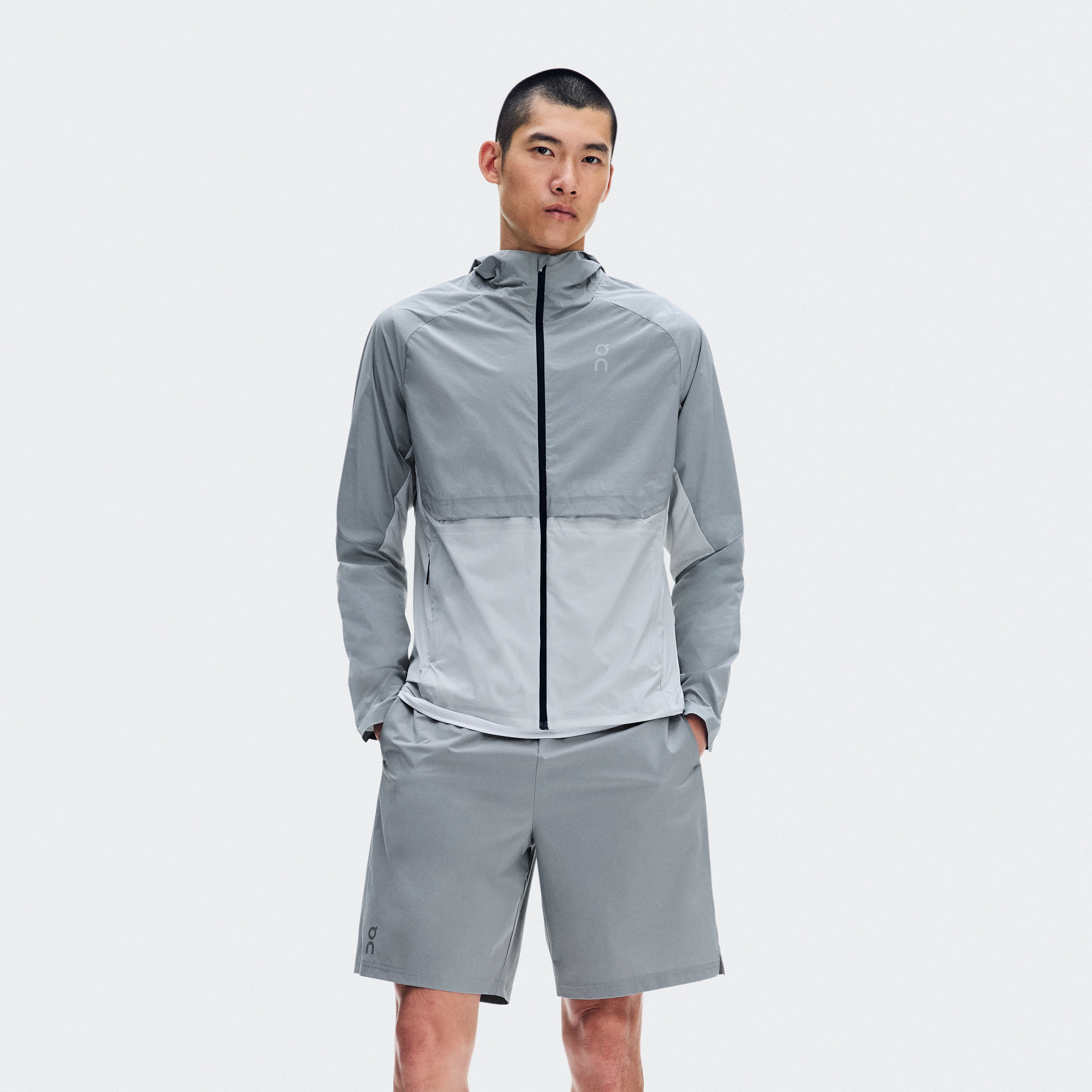
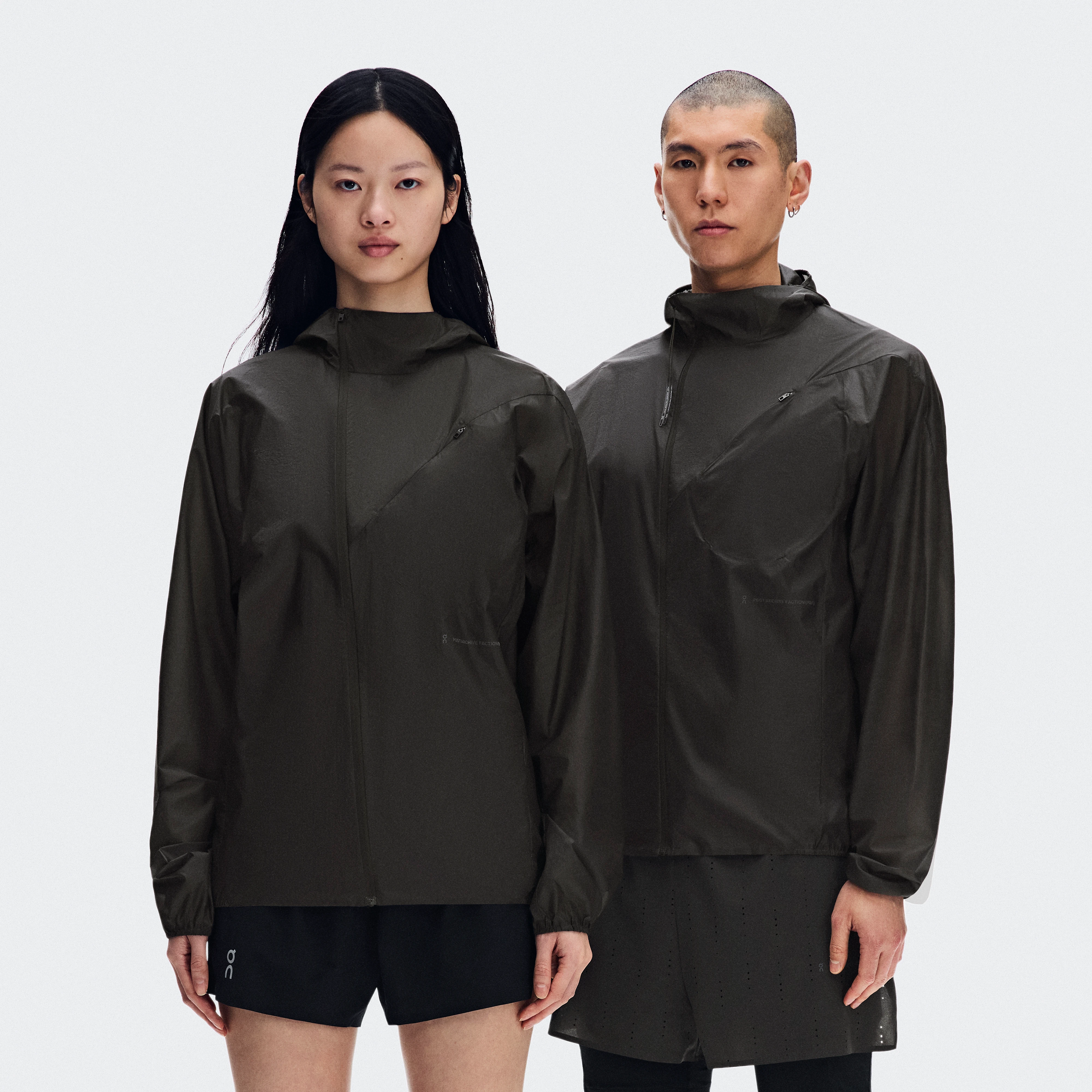
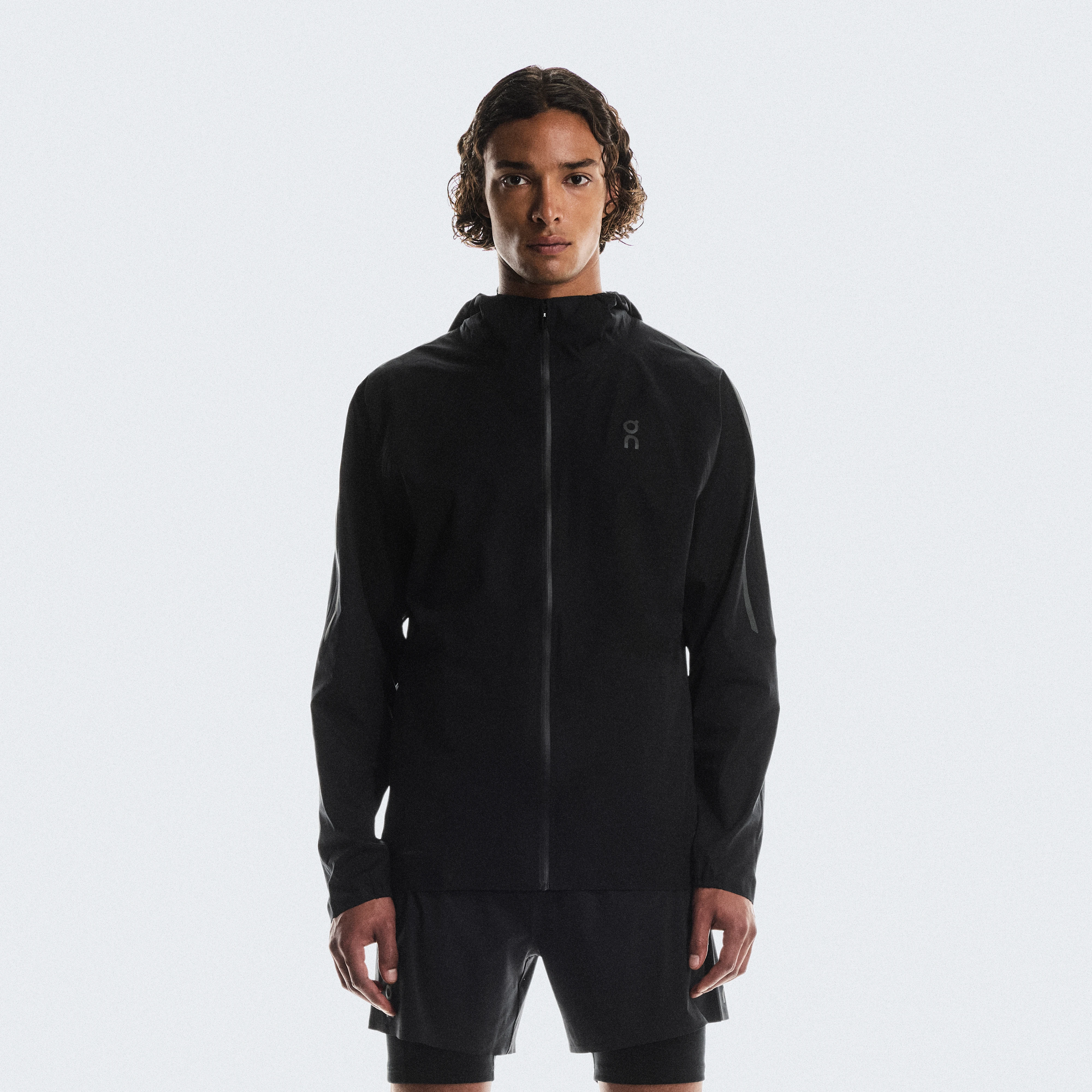
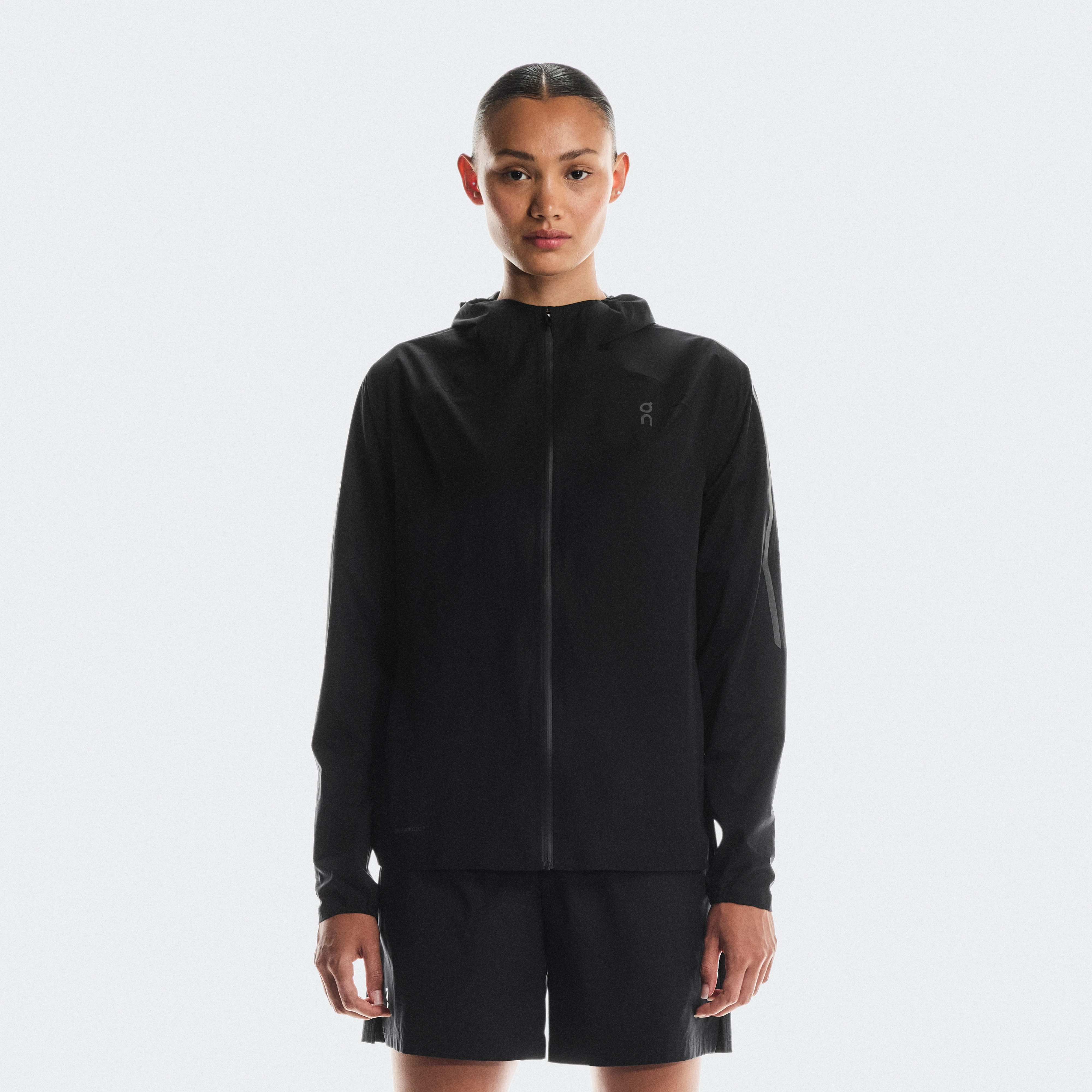
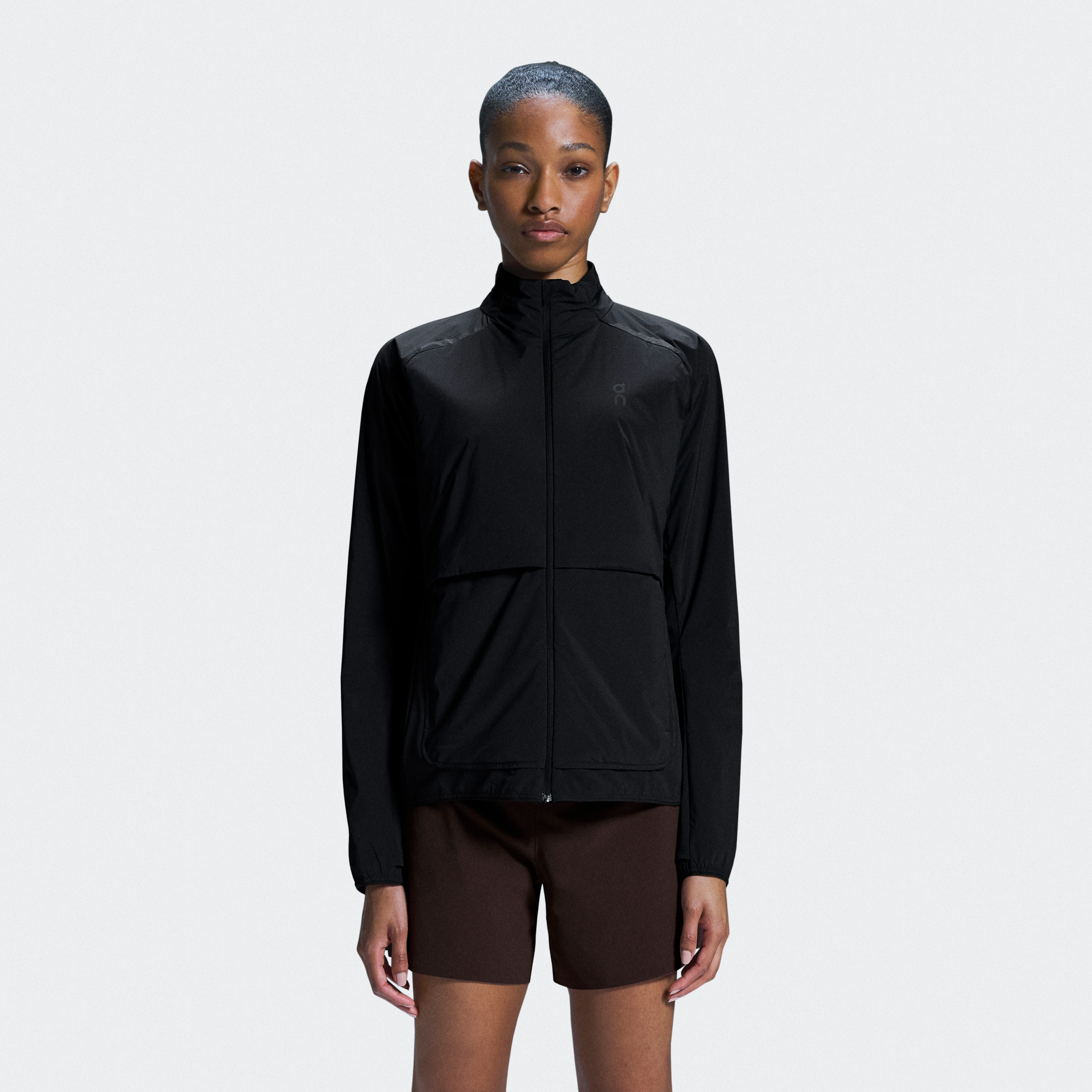
A lightweight, weather-resistant shell or vest helps cut wind without trapping too much heat. Look for something breathable and easy to unzip or remove mid-run.
Accessories
This is where you can fine-tune.
- Hat: A lightweight beanie or a thermal headband keeps ears warm at the start, secure through the effort and easy to remove later
- Gloves: Technical gloves help take the edge off the biting winds while still feeling weightless.
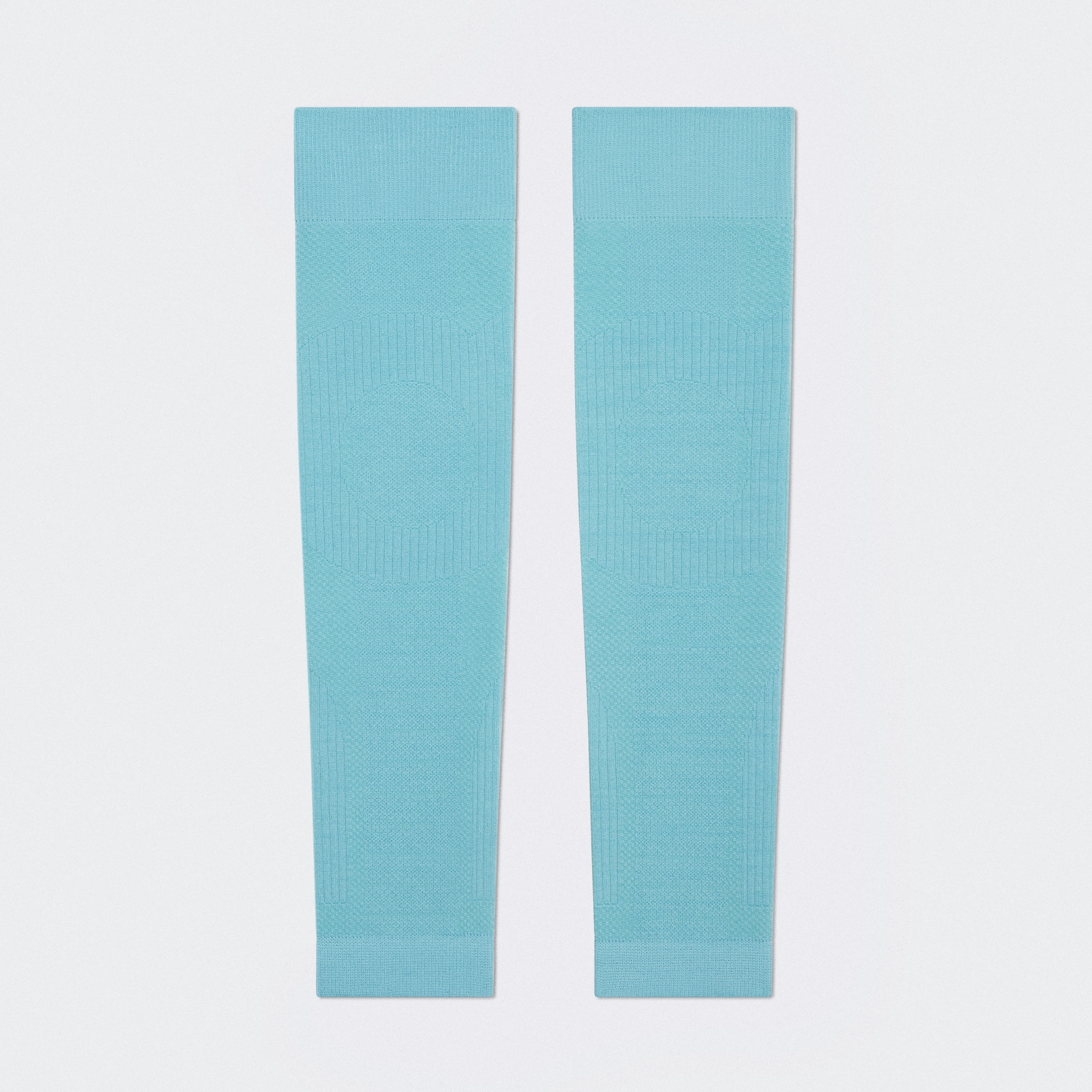
- Socks: Socks with a higher cuff offer extra protection for the Achilles and lower calf to provide warmth without bulk.
Running shoes: A stable daily trainer like the Cloudflyer 5 offers breathability and comfort without losing warmth.
What to wear running in freezing weather (Below 30°F or 0°C)
In freezing conditions, preparation matters more than pace. Check the wind chill before you go. Then build your layers to stay warm at the start – without trapping sweat once you get moving.
For runs below 0°C, Yaa doesn’t follow strict layering: “I’m generally quite cold and rarely overheat, so I just try to dress as warm as possible.” She reaches toward thicker cotton as part of her layers because it “adds extra warmth and feels more comfortable when everything else is layered up.”
Base layer
Start with a thermal, close-fitting base layer. Merino or technical blends work well here to wick moisture and hold warm so you don’t chill mid-run.
Optional layer
Add an insulating mid-layer when temperatures drop low. Keep it light and close to the body so you can throw a jacket on easily without restricting your movement. Look for a jacket with a high collar and thumbholes so you can create a seamless seal that keeps the warmth in and the frost out.
Outer layer
A protective shell helps block wind and snow. Look for something weather-resistant and breathable, with ventilation or easy adjustability. You want protection without overheating.
Accessories
This is where you seal in warmth. Consider:
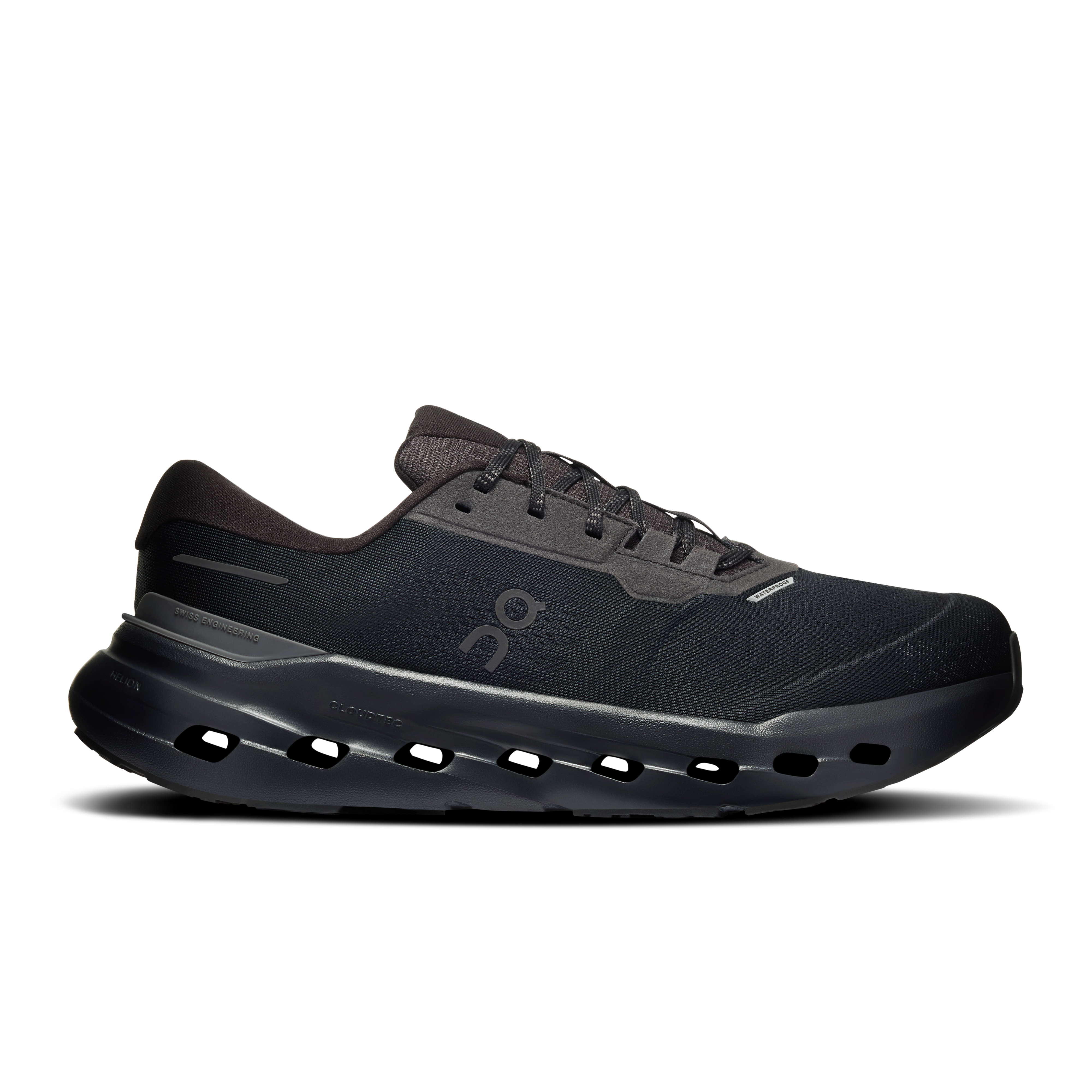
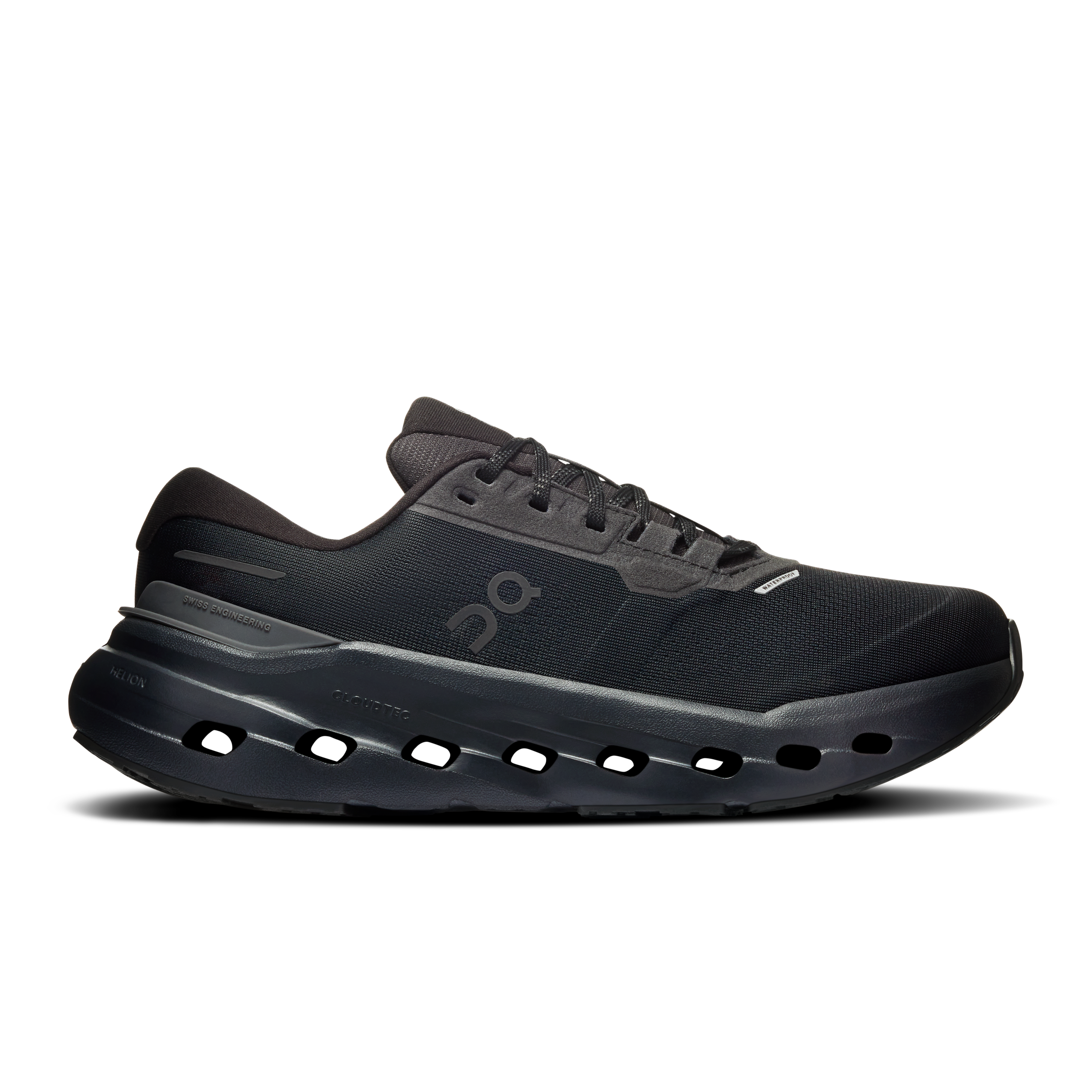
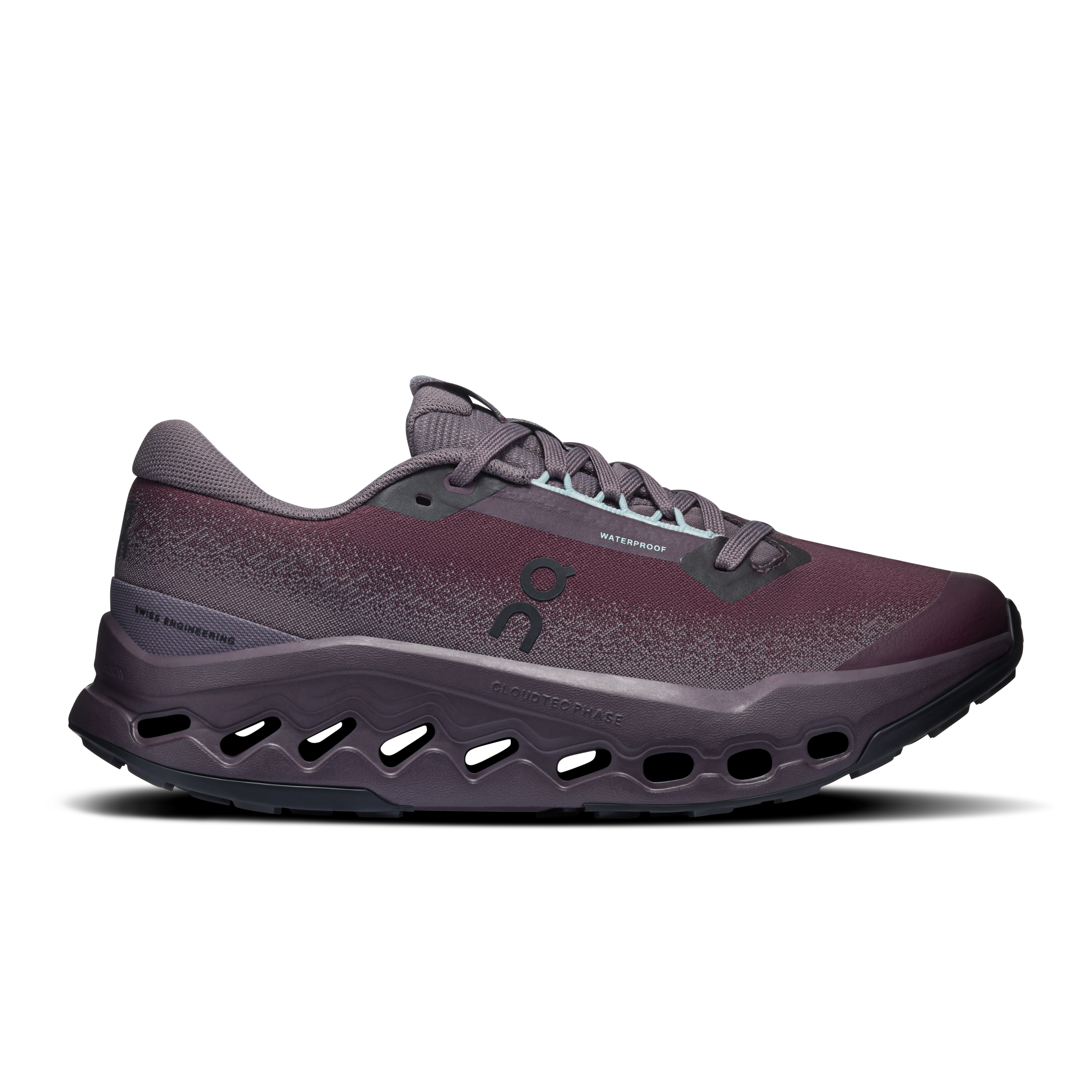
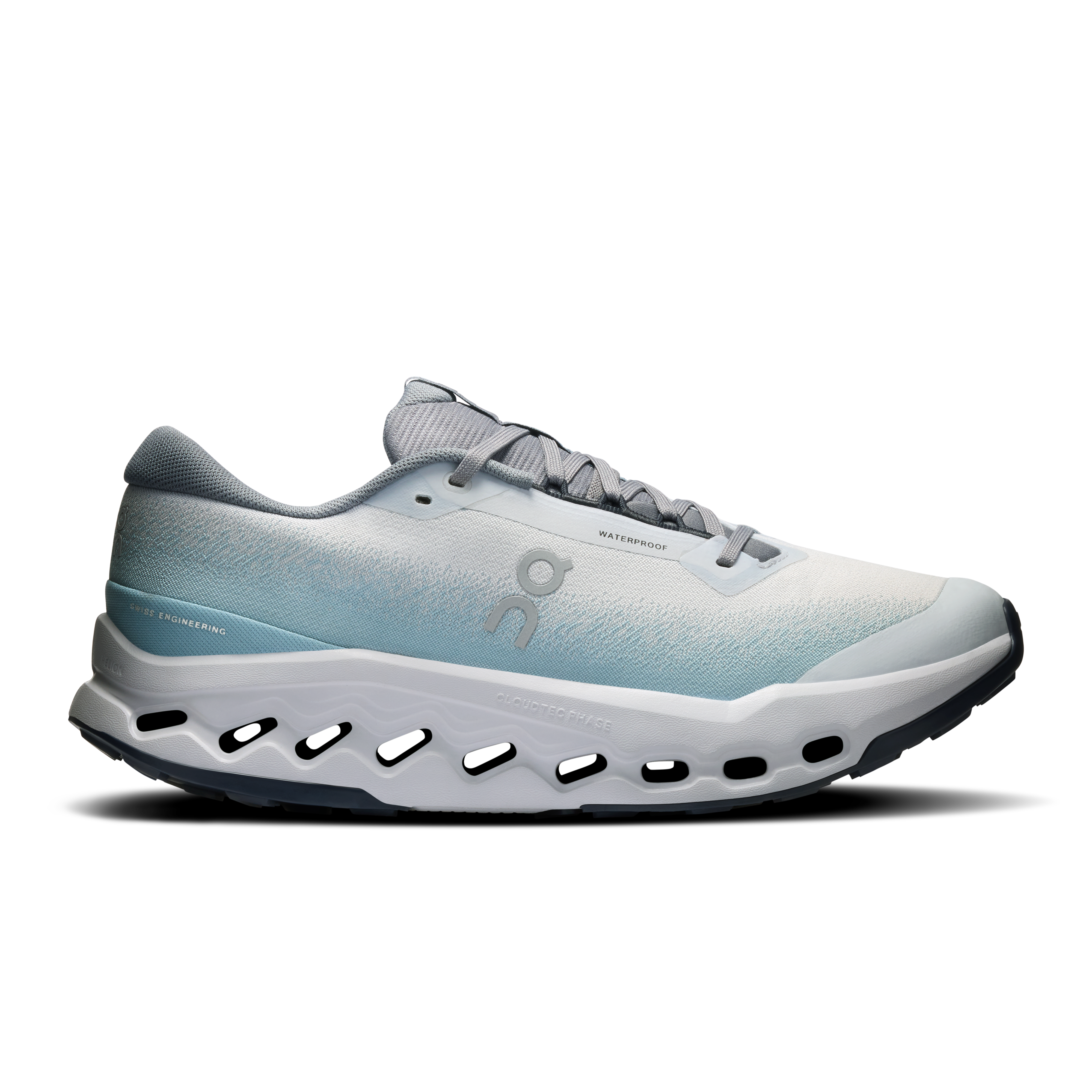
- Hat: A thermal beanie with a brushed fleece lining or headband to protect your ears. - Gloves: Insulated but breathable to maintain circulation. - Socks: Warmer, moisture-wicking fabrics to keep feet dry. - Running shoes: A more protective upper or a waterproof option helps block wind and wet conditions during a winter run.
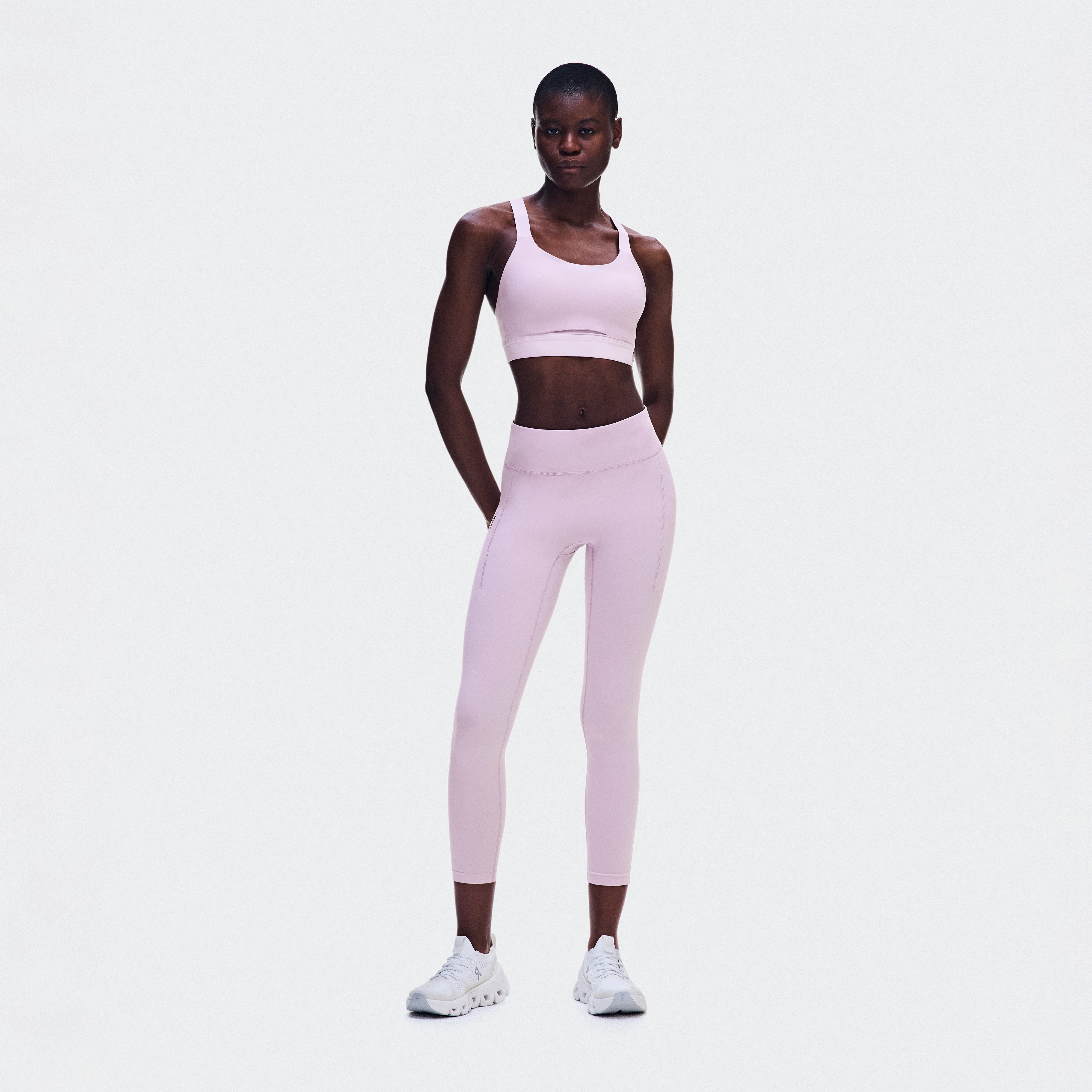
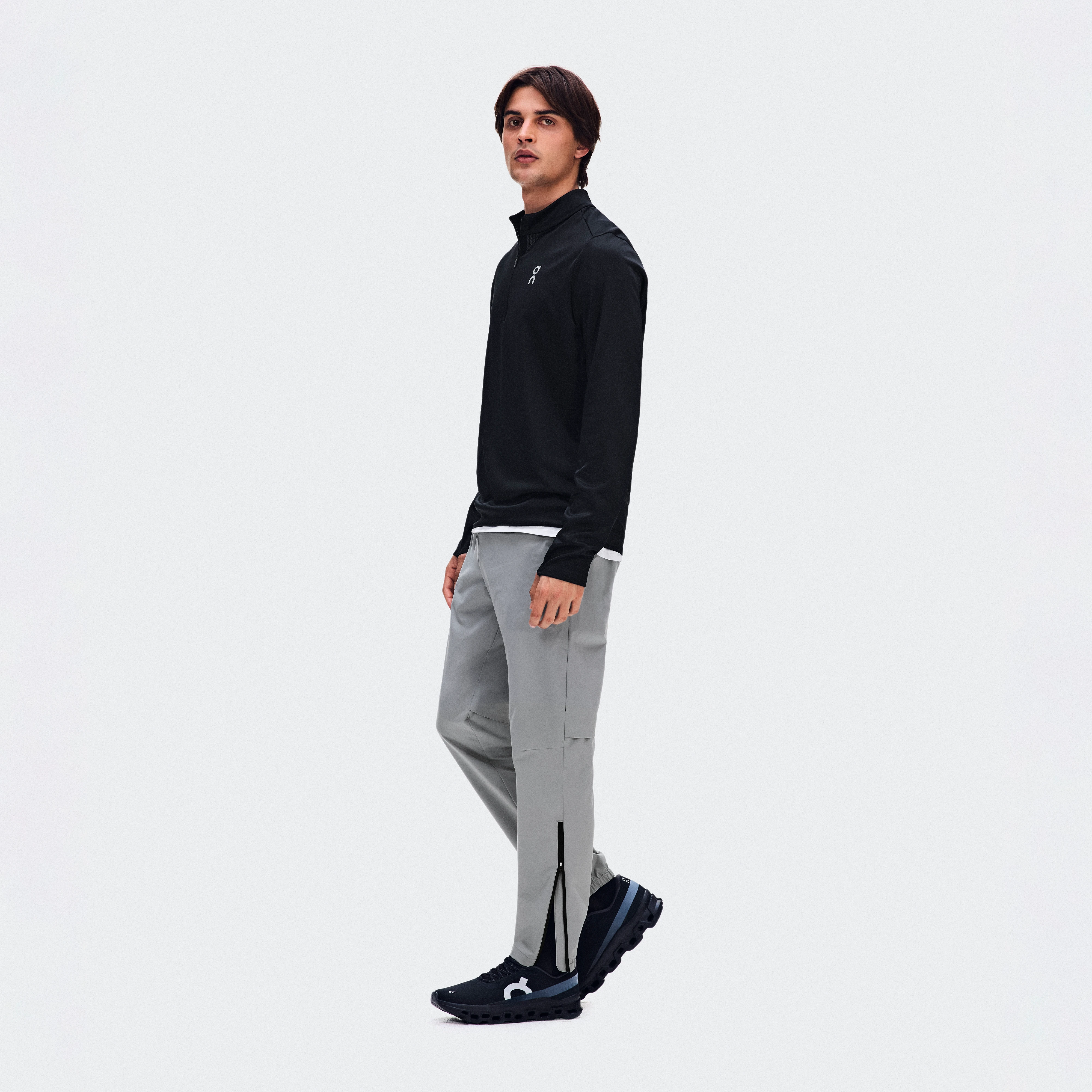
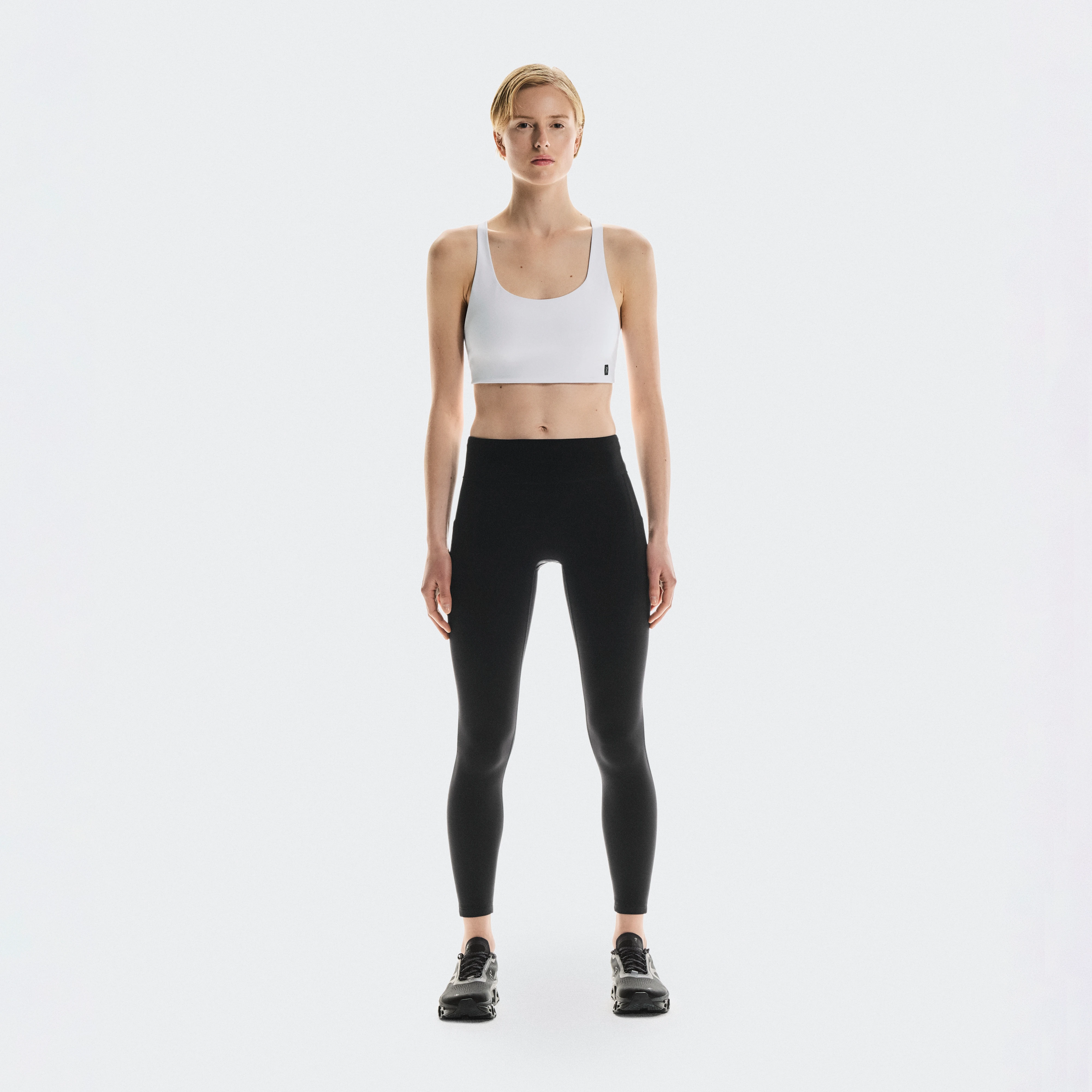
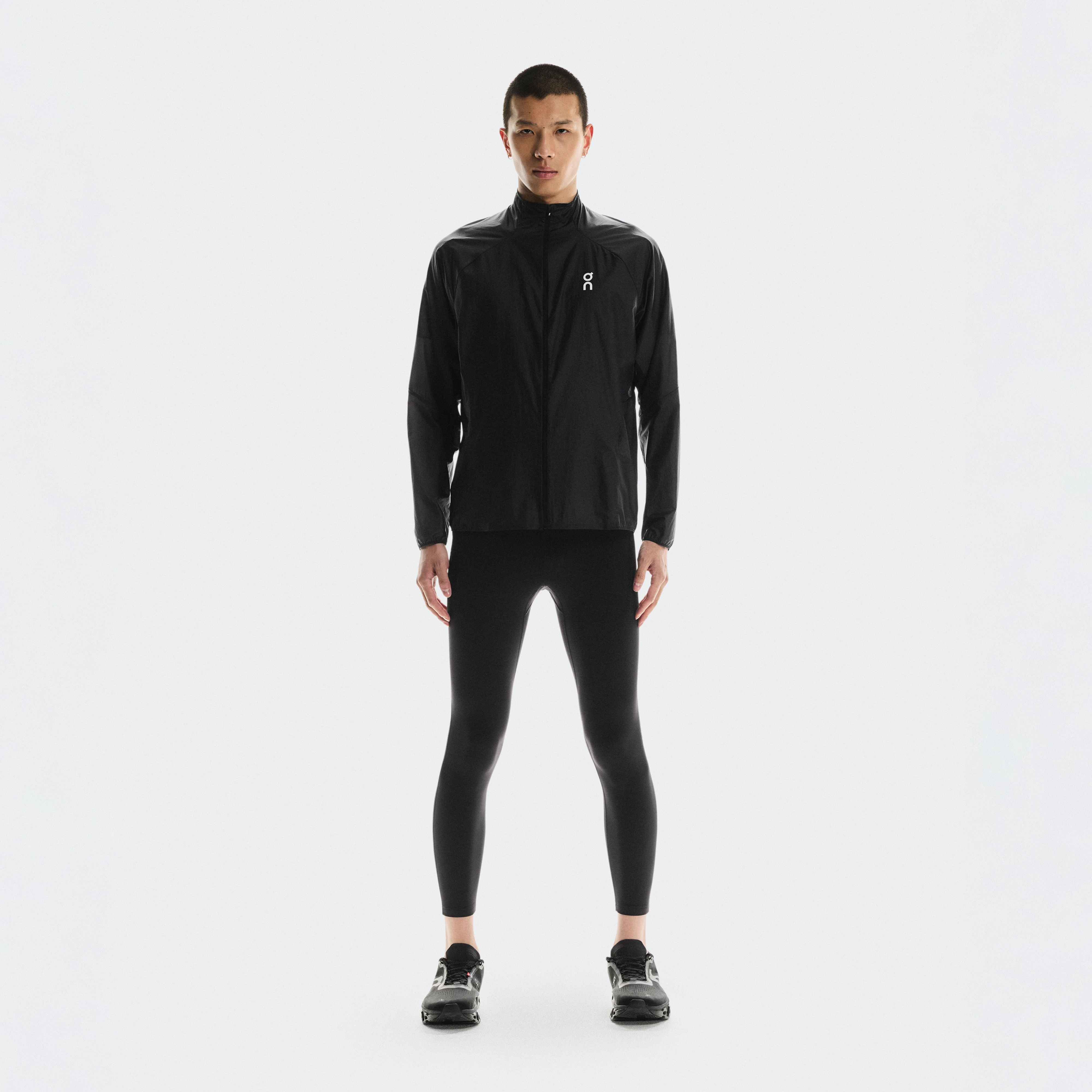
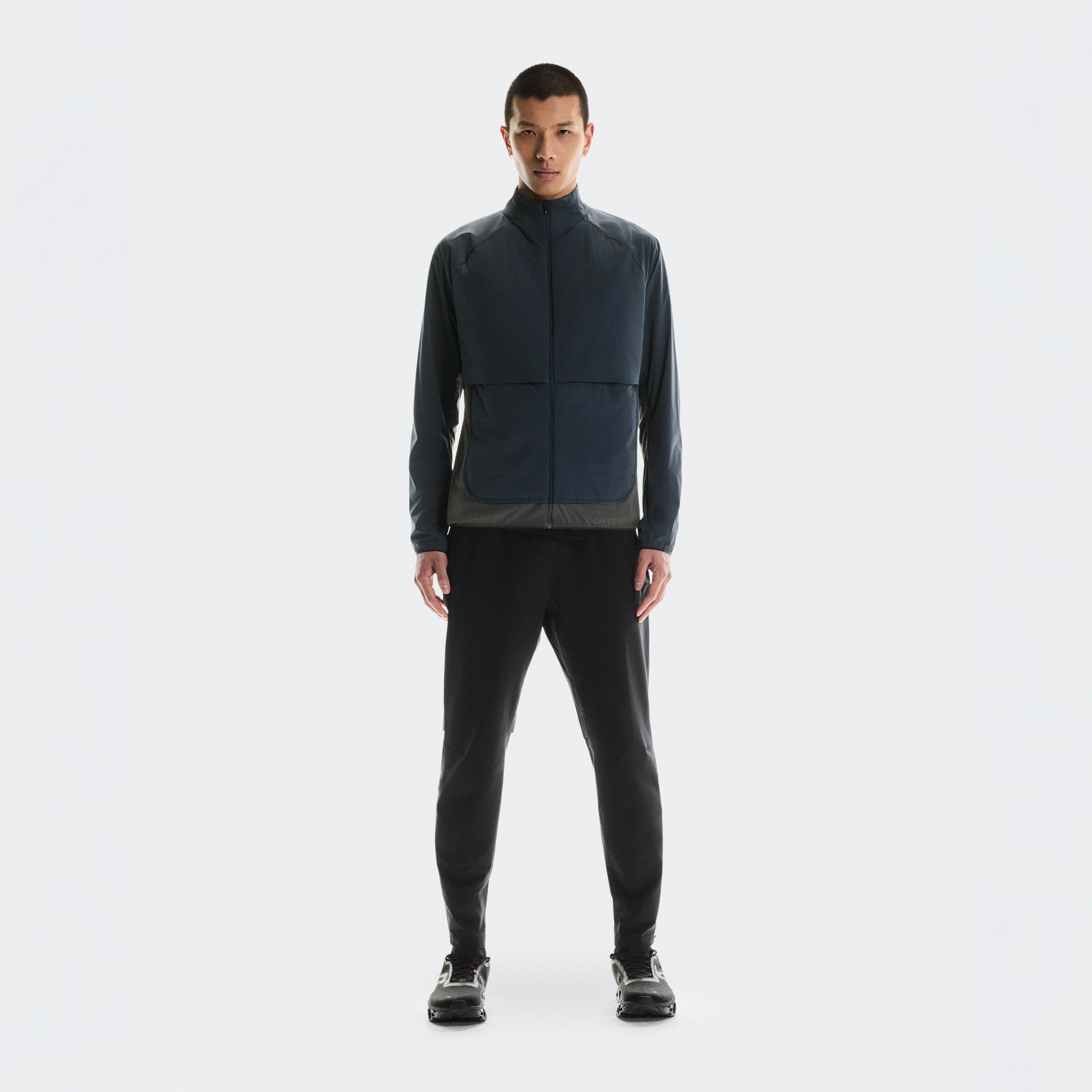
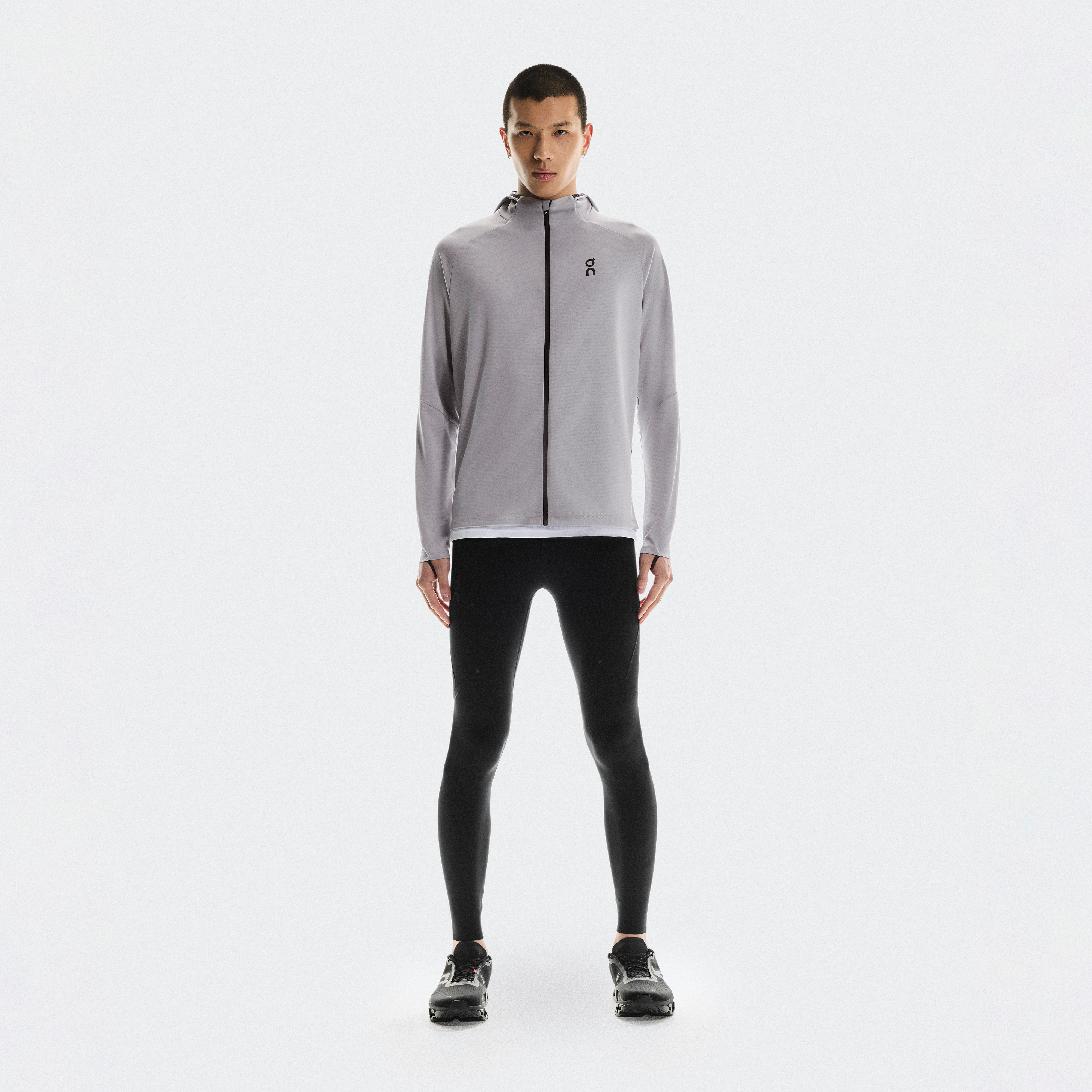
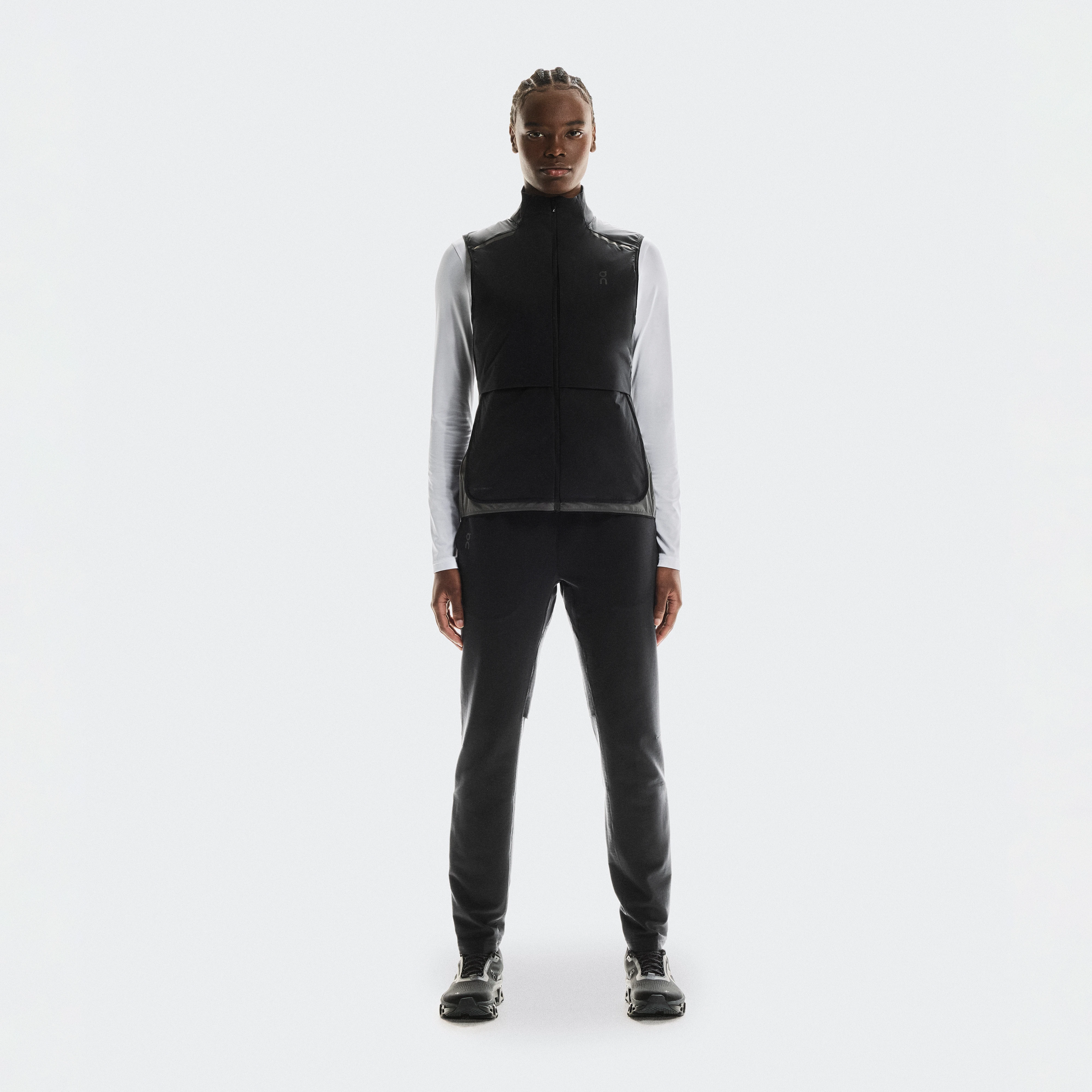
What to wear running in the rain
You don’t need to stay fully dry. When running in wet conditions, you need to stay warm. Focus on lightweight, water-repellent materials, such as recycled polyamides and DWR-treated synthetics that keep rain off without trapping heat. These fabrics create a barrier that beads water on the surface while remaining breathable enough. Once you’re wet, it’s about managing it.
Base layer
Start with a close-fitting top that won’t hold water. It should wick sweat and stay light, even when damp. Avoid anything that absorbs moisture and turns heavy mid-run.
Optional layer
If it’s cold as well as wet, add a light mid-layer. Keep it breathable and quick-drying – enough to hold warmth without soaking through. Look for high-stretch, synthetic blends that maintain their shape even when damp.
Outer layer
A lightweight, water-resistant jacket helps keep the worst of the rain off. Look for something breathable (ventilated architecture is a plus) and packable (in case you heat up mid-run). A cap-style hood and water-resistant zippers can also be helpful to keep moisture out. Tip: Fully waterproof jackets can trap heat, so use your discretion.
Accessories
Small details make a big difference in the rain.
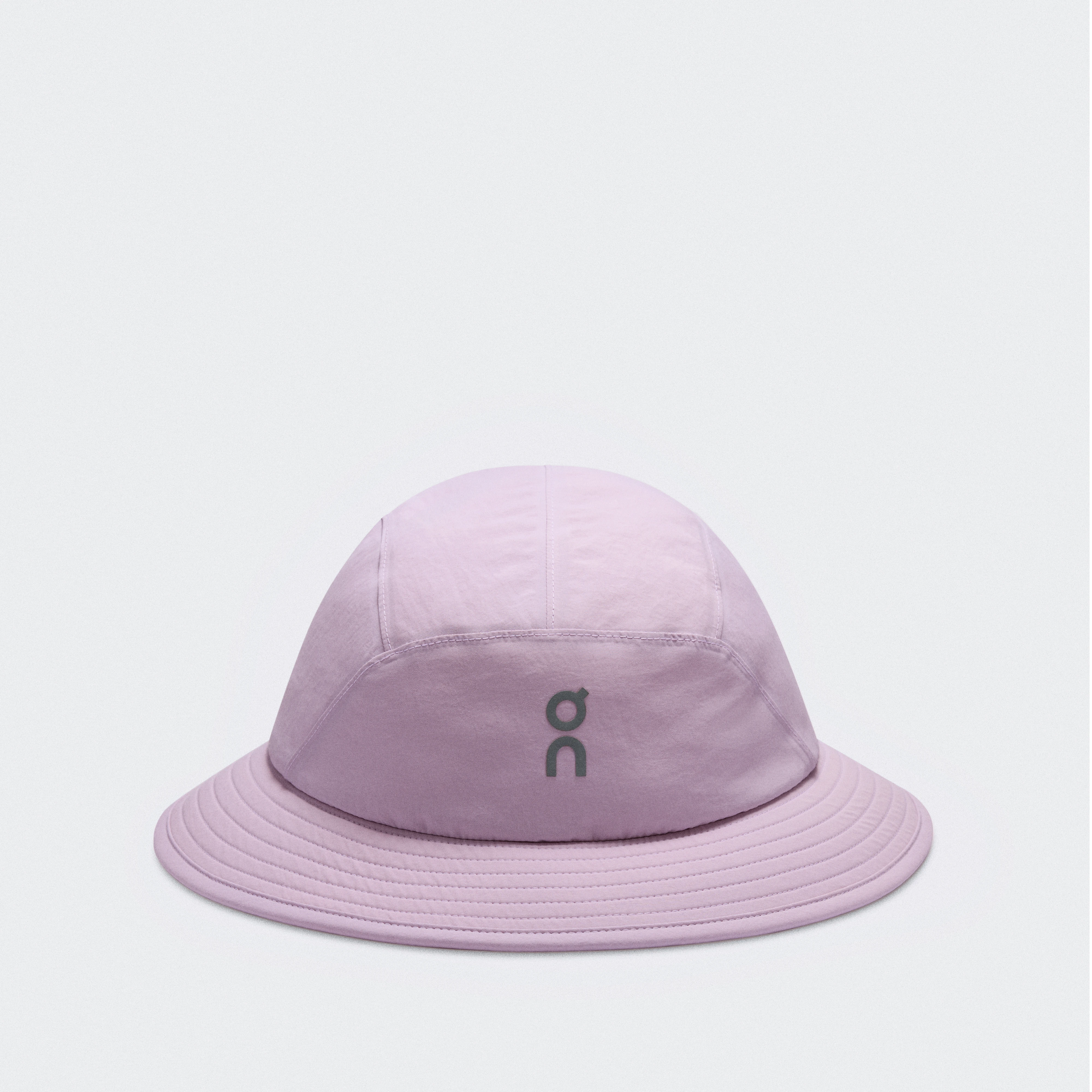
- Hat: Look for a wide brim, which acts as a windshield for your eyes and keeps rain from blurring your vision. - Socks: Choose synthetic or wool blends that won't swell or sag like cotton. - Running shoes: A grippy outsole and waterproof upper like the Cloudrunner Waterproof, provide traction on slick surfaces.
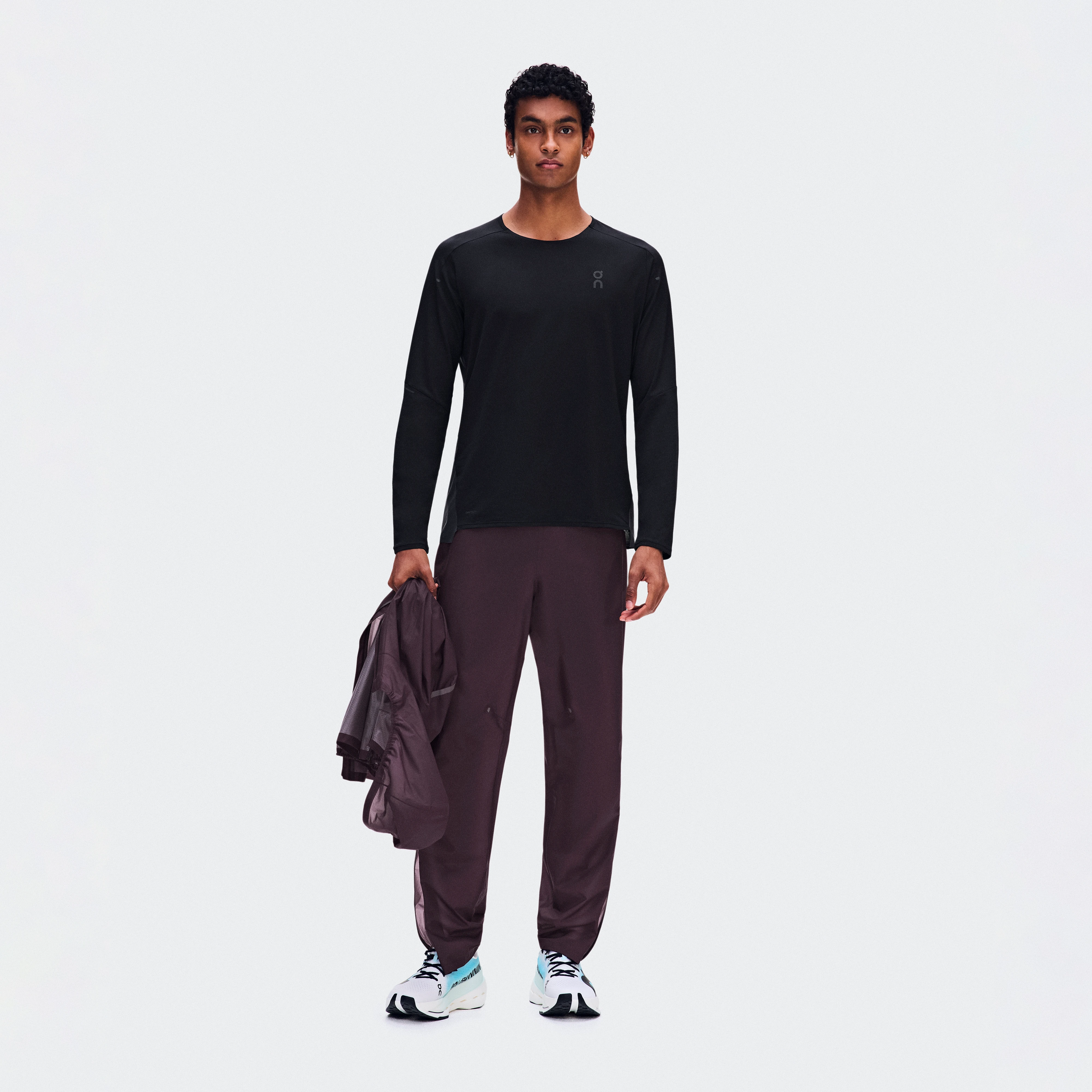
What details to look for
Your gear should disappear the moment you start moving. Keep an eye out for features that support comfort across all the elements:
- Moisture wicking: Pulls sweat away so you stay dry. - Quick drying: High-performance synthetics release water quickly, preventing fabric from getting heavy mid-run. - Reflective: Improves visibility in low light. - Insulated: Helps to maintain core warmth in cold conditions. - Chafe prevention: Smooth construction and features such as bonded seams and flatlock stitching reduce friction over long-distance efforts.
For Yaa, the Performance Tights Shorts strike “the perfect balance” because they’re “short enough to feel light and breathable in warm weather, while still covering the areas that could start chafing.”
Be an all-weather runner
Conditions change, but your kit can adapt to them. A few well-chosen layers will carry you through most runs. Focus on versatility – rather than quantity – so you can spend less time thinking about what you’re wearing and more time running.