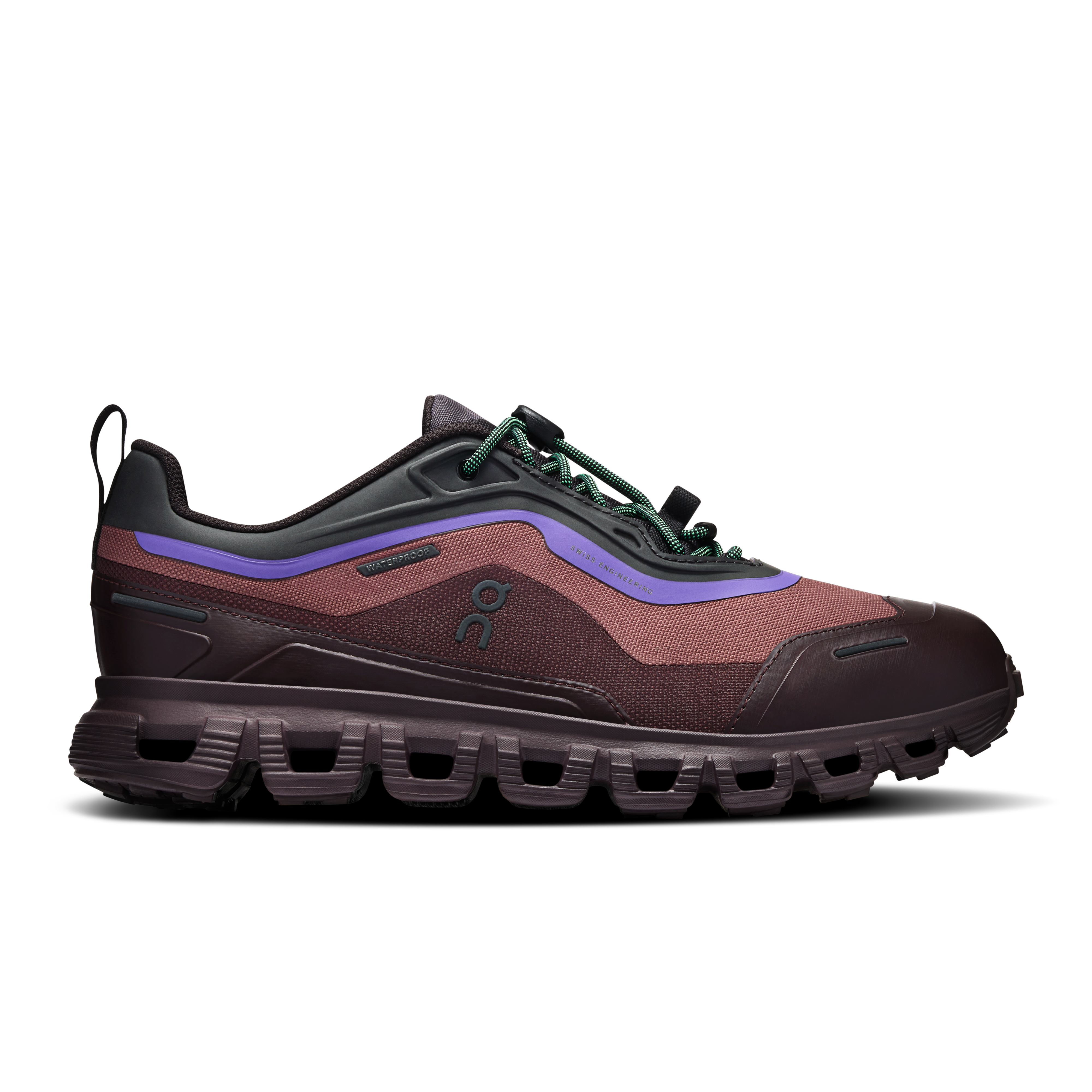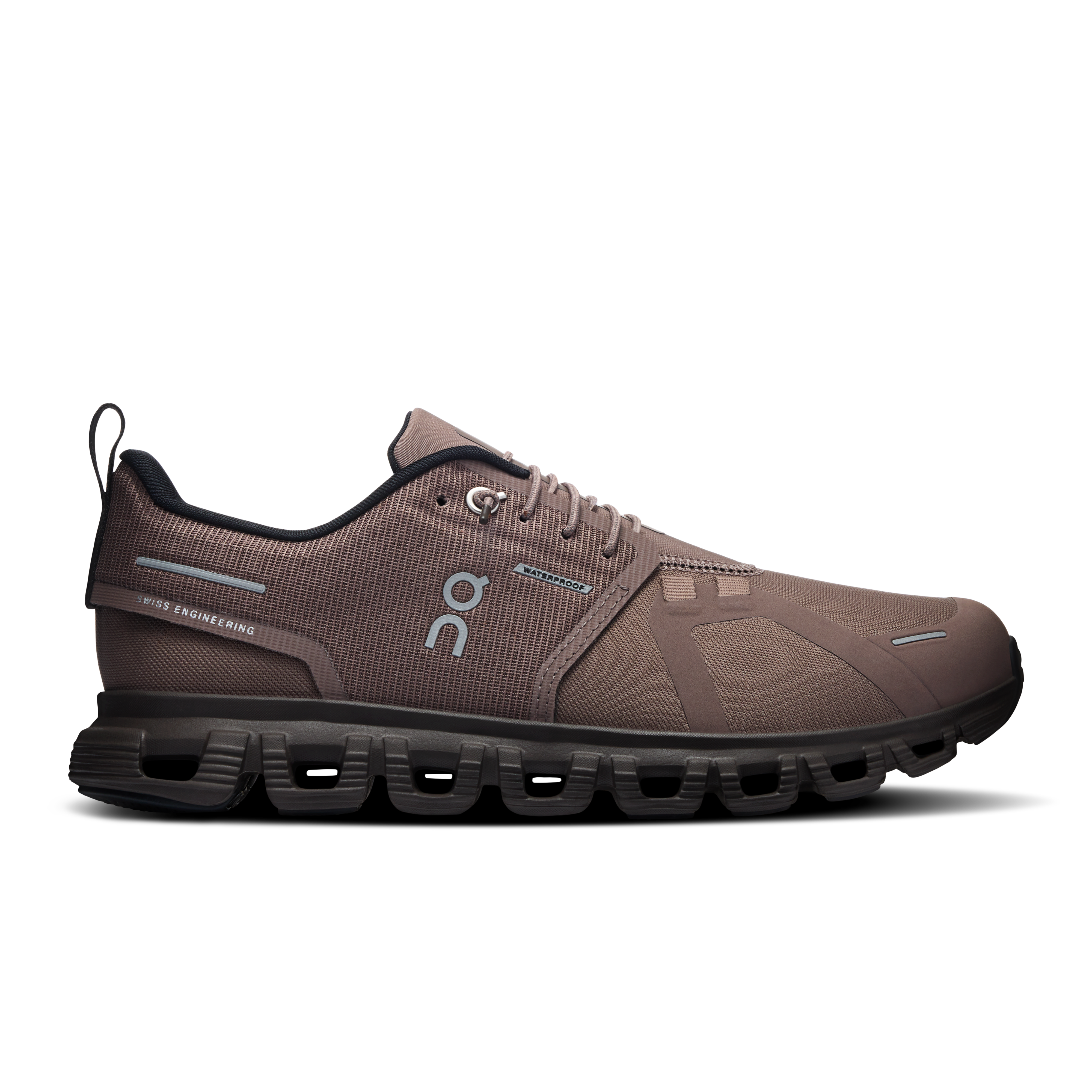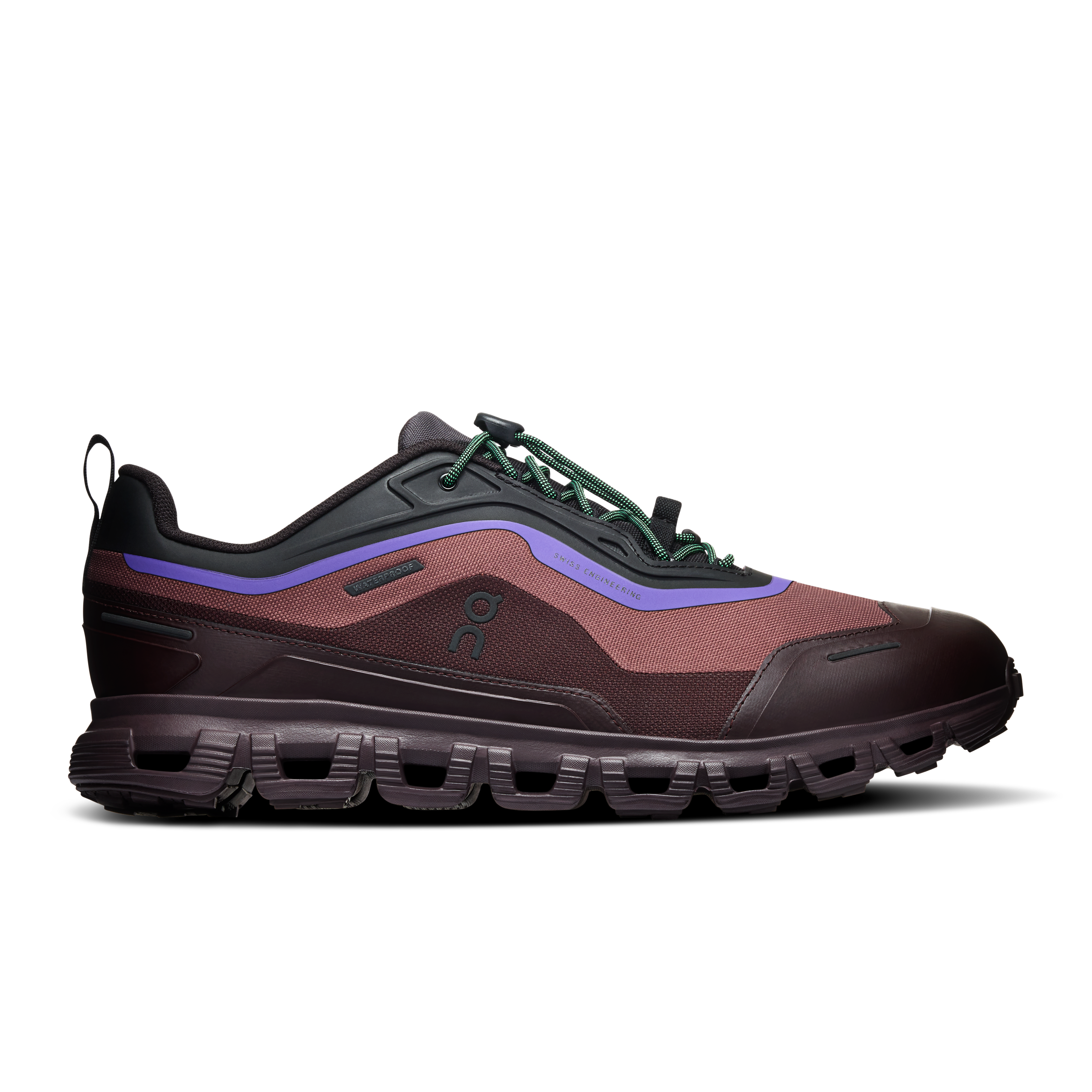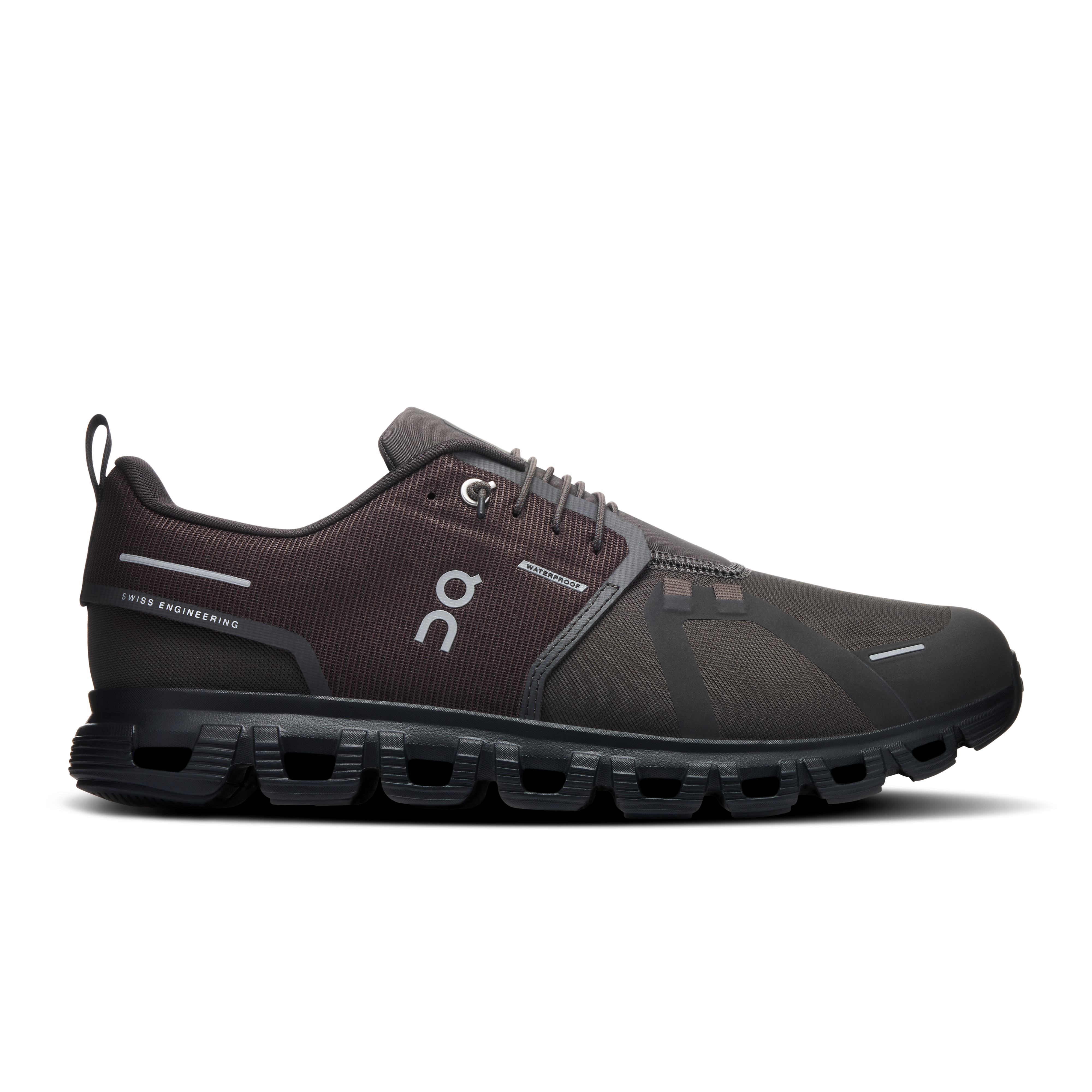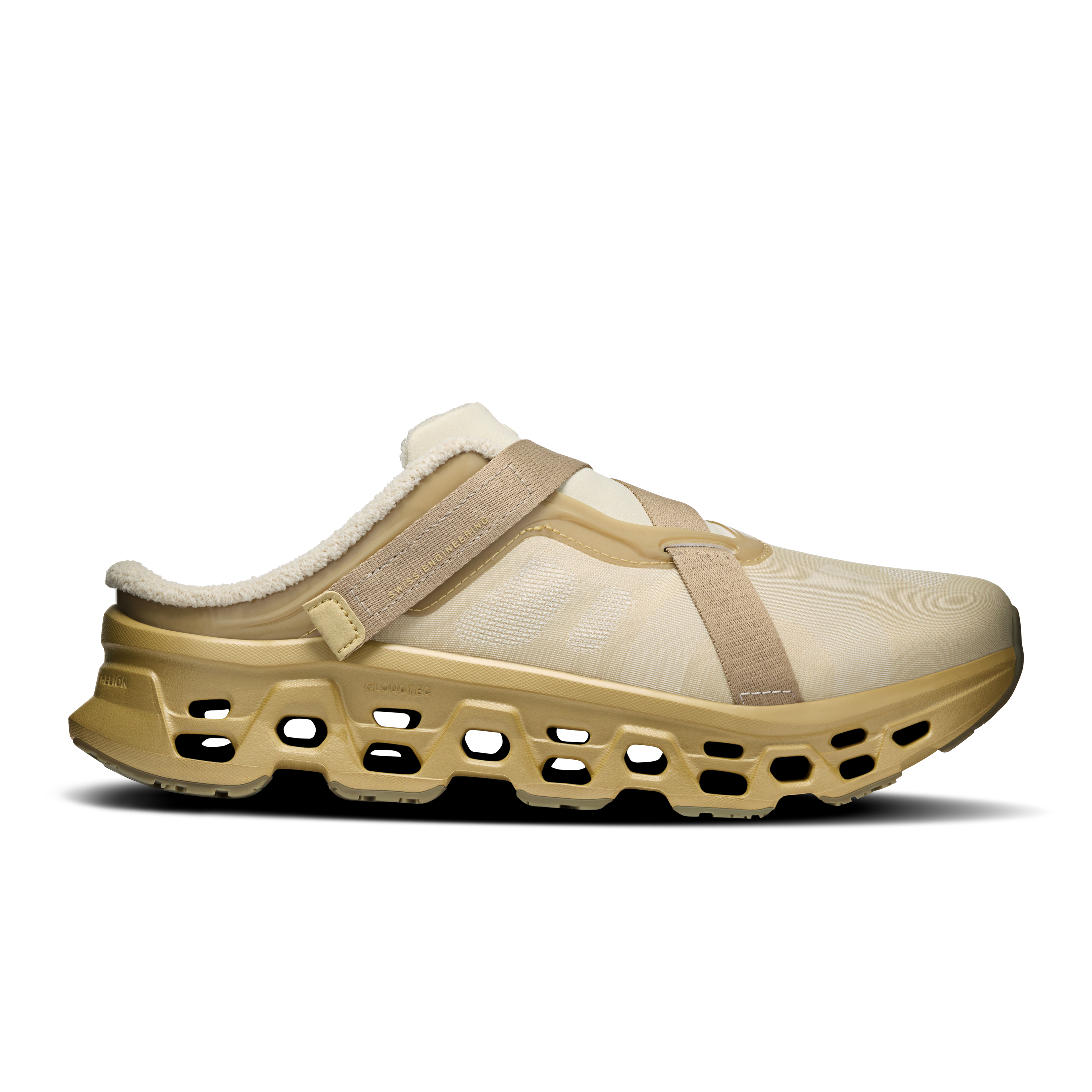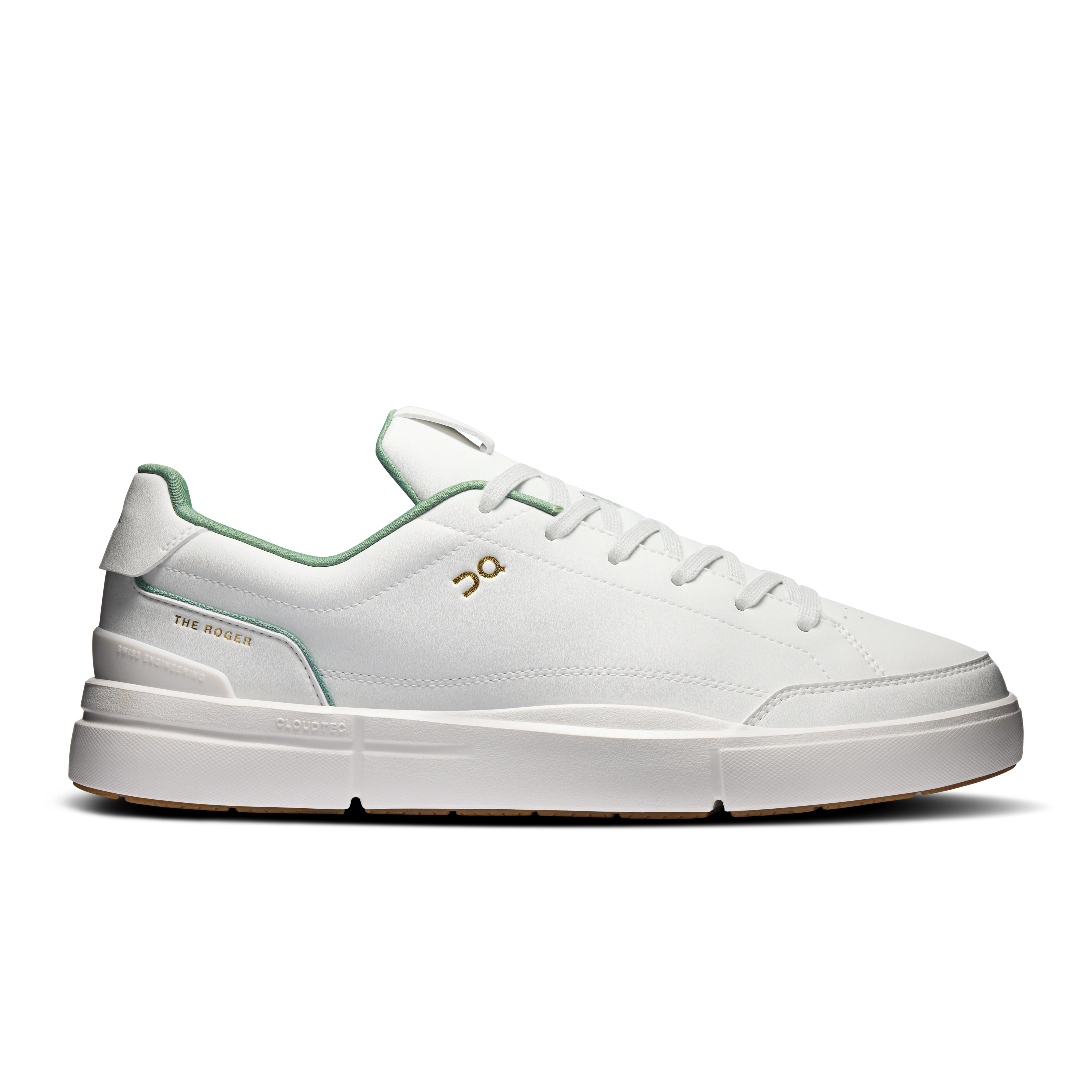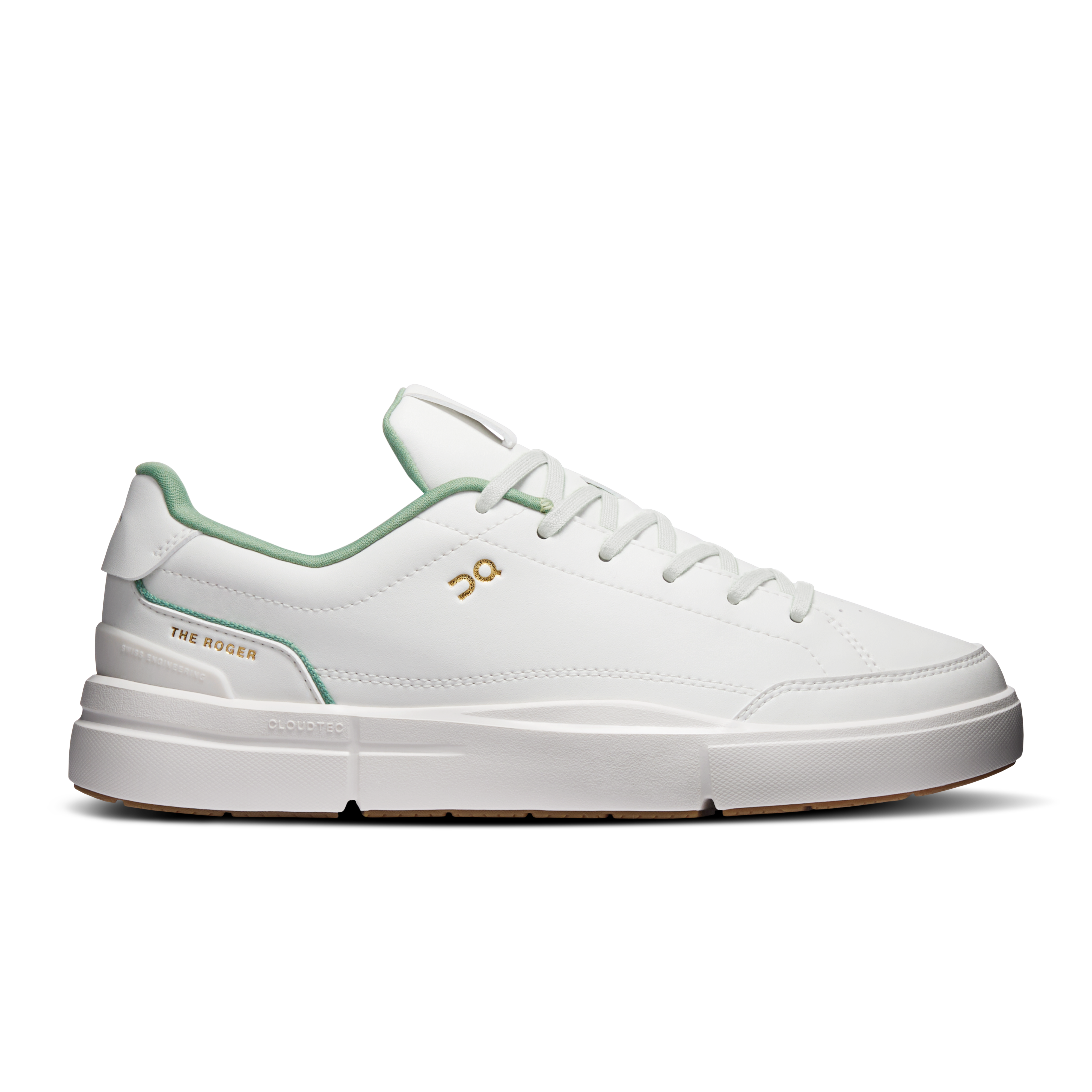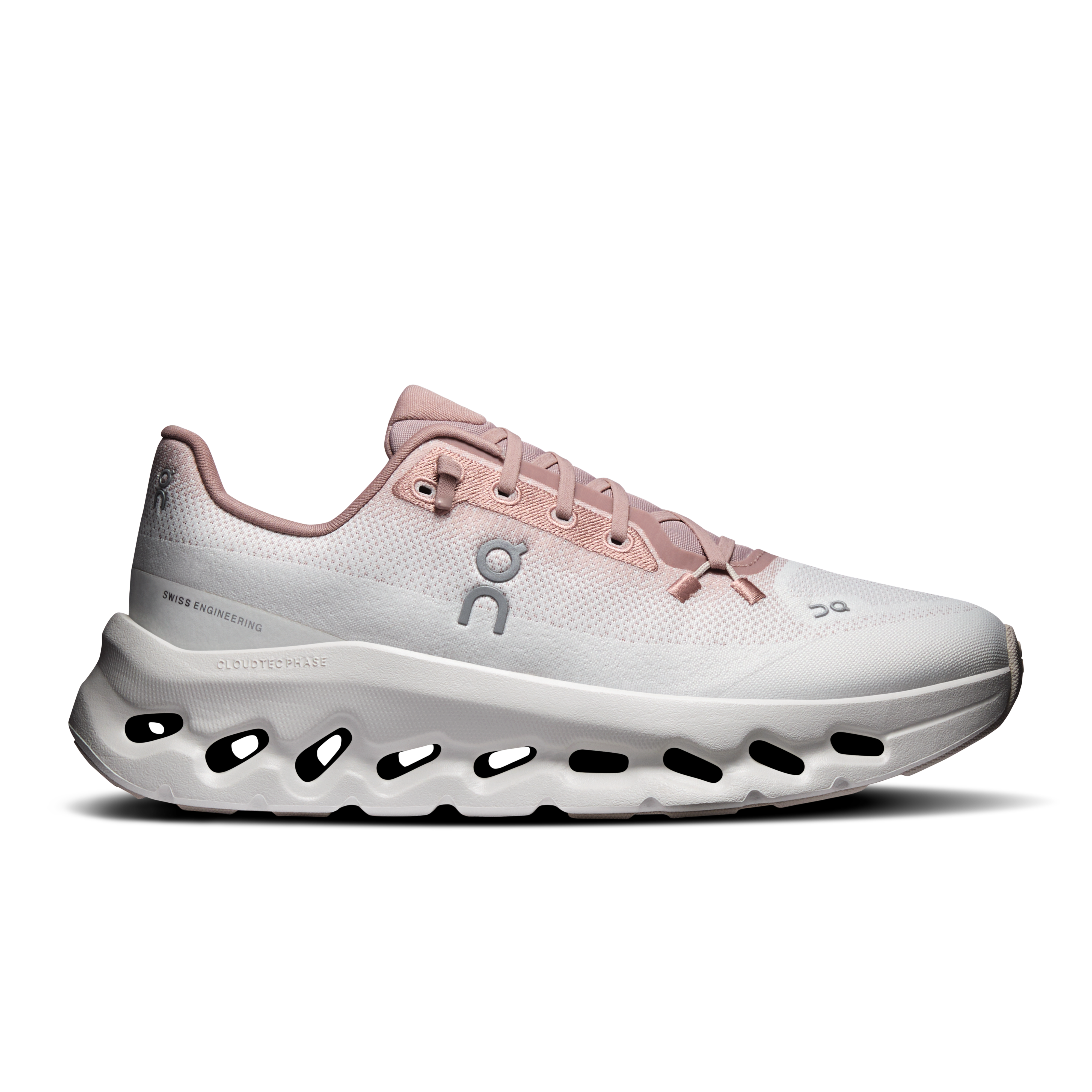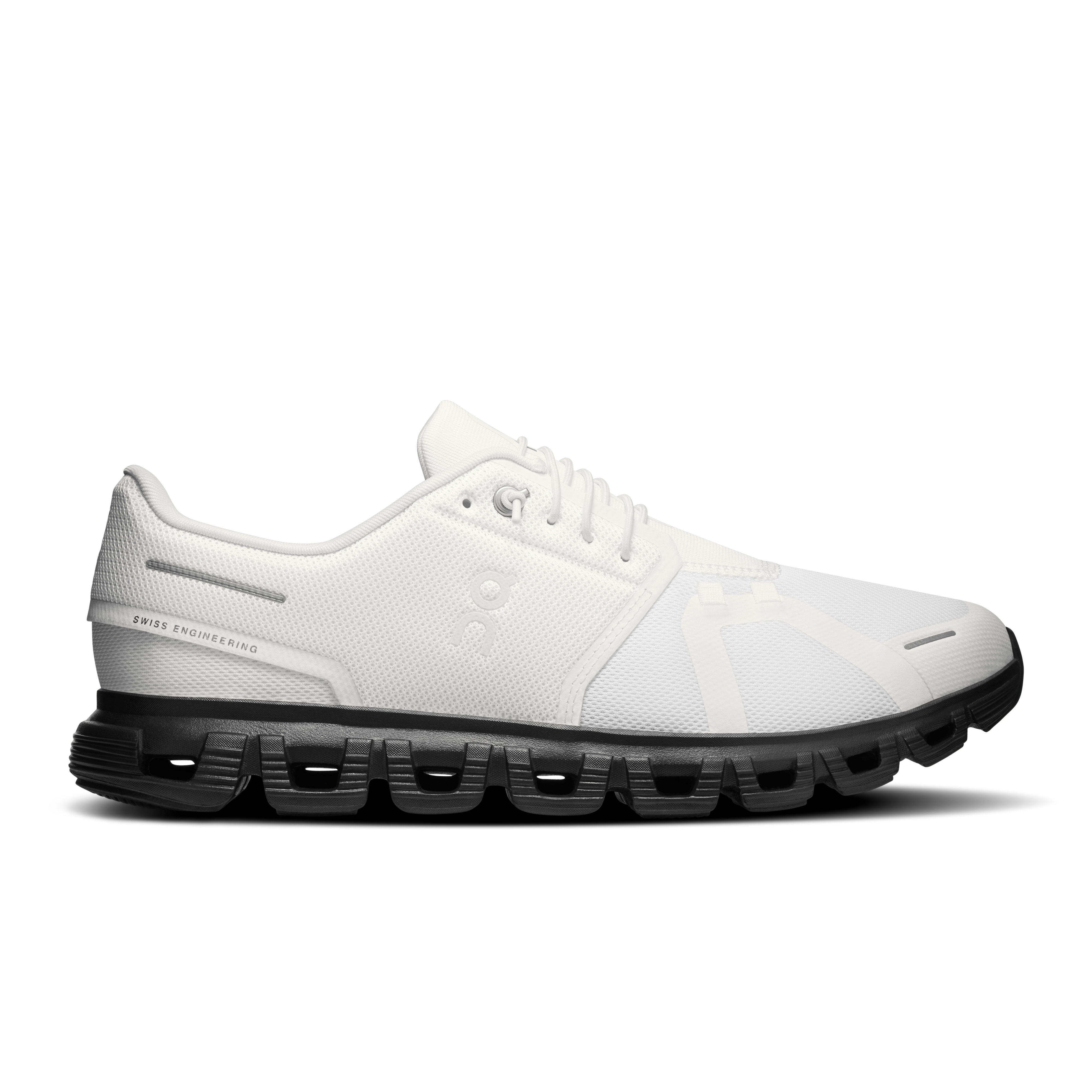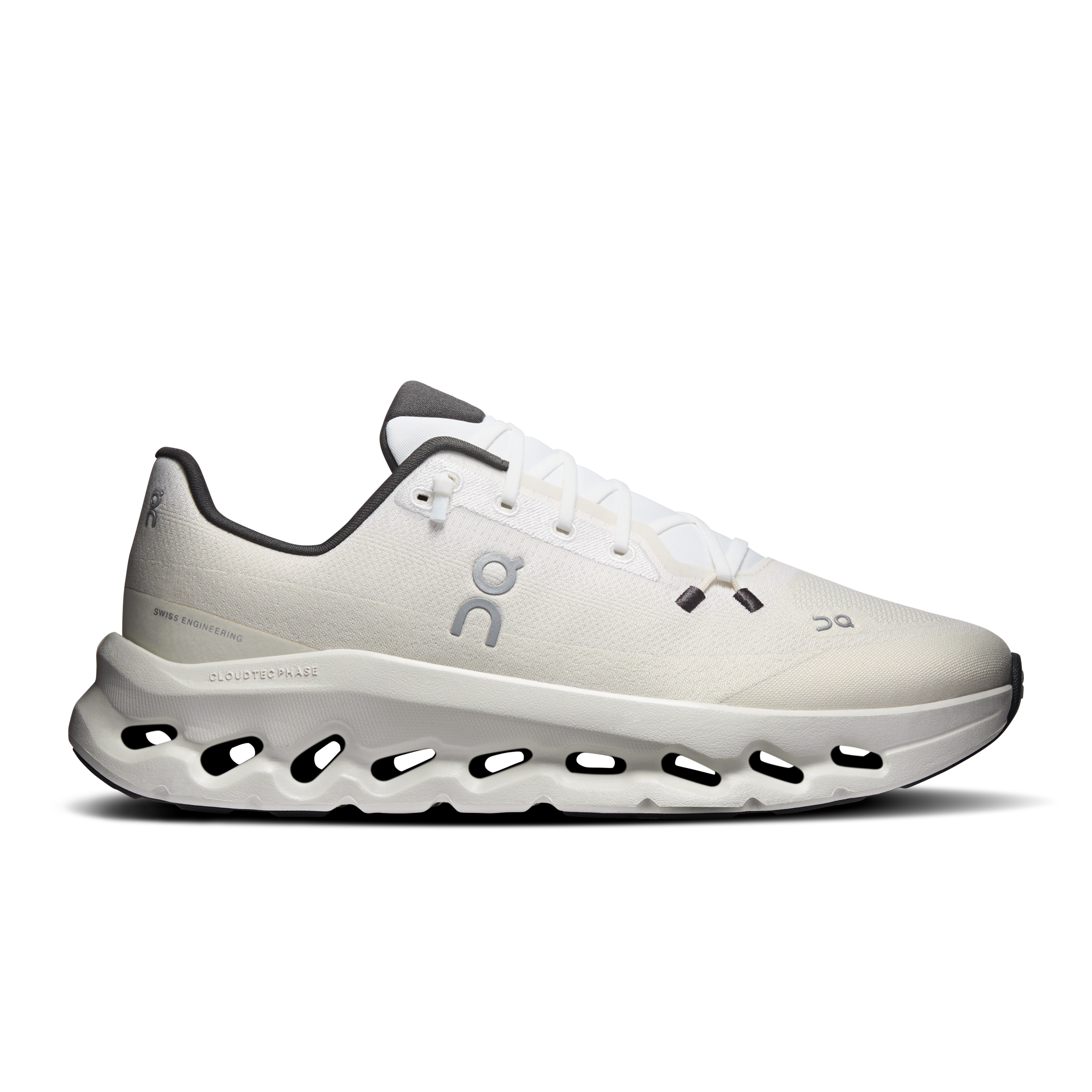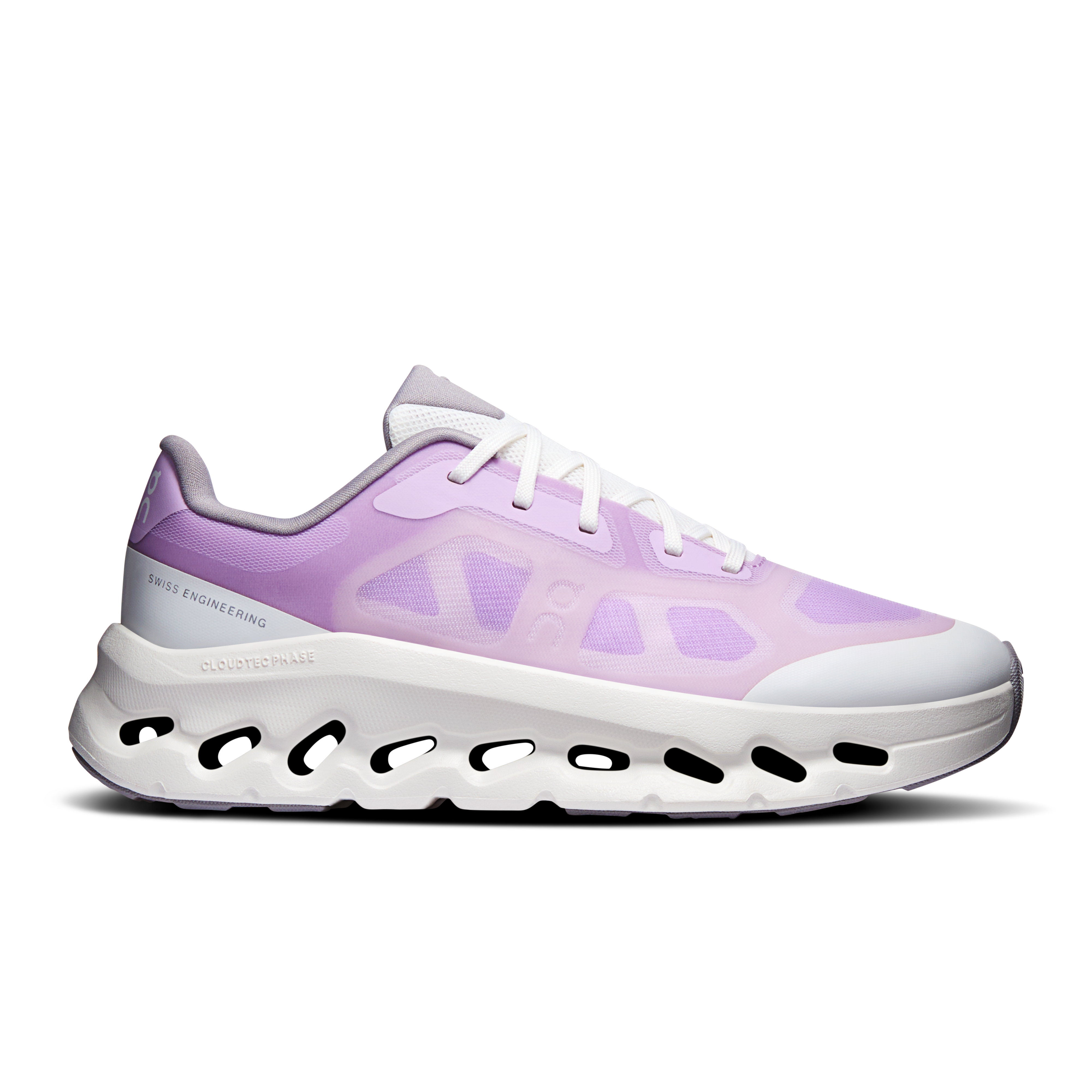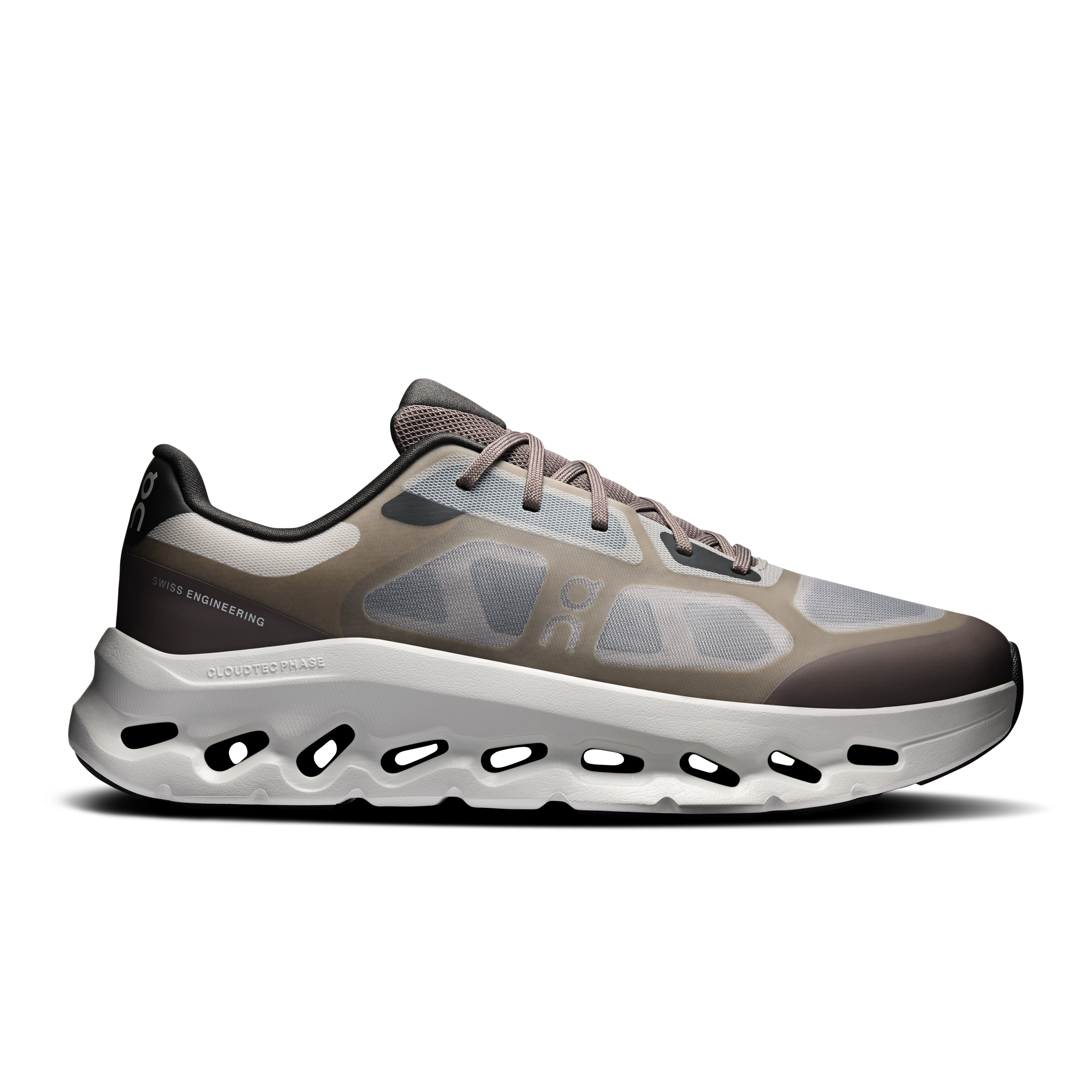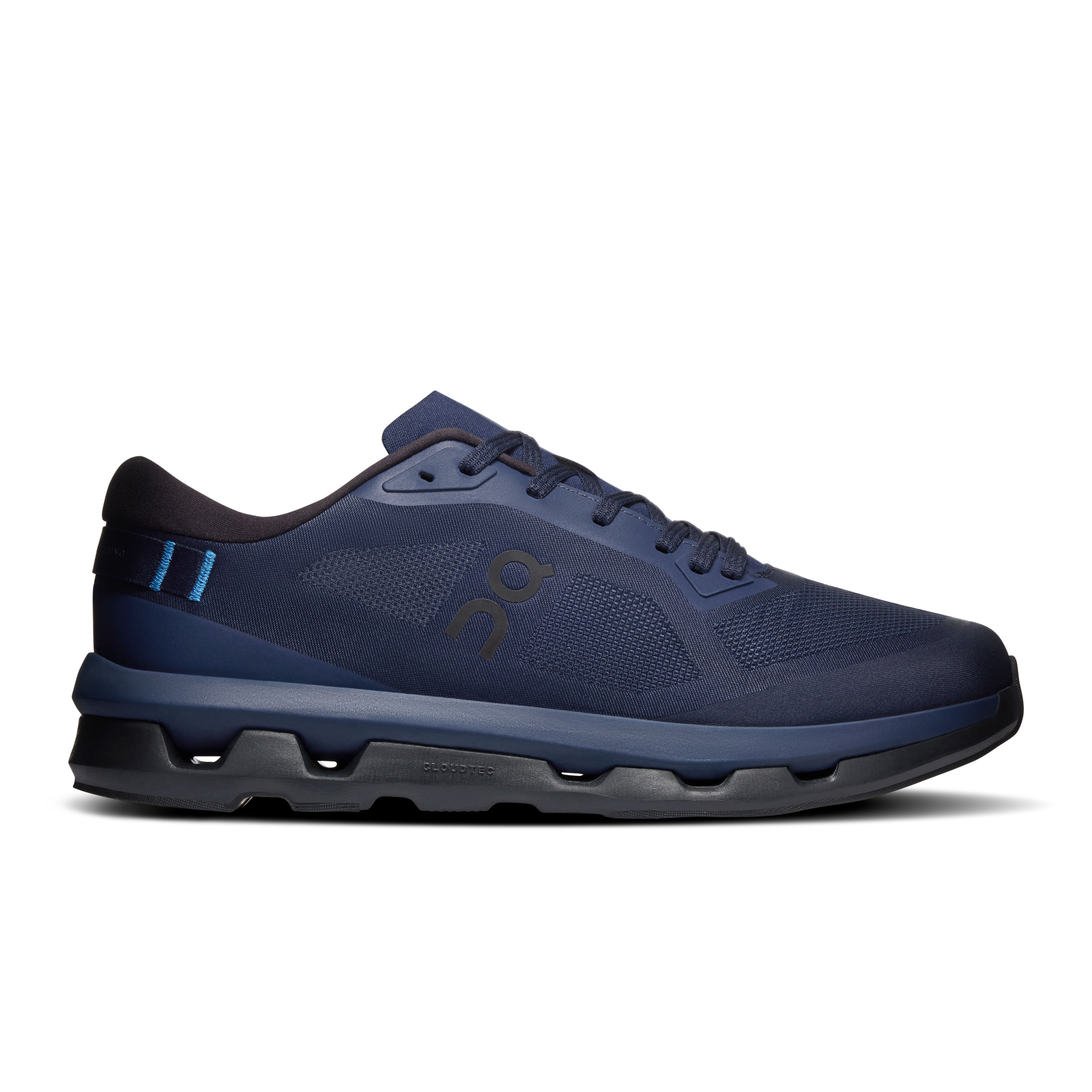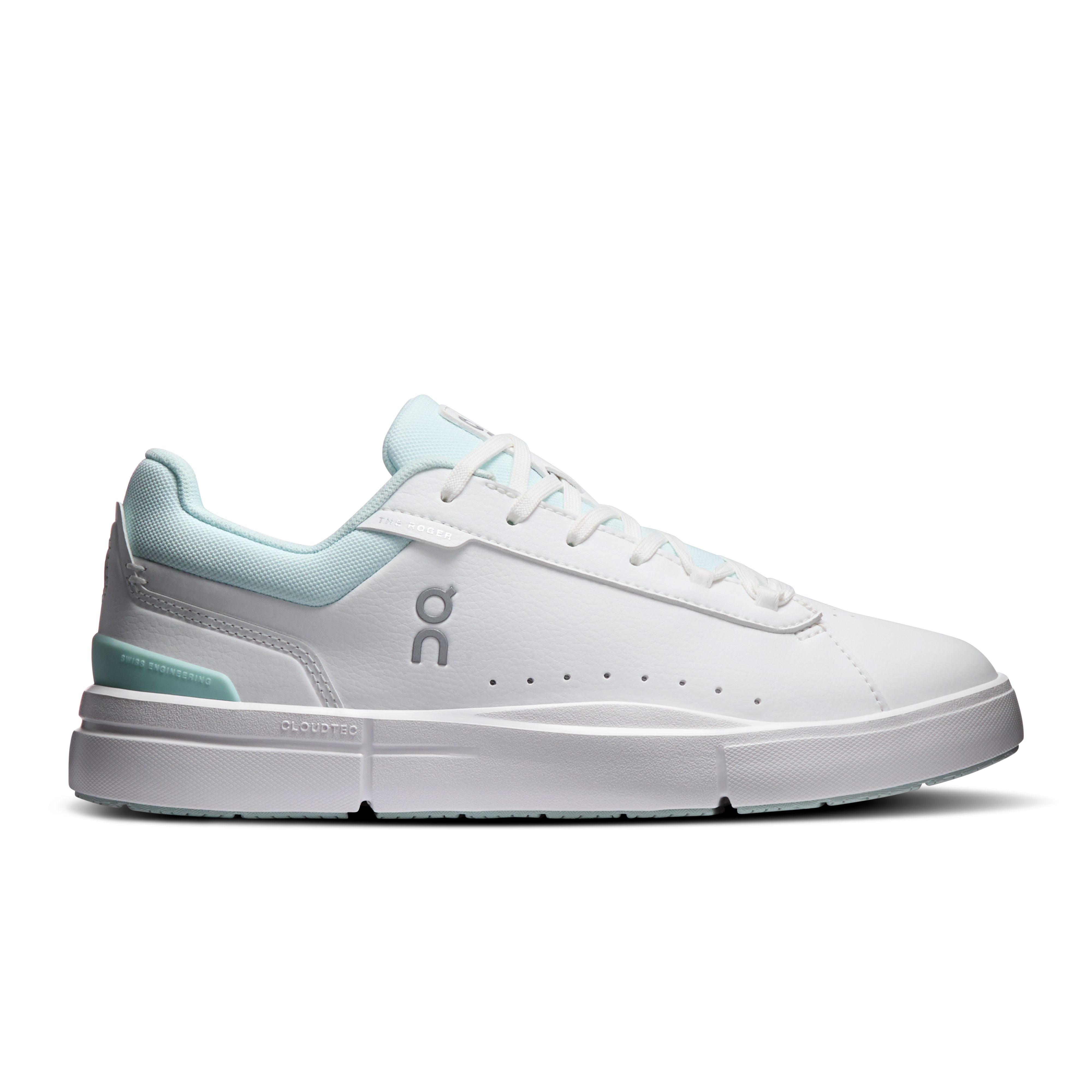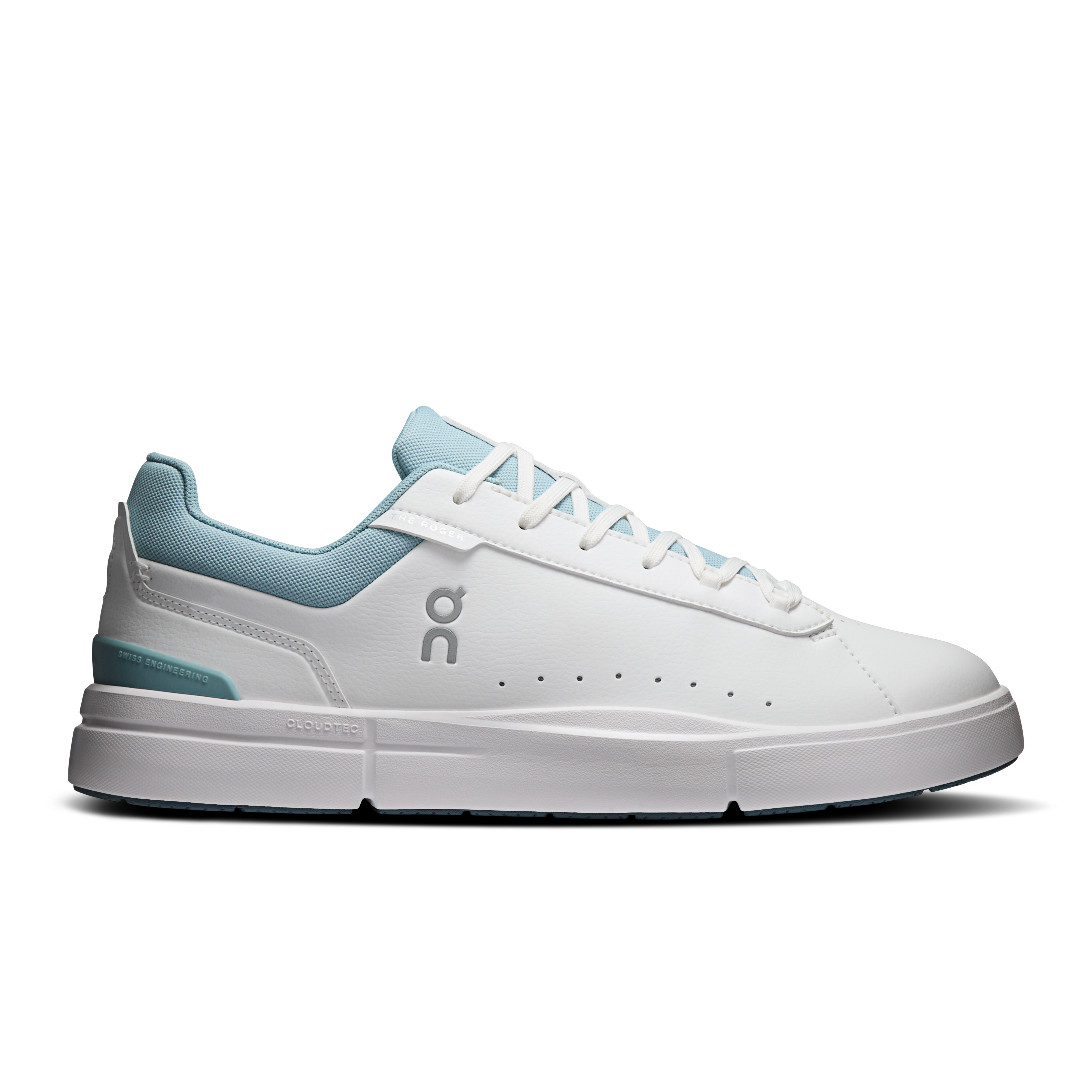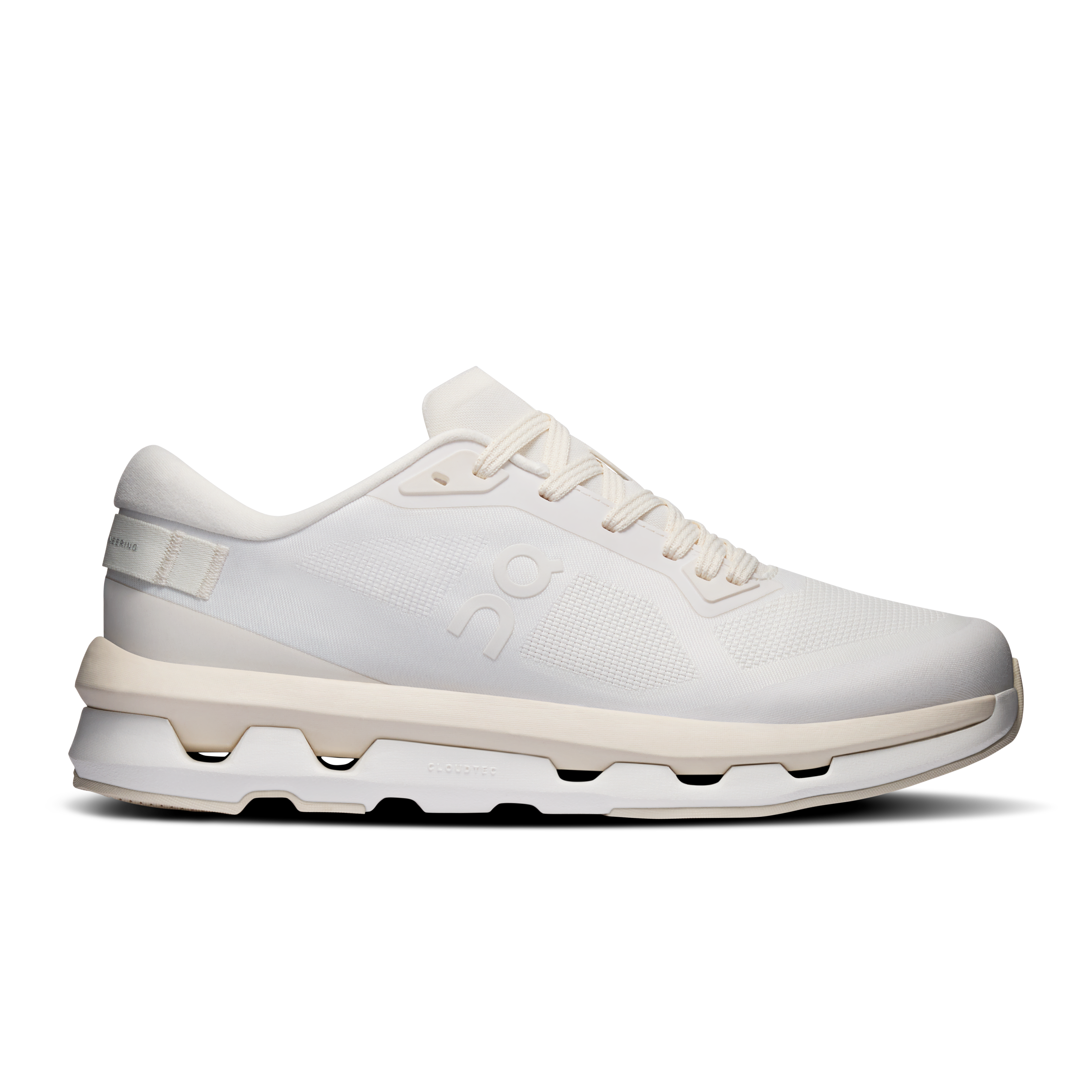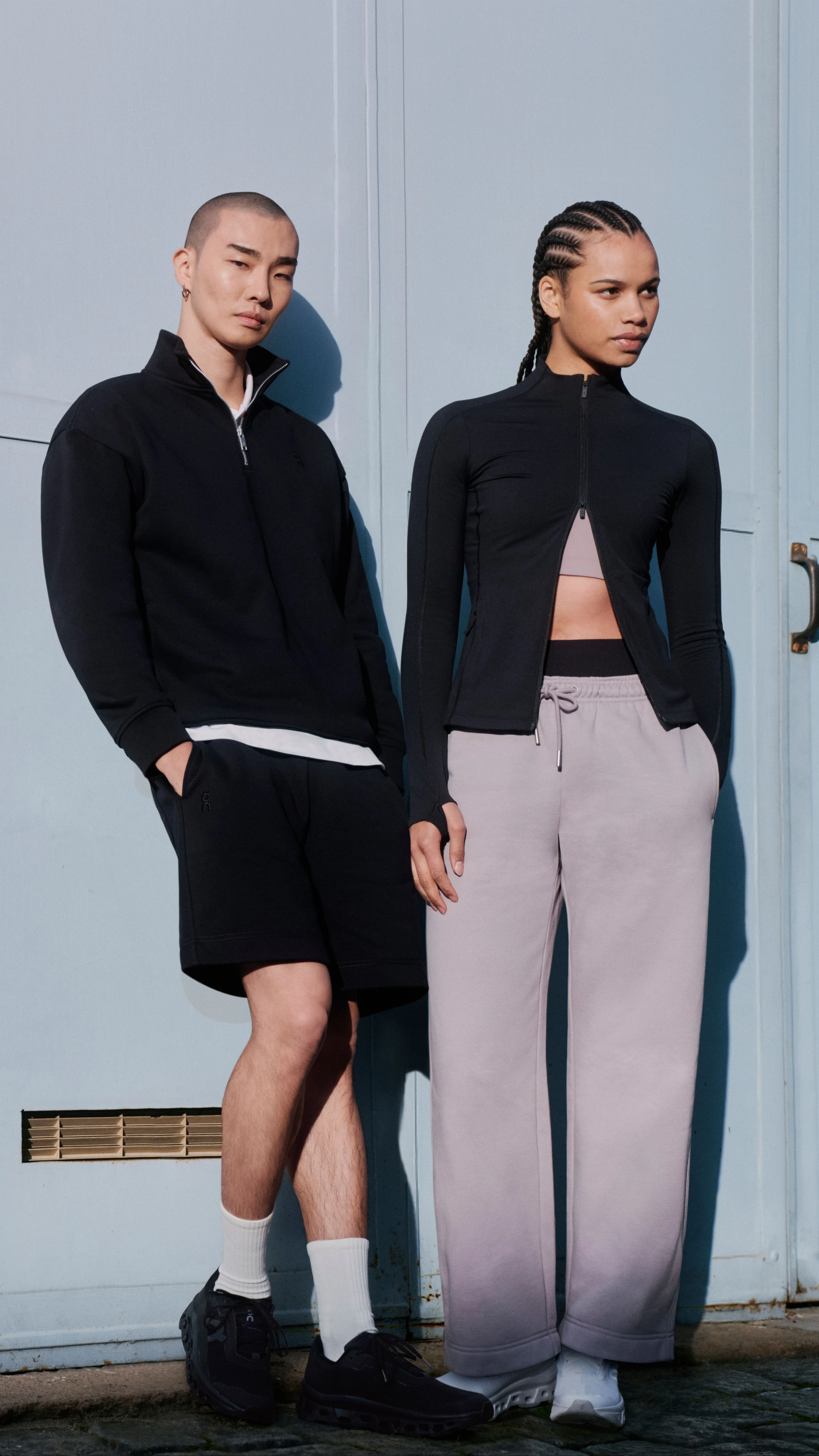
The rise of sneaker culture: Lifestyle meets performance
Sneaker culture started on a court. Today, the best performance footwear moves just as naturally through daily life as it does through training. Here's how function became the foundation of self-expression.
The first step you take matters. A new pair of sneakers carries possibility: a morning run, a cross-continental flight, a work meeting, or maybe a weekend away. Before your sneakers are broken in, they’re waiting for a story.
Footwear has always been personal. For Van Randolf Tan, an On ambassador, the shoes he wears reflect how he moves through the world. “I gravitate toward shoes that embody performance with intention and precision,” he says.
That connection between movement and identity sits at the heart of sneaker culture. The shoes that were built for sport became the shoes people reached for everywhere else too. Not because they looked the part, but because they felt right. Performance footwear moved so naturally into daily life that the line between training gear and self-expression began to blur.
“For me, sneakers represent the intersection between ambition, recovery, curiosity and everyday life,” Tan says. The shoes we wear aren't separate from our routines, interests or ambitions. They're part of the same story.
That's sneaker culture. It’s the evolution of performance footwear into something bigger: a way of expressing who you are.
From sport to self-expression
It started on a court, then it left the hardwood.
Basketball players wore their shoes when the game was over, and tennis players wore theirs beyond the baseline. What began as performance equipment slowly became part of the everyday uniform.
By the 1970s and ‘80s, athletic footwear was no longer confined to sport. Shoes designed for grip, cushioning and support started appearing as streetwear, in music venues and emerging cultural scenes.
One moment defined the sneaker culture shift. In 1984, a signature basketball shoe was banned by the NBA for violating uniform regulations. Demand only grew. The controversy transformed a performance shoe into a cultural symbol.
Hip-hop accelerated the movement. When Run-D.M.C. celebrated their shell-toes in a song, they weren't promoting a product. They were documenting a way of moving through the world. From there, sneakers became a shorthand for belonging, creativity and identity.
A colorway could represent a city, a silhouette could define an era, and a pair of sneakers could tell a story before anyone spoke.
Sneakers became a part of identity.
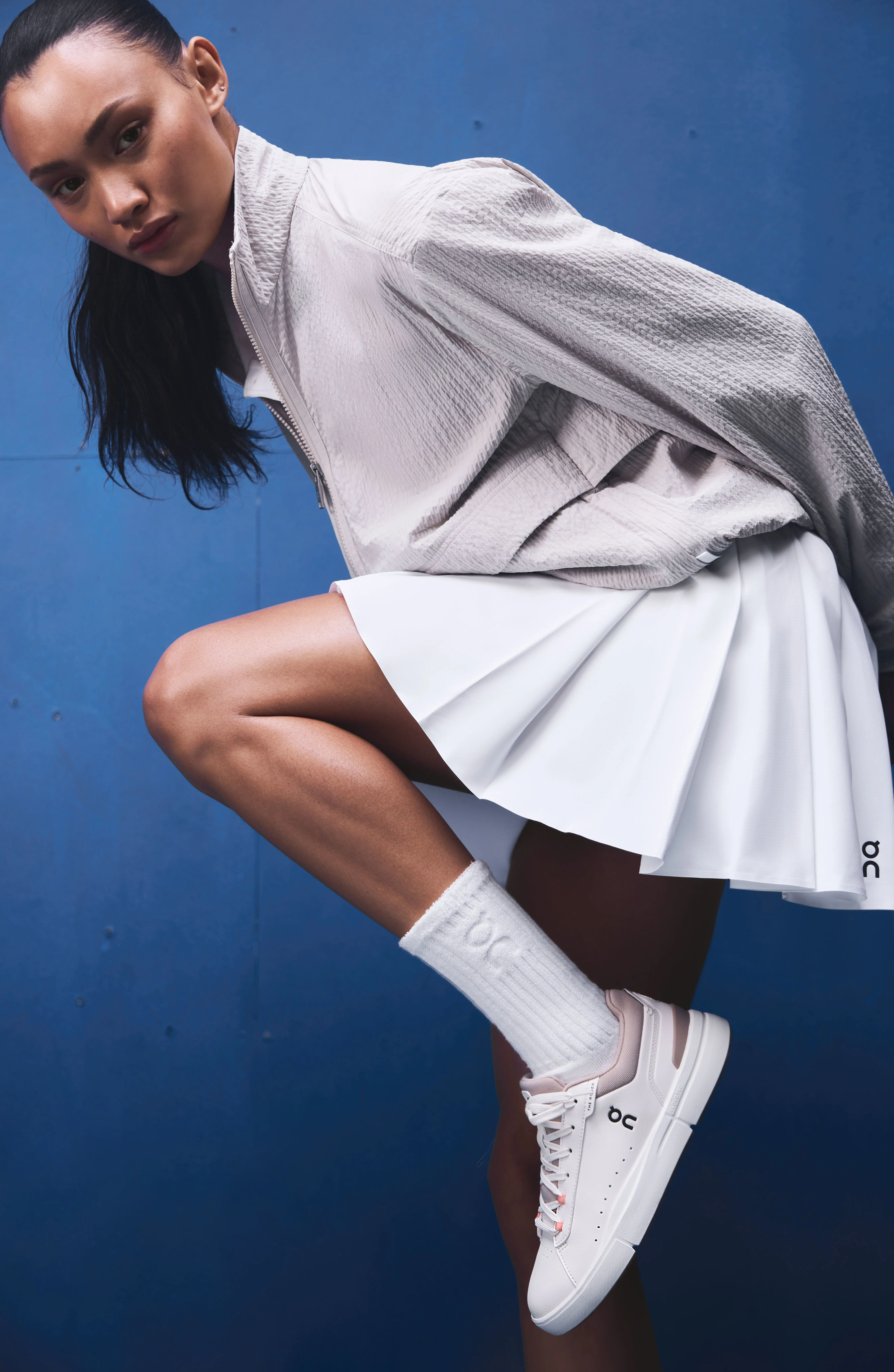
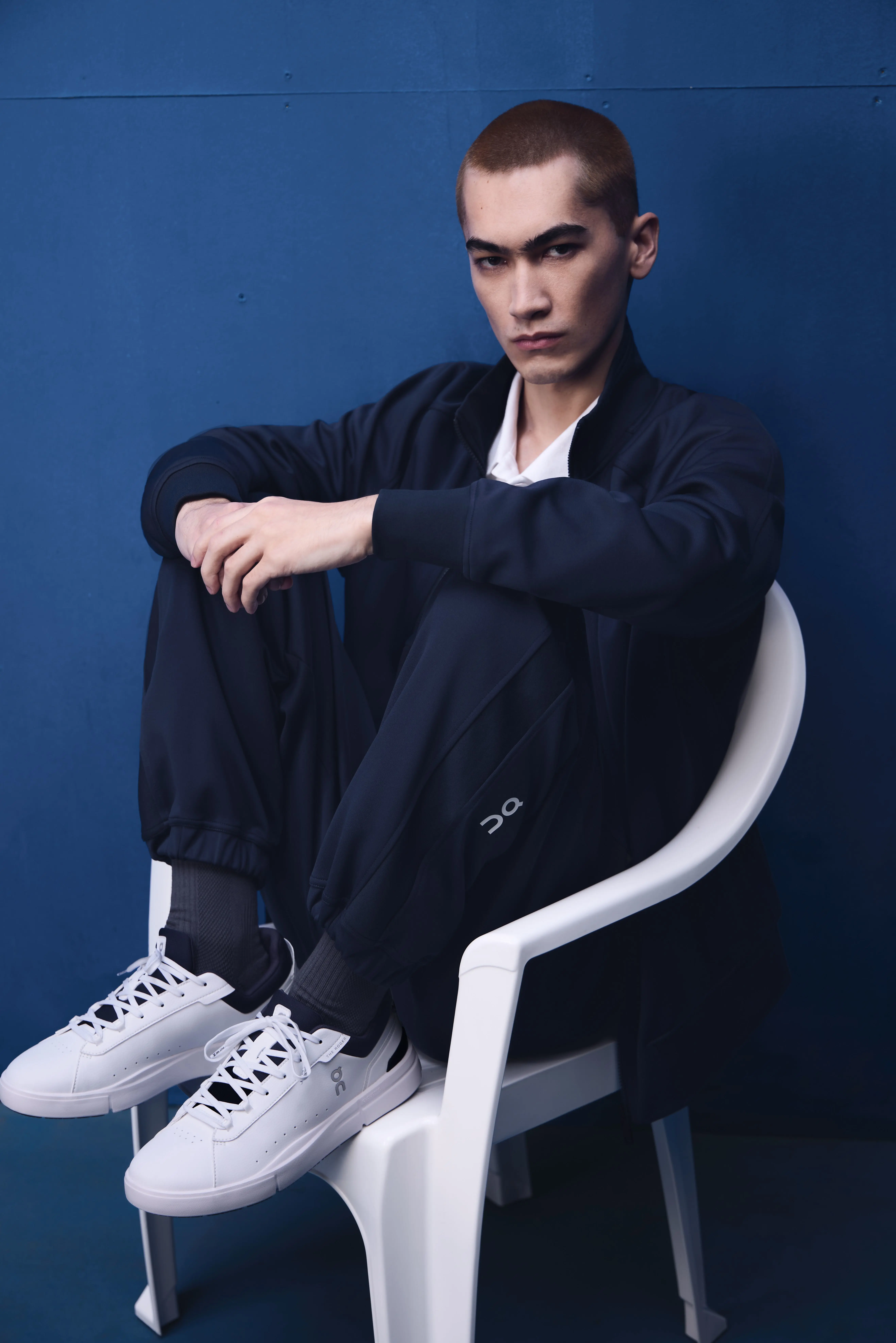
Why sneakers became a cultural identity
Without saying a word, footwear communicates something about who we are. It can signal taste, community, interests or aspirations. That's why sneaker culture has remained relevant for decades.
Beneath every collaboration, release and collection sits a simple human instinct: the desire to express ourselves.
As sneaker culture expanded, collaborations between sportswear brands, designers, musicians and artists transformed launches into cultural events. Some people bought sneakers to wear, others collected them. Certain pairs became symbols of specific moments in time. But the appeal goes beyond rarity.
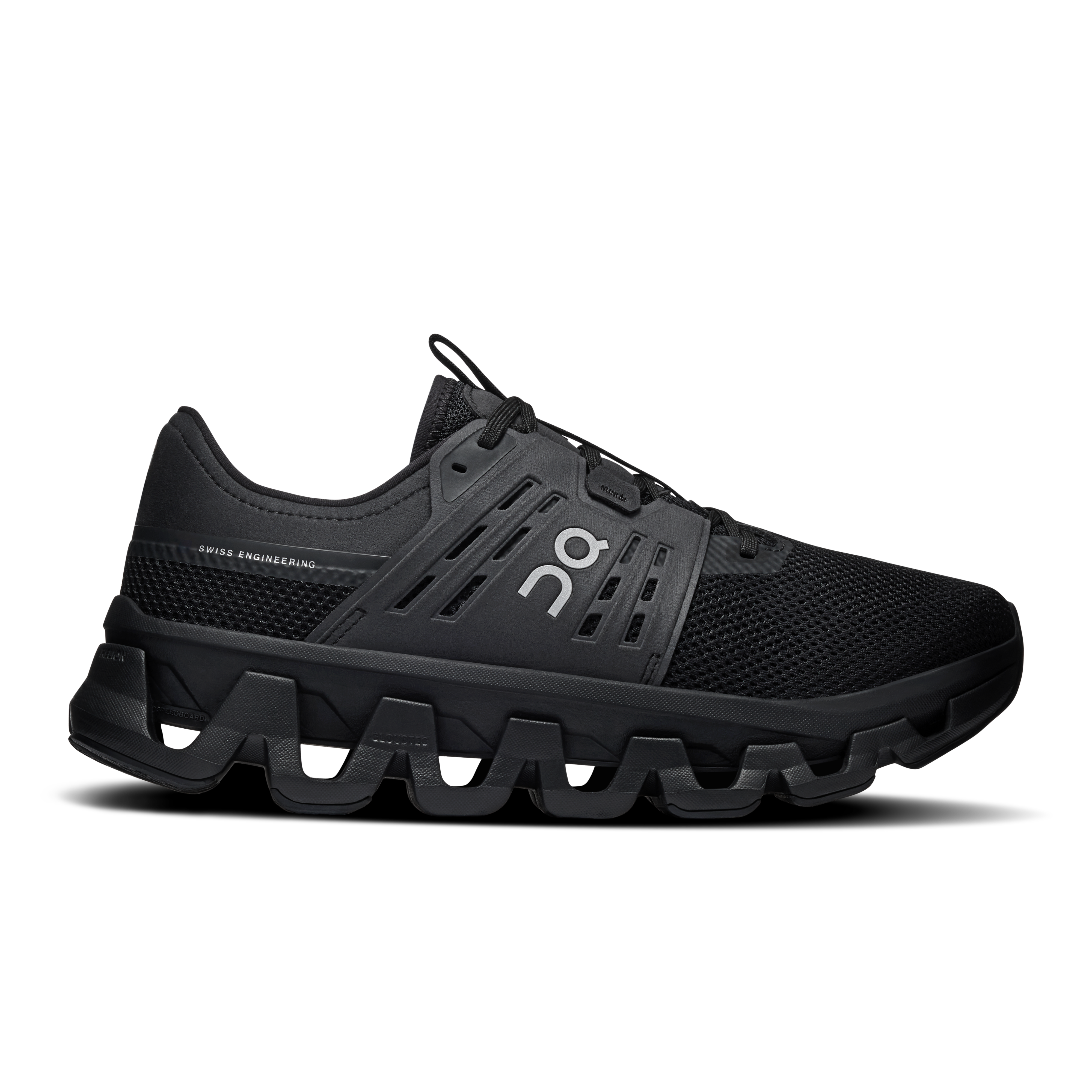
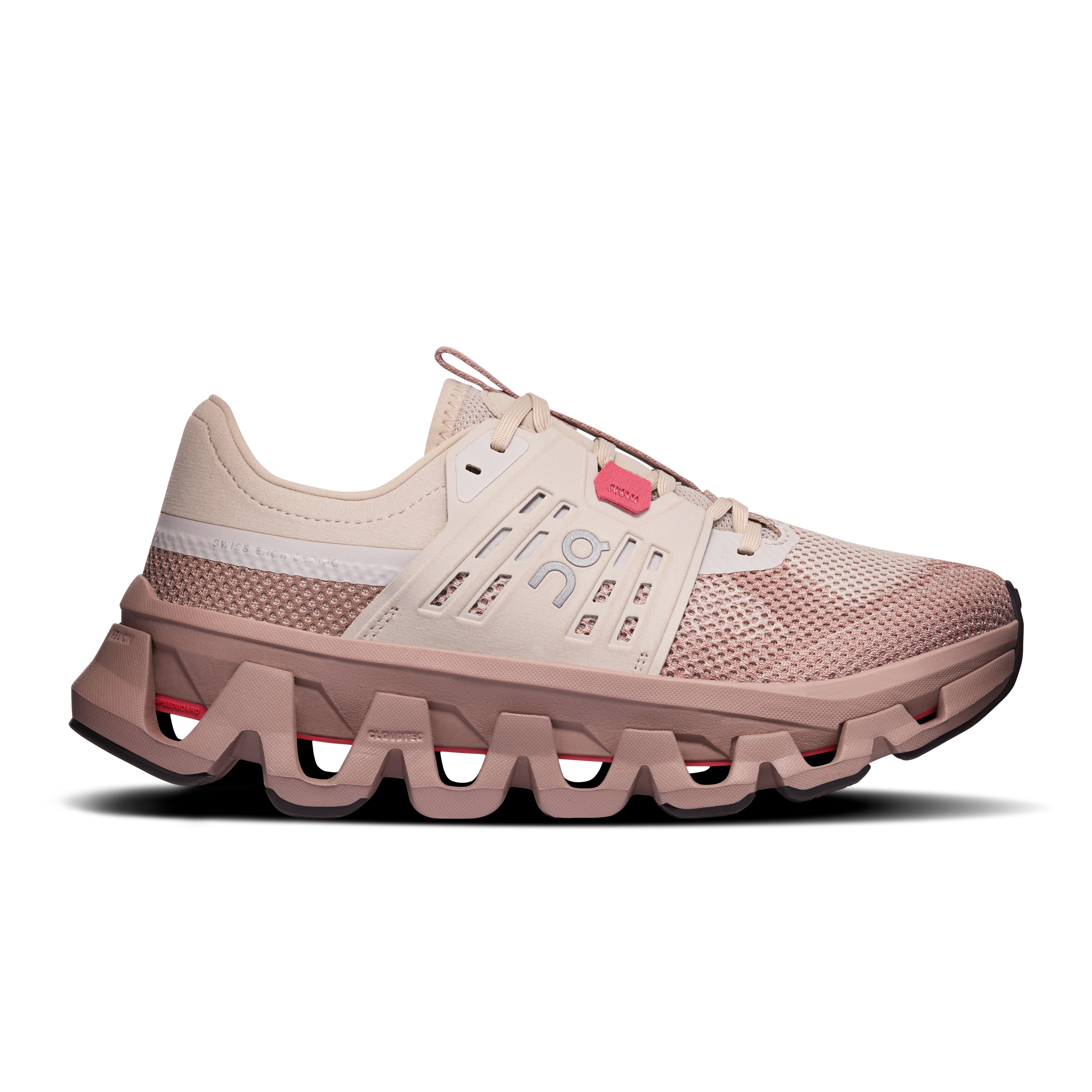
"My personal identity is definitely embedded in my footwear and activewear when I train," says Jade Reilly, an On ambassador. Whether she’s reaching for an all-black Cloudsurfer Max or a bright sunstone Cloudboom Strike, her footwear affects her mood, energy and intentions for the day.
The shoes or details might change, but the instinct remains the same. People continue to choose footwear that feels like an extension of themselves.
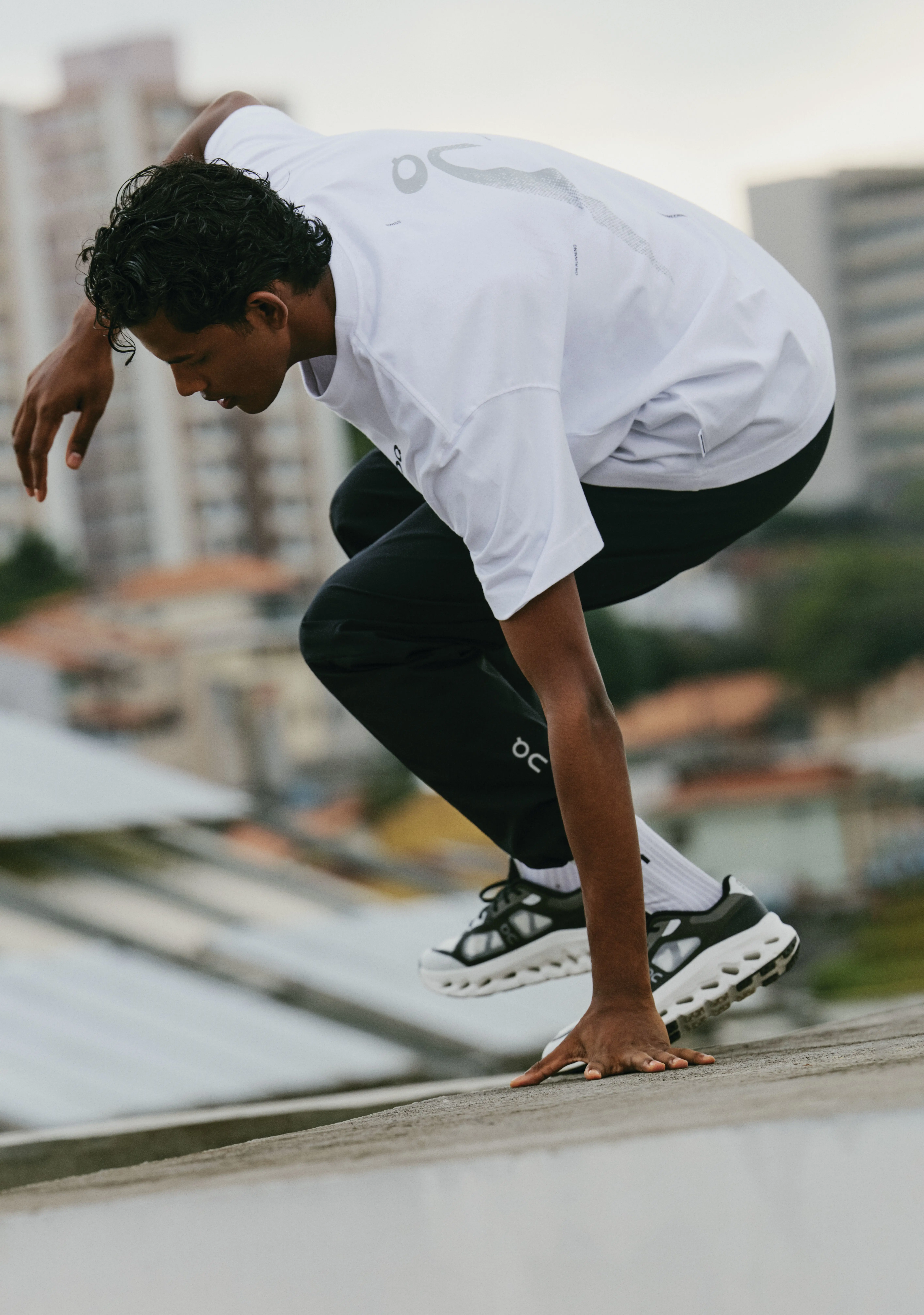
Performance changed the modern sneaker
There was a time when shoes had one job. Running shoes were for running. Dress shoes were for everything else.
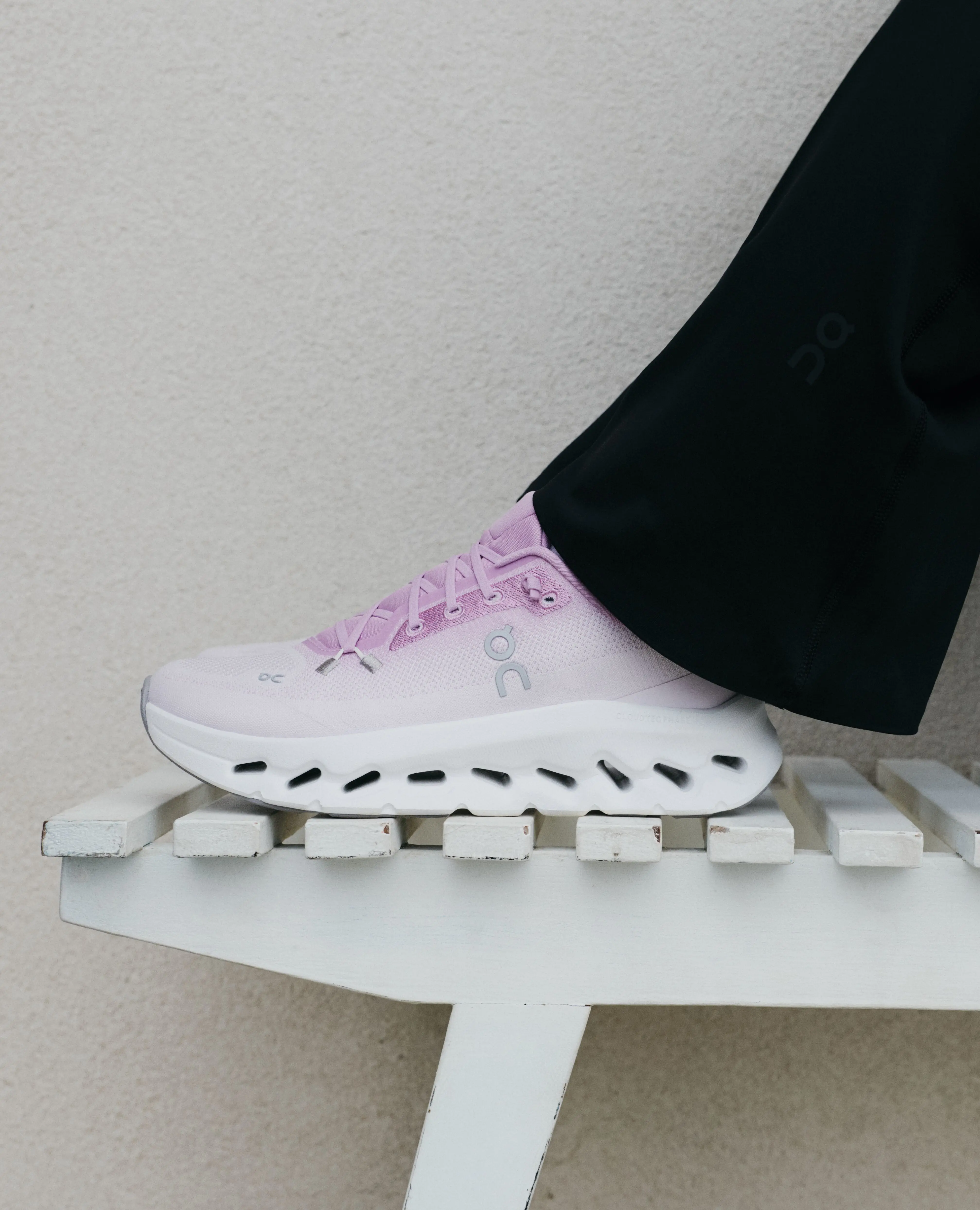
Then performance got comfortable. Enter: lightweight foams, responsive cushioning, breathable uppers. The innovations designed to help athletes move further and recover faster turned out to feel pretty good everywhere else too. The commute, the coffee run, a day spent on your feet.
That changed what people expect from a sneaker.
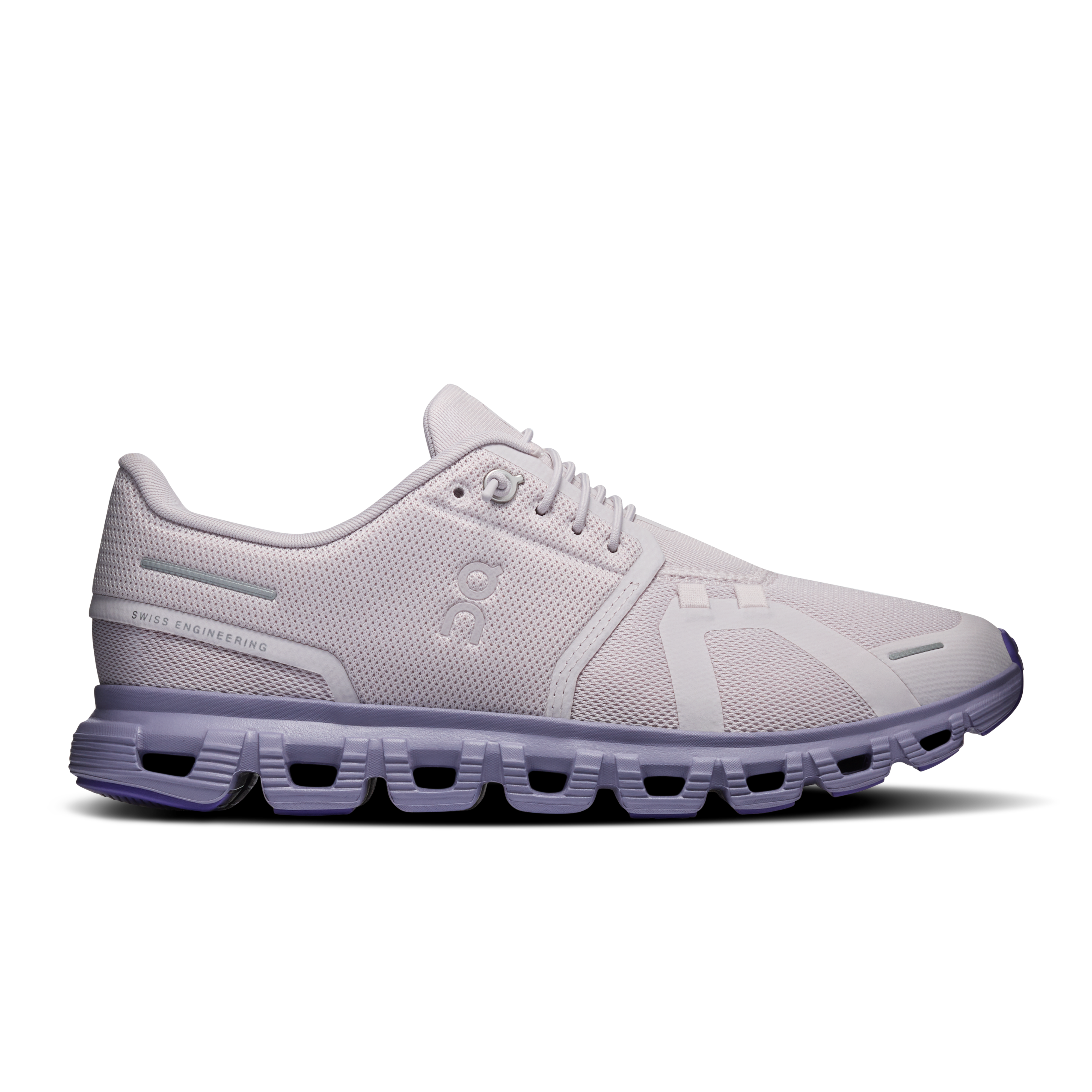
Today, the best pairs don’t separate performance from style. They move seamlessly between both. You can wear the same pair of shoes for a morning workout, a flight, a meeting or a weekend away. One shoe can take on multiple roles.
"I always tell people to start with their lifestyle first rather than trends," says Tan. "Think about how you actually move throughout your week – whether that's running, commuting, training, traveling or casual wear. Choose a sneaker that supports that movement but also complements your personal style.”
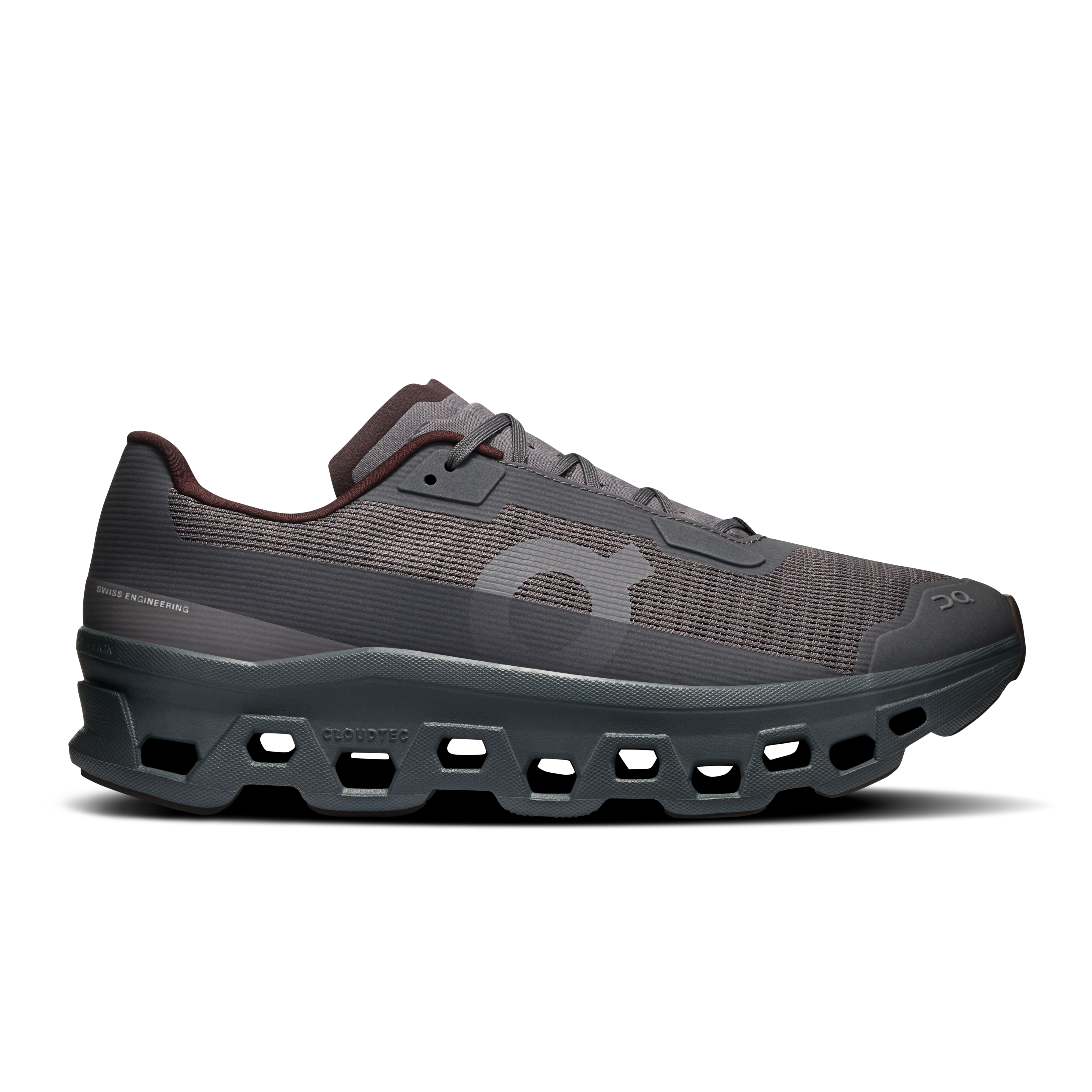
Performance technology is part of that shift. CloudTec® for example, is designed to support the body’s natural motion, delivering soft landings and responsive take-offs whether you’re heading out for a tempo run or navigating a busy city block.
The result is a new kind of everyday sneaker. One that earns its place through movement, not just appearance.
“Think about your performance goals, your go-to colorways and what will aid your training,” says Reilly. “It is a marathon, not a sprint, if that is your goal.”
For Reilly, performance and personal style don’t sit at opposite ends of the spectrum. They’re part of the same equation. The right sneaker should support how you move and feel like something you’d choose to wear, even after the workout is over.
Sneakerhead culture now
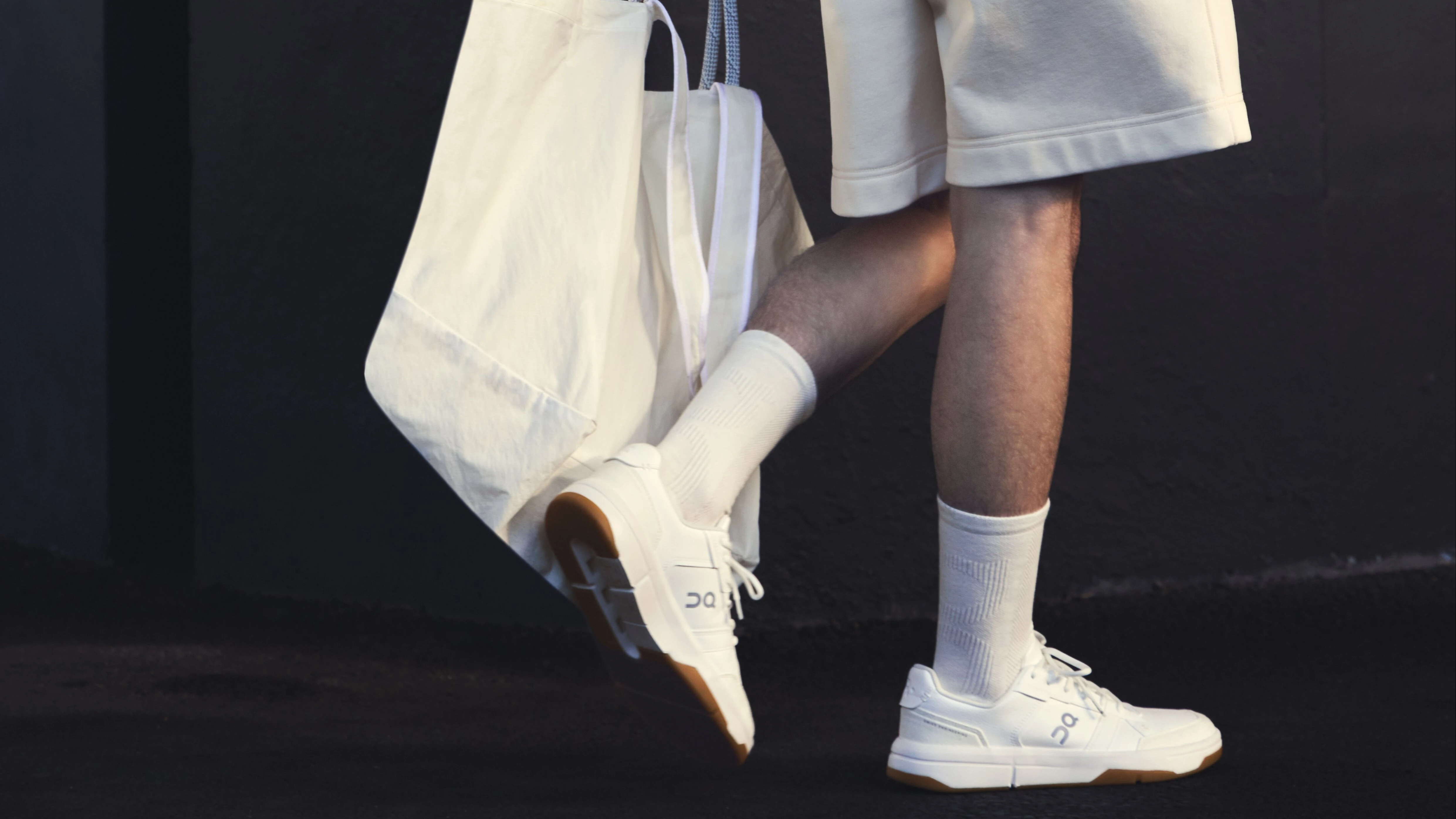
The sneaker industry is projected to reach $128 billion by 2030. But sneaker culture isn’t defined by market size.
"A timeless sneaker is one that continues to evolve while staying true to its identity," says Tan. The same could be said of sneaker culture itself.
Digital releases have replaced overnight camp-outs. Social media has transformed collectors into creators. Community events like Sneaker Con bring online conversations into the real world. Sustainability has shifted the conversation from rarity alone to longevity and responsibility.
The culture continues to evolve because the reasons people connect with it remain the same.
More than sneakers
Sneaker culture is often dismissed as trend-chasing. It's always been more meaningful than that. At its core, it's always been about self-expression through movement. It’s about finding something that performs well, feels right and reflects who you are.
“The strongest designs are often the ones that constantly reinvent themselves without losing their unique character,” says Tan.
The best sneakers do exactly that. They adapt to new technologies, new lifestyles and new generations while preserving the qualities that made people connect with them in the first place.
That’s why sneaker culture has endured. The silhouettes change, the technology evolves and the communities grow. But the connection between movement, identity and personal style remains. That never goes out of style. Wear everything and add intentionally. Keep what moves you.