Proper running form: A guide to run smoother, longer, stronger
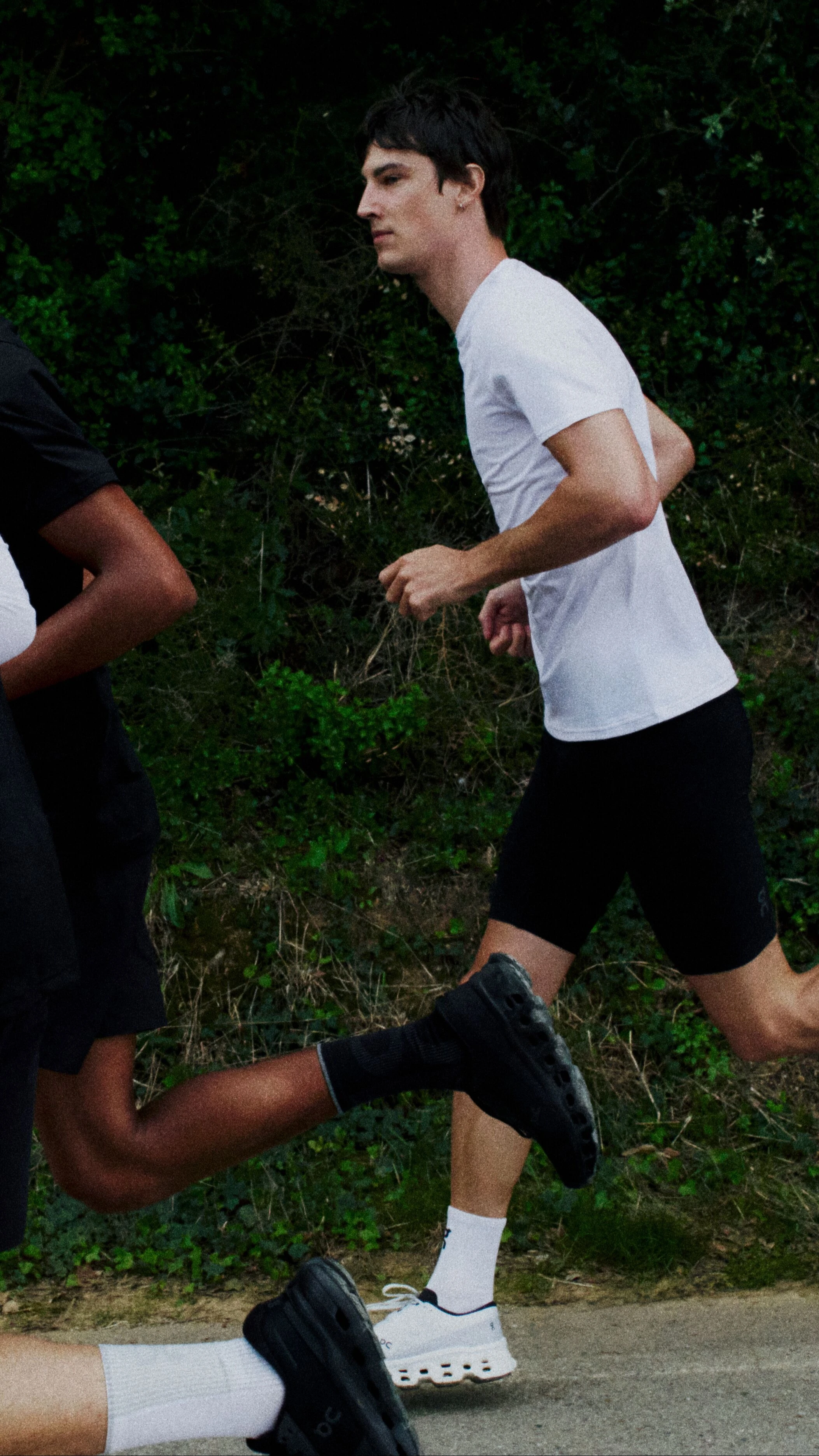
Efficient running form feels fluid: relaxed shoulders, quick turnover, steady breath. But there’s no perfect stride – only the mechanics that help you move with less effort.
Your shoulders drop. Your stride opens up. Your breathing finds its rhythm. That's running form. And when it's working, you feel it.
“Good running form helps you use less energy at any given pace,” says Dario Mulder, an On ambassador. “When your posture, arm swing and foot strike are efficient, you're minimizing unnecessary movement and directing more energy into forward motion. That improved running economy means your goal pace feels smoother and more sustainable, especially over longer distances. “
Efficient movement looks different on every runner. What helps one runner move smoothly might create tension for another. The goal isn't perfection. It's finding the mechanics that help you run farther, move more comfortably and feel better while doing it.
For Mulder, “Good form doesn't necessarily make a pace feel easier in the moment, but it allows me to hold that pace for longer while staying relaxed and controlled.”
Here's what those mechanics look like – and how to start building them into your runs.
Proper running form: from head to toe
Head position, gaze and posture
Where your eyes go, your body follows. Keeping your gaze 10–20 feet ahead helps maintain a neutral neck, keeps your airways open and supports alignment through the rest of your body. Look down too often and tension can start creeping into your neck, chest and back. Your breathing follows.
Shoulders and torso
Run tall, not rigid. A long spine provides the foundation for efficient movement, allowing your arms to swing freely and your stride to move without restriction. The shoulders are where many runners hold tension, so keep them relaxed and dropped away from your ears.
Mulder’s cue: chest up, shoulders relaxed.
“When fatigue kicks in, I notice a tendency to collapse slightly through the upper body,” he says. “By lifting my chest and relaxing my shoulders, everything else tends to fall back into place naturally – my head stays neutral, my breathing opens up, and my stride becomes more efficient again.”
Building upper-body and core strength away from running helps too. Stronger postural muscles make it easier to maintain good posture when you’re tired, especially during long-distance efforts, where form tends to unravel late.
Arms and hands
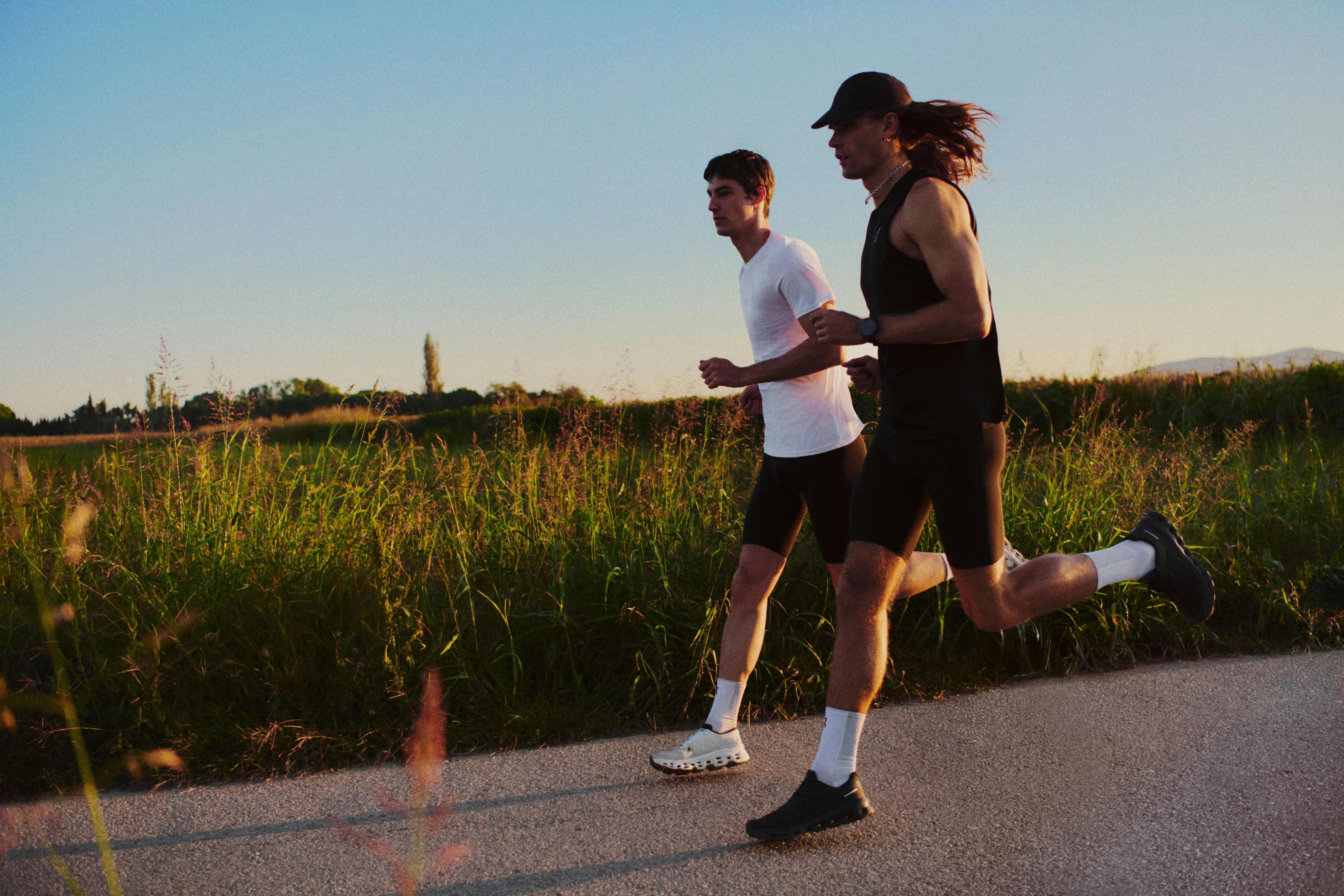
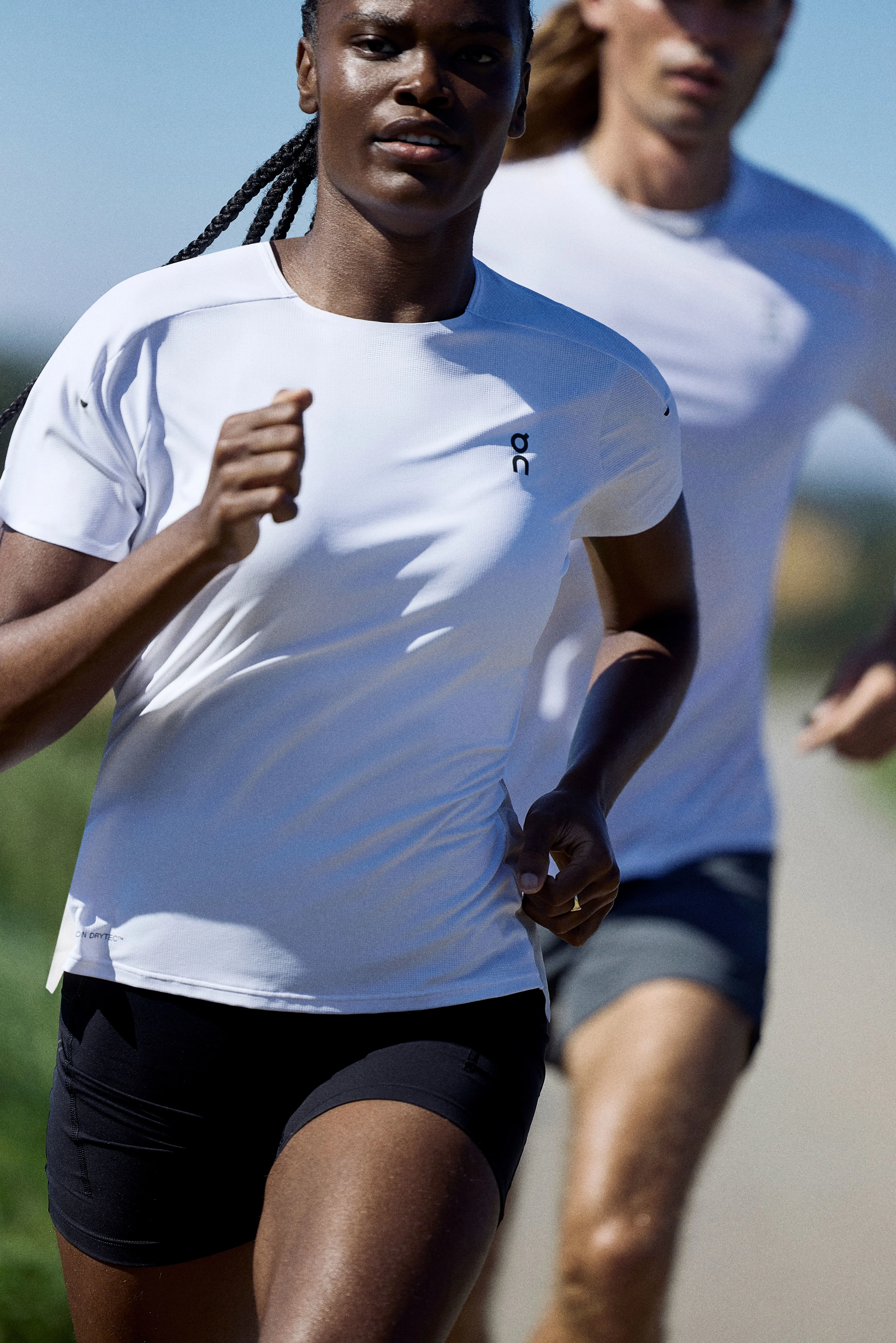
Your arms play a bigger role than you might think. A 90-degree bend at the elbow and a swing driven from the shoulder helps propel you forward while limiting excess rotation through the torso. Too much side-to-side movement wastes energy that should be moving you ahead.
Your arms and legs work together. When one falls out of rhythm, the other feels it. One cue that tends to stick: imagine holding a potato chip without breaking it.
Tension in the hands travels upward through the wrists, forearms and shoulders. Over miles, that tightness adds up. Relaxed hands help conserve energy and keep the rest of your upper body loose.
Core and hips
A stable core helps keep your hips level and your stride efficient. Without it, your hips begin to sway side to side, wasting energy and placing extra stress on your lower back, knees and IT band.
A slight forward lean helps, too, but it should come from the ankles, not the waist. Think of it as gently falling into your stride and letting gravity do some of the work.
Strength training pays off here. Building stronger glutes, hip flexors, obliques and deep abdominal muscles makes it easier to hold good mechanics when fatigue sets in.
Foot strike and stride
Many coaches recommend a midfoot landing, but where your foot lands relative to your body matters more than which part of the foot touches down first. A foot that lands too far ahead creates a braking effect, while a landing closer beneath you tends to keep movement smoother and more efficient.
On descents, heel striking often kicks in naturally. Shorten your stride, lean slightly into the hill and focus on landing beneath your body to maintain smoother downhill running form.
That said, foot strike varies naturally from runner to runner and isn't something to force. Focus on smooth, controlled landings and let your natural pattern follow.
Cadence
Cadence is the number of steps you take per minute. For many runners, a slightly quicker stride can improve efficiency and help reduce overstriding. Shorter, quicker steps tend to work better than a long, reaching stride, which increases impact and slows forward momentum.
A commonly referenced target is 170–180 steps per minute, but the number matters less than the feeling: light, controlled and moving forward.
To find your cadence, count your steps for 30 seconds and multiply by four. From there, experiment with increasing it by 5%–10% using a metronome app or a playlist with a matching BPM.
If you’re new to running, don’t overthink cadence. Focus on posture, relaxation and stride mechanics first. The rhythm often follows naturally.
11 practical ways to improve your form
Good form isn't built in a single run. It develops through small, consistent adjustments that gradually become second nature.
Focus on one cue at a time: Pick a single point of focus – relaxed shoulders, soft hands, gaze forward – and spend 5–10 minutes working on it during an easy run. Trying to fix everything at once usually fixes nothing.
Add strength training: Building hip and core strength away from running pays off when the miles add up. Two strength sessions a week can make it easier to maintain posture and stability when you’re tired.
Pre-run drills: A-skips and butt kicks have a purpose. During your warm-up, they build coordination and movement patterns that carry into your stride.
Record yourself: A short video from the side or behind can reveal habits that are hard to feel while running. For a deeper look, a professional gait analysis can help identify patterns and provide more tailored cues.
Run easy more often: Slower paces create space to tune into your mechanics. Most runners find it easier to build good habits at a comfortable effort. “Those lower-intensity runs are the perfect opportunity to work on your running form, because you're not limited by fatigue or performance demands,” says Mulder.
Use a metronome or BPM playlist: If cadence is something you're working on, running to a beat can help retrain your turnover without overthinking it.
Check in at mile markers: Use a consistent moment during each run – a landmark, a mile split – to do a quick head-to-toe scan. Shoulders down, hands loose, hips level.
Work on mobility: Tight hips and ankles limit your range of motion, forcing you to compensate elsewhere. Regular mobility work keeps the moving parts moving freely.
Try a running group or a coach: An outside eye catches what a mirror and a video can't always show. Even a single session with a coach can provide cues that stick.
Be patient with changes: Adjusting form takes time and can feel awkward before it feels natural. Give new habits at least a few weeks before deciding they're not working.
Listen to your body: Lingering discomfort is worth paying attention to. Form work should make running feel better, not worse.

Common form mistakes (and how to fix them)
Even experienced runners fall into habits that work against them. The good news: most form issues improve the same way – slow down, tune in and adjust one thing at a time.
- Overstriding: Landing with your foot too far ahead of your body increases impact and slows momentum. Instead of reaching forward, focus on landing beneath your hips. A slight increase in cadence naturally can naturally help shorten your stride.
- Too much bounce: Excessive up-and-down movement wastes energy moving vertically instead of forward. Focus on driving ahead rather than pushing upward.
- Crossing the midline: When your arms swing across your body, your torso rotates to compensate, costing you energy. Keep your arm swing moving front to back.
- Insufficient knee drive: A controlled, forward lift of the knee helps maintain stride length and keeps your gait smooth without overreaching. Uphill running is a natural way to practice this, encouraging a higher knee lift, without overthinking it.
Why alignment matters (but don’t overcorrect)
Small inefficiencies add up over miles. Excess bounce, lateral sway or a stride that breaks with every step all require energy that could otherwise be moving you forward.
“Small technical adjustments can have a big impact on efficiency,” says Mulder. “A slight lean forward from the ankles helps create natural forward momentum without forcing the pace, while landing underneath your center of mass with a midfoot strike can reduce braking forces and keep your stride smooth.”
Research supports this: a study on nearly 100 endurance runners found that small details – pelvic movement, posture and stride patterns – can influence both efficiency and performance. Over time, inefficient mechanics may also contribute to issues like shin splints or runner's knee.
But form improvement isn't about chasing perfection. Overcorrecting can introduce unnecessary tension and disrupt movement patterns that already work well for your body. “I don't consciously think about these cues throughout an entire run, but when I check in with my form, they help me stay economical and maintain rhythm, especially during longer efforts or when fatigue starts to build,” says Mulder.
The goal is gradual progress. Notice what feels inefficient and make small adjustments over time.

How speed changes your mechanics
Recovery jogs and easy runs
Easy runs are where good habits are built.
“Most of your training should happen at an easy or recovery pace because that's where you build durability and improve your ability to handle higher training volumes over time,” says Mulder. At lower intensities, your stride naturally softens, knee drive lowers and your body moves with less strain. Stay upright, keep your shoulders relaxed and let the pace feel genuinely easy.
“The more often you practice efficient movement during easy runs, the more it becomes your natural running pattern when the pace increases or fatigue sets in,” says Mulder. “Consistently reinforcing good form helps reduce unnecessary stress on the body, lowers injury risk, and ultimately allows you to train consistently over the long term.”
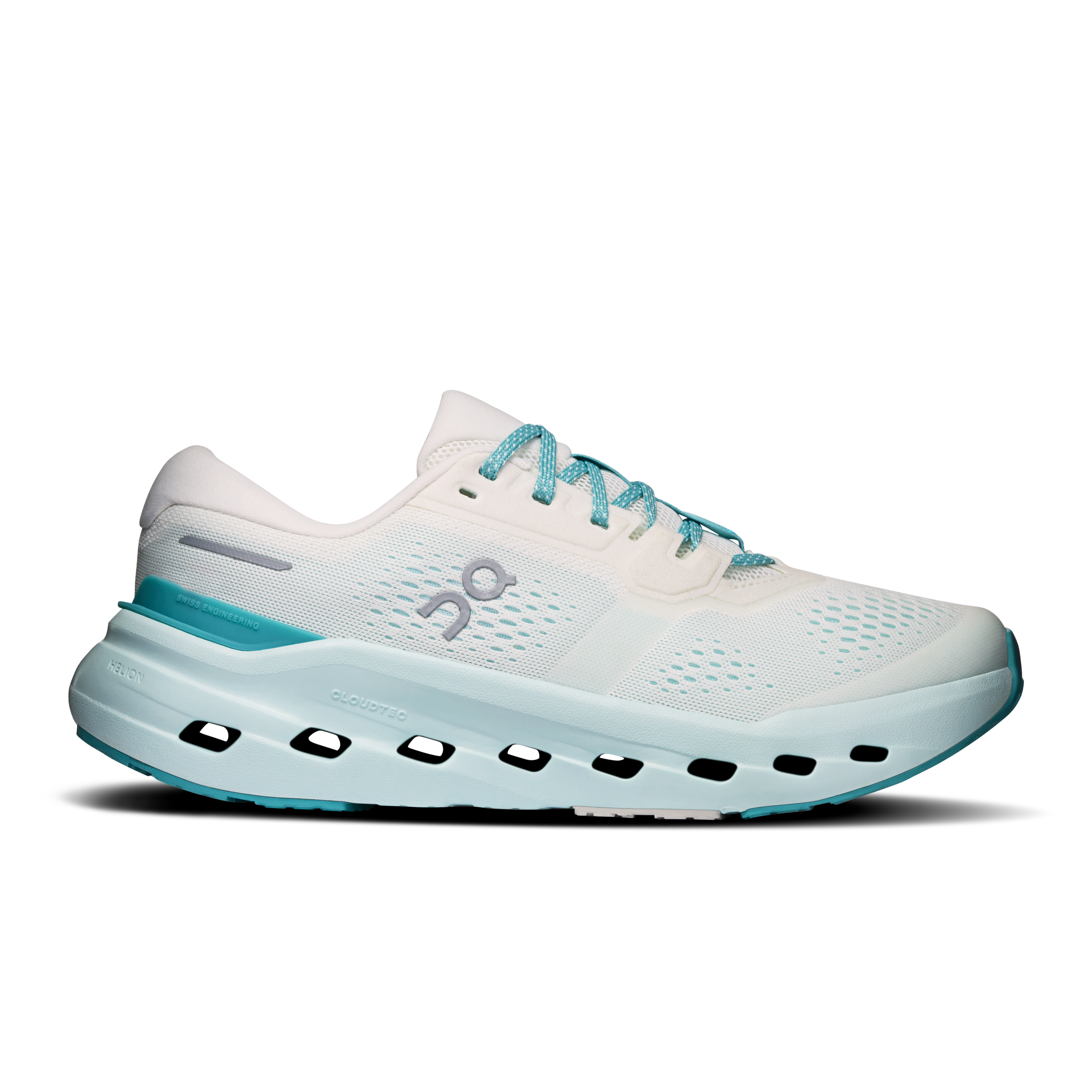
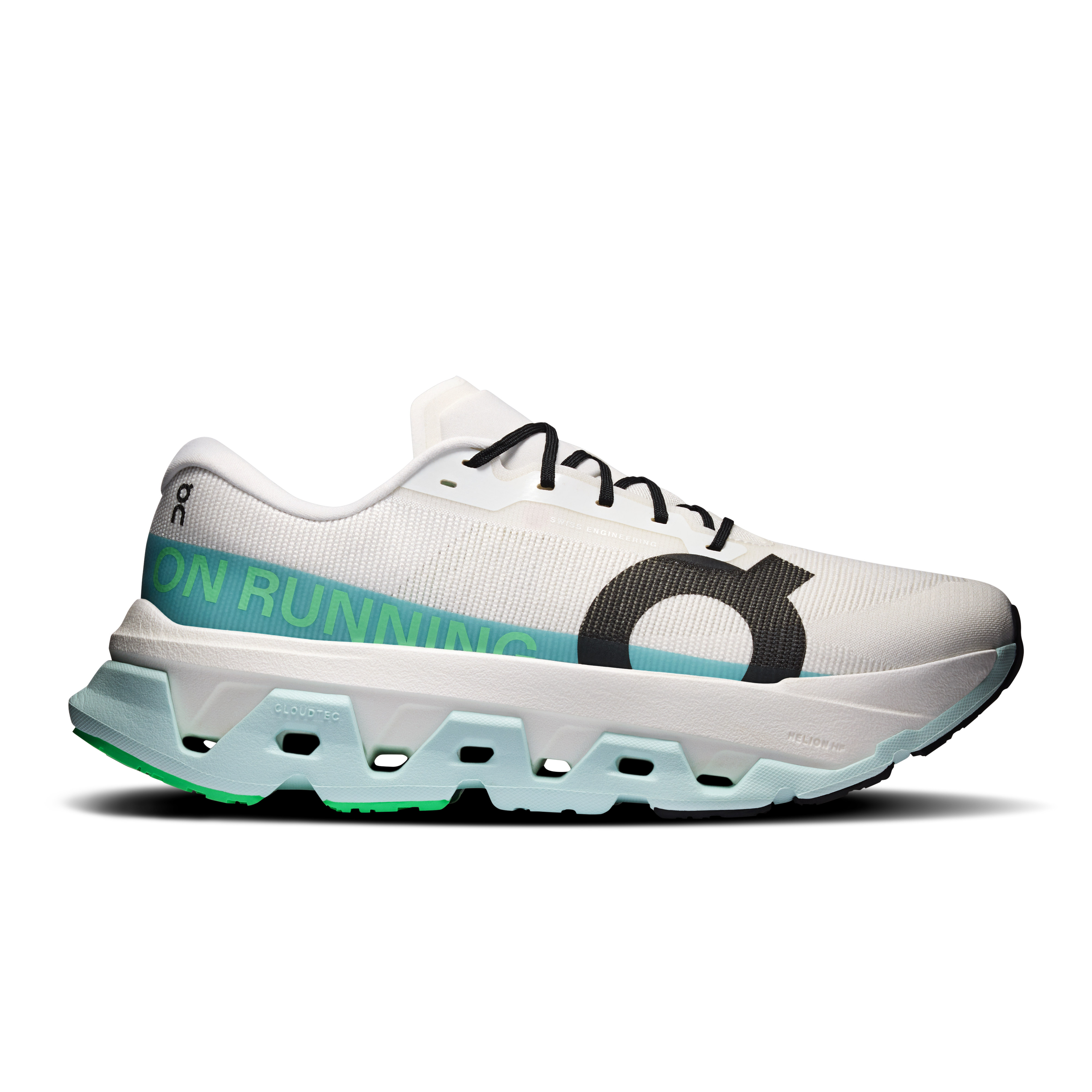
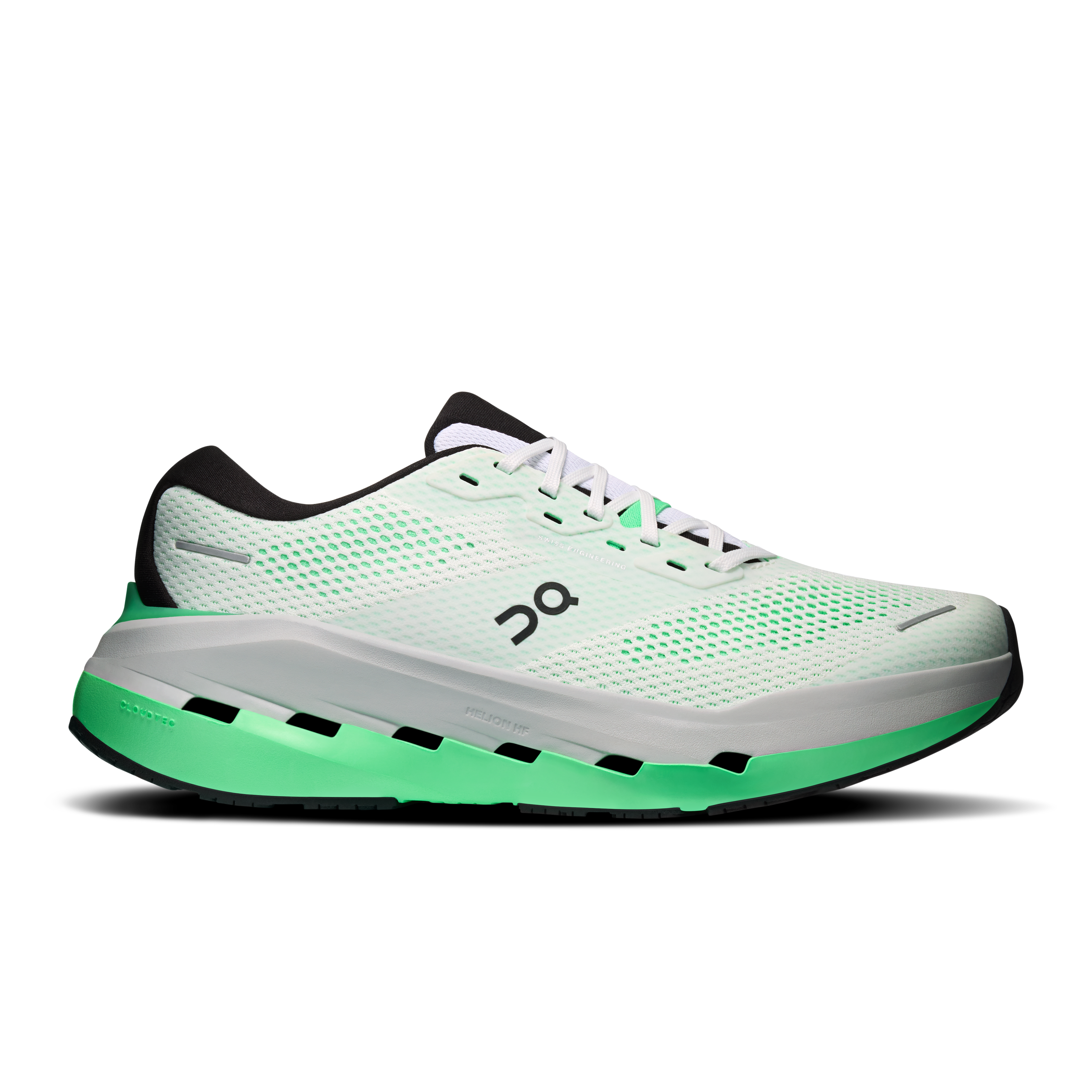
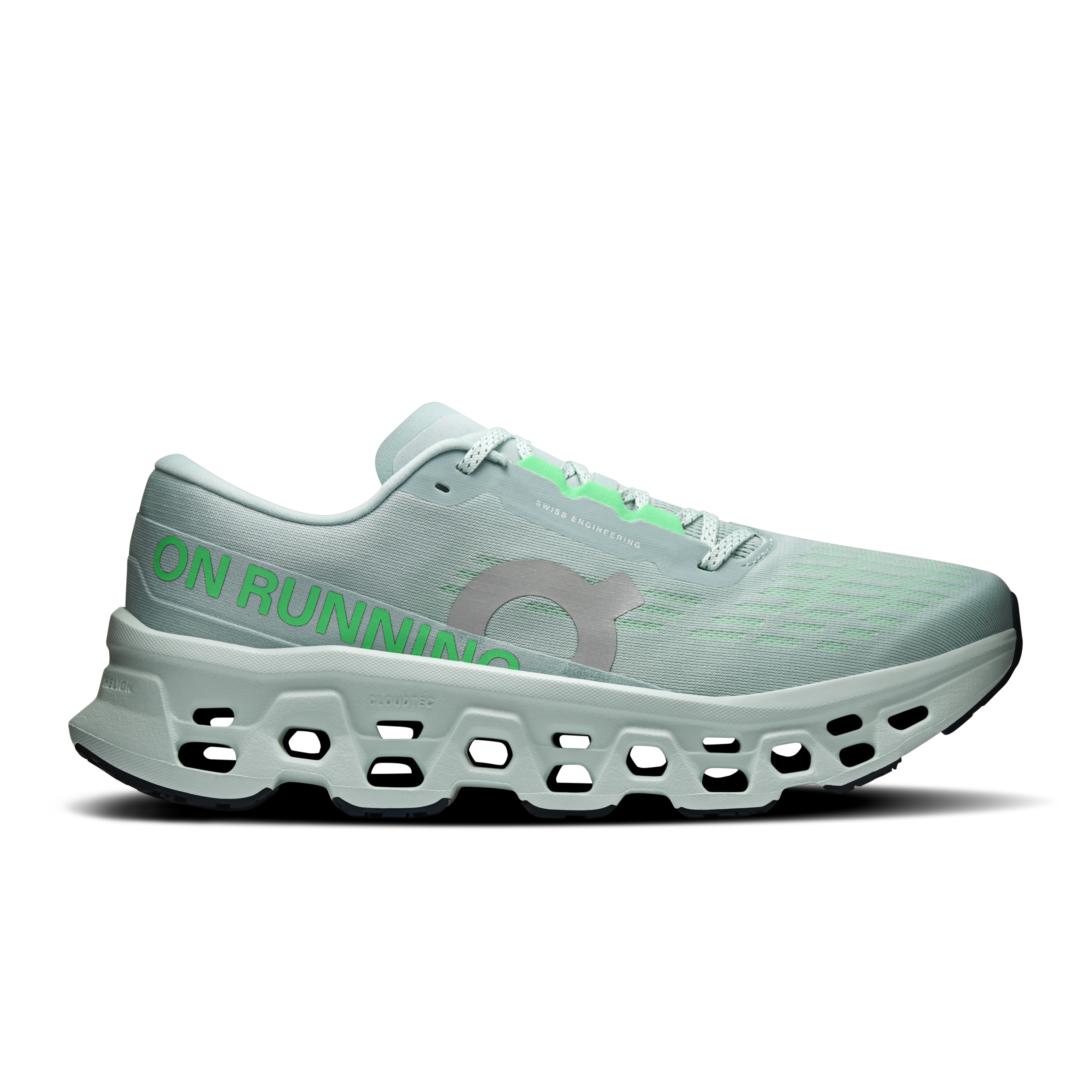
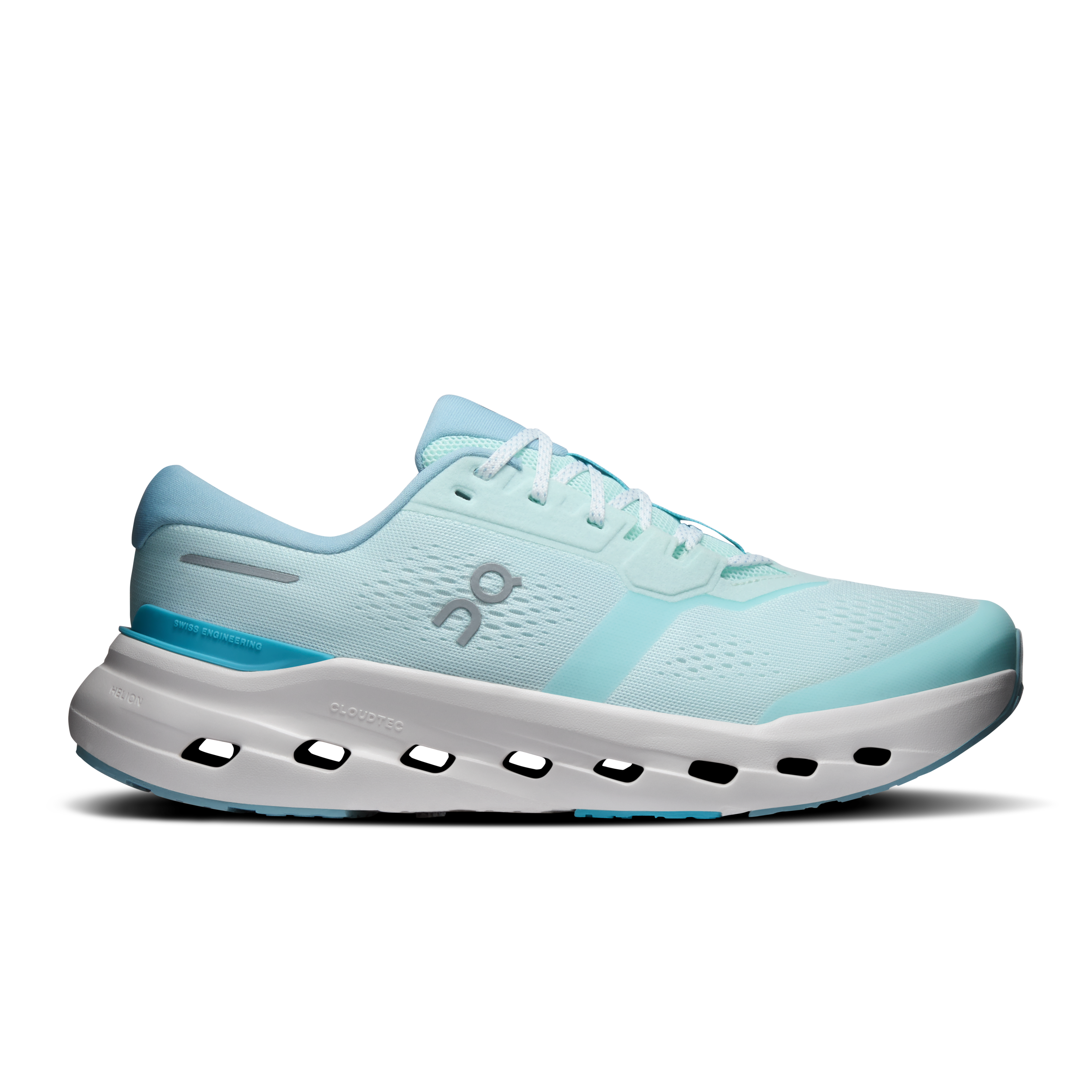
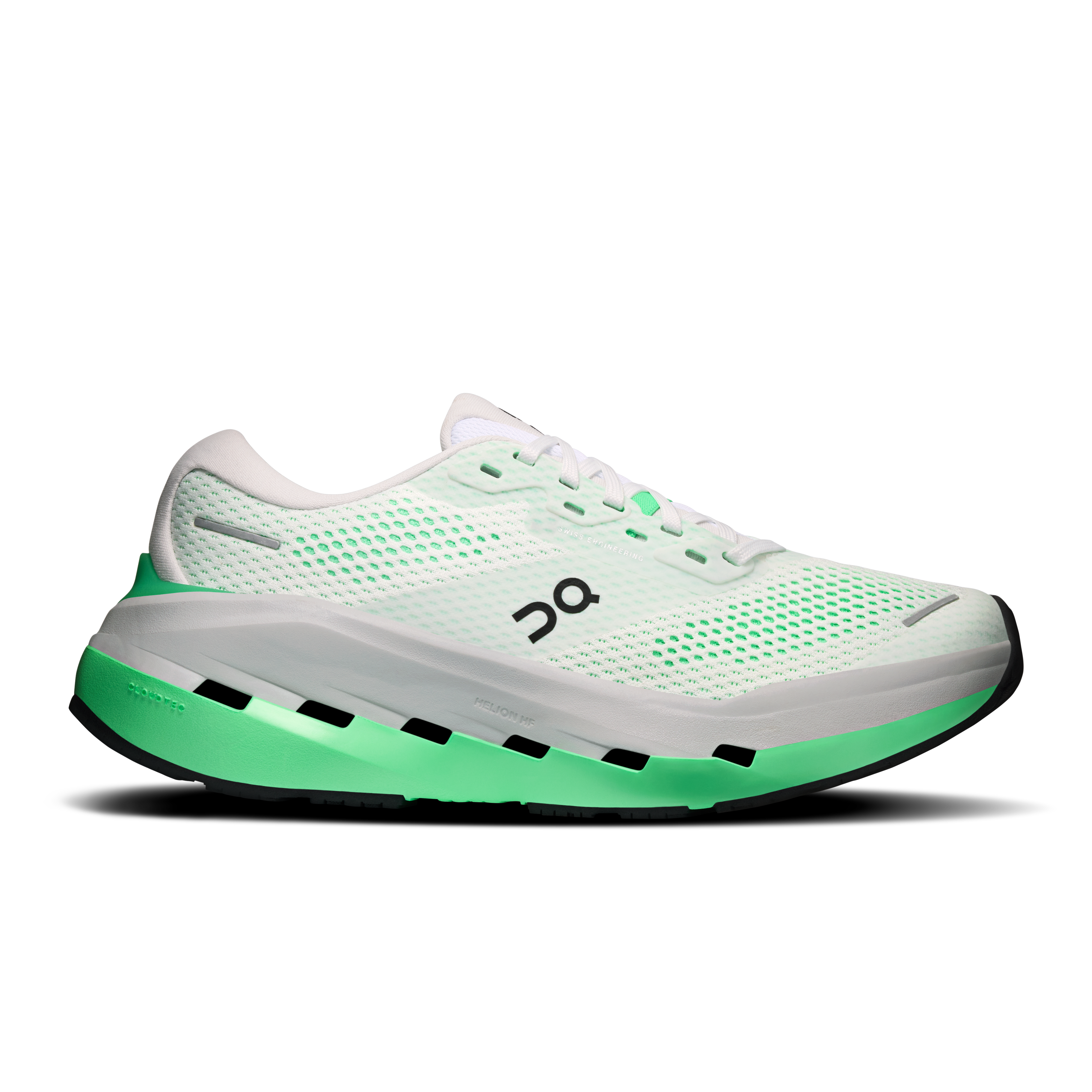
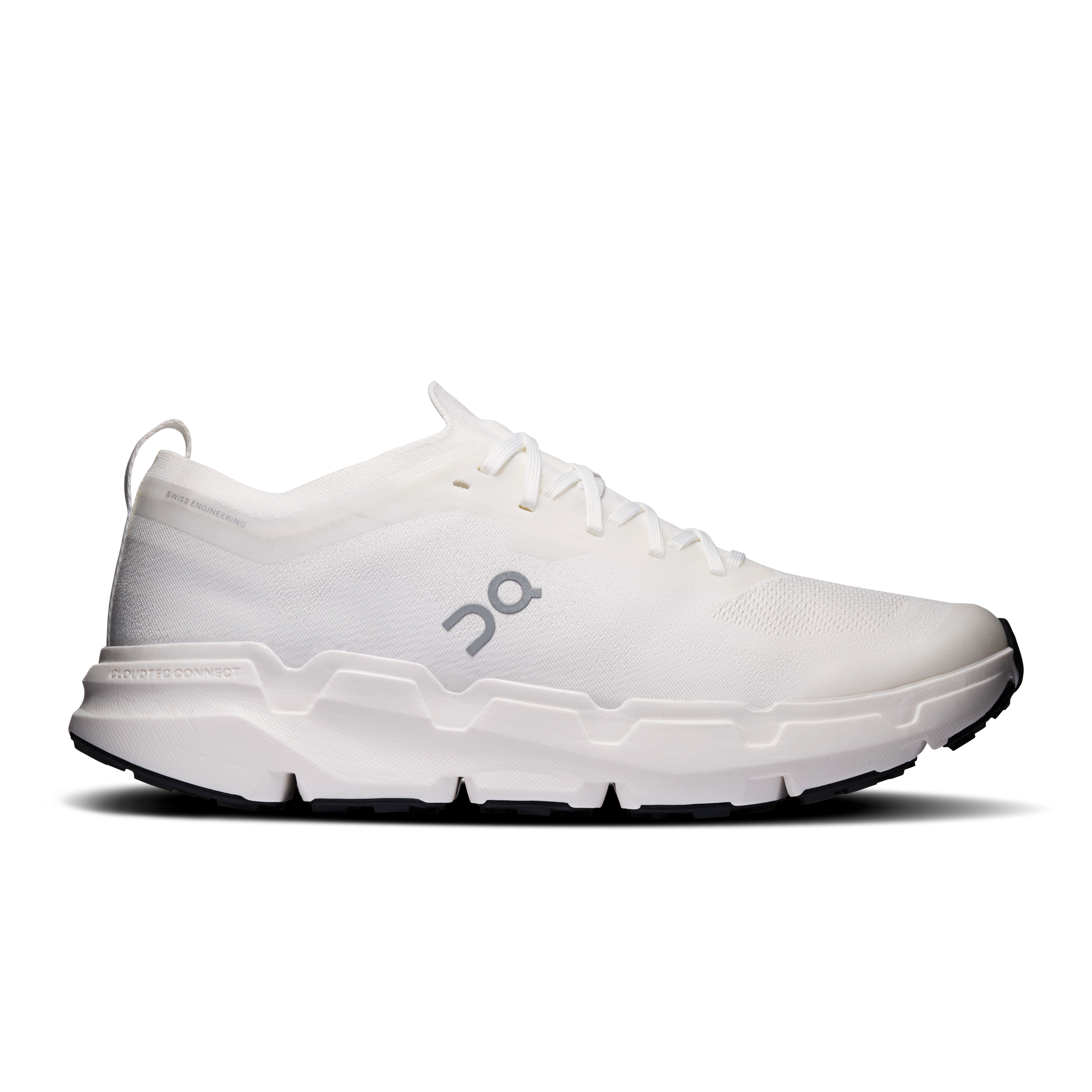
The right everyday running shoe can help here, too. Plush cushioning softens impact and encourages smoother movement. If you're concentrating hard to maintain form, you're probably running too fast.
Tempo runs and sprinting
As the pace increases, your mechanics shift with it. Your forward lean becomes more pronounced, your arm drive more powerful, and your stride more purposeful.
Knee drive matters more at faster paces. A stronger forward lift helps generate the stride length and push-off power without overreaching.
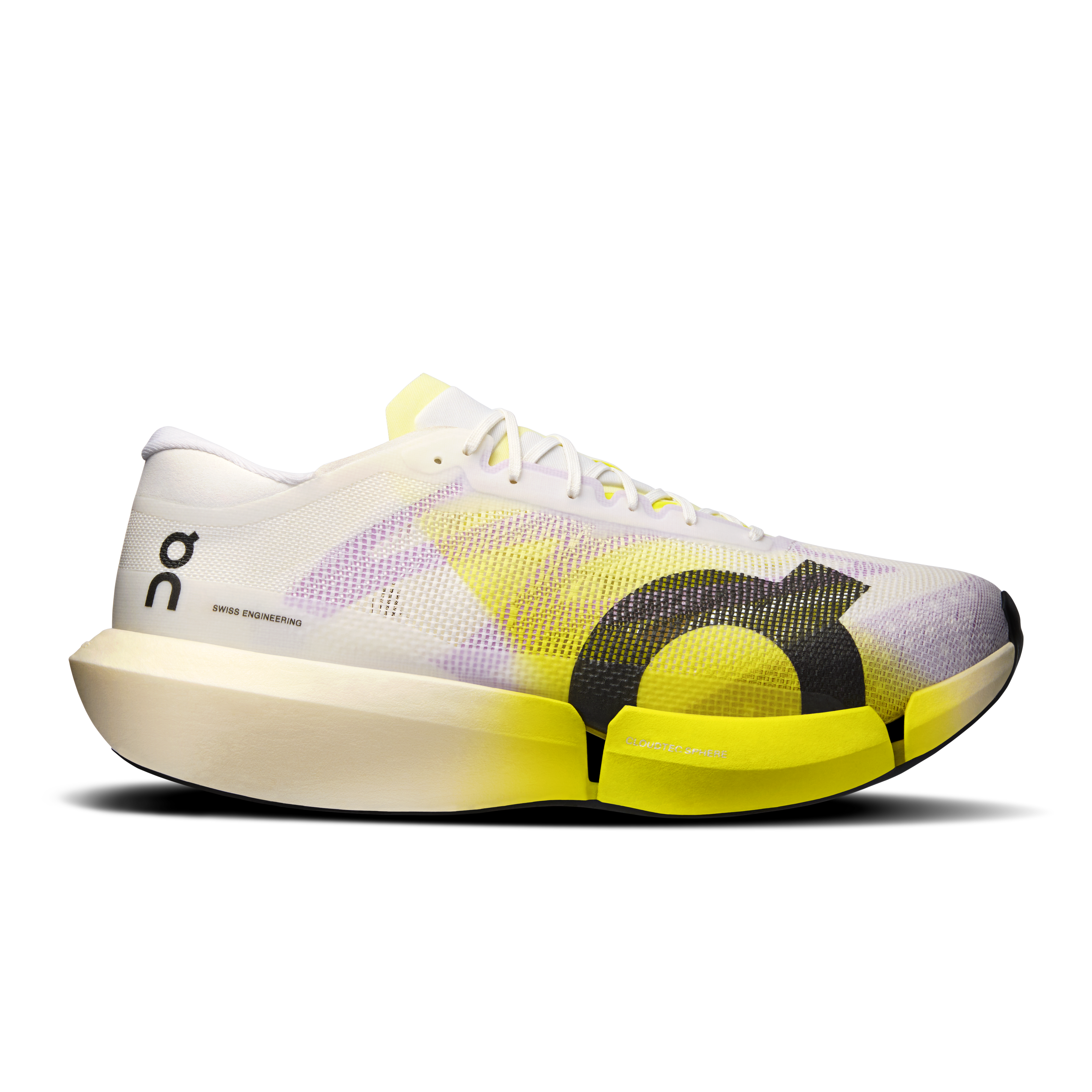
Think of it as your body amplifying the same mechanics you use at easier paces. For runners who enjoy faster workouts, a more responsive shoe can support this shift. The Cloudflow 5 is built for exactly this kind of running, balancing energy return with ground feel for a more connected ride.
Moving forward with confidence
Proper running form isn’t something you perfect once. As you get stronger and more experienced, your mechanics continue to evolve.
On your next run, focus on one cue: relaxed shoulders, gaze forward or a stride that lands beneath your hips. See how it feels. Over time, small adjustments add up to smoother, more efficient running.





FAQ
What is the correct running form?
Correct running form comes down to a few key mechanics: an upright posture, relaxed shoulders, a stable core and a foot strike that lands under your hips rather than out in front. Your arms drive forward and back at a 90-degree bend, your gaze stays 10–20 feet ahead and your stride stays quick and light.
Can poor posture cause knee pain when running?
Yes. Poor posture and inefficient mechanics can place extra stress on your joints over time. When your hips drop or sway or your stride overreaches, impact forces become less evenly distributed, which may contribute to knee pain.
What foot strike works best for most runners?
Many coaches recommend a midfoot landing because it can reduce braking force and distribute impact more evenly. But foot strike varies naturally and isn't something to force. What matters most is landing beneath your center of mass rather than reaching too far ahead.
How can I stop overstriding?
Increase your cadence. Taking smaller, quicker steps brings your foot back under your body, reducing the reaching stride that causes overstriding in the first place.
Try counting your steps for 30 seconds, multiply by four to get your current cadence, then nudge it up by 5–10% and see how it feels.
Should I change my form if I don't have injuries?
Not necessarily. If your stride feels comfortable and sustainable, there's no need for a complete overhaul. Small, gradual adjustments can still help you move more efficiently, but chasing perfect mechanics for their own sake can introduce new tension and disrupt what's already working.
How does shoe drop height affect running form?
Shoe drop – the height difference between the heel and forefoot – can influence how your foot lands. Higher drops may encourage more heel striking, while lower drops tend to promote a more midfoot or forefoot landing. Neither is inherently better. The right choice depends on your gait, running history and comfort.
Is it better to have more or less cushioning for long runs?
For many runners, extra cushioning helps absorb repetitive impact over long distances. Others prefer a firmer ride for better ground feel and responsiveness. The best option is the one that feels comfortable and consistent across miles – and pay attention to how your legs feel during and after a long run.