Padel vs. tennis: What’s the difference (and where pickleball fits)
Tennis, padel and pickleball each bring a different rhythm to the court. Here’s how the sports compare – and what sets their movement, rules and gear apart.
Tennis, padel and pickleball are often grouped together but once you step onto the court, the differences become obvious.
The size of the playing area changes how you move. The rules shape the pace of each rally. Even the footwear is designed differently depending on the surface and style of movement involved. Tennis stretches the body across a larger court, demanding explosive sprints, power and endurance. Padel compresses the action into a smaller enclosed space where rebounds off the glass keep points alive and reactions sharp. Pickleball often feels more controlled, prioritizing placement, anticipation and hand speed over full-court coverage.
Each sport challenges you differently. The right choice depends on what kind of movement you enjoy most.
Quick comparison: Padel vs. tennis vs. pickleball
From the court dimensions to the equipment, padel, tennis and pickleball may actually have more differences than things in common. Here’s an overview:
| Padel | Tennis | Pickleball |
Court style | Enclosed glass and mesh | Open court and lines | Small, open court |
Typical format | Doubles | Singles or doubles | Singles or doubles |
Movement style | Lateral, reactive | Power, high-coverage | Compact, controlled, quick reactions |
Equipment | Solid, stringless bat | Strung racket | Paddle |
Ball type | Lower-pressure ball | Pressurized tennis ball | Perforated plastic ball |
Serve | Underhand (waist level) | Overhand | Underhand |
Learning curve | Moderate | Highest | Most beginner-friendly |
Fitness demand | Agility and reactions | Endurance and power | Coordination and balance |
Social atmosphere | Highly social (doubles and clubhouse) | Competitive, focused (individual or team) | Casual and community-focused |
Footwear focus | Grip on turf | Lateral stability | Lightweight court movement |
Padel
Padel is played on an enclosed court surrounded by glass and mesh walls. Unlike tennis, the ball can rebound off the walls after bouncing, keeping rallies alive longer and creating faster exchanges at close range.
“Padel has a very unique rhythm because points often last longer and the glass walls give you a second chance,” says Arturo Coello, a professional padel player for On. “That makes the game dynamic, fun and accessible from day one.”
Because the court is smaller, movement becomes more reactive. The court is a compact 10 by 20m, significantly smaller than a standard tennis court. Players spend less time sprinting across open space and more time changing direction quickly, adjusting position and defending difficult angles.
The underhand serve also makes the sport beginner-friendly. Most players can sustain rallies quickly, even after their first session.
Padel is almost always played as doubles, which contributes to its strong social feel.
Tennis
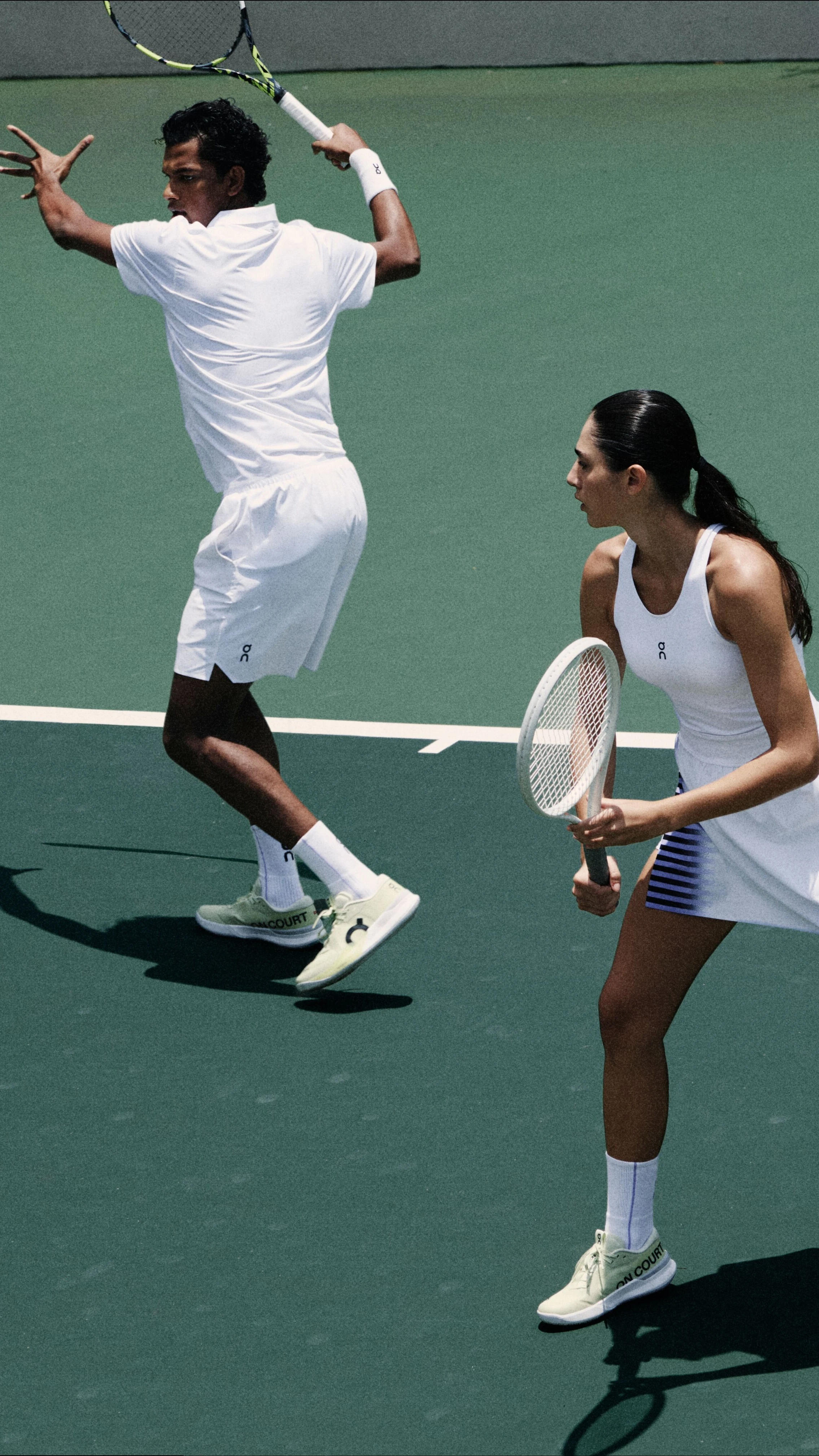
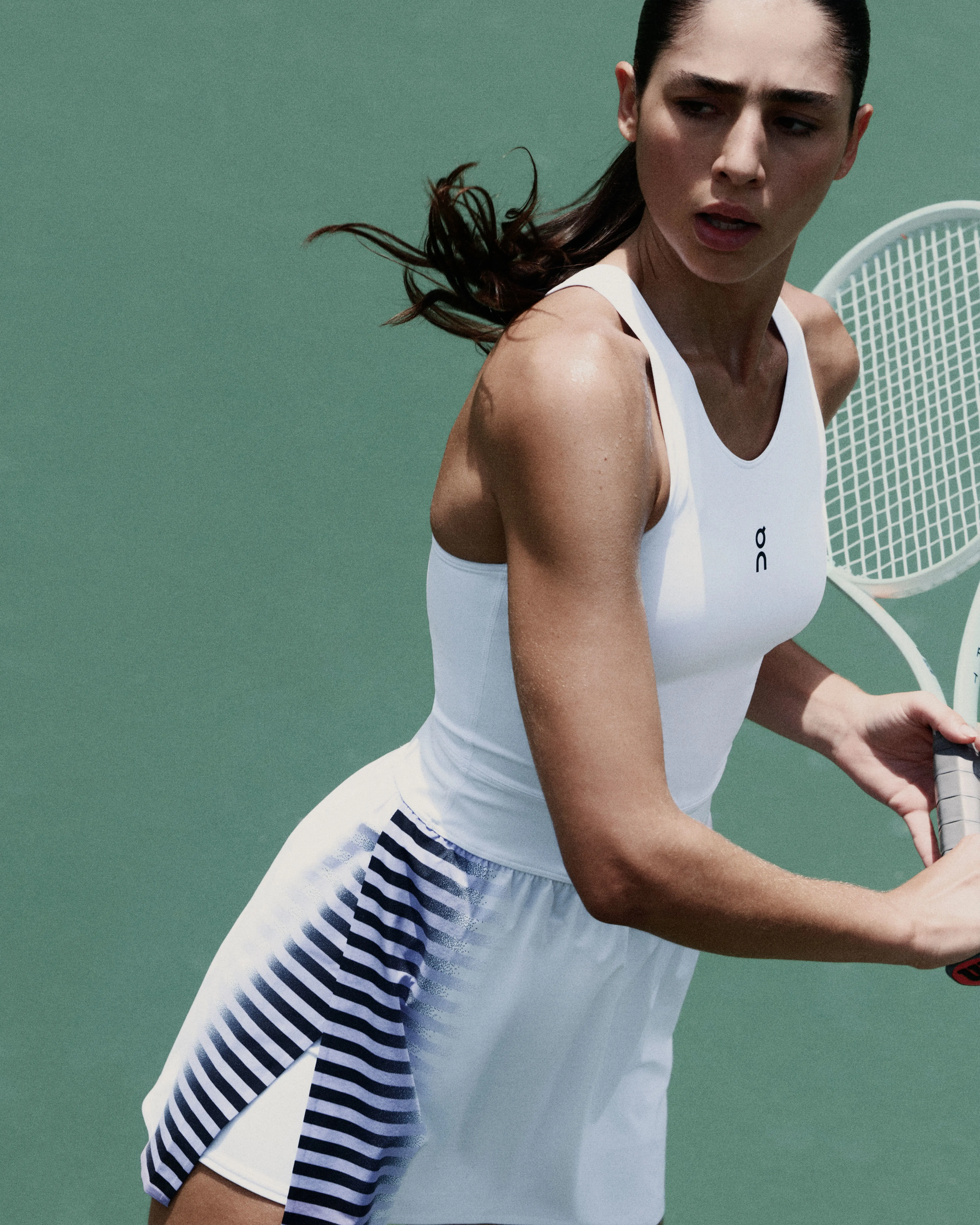
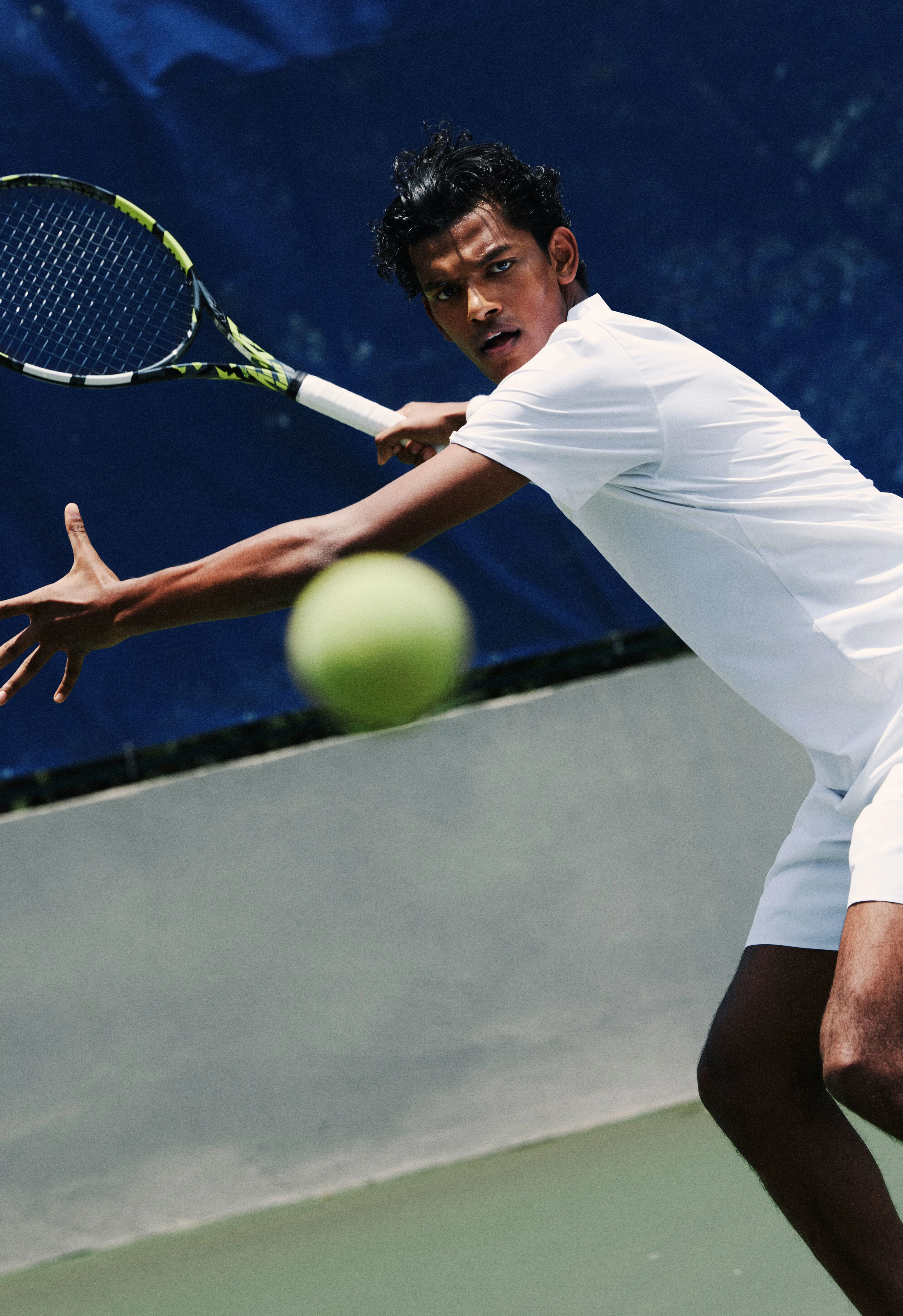
Tennis is a game of distance and power. A standard tennis court offers a much larger canvas, demanding quick lateral movement. Unlike the enclosed padel court, boundaries are defined only by white lines.
Once the ball passes the line, the point is over. This openness creates a different tactical challenge. You aren't playing the walls; you’re playing the gaps.
Whether it’s a singles duel or a doubles match, the strategy shifts based on the surface underfoot. To master the rhythm, first understand how tennis scoring works.
Pickleball
Pickleball combines elements of tennis, badminton and table tennis on a compact court. The smaller playing area reduces the need for repeated sprinting, but the pace around the net can still feel extremely fast.
Much of the game revolves around control, placement and quick reactions. The “kitchen” – a non-volley zone near the net – limits aggressive net play and encourages softer, more tactical exchanges.
Compared to tennis, pickleball is generally easier on the joints and easier to learn quickly. But at competitive levels, the sport still demands anticipation, coordination and hand speed.
Why footwear changes across each sport
While all three sports involve lateral movement and quick changes of direction, the court surfaces and movement patterns place different demands on your shoes.
Choosing the right shoe is about more than comfort. Balance, traction and durability all matter during repeated side-to-side movement. Look for surface-specific outsoles to ensure you have the grip to move confidently.
Padel
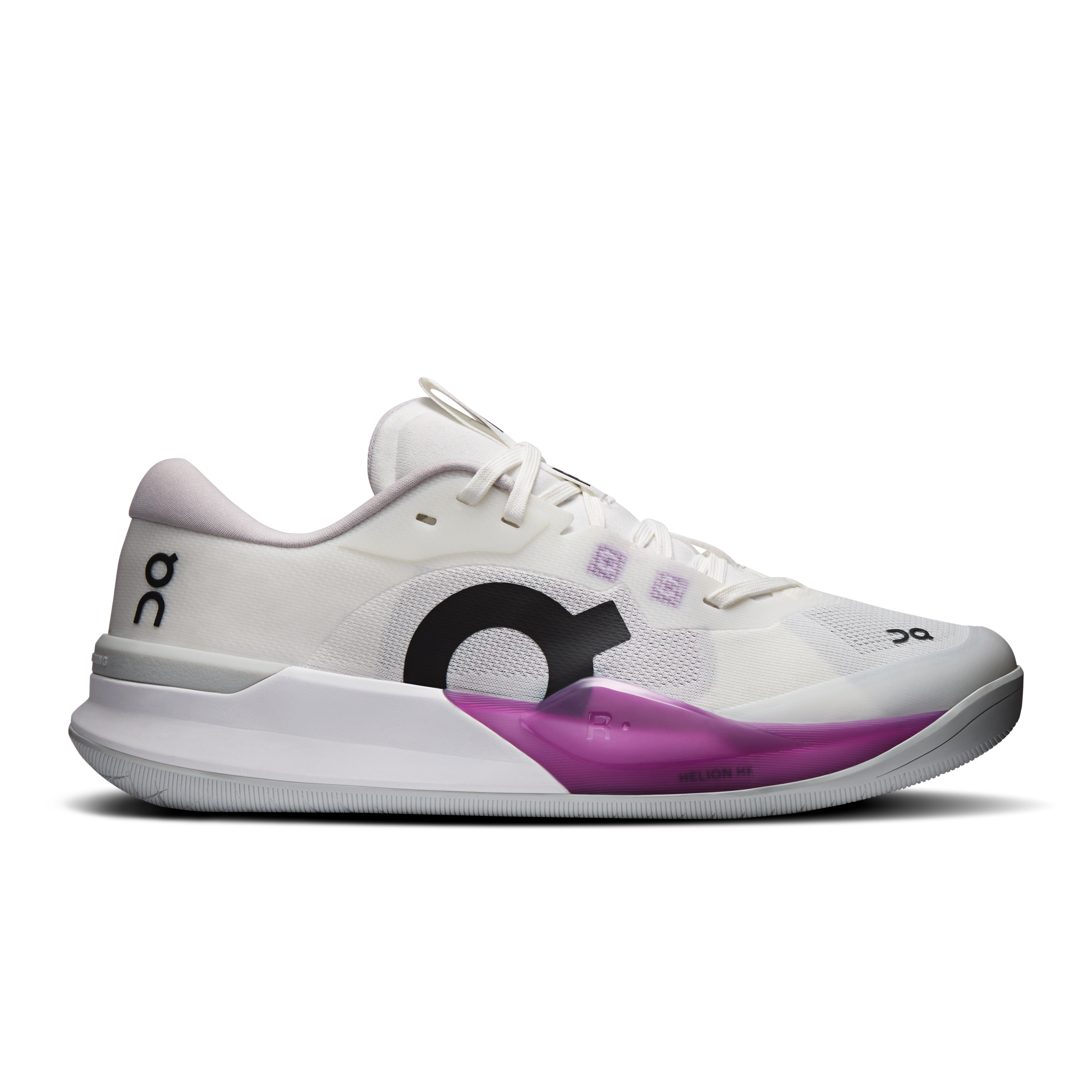
Padel is played on synthetic turf usually dusted with sand. This creates a slick surface that requires a specialized grip. The best shoes for padel need an outsole – often a herringbone pattern – to dig into the turf during sharp, pivoting turns.
“In padel, you're constantly rotating, reacting and changing direction,” says Coello. “Because of that, I look for a shoe that allows me to move freely in every direction while still providing stability when I need to stop or accelerate explosively."
“If the shoe is too heavy, you lose speed; if it's too soft, you lose confidence in your movements,” Coello adds. “The ideal balance is feeling light and fast while knowing the shoe will support you during every aggressive change of direction.”
What to look for: Seek out high-durability outsoles with deep grooves for sand traction. Proper fit is vital to ensure your foot doesn't slide inside the shoe.
The equipment is just as specialized. A padel racket is solid, stringless and made of composite materials with perforated holes. Even the balls are distinct – they carry lower pressure than tennis balls to suit the smaller, enclosed court.
Tennis
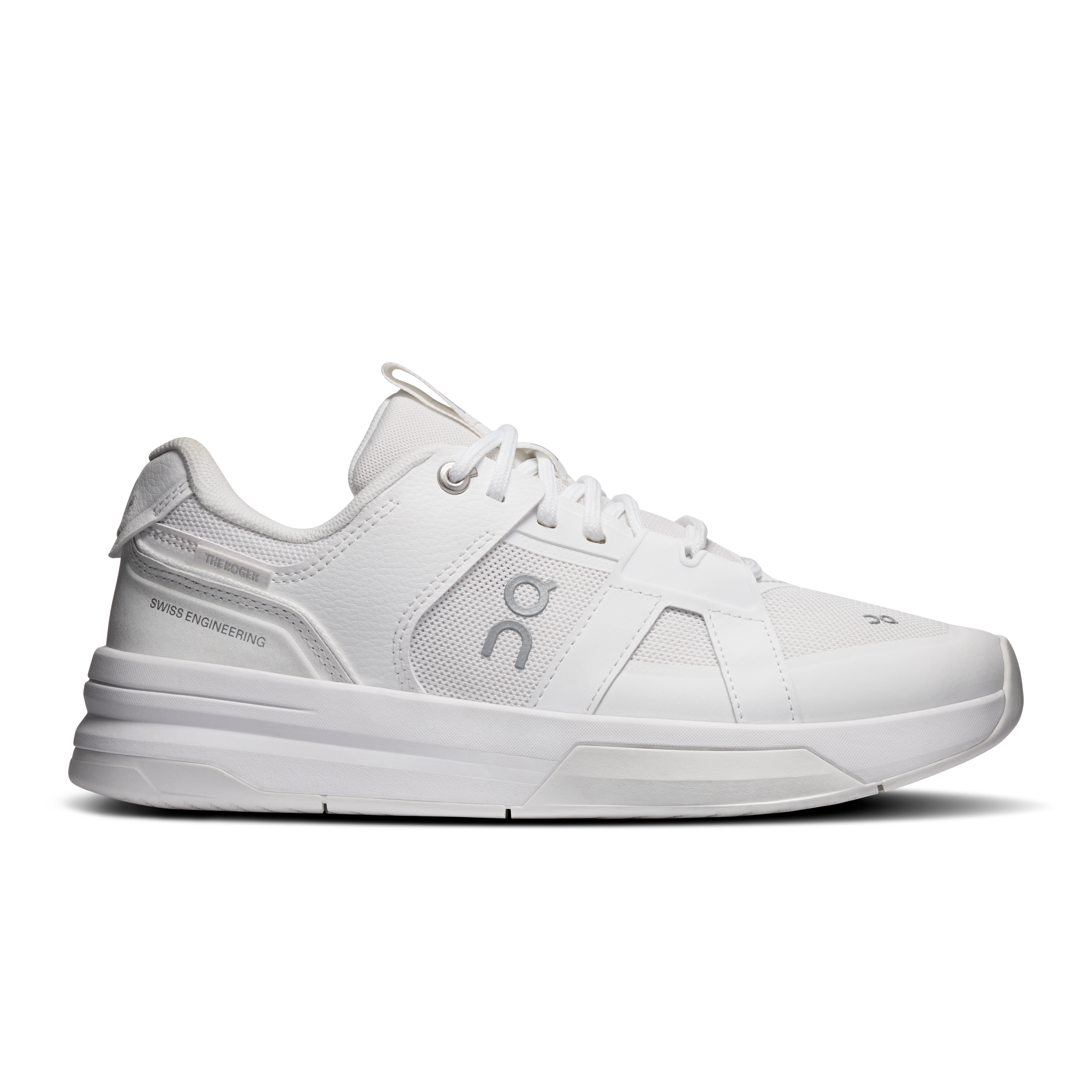
Tennis is a high-impact game of lunges and sprints. Because you cover more ground, your shoes must handle intense lateral force. You need reinforced side walls and a stable base to protect your ankles during sudden stops.
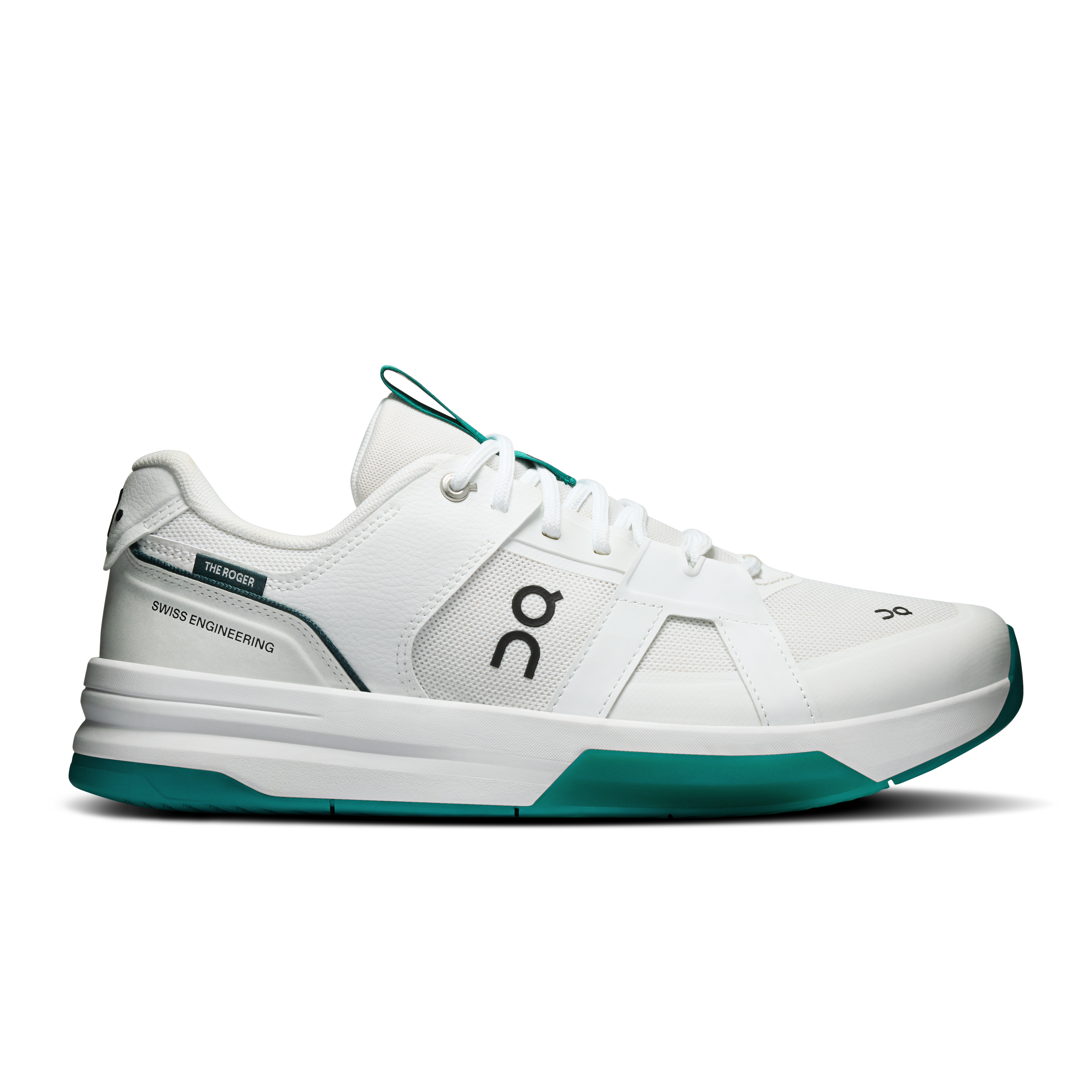
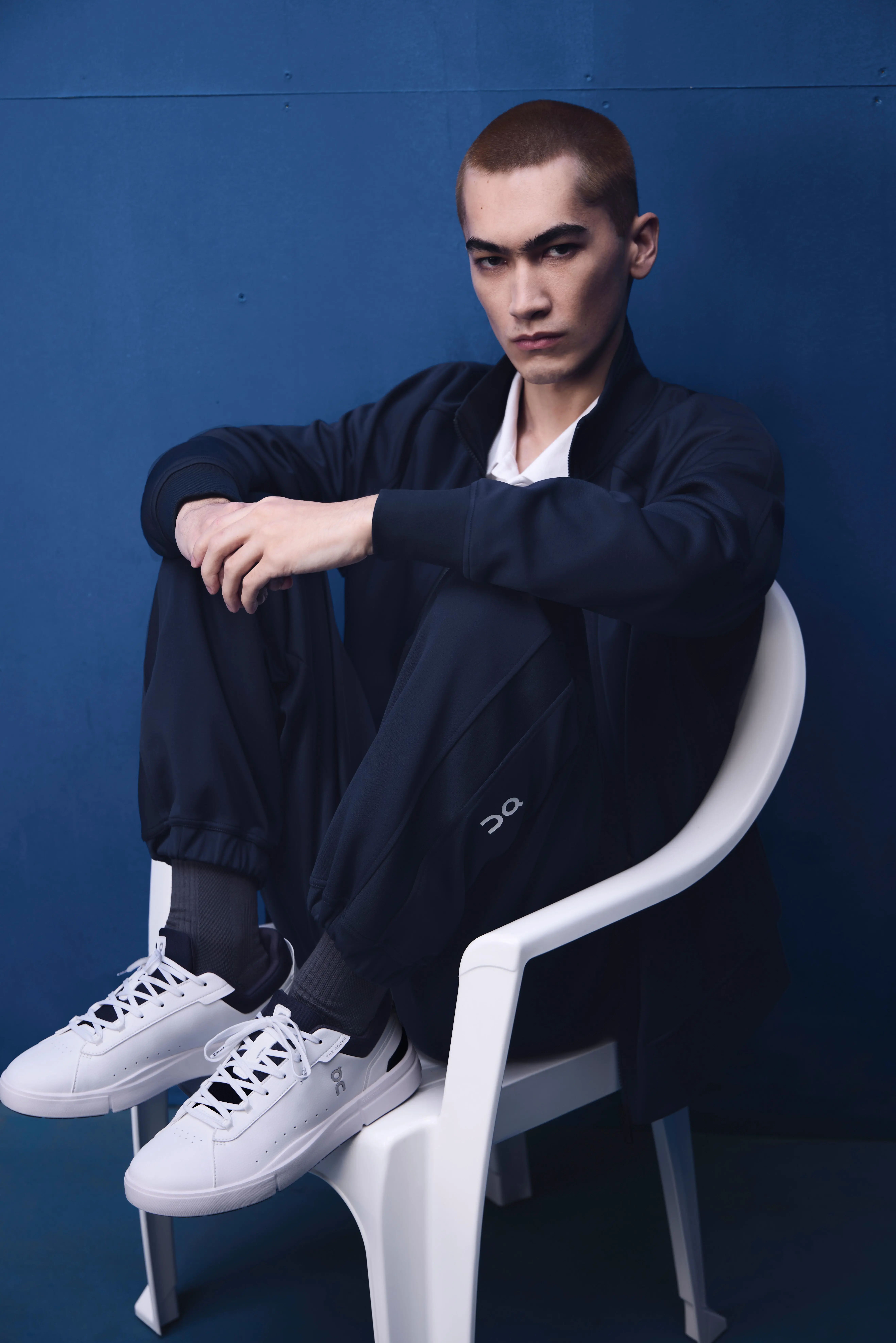
For court-ready stability and style, THE ROGER collection is built for competitive play. This mirrors the technical build of a tennis racket, which uses high-tension strings to generate power and spin.
What to look for: Prioritize lateral support and “drag guards” on the toe. Look for responsive cushioning that absorbs hard-court impact without sacrificing energy return.
Pickleball
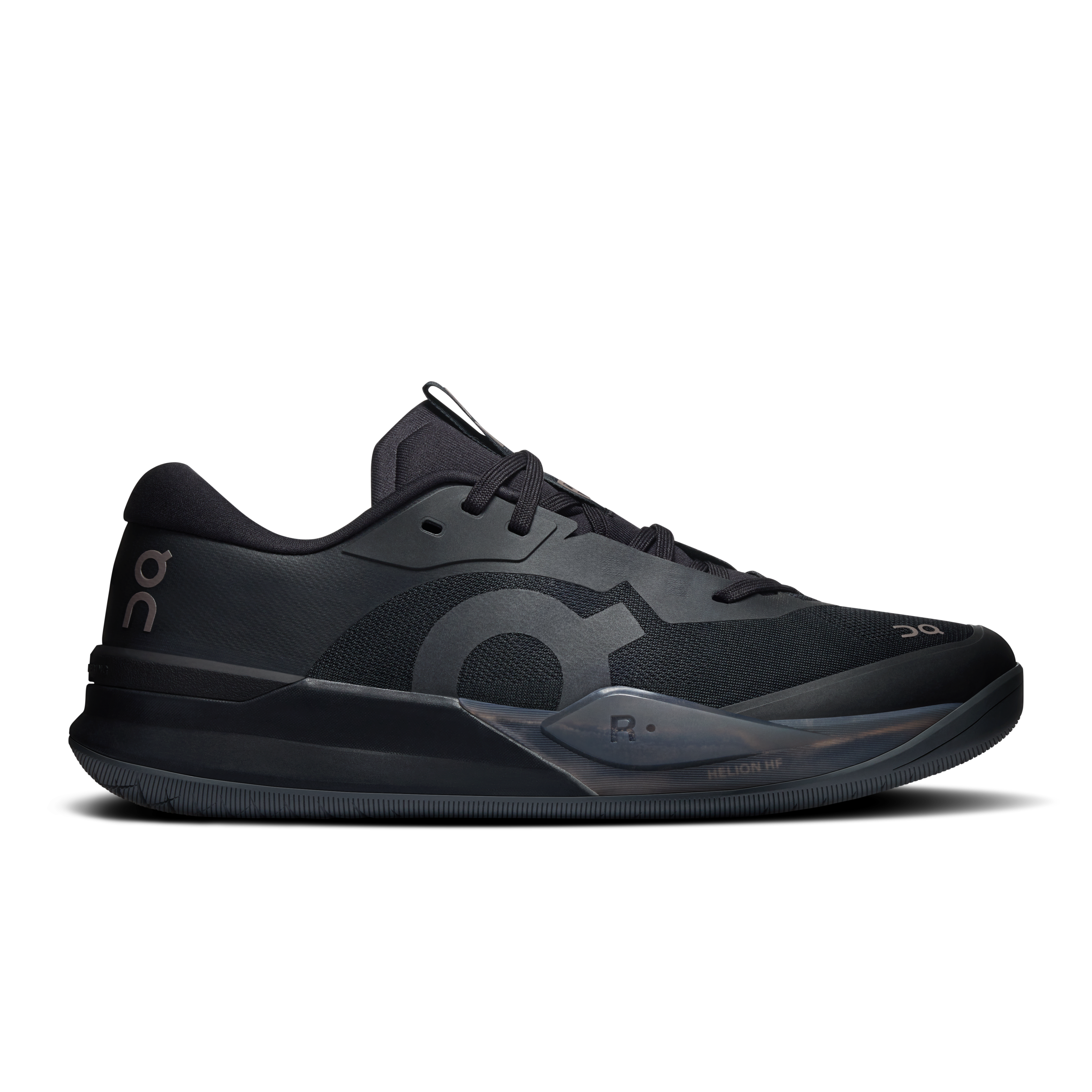
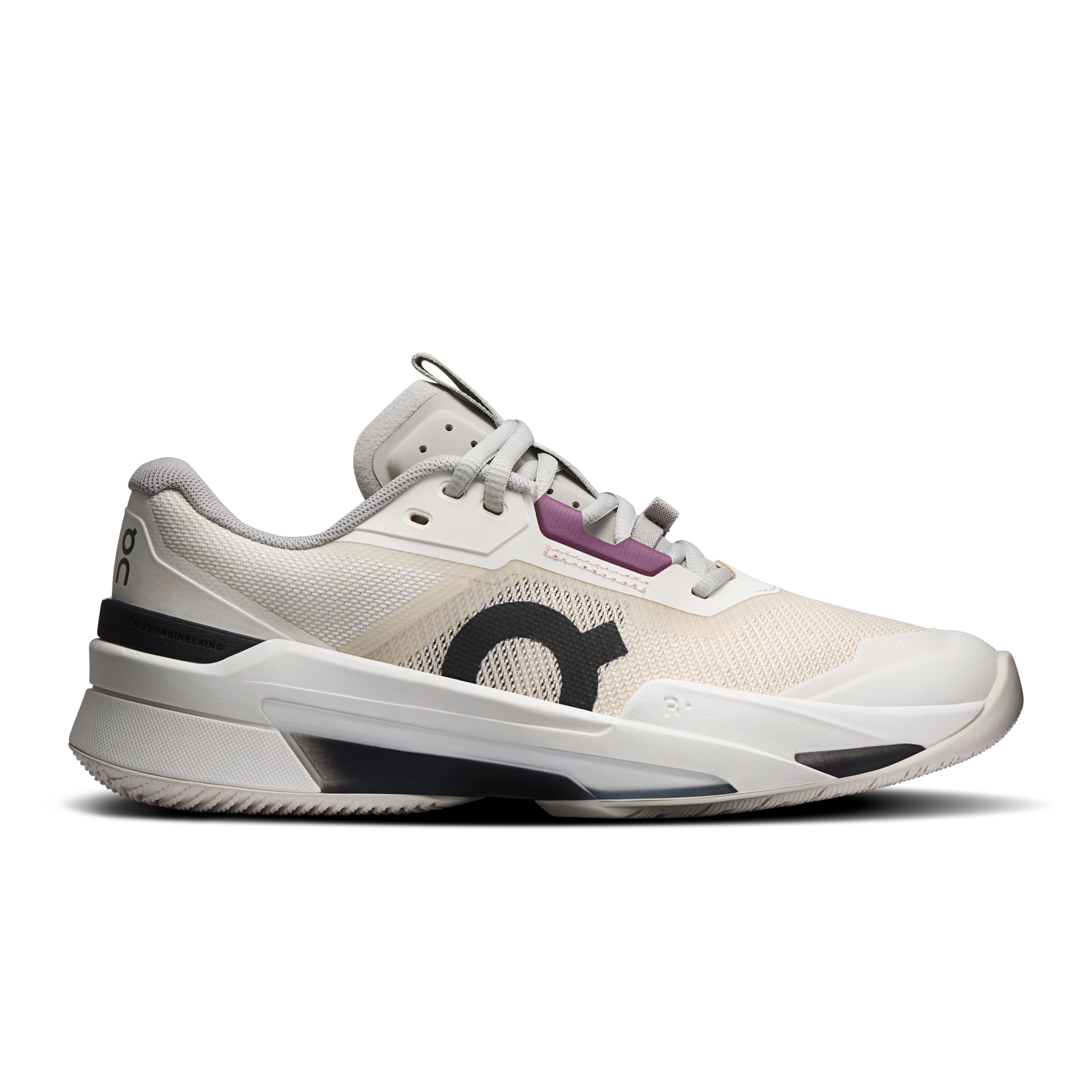
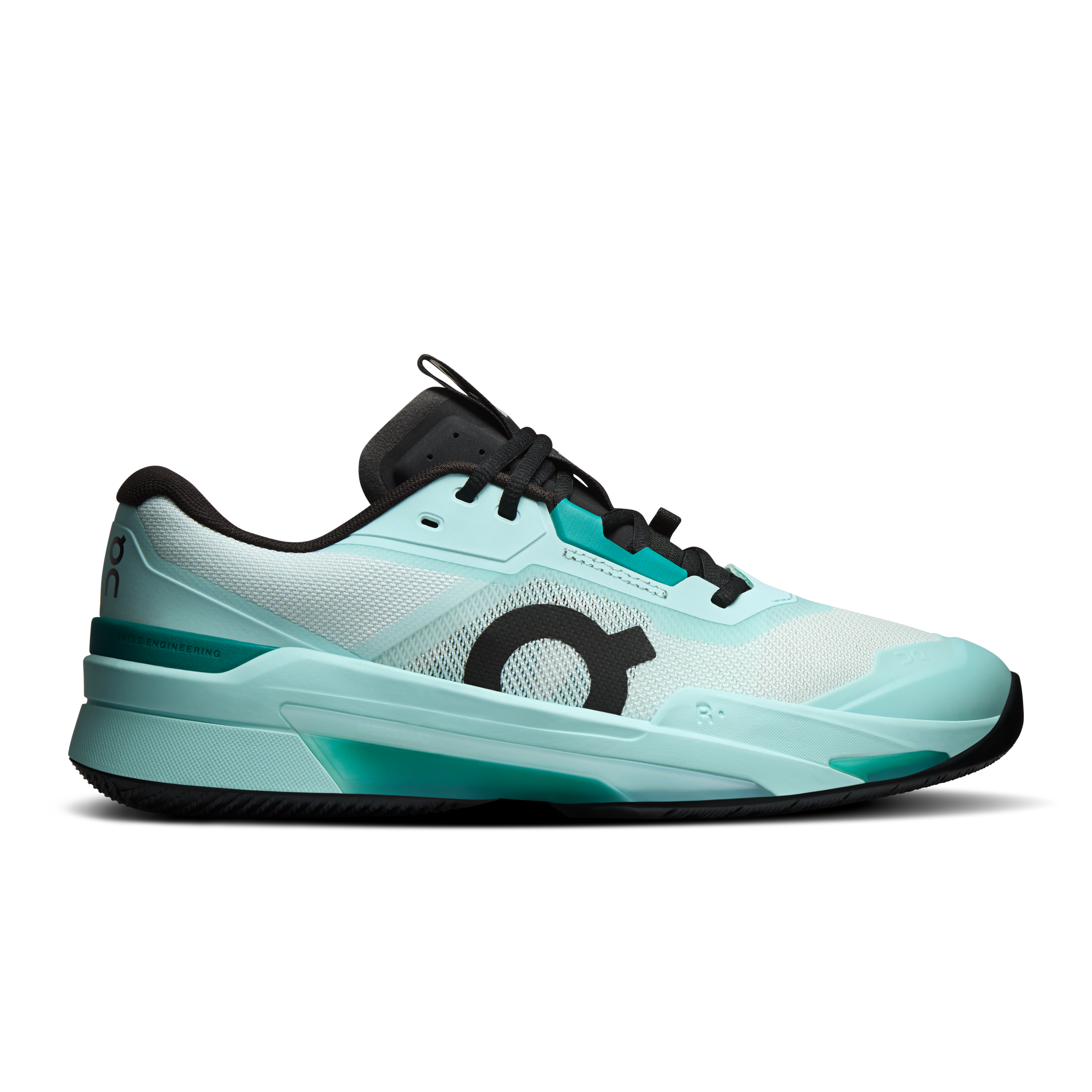
Pickleball movement is quick and twitchy. Since you spend much of your time at the kitchen line, your footwear needs to support frequent lateral shuffling and rapid, short steps.
While tennis shoes often work well, the best pickleball options feel lightweight and low to the ground. This keeps you agile for those quick-reaction volleys and dinks.
What to look for: Lightweight shoes with non-marking rubber outsoles are essential. Look for a balance between forefoot flexibility and heel stability.
How the games actually play
The biggest difference between tennis, padel and pickleball comes down to the rhythm of play. The court design, serve rules and movement demand shape how each rally unfolds.
Tennis rewards power and court coverage, while padel keeps points alive through rebounds off the glass. And pickleball slows the pace slightly, prioritizing placement and reflexes near the net.
Padel
Padel is often considered the most approachable of the three for first-time players. The serve is always underhand and must be struck at, or below waist height after a bounce, making it easier for beginners to start points consistently.
“It teaches players from the very beginning that padel isn't about hitting harder than your opponent,” says Coello. “It's about making smart decisions, understanding space and building points with patience and strategy.”
What changes the game completely are the walls. If the ball bounces before hitting the glass, it remains in play. That creates longer rallies, sharper angles and more reactive movement than traditional tennis.
“When I started, I wanted to hit every ball before it reached the glass,” says Coello. “Over time, I learned that sometimes the best option is to wait, trust the rebound and prepare a better shot. That completely changed my understanding of the game.”
Because the court is smaller and enclosed, padel relies less on outright power and more on positioning, anticipation and teamwork. “Communication is everything,” says Coello. “I like to bring positive energy and confidence, especially during difficult moments.”
Tennis
Tennis is generally the most physically demanding of the three sports, and requires a higher level of technical mastery. Players cover more ground, generate more pace and rely on timing and technique.
The overhand serve is one of the sport’s most defining skills, combining coordination, shoulder power and precision. Once the point begins, there are no walls or second chances. Court positioning and shot depth become critical.
Compared to padel or pickleball, tennis places greater demands on endurance, sprinting ability and technical consistency over longer distances.
Pickleball
Pickleball is played on the smallest court of the three, but that does not necessarily make it slow. Most points revolve around fast decision-making, compact movement and controlled placement.
The defining rule is the “double bounce.” After the serve, the ball must bounce once on the receiver's side and once on the server's side before players are allowed to volley. Combined with the non-volley “kitchen” zone near the net, this reduces the advantage of power serving and encourages more tactical exchanges.
The result is a game that feels easy to pick up for beginners while still rewarding anticipation, touch and hand speed at higher levels.
Which sport is hardest to learn?
Each sport challenges the body differently, and the learning curve depends on what movement you enjoy most.
Padel is often easier to pick up quickly because the underhand serve and enclosed court keep the ball in play longer. Most new players can enjoy extended rallies within their first few sessions.
Tennis has the steepest technical barrier. Generating power consistently while covering a full court requires coordination, endurance and precise footwork. It can take longer for beginners to sustain rallies confidently.
Pickleball is generally the most accessible entry point. The smaller court reduces the amount of ground players need to cover, making the sport welcoming to newcomers. At advanced levels, though, fast reactions and strategic placement become increasingly important.
The culture around each sport
The atmosphere around each sport can feel just as distinct as the gameplay itself.
- Padel has developed a strong social identity, with doubles play and clubhouse culture central to the experience. Matches tend to feel fast, collaborative and community-oriented.
- Pickleball shares some of the same inclusive spirit. Open-play formats and mixed-skill participation make it one of the most approachable racket sports for casual players and older athletes alike.
- Tennis remains the most traditional and individually focused of the three. While doubles remain popular, the culture of tennis still centers heavily around technical mastery, competition and one-on-one performance.
Globally, the sports are evolving at different speeds too. Tennis has long been established on the professional and Olympic stage, while padel and pickleball continue expanding rapidly worldwide.
Which court fits your style?
Whether you’re chasing tournament wins or a weekend workout, the right sport depends on your personal finish line.
Choose tennis if you enjoy mastering a technical sport. It is the choice for those who want a high-endurance, full-body workout that rewards precision and mental grit.
Pick padel if you want a social, fast-paced game. It is easy to learn in a single afternoon and offers a vibrant clubhouse community that keeps you coming back for the culture as much as the points.
Try pickleball if you are looking for a relaxed, open-play style. Its accessible pace makes it perfect for a social sweat without the steep learning curve of traditional racket sports.
Many athletes move between all three depending on the kind of workout – or community – they want that day. The best way to understand the difference is to step onto the court yourself.