Padel rules for beginners: Learn the game, then play it
Easy to learn, fast to love. Padel combines elements of tennis and squash in a social doubles game where the walls are part of the action. Here’s what to know before your first rally.
There’s a reason padel courts keep appearing everywhere. The sport combines the social nature of doubles tennis with the creativity of squash, creating a game built around long rallies, quick exchanges and plenty of momentum swings.
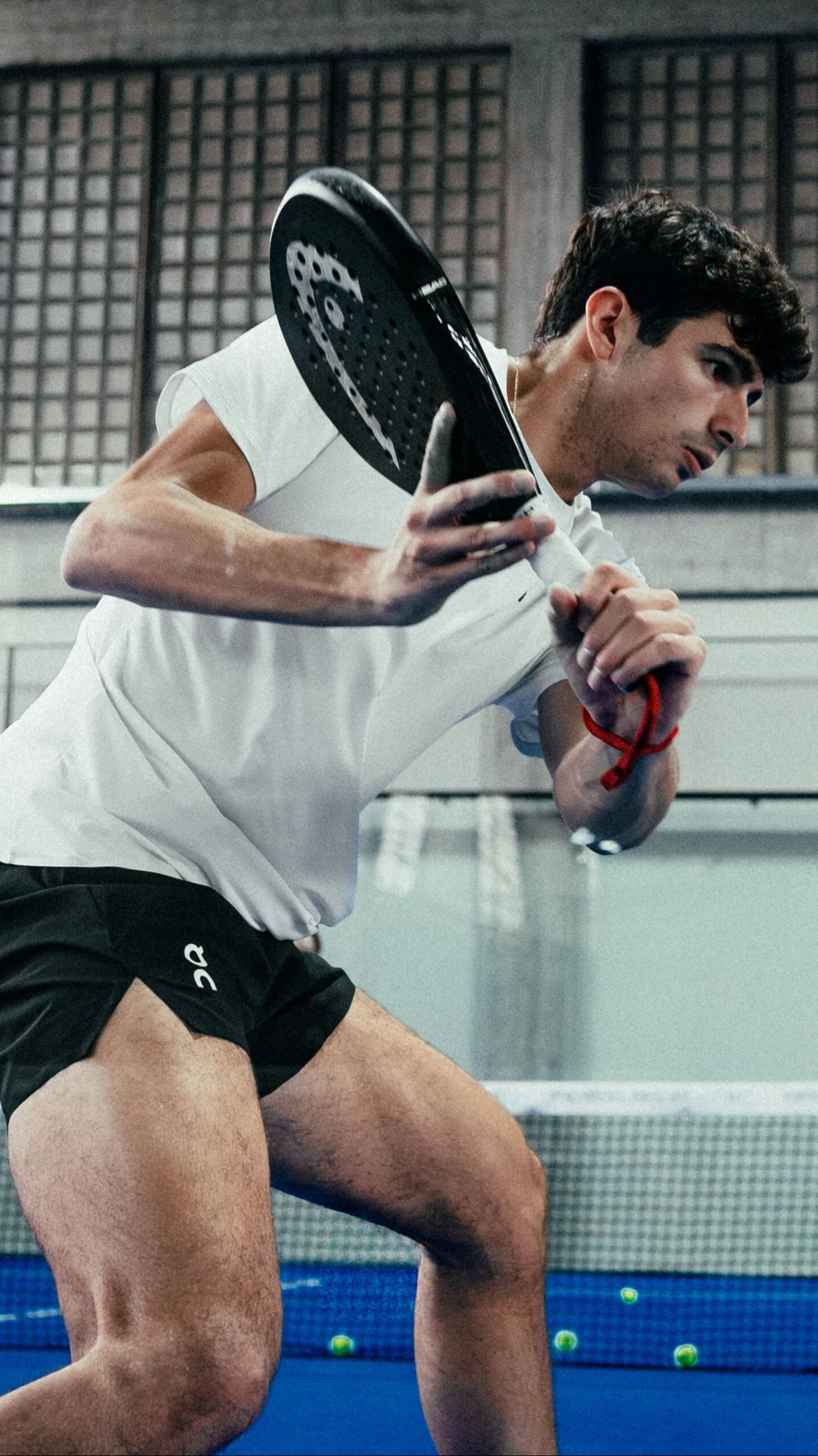
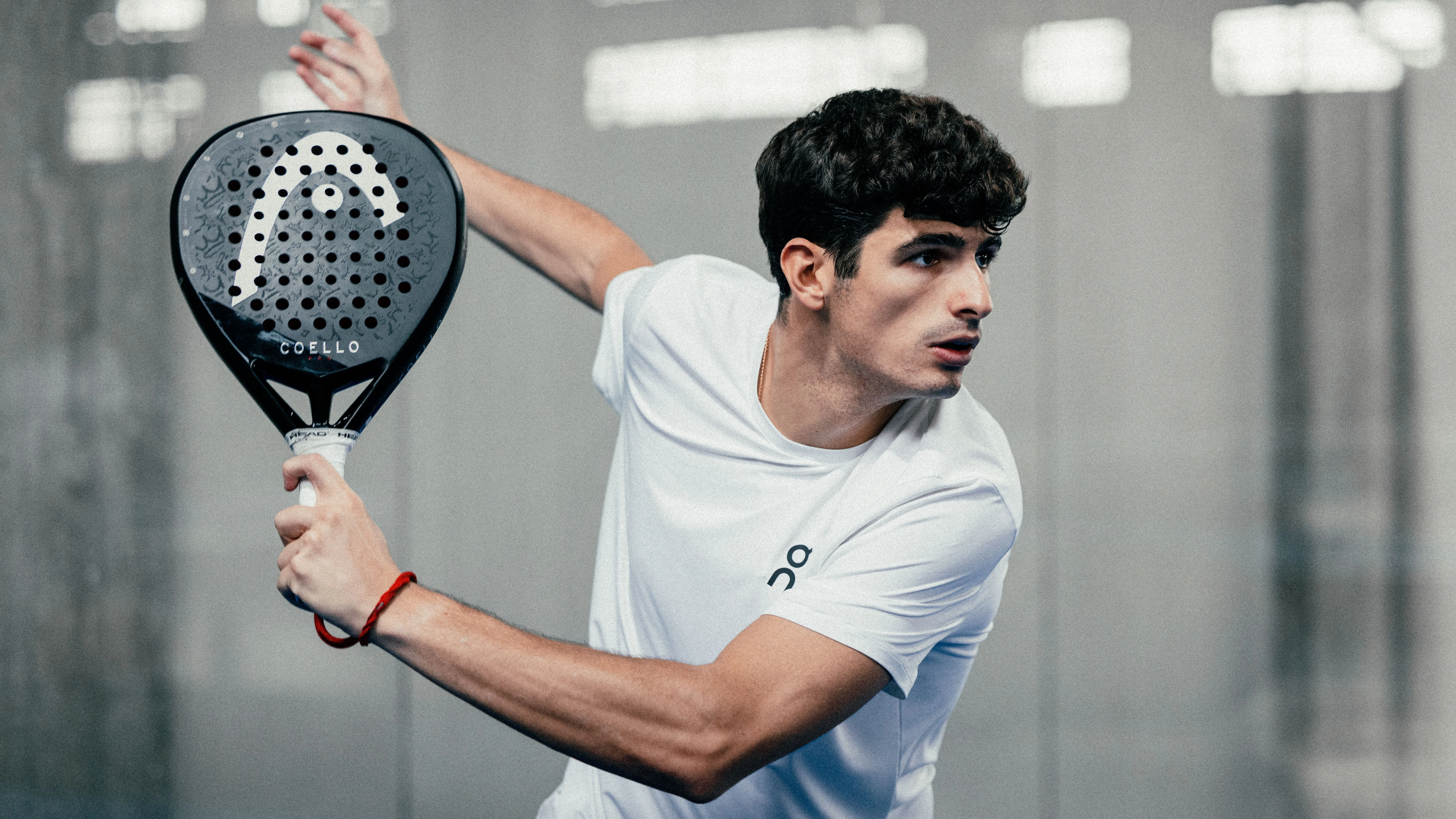
“Padel has a very unique rhythm because points often last longer and the glass walls give you a second chance,” says Arturo Coello, a professional padel player for On. “That makes the game dynamic, fun and accessible from day one.”
Unlike many racket sports, padel is remarkably beginner-friendly. The court is smaller, the serve is underhand and the walls help keep points alive, meaning rallies can develop even when your technique is still a work in progress. The learning curve is gentle, but the game has enough tactical depth to keep players hooked.
Before stepping on court, here’s what to know about the rules, scoring and strategies that shape the game.
Padel 101: What to know before your first match
Before your first rally, get familiar with the basics.
Elements | What to know |
Number of players | 4 (two teams of two) |
Court | Enclosed 10 x 20m court with glass and mesh walls |
Equipment | Solid, perforated racket and low-compression balls |
Scoring | 15, 30, 40, game sequence – like tennis (sets to six games) |
Serving | Underhand, below the waist and served diagonally |
Walls | Glass rebounds stay in play; mesh can create unpredictable bounces |
Court and equipment basics
A padel court is smaller than a tennis court and enclosed by glass and mesh – that changes everything. The game becomes less about hitting through your opponent and more about timing, positioning and using the space well.
“Focus on the next ball,” says Coello. “I don't think about the previous mistake or the score. I simply try to make a good decision on every shot and enjoy the process.”
The padel court
A standard padel court measures 10 x 20m (32.8ft x 65.6ft). It’s usually played in doubles, which keeps the game social, fast and reactive.
The glass walls at the back and sides are part of play. If the ball bounces on the court then hits the glass, the rally continues. The mesh sections behave differently, creating more unpredictable rebounds that can force quick decisions.
Padel equipment
Padel rackets are solid, perforated and shorter than tennis rackets, often made of carbon fiber or fiberglass. Their design gives you more control in close exchanges. Padel balls look similar to tennis balls but have slightly lower pressure, so they move a little slower and suit the smaller court.
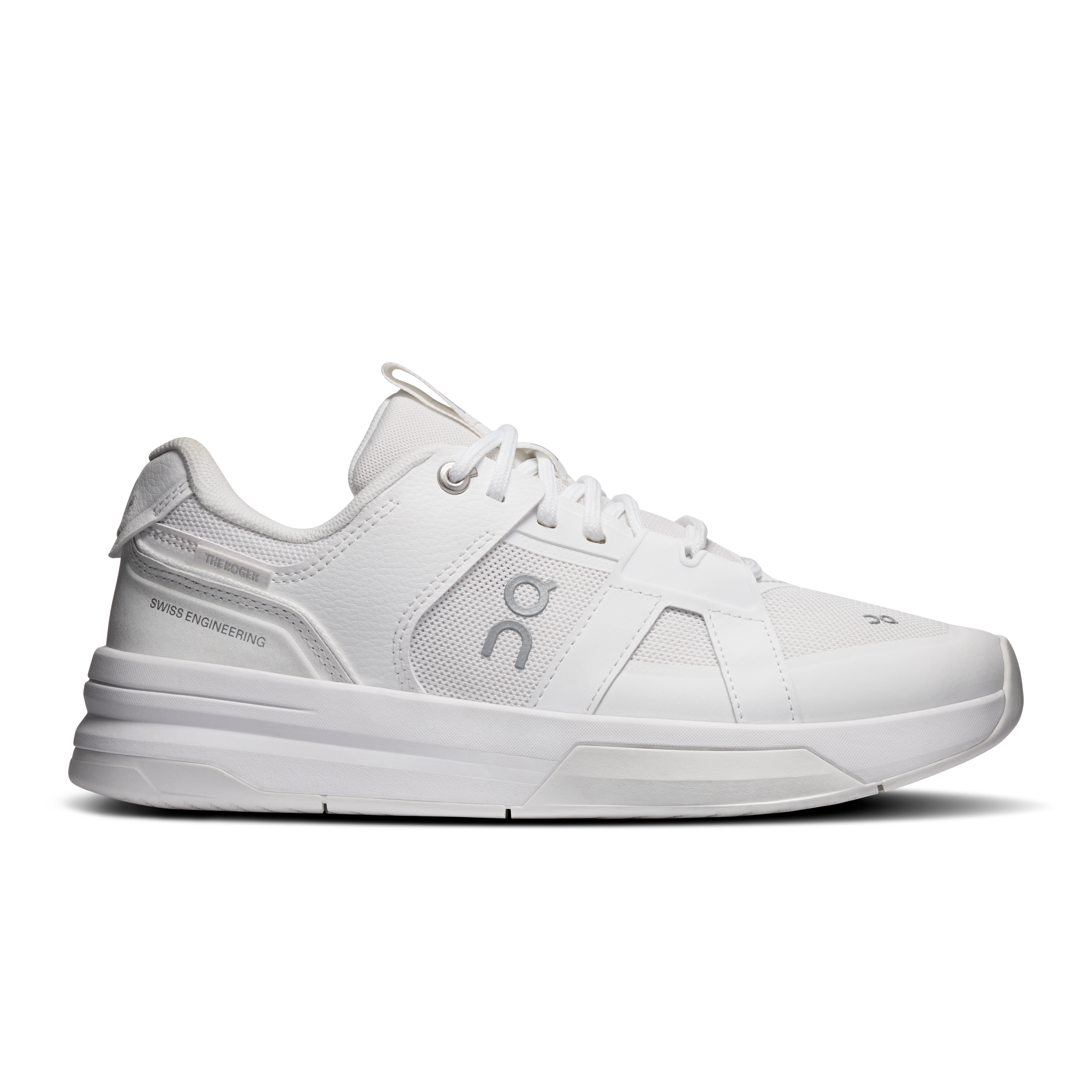
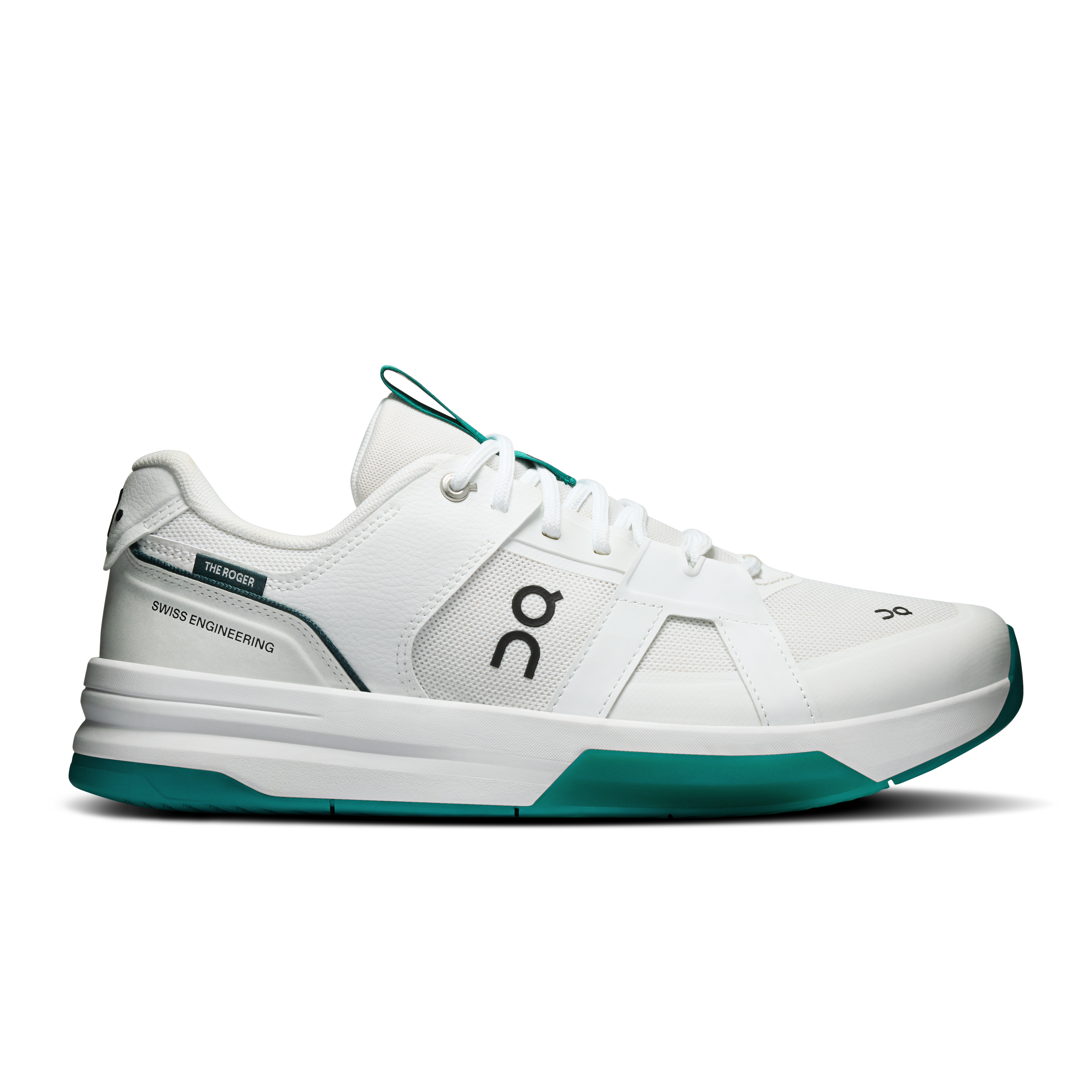
Footwear and apparel matter too. Padel involves constant side-to-side movement, short sprints and sudden stops. The best shoes for beginner padel should offer grip, lateral support and enough stability for quick changes of direction.
How serving works in padel
The padel serve is designed to get the rally started, not end the point immediately.
To serve legally, you must:
- Stand behind the service line - Bounce the ball once before contact - Hit underhand - Strike the ball at, or below waist height - Serve diagonally into the opposite service box - Keep both feet behind the line until contact
You get two serves. If the ball clips the net and still lands in the correct service box, it’s usually a let and you replay the serve. If it lands outside the service box, or bounces and then hits the fence before the second bounce, it’s a fault.
Scoring and winning the match
Padel uses tennis-style scoring: 15, 30, 40 and game.
The serve alternates between teams each game. Within each team, players choose who serves first, then keep that serving order throughout the set.
At 40-40, some matches use deuce, where a team must win two points in a row. Others use the Golden Point rule (Punto de Oro) to avoid long back-and-forth ties, where the next point wins the game. In Golden Point, the receiving team chooses which side the serve comes to.
Matches are usually best of three sets. To win a set, you need six games and a two-game lead. At 6-6, the set is decided by a tie-break to seven points, with a two-point margin.
How to use the walls
The walls are what make padel feel different from other racket sports. They give you more time, more angles and more ways to stay in the rally.
Glass walls
If the ball bounces on your side then hits the glass, you can still return it. This means you don’t always need to rush forward and take the ball early. Letting it rebound can give you time to reset.
Advanced players can also use their own glass wall to send the ball back over the net when they’re under pressure or out of position.
Mesh fence
The mesh is less predictable than the glass. If the ball bounces and then hits the opponent's fence, it can kick at awkward angles, making it harder to return.
One key rule: the ball must hit the court before it touches the glass or fence on your opponent's side. If it hits the wall or fence first, the shot is out.
Common padel mistakes to avoid
Most beginner points end through simple errors. Keep the ball in play and you’re already doing a lot right.
You lose the point if:
- The ball bounces twice on your side - The ball hits you or your partner during play - Your shot hits the wall or fence before landing on the opponent’s court - You touch the net, posts or cables during play
You also can’t normally reach over the net to hit the ball. The exception is when the ball has already bounced on your side and is spinning back over the net.
Beginner padel strategy
Padel rewards patience more than power. For your first few matches, focus on staying consistent, moving with your partner and keeping the rally alive.
“Padel isn't about hitting harder than your opponent,” says Coello. “It's about making smart decisions, understanding space and building points with patience and strategy.”
Start with these simple tactics:
- Aim for controlled shots over big winners - Recover toward the middle after each shot - Use lobs to reset when under pressure - Let the glass work for you instead of rushing every ball - Communicate with your partner early and often
The more you play, the more you’ll feel the rhythm: defend, reset, attack, repeat.
Start your first match with confidence
Once you understand the serve, the scoring, and how the walls work, padel becomes much easier to enjoy. Keep the ball moving. Use the glass. Stay connected to your partner. The rest comes with time on court.
“Communication is everything,” says Coello. “I like to bring positive energy and confidence, especially during difficult moments. Knowing that you're solving challenges together is one of the most rewarding parts of padel.”
Find the right outfit for the court and get ready for your first match.