
7 reasons to run uphill: Get stronger, faster, steadily
Hill training is tough, but that’s what makes it so rewarding. From building endurance and power to sharpening your form, climbing adds meaningful variety to your routine. Here are seven reasons every climb is worth it.
You’ve heard hills are good for you. But the why matters, especially when you’re deciding whether to pivot for a flat route or go straight through the climb.
Uphill running can feel intimidating, yet the payoff comes quickly. It strengthens your whole system – muscles, lungs, mindset – and provides benefits you’ll feel on every surface. Whether you’re new to running or leveling up your training, hills are one of the most efficient ways to build capacity.
Here’s what the On Athletics Club (OAC) looks for when they take their training upward.
1. Boosts endurance and speed
Endurance keeps you going. Speed gets you there faster. Hills help you build both, simultaneously. Climbing demands more energy with every stride. It teaches your body to stay efficient under load, building the kind of stamina that shows up later on long, flat runs. And because uphill running activates many of the same muscles you use when you’re sprinting, it sharpens your speed too.
On Athletics Club tip: For a simple interval training tool, run a few hundred meters uphill at a hard effort, jog back down to recover, then repeat. Small doses, big gains.

2. Increases your VO₂ max
Running uphill pushes your heart, lungs and muscles to work harder, often into anaerobic zones, and they adapt fast. That’s where VO₂ max comes in: it measures how well your body uses oxygen.
To put it simply, a higher VO₂ max means you can run faster and farther with less fatigue.
Inclines help stimulate that improvement through their intense effort, even at slower speeds. Added benefits? Better recovery, more strength, and a calmer nervous system after your run. Not bad, right?
On Athletics Club tip: Build gradually. Increase incline and duration over a few sessions to protect against injury.
3. Intensifies the workout
More intensity doesn’t have to mean more distance. Elevation naturally increases energy demand, which means you can get a high-impact workout in less time.
It’s efficient, varied, and surprisingly fun once you find your rhythm.
On Athletics Club tip: Start with gentler inclines and longer durations. As things feel smoother, increase the gradient.

4. Builds total body strength
Think of uphill running as resistance training disguised as a run. Gravity becomes your training partner (and biggest challenge).
Uphill running strengthens our calves, glutes, and hamstrings in more direct ways than flat runs. But it also demands core stability and coordinated arm drive, which means your upper body gets involved, too.
On Athletics Club tip: Keep your core engaged and think about your arms. The more intentional your form, the more strength you’ll build.
5. Prepares you for race day
Even if the race course is flat, hill work builds the kind of resilience needed during a half-marathon or full marathon. It improves cardiovascular strength, makes pace changes feel easier and helps you stay composed when fatigue sets in.
On Athletics Club tip: Aim for a balanced plan (including hill work) for a marathon training schedule: endurance, recovery and strength. Together, they form the backbone of long-distance preparation.
6. Prevents running injuries
Training on a range of terrain, including hills, builds durable, adaptable runners. Uphill running can actually be joint-friendly because it reduces the impact compared to running downhill or on hard flats.
Start with a warm-up on flat surfaces to ease your body into the work, then keep your form tall and your stride short.
On Athletics Club tip: For downhill sections, choose a shoe with good cushioning to keep your knees and ankles supported.





















7. Adds variety (and keeps your mind engaged)
Even the most committed runners appreciate a change of scenery. Hills bring that. They require focus, build mental strength, and offer a sense of accomplishment when you reach the top. And because the landscape shifts as you climb, there’s little room for boredom to catch up.
On Athletics Club tip: Switch up your usual routes. Embrace the hills and bring a running buddy to share the challenge (and the payoff at the summit).
Reach new heights in your training
Not everyone has access to steep hills, but the benefits of uphill running are still within reach. Stairs, inside or outside, can replicate the muscular demands of climbing and offer a powerful workout in a small space.
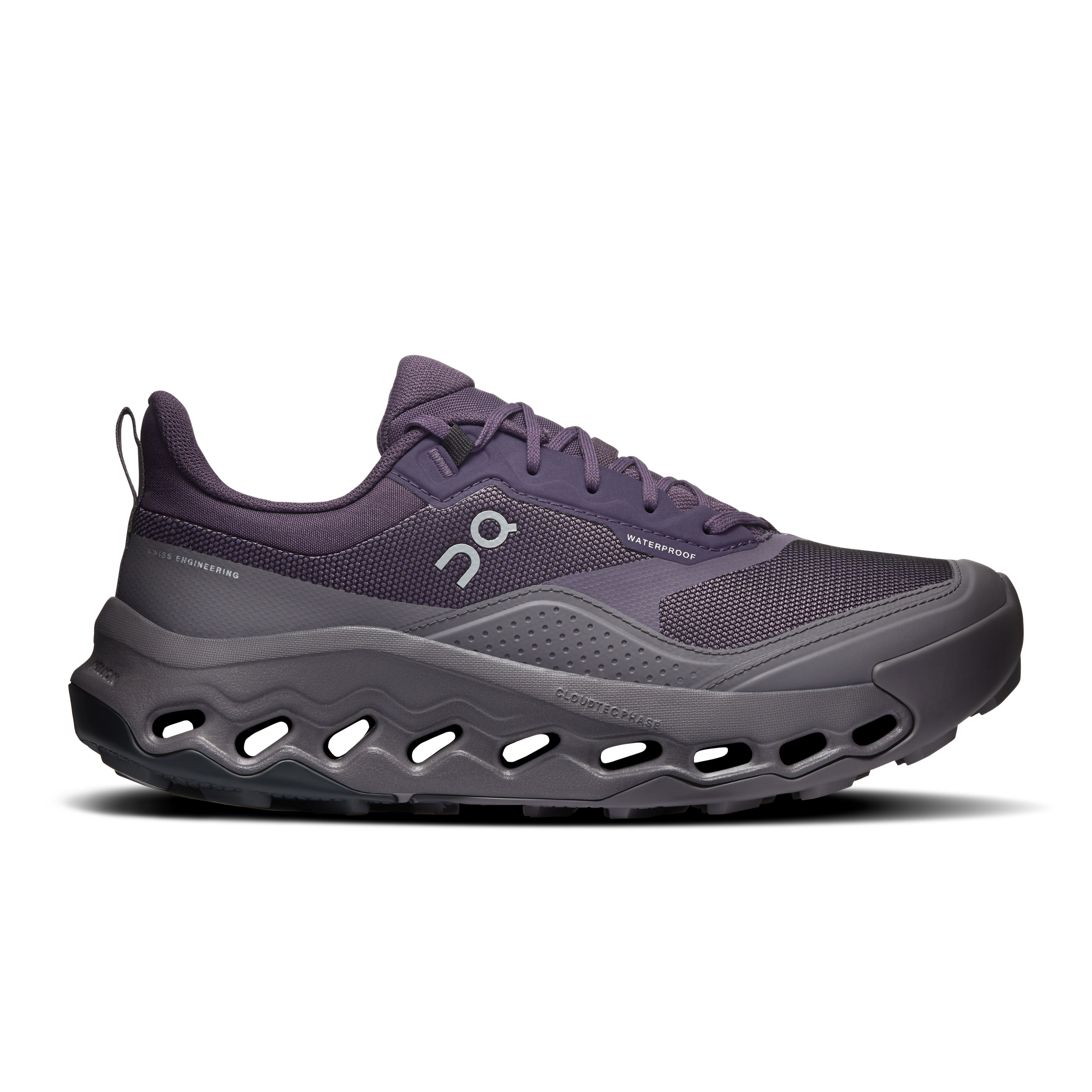
Before you begin, make sure you’re running in shoes suited to your terrain.















Frequently asked questions
What’s the difference between uphill vs. flat running shoes?
A flat or regular running shoe works for occasional hills, but dedicated trail shoes often offer better traction for steep or uneven terrain, which is the main difference from flat running shoes.
Is running uphill safe?
Yes, running uphill can actually be safer for your joints (like your knees) than downhill or flat running. It’s lower impact, but you should still focus on proper form and gradually increase the incline.
What are some good workouts and stretches to improve uphill running performance?
Effective workouts for runners include hill repeats (sprinting up, jogging down) and strength training like squats, lunges, and calf raises. These can help build the powerful muscles you need to run uphill.