Workout before or after breakfast? How to train smarter in the morning
Some people swear by waking up and running. Others prefer fuel first. The truth is, it depends on your body, the intensity of your workout and your goals. Here’s how to find what breakfast strategy works for you.
Breakfast is often called the most important meal of the day. For athletes though, the real question isn’t whether they should eat breakfast, it’s when. Before or after training?
Jade Reilly, On Ambassador, athlete and dietician always trains fuelled. “Whether it’s a bar and banana or a bagel, you will always catch me eating before a workout.”
The right approach depends on your body, goals, and the type of workout you’re doing. A gentle mobility session demands something very different from a long run or a high-intensity circuit. Factors like sex, training intensity, and duration all play a role in how your body performs and recovers.
By tuning into your body and understanding your training needs, you can find a breakfast routine that fuels you best.
When fuel helps you go further
“I can tell first thing in the morning if I’m under-fueled, dehydrated, or didn’t get enough sleep, it shows,” says Dan Churchill, hybrid athlete, chef and author of Eat Like a Legend.
Your body often tells you what it needs before your mind catches up. You wake up sluggish, maybe lightheaded, with that hollow feeling in your stomach. Trying to push through an intense workout without eating usually makes those signals louder.
Eating breakfast before your workout replenishes your energy stores, stabilizes blood sugar, and improves focus and mood. For Reilly, she says, “Performance is always better when my body has a steady supply of nutrients to work with. Predominantly carbohydrates.”
A carbohydrate-rich meal gives your muscles quick access to fuel, while a touch of protein helps prevent muscle breakdown. It also helps set your metabolism in motion for the day ahead. “Fuelling before sessions also limits overeating later on,” adds Reilly. “It can allow cortisol levels to come down and gives the body greater access to energy stores.”
For HIIT, strength sessions, or long runs, starting with breakfast can make all the difference, helping you train harder, last longer and concentrate better. Research consistently shows that pre-fueled athletes perform more efficiently than those who train fasted.
If you’re prone to dizziness, low blood sugar, or fatigue, eating beforehand is especially important. And for women, research also indicates hormonal shifts during the follicular and luteal phases can make pre-workout fuel even more beneficial, supporting both energy levels and recovery.

What to eat before your workout
What you eat before a run or morning workout can make a real difference in how you perform. There’s no single “right” meal, but some foods are better suited to fueling movement than others. Aim for easily digestible carbohydrates to supply quick energy, paired with a little protein to support muscle recovery. Go easy on fat and fiber which can slow digestion and cause discomfort.
A coffee and banana before a workout can give you a simple energy boost. “This works perfectly for Pilates,” says Reilly. Whereas when she fuels for a long run, “there will be a lot more carbohydrates.”
Reilly’s go-to meal? “It has to be a bagel with honey,” she says. “It’s easily digestible carbohydrates that are perfect for energy during a gruelling workout.”
Try these balanced pre-workout breakfast ideas:
- Oatmeal with yogurt and berries - Banana with peanut butter - Multigrain toast with eggs - Toast with peanut butter and jam - Fruit smoothie with protein powder
Timing matters too. Reilly gives herself no more than 90 minutes to digest solids before heading out for a run. If your morning is tight, opt for a light fuel source 30-45 minutes before your workout instead.
Ultimately, listen to your body. Adjust what and when you eat to find the pre-workout routine that helps you feel the strongest.

When you prefer to move before you eat
For some athletes, working out before breakfast just feels better. This approach, known as fasted exercise, isn’t for everyone, but could come with potential benefits, such as improved blood sugar regulation and metabolic flexibility.
Still, it’s important to remember that fasted exercise is a tool, not a shortcut to faster results. Training on an empty stomach won’t automatically improve performance or speed up fitness gains.
Reilly encourages all athletes to limit fasted training and try to introduce a smaller pre workout snack with carbs and a more balanced meal post to replenish nutritional stores.
If you do prefer to train before breakfast, keep the session short and light (ideally under 45 minutes) and drink water to avoid dizziness or fatigue and fuel up afterward.
What to eat after your workout
What you eat after training sets the tone for the rest of your day. Refueling helps your body recover, rebuild muscle and replenish the energy you’ve used. Even if you’ve already eaten breakfast before your session, a post-training snack is still important.
After your workout, focus on carbs and protein. Protein supports muscle repair while carbs restore your glycogen stores. The more intense the session, the more protein you’ll need. For lighter efforts, you can shift the balance toward carbs.
Give these post-workout breakfast ideas a try:
- Greek yogurt with fruit and granola - Eggs with whole-grain toast and fruit - Protein smoothie and banana - Cottage cheese and fruit - Protein pancakes - Peanut butter sandwich
If you’ve trained fasted, it’s especially important to refuel soon after finishing. Aim to eat within 30 minutes. Your body will be more receptive to absorb nutrients and kickstart recovery. Prioritizing breakfast after your workout helps you replenish, reset and stay energized for the rest of the day.
How physiology and goals shape your routine
Whether you workout before or after breakfast comes down to a personal choice: your body, your training style and your goals.
Every athlete's nutrition needs are unique, but a few general principles can help you find what fits. Men often respond better to fasted training better due to higher testosterone levels and a lower cortisol response.
Women, meanwhile, tend to benefit from eating beforehand, as hormonal fluctuations during the menstrual cycle can heighten cortisol and reduce energy when training fasted.
Your training type matters too. Endurance athletes may occasionally benefit from strategic fasted training to build aerobic efficiency, but strength and power athletes usually perform better with pre-workout fuel. “If it’s a high intensity workout, I would say to always try and have some sort of fuel source,” says Reilly.
At the end of the day, it comes down to how you feel. Some people move best with food in their bellies; others prefer an empty stomach. Experiment and see what works. The best routine is the one that your body responds to with strength and energy.
Make the most of your mornings
Morning workouts take commitment. But the pay off is rich in focus, energy and consistency for the rest of the day. For many, it’s the only time in the midst of a busy schedule with work, family and other responsibilities that truly belongs to them. Building that rhythm not only supports performance goals but sets the tone for everything that follows.
Deciding whether to workout before or after breakfast is part of finding that balance. The right approach is the one that fuels you and helps you stay consistent over time.
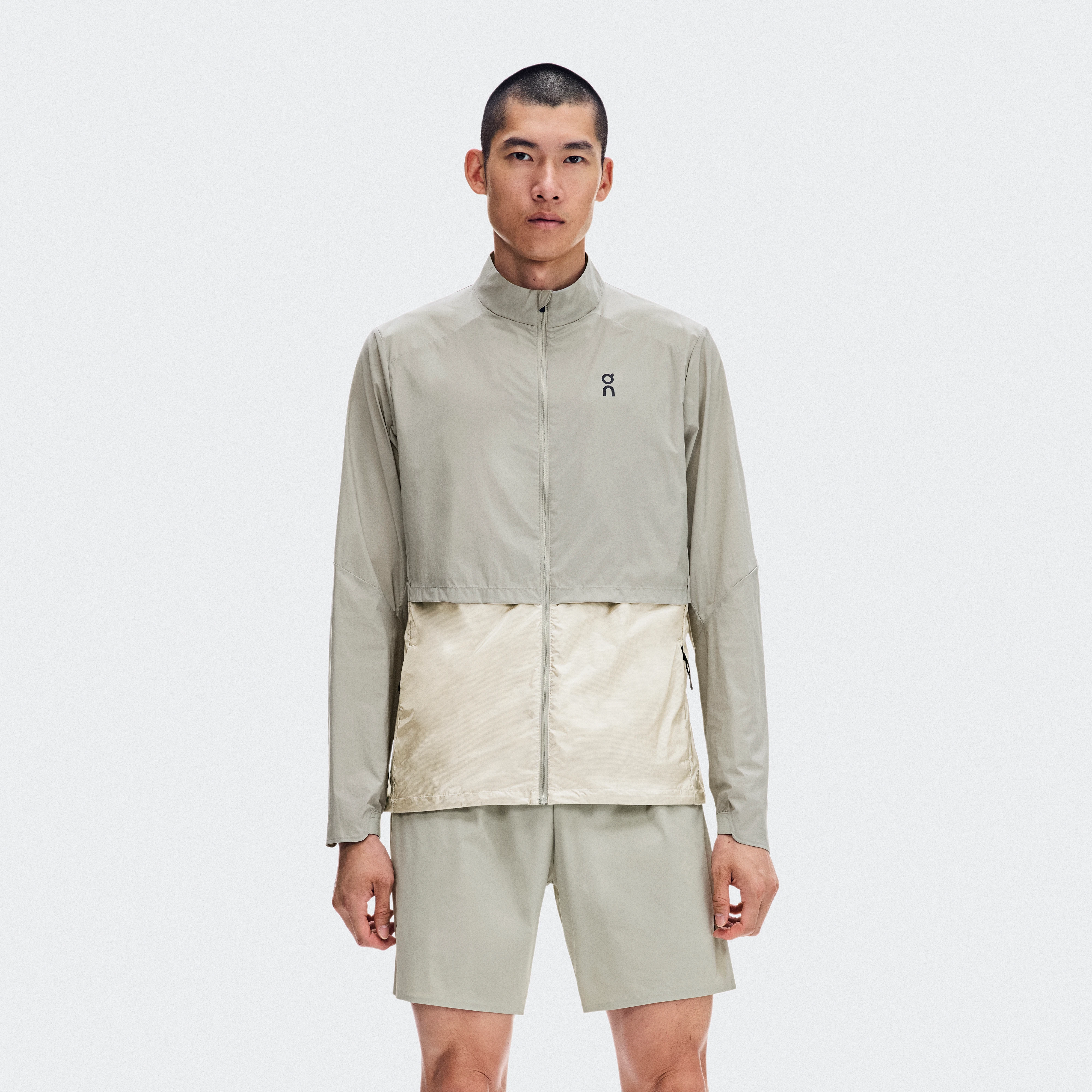
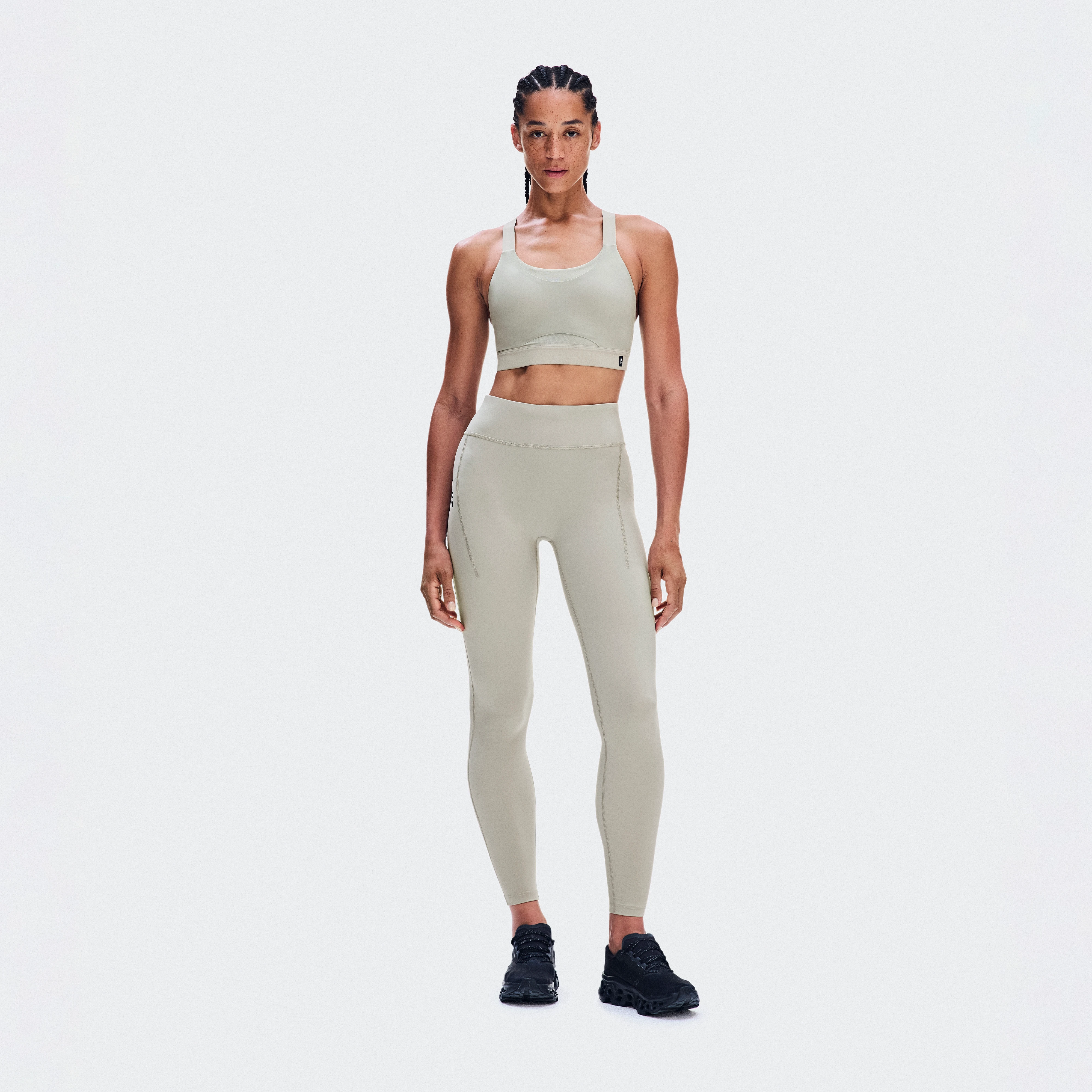
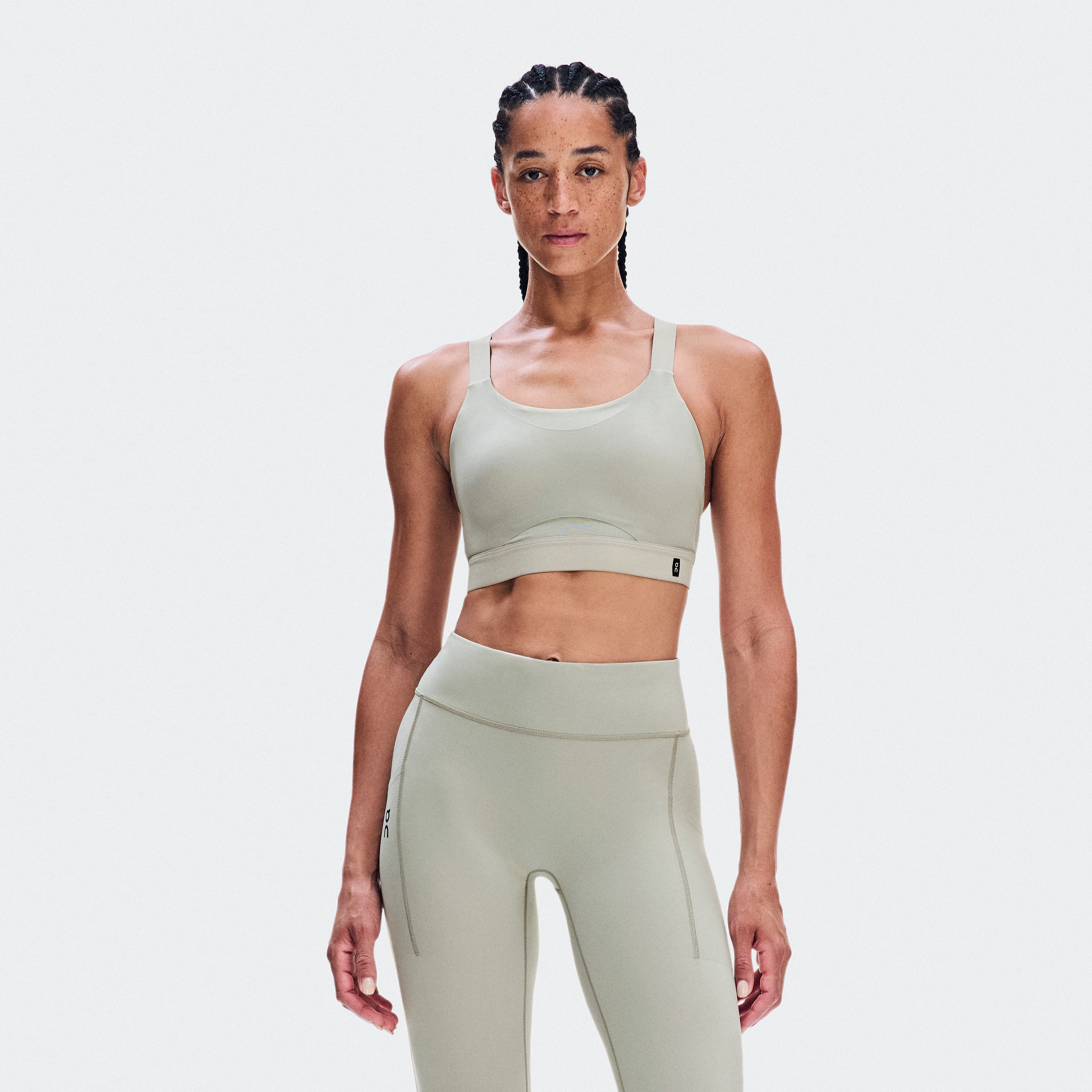
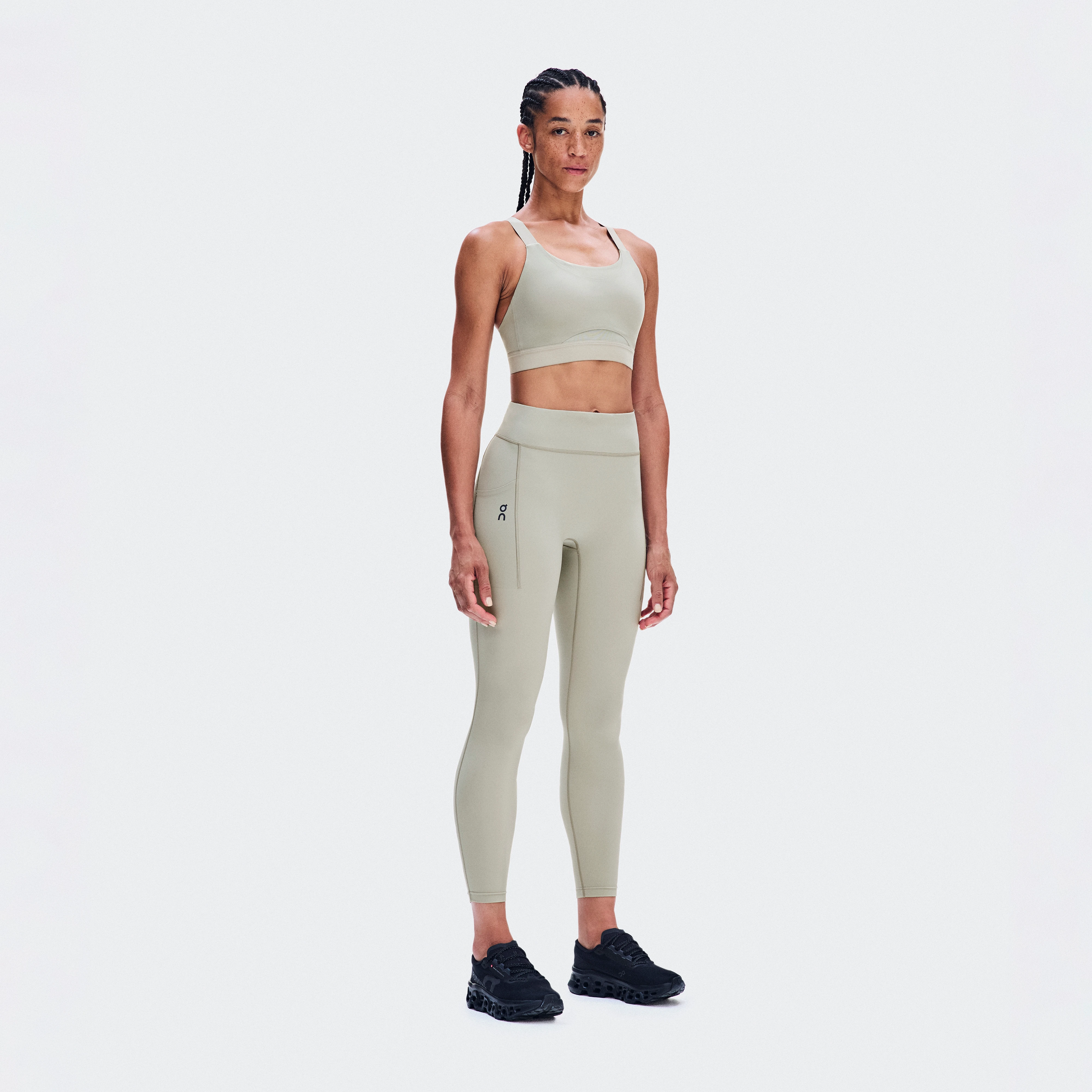
And remember, it’s not just food that fuels. The right training apparel can make movement feel easier, more natural. When you use training gear that moves with you and your routine, you can focus on your movements and repetitions to make the most of each morning.