
Is hiking good exercise? 12 benefits, explained
It’s slower and less structured, but often more demanding than it looks. Over time, hiking builds strength, endurance and stability through varied terrain and sustained effort.
For Lena Strohmaier, an On ambassador, hiking is “hidden” strength training. “It builds functional stability that a traditional workout just can't match,” she says. “Even if my heart rate stays low, a big day of climbing really works the legs.”
She’s right. Hiking combines cardiovascular effort and lower-body strength, building endurance, stability and strength in ways that flat ground cannot. “I’m building power for my runs, but doing it while taking in the views instead of staring at a machine,” says Strohmaier.
The benefits go beyond physical, too. Research suggests that spending time in nature may help improve mood, reduce stress and support cognitive function. “Navigating a steep trail is a massive mental shift,” Strohmaier says. “Unlike a treadmill where you just "go," the trail demands your full attention. It’s a very intense kind of flow; it’s hard to explain, but that feeling of being totally present makes the mountains so addictive.”
Hiking uphill can also count toward the recommended 150 minutes of weekly moderate exercise for adults. A longer hike may cover much of that goal in one single session.
Here’s how hiking can benefit both body and mind.
Why hiking is good exercise
Hiking is a functional, non-running cardio workout that challenges more than just your endurance. Because the terrain is rarely level, your lower body moves through a wider range of motion while your core works to keep you stable on uneven ground.
Chiara Mondini, an On ambassador agrees. “On pavement or a treadmill, your body goes into autopilot, but on a steep, technical trail, every single step demands a micro-adjustment,” she says. “My core, ankles, and lateral stabilizers fire up instantly to read and react to roots, rocks, and mud.”
Over time, hiking builds endurance, lower-body strength and stability through sustained effort rather than short bursts of intensity.

Hiking benefits for the body
The physical benefits of hiking build gradually through time, terrain and repetition.
Whether you’re setting out on your first local trail or training for a multi-day trek, hiking challenges your cardiovascular system through sustained movement. Quads, glutes, hamstrings: they’re all going to feel it. Your core activates too to maintain balance on uneven surfaces.
1. Improved cardiovascular health
Hiking naturally elevates your heart rate through challenging terrain – from steep climbs to long descents – and this can improve your cardiovascular endurance over time.
Research suggests that exercising in green spaces may help lower blood pressure and reduce the risk of cardiovascular disease.
The variation of the trail helps strengthen your cardiovascular system to continuously adapt, helping build stamina and aerobic capacity.
2. Increased muscle strength
The trail acts as natural resistance training. Every steep ascent fires up your posterior chain, while uneven paths activate smaller stabilizing muscles throughout the legs and core. Over time, this effort can help build lower body strength and stability that translates into everyday movement.
“The shift is immediate and absolute,” says Mondini. “Physically, my stride transforms from a predictable, repetitive rhythm into a dynamic puzzle.”
3. Better bone density and joint health
As a weight-bearing activity, hiking applies healthy stress on bones, which may help maintain bone density over time.
Compared to repetitive movement on hard pavement, hiking introduces more varied movement patterns that can support joint mobility and coordination. Navigating natural terrain also keeps your joints supple and responsive. These small movements required on uneven terrain help strengthen connective tissues around your ankles and knees.
4. Improved performance
Hiking can support performance across other endurance-based activities like running and cycling. It’s an effective form of cross-training that combines aerobic effort, elevation changes and muscular endurance to help build a strong cardiovascular base.
Research on high-altitude training has shown potential endurance benefits. One study found two high-altitude sessions per week for six weeks increased the time it took male endurance runners to fatigue by 35%, compared to 10% for those training at sea level.
5. Improved balance and stability
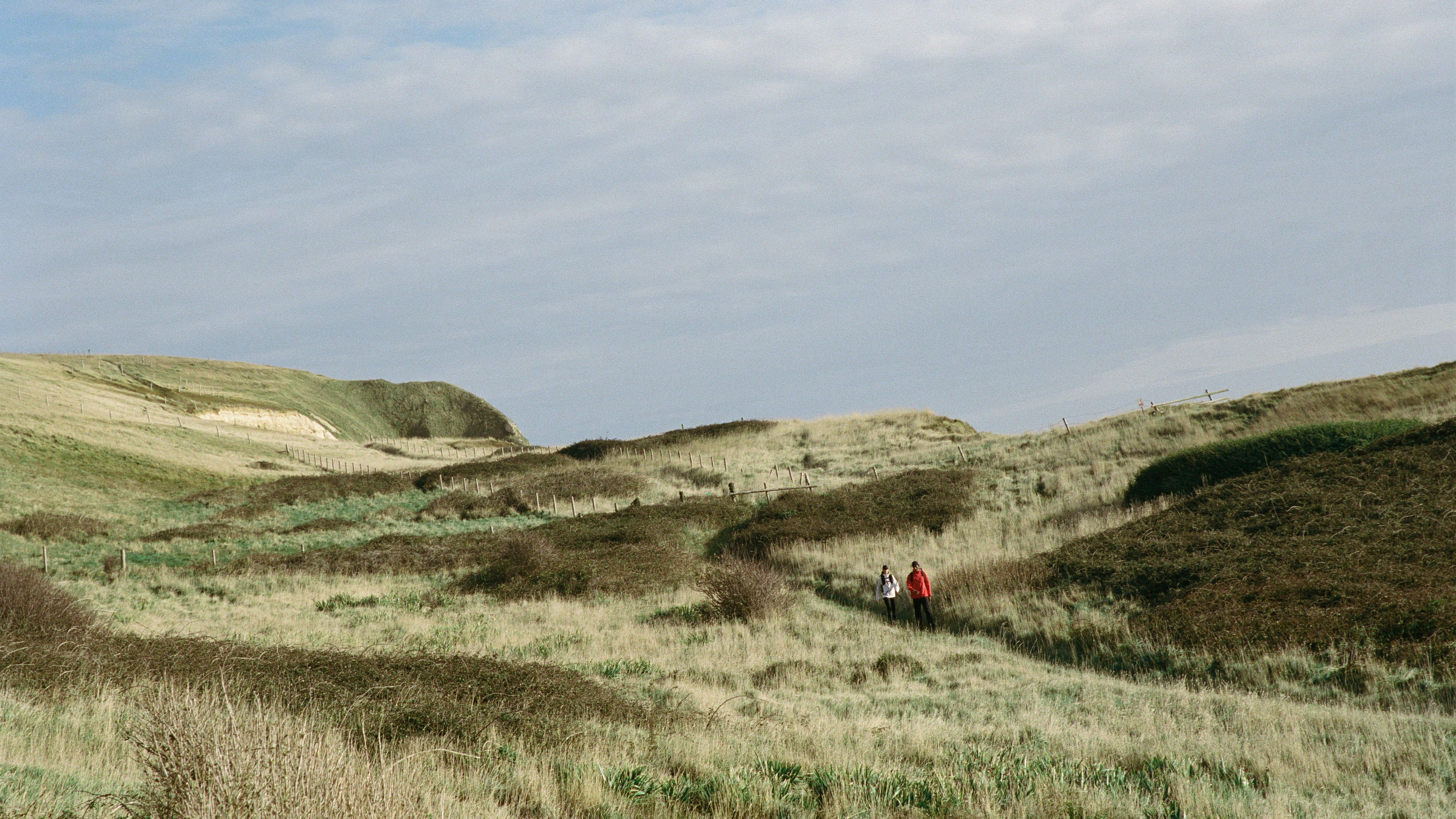
Hiking challenges balance by forcing your body to constantly recalibrate across changing terrain. As you move across rocks, roots, or uneven paths, your muscles and nervous system work together to stabilize every step.
“Navigating uneven, technical terrain fires deep stabilizing muscles in my core and ankles that gym machines just can't target,” says Mondini. “It builds a raw, functional strength and mental resilience, perfectly preparing my body and mind for the unpredictability of race day.” This process, known as proprioception, can help you improve coordination, ankle stability and overall body awareness, whether you’re on a technical ridge or a slick sidewalk.
Hiking benefits for the mind
Hiking can support mental well-being just as much as physical fitness. It’s nothing new that regular exercise can boost mental health, but research also suggests outdoor movement, particularly in green areas, may offer additional cognitive and emotional benefits.
Chiara Mondini believes that by allowing herself to fully disconnect during a hike, she returns with a sharpened focus and a refreshed mindset. “It has taught me a valuable lesson: you have to deliberately disconnect from the noise to be genuinely, deeply connected to your life when it truly matters,” she says.
Studies have found a 90-minute walk through a natural environment may help lower stress, decrease anxiety and improve overall mood.
6. Mood booster
Hiking has been linked to increasing self-esteem and mood. “Moving through nature completely resets my baseline,” Mondini says. The combination of physical exertion and immersion in nature can shift your perspective and naturally elevate your mindset by releasing endorphins.
Many people, like Mondini, find that hiking leaves them feeling more refreshed, grounded and mentally recharged even after the trail ends. “Out on the trail, away from notifications and city noise, I find the rare luxury of total disconnection. I’ve realized that stepping away from the daily grind isn't about escaping; it’s a necessary recharge.”
7. Reduced stress
Spending time in nature may help lower cortisol levels and reduce psychological stress. For Strohmaier, hiking is about being good to yourself. “It’s not one of those hardcore sports where you barely make it home with an empty tank,” she says. “It’s actually the opposite. I come back recharged and full of positivity. Since you move at a slower pace, you’re actually able to see and feel the world around you.”
The meditative state you reach when you focus only on your breath and the placement of your feet can encourage mindfulness and help shift attention away from everyday distractions.
8. Improved sleep
A long day on the trail is the perfect setup for deep, restorative sleep. Your body is tired, but exposure to natural light may also support a healthy circadian rhythm, helping regulate sleep and wake cycles.
Research suggests that combining outdoor time with exercise may increase the duration of slow-wave sleep – the stage responsible for physical recovery – so you wake up feeling truly recharged.
9. Increased focus
Navigating a winding path requires you to be fully present, encouraging you to stay present and engaged. Research suggests that spending time in nature may help reduce cognitive fatigue and support concentration.
“You can't let your mind wander on a technical descent; you are forced into a state of hyper-focus and total presence,” says Mondini. “It turns the run into that constant, beautiful problem-solving exercise I love so much, where adapting to the unpredictable terrain becomes the perfect metaphor for navigating everyday life.”
Many people also find that time outdoors can spark creativity, problem-solving and mental clarity.
10. Lower barrier than many outdoor sports
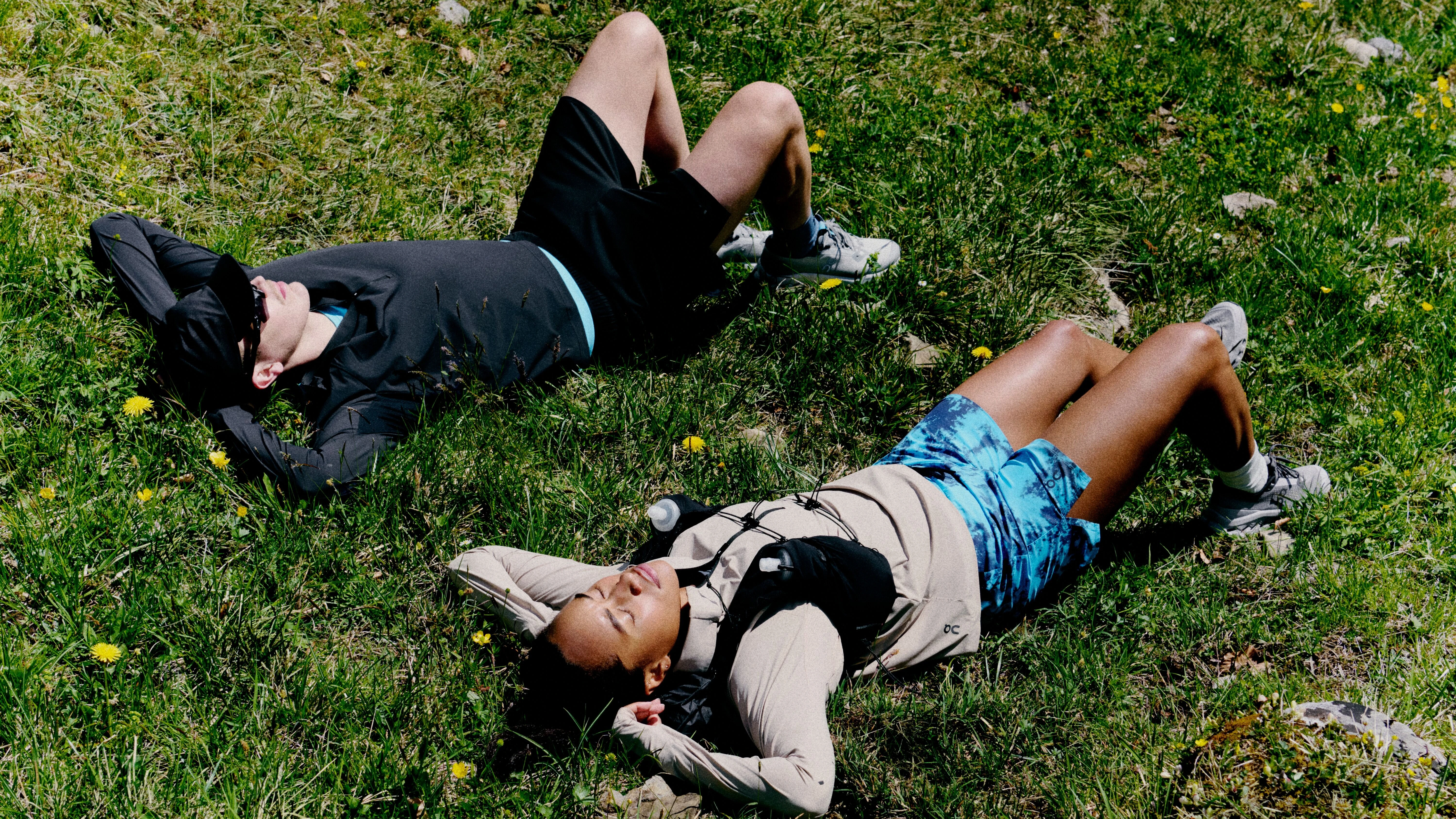
Hiking can feel more approachable than other outdoor activities because you don’t need advanced technical skills or expensive equipment to get started. All you really need is a pair of supportive shoes or hiking shoes and a path to follow. Hiking can also scale with your fitness and experience. You might begin with a short local walk and as your confidence grows, you can gradually build toward longer, more technical terrain.
“Put away the sports-watch,” advises Strohmaier. “In the mountains, stats get super off anyway and they don't tell you the full story of your hike. Go at your own pace and stop comparing yourself to others and stop chasing times.”
11. Connection with nature
Spending time outdoors can significantly boost your overall well-being. Even short hikes can create moments to slow down and connect to the more quiet moments.
Strohmaier moved from Munich to Garmisch and says moving to the mountains was the best decision she ever made. “Being able to catch a sunrise at a summit before the workday starts gives me so much happiness. It’s a total mental reset. By the time I start working, I feel calm, energized, and clear-headed.”
12. Community and social connection
While hiking can be a solo activity, it can also create opportunities for connection and community. Walking side-by-side often encourages more relaxed, uninterrupted conversation than more structured social settings. Strohmaier loves hiking with friends. “I have the deepest, most honest chats with them while we are out,” she says.
Mondini expands on this: “The true magic of the outdoors lies in discovering the local culture and connecting with the people who have lived in these places for decades. Listening to locals who have watched the landscape and nature evolve over a lifetime adds deep meaning to my miles.”
Joining a local hiking group or heading out with a friend can add motivation, accountability and a sense of shared experience to your routine.
How often and how far should you hike?
When you’re first starting out, consistency outweighs intensity. Focus on building a sustainable routine rather than chasing mileage or elevation straight away. Even one hike a week can support cardiovascular fitness, strength and overall well-being.
Research suggests 4,000 steps during a hike can improve longevity and overall health, especially when done consistently over time.
Here’s how to get started:
Start on the level: Begin with well-maintained, flatter gravel paths before significant elevation or technical terrain.
Follow the 10% rule: Increase your total distance or elevation gain by no more than 10% each week to help your muscles to recover.
Progress slowly: Once flatter walks feel effortless, introduce "rolling" terrain and moderate climbs before tackling technical trails.
Listen to your body: Pay attention to how your ankles and knees feel. Shorter, more frequent hikes are often more sustainable than one occasional and exhausting trek. “Let the trail dictate your pace,” advises Mondini. “Focus on syncing your breath with your steps, and remember that nature isn't a race but a place to learn.”
Why hiking is worth trying
At its core, hiking is simply walking in nature. It doesn’t require a multi-day thru-hike or a technical ascent to be effective – the benefits begin the moment you step off the pavement.
Whether you’re exploring a local wooded loop or a rolling ridgeline, hiking offers a way to build strength, endurance and mental clarity through consistent movement outdoors. Start where you are, move at your own pace and let the trail do the rest.
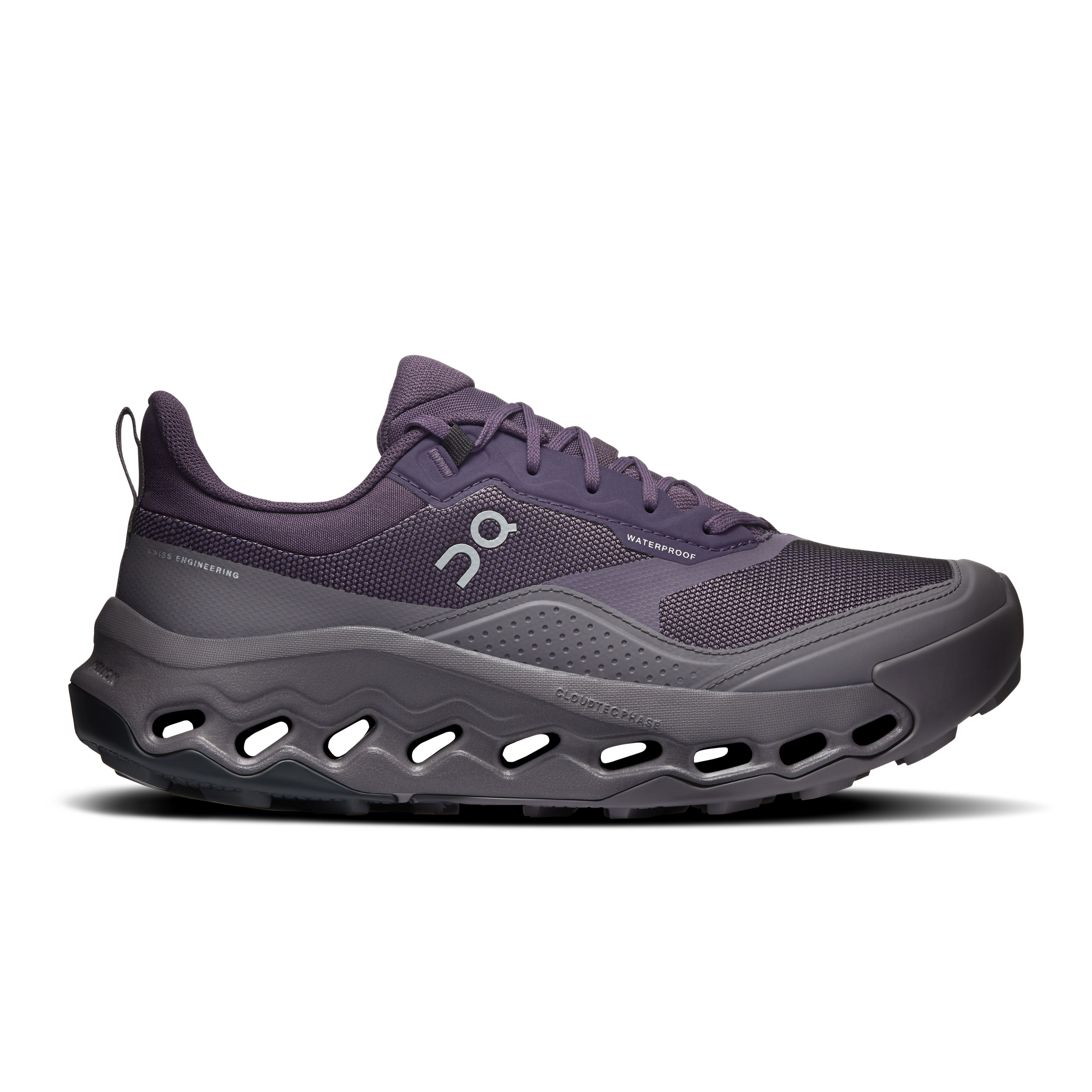
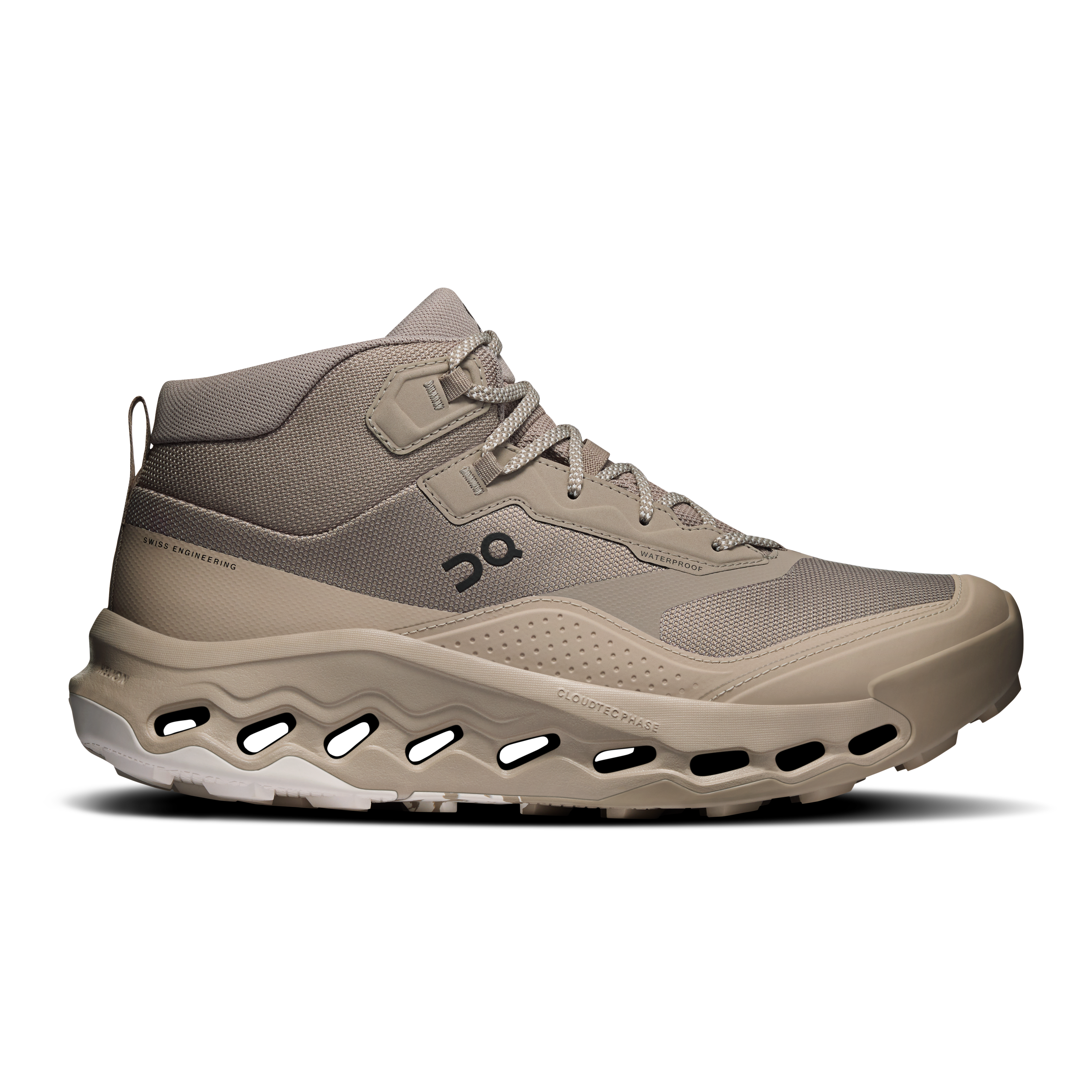
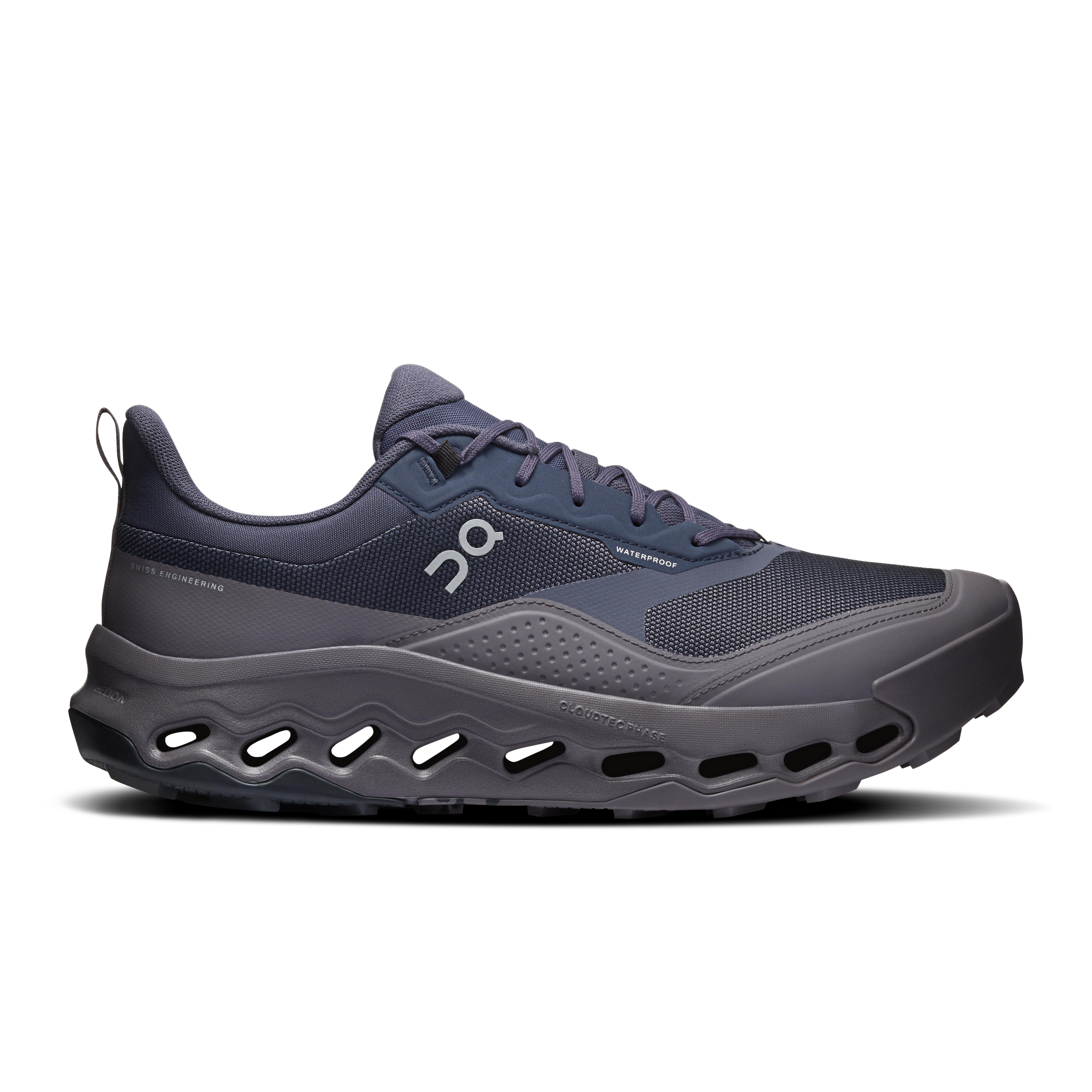
Explore our hiking gear to get you started.















FAQ
Does hiking count as a workout?
Yes. It combines cardiovascular endurance with the functional strength needed to navigate uneven terrain, making it a comprehensive full-body workout. It challenges your muscles and heart more dynamically than walking on a flat, indoor surface.
Is hiking better than walking?
Hiking isn’t inherently better – both walking and hiking offer significant health rewards. While road or treadmill walking is excellent for consistent low-impact movement, hiking adds the benefits of varied elevation and natural resistance, which engage more stabilizing muscles.
Do you have to be fit to hike?
No, you don’t need to be fit to enjoy hiking. Hiking is adaptable to your fitness levels and experience. Choose a trail that matches your current ability and go at your own pace. Start with short, level paths and gradually progress to steeper inclines as your strength and confidence grow.
What should you wear while hiking?
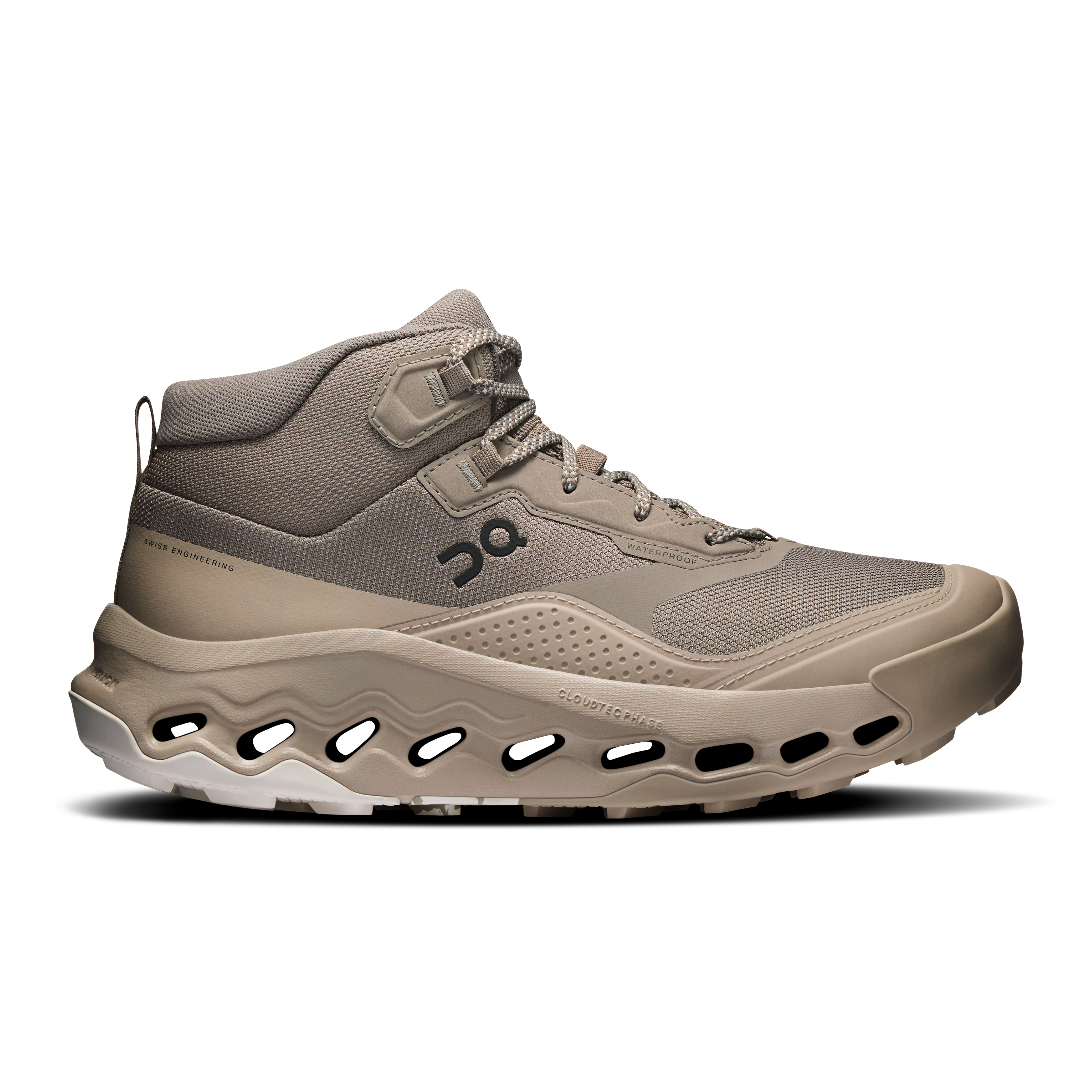
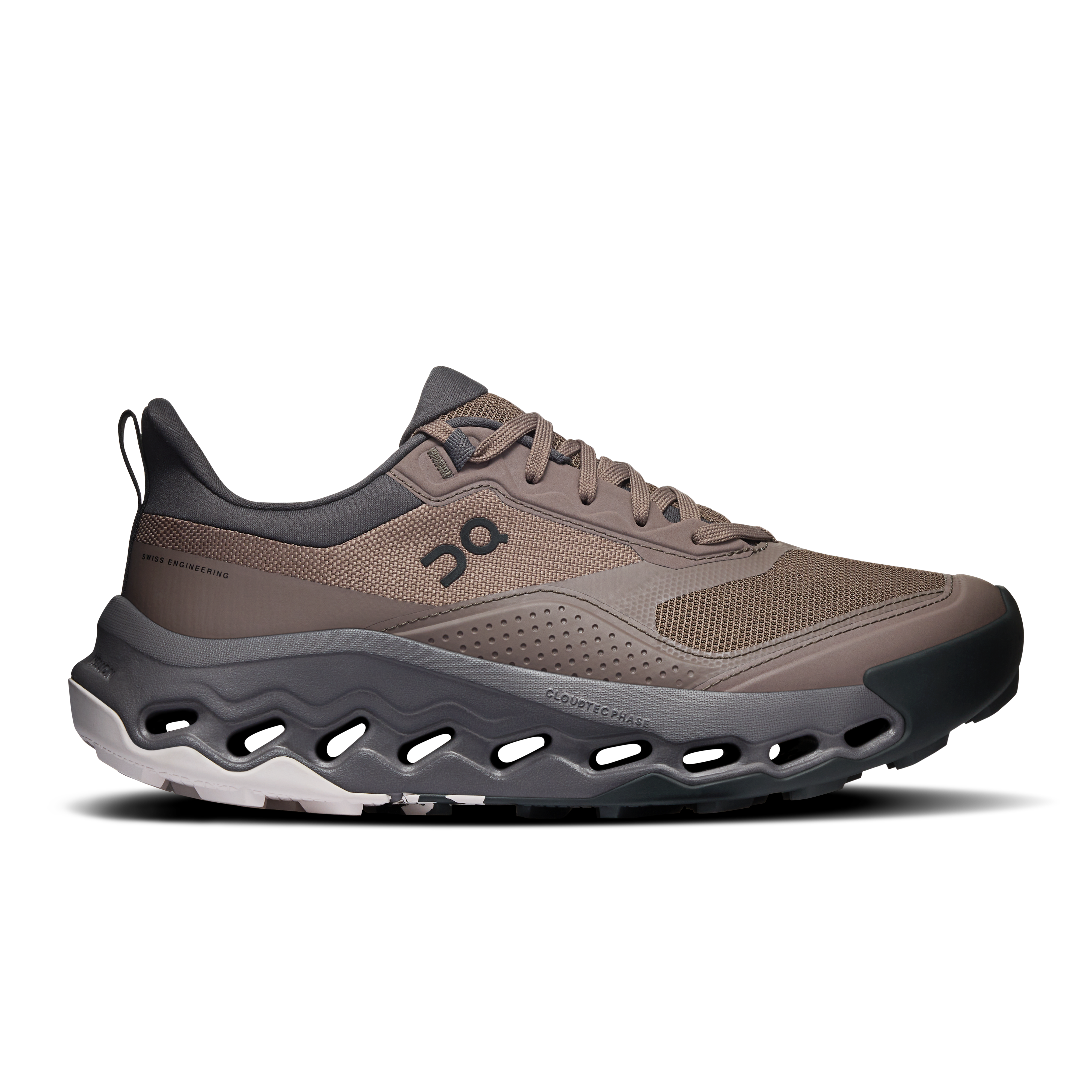
Hiking outfits should prioritize moisture-wicking layers and footwear with reliable grip, such as the Cloud 6 Waterproof for more technical treks. Hiking gear should help you stay comfortable and protected as trail conditions change.