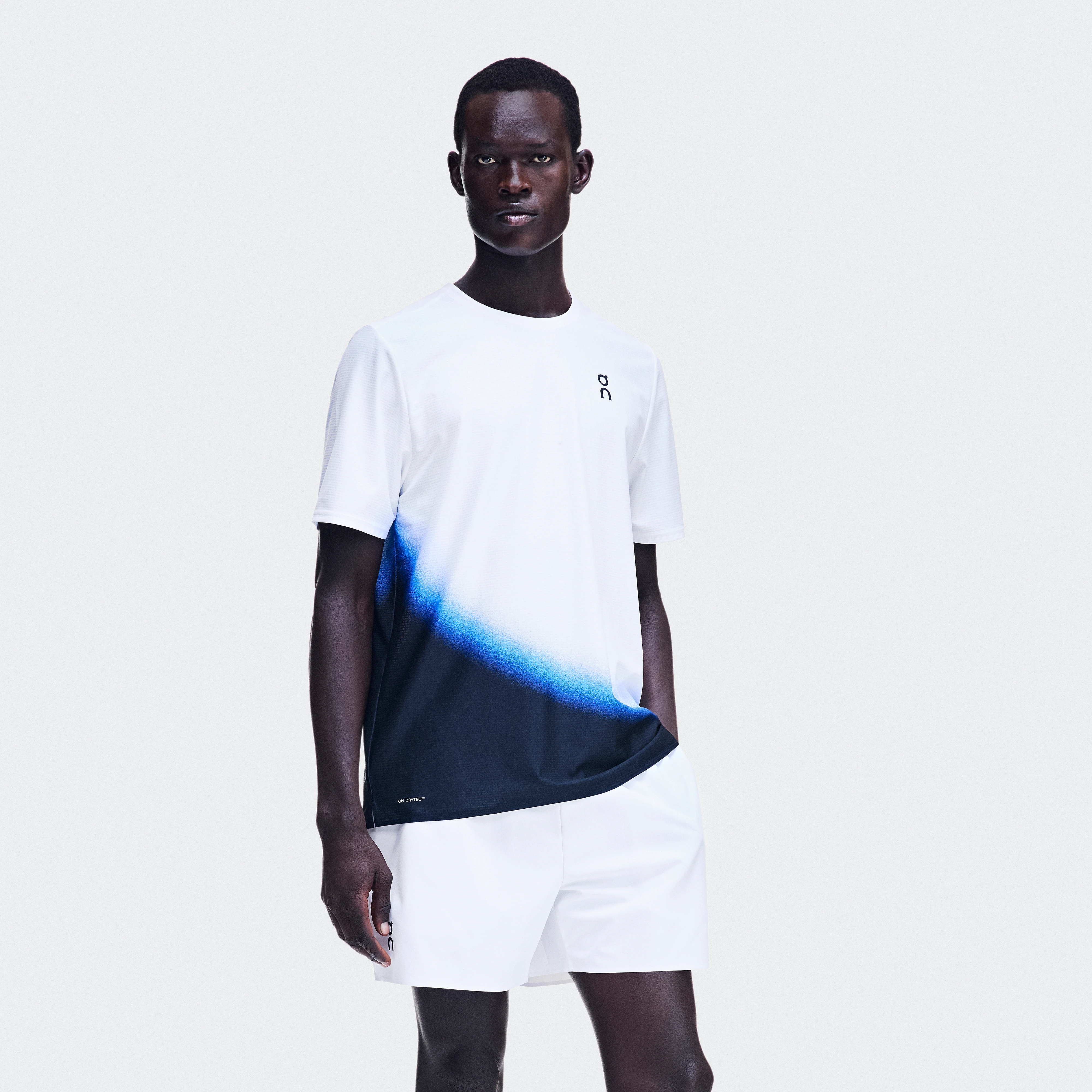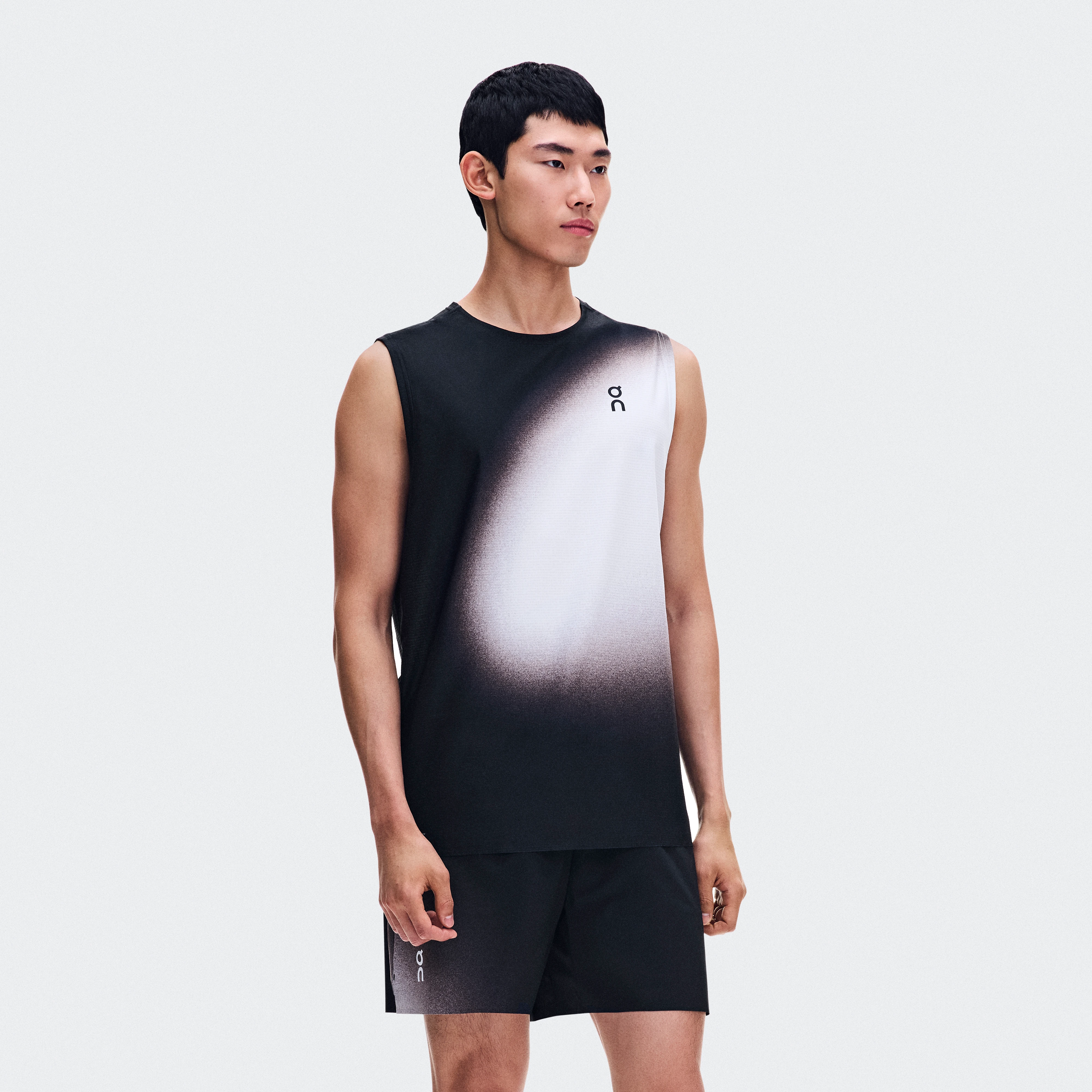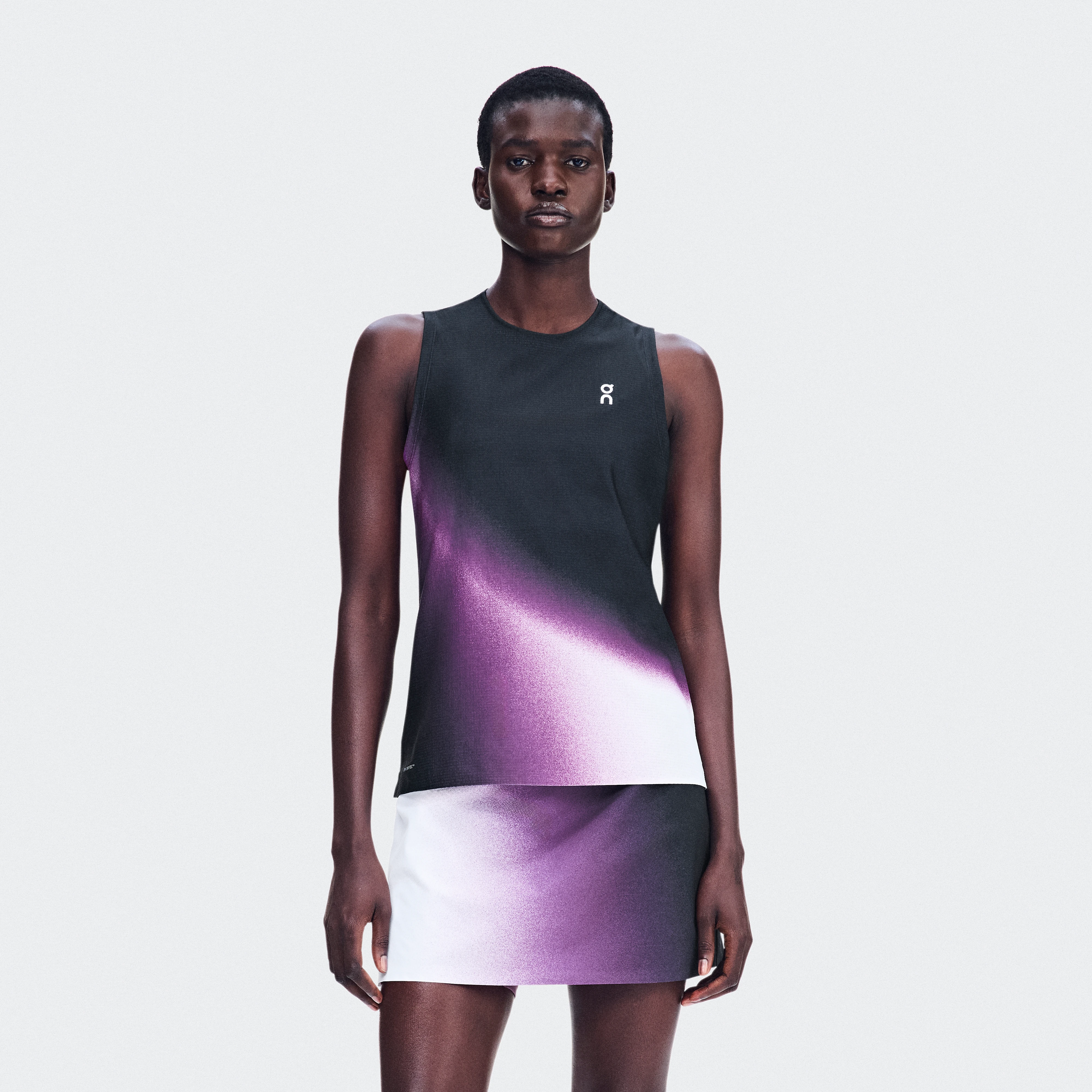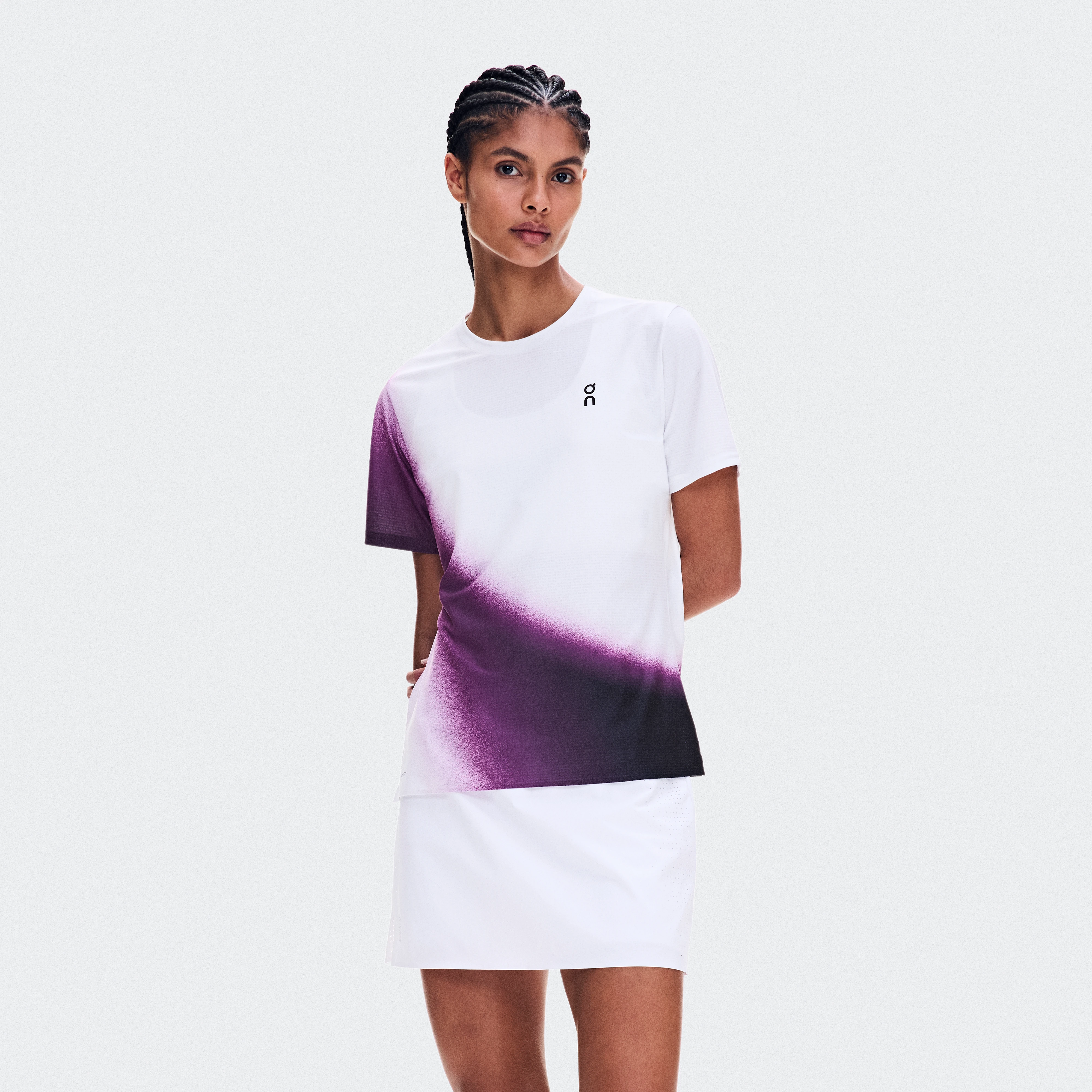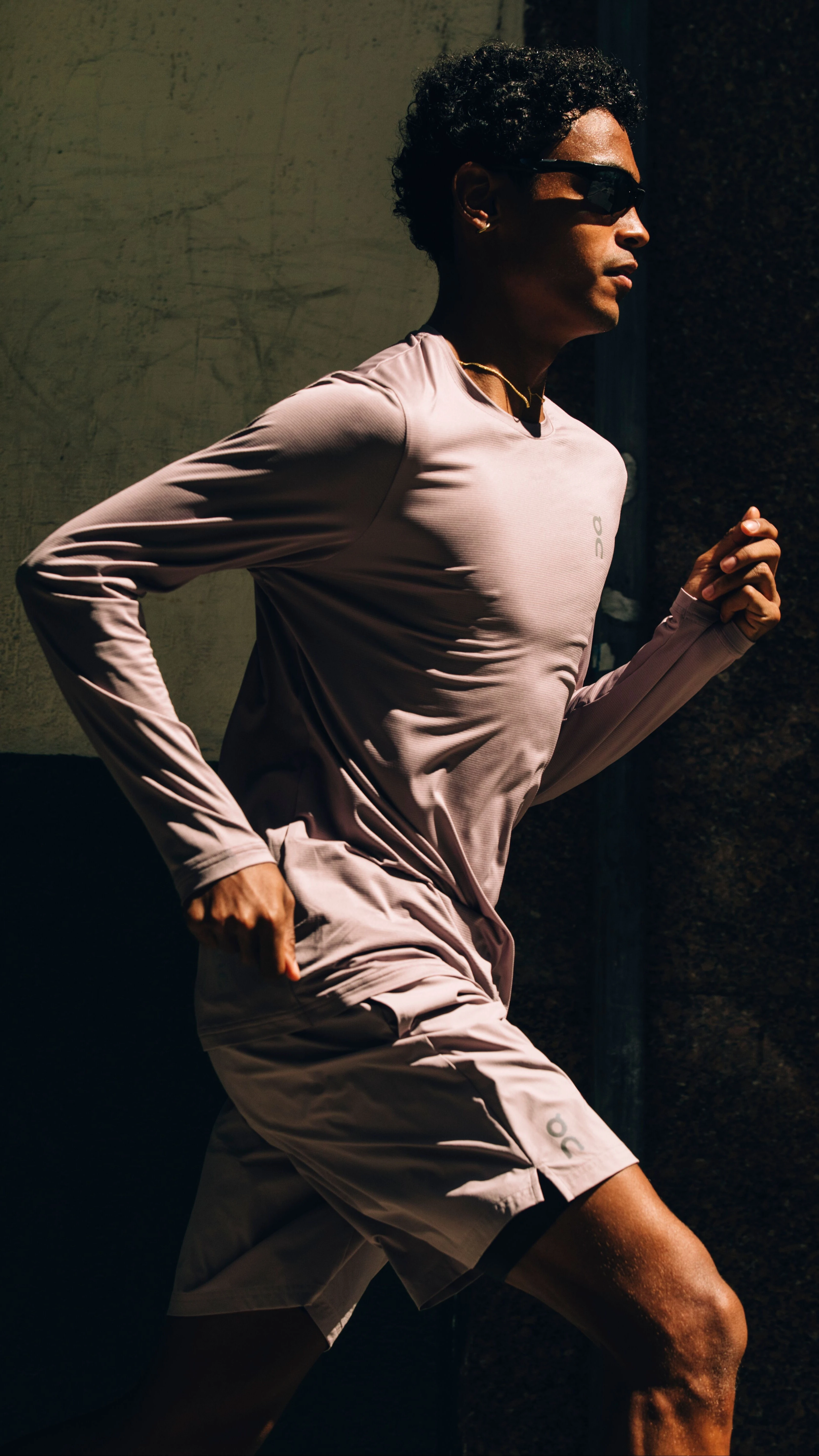
Moisture-wicking technology: What is DryTec and how does it work?
Sweat is part of every workout, but feeling drenched doesn’t have to be. Moisture-wicking technology like DryTec pulls moisture away from your skin and helps it evaporate quickly, keeping you comfortable as you move. Here’s how it works.
You’re in the middle of a high-intensity session. The air is humid, your heart rate is climbing and yet, your shirt feels light against your skin. That’s moisture-wicking technology at its finest. Without this, workout gear can quickly become heavy, damp and restrictive.
“For us, the focus was on comfort during high-intensity activities,” says Chandler Maness, Apparel Quality Lead at On. “At the material level, this comes in the form of keeping you cool, dry and not sticky.”
By shifting liquid away from the body, moisture-wicking fabrics move it to the fabric’s surface where it can evaporate quickly. This helps regulate temperature, reduce cling and keep you comfortable through changing conditions and intensities.
From gym sessions to high-altitude trails, effective moisture management helps prevent overheating during movement and the post-workout chill once you slow down. Here’s how moisture-wicking technology works and why it matters.
How does moisture-wicking technology work?
Moisture-wicking fabric acts like a transport system for your sweat. Specialized yarns and engineered fiber shapes help pull moisture away from your skin and move it toward the fabric’s outer surface. The goal is to keep the layer closest to your body feeling dry and comfortable during movement. “Our DryTec materials are hydrophobic, meaning the fibers themselves don't absorb moisture. Instead, moisture moves along the surface of the yarns through capillary action, drawing it away from the skin and spreading it across the outer surface of the material, where it can evaporate faster,” says Maness.
Managing moisture keeps gear lightweight and breathable. Rather than clinging to your skin, moisture-wicking fabrics reduce that heavy, soggy feeling that can build during a workout. By limiting friction and excess moisture, they can also reduce chafing and discomfort over longer distances and sessions.
What is moisture-wicking fabric made of?
Most moisture-wicking fabrics are made from synthetic fibers or high-performance blends designed to manage sweat and regulate comfort during movement.
- Polyester: Durable, lightweight and naturally resistant to water absorption, it’s one of the most common materials used. - Nylon: Tough and incredibly flexible. It’s often treated with a wicking finish to keep you dry during high-intensity sessions. - Merino wool: Nature’s high-tech fiber that wicks moisture as a vapor before it even turns to liquid; it keeps you warm in cooler temperatures and breathable when it’s hot.
While cotton is often associated with breathability, it actually acts more like a sponge. It absorbs up to 25 times its weight in water, trapping sweat against your skin. This makes your gear heavy, restrictive and prone to chafing.
How DryTec is different
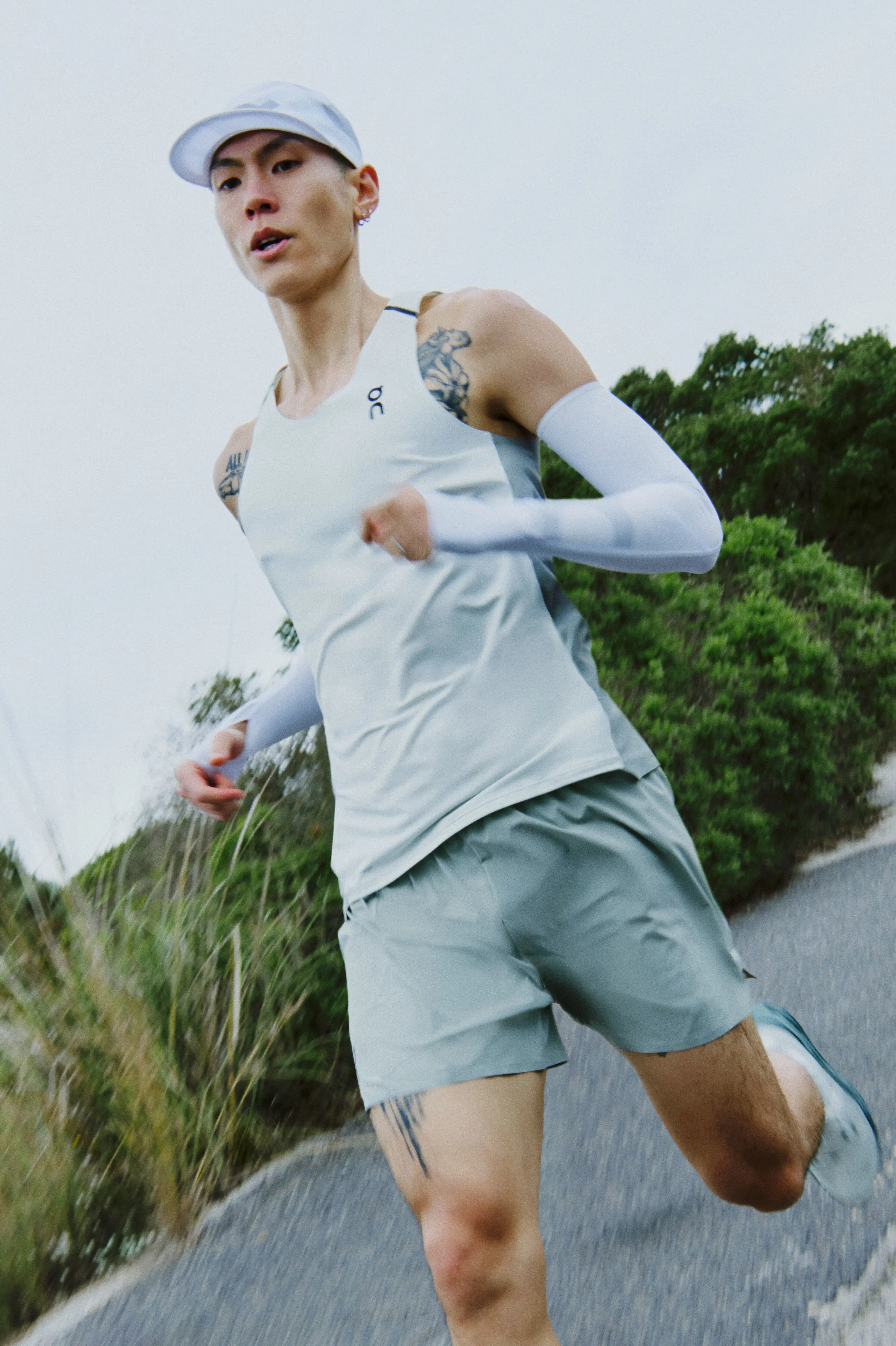
Most moisture-wicking fabrics are designed to manage sweat. DryTec is engineered to meet strict performance standards for wicking distance, absorbency speed, drying rate and absorbent capacity.
To achieve this performance, Maness says On combines specialized yarns, material structures that encourage airflow and functional fabric finishes that help release moisture.
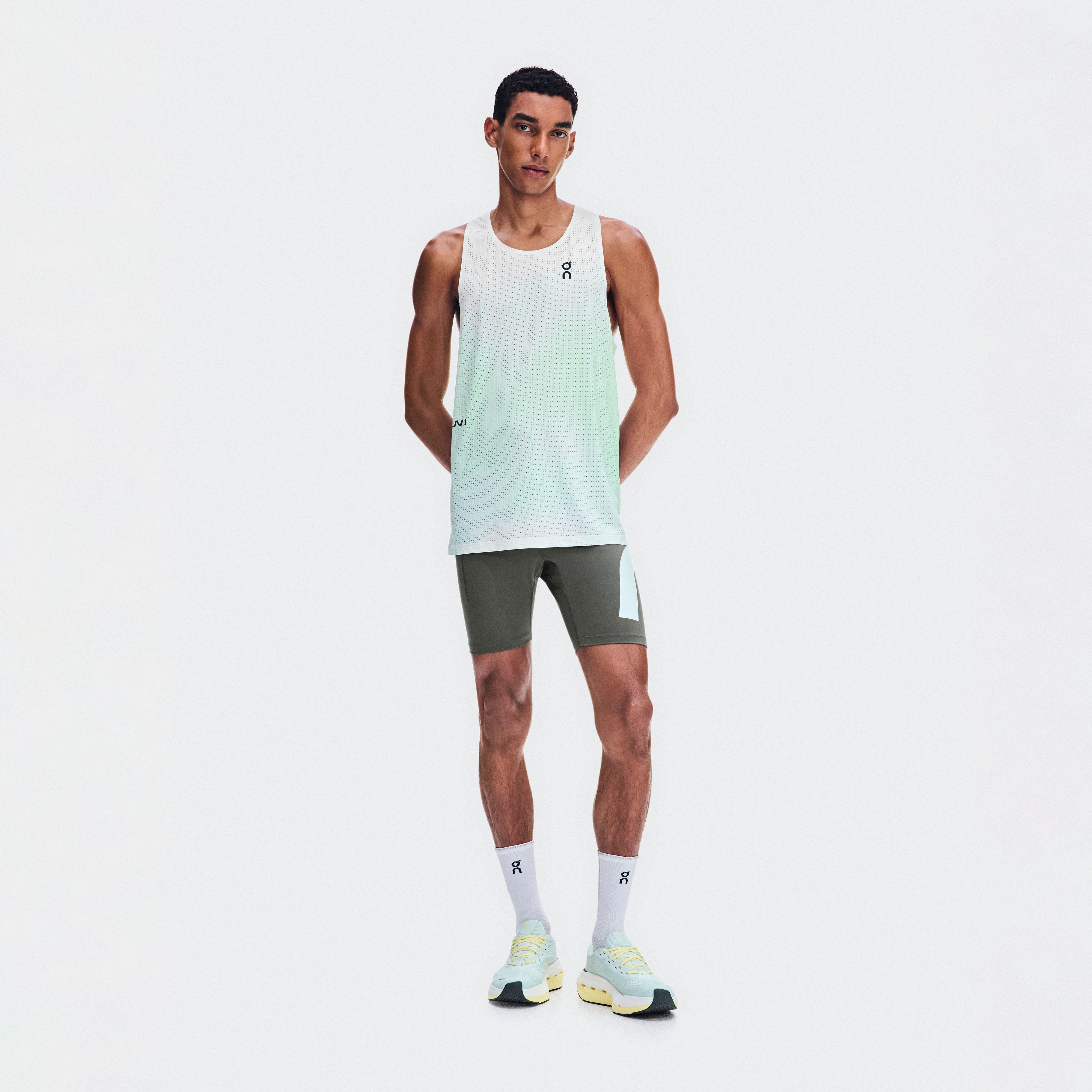
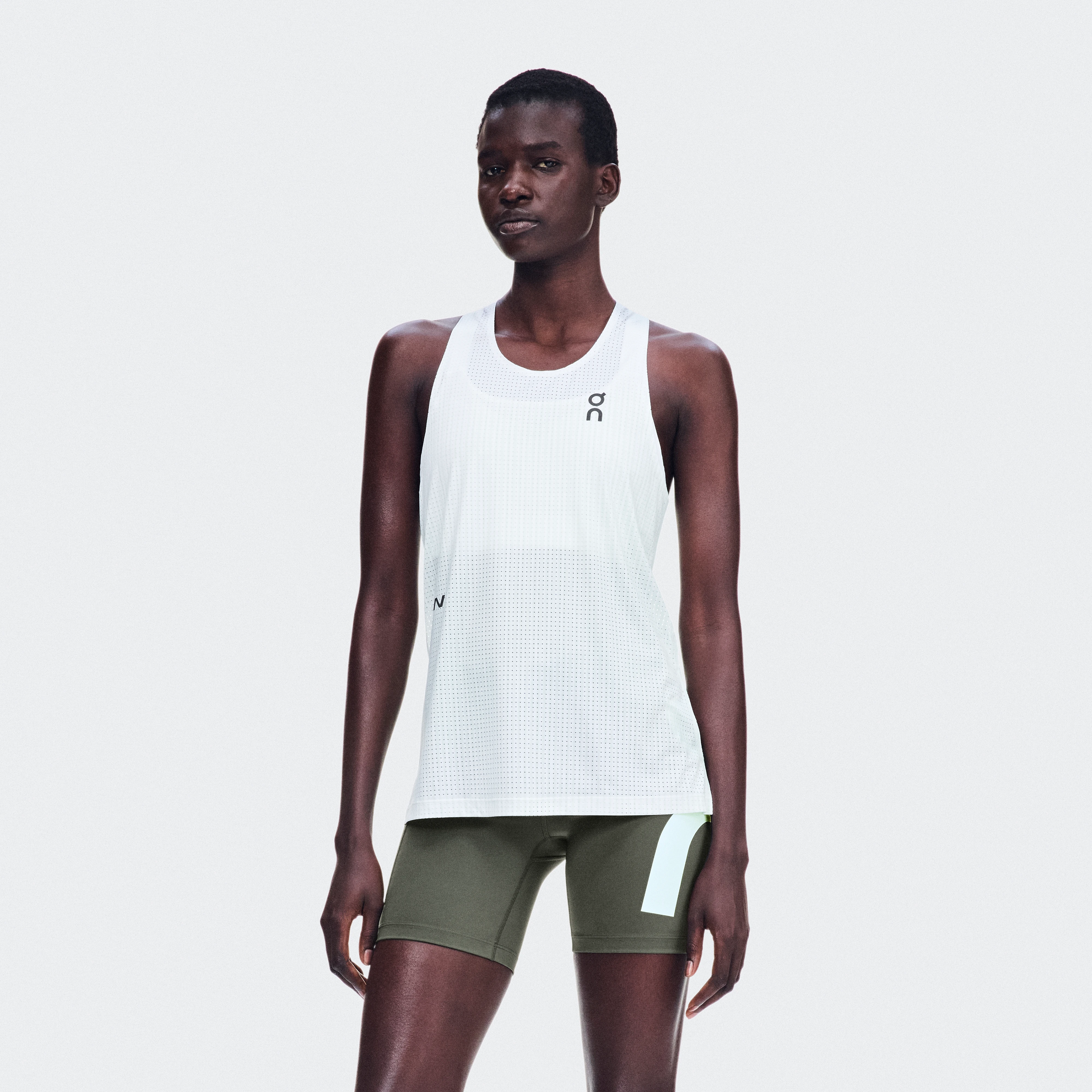
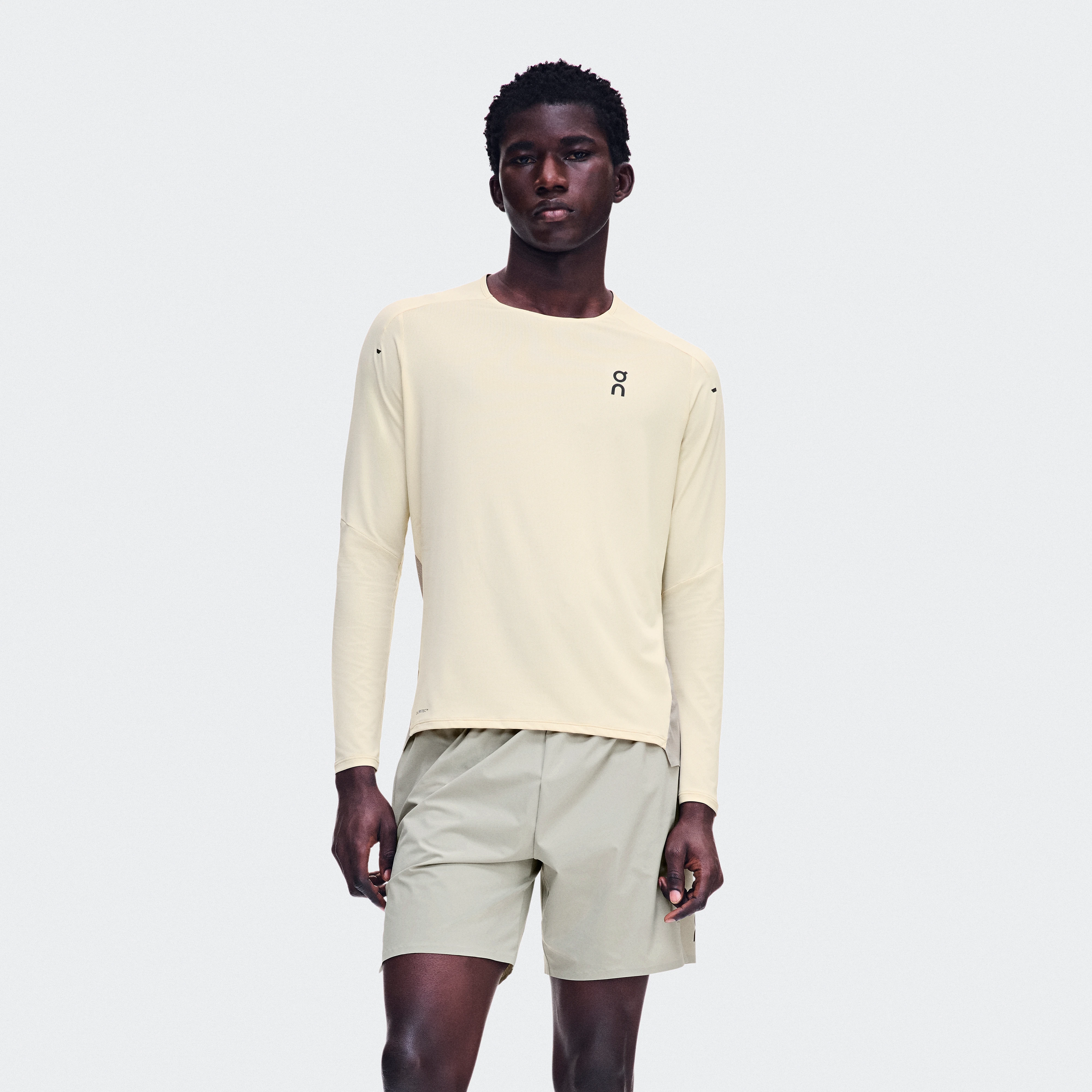
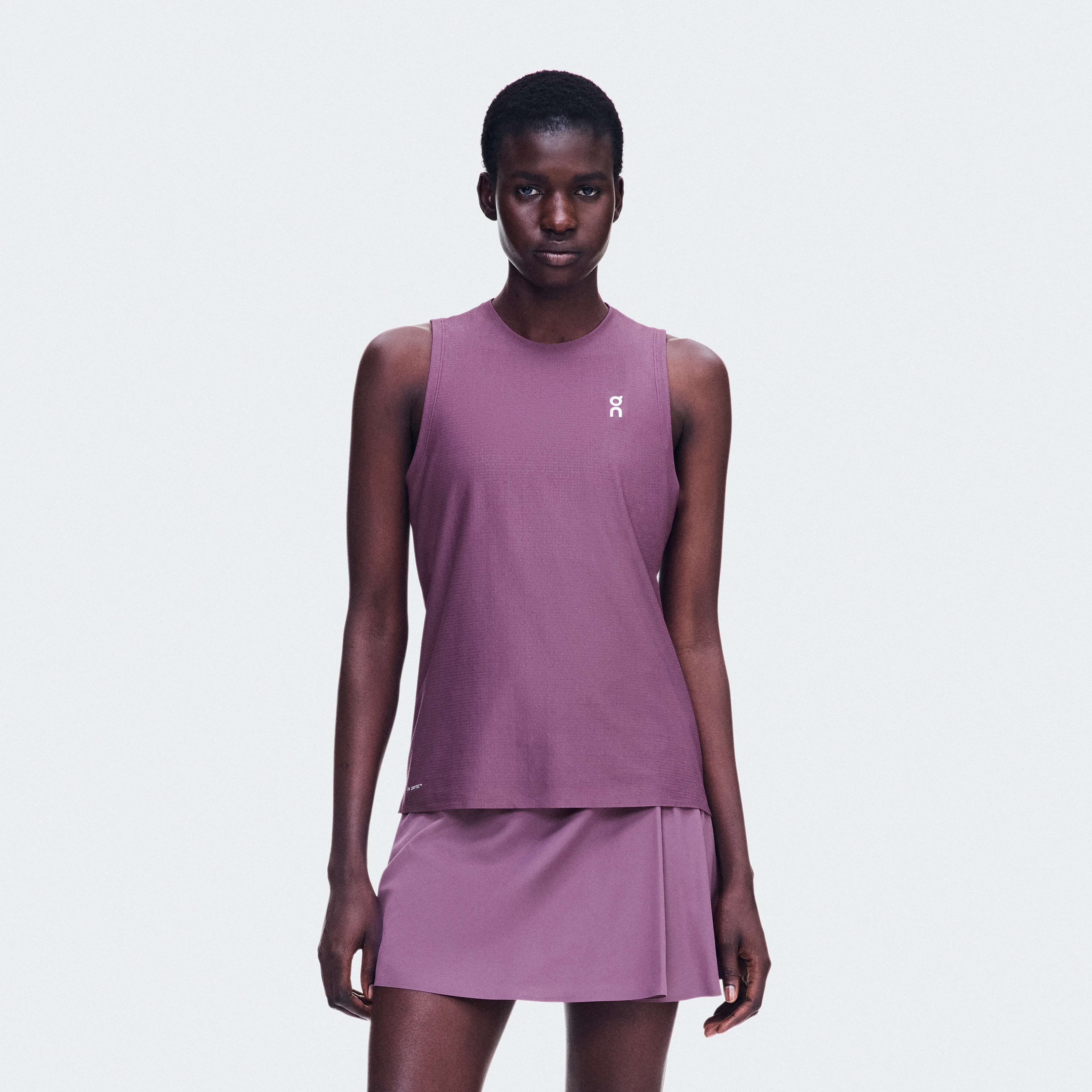
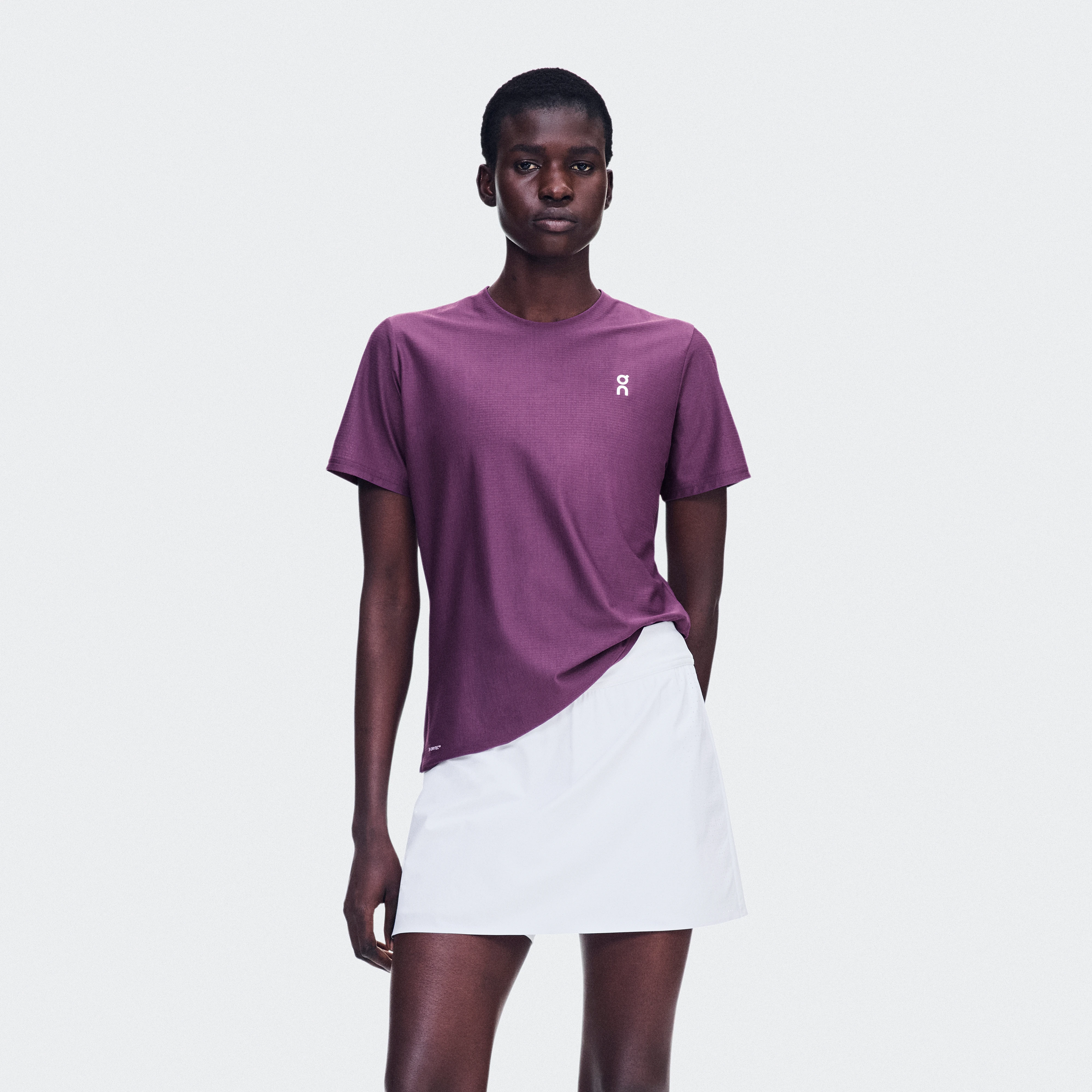
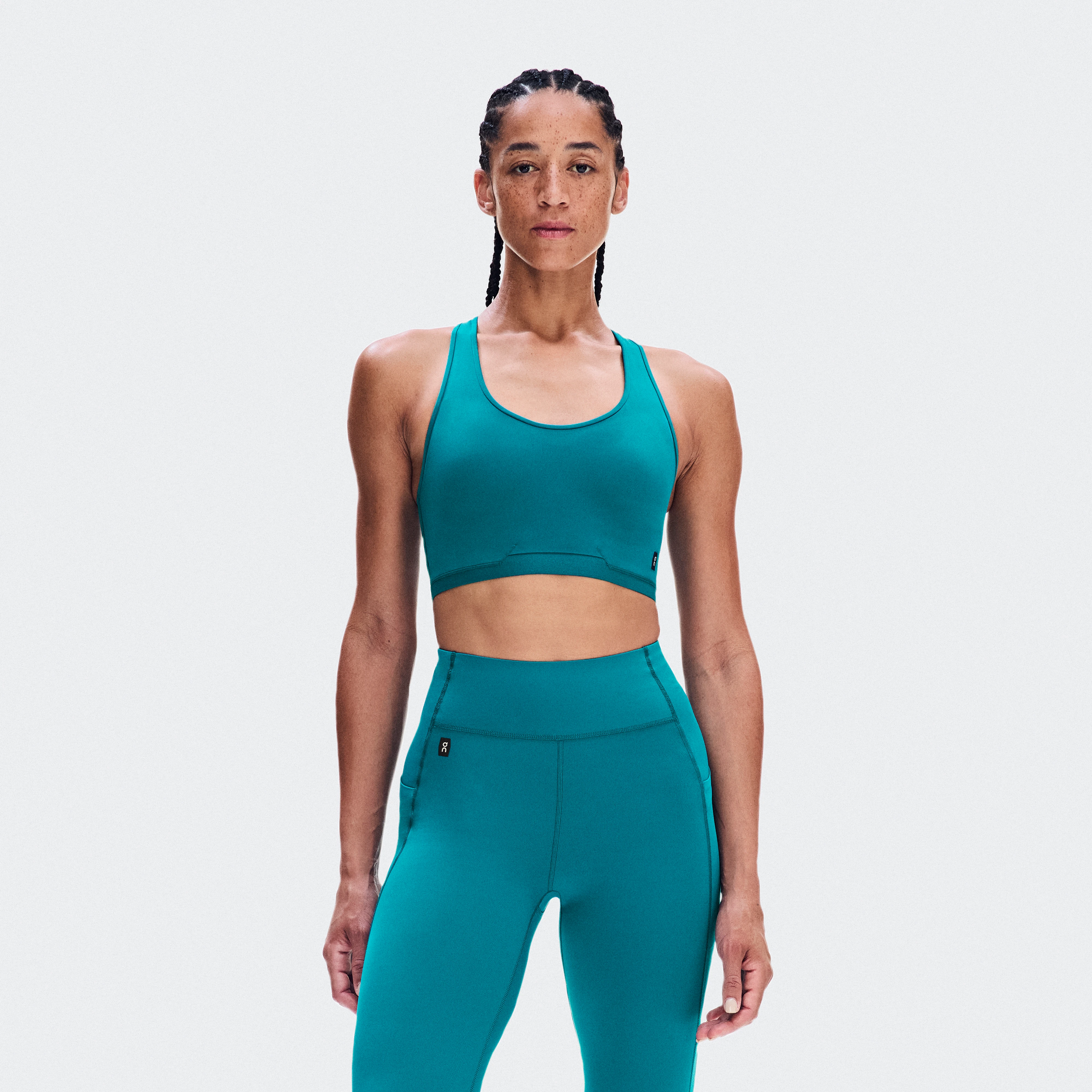
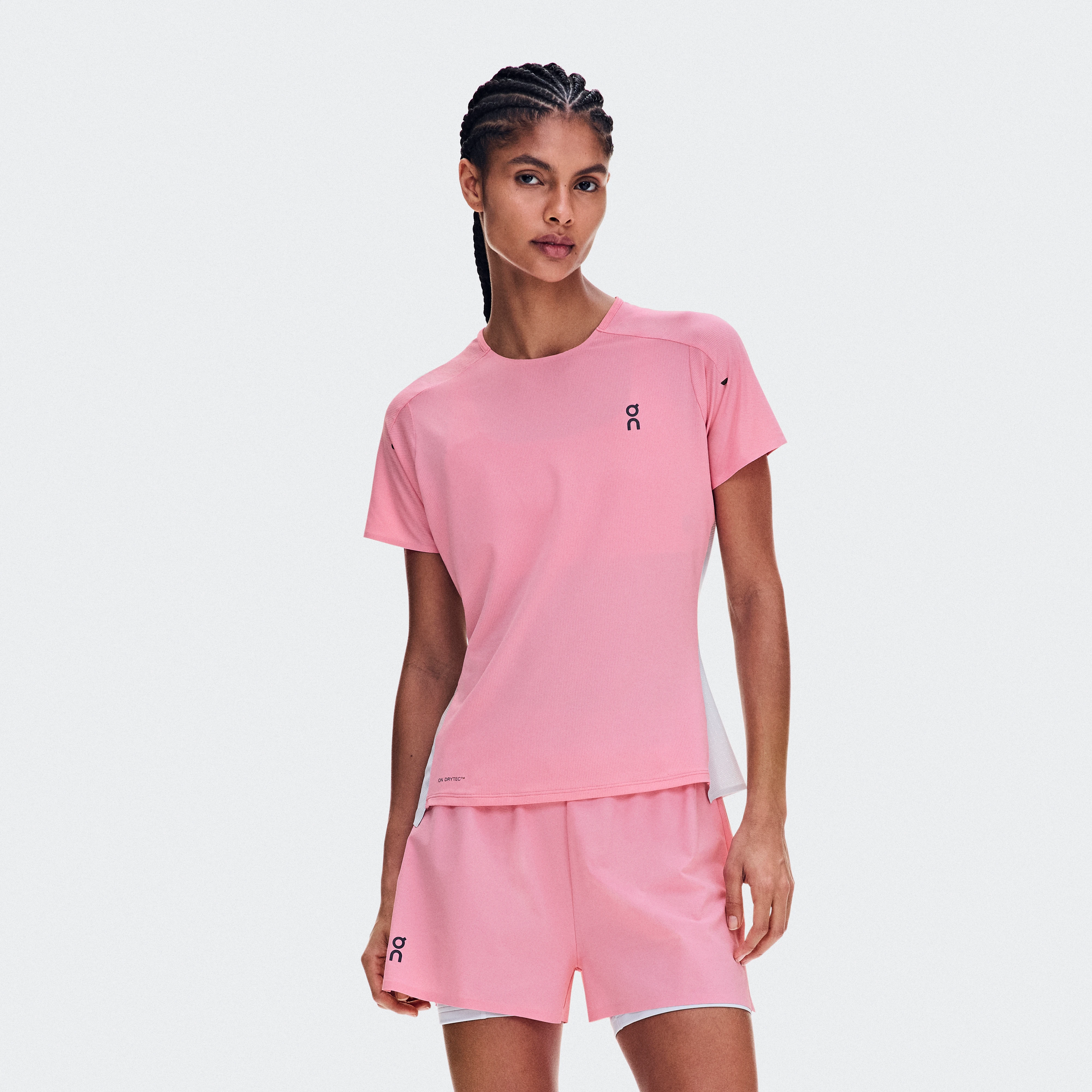
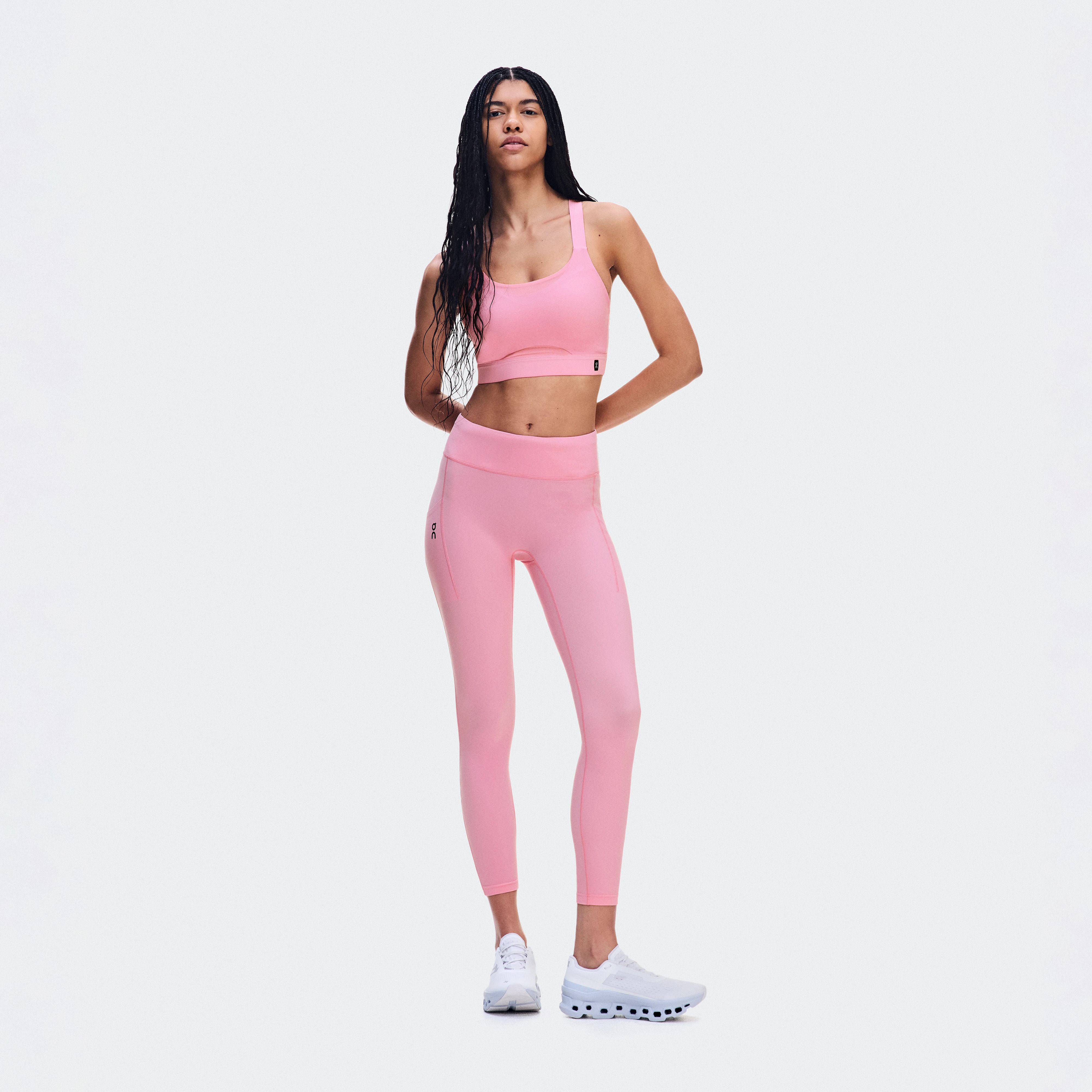
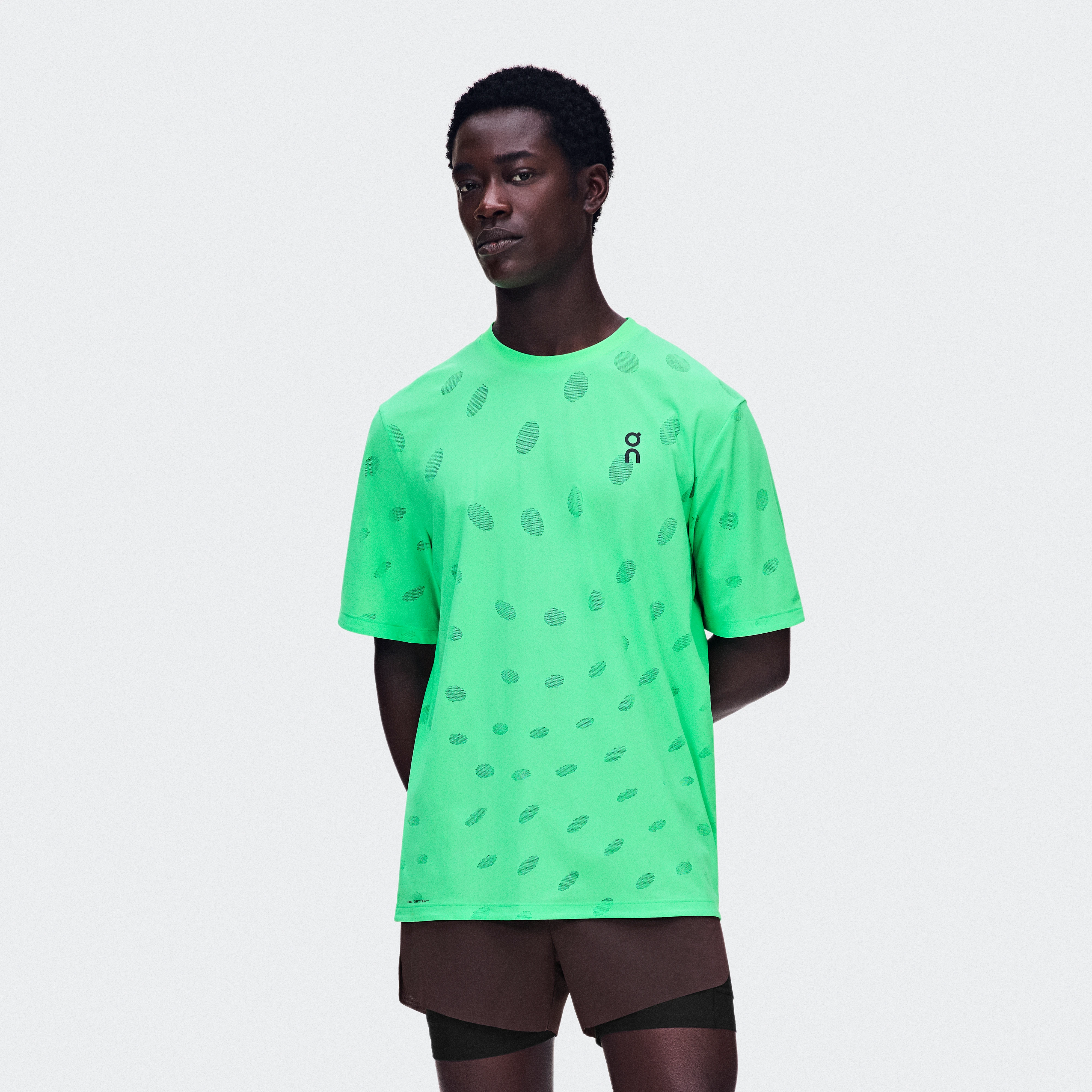
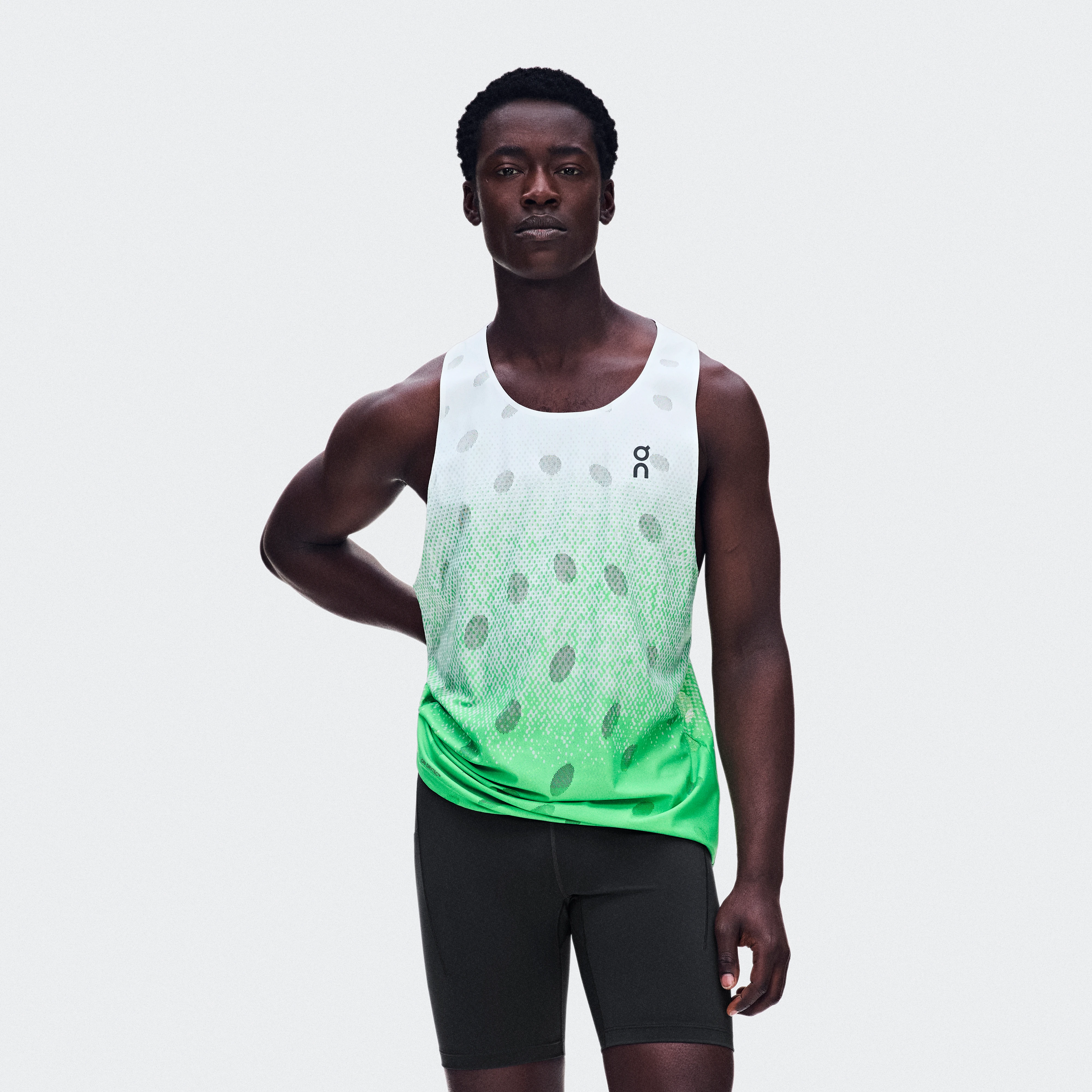
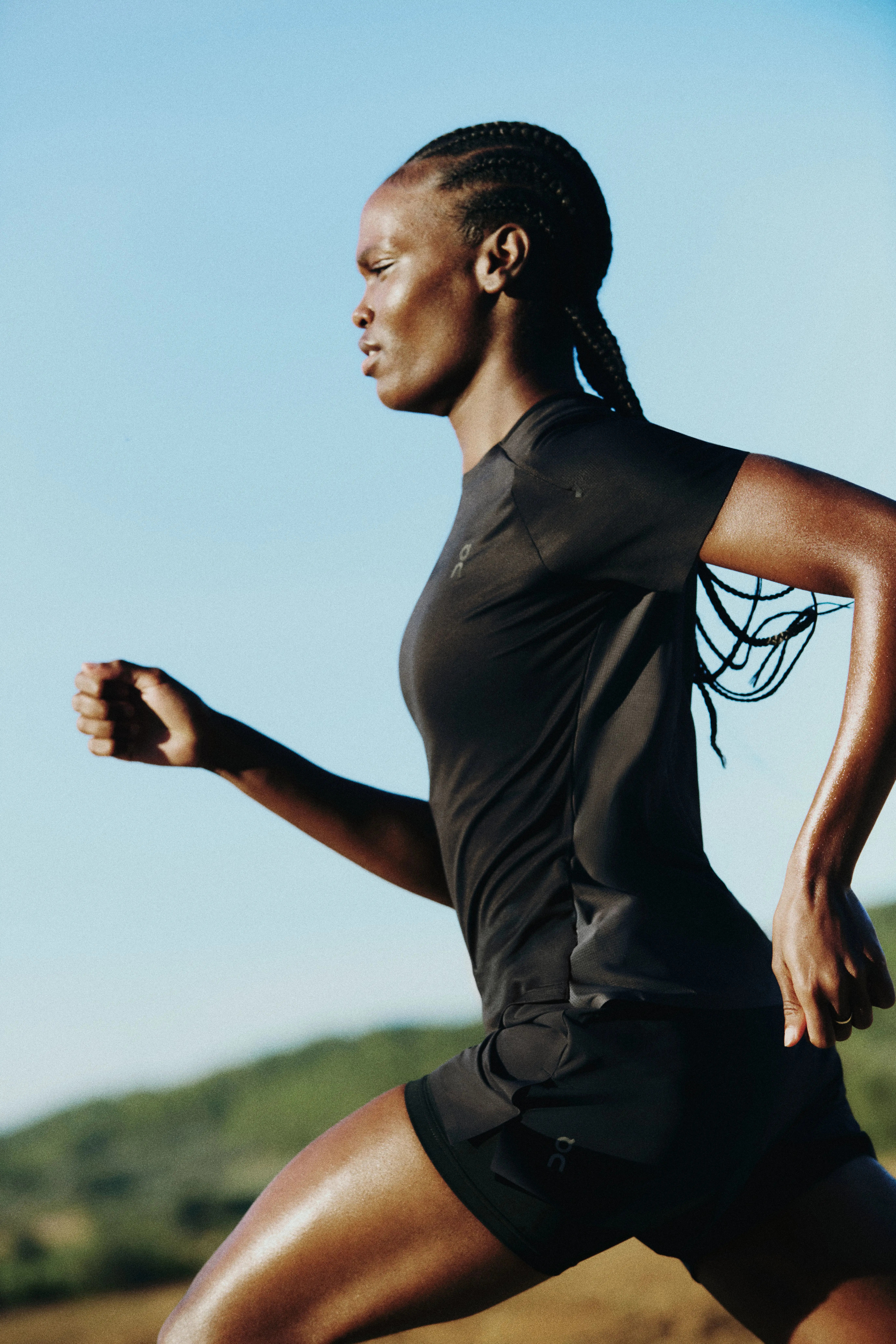
Different products require different fabrics. “The On DryTec™ material used in the Performance Tight is quite different from the DryTec material used in the Performance-T,” he says. “Finding the right balance based on the needs of the product is the key to distraction-free performance.” Here’s how:
- Engineered fabric structures: Material structures are designed to encourage airflow while helping moisture spread efficiently across the fabric’s surface. - Fast evaporation: DryTec is engineered to maximize fiber surface area, helping moisture spread and evaporate quickly. - Temperature regulation: As moisture evaporates, it creates a cooling effect that helps regulate temperature during movement. - Breathability: Open fabric structures encourage airflow, helping heat and moisture escape more efficiently during movement.
Why moisture management matters
When moisture stays trapped against your skin, clothing can start to feel heavy, restrictive and uncomfortable. It can lead to chafing during longer or high-intensity sessions.
By moving liquid away from the body, moisture-wicking fabrics help:
- Reduce cling and discomfort - Keep gear feeling lightweight - Support temperature regulation - Improve breathability during movement - Minimize friction that can lead to chafing
“At the garment level, it manifests as something lightweight, unrestrictive, and ventilated,” says Maness.
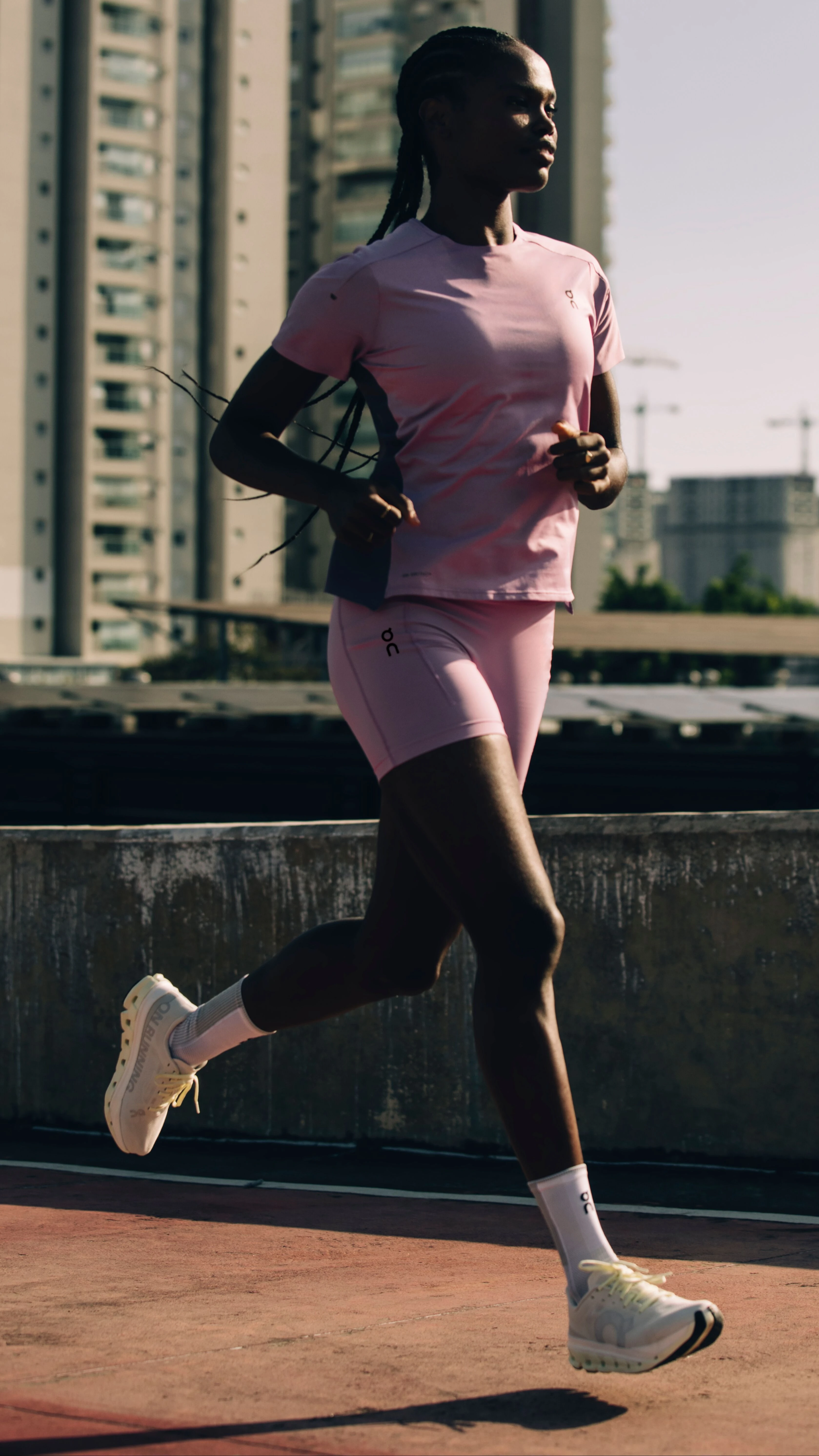
4 tips for caring for your performance fabrics
Technical fabrics are designed to perform over time but they still need proper care to maintain breathability and moisture management. Residue from detergents, fabric softeners and body oils can build up on fibers and reduce the fabric’s ability to wick moisture effectively.
- Skip fabric softener: Softeners and dryer sheets can coat fibers with a waxy residue, limiting airflow and reducing moisture-wicking performance. - Wash cold: High temperatures can break down elastic fibers and damage the yarn's specialized structure. Always use a cold cycle. - Air-dry when possible: High heat can melt or warp synthetic materials. Because the fabric is designed to shed moisture, it will dry rapidly on a rack or hanger. - Wash inside out: Protects the garment's outer finish from snagging or pilling during the wash. - Use a mesh bag if you have one: This prevents straps or zippers from stretching the technical fabric during the wash cycle.
Less moisture, more movement
The best performance gear feels almost invisible. Moisture-wicking fabrics are designed to help you move comfortably without the distraction of damp, heavy layers.
Whether you’re training for long distances, heading to the gym or moving through everyday routines, managing moisture helps your clothing stay light so you can focus on the session ahead.