Is yoga strength training? How every pose builds power
Yoga is more than stretching and breathing. It’s strength in stillness, balance in motion (and it deserves a spot in your training routine).
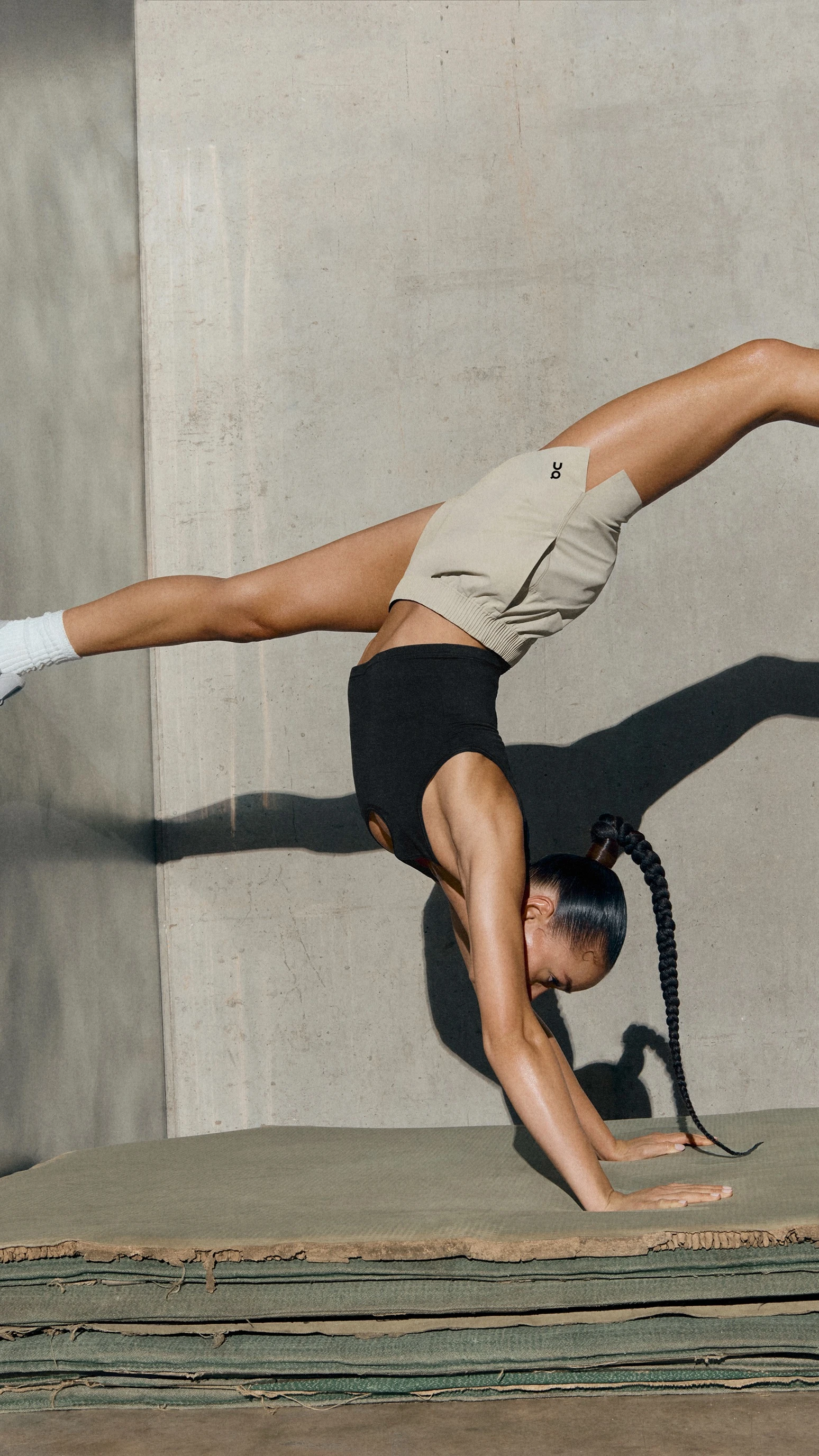
If you think yoga is just stretching, think again. Beneath the calm exterior lies real strength — the kind built through long holds, steady breathing and the subtle shake of muscles learning endurance.
But is yoga actually strength training? “Absolutely,” says Michèle Kalberer, yoga instructor and On ambassador. “The concept of sthira — stability — is essential. It builds deep strength, endurance, and resilience through balance, sweat, and stillness.”
Yoga builds strength differently. Isometric holds, sustained tension and joint control fires muscles that most lifts skip. For Kalberer, the downward-facing dog pose taught her that best. “It used to feel impossible for me to hold it for more than five breaths. Over time, it became my resting pose,” she says, who came from a running background. “That transformation showed me how yoga builds real, functional strength.”
Here's why yoga deserves a place in your routine too.
Strength in stillness
The toughest yoga practices — Vinyasa and Power Yoga — can challenge athletes of every level. The secret lies in isometric holds.
“Yoga teaches me to sit with discomfort, to look at where I feel weak or vulnerable — and to see those places as opportunities for growth,” says Kalberer. “It’s a journey of softening into strength.”
In plank, boat or bridge, every second your bodyweight pulls against you and muscles fire to keep you steady. That constant tension is strength training in disguise. And research backs it up: in just 12 weeks, regular yoga practice improved VO₂ max, strength and flexibility compared to a control group.
When an instructor cues you to engage and breathe, it’s not just filler. You’re building neuromuscular control: a mind-muscle connection that makes your brain and body more efficient in everything you do.
That kind of control pays off everywhere: holding form when fatigue fits, powering up a climb or lifting boxes off the floor.
Improve balance through warriors, planks and poses
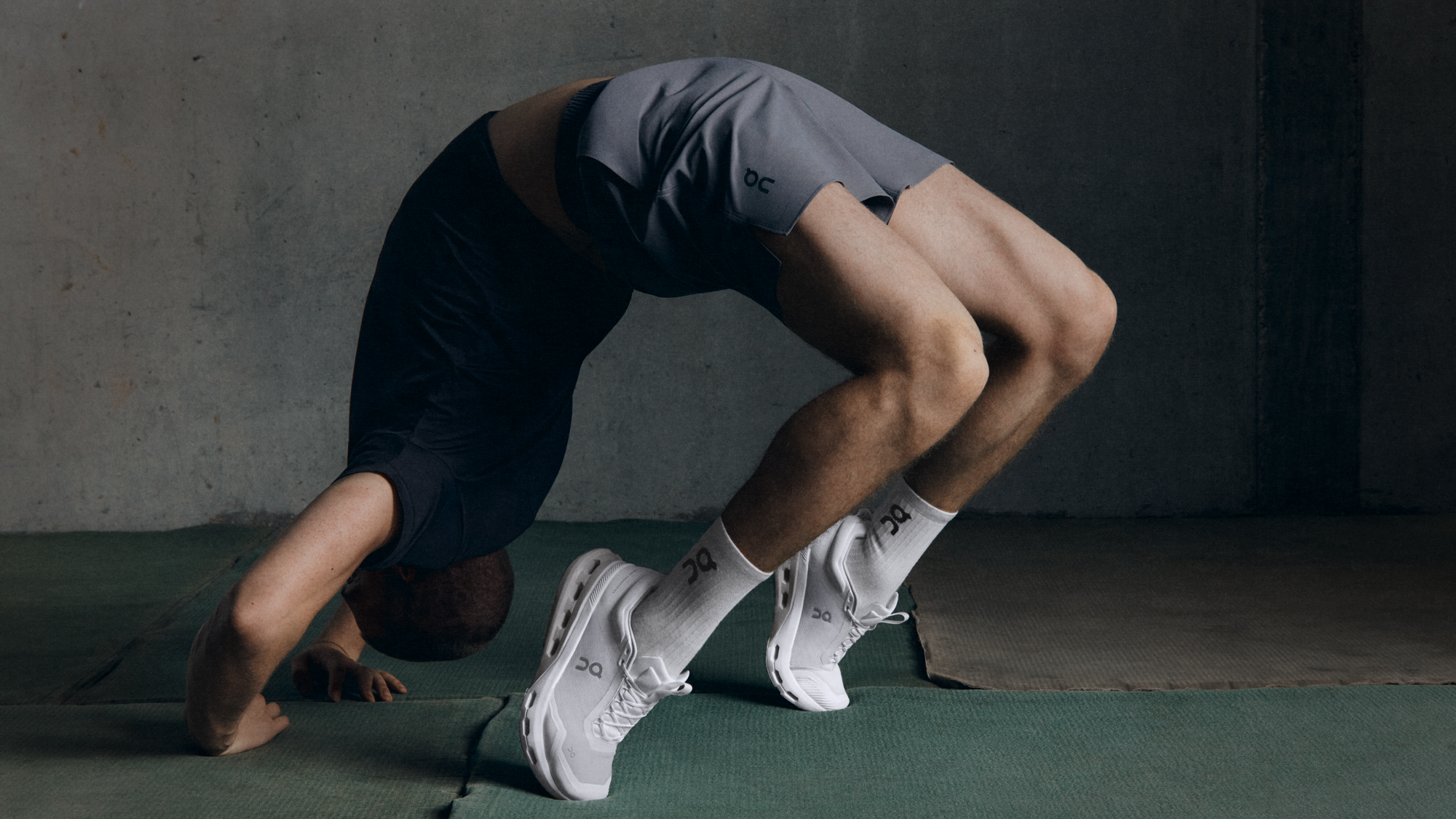
Holding a warrior, plank or chair pose keeps muscles firing longer than they want to, stacking tension across multiple groups at once. “It activates the deep stabilizing muscles — the ones that support posture and movement — while lengthening them at the same time,” says Kalberer. “You rarely need to “stretch” after yoga, because the strength you build is already balanced.”
And the results are real. In just eight weeks, regular yoga practice can improve strength, flexibility and balance. No weights required.
For experienced athletes, adding light dumbbells can raise the challenge. Just make sure your form stays solid. More load means more risk.


Strength beyond the weight room
Yoga goes where traditional strength can’t — into stabilizing muscles that support posture, alignment and control. The strength you build in yoga is balanced and functional – so you can move in the gym, on the trail and through daily life.
Choose the right practice
Not all yoga styles build strength in the same way. Restorative and Nidra are more focused on recovery and meditation. Vinyasa and Power Yoga deliver flowing sequences and long isometric holds that challenge muscles in new ways.
Start simple: alternate lifting days with yoga. Or add a short yoga session after strength training to open up your range of motion while your muscles are already warm.
Target tight spots
Think of yoga as maintenance as much as training. Use it to release tension and improve mobility in overworked areas.
Are your hips feeling tight? Try a low lunge or lizard pose. Stiff shoulders? Child's pose or eagle arms can help open them. Each stretch makes your next lift, run or ride feel smoother and eases upper body muscles.
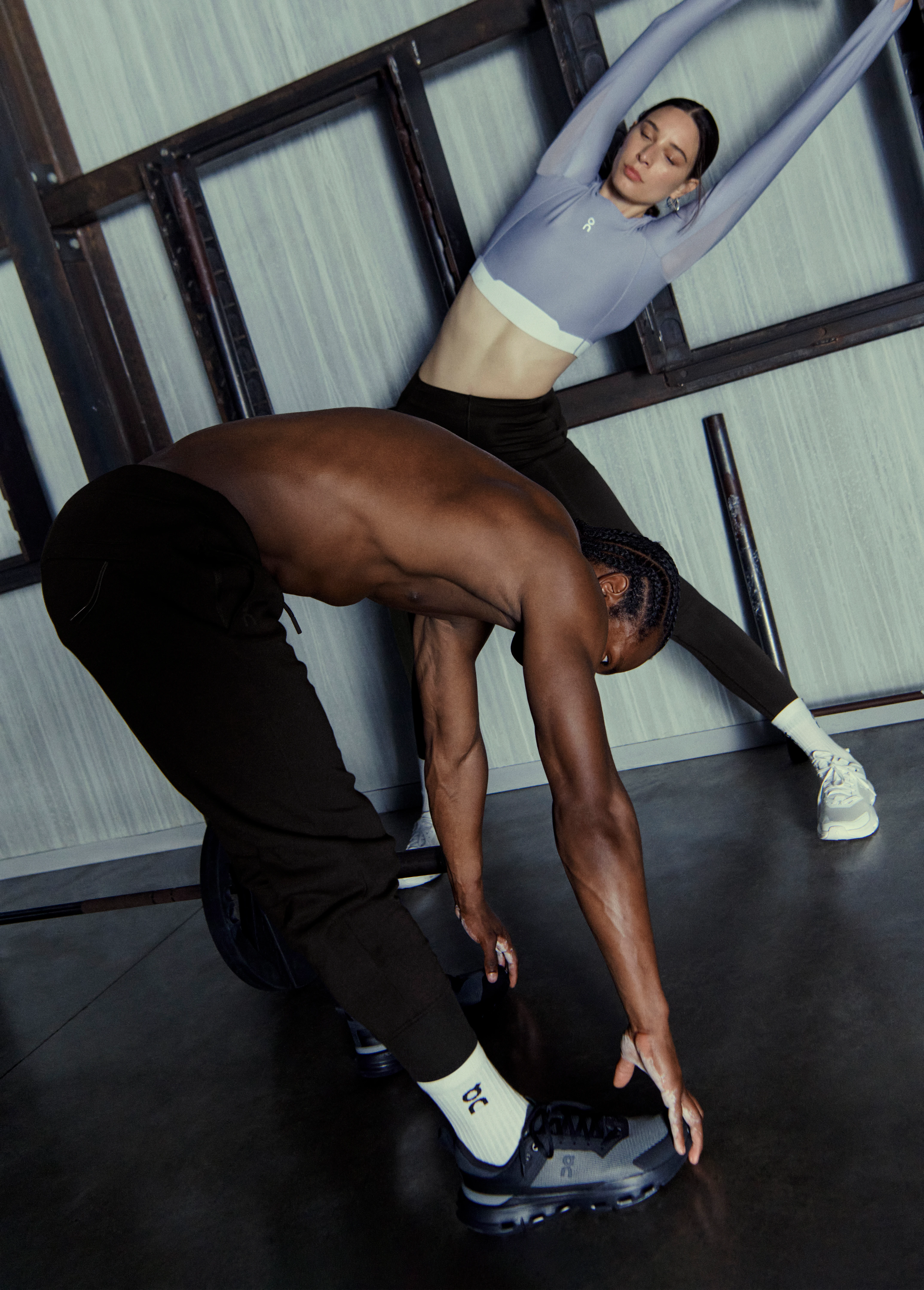
Top yoga moves for strength
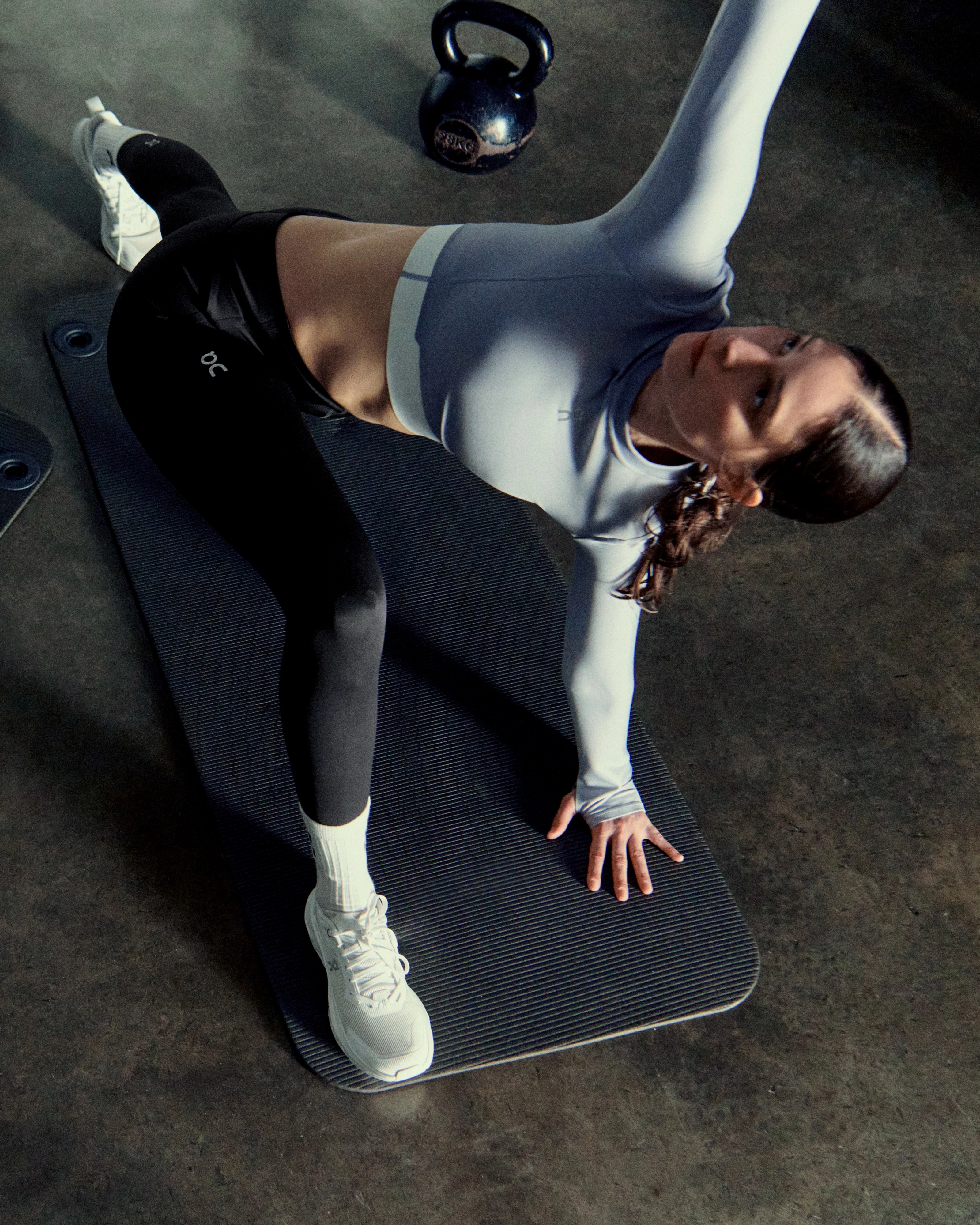
There are thousands of poses in yoga, but a few classics stand out when it comes to building strength. Try these to add power to your practice:
- Plank and chaturanga: Start in a pushup position. Hold the plank to fire up your core, shoulders and chest. Lower halfway into Chaturanga to light up triceps and stability. - Warrior series: Step into a lunge, arms raised. Warrior I and II build strength through the shoulders, legs and hips while testing balance and endurance. - Boat pose: Sit tall, lift your legs into a “V” shape, and keep your arms parallel to the floor. A serious core and hip flexor challenge. - Chair pose: Lower into an imaginary chair, arms overhead. Quads, glutes and posture all get a workout.
Grab a mat, wear gear that stretches with you, and try them out, or take a class where they’re mixed in the flow. Over time, you’ll notice yoga improves flexibility and real strength.
Blending weights and the mat
True strength comes from balance. Mixing weight training with yoga creates a powerful partnership: one builds muscle, the other builds control. Prioritize heavy lifts when you’re fresh, and reach for yoga on days when your body needs movement without overload.
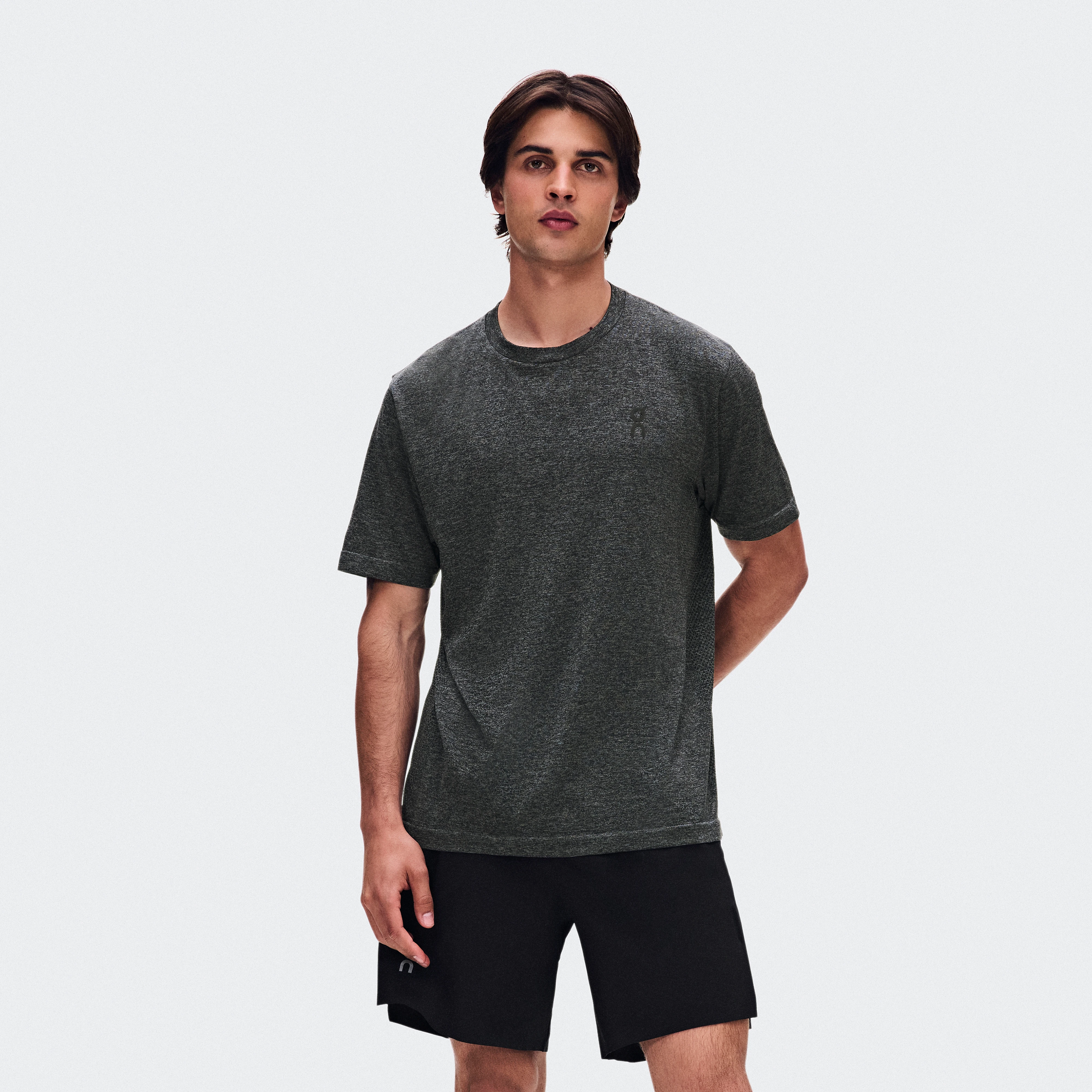
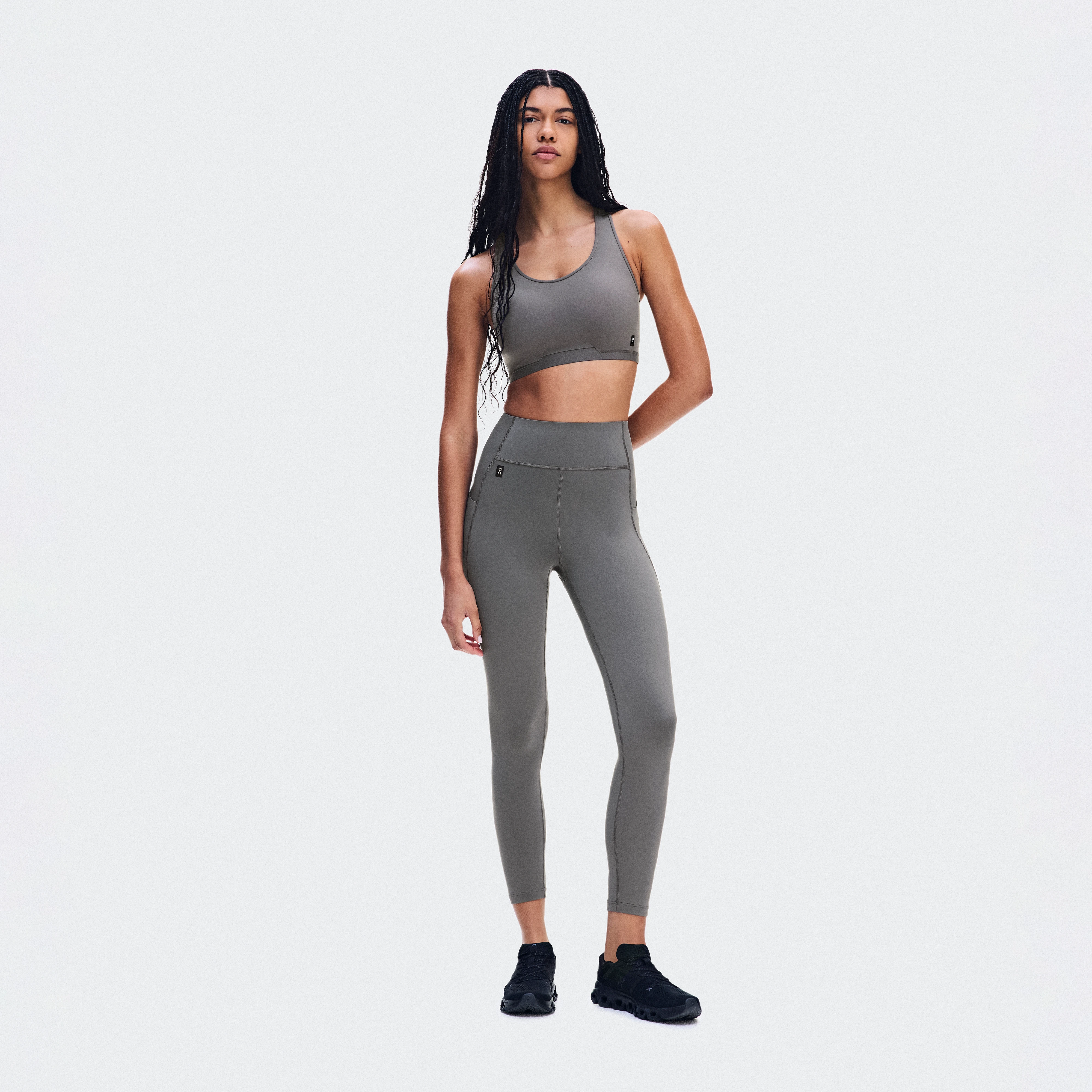
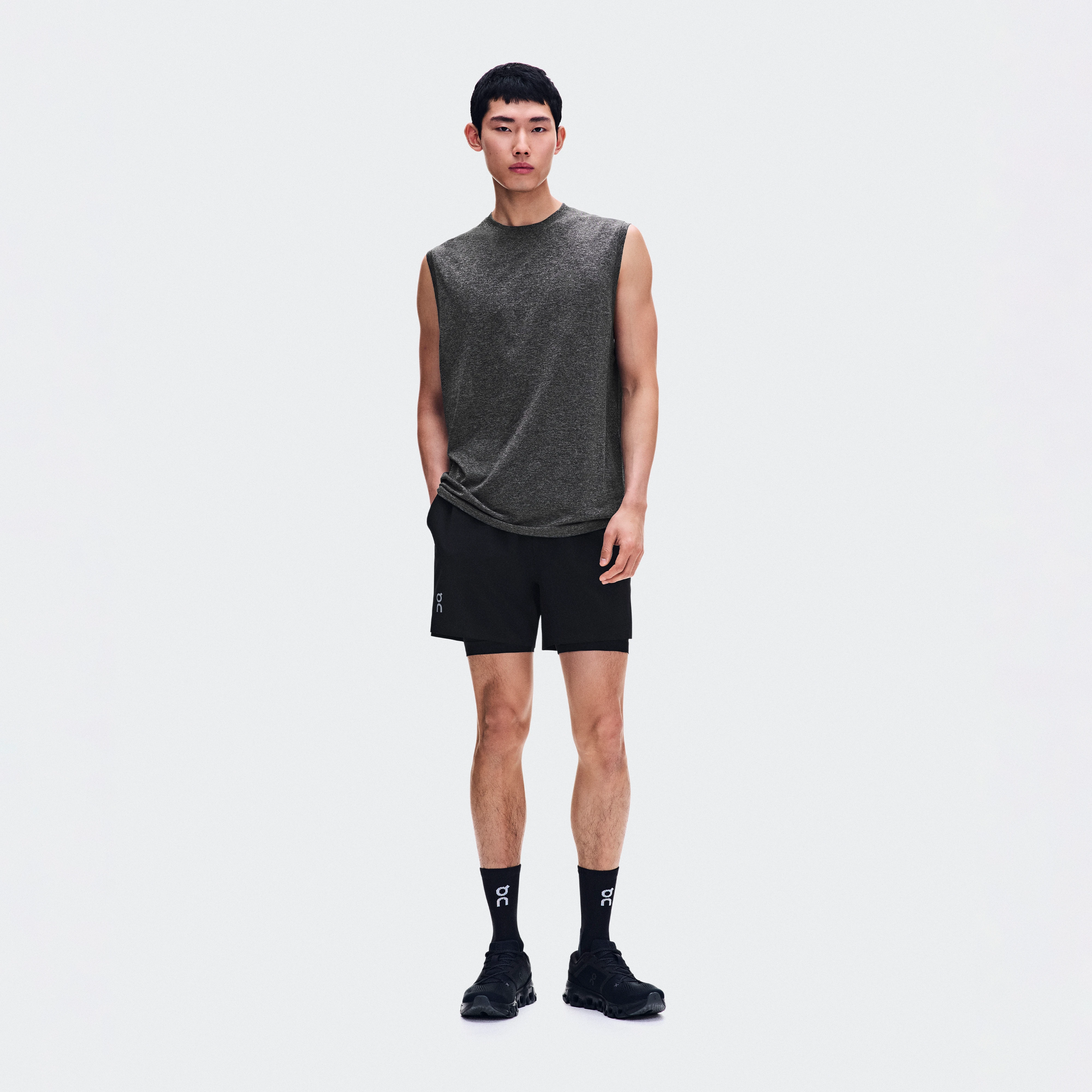
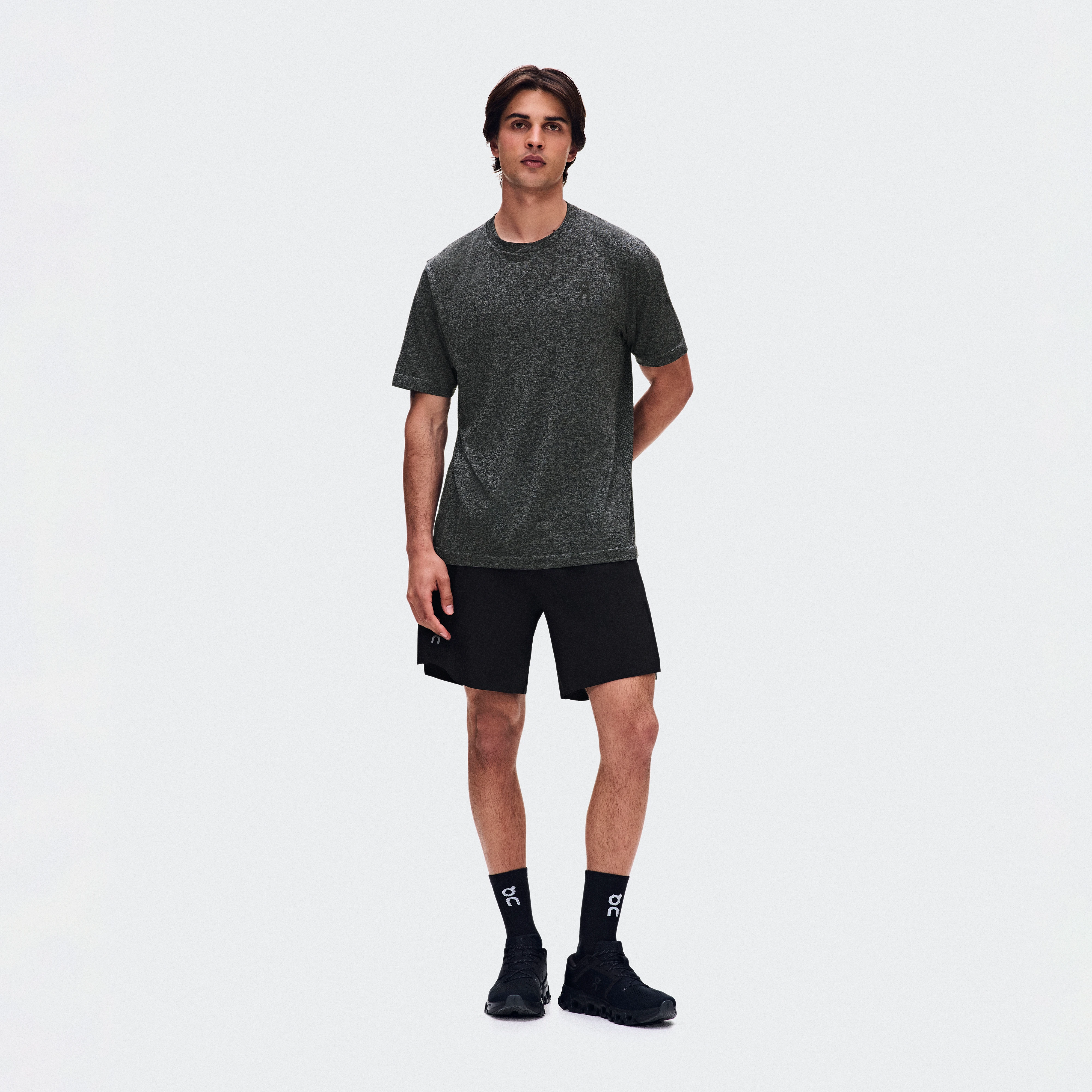
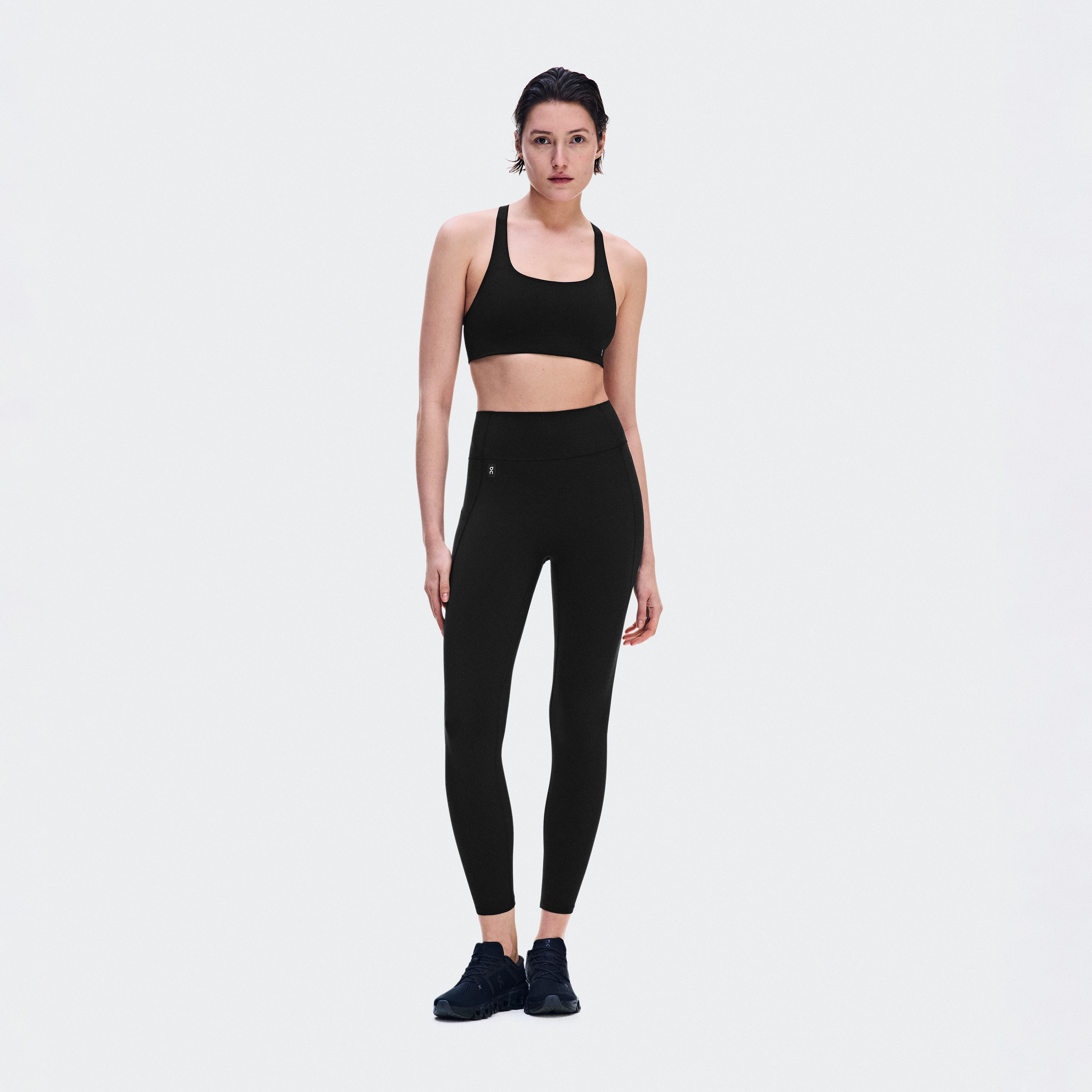
When you do hit the mat, make sure your gear works as hard as you do. Look for clothes built to stretch and support, whether you’re flowing through warriors or stacking plates in the gym.
“Softness is the most powerful form of strength you can train,” says Kalberer.