Couch to 5K training plan: Find your running rhythm
Your first 5K can be daunting – especially if you’re new to running. With a proper training plan and some helpful tips, we’ll get you out on the road in no time.
Running 5K (or 3.1 miles) is a milestone in every runner’s journey. It’s how many discover their passion for running, and for others, it’s the first step on the road to a half-marathon – or maybe even a full marathon.
The best part about 5Ks is you don’t need to be a seasoned runner to train for one. What you need is nine weeks, a good training plan and some dedication.
To help you get 5K ready, we’ve created a modular training guide that you can adapt to your weekly schedule. Whether you have a little time, or a lot, we’ll have you off the couch and through the 5K finish line in no time.
“When we start something new, we feel so compelled to just drive right on in and sprint that first mile, but take that pressure off,” says fitness coach, personal trainer and entrepreneur Tiffany Forte. “Get out there, and see how it feels. Then, go from there.”
Find your starting line: The nine-week couch-to-5K training schedule
This beginner 5K training plan is designed to build gradually. Each week combines short running intervals with walking breaks, giving your heart, lungs, muscles and tendons time to adapt before the next step forward.
Remember, every runner starts somewhere different. Some people take to running like riding a bike, while others need more time to adjust. That’s normal. The goal isn’t to rush the process, but to build a habit that lasts.
You’ll run three times a week, with rest and cross-training days in between. Cross-training can be any low-impact activity that complements your running, such as cycling, swimming, yoga or strength training. These sessions build supporting muscles and resilience without adding more running volume.
Rest days matter too. That’s when your body absorbs the training and comes back stronger. “Sometimes when we feel sore or overwhelmed, that’s an indicator that we’re probably overworking ourselves. So take the day off,” says Forte. “That’s okay.”
You can run slower or faster. Do fewer reps or more. Training should be challenging but enjoyable. Listen to your body, and do what’s right for you.
Monday | Tuesday | Wednesday | Thursday | Friday | Saturday | Sunday | |
|---|---|---|---|---|---|---|---|
Week 1 | Run 1 min / Walk 2 min × 5 | Cross-training or rest | Run 1 min / Walk 2 min × 5 | Cross-training or rest | Run 1 min / Walk 2 min × 5 | Cross-training or rest | Rest |
Week 2 | Run 2 min / Walk 2 min × 5 | Cross-training or rest | Run 2 min / Walk 2 min × 5 | Cross-training or rest | Run 2 min / Walk 2 min × 5 | Cross-training or rest | Rest |
Week 3 | Run 3 min / Walk 2 min × 5 | Cross-training or rest | Run 3 min / Walk 2 min × 5 | Cross-training or rest | Run 3 min / Walk 2 min × 5 | Cross-training or rest | Rest |
Week 4 | Run 5 min / Walk 2 min × 4 | Cross-training or rest | Run 5 min / Walk 2 min × 4 | Cross-training or rest | Run 5 min / Walk 2 min × 4 | Cross-training or rest | Rest |
Week 5 | Run 5 min / Walk 1 min × 4 | Cross-training or rest | Run 5 min / Walk 1 min × 4 | Cross-training or rest | Run 5 min / Walk 1 min × 4 | Cross-training or rest | Rest |
Week 6 | Run 10 min / Walk 2 min / Run 10 min | Cross-training or rest | Run 10 min / Walk 2 min / Run 10 min | Cross-training or rest | Run 10 min / Walk 2 min / Run 10 min | Cross-training or rest | Rest |
Week 7 | Run 15 min / Walk 2 min / Run 5 min | Cross-training or rest | Run 15 min / Walk 2 min / Run 5 min | Cross-training or rest | Run 20 min | Cross-training or rest | Rest |
Week 8 | Run 20 min | Cross-training or rest | Run 25 min | Cross-training or rest | Run 25 min | Cross-training or rest | Rest |
Week 9 | Run 25 min | Cross-training or rest | Run 30 min | Cross-training or rest | Run 5K | Cross-training or rest | Rest |
Week 1 to 3: Build your foundation
The first three weeks are about getting into the rhythm of running. Don’t worry about the pace or distance. Your goal is to show up three times a week and give your body time to adjust.
Each session alternates short running intervals with walking breaks, starting with one minute of easy running and building to three minutes by week three. Keep the effort genuinely easy. If you can't hold a conversation, slow down.
- Week 1: Just begin. The first run can feel awkward. Your breathing might feel unfamiliar and your legs feel heavy. That’s normal. Don't judge the session by your speed. Just focus on finishing. - Week 2: Settle in. The intervals are a little longer now, but the goal stays the same. Find a pace that feels comfortable and sustainable from start to finish. - Week 3: Find your rhythm. By now, running should feel a little less unfamiliar. The sessions are still short, but each one adds to the foundation you’re building for the weeks ahead.

Week 4 to 6: Find your stamina
Keep it consistent and discover what your body can do. The intervals get longer. The walk breaks get shorter. Running may not feel easy yet, but it should start to feel more familiar.
The focus during these weeks isn’t speed. It’s about steady effort. If you’re struggling to catch your breath, slow down. A comfortable pace will take you further than pushing hard and burning out halfway through.
- Week 4: Lengthen the effort. Five-minute running intervals feel longer than they sound. Break it down. Focus on the next minute, not the full five. - Week 5: Shorten the recovery. The running time stays the same, but the walk breaks get shorter. Let your breathing guide the pace and stay relaxed. - Week 6: Build confidence. Two longer blocks with one short walk break in between. You’re closer to running continuously than you might think.
Week 7 to 9: Reach your finish line
Walk breaks start to fall away. By now, you’ve built the strength and stamina to run for longer without stopping. Keep it consistent and trust the work you’ve put in.
Start each run slower than you think you need to. The goal isn’t speed. It’s to finish. Don’t stress about pace, just keep moving.
- Week 7: Phase out the breaks. Sessions one and two include a short walk break. Use it. By session three, you’re running continuously for the first time. - Week 8: Find your rhythm. Three continuous runs, building from 20 to 25 minutes. Focus on staying relaxed and settling into a pace you can hold. - Week 9: This is it. Your final session is a 5K effort. Start steady, breathe easy and focus on finishing. Take a moment at the end to recognise what you’ve done. Nine weeks ago, you were just getting started.

Beginner tips for building up to a 5K
The training plan gets you moving. These tips help you keep going.
1. Choose gear that supports your movement
You don't need much to start running. But the right gear can make the experience more comfortable, helping you focus on the run rather than distractions.
“Not all sneakers are created equal, and the cool thing about On is, for one, there’s a learning curve,” says Forte. “It’s very clear. Use this shoe for this distance.”
Find your footing
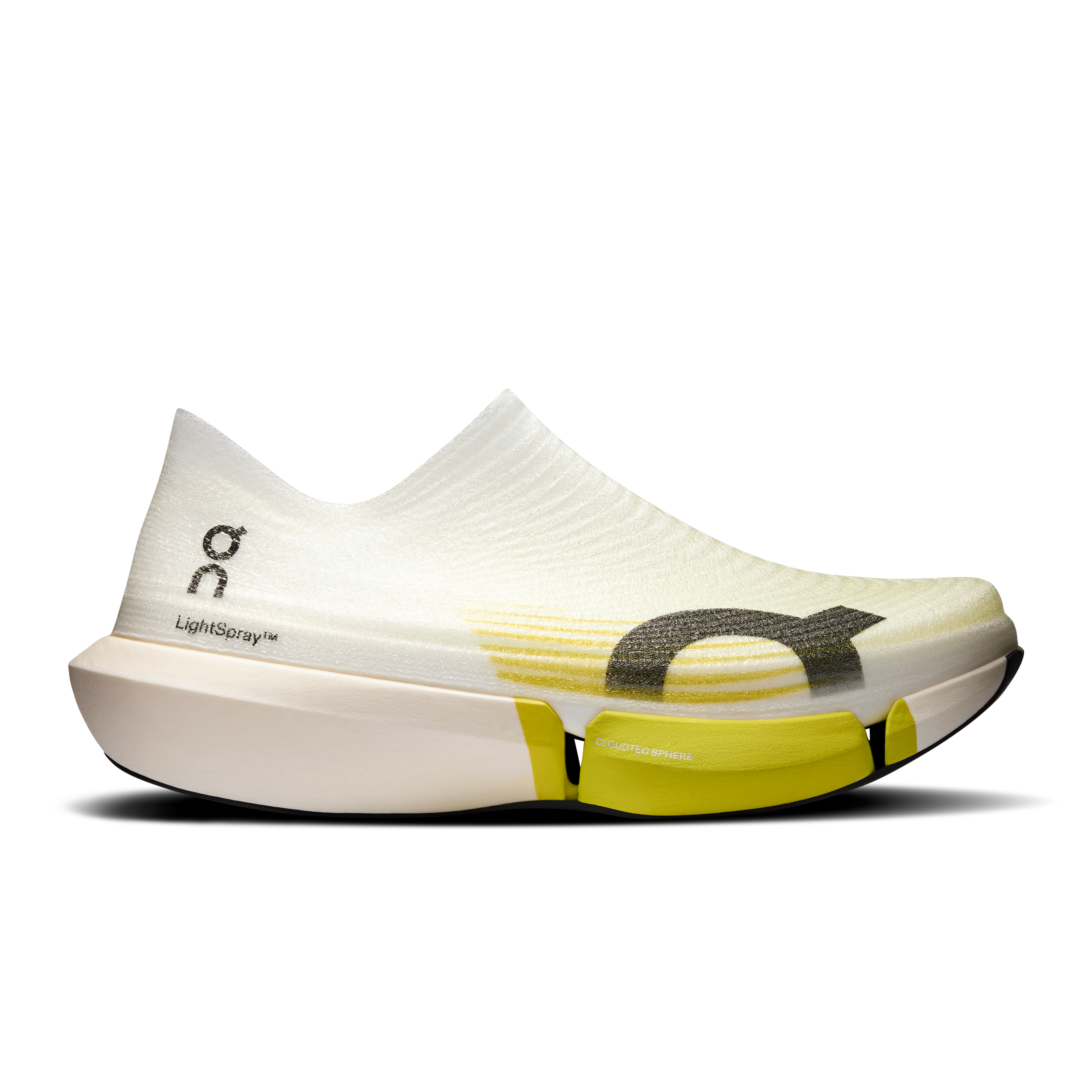
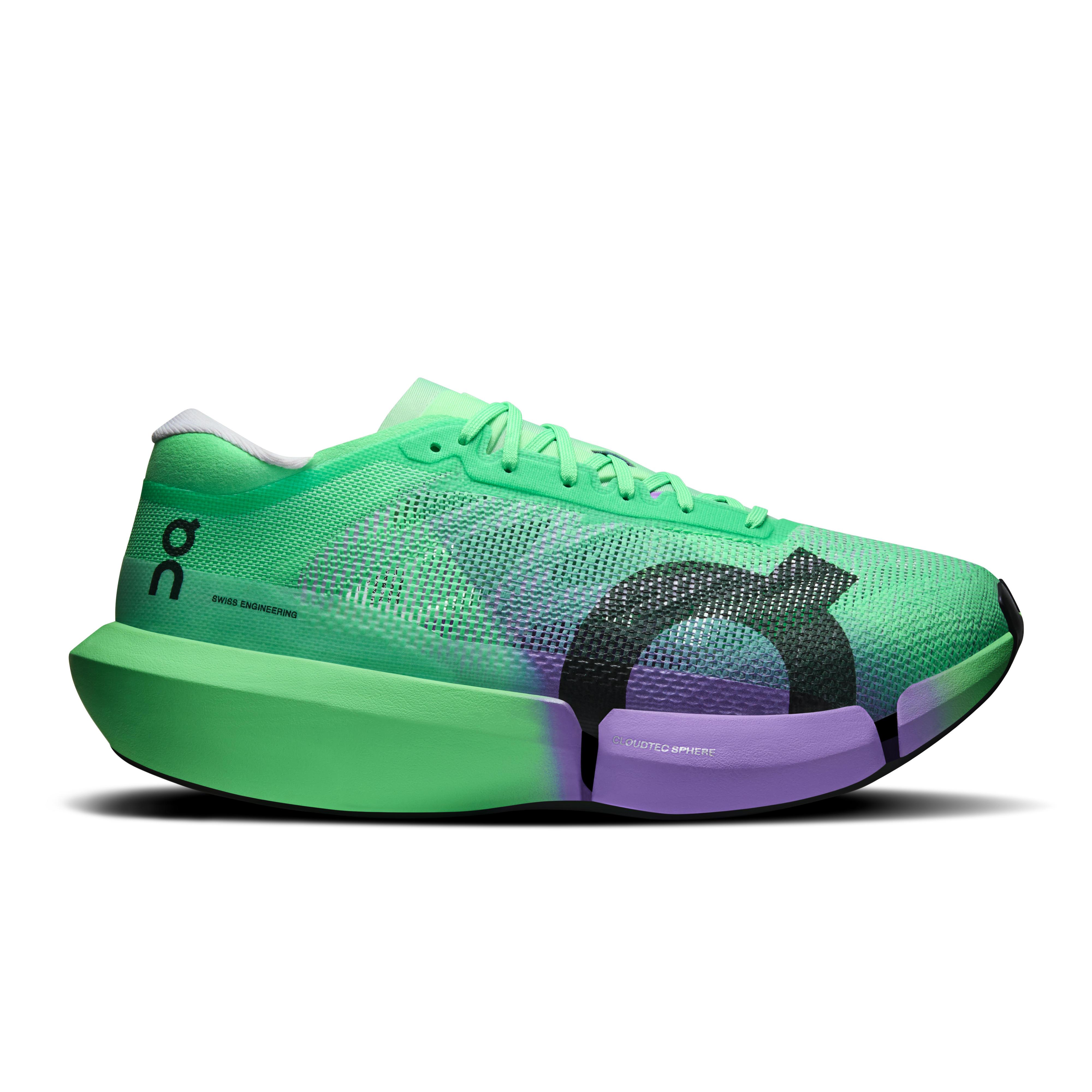
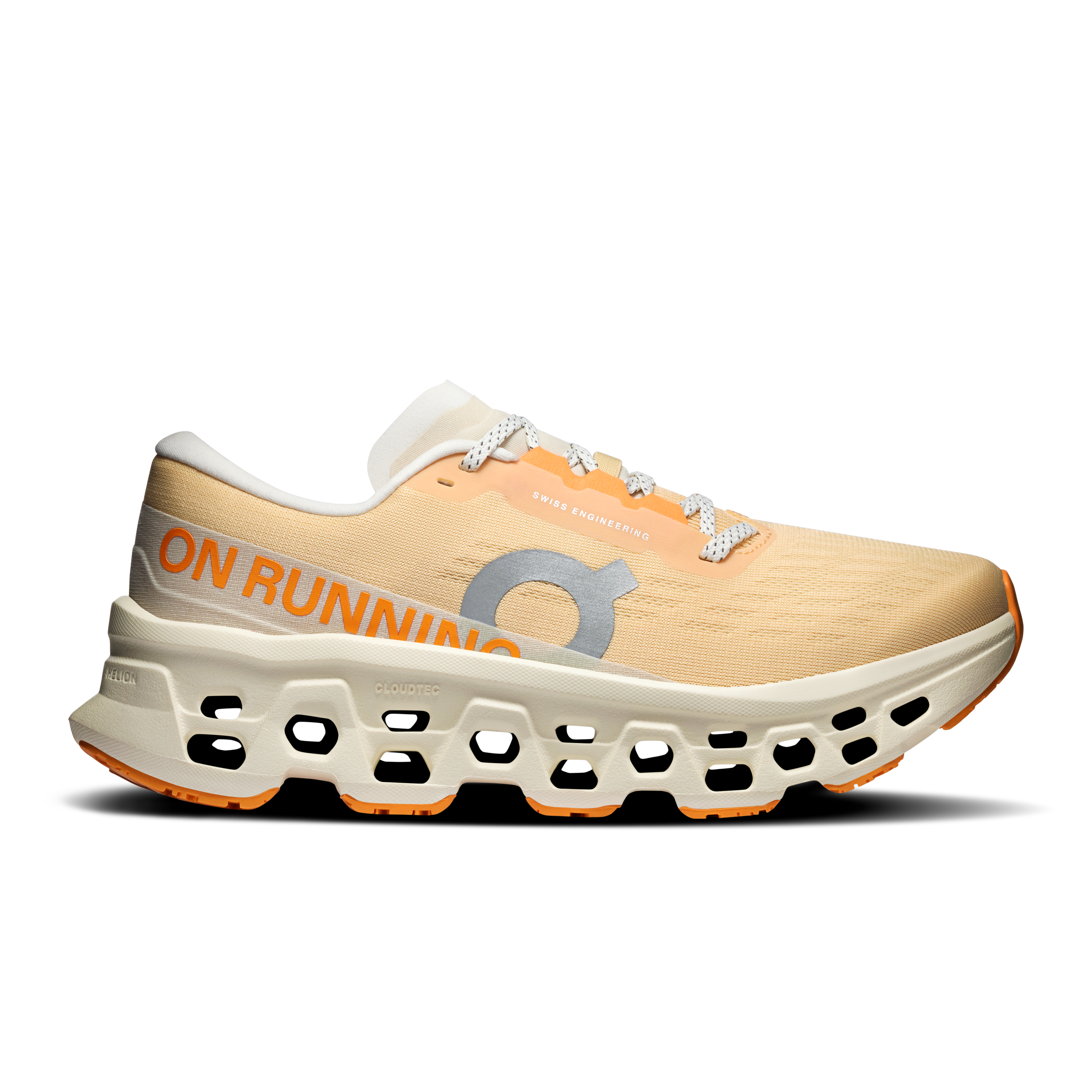
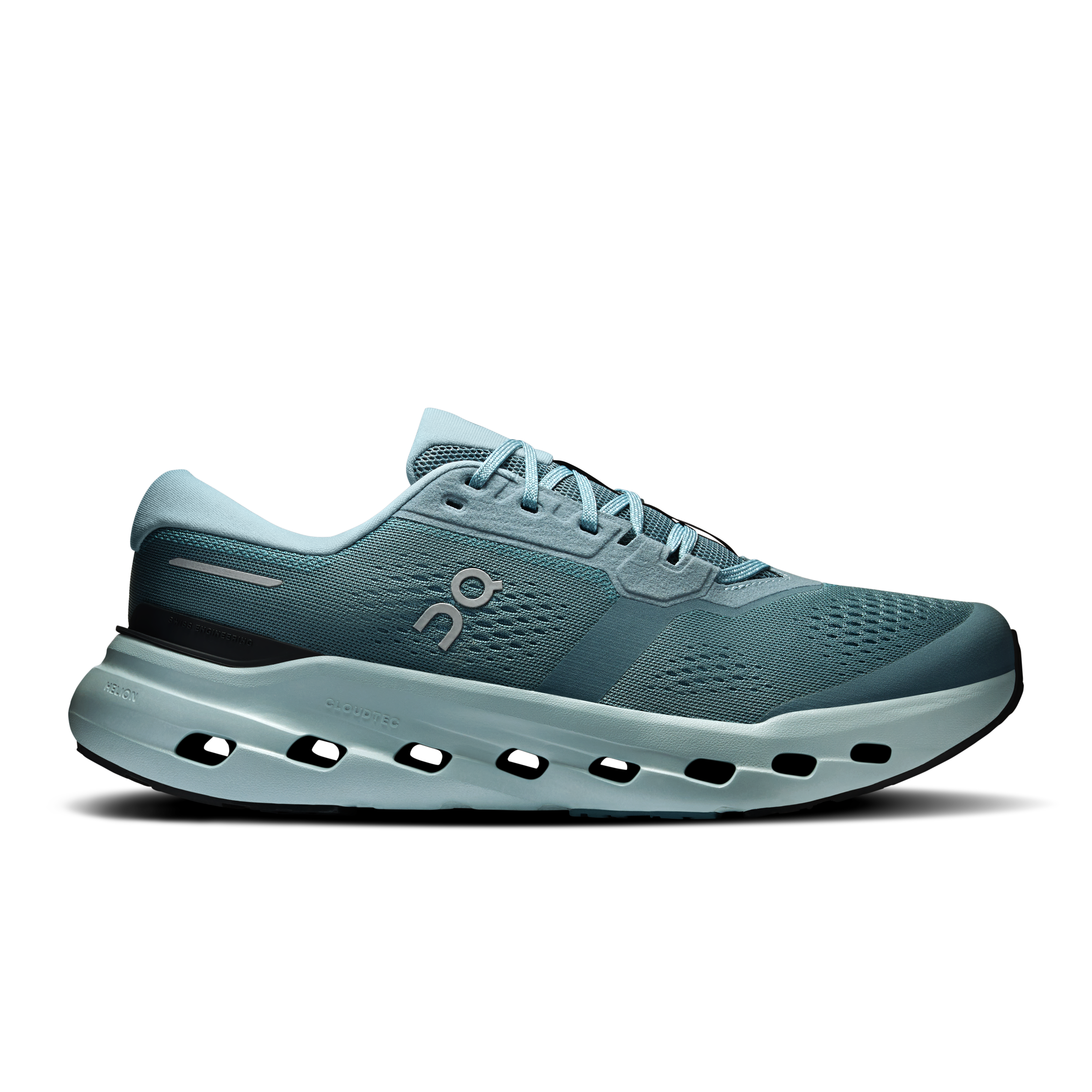
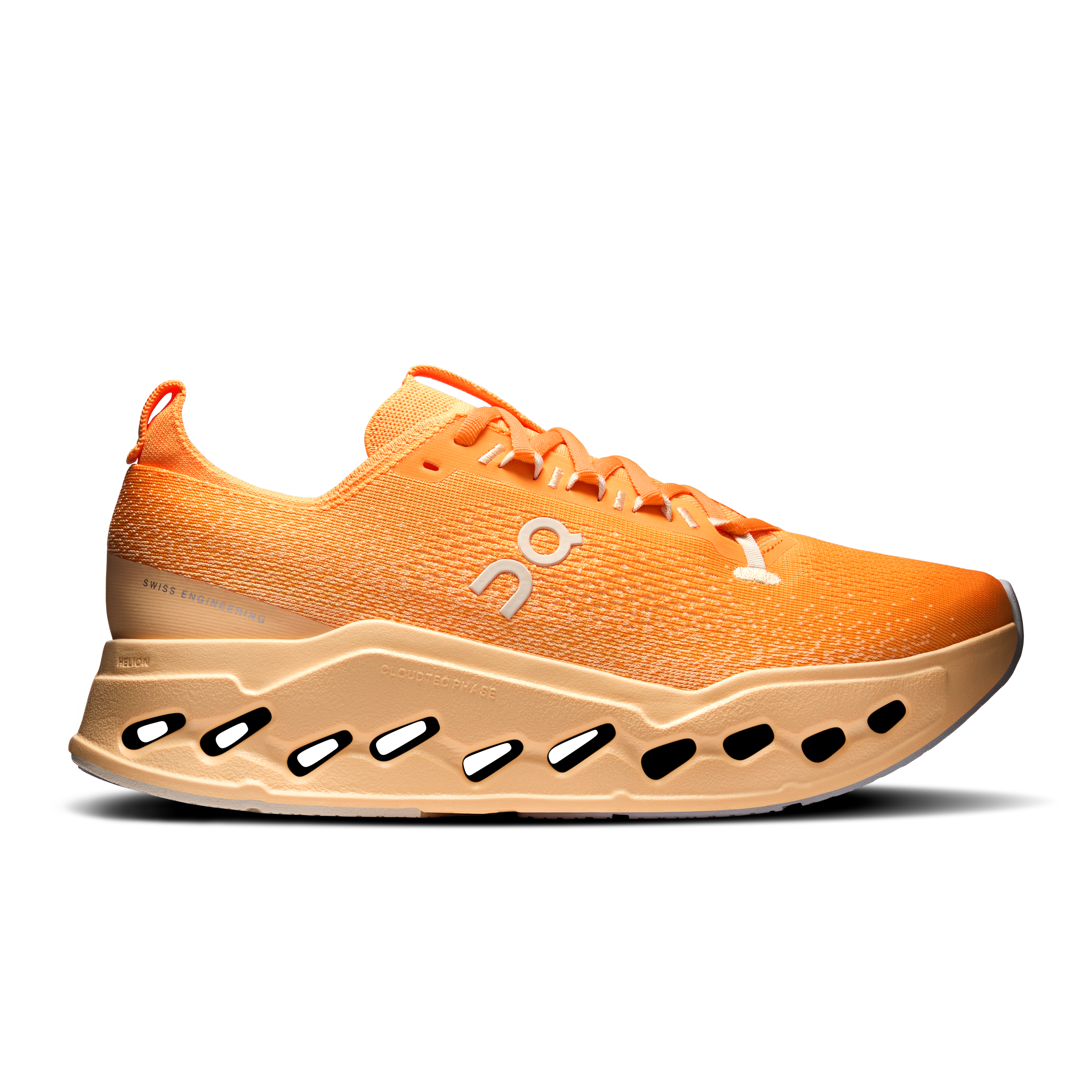
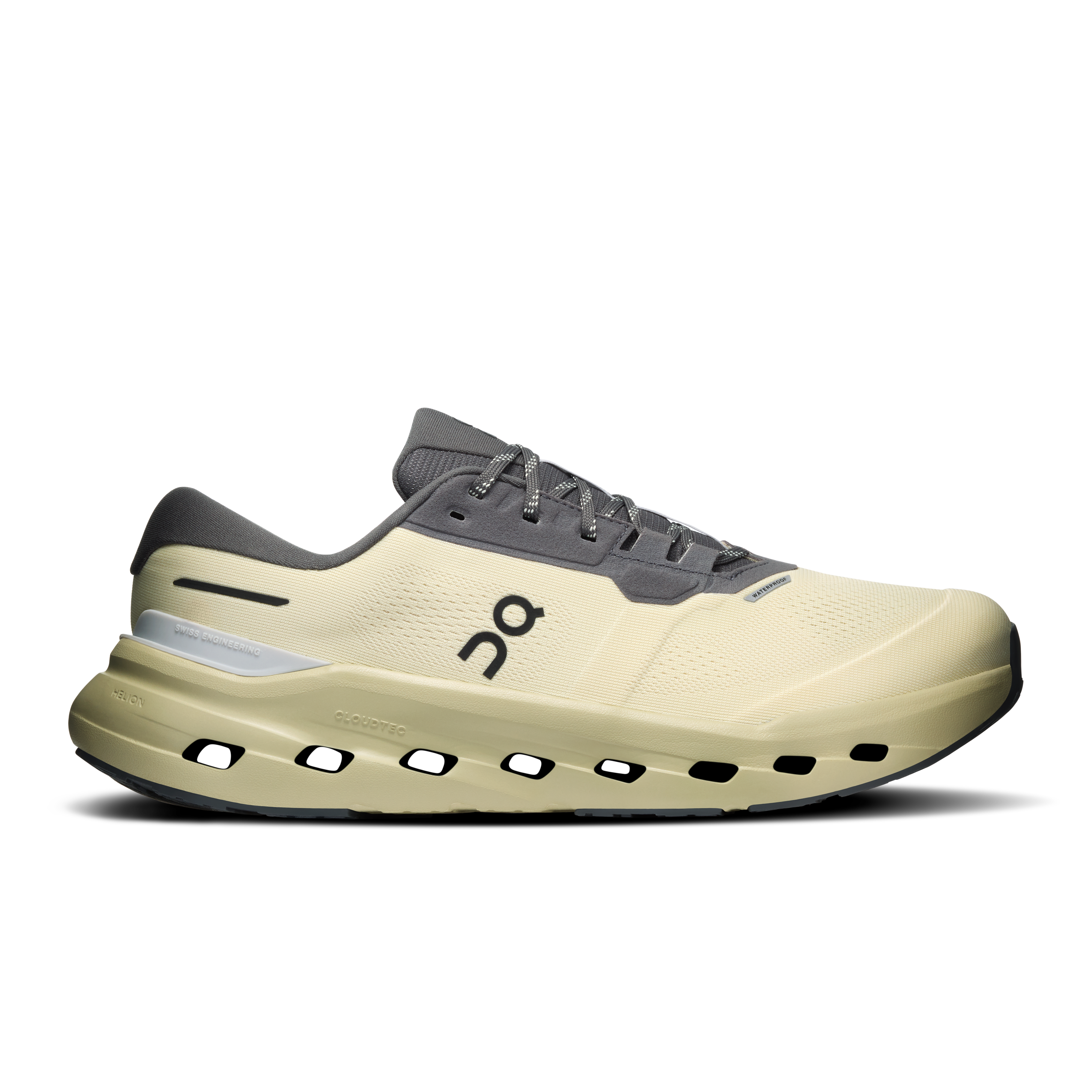
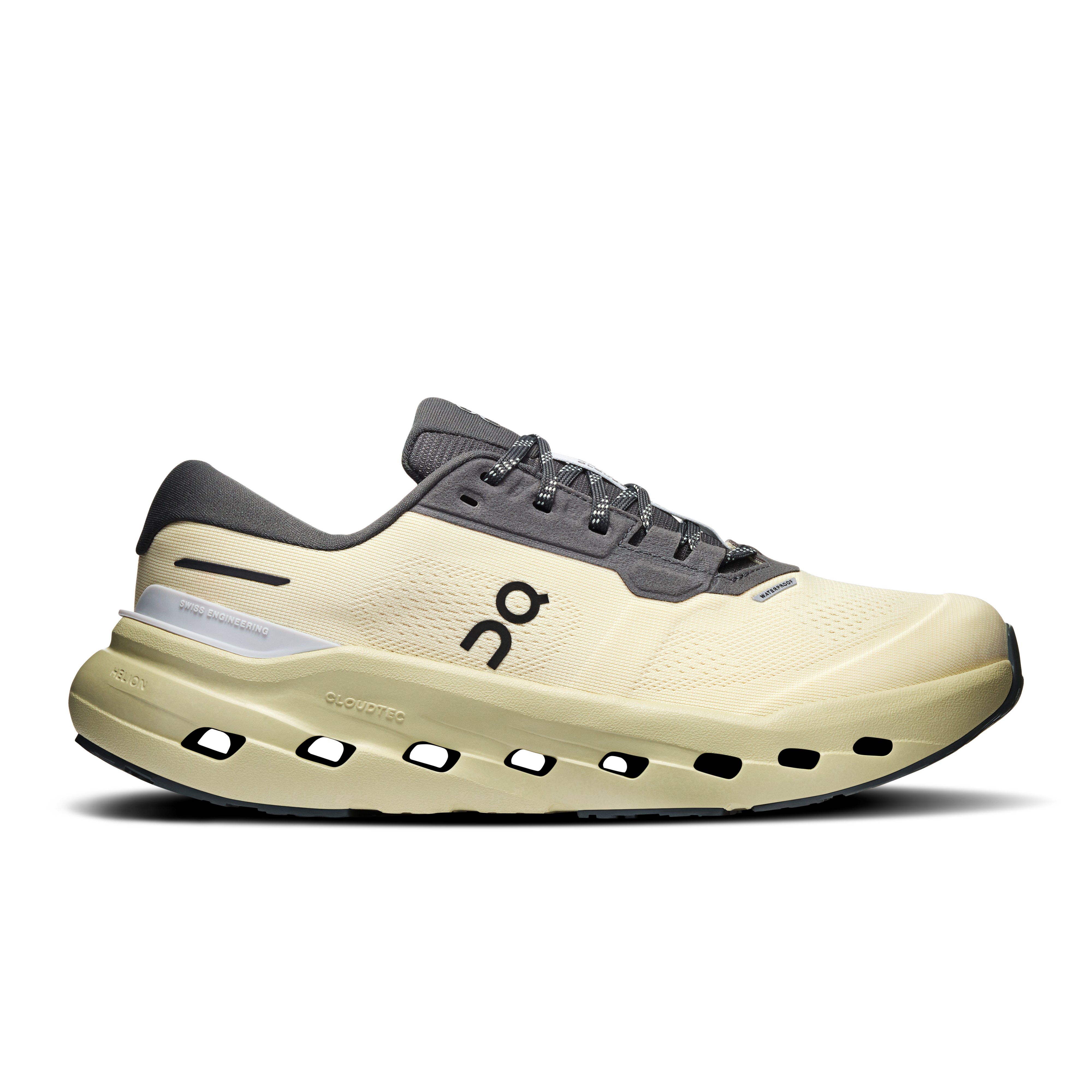
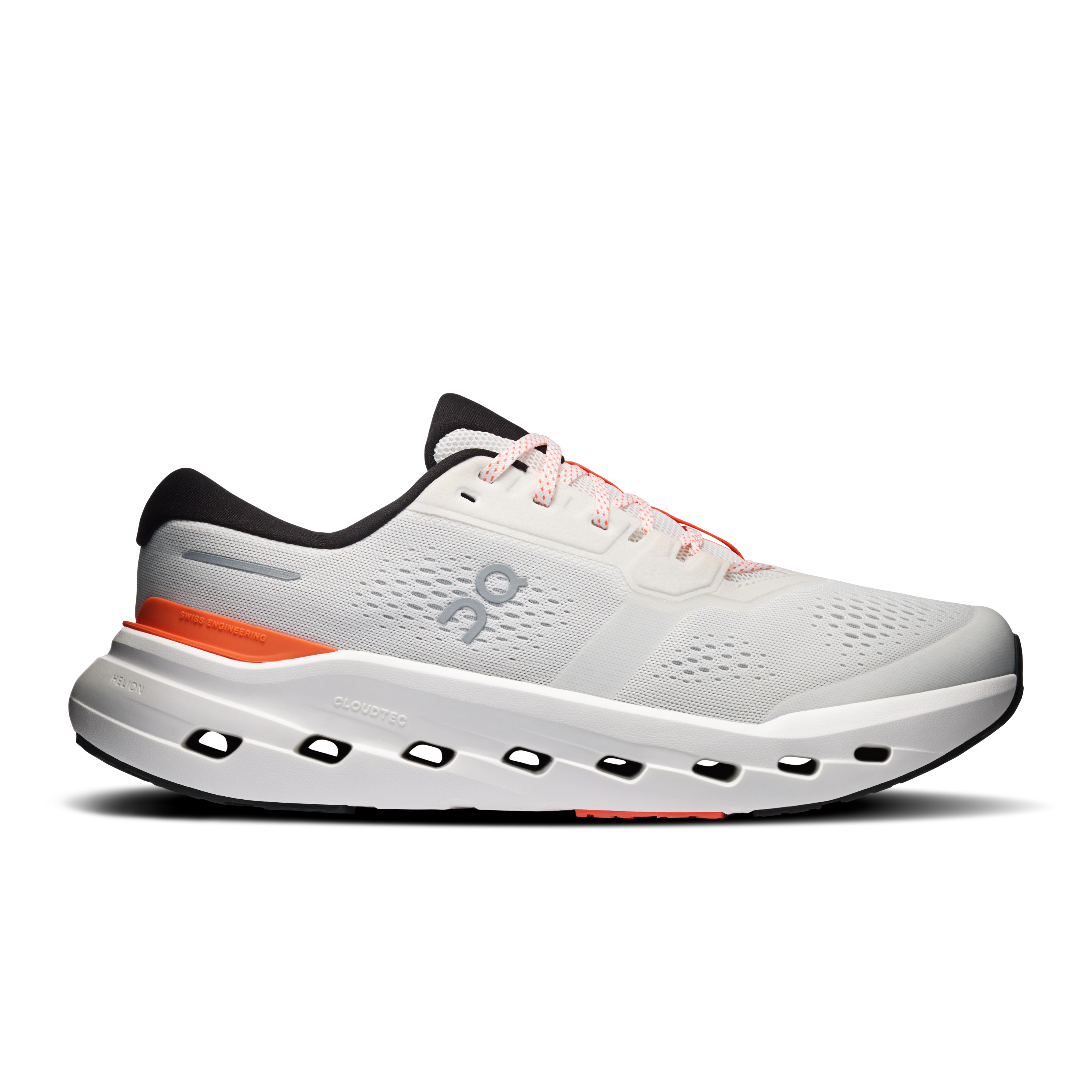
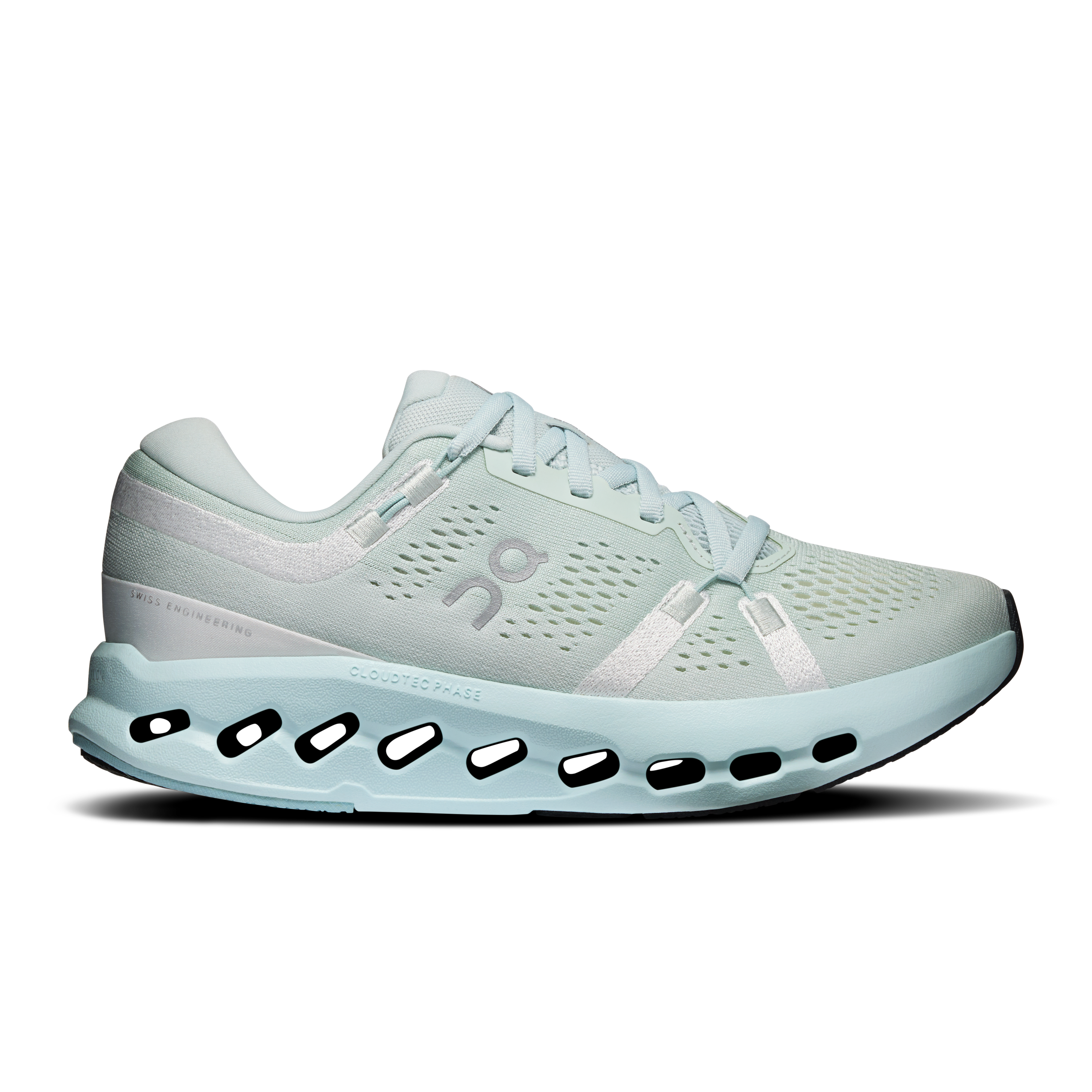
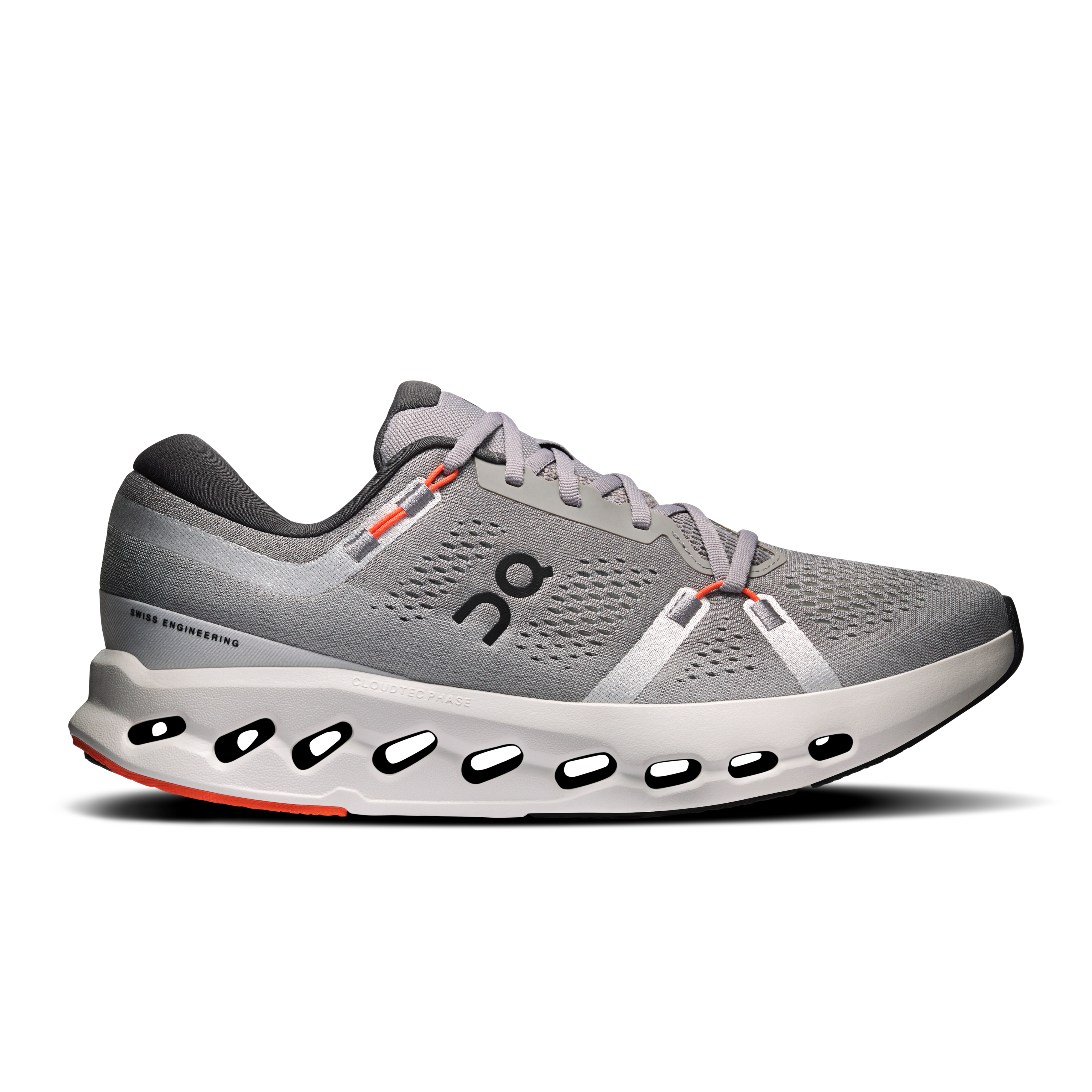
The best running shoe for beginners is one that feels comfortable from the first mile to the last. Look for cushioning, stability and a ride that helps you settle into your stride.
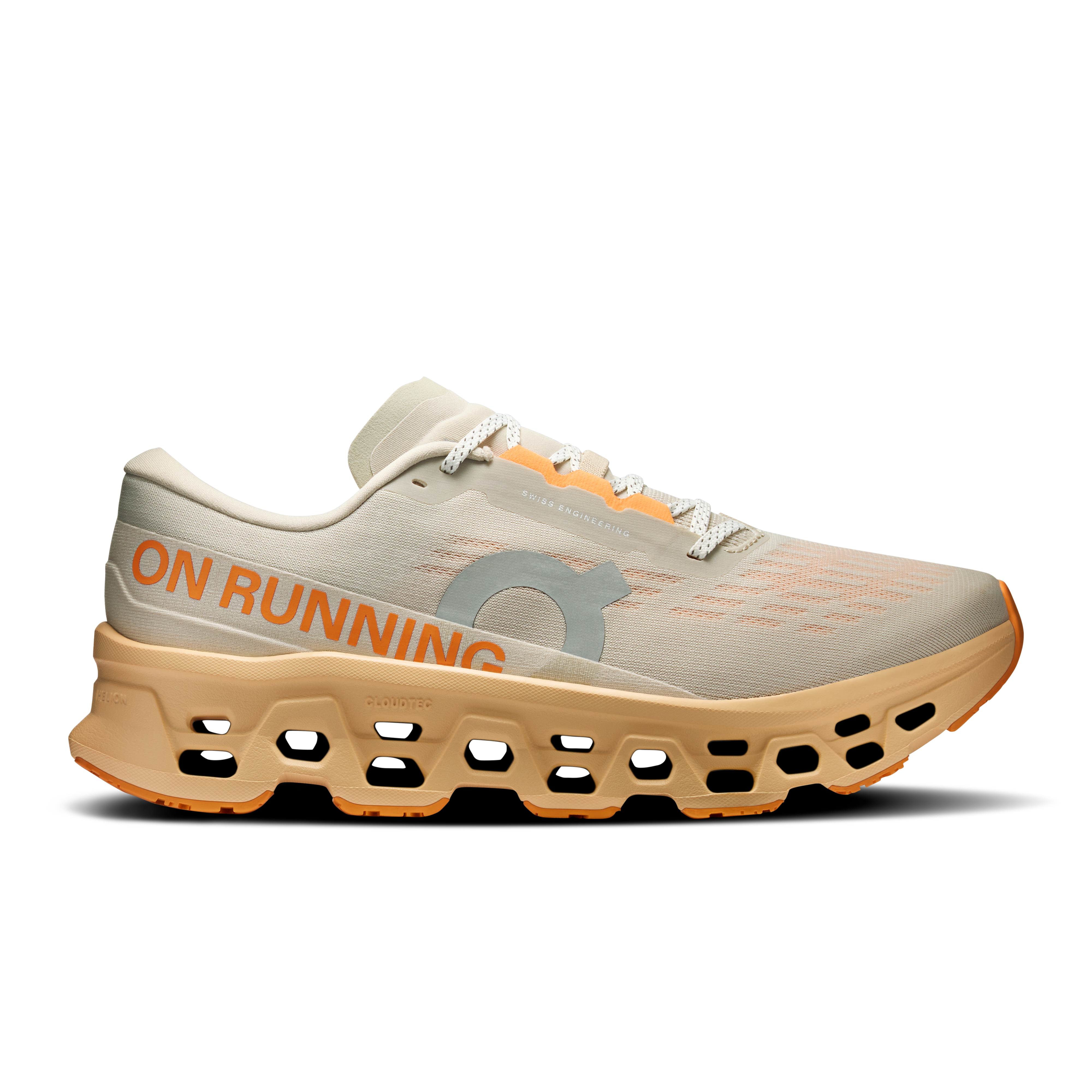
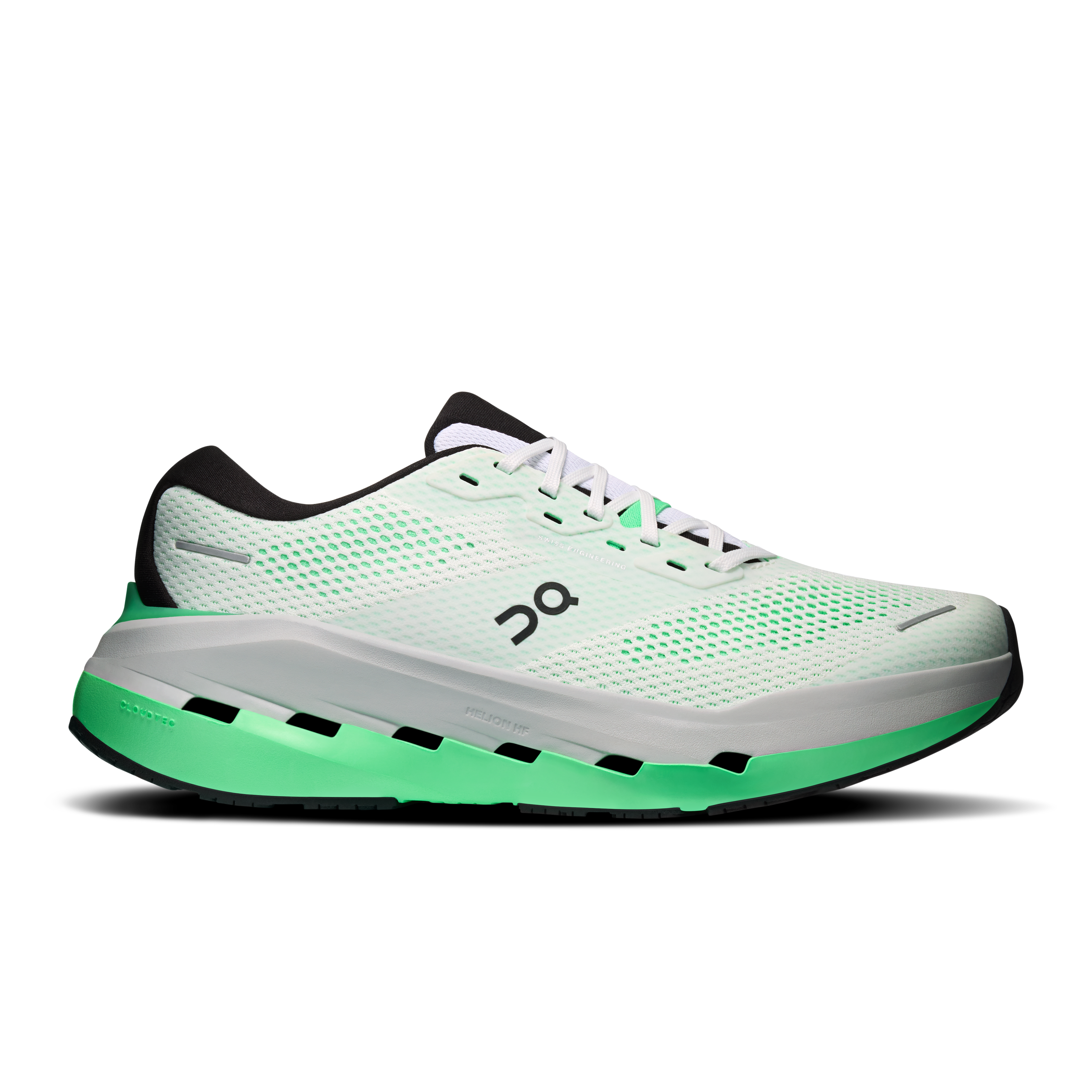
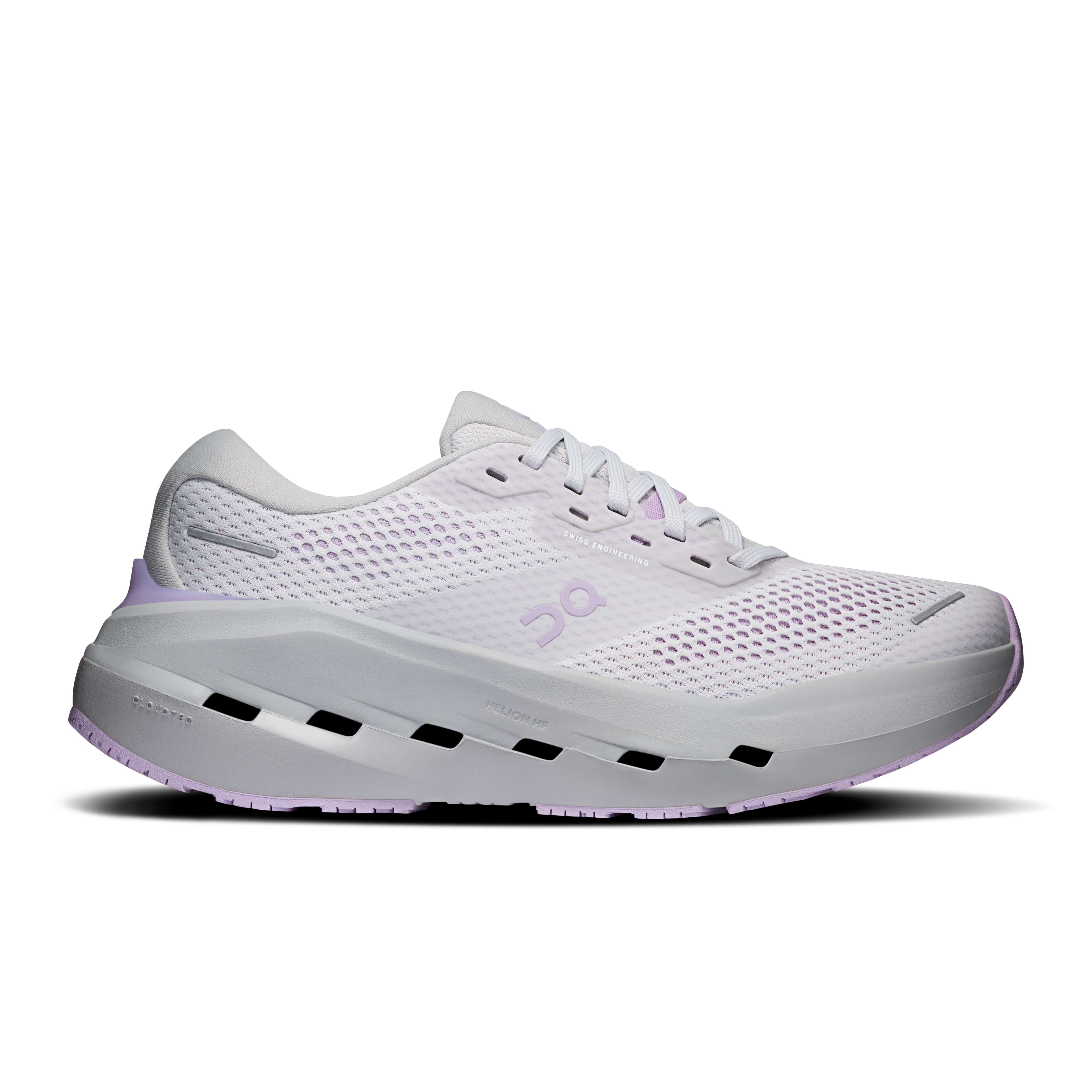
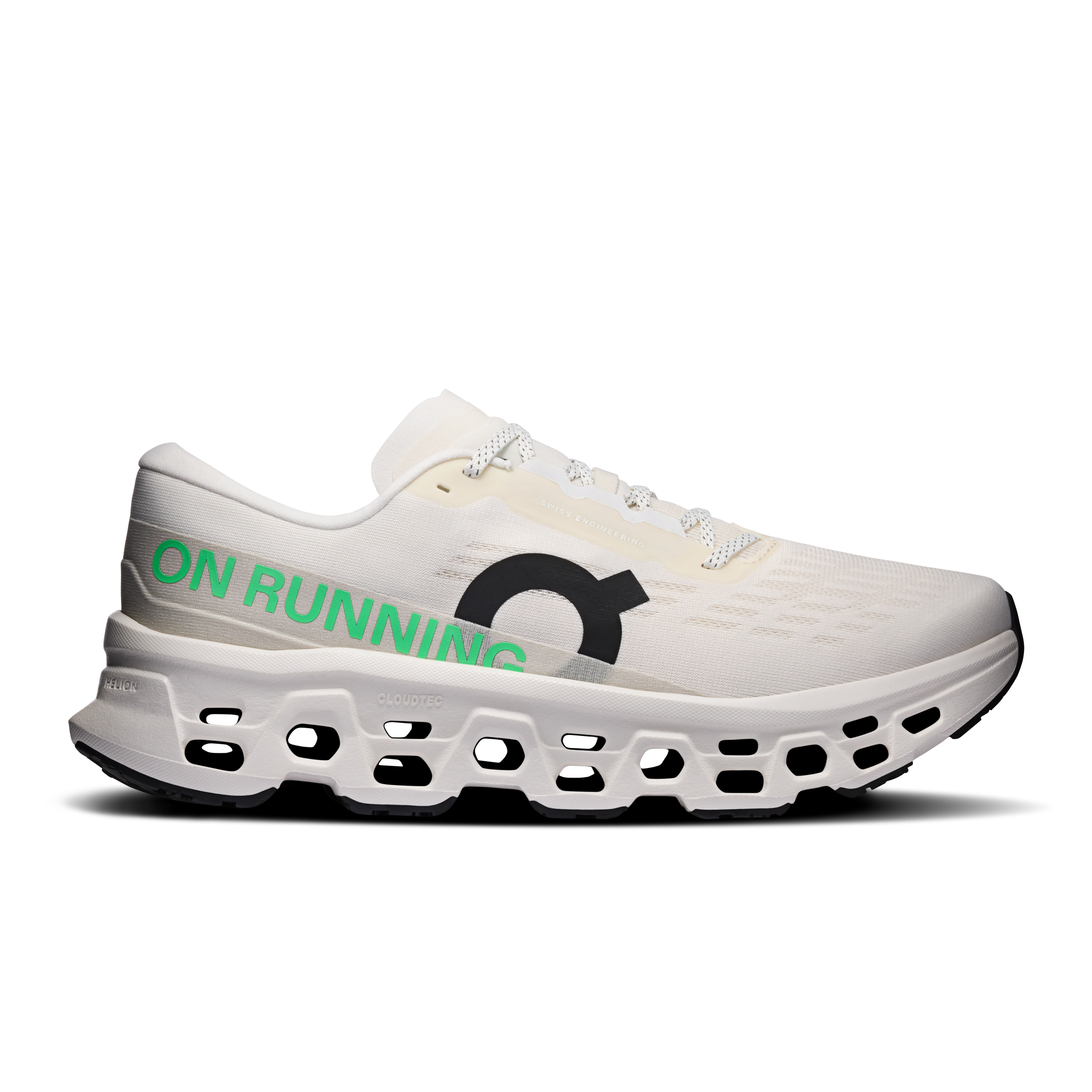
The Cloudrunner 3 offers soft cushioning with added support, making it a strong option for runners who prefer a little more structure underfoot. Its Helion™ Superfoam midsole delivers comfort and energy return, with a TPU heel clip for stability.
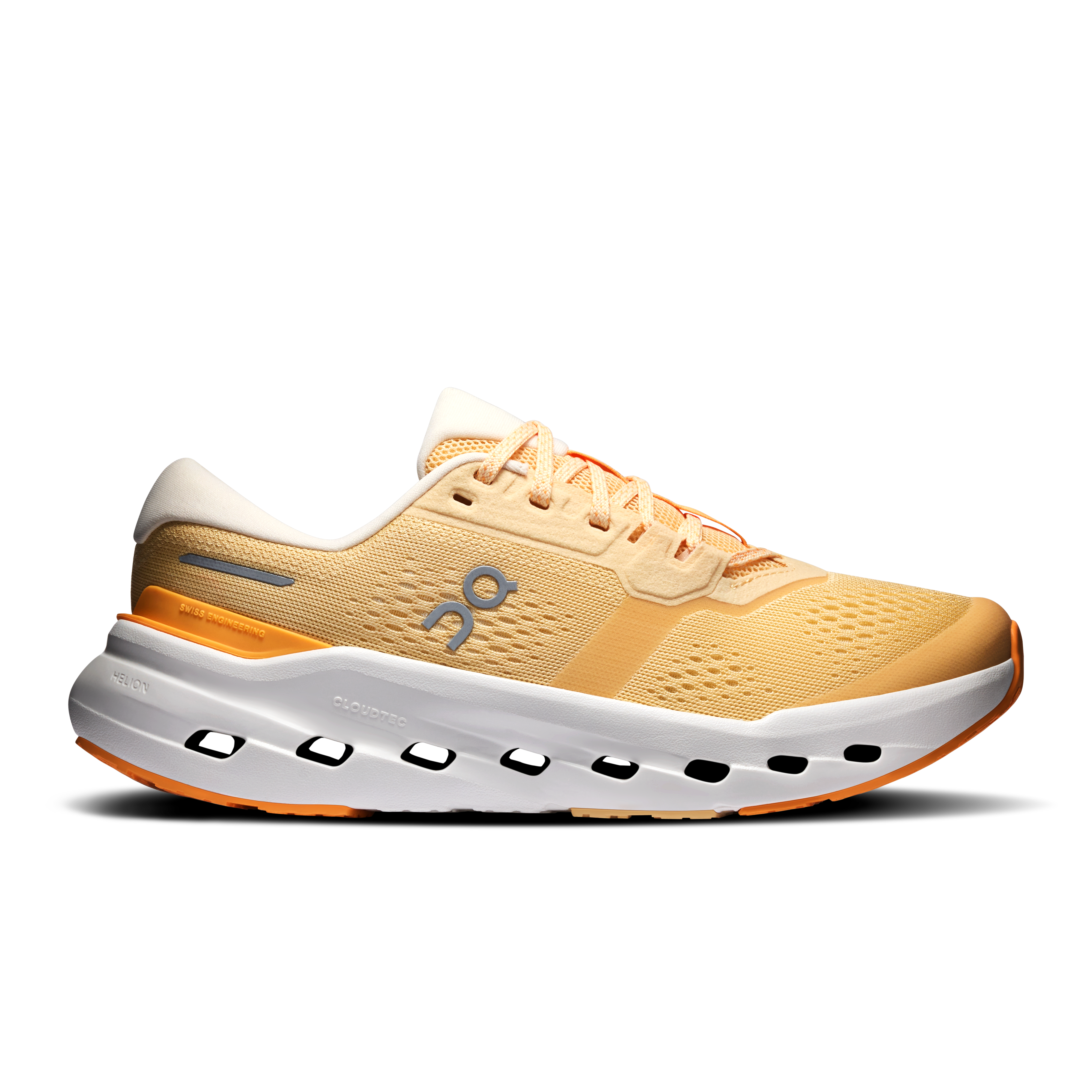
For a softer feel, the Cloudsurfer delivers a smooth, cushioned ride designed to keep each step feeling comfortable and effortless.






Dress for the run
Look for lightweight, breathable fabrics that help pull moisture away from the skin and a fit that doesn’t bunch or leave you chafed.
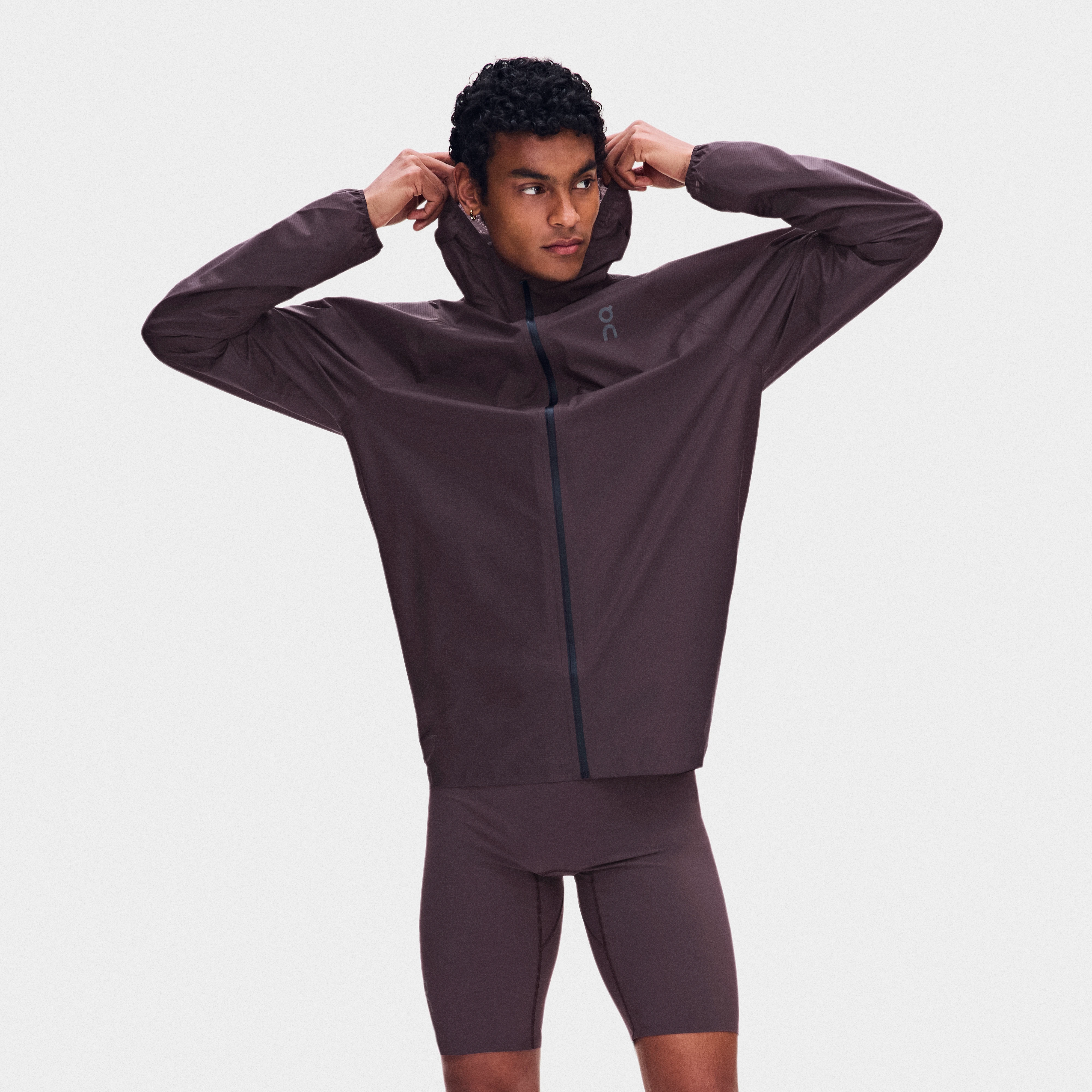
The Performance-T is lightweight, breathable and moisture-wicking. It stays out of your way so you can focus on the run.
The Performance Tights offer year-round versatility, with a close fit and full range of motion that moves with your stride.




















2. Nutrition
Eating a healthy diet is a key part of every training plan. To run your first 5K, you’ll need to fuel up and make sure to stay hydrated.
Before you head out, aim for something light and easy to digest one to two hours before running. A banana with nut butter, a bowl of oats or a piece of toast can provide energy you need that’s easy to digest.
After your run, refuel with a balanced meal that includes both carbohydrates and protein. Carbohydrates help replenish energy stores, while protein supports recovery. Something like eggs on toast, yogurt with fruit or a simple grain bowl.
You don’t need a complicated meal plan. Just consistent, balanced eating that supports your training.
3. Listen to your body
Some days will feel hard and your legs will feel heavy. Your breathing will feel challenged. That’s all part of training. Pain, on the other hand, is different. If you notice a sharp pain or discomfort that changes your stride and doesn’t ease after a few minutes, stop and give your body time to recover.
The rest days in this plan matter just as much as the running days. That’s when your body absorbs the training and comes back stronger.
If you want to stay active on rest days without adding impact, low-intensity movement like mobility work, swimming or yoga keeps the body loose without getting in the way of recovery.
4. Stay consistent
The most important part of any couch-to-5K plan is showing up regularly. Not every day, but consistently. Three sessions per week – week after week.
Start slow and let the plan do the work. The temptation in the early weeks is to push harder than the intervals ask. Don’t. Each week builds onto the last, giving your body time to adapt before taking the next step forward.
It’s okay if you miss a session. Just pick up where you left off – the only way to fall behind is to stop entirely.
5. Warm up and cool down
Start and end every session with a five-minute warm-up and cool down.
A warm-up gradually raises your heart rate and prepares your muscles for the effort ahead. The cool-down gives your body time to recover afterwards. Both make running feel easier and can help reduce post-run soreness.
If you have a few extra minutes, add some dynamic movements before you run – leg swings, hip circles, ankle rolls – and some light stretching afterwards.
6. Find your running community
Running with other people can make the miles feel shorter and consistency easier. Whether it’s a local running group, a friend or a nearby parkrun, having people to run with can help you stay motivated and make the experience more enjoyable.
Kick off your 5K journey
The hardest part is getting started. After that, it’s one run at a time. Start slow, stay consistent and see where it takes you. Explore running gear that is built to get you there.