
What you eat before a run can shape how you feel once you start moving. The right fuel supports steady energy, stronger efforts and better recovery. Here are some of the best foods to eat before a run – with expertise from On athletes.
A great run starts before your shoes hit the pavement. Whether you’re heading out for a 30-minute jog or going for a long run, fueling beforehand helps maintain your energy and delay fatigue.
Every runner has different food preferences and needs, but certain principles hold true.
Below, we break down what to eat based on run length and timing. Think of these as tools, not rules. Experiment and build a routine to find what works for you.
In most cases, yes.
Eating before exercise helps top up your glycogen stores, especially for longer or higher-intensity runs. Eating carbohydrates a few hours before training has been linked to better endurance, steadier energy and reduces the chance of a mid-workout bonk.
Timing matters as much as food choice. Morning runs, midday sessions and longer training efforts all call for different fueling approaches.
The goal is simple: arrive at the start line energized, not heavy.
For shorter runs (20 to 40 minutes), keep it simple. Carbohydrates are the body’s most accessible source of energy so prioritize small, easy-to-digest options. Limit fat, fiber and protein to prevent digestive discomfort. Here are some of the best foods to eat before a short run.
A pre-run classic. Bananas provide quick carbohydrates in the form of natural sugars, which your body can quickly use for energy. They also contain antioxidants and potassium (about 400mg per banana), which help stop your muscles from cramping.
White toast is easy-to-digest, while jam (or jelly) provides fast-acting carbohydrates your body can tap into right away.
Portable and gentle on the stomach, applesauce pouches offer fast-acting carbohydrates without added fat, fiber or protein. They’re ideal for grabbing on the way to a run or gym session.
Rice cakes are gluten-free and easy-to-digest. A drizzle of honey adds a quick glucose boost before you head out.


For long runs lasting 60 minutes or more, a snack might not be enough. Longer efforts require fuller glycogen stores, which means eating more – ideally two-to-four hours before running.
Carbohydrates are still the priority, but you can add some fat and protein to fuel your effort. You’ll want enough food to sustain you without feeling weighed down.
Oats provide slow-release energy that helps energize you through longer efforts. For added energy, top with fruit, honey or maple syrup.
Brown wholemeal (and multigrain) bread offers steady carbs and works well when you have time to digest. Add banana slices, honey and peanut butter for a more substantial pre-run choice.
Sweet potatoes deliver slow-digesting, complex carbohydrates and potassium to support muscle function. Their fiber (about 4 grams per medium potato) makes them a top choice for longer runs where you’re looking for a steady release of energy. They’re also high in beta‑carotene, a plant compound your body converts into vitamin A, which research suggests may improve running performance.
Quinoa provides carbs with moderate protein (8 grams per cup). It’s one of the few grains considered a complete protein. It’s a solid option to fuel a workout later in the day, when digestion isn’t rushed.
Top it with fruit and a drizzle of natural sweetener for a high-carb, nutrient-rich choice, or keep it savory with simple cooked veggies.
Classic endurance fuel. Whole wheat pasta provides slow-release carbohydrates to keep energy levels steady. Simple tomato-based sauce keeps the meal light enough so you can digest comfortably before a long run.
Low-fiber cereals provide easy-to-digest carbs and sugar when you want something familiar and quick. Pair with milk or a dairy-free alternative.


Not everyone wakes up hungry, but most runs benefit from a little fuel. If you struggle to eat first thing, focus on easy-to-digest carbs that give your body energy without feeling heavy. Think: small snacks or simple carbs that go down easily, so you can get moving while still top off your energy stores and get moving comfortably.
Nut butter is a favorite of some of our athletes for its energy density and healthy fats. Almonds and peanuts provide vitamin E, iron, calcium, potassium, and healthy fats. These healthy fats support heart health and brain function.
If you have more time to digest, pair it with carbohydrates like a banana, a slice of toast or some crackers for a more balanced pre-run option.
If you don’t have much of an appetite in the morning, a spoonful from the jar provides quick energy without needing a large portion before lacing up. For those with allergies, alternatives like pumpkin seed or sunflower butter offer similar calories and nourishing fats.
Caffeine can improve endurance and perceived effort, helping you run faster and further. A small cup of black coffee before a run may offer a performance boost. And contrary to popular belief, it doesn’t dehydrate you. But keep in mind it can stimulate digestion so plan your route accordingly.
Medjool dates are a compact, whole-food carb source. Easy-to-digest and naturally sweet, they provide quick energy when appetite is low. They’re a perfect choice before short morning runs.
Half a bagel delivers concentrated carbohydrates in a small volume. They’re a practical option when you want more fuel without a full meal.
While juice has gotten a bad reputation for its sugar and carbohydrate content, those same carbs are exactly what athletes need for energy. A few ounces of orange juice or another favorite fruit juice provides a quick source of energy to help kick-start your run.


A 5K demands speed and sustained effort. Your pre-race meal or snack should give you enough fuel to feel energized without weighing you down. Test any race-day fueling during training so you know how your stomach will respond.
Beetroot juice contains nitrates, which may help the body use oxygen more efficiently during endurance efforts. One study found that two weeks of nitrate-rich beetroot juice helped runners sustain effort longer before reaching exhaustion.
Since beetroot juice isn’t a significant source of carbohydrates, pair it with another fuel source before racing.
If you deal with pre-race jitters, consider swapping whole-grain or white toast for sourdough toast. Since sourdough goes through a fermentation process, it’s typically easier on the gut than other types of bread.
Pretzels provide a quick hit of easily digestible carbohydrates, perfect for topping off energy before a fast, short race like a 5K. They also supply sodium, which helps your body hold onto fluids and stay hydrated during high-intensity efforts.
A small fruit smoothie offers carbs and natural sugars from fruit, without the fiber of the whole fruit. Blending keeps it gentle on your stomach while delivering quick energy your body can use right away.
Keep the portion modest and save protein powders for after the race.


Marathon fueling prioritizes carbohydrates. Aim for a carb-heavy breakfast before your race and plan to take in carbohydrates consistently throughout the race.
During long training runs, experiment with what foods work best for you before and during a run, so race morning feels predictable.
Energy gels are concentrated carbohydrate sources designed specifically for endurance athletes. They deliver fast-absorbing sugars that help maintain blood glucose levels and delay fatigue during a marathon.
Many runners take one about 15 minutes before the start, then continue fueling at regular intervals throughout the race, often every 30 to 45 minutes depending on pace and tolerance.
If the taste or texture of gels does not work for you, pre-portioned honey packets offer a natural alternative with a similar quick-hit carb profile.
They pack in carbs with very little fiber, making them easy-to-digest and efficient at topping off glycogen stores before 26.2 miles.
White rice delivers a simple, fast-digesting starch that sits well in the stomach and efficiently replenishes glycogen stores before a long race. A splash of soy sauce adds sodium, which supports fluid balance and helps offset electrolyte losses over hours of running.
A solid savory option for runners who prefer to skip sweet foods on race morning.
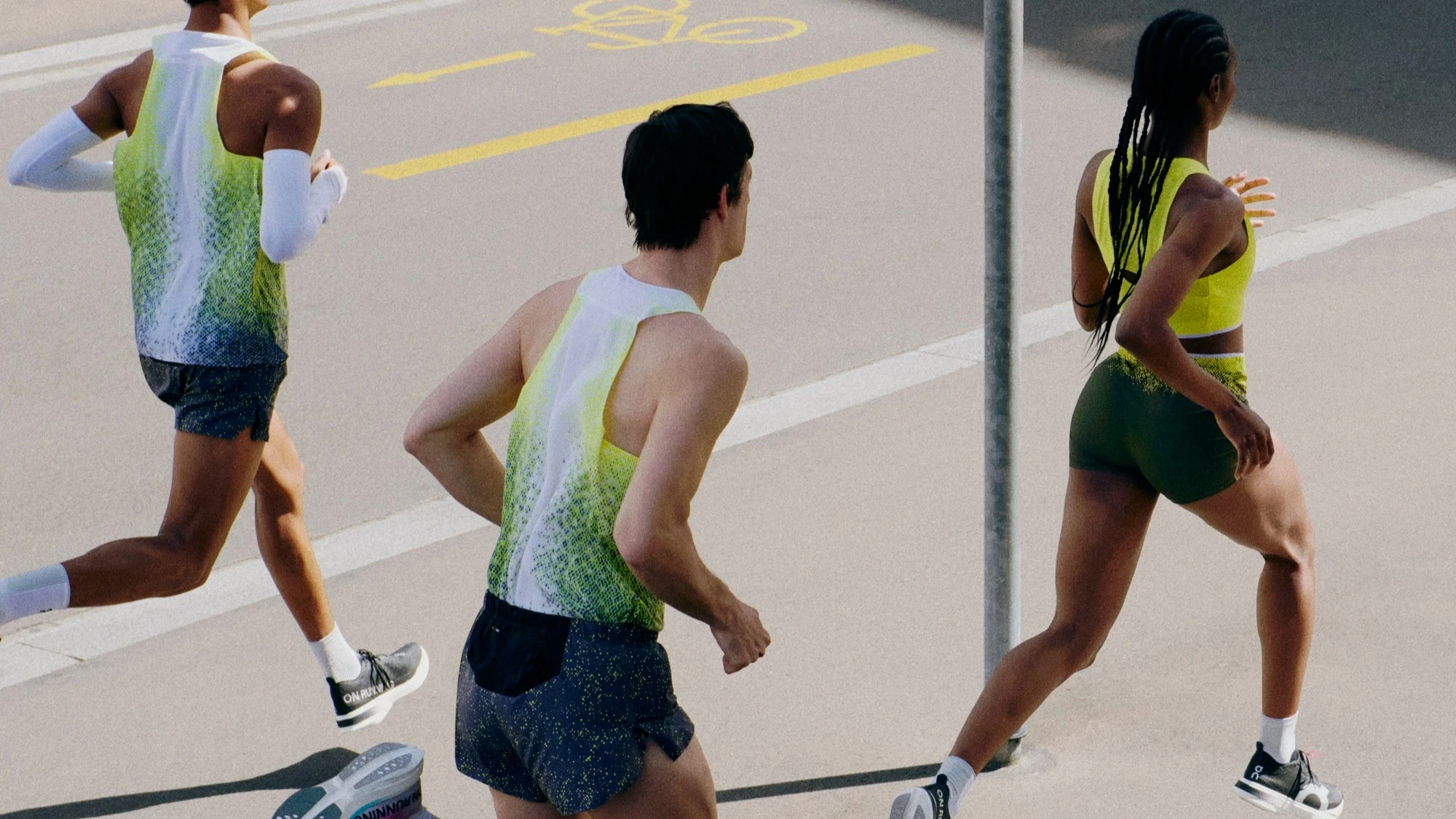
Afternoon runs often call for low-fuss snacks that easily fit between meetings or errands. These portable snacks provide quick energy without feeling sluggish.
Yogurt has a healthy mix of carbohydrates and protein in a digestible ratio. It also contains calcium, which is good for bone health and probiotics that are good for your gut. Choose dairy or plant-based options like soy, rice or coconut milk yogurt if it’s easier on your stomach.
It’s not as indulgent as you might think. A small portion of dark chocolate offers carbs and a mild stimulant effect from caffeine. Studies show that dark chocolate can reduce inflammation, boost your aerobic capacity or VO2 max and help you run further. And it triggers the brain to release endorphins, making us feel good. But make sure to keep the amount moderate and look for quality chocolate.
Fig cookies have a mix of simple and complex carbohydrates, giving you quick energy upfront with a steady release that helps carry you through the run.
Frozen grapes are light, easy carbs on your stomach and hydrating before a summer run.
Some foods can leave you feeling heavy or upset your stomach mid-workout.
Avoid:
High-fiber foods: Beans or apples digest slowly and can cause bloating or cramps while you run.
Spicy foods: Might irritate your digestive system and leave you feeling uncomfortable mid-run.
Anything new: Race day or hard workouts aren’t the time to experiment.
Carbonated drinks: Energy drinks or soda can leave your stomach bloated and gassy, making running uncomfortable. Stick to flat, easily digestible fluids.
Timing is just as important as what you choose to eat.
Most runners benefit from eating about two hours before a run. If you’re short on time, a smaller snack usually takes less time to digest. But larger meals might require more time before heading out the door. The goal is to start comfortably fueled (and prevent side stitches and cramps).
Focus on a light snack that contains fast-digesting carbs such as juice, fruit or toast.
A slightly more substantial snack like toast with a smear of nut butter or yogurt with fruit allows time for digestion while providing steady energy.
You can have a full meal that includes carbs, protein and healthy fats. Carbs still take the lead for energy, but a balanced meal sets you up to stay healthy through training.
Understanding how to fuel your runs can transform your training. Not only will you have more energy on the trail or track, but your recovery and performance will improve too. Once your nutrition is dialed in, focus on gear that supports your every run.
It depends on every runner, and the run. Short, easy runs can be done on an empty stomach, but for longer or more intense sessions, proper fuel helps provide energy to power through the workout.
Focus on easily digestible carbohydrates that give quick energy. Options like toast, fruit, a small smoothie, or a few dates work well to fuel your run.
Carbohydrates. Simple, fast-digesting options like fruit, rice cakes, or a smoothie provide energy your muscles can use right away.