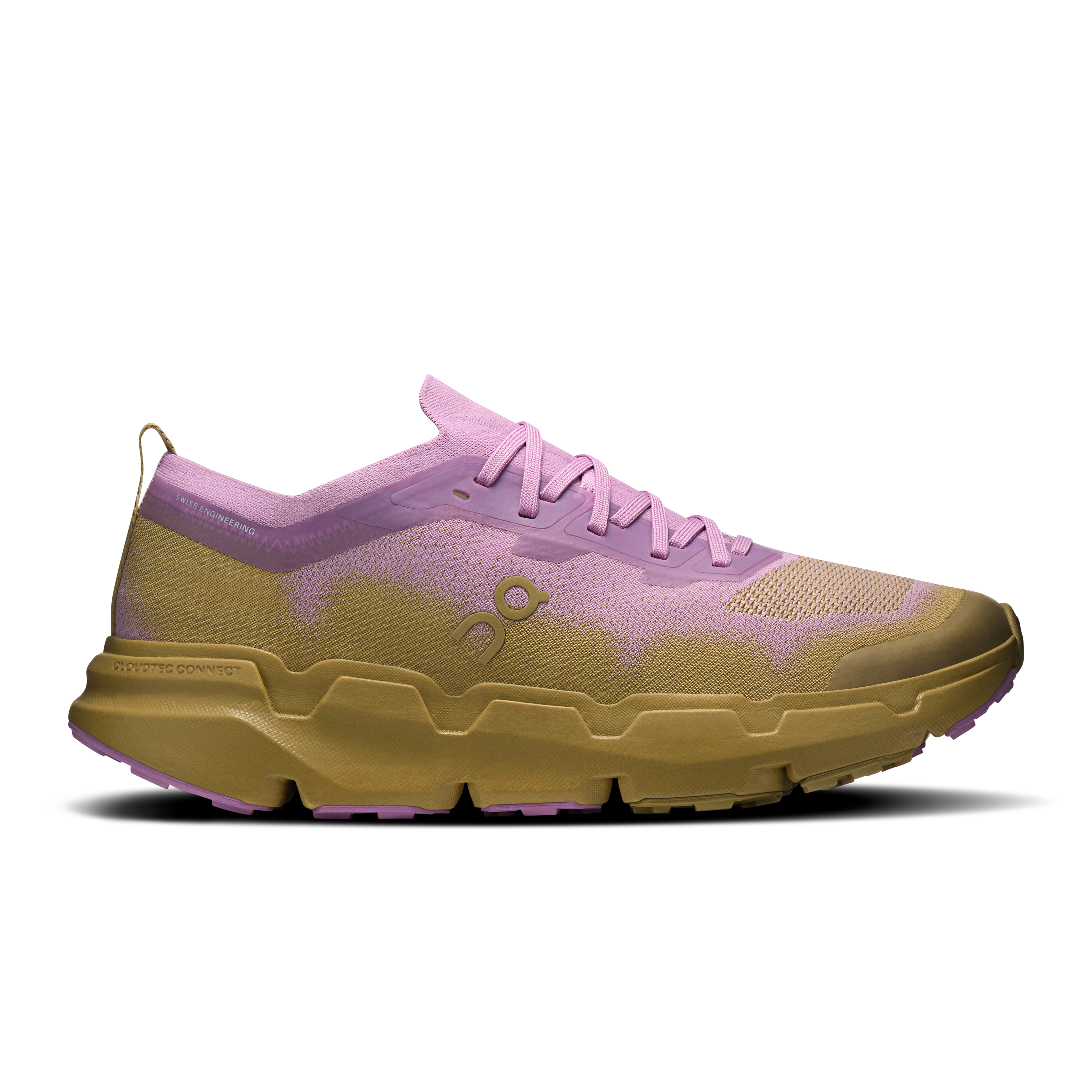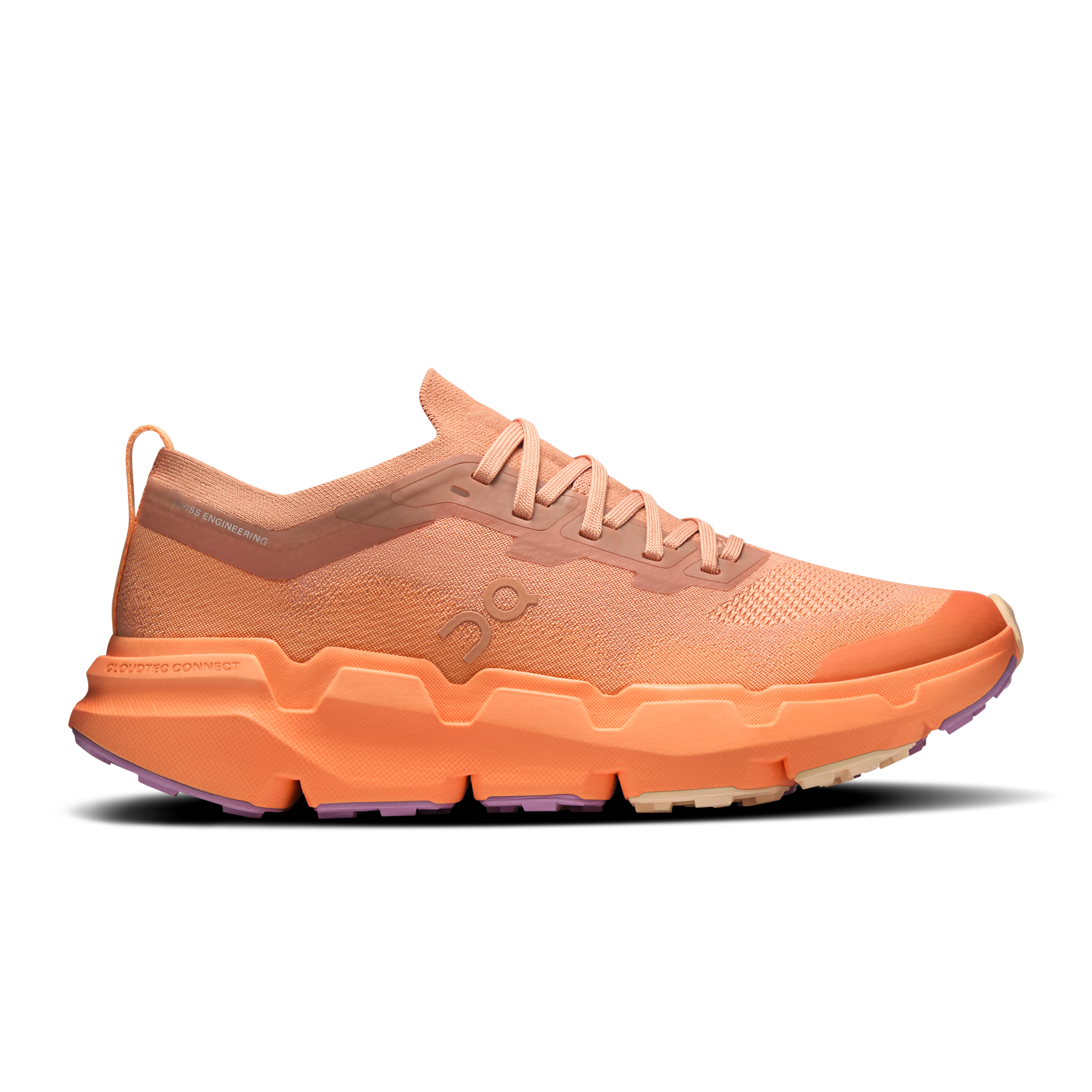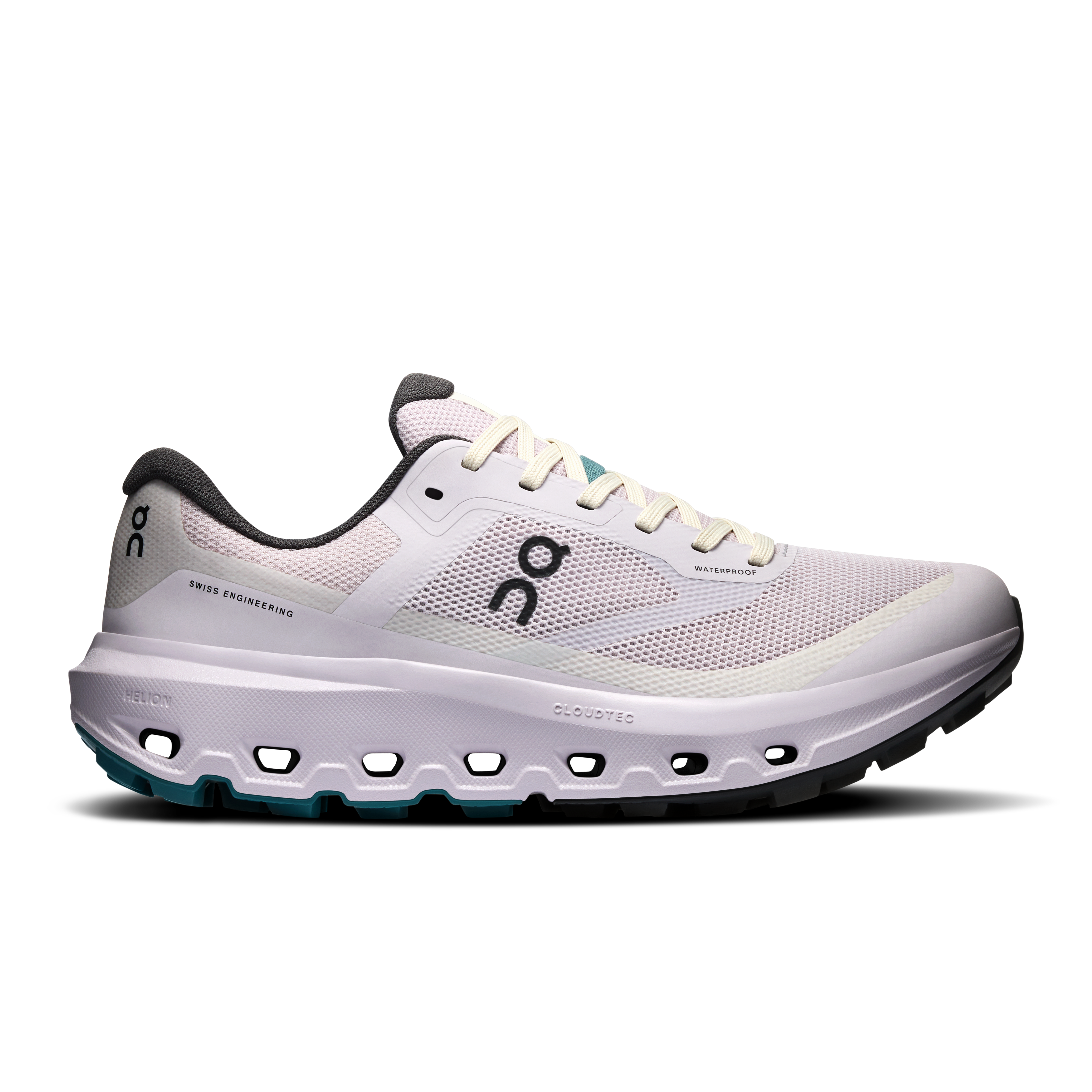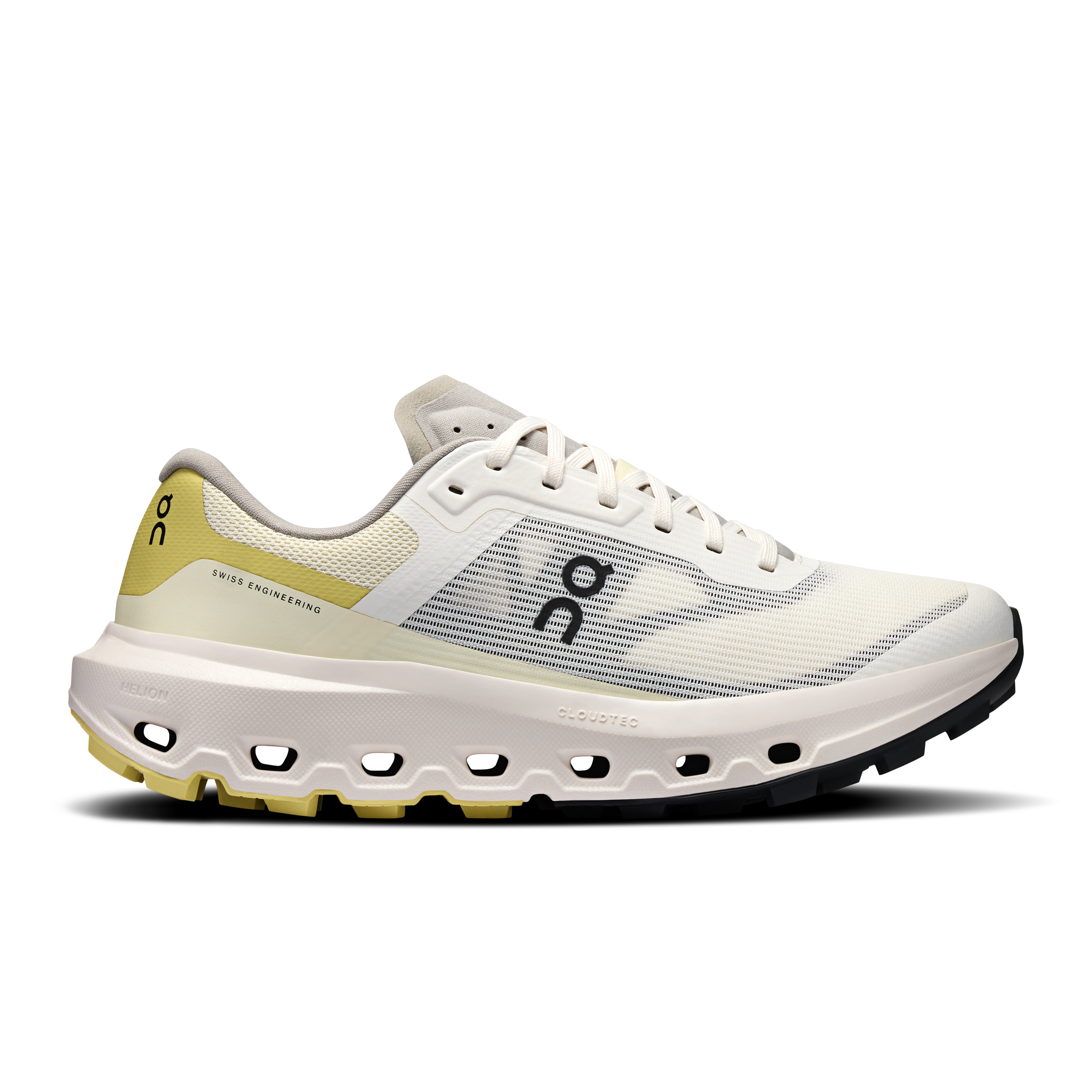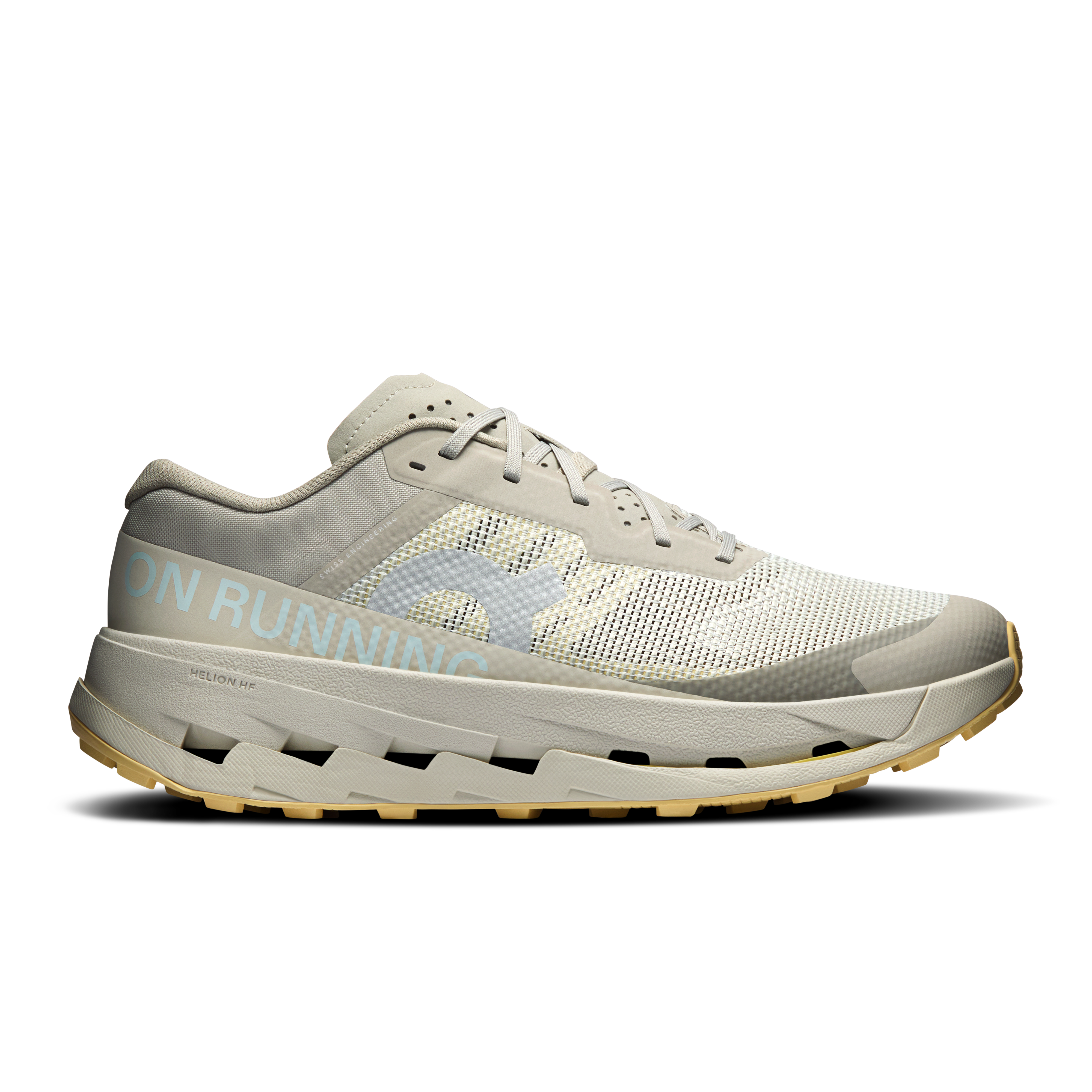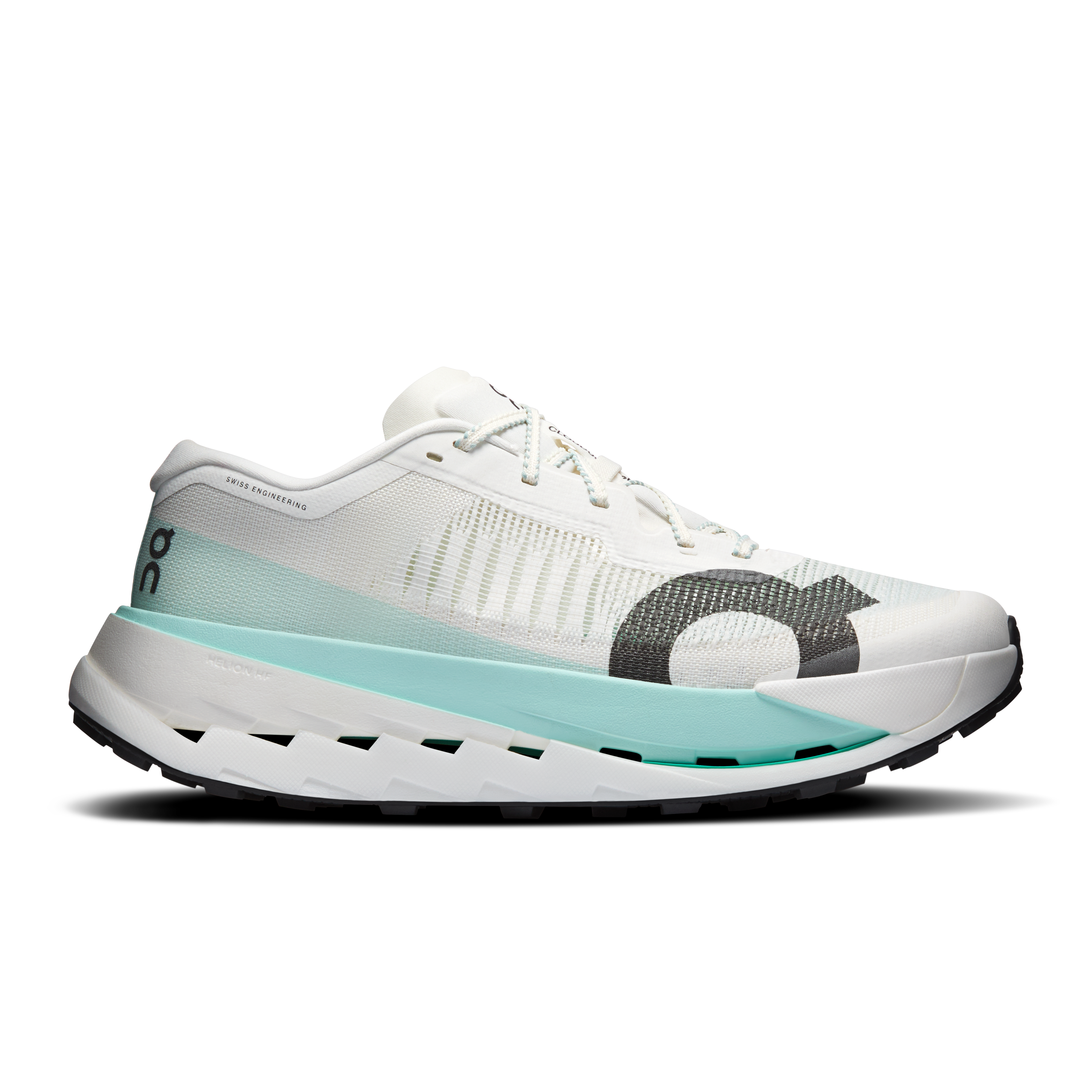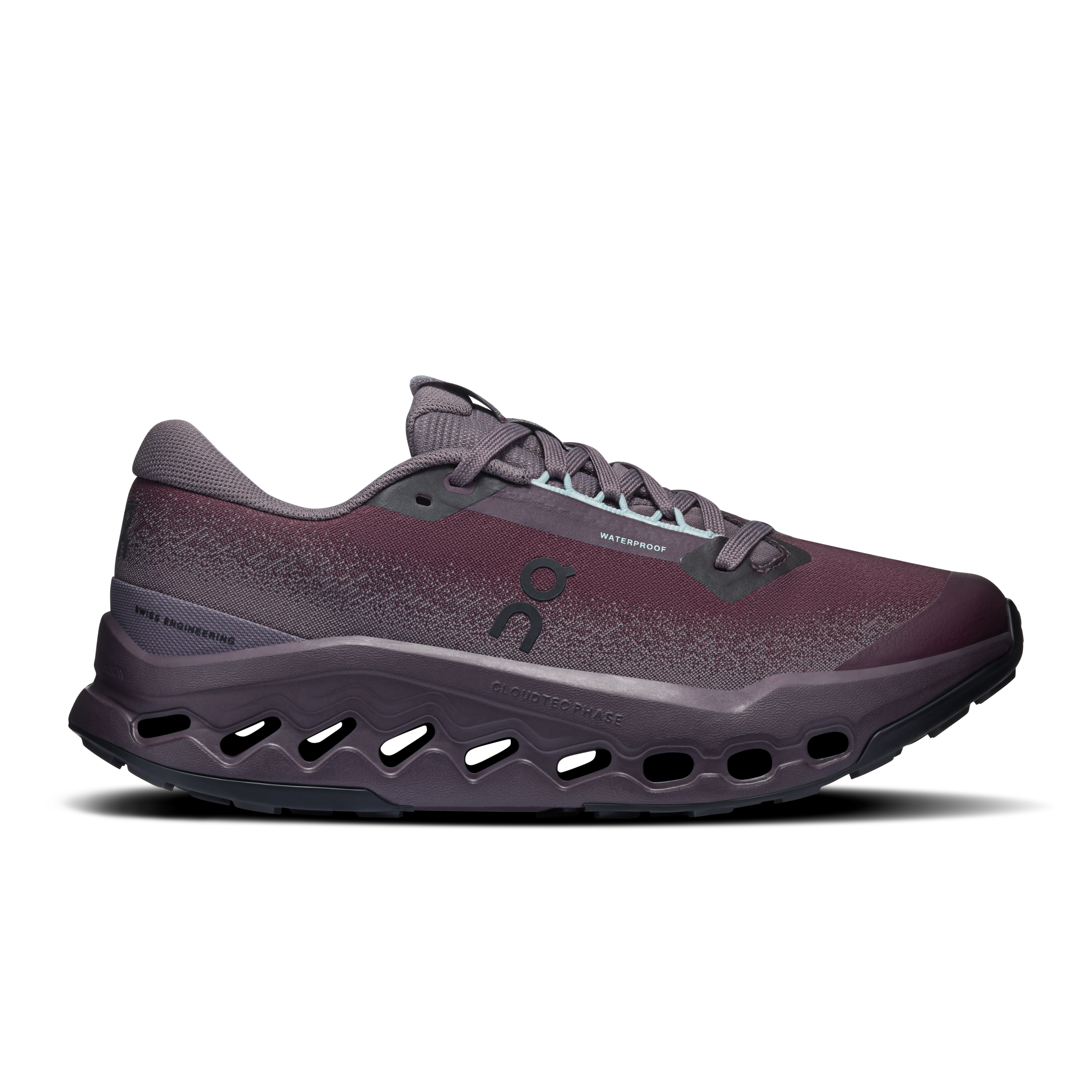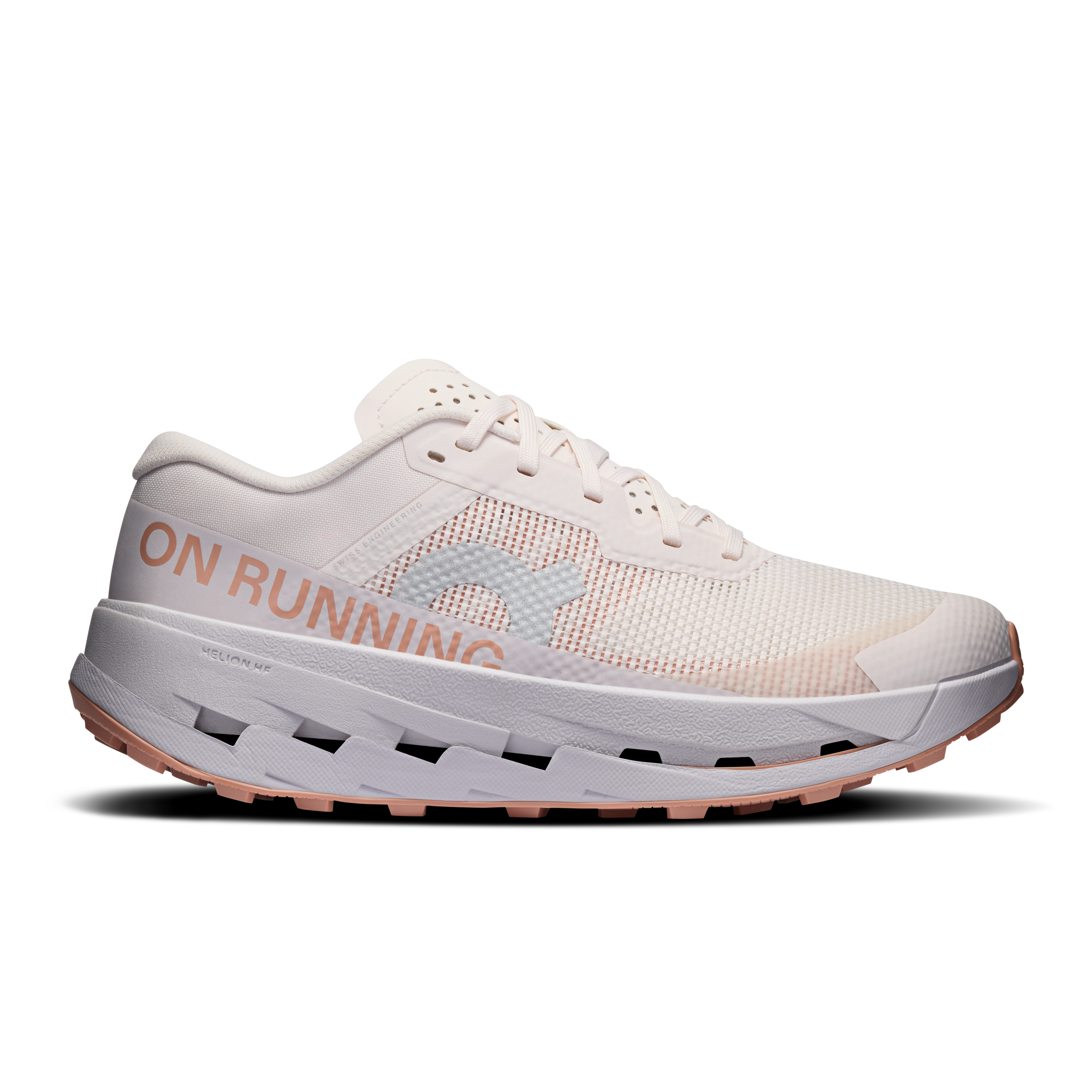
How to choose trail running shoes: A definitive guide
Trails vary. Your shoes should too. The right trail running shoes support grip, stability, and comfort across changing terrain – and knowing what to look for makes choosing them much easier.
Trail running places different demands on your shoes compared to other consistent surfaces. Uneven ground, loose gravel, and changing conditions all affect how your feet land and move.
Choosing the right trail running shoe comes down to understanding where you’ll run, how far you’ll go, and what helps you feel most stable and comfortable. Below, we break down the key features that matter, and how to match them to your terrain and running style.
Match your shoes to your trail and climate
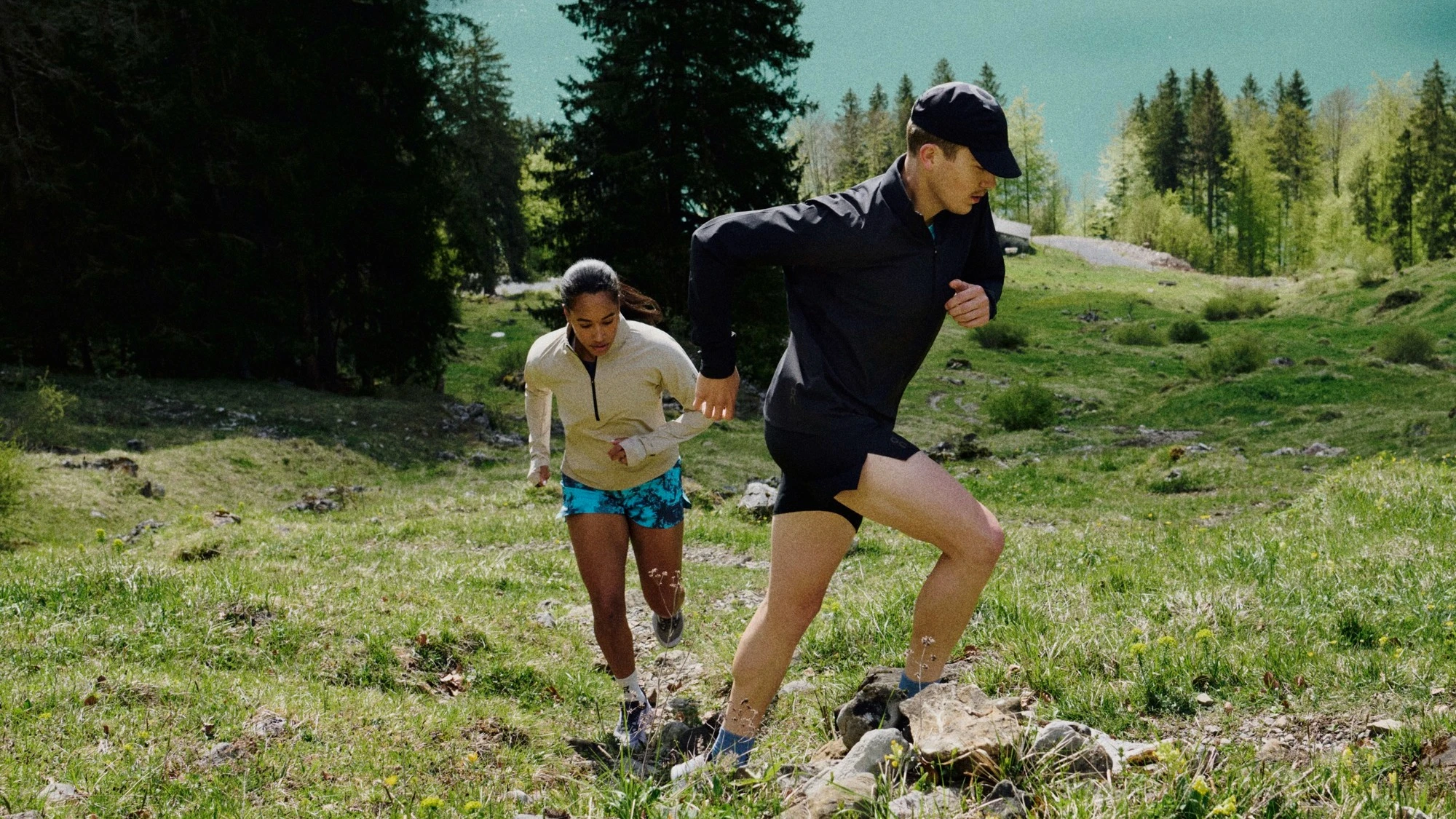
Where you run shapes what you need from your shoes. The surface underfoot (and the conditions around you) affect grip, comfort, and how long your shoes will last. Choosing a pair that suits your usual terrain helps you feel more stable and get more mileage out of them.
Here’s how to think about different trail types:
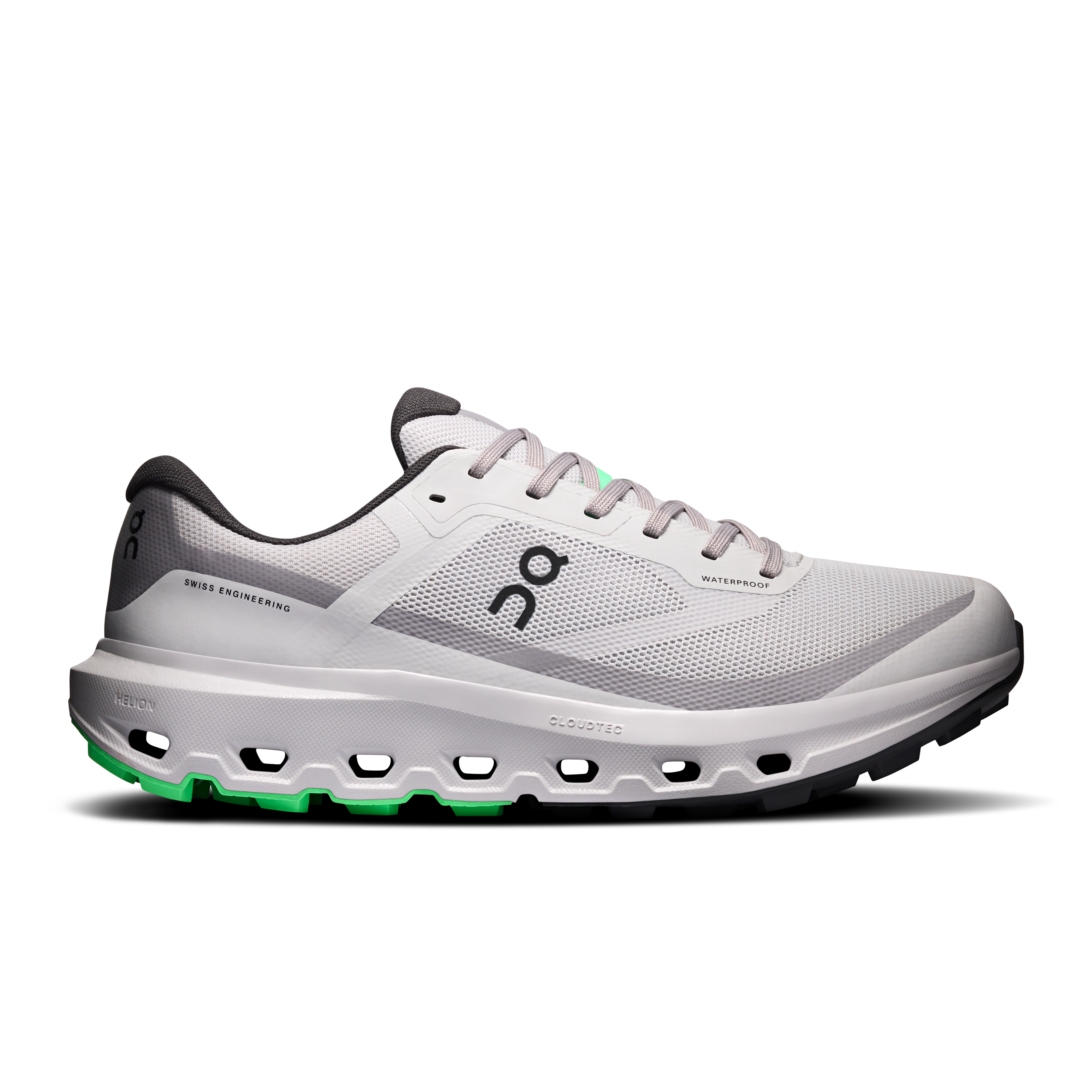
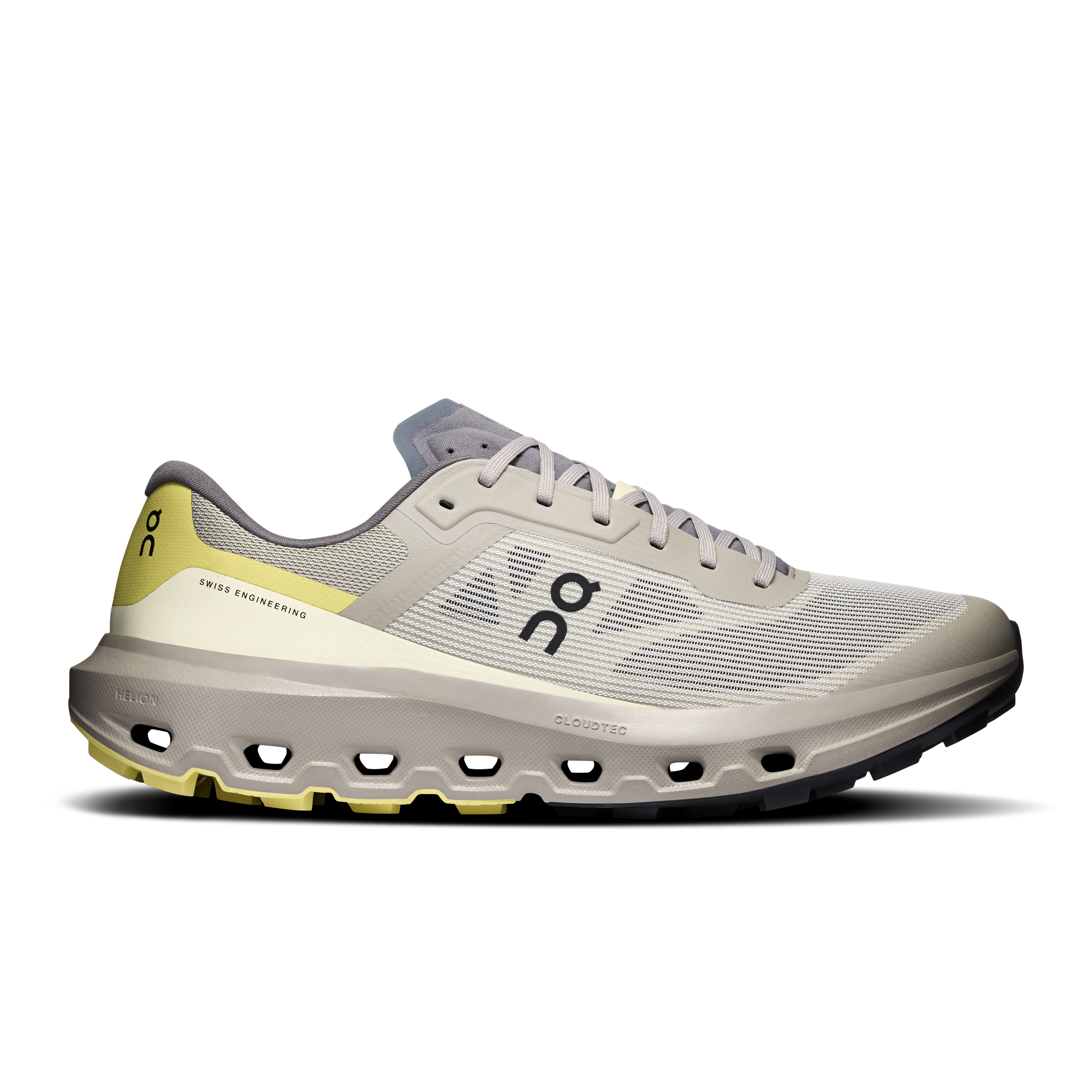
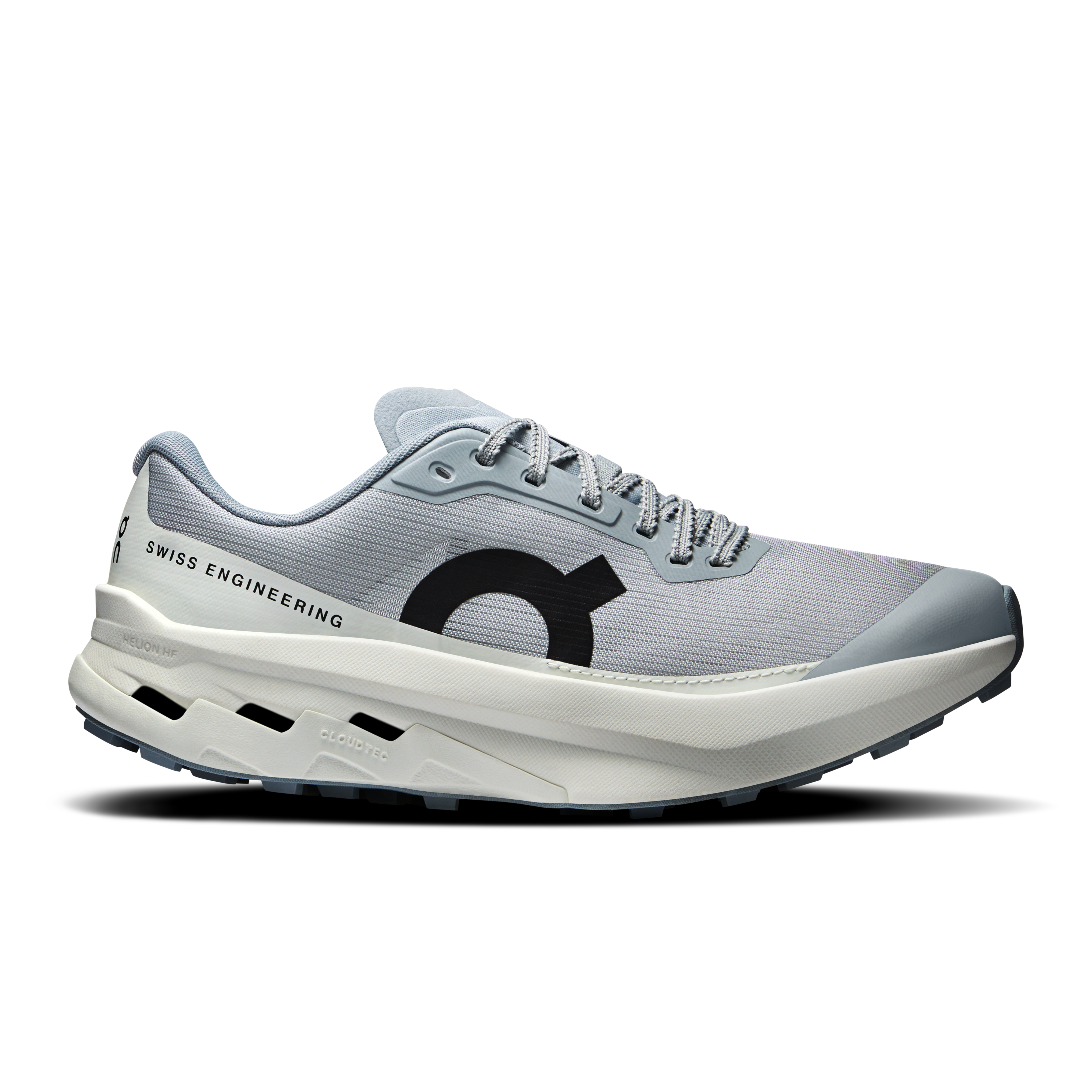
- Smooth, predictable paths: For hard-packed dirt or gravel, look for lightweight shoes with shallow lugs (2-4mm) and responsive cushioning. In warmer climates, breathability matters more. In cooler or wetter conditions, some water protection can help. - Technical, rocky trails: Mountain or alpine terrain calls for more protection. Features like rock plates, reinforced uppers, and durable materials help shield your feet from sharp rocks and uneven ground. In wet or cold environments, waterproofing can add comfort. - Soft, muddy conditions: Wet grass, mud, and fells demand traction. Shoes with deeper, multi-directional lugs (5mm+) provide better grip and help shed mud. Water-resistant materials are useful here, regardless of temperature. - Mixed terrain: If your runs move between road and trail, hybrid shoes are a good option. Moderate cushioning and less aggressive lugs offer a smoother feel on pavement, while still handling dirt and gravel confidently.
Find the right balance of grip, cushioning and drop
Trail running shoes work best when grip, cushioning, and drop are in balance. Together, they influence how stable the ground feels underfoot, how much impact your body absorbs, and how naturally your stride flows across uneven terrain.
Here’s how each factor comes into play.
Grip (outsole and lugs)
Grip helps your shoes stay planted on loose, wet or uneven surfaces. It comes down to lug depth and lug pattern.
Lug depth refers to how tall the rubber lugs are on the outside.
- Shallow lugs (2-4 mm) suit firm, smooth trails, offering better ground contact and a smoother ride. - Deep lugs (5+ mm) dig into soft ground like mud, snow, or loose dirt for added traction.
Lug pattern affects stability and control. Multi-directional lugs help with braking and balance on climbs and descents, while widely-spaced patterns allow mud to shed more easily, instead of building up underfoot.
Cushioning and comfort (stack height and feel)
Cushioning influences how much impact your shoes absorb and how connected you feel to the ground. Stack height (heel and forefoot) refers to how much foam sits between your foot and the trail:
- Lower stack offers more ground feel and control, which some experienced runners prefer on technical terrain. - Moderate stack balances cushioning and stability, making it a versatile option for most runners. - Maximal stack provides extra impact absorption via high foam volume, which can feel more comfortable on long distances, rougher trails, and beginner trail runners.
Cushioning feel also matters. Softer foams absorb impact and reduce fatigue over time, while firmer foams feel more responsive and precise underfoot. Neither is better. It’s about what feels stable and comfortable for you.
Heel-to-toe drop (impact on running form)
Drop is the height difference between the heel and forefoot stacks.
- High drop (8+ mm) is typical in traditional shoes, favoring heel-strikers, which reduces Achilles and calf strain, but potentially increases knee load. - Low drop (0-4 mm) encourages a flatter, more natural midfoot/forefoot strike, which can place more demand on the lower leg, if introduced too quickly.
For most runners, a moderate drop (4-8 mm) is generally the most comfortable starting point. It supports a natural stride without forcing sudden changes in form.
Find the perfect fit and protection
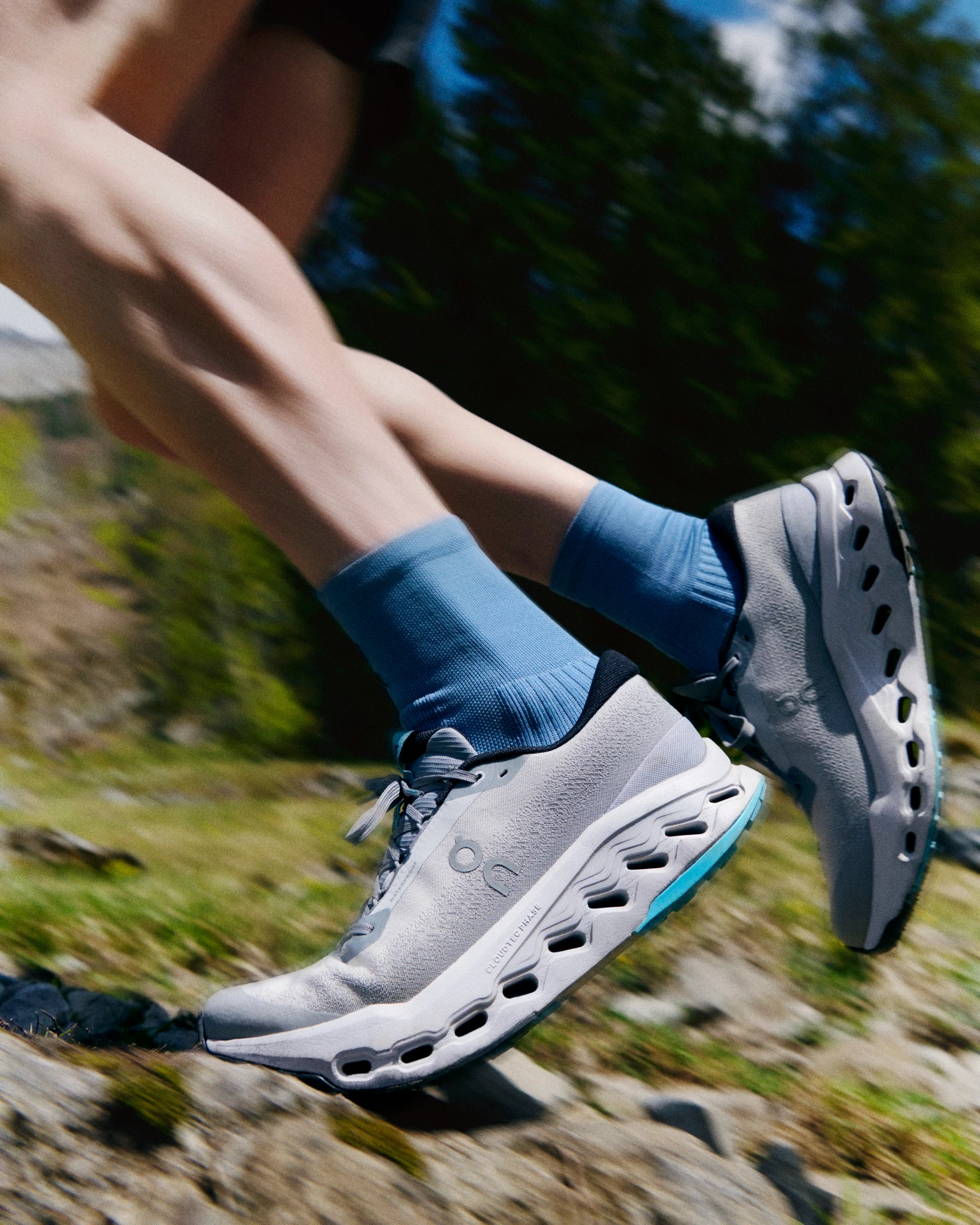
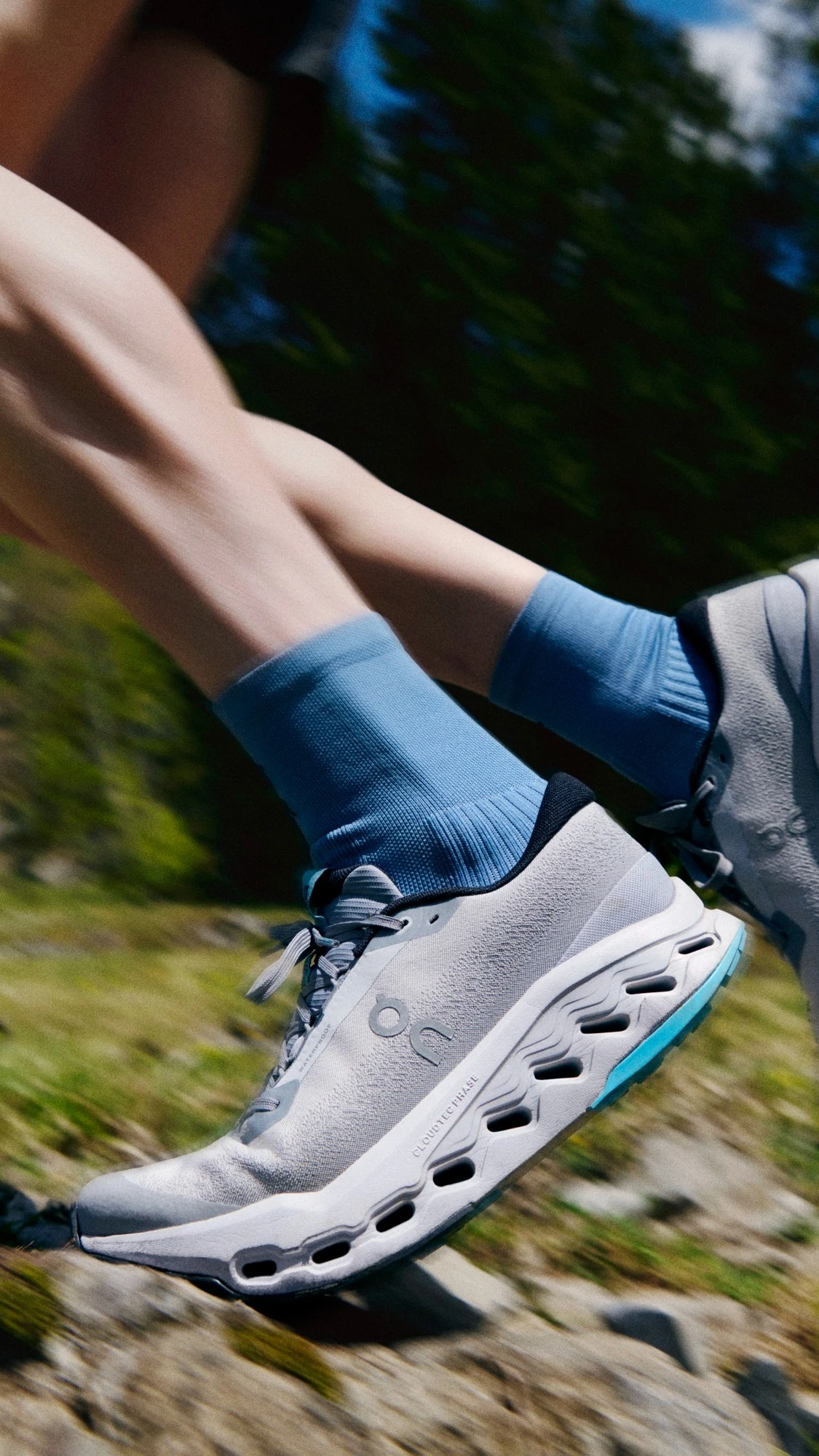
Grip and cushioning support what’s happening underfoot. The upper is what keeps your foot secure, comfortable, and protected as the terrain changes. Fit matters – especially on longer runs, where small pressure points can turn into real discomfort.
These features help your shoes stay comfortable and supportive from the first mile to the last.
Toe box shape and volume
The toe box is the front section of the shoe where your toes sit. Its shape and space play a big role in comfort, especially on trails.
On downhills, your foot naturally slides forward. Enough room (toe splay) allows your toes to spread and absorb impact without pressing into the front or sides of the shoe.
Feet also tend to swell as the distance and heat increase. A shoe that feels slightly relaxed when new often feels better later in a run, reducing friction as miles add up.
Upper construction and durability
The upper’s materials and structure affect both comfort and how long the shoe holds up on the trail.
Breathable mesh works well in warm, dry conditions, while reinforced materials and synthetic overlays offer extra protection on rocky or technical terrain. These reinforcements help guard against scuffs and abrasion, without adding unnecessary weight.
A secure midfoot fit is especially important on uneven ground. Thoughtful lacing systems and supportive upper designs help keep your foot stable, limiting unwanted movement inside the shoe.
A gusseted tongue – attached along the sides of the upper – helps block dirt, sand, and small stones from entering the shoe, keeping distractions to a minimum, even without gaiters.
Know when it’s time for a new pair
Trail running shoes don’t need to look worn out to be past their prime. Over time, cushioning compresses and traction fades, even if the upper still looks fine. Paying attention to mileage and how your shoes feel helps you decide when it’s time to rotate in a new pair.
Mileage expectations vs. terrain wear
Most trail running shoes last somewhere between 300 and 500 miles. Because trails are rougher than roads, many runners find their shoes feel best closer to the lower end of that range – often around 300 to 400 miles, depending on the terrain.
Sharp rocks, hard-packed dirt and deep mud all wear shoes differently. If the lugs are noticeably rounded or smoothed out, traction is likely compromised – a good sign it’s time for a new pair.
Step onto the trail with confidence and clarity
Choosing trail running shoes isn’t about finding the most advanced or expensive option. It’s a journey about matching fit, grip, and cushioning to where you run, and how you like to move outdoors.
When your shoes feel secure and predictable underfoot, you’re free to focus on the trail ahead. Start with what feels comfortable, trust your experience and let your shoes support the route you want to explore.
Frequently asked questions
What is the difference between trail running shoes vs. road running shoes?
Trail running shoes are designed for grip, durability, and protection on uneven, rugged terrain. Road shoes prioritize cushioning, lightness and breathability for smooth, paved surfaces.
Are waterproof trail shoes always better than mesh?
Not always. Waterproof shoes work well in cold, wet, or snowy conditions, but they’re less breathable. In warm weather, mesh uppers often feel more comfortable and dry faster.
Can I use road running shoes for light, non-technical trails?
Yes, road shoes can work on well-maintained dirt paths or fire roads, for example. But they offer less grip, stability, and protection than trail-specific shoes.
Can I run normally in trail running shoes?
Yes. Trail running shoes may feel slightly firmer or heavier than road shoes, and their tread can wear down faster on pavement, but they’re still built for running.
What is the purpose of a rock plate, and do I need one for every run?
A rock plate adds protection against sharp rocks and roots underfoot. It’s most useful on rocky or technical trails and isn’t necessary for smoother terrain.
What are gaiters, and do I need them?
Gaiters are lightweight fabric covers that attach to your shoe and ankle to keep debris, such as dirt, sand, mud, and small stones, from getting inside your shoe. They’re helpful in sandy, snowy or debris-heavy conditions, but they’re not essential for every run.