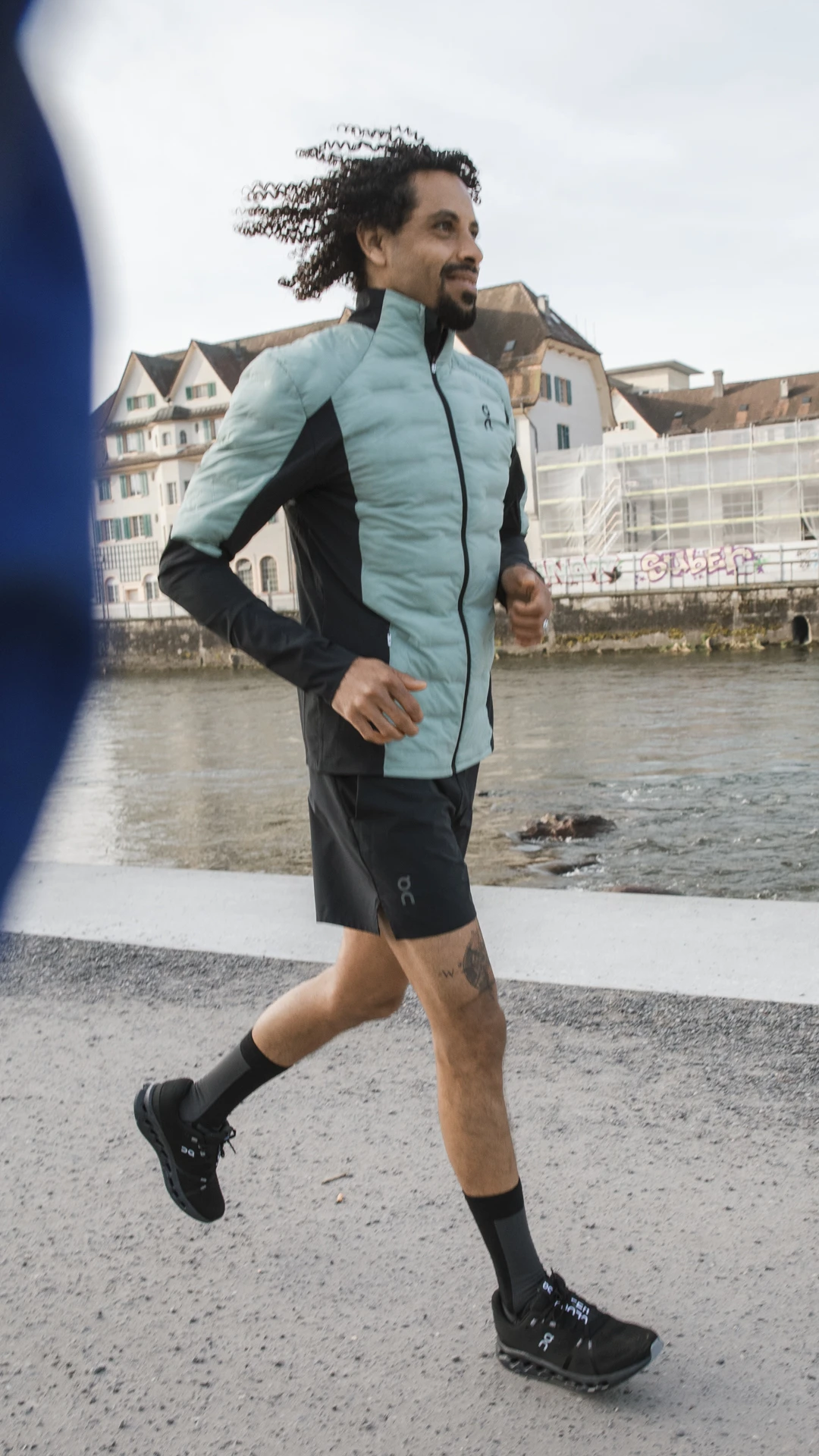
Using sport to help refugees find home in Zurich
"Sport connects people so easily. You don’t need to know anything about them; you’re all the same, doing sports."
Words by Moya Lothian-McLean. Photography by Mitch Zachary.
When Biniam Debesay first arrived in Switzerland, he hated running.
In Eritrea, the country of Biniam’s birth, he had been a footballer. He was talented enough that he was called up to play for the national team, but that drafting coincided with another: an attempt to forcibly conscript Biniam for mandatory Eritrean military service, which can last ‘indefinitely’.
At 28 years-old, Biniam, was forced to flee, one of thousands of young Eritrean refugees who make their way to Europe to escape a future riven by conflict. Today, he struggles to talk about what he went through, only sketching out the bare bones of his journey. His path took him first to an asylum center in Kreuzlingen, in north-east Switzerland, where he waited for his claim for residency to be processed.
After a short while, he was moved to a new center in Zurich, eventually being sent to different accommodation within the region. While Biniam waited for a decision, he found himself looking to offset some of the loneliness that had come with having to leave his whole life behind. At first, he joined a football club.
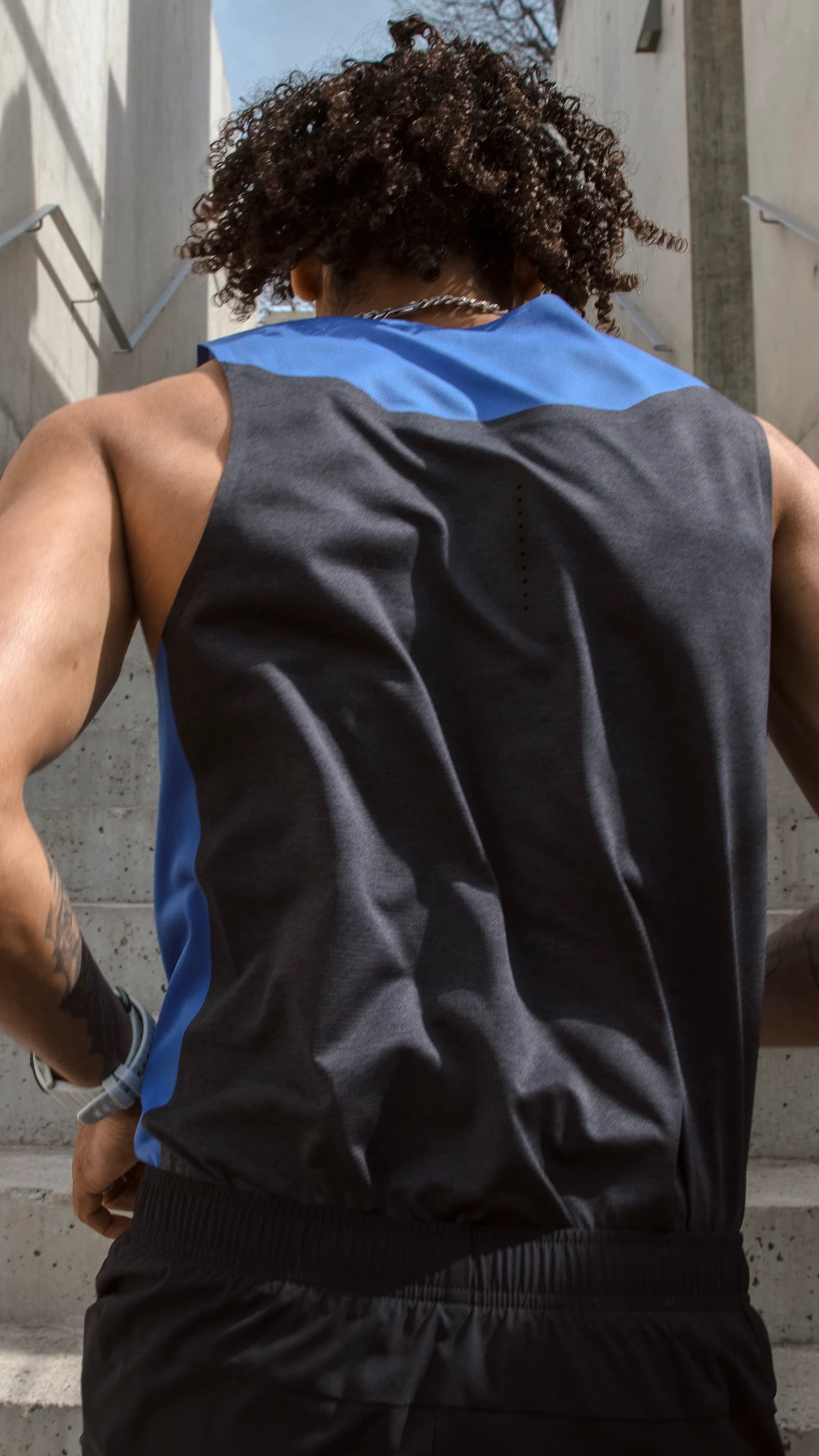
“I could never really connect with the people, or felt like I was in the group,” Biniam, now 34, says via video chat of his attempt to find community through football. “I never felt comfortable there, so I stopped going.”
As his asylum application moved through the various stages, Biniam was trying to find his place in the country. It was a complicated and isolating process that involved extensive paperwork, regular meetings with legal and state officials and handing over his biometric data. It took four years to complete; Biniam couldn’t fully settle until his future was decided.
“I struggled with understanding the culture, learning the language,” he remembers, via a translator. “I didn’t know [exactly] what was going on with my asylum procedure because everything was in German and there wasn’t a clear path I could seek help. I was always a bit lost and alone”.


After a year, he was put in touch with an organisation called Solidarus to attend some of their sporting events - they were free and Biniam was keen to exercise. Soon after that, he noticed large, diverse groups of runners gathering, organized by a parallel group called Sportegration.
Biniam “didn’t like running”, he says. “I was making fun of people who did it, I couldn’t understand it at all.” But the size of Sportegration’s group, and its variety of runners, appealed. Biniam decided to turn up to the next Wednesday session. He found himself among around 19 or so other people, running routes along the river snaking through the center of Zurich.
“We laughed a lot that evening,” he says. Biniam felt more comfortable and settled than he had in a long time, and despite his initial “hatred” of the sport, the experience was so positive he decided to go back. To his surprise, before long he found running was becoming an “obsession”.
“I could escape my problems,” Biniam recalls. “It stopped me thinking about my asylum process but also thoughts of my family back home. In this one hour of running, I could take a break from all my worries and be with the others.”
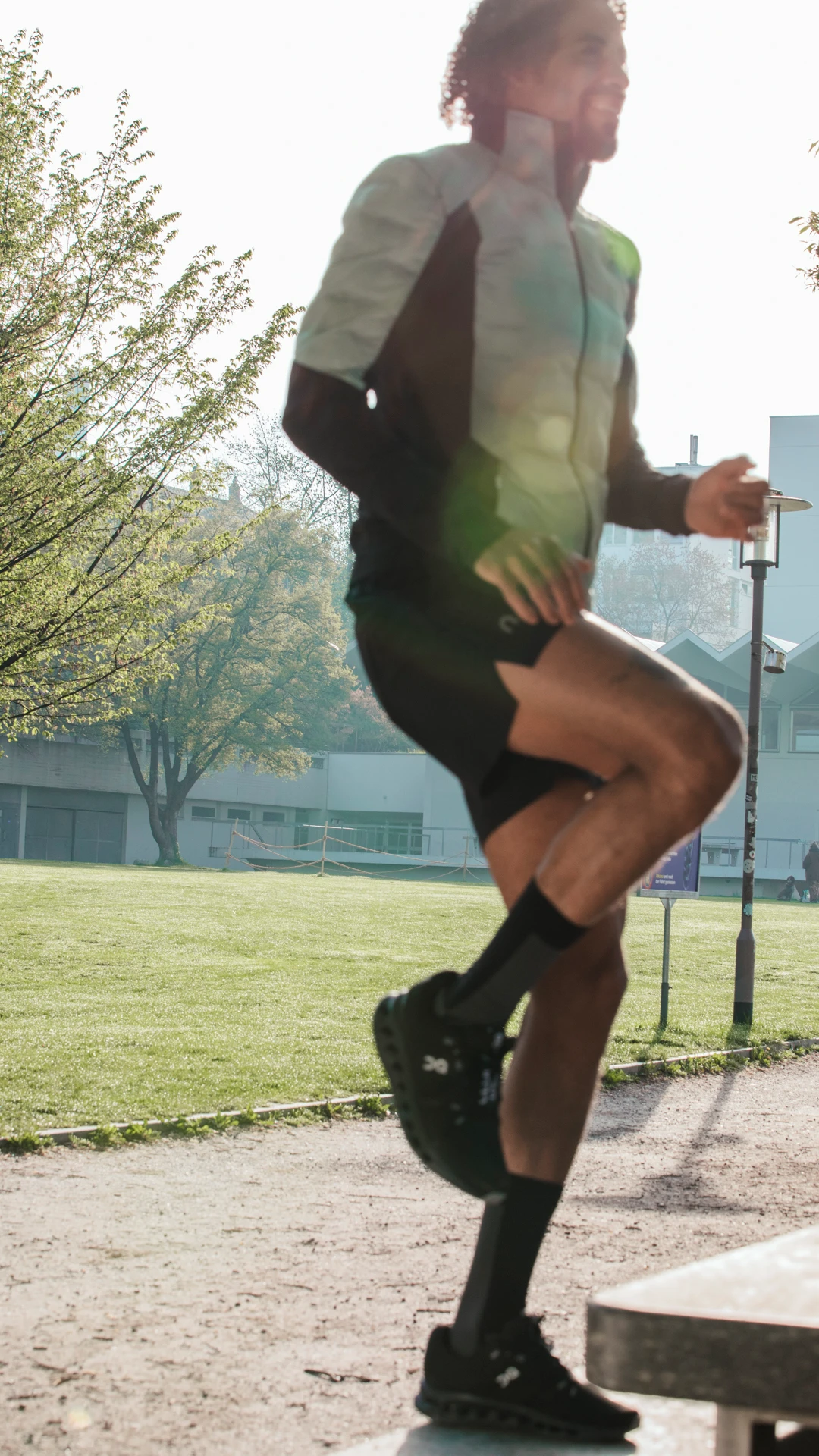
The others quickly stopped being just fellow Sportegration members and started becoming friends.
“It was beautiful to have the opportunity to meet so many people in one place,” he says.
Several were also Eritrean refugees; Biniam connected “very easily and fast” with them, bonding over shared experiences.
“Even after that first week, we were exchanging contacts and meeting, helping each other out [with our asylum journey],” he says. “It didn’t take much longer and then we started to meet for coffee and play ping pong.”
His twice weekly runs with Spotregration brought Biniam a new “family” in Switzerland. Four years on, he’s still a dedicated member, and taking running more seriously than ever. He runs at least 60 km a week, and is able to run a half-marathon in just over one hour.
“I might be a bit old to be an elite runner, but I’d like to enter more competitive races,” he says. “A big dream would be to get sponsorship,”.
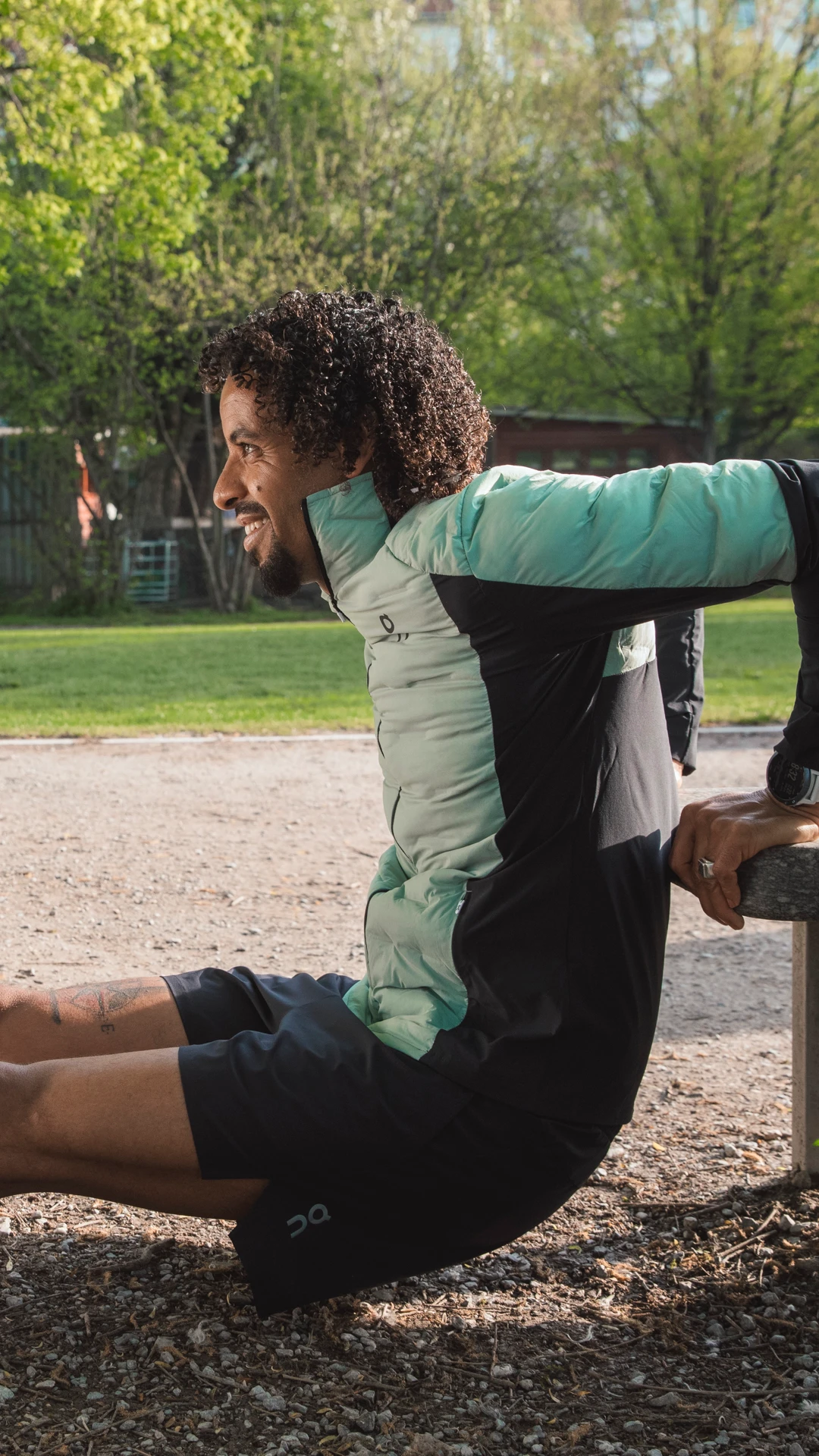
In the meantime however, with the support of Sportegration, Biniam is working to qualify as a running coach, alongside an apprenticeship to train as an engineer. He doesn’t just want to keep running “as a hobby”. It’s even overtaken football as his favorite form of exercise. Coaching, Biniam hopes, will allow him to pass on his knowledge and love of the practice to the next generation.
“Running has opened up so many opportunities for me,” he says. “But most of all, it’s given me the feeling of finally being part of society here. It’s helped me find my place in Switzerland and my friends”.
“Sport connects people so easily. You don’t need to know anything about them; you’re all the same, doing sports.”
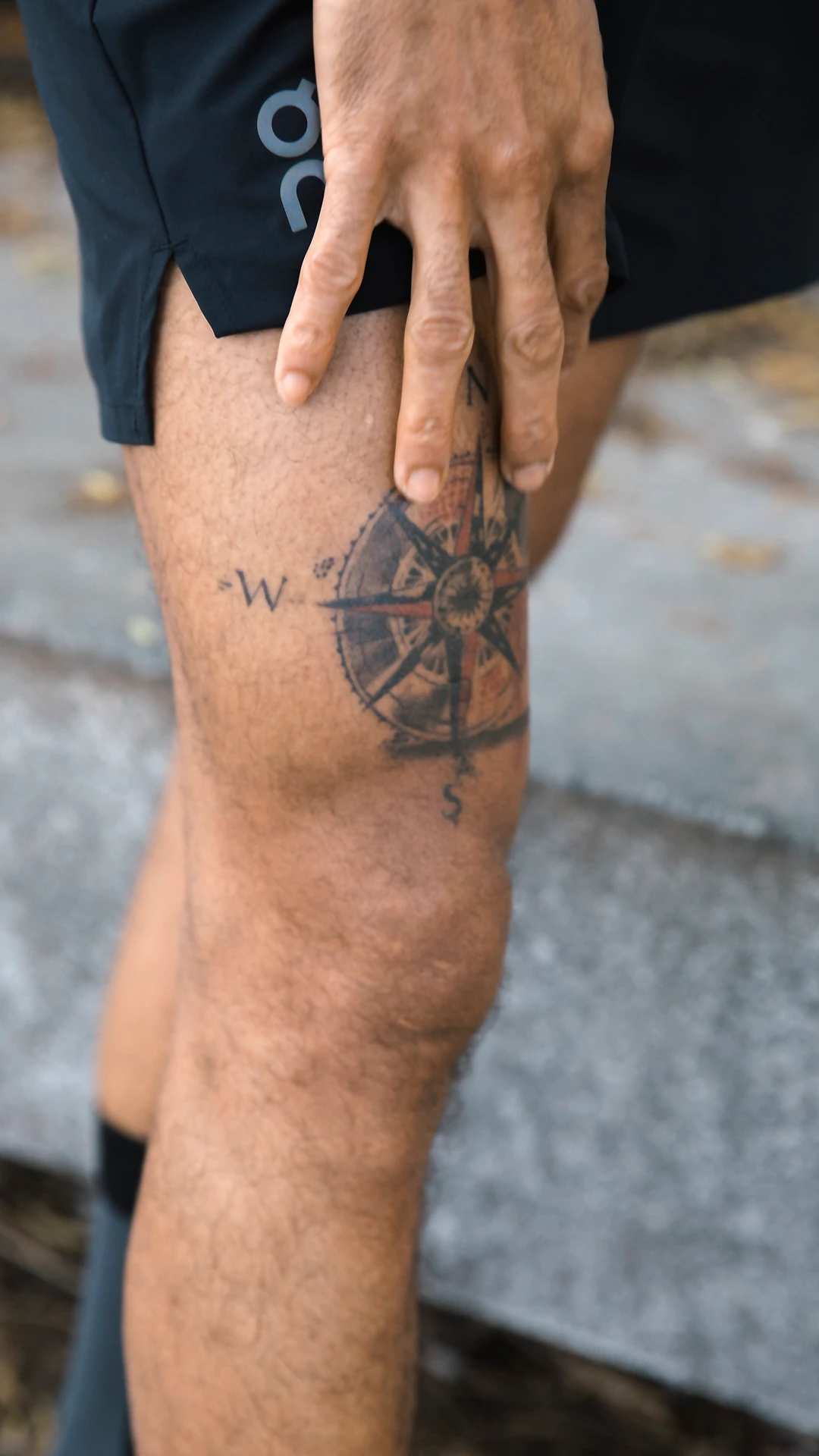
Sportegration’s mission is to use sport to help integrate young refugees into life in Zurich. Right To Run has partnered with Sportegration since the summer of 2017, providing product and financial support to help the organization create more opportunities for access to sport.
If you’re in the Zurich area and want to get involved, we’re hosting a panel discussion and community run with Biniam and the Sportegration team at On Labs in July. Discover more.
Find out more about Sportegration and Right To Run.