
A guide to running in the heat: Tips for handling hot weather runs
Hot-weather runs feel different from the first step. The effort arrives sooner, recovery matters more and even familiar paces can start to feel unfamiliar. Here’s how to adapt when temperatures climb.
Heat doesn't change the route. It changes the run.
Warm weather and humidity make the body work harder to cool itself down. Breathing feels heavier, sweat comes faster and paces that normally feel comfortable start demanding more effort.
But summer running isn’t just about slower splits. Hydration, recovery and sun exposure all become bigger considerations as the temperature rises.
For Caroline Candelise, an On ambassador, adapting to the heat is as much mental as physical. “During a run, especially in extreme conditions, I maintain a continuous internal dialogue in which I try to control my pace and bodily sensations,” she says. “When conditions become more difficult, rather than resisting, I try to anchor myself to what is around me in order to stay grounded.”
With the right timing, lighter gear and a more flexible approach to effort, running in the heat becomes something you adapt to. Here’s how to stay safer, recover smarter and keep enjoying your miles through the summer.
8 tips for running in the heat
If you’ve ever wondered how much slower you run in the heat, the answer is usually: more than you think. The goal isn’t to fight the conditions but adapt to them. Some days that means easing off the pace. Other days it means cutting the run short. Summer running rewards patience more than stubbornness.
1. Wear light, breathable clothing
What you wear can make a big difference once temperatures rise. Lightweight, quick-drying fabrics help move moisture away from the skin and release heat instead of trapping it close to the body.
Look for breathable layers, plenty of ventilation and pieces that keep air moving as you run. A lightweight cap, UV-protective layers and sunglasses can help make warm-weather miles feel more comfortable, too.
Explore lightweight clothing for hot weather and warmer miles.
2. Listen to your body
This matters in any conditions, but even more so when it’s hot. Start a little slower than usual and check in after 15 minutes. If you’re feeling good, gradually settle into your rhythm. If not, ease back.
Heat has a way of changing the effort quickly. Your heart rate climbs faster, sweat comes sooner, and a route that normally feels straightforward can suddenly feel demanding.
“Try, without being afraid,” says Candelise. “To listen to your body and learn to stop without shame when necessary, and then resume calmly.”
Sometimes the smartest thing you can do is slow down. Other times, it’s turning around and heading home early. Neither is a failed run.
“From an adaptation perspective, everything comes down to progression: not forcing, but gradually pushing slightly beyond your perceived limits,” says Candelise. “These limits are often more mental than physical, and they can only be redefined through repeated experience.”


3. Prioritize sun protection
Heat is one thing. Direct sun is another.
SPF matters on every warm-weather run, especially during longer efforts or midday miles. Sweat-resistant sunscreen can help protect exposed skin, even when the temperature doesn’t feel particularly hot.
A good running hat is worth its weight in gold on bright days. It helps keep the sun off your face, improves visibility and can make hot miles feel more manageable. Look for something lightweight with plenty of ventilation.
4. Stay hydrated
Sweat loss increases as the temperature rises, which means hydration matters before, during and after your run.
Drink consistently throughout the day instead of waiting until you’re thirsty. For longer runs, carry water or plan routes with refill stops. Even mild dehydration can turn a manageable run into a slog.
A vest like the Ultra Vest Pro can make hydration easier once summer mileage starts building.
Post-run, Candelise reaches for a filter coffee or a fresh orange juice. “It’s part of the recovery ritual,” she says, “both of which help restore balance and mark the transition from effort to recovery.”
5. Build heat tolerance over time
Unfortunately, there’s no shortcut here. Getting used to running in the heat takes time. For many runners, heat adaptation happens gradually over seven to 14 days. As the body adjusts, it becomes better at regulating temperature, managing sweat loss and coping with the extra effort that heat creates.
“Over time, and through many small attempts, you learn to recognize fatigue, not to fear it, and to manage it,” says Candelise. “The run finally becomes something to fully enjoy, without fear and with a greater sense of freedom.”
Some runners experiment with sauna sessions before summer training blocks or warm-weather races, but adaptation isn’t something you can rush. Build it one run at a time.
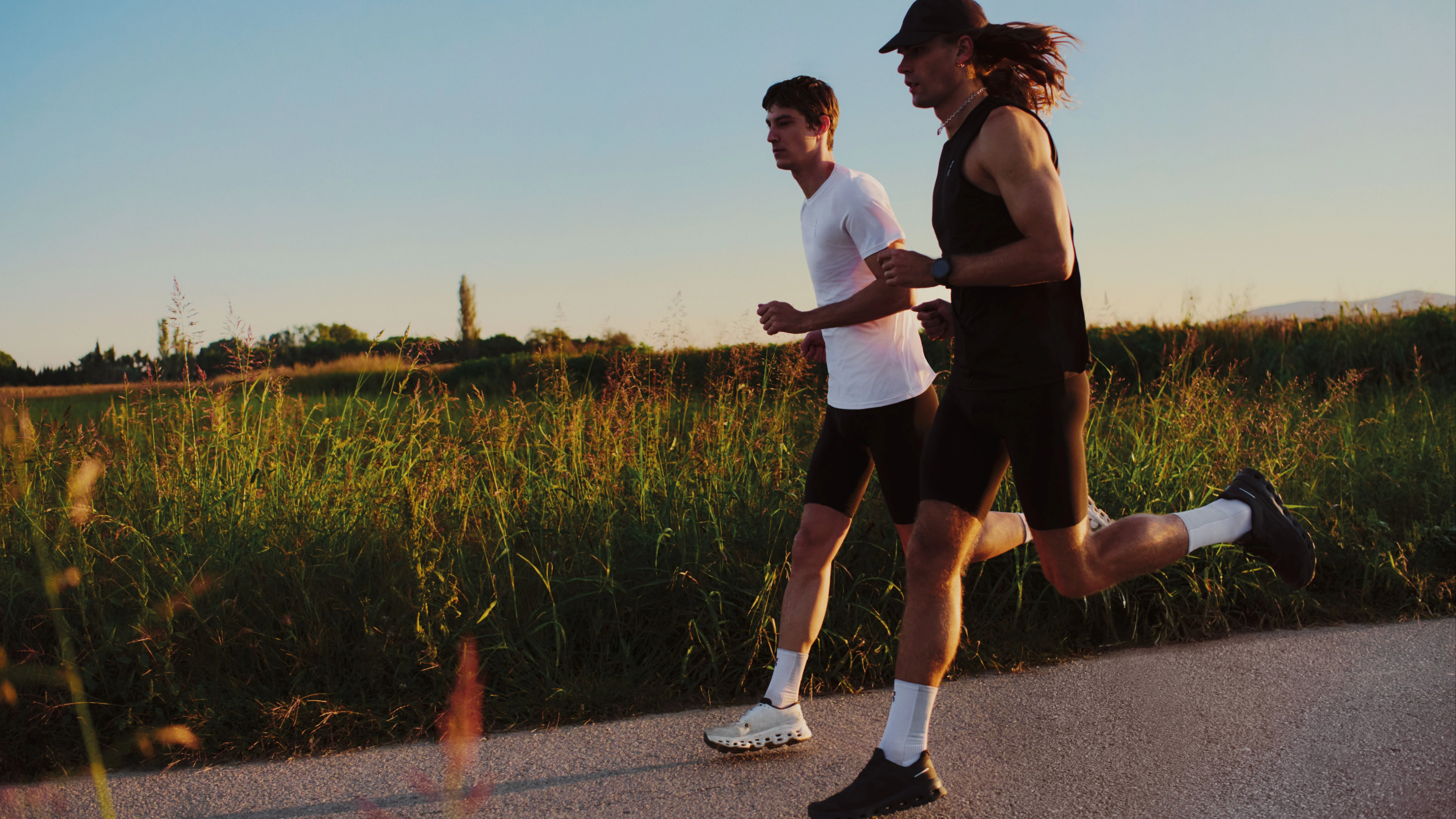
6. Adjust your timing
Be selective about when you run. Running in 90°F (32°C) weather can feel dramatically different depending on the time of day, direct sun exposure and humidity.
Many people assume noon is the hottest part of the day, but temperatures often peak later – usually around 3 p.m. – as heat continues building throughout the afternoon. At the same time, the sun is highest overhead around midday, meaning shade can be harder to find and UV exposure is often at its strongest. That’s why many runners shift their summer miles to earlier mornings or later evenings. The air is usually cooler, the effort feels more manageable and the pace often comes a little easier too.
7. Know when to stop
Some discomfort is part of running in the heat. Dizziness, nausea, headaches, chills or heavy breathing that won’t settle are not. These can be signs of heat exhaustion and mean it’s time to stop, cool down and recover.
Heat stroke is more serious and requires immediate medical attention. Confusion, disorientation, fainting or a lack of sweating despite extreme heat are all warning signs.
Sometimes the smartest training decision you’ll make is ending the run early. There’s always another day.
8. Prioritize cooling down
The run doesn’t really end once you stop moving. A few easy minutes of walking, lighter movement or stretching can help the body gradually settle back down.
If you’re wondering how to stay cool running in the heat, recovery matters just as much as the run itself.
“The most beautiful sensation during a warm-weather run is stopping at a fountain and soaking my hair and cap,” says Candelise. “It is a simple gesture, but it has an immediate effect on thermoregulation: it lowers core body temperature and helps counter heat stress.”
Cold water can feel like a reset after summer miles. Whether it’s splashing your face at a fountain, staying under a cool shower or taking a tip after a run, small moments of relief can go a long way when temperatures are high.
Cold plunges and ice baths can offer a similar feeling after longer efforts or race days. But often, giving your body time to cool down properly is enough.


Benefits of running in the heat
Some runs feel tougher from the first step. The air feels heavier, your breathing changes and the paces that normally feel comfortable suddenly require more effort. That’s the challenge of running in the heat. It’s also where the benefits come from.
“After the run, the feeling is equally rewarding,” says Candelise. “The heavy sweating gives almost a sense of bodily ‘reset,’ as if there is a form of purification and overall lightness. I feel lighter, both physically and mentally.”
So, is running in the heat good for you? When approached gradually, it can be.
Some potential running in the heat benefits include:
- Stronger heat tolerance: The more consistently you train in warm conditions, the better your body becomes at handling them. Summer runs that once felt overwhelming often start to feel manageable as your body adapts.
- Cooler runs can feel easier: Warm-weather training can increase blood plasma volume, one of the body’s key adaptations to heat. When temperatures drop, many runners notice familiar paces feel smoother and less demanding.
- You learn what effort actually feels like: Heat has a way of stripping things back. Instead of chasing pace, you learn to run by feel and pay closer attention to how your body responds from one day to the next.
- Greater confidence in difficult conditions: Hot-weather running teaches flexibility. Not every run will go to plan, and that’s okay. Learning to adapt can make you a more resilient runner overall.
- A deeper appreciation for recovery: Summer running quickly teaches you that what happens after the run matters too. Hydration, cooling down and rest all become part of the training process.





Run strong through the heat
Running in the heat requires a different kind of patience. The effort arrives sooner, recovery matters more, and some days, the smartest thing you can do is leave your usual pace expectations at home.
But summer runs have their own rewards too: longer evenings, quieter mornings and the first cool breeze after a difficult climb. Stopping at a fountain halfway through a run and finishing drenched in sweat, knowing you adapted to something that once felt too hard.
“The value of support should not be underestimated,” says Candelise. “Running with someone, especially at the beginning, can make a huge difference both mentally and in terms of safety and confidence.”
The right gear – like a lightweight soft sweater for cooler starts or a loose cotton T-shirt for easy miles – can help make hot-weather miles more comfortable. But the real skill is learning to work with the conditions instead of fighting them. You’re not trying to beat the heat. You’re learning how to move with it.