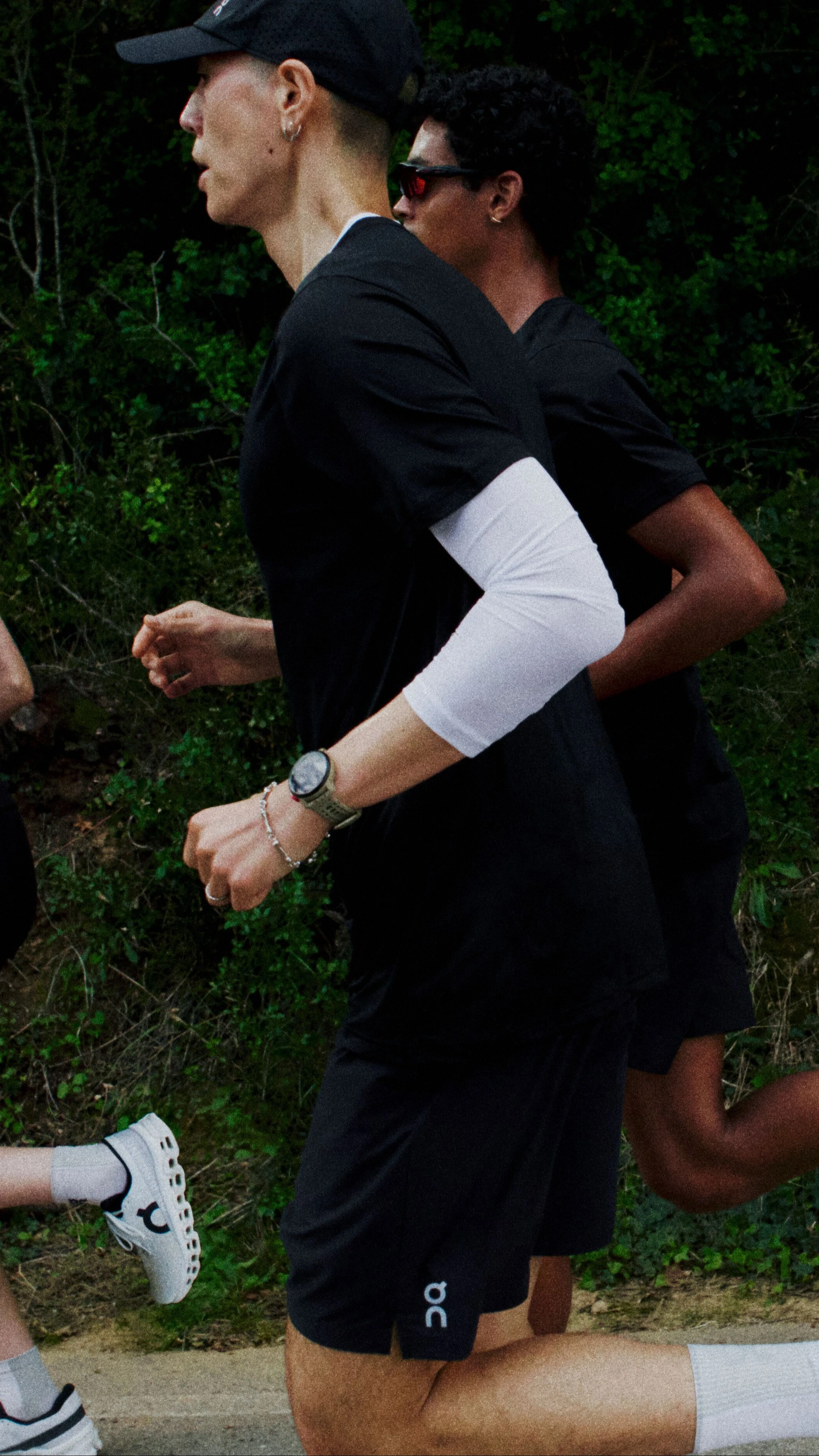
10K training plan: Build speed, endurance and race-day confidence
Short enough to push your pace, long enough to test your endurance, here’s how to train for your fastest 10K yet.
The 10K sits in a sweet spot between speed and endurance. It’s long enough to demand stamina, but short enough that pace still matters from the first kilometer to the last.
A good 10K training plan develops both. Easy miles, speed sessions and recovery days work together to help your body adapt without tipping into burnout. “A good training plan shouldn’t leave you feeling constantly exhausted,” says Lisa Felicitas Rihm, an On ambassador and 2:42 marathoner. “It has to be structured in a way that allows hard sessions and easier days to complement each other: that balance is what keeps both the body and the mind motivated over time.” Whether you're training for your first 10K or chasing a personal best, the plans ahead are designed to meet you where you are and build from there. “Honestly, I love the structure of training plans,” says Felicitas Rihm. “I love that I don’t have to constantly think about what to train and when. I fully trust the process and the work my coach puts in when creating my plan.”
What makes a good 10K training plan?
A 5K training plan leans toward speed, while a marathon training plan focuses on endurance. The 10K sits right in between the two, so your training needs to develop both.
A solid plan includes three core elements:
- A weekly long run to build your aerobic base
- Speed sessions to develop pace and VO2 max
- Easy runs to support recovery and consistency
When Felicitas Rihm is chasing a fast 10K time, she prioritizes VO2 max sessions. “Even though they’re my least favorite workouts, mentally, that’s exactly the point: the magic is in the combination,” she says. “The sessions need to complement each other and build on one another over time. That balance is what creates long-term progress.”
Progression matters just as much as the workouts themselves. Increase your mileage gradually – no more than 10% week over week – and aim to keep your long run to roughly 25-30% of your total weekly volume.
Recovery is part of the training too. the final weeks before your race, dial back your mileage. The taper gives your body time to absorb the training and top up your energy stores so you arrive on race day feeling fresh rather than fatigued. If your legs feel heavy in the last few weeks, take it as a sign to pull back.
For Felicitas Rihm, the mentally hardest parts are the deload weeks and the taper itself. “Ironically, that’s when I often feel the most tired, sluggish, and emotionally drained,” she says. “My body finally has enough space to show me just how close to the limit I’ve been training before.” She adds those quieter weeks can bring doubt too: “Am I doing enough? Is my body too exhausted? Am I making the progress I hoped for? But almost every time, the energy returns before race day. “The motivation, hunger and excitement to train again all come back,” she says.
“Someone once described it to me as holding back water with your hand,” she says. “The pressure keeps building and building until eventually, on race day, you can finally let it all out and show what you’re capable of.”

Choose the right starting point
The right 10K training plan depends on your current fitness and your goal.
Beginner
You can run a 5K without stopping and want to build toward longer distances. Your weekly mileage is likely under 12 miles. The focus here is consistency: gradually increase mileage with plenty of easy running and recovery.
Intermediate
You run three to four times a week and have some race experience. Your weekly mileage sits between 12 and 25 miles. The goal shifts from simply finishing to improving, with more structured speed workouts like tempo runs, progression runs and race-pace efforts.
Advanced
You’re experienced, consistent and training toward a specific time goal. Weekly mileage sits around 30+ miles a week. Expect higher volume, more demanding workouts, and a greater emphasis on pace precision and recovery.
Before you start, it helps to understand the building blocks of most 10K plans:
- Long runs: Your longest run of the week. Keep them steady, conversational and consistent.
- Easy runs: Lower-intensity runs that build mileage without adding excessive fatigue. If you can’t hold a conversation, slow down.
- Rest days: Not optional. Essential for recovery and adaptation.
- Cross-training: Low-impact work (cycling, swimming, or rowing) to maintain fitness while reducing stress on the body.
- Strength training: One to two sessions per week to improve durability and running economy – helping you run faster with less effort.
How to find your 10K pace
Your most recent 5K can help estimate your 10K pace. Add roughly 15-30 seconds per mile to your 5K pace, or multiply your 5K finish time by 2.1 for a predicted 10K finish time.
If you haven't raced a 5K yet, use effort instead:
- “Easy” is fully conversational. This should make up most of your training.
- “Tempo” is challenging but controllable. Hard enough to build fitness, sustainable enough to hold for 20-40 minutes.
- “Race pace” is hard but sustainable across the full 10K distance. Controlled but challenging – harder than tempo pace.
5K finish time | 5K pace (per mile) | Estimated 10K finish time | Estimated 10K pace (per mile) |
17:00 | 5:28 | 35:30 | 5:43 |
20:00 | 6:26 | 41:50 | 6:44 |
25:00 | 8:03 | 52:15 | 8:25 |
30:00 | 9:39 | 1:03:00 | 10:09 |
35:00 | 11:17 | 1:15:00 | 12:05 |
40:00 | 12:54 | 1:28:00 | 14:11 |
Beginner 10K training plan
This beginner 10K training plan is designed for runners who can already complete a 5K and are ready to build toward a longer distance. If you’re new to running, consider starting with a Couch-to-10K plan first.
The goal here is to cross the finish line feeling strong. If you need to take walking breaks along the way, take them. Building endurance takes time. That's exactly what this plan gives you.
Weeks until race | Monday | Tuesday | Wednesday | Thursday | Friday | Saturday | Sunday | Total weekly mileage |
1 | Easy run: 2.5 miles | Rest | Easy run: 2.5 miles 4-6 | Rest | Easy run: 2 miles | Long run: 3 miles | Rest or optional cross-training | 10 |
2 | Easy run: 3 miles | Rest | Easy run: 2.5 miles | Rest | Easy run: 2 miles | Long run: 3.5 miles | Rest or optional cross-training | 11 |
3 | Easy run: 3 miles | Rest | Easy run: 3 miles plus 4-6 strides (optional) | Rest | Easy run: 2 miles | Long run: 4 miles | Rest or optional cross-training | 12 |
4 | Easy run: 3.5 miles | Rest | Easy run: 3 miles plus 4-6 strides (optional) | Rest | Easy run: 2.5 miles | Long run: 4 miles | Rest or optional cross-training | 13 |
5 | Easy run: 3.5 miles | Rest | Easy run: 3.5 miles plus 4-6 strides | Rest | Easy run: 3 miles | Long run: 4.5 miles | Rest or optional cross-training | 14 |
6 | Easy run: 4 miles | Rest | Easy run: 3.5 miles plus 4-6 strides | Rest | Easy run: 3 miles | Long run: 4.5 miles | Rest or optional cross-training | 15 |
7 | Easy run: 3.5 miles | Rest | Easy run: 3 miles plus 4-6 strides (optional) | Rest | Easy run: 2.5 miles | Long run: 4 miles | Rest or optional cross-training | 13 |
8 | Easy run: 3 miles | Rest | Easy run: 2 miles plus 4-6 strides (optional) | Rest | Easy run: 1 mile | Race Day | Rest | 11 |
All runs in this plan are intentionally easy. The goal is to build endurance, not speed. Run them at a conversational pace (so it’s the perfect excuse to recruit a friend to train with).
Cross-training is optional. If your body needs rest, take it. If you want to move, keep it light.
Strides are included as a progression tool, but these are also optional. Think short, gradual accelerations lasting about 20 seconds, building up towards faster running.
Intermediate 10K training plan
You've already crossed a 10K finish line. Now, the focus shifts from finishing to running faster.
This plan includes one quality session each week, typically a tempo run or race-pace workout. These sessions help your goal pace feel more familiar, controlled and sustainable over longer efforts.
Keep your warm-ups and cooldowns easy. Dynamic drills like leg swings, A-skips and butt kicks help prepare your body for faster running without adding unnecessary fatigue.
Cross-training days should support your aerobic fitness, not compete with your running. Easy cycling, swimming or rowing work well here. Save the harder efforts for your running workout days.
If you’re adding strength training, one to two sessions a week is enough. Pair them with harder running days – for example, after a Tuesday speed session – so your recovery days stay exactly that.
Weeks until race | Monday | Tuesday | Wednesday | Thursday | Friday | Saturday | Sunday | Total weekly mileage |
1 | Easy run: 2.5 miles | Tempo: 1 mi warmup 1.5 mi tempo 0.5 mi cooldown | Easy run: 3 miles plus 4-6 strides | Cross-training | Easy run: 3 miles | Long run: 4 miles | Rest | 15 miles |
2 | Easy run: 2.5 miles | Race pace: 1 mi warmup 2 mi at 10K pace cooldown | Easy run: 2.5 miles plus 4-6 strides | Cross-training | Easy run: 3 miles | Long run: 5 miles | Rest | 16 miles |
3 | Easy run: 3 miles | Tempo: 1 mi warmup 2 mi tempo cooldown | Easy run: 3 miles plus 4-6 strides | Cross-training | Easy run: 3 miles | Long run: 4.5 miles | Rest | 17.5 miles |
4 | Easy run: 3 miles | Race pace: 1 mi warmup 2.5 mi at 10K pace cooldown | Easy run: 3 miles plus 4-6 strides | Cross-training | Easy run: 3.5 miles | Long run: 5 miles | Rest | 19 miles |
5 | Easy run: 3.5 miles | Tempo: 1 mi warmup 2.5 mi tempo cooldown | Easy run: 3 miles plus 4-6 strides | Cross-training | Easy run: 4 miles | Long run: 5 miles | Rest | 20 miles |
6 | Easy run: 3.5 miles | Race pace: 1 mi warmup 3 mi at 10K pace cooldown | Easy run: 3.5 miles plus 4-6 strides | Cross-training | Easy run: 4 miles | Long run: 5.5 miles | Rest | 21 miles |
7 | Easy run: 3 miles | Tempo: 1 mi warmup 2 mi tempo cooldown | Easy run: 3 miles plus 4-6 strides | Cross-training | Easy run: 3 miles | Long run: 5 miles | Rest | 18 miles |
8 | Easy run: 3 miles | Easy run: 2 miles plus 4-6 strides | Easy run: 3 miles | Cross training | Easy run: 1.5 miles | Race Day | Rest | 15 miles |
Advanced 10K training plan
If you've been running consistently for years and already have a strong aerobic base, this plan is designed to help you run your fastest 10K yet.
Expect two quality sessions per week, including intervals, tempo runs and race-paced workouts. “When it comes to speed workouts, variation is key for me,” says Felicitas Rihm. “I believe the best progress comes from combining VO2 max sessions, threshold work, and more moderate efforts in a smart and progressive way.”
Many interval sessions are run at 5K pace or faster. Training above your goal 10K pace pushes your VO2 max – your body's ability to use oxygen efficiently at high effort — helping your race pace feel more controlled.
As intensity increases, recovery matters even more. Keep easy days easy and if you’re adding strength training, pair it with harder workout days to stack stress strategically and protect recovery.
Weeks until race | Monday | Tuesday | Wednesday | Thursday | Friday | Saturday | Sunday | Total weekly mileage |
1 | Easy run: 5 miles | Intervals: 2 mi warmup 6 × 400m @ 5K pace (90 sec recovery) 1 mi cooldown | Easy run: 5 miles plus 4-6 strides | Cross-training | Tempo: 2 mi warmup 3 miles tempo cooldown | Long run: 8 miles | Rest | 30 miles |
2 | Easy run: 5 miles | Intervals: 2 mi warmup 5 × 800m @ 5K pace cooldown | Easy run: 5 miles plus 4-6 strides | Cross-training | Race Pace: 2 mi warmup 3 miles at 10K pace cooldown | Long run: 8 miles | Rest | 32 miles |
3 | Easy run: 6 miles | Intervals: 2 mi warmup 6 × 800m @ 5K pace cooldown | Easy run: 6 miles plus 4-6 strides | Cross-training | Tempo: 2 mi warmup 4 miles tempo cooldown | Long run: 7 miles | Rest | 35 miles |
4 | Easy run: 6 miles | Intervals: 2 mi warmup 4 × 1 mile @ slightly faster than 10K pace cooldown | Easy run: 6 miles plus 4-6 strides | Cross-training | Race pace: 2 mi warmup 4 miles at 10K pace cooldown | Long run: 7 miles | Rest | 37 miles |
5 | Easy run: 6 miles | Intervals: 2 mi warmup 8 × 600m @ 5K pace cooldown
| Easy run: 6 miles plus 4-6 strides | Cross-training | Tempo: 2 mi warmup 5 miles tempo cooldown | Long run: 8 miles | Rest | 39 miles |
6 | Easy run: 6 miles | Intervals: 2 mi warmup 5 × 1 mile @ 10K pace cooldown | Easy run: 6 miles plus 4-6 strides | Cross-training | Race Pace: 2 mi warmup 4 miles at 10K pace cooldown | Long run: 9 miles | Rest | 40 miles |
7 | Easy run: 5 miles | Intervals: 2 mi warmup 5 × 600m @ 5K pace cooldown | Easy run: 5 miles plus 4-6 strides | Cross-training | Race Pace: 2 mi warmup 3 miles at 10K pace cooldown | Long run: 10 miles | Rest | 34 miles |
8 | Easy run: 5 miles | Intervals: 1.5 mi warmup 4 × 400m @ 5K pace cooldown | Easy run: 4 miles plus 4-6 strides | Cross-training | Easy run: 2 miles | Race Day | Rest | 22 miles |
Key workouts that build a strong 10K
Each workout below targets a different part of your fitness so you arrive on race day prepared, with a strong foundation.
Easy runs
Easy runs are done at a conversational pace, comfortable enough that you could hold a full conversation without gasping for air. They should make up the majority of your training, building your aerobic base and giving your body space to recover between harder sessions.
One study tracked elite long-distance runners over seven years and found that easy running was one of the strongest predictors of performance, more so than interval training. Don't underestimate the slow miles.
Tempo runs
Tempo runs are sustained efforts at a comfortably hard pace: controlled, but still challenging. Most runners will find their tempo pace sits roughly 20-30 seconds per mile slower than their 5K pace.
Tempo running trains your body to manage lactate buildup so your legs stay stronger for longer. Lactate builds up during harder efforts and when your body can’t clear it quickly enough, your legs begin to feel heavy and your pace drops. Over time, that “comfortably hard” pace becomes more sustainable.
Intervals
Intervals are short, hard efforts followed by a recovery period. For 10K training, they build speed, improve VO2 max and help your race pace feel more managable. Push hard, recover, repeat.
The structure changes depending on the goal of the session. Shorter reps like 200s or 400s are typically run at 5K pace or faster, while longer efforts like 800s or mile repeats sit closer to 10K or tempo pace. The recovery between reps matters just as much as the effort – it's what lets you repeat the work with quality.
“The anticipation before a hard interval session or a demanding long run can be intimidating, but the feeling of mastering those sessions is one of the most rewarding parts of the sport,” says Felicitas Rihm.
Race pace
Race pace runs are sustained efforts at the pace you plan to hold on race day. They’re often built into longer workouts, with an easy warm-up and cooldown around them.
Training at race pace teaches your body and mind what the effort should feel like. By the time race day arrives, it’s no longer unfamiliar territory.

Long runs
Your longest run of the week, done at a comfortable, conversational pace. Similar to an easy run, just longer, and that extra distance on your feet is what drives the adaptation.
As glycogen stores begin to deplete, your body learns to use energy more efficiently. For 10K runners, that means being able to maintain your pace deeper in the race, even when fatigue builds.
Strides
Strides are short, controlled accelerations, lasting around 20–30 seconds. You gradually build to roughly 90% effort before easing back down. Usually done at the end of an easy run, they're less of a workout and more of a drill or technique reset. Strides help sharpen running form, improve turnover and get your legs moving fast without the fatigue of a full speed session.
Try this: Do a few strides barefoot on grass. Without the cushioning of a shoe, your foot naturally lands lighter and your form naturally sharpens. It can also help strengthen the small muscles in your feet and ankles, building stability that reduces injury risk over time.
Essential 10K training tips
A training plan gets you started, but how you manage your mileage, recovery, nutrition and race-day preparation is what brings it all together. Here’s some top running tips to help make the most out of your training.
1. Build mileage gradually
Increasing mileage too quickly can lead to injuries. Your cardiovascular system adapts faster than your tendons, ligaments and bones, which means your lungs might feel ready for more before your body actually is.
One study found that injury risk increased significantly when a single run exceeded 10% of the longest run completed in the previous 30 days. Keeping your increases gradual gives your body the time it needs to absorb the work and come back stronger.
2. Learn your race pace
Knowing your goal pace before race day is one thing. Running it consistently under fatigue is another. The best way to learn your race pace is to practice it in training. Tempo runs and longer intervals are good places to start, as they put you in the discomfort zone that race pace lives in without requiring a full race effort.
A GPS watch or running app can help you dial in the numbers, but learning to run by feel is just as valuable. Over time, your body starts to recognize what race pace feels like, which means you're less likely to go out too hard in the first mile and pay for it later.
3. Respect recovery
Recovery is where your fitness is actually built. The hard work of training breaks your body down; the rest between sessions is what builds it back up stronger.
“My training plans are usually structured around three intensive weeks followed by one deload week, where both the mileage and the intensity are significantly reduced,” says Felicitas Rihm. “Recovery weeks allow my body to absorb the work, recharge, and build the energy needed for the next block of training.”
Pay attention to your body to understand what recovery it needs. Sometimes it’s a full rest day, or an easy run, a gentle walk or saying no to social events. It’s important to make sure you’re fueling well and sleeping well. Sleep is when your body does most of its repair work, so if you're consistently waking up tired, feeling heavy in your legs or losing motivation to train, those are signs your body is asking for more rest.
“I think recovery creates space to fall back in love with the process,” says Felicitas Rihm. “After demanding weeks, those lighter days remind you why you run in the first place and help you come back mentally fresh and motivated for the next challenge.”
4. Strength matters
Weakness in your lower body or core eventually shows up, usually as an injury. Strength training addresses those gaps early.
For Felicitas Rihm, “I do strength training twice a week and usually add one recovery ride on the bike as well,” she says. “I think strength training has probably had the biggest impact on my performance over the last year. I’ve stayed injury-free and I can genuinely feel the difference while running especially during faster sessions.”
A review found that high-load strength training and plyometric training can meaningfully improve running economy, enabling you to use less energy to maintain the same pace. Felicitas Rihm has found plyometric exercises before speed workouts have helped her “tremendously” by preparing her body for “fast running and more powerful running before the session even starts.”
She says she feels more stable, efficient, and her overall running form has improved a lot. For a 10K runner, that efficiency matters most when fatigue sets in late in the race.
5. Fuel your runs
What you eat before, during and after your runs affects how you feel and how well you recover. A light, carbohydrate-rich snack (like toast with nut butter and a banana) one to two hours before most runs is enough.
On the fluid side, water is usually sufficient for runs under an hour. Longer efforts may call for an electrolyte drink to replace what you lose.
After your run, aim to eat something with both carbohydrates and protein within 30–45 minutes. That's what supports recovery and prepares your body for the next session.
6. Train on the surface you’ll race on
The surface you train on matters. Road running is firm and consistent. Trail running is varied and demands more from your stabilizing muscles. Train on what you'll race on. Your legs should already know the surface by the time race day arrives.


What to wear for training
The right kit won’t make you faster, but it will make every training session more comfortable and help you feel more prepared come race day. “Especially late in races, when your running form starts to break down and every small irritation becomes noticeable, having a shoe that still feels stable, smooth, and protective makes a huge difference,” says Felicitas Rihm.
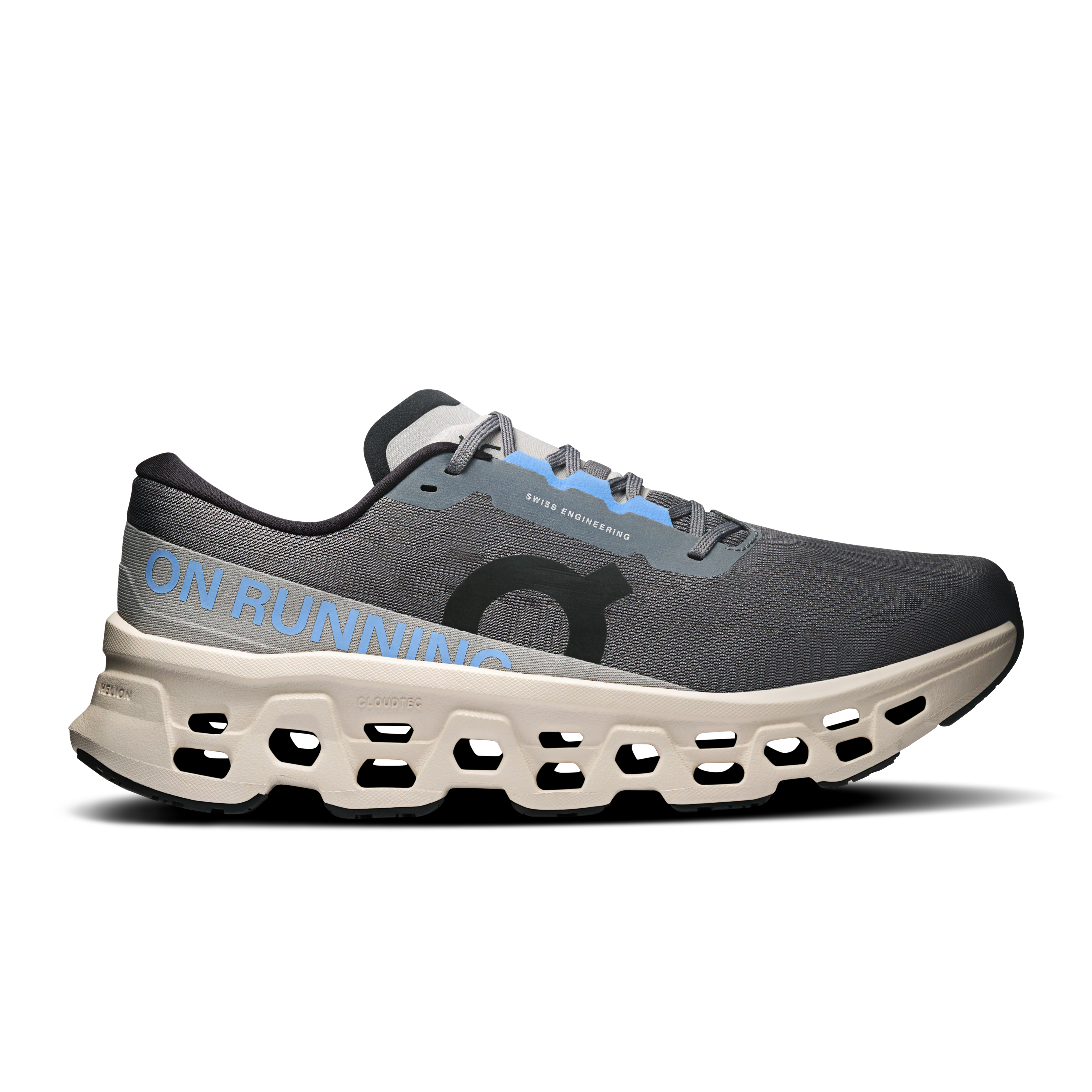
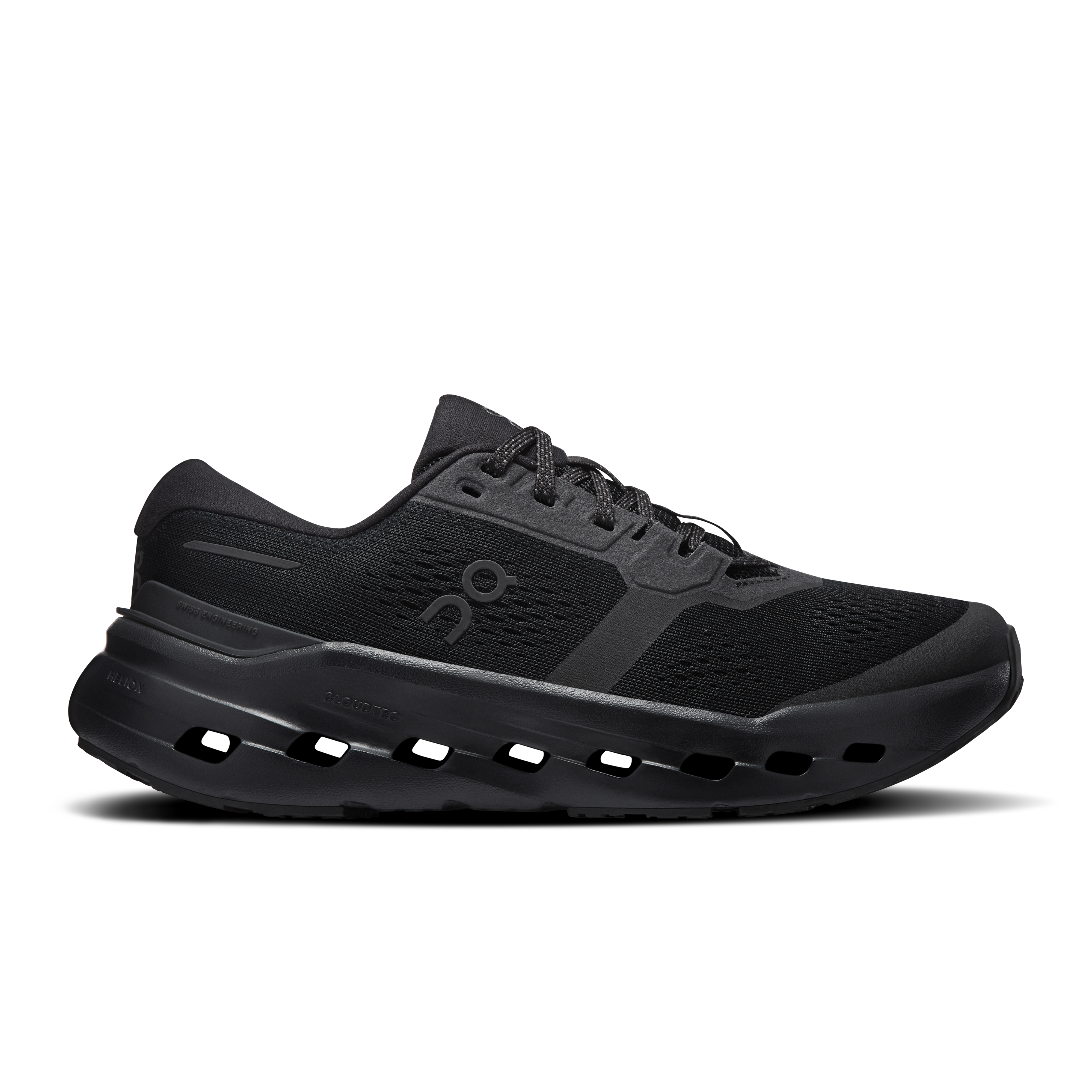
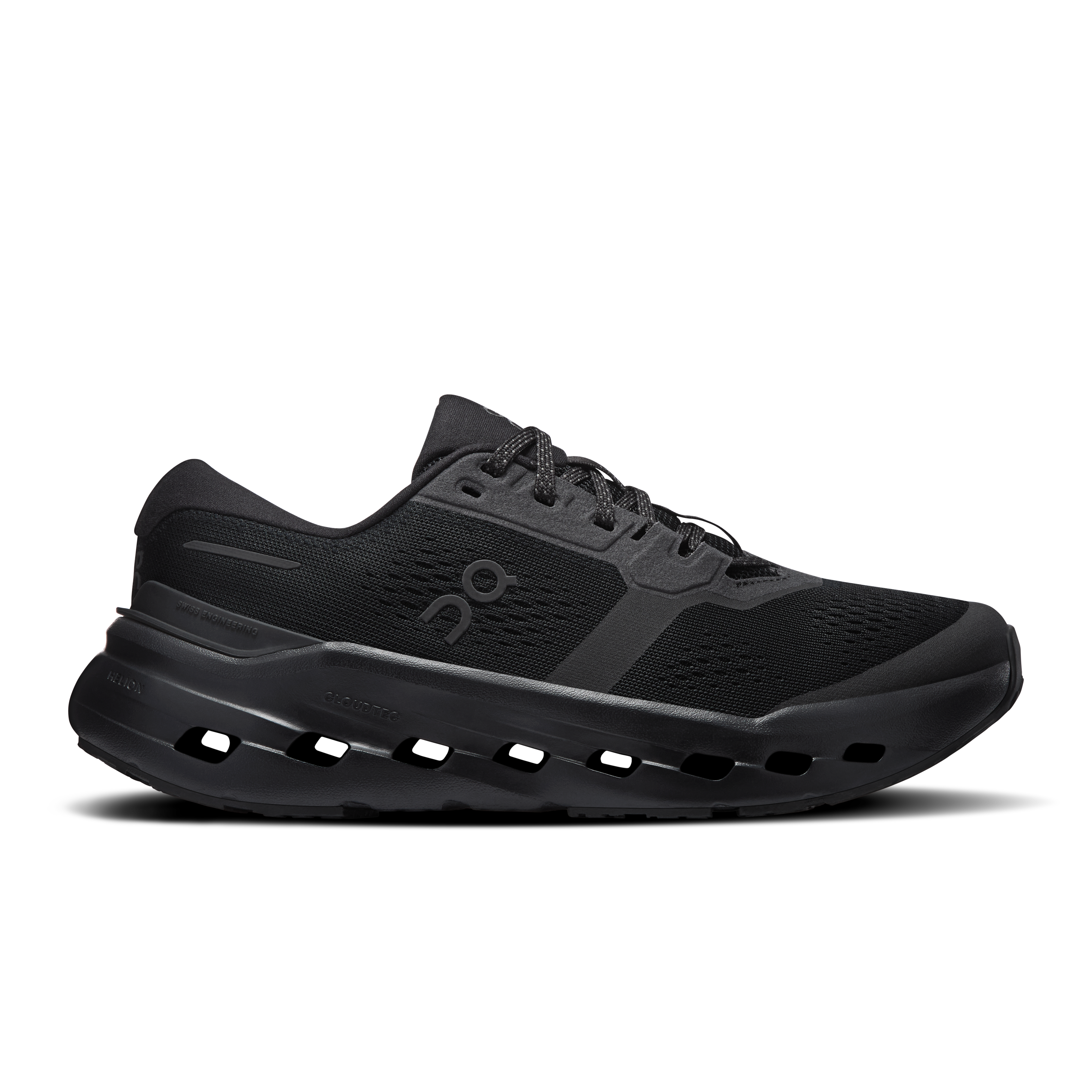
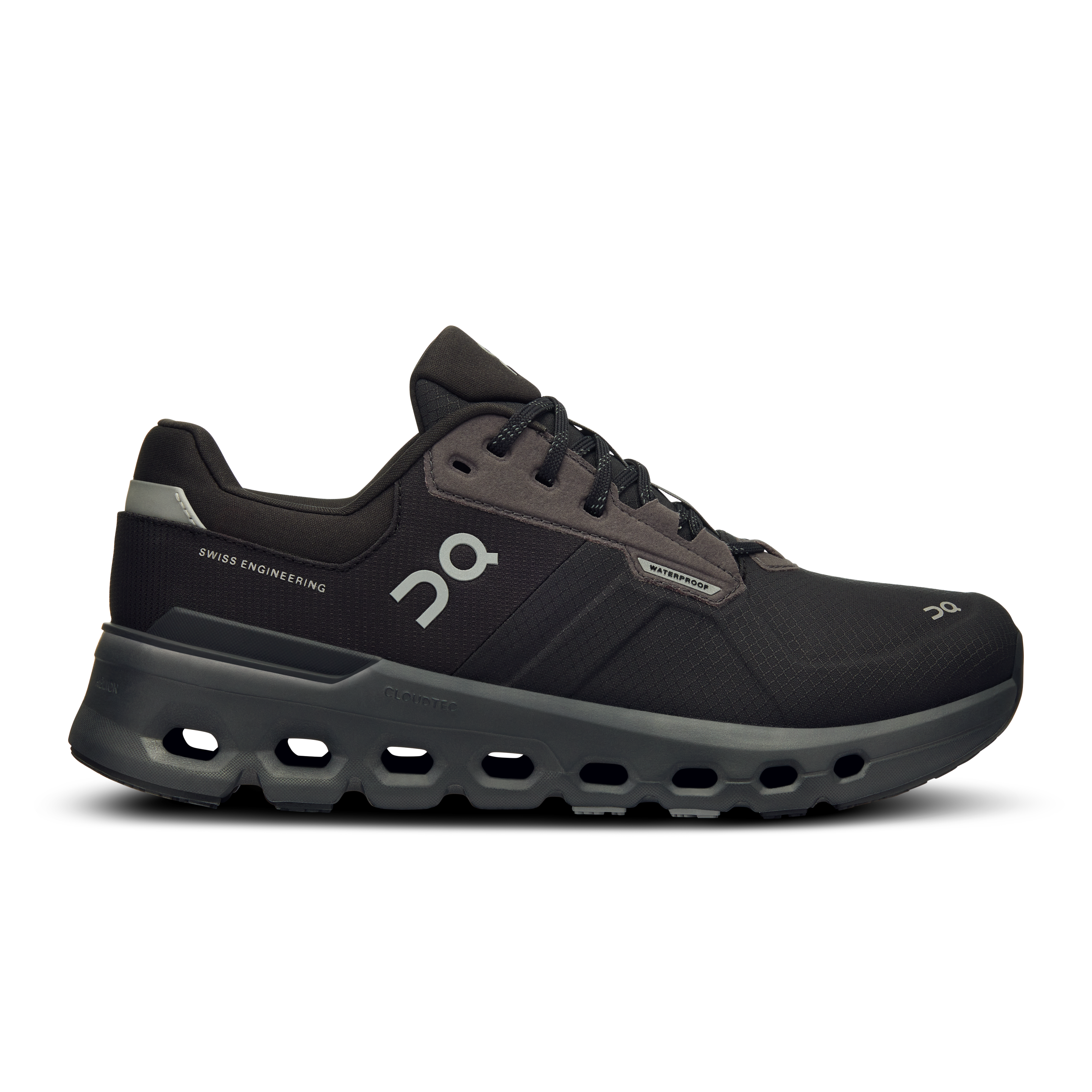
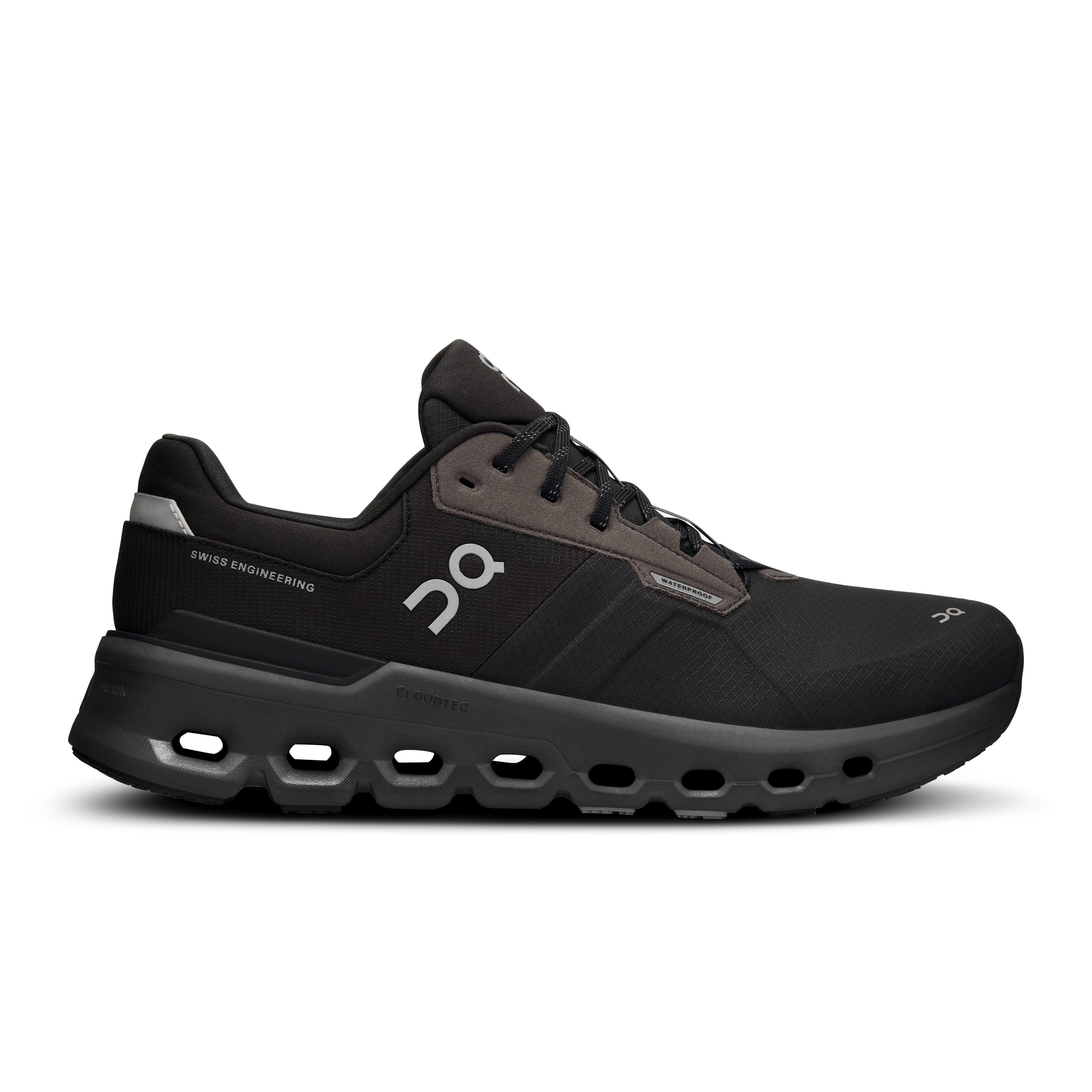
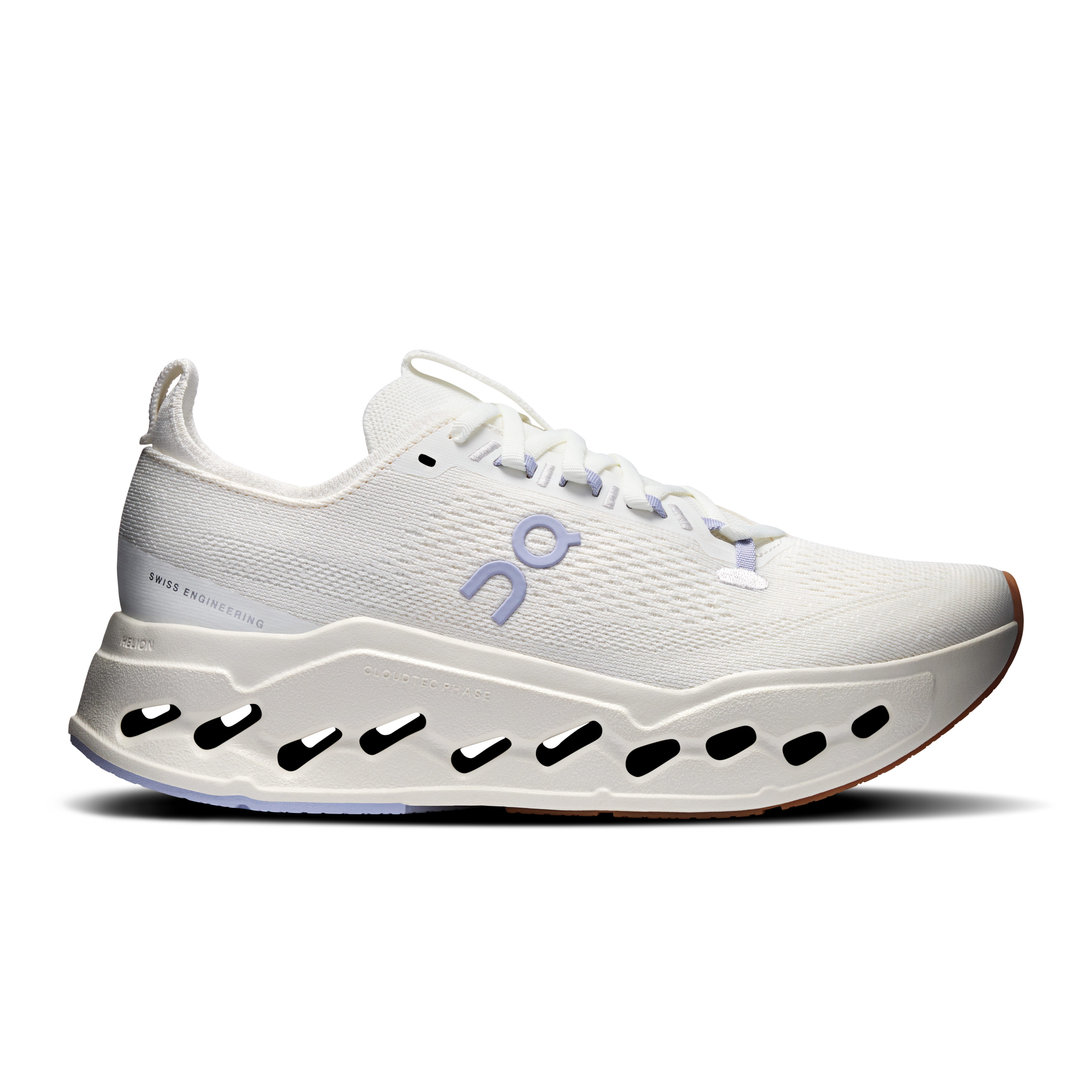
Shoes: Look for running shoes with cushioning to handle repeated mileage comfortably without feeling heavy on your feet. For race day, many runners opt for a lighter, more responsive shoe that's built for speed, like the Cloudboom Vault. Make sure to break in your race-day shoes before the big day.
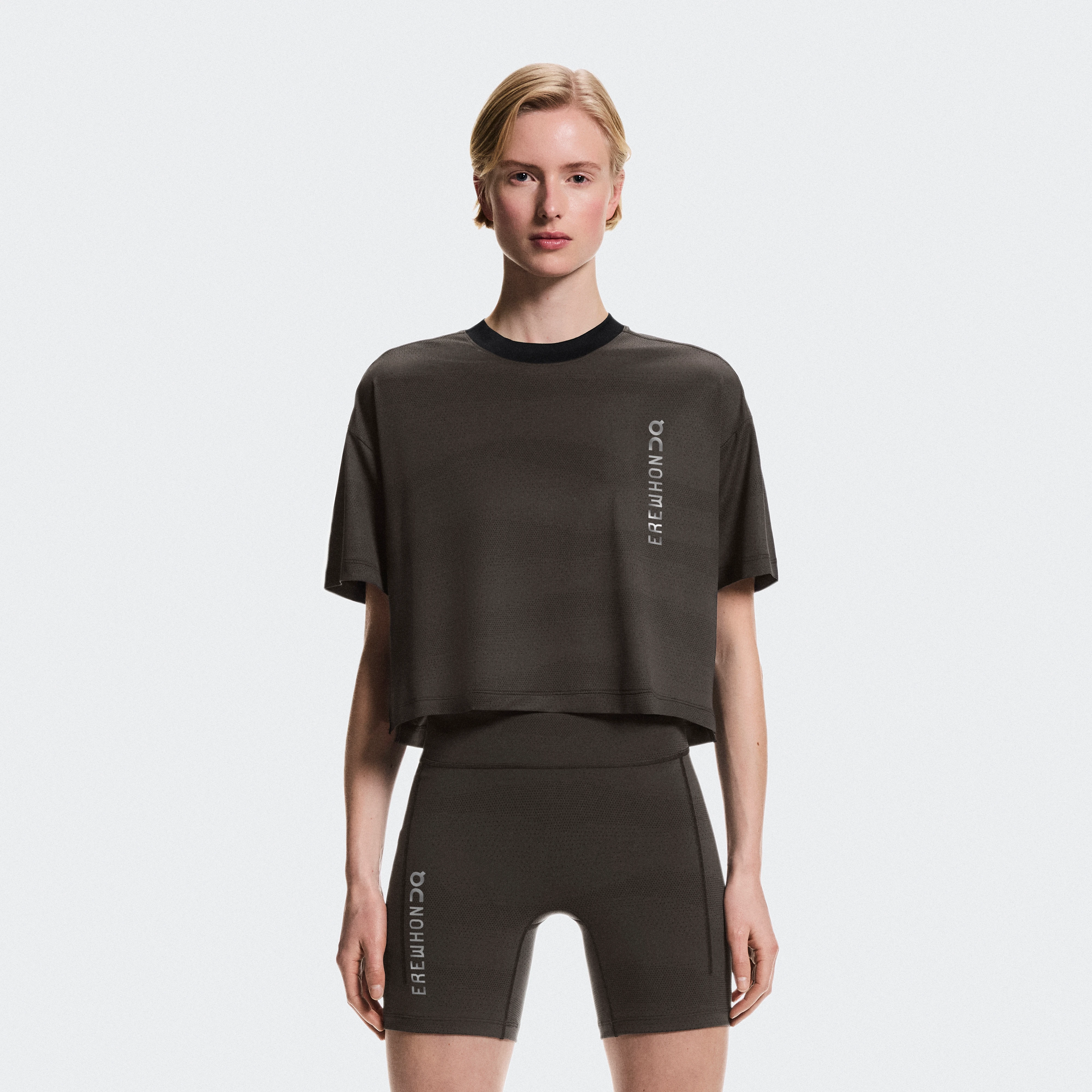
Technical apparel: Look for running apparel made from moisture-wicking fabrics. This keeps you comfortable by moving sweat away from your skin during longer efforts. “The combination of functionality and style is something I look for,” says Felicitas Rihm.
Avoid cotton, which holds moisture and can cause chafing.
Socks: A good pair of running socks is worth the investment. Look for moisture-wicking, cushioned options that fit snugly without bunching. Like your shoes, wear them before race day.
GPS watch: Takes the guesswork out of pacing. Being able to track your pace, distance and heart rate in real time helps you stay honest on easy days and push appropriately on hard ones.












Train your pace
Consistency will get you to the start line. The right training makes the effort feel familiar. Follow a structured 10K training plan tailored to your goals and fitness level, adjust when needed and trust the process.
“I believe that the people around you make a huge difference,” says Felicitas Rihm about her racing goals. “It becomes a social happening where you push each other, celebrate progress together, and make even the toughest sessions enjoyable.”
Running with supportive friends or training partners turns a workout into something much bigger than just ticking a box on the training plan.
FAQ
How long is 10K in miles?
A 10K is 6.2 miles.
How many weeks should I train for a 10K?
Most runners take eight to 12 weeks to train for a 10K. If you are a beginner, you may need a longer plan to safely build up to racing 6.2 miles and avoid injury.
What is the best training plan for a 10K?
One that starts with a weekly mileage close to what you’re currently running and builds gradually over time. Programs that increase mileage too quickly put you at risk of getting injured.
What is a good 10K pace?
Advanced and elite-level runners may run a 10K in 45 minutes or less.
What is the 20% rule in running?
The 20% rule means you’re only running 20% of your weekly mileage at a moderate or high intensity. The rest of your mileage is easy running.