New
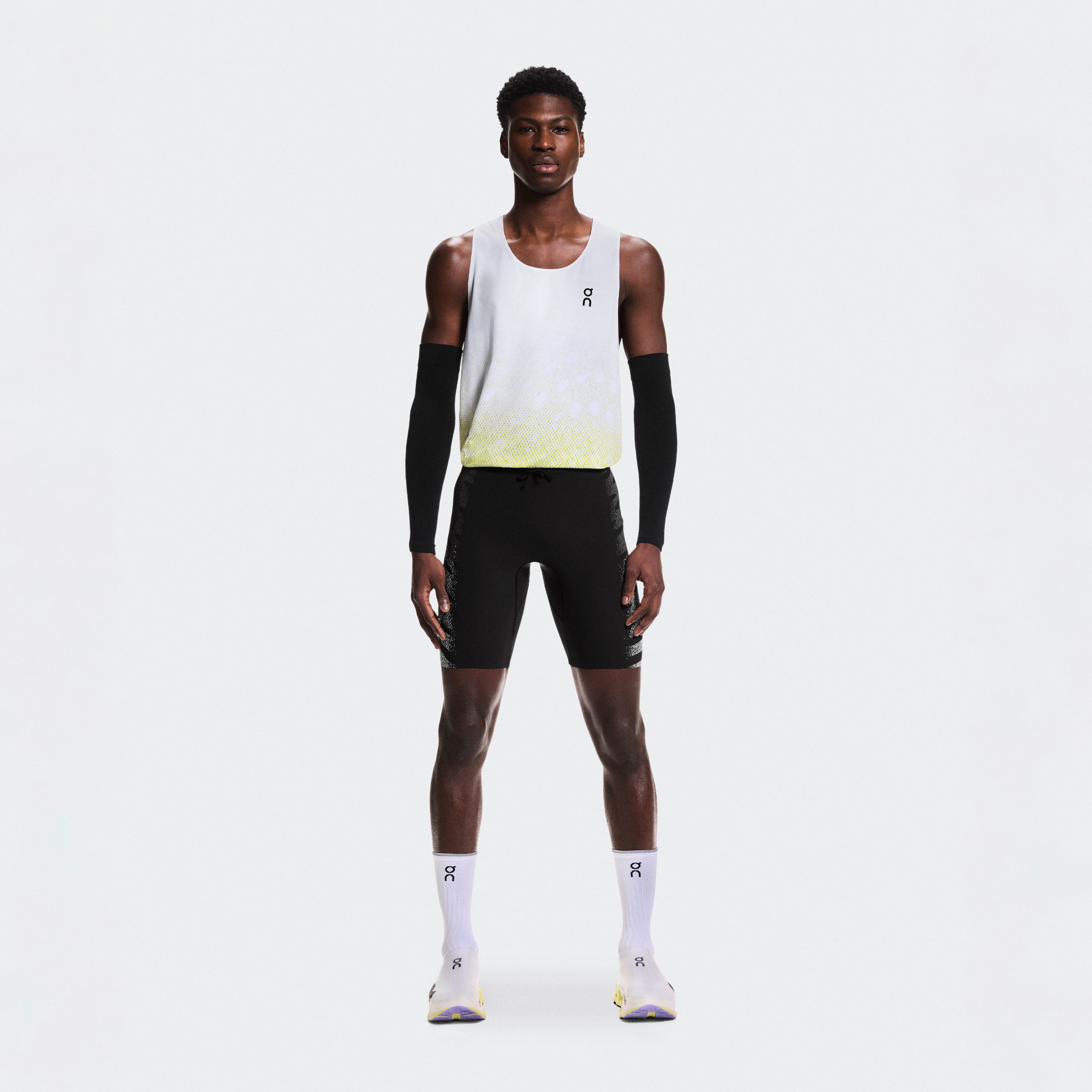
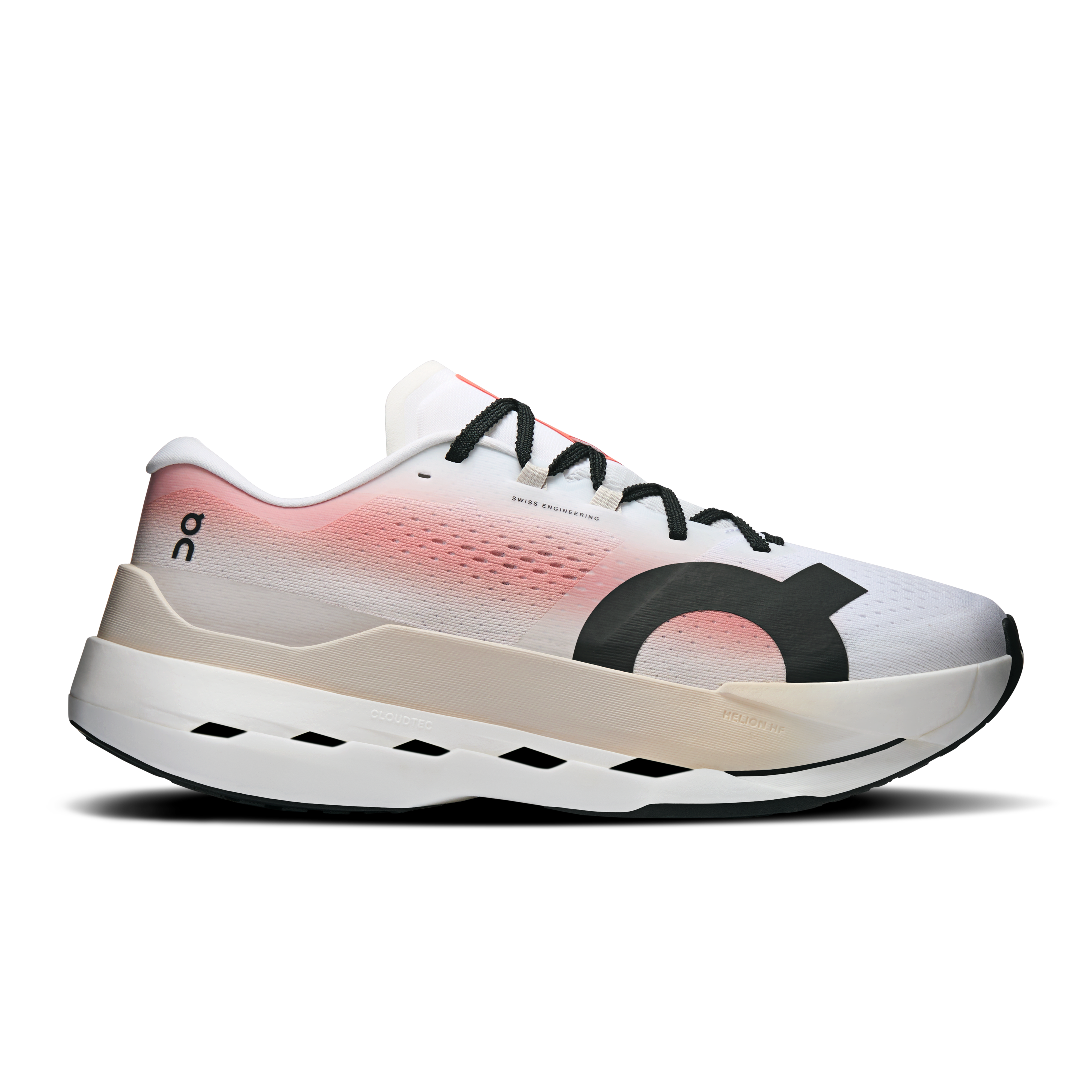
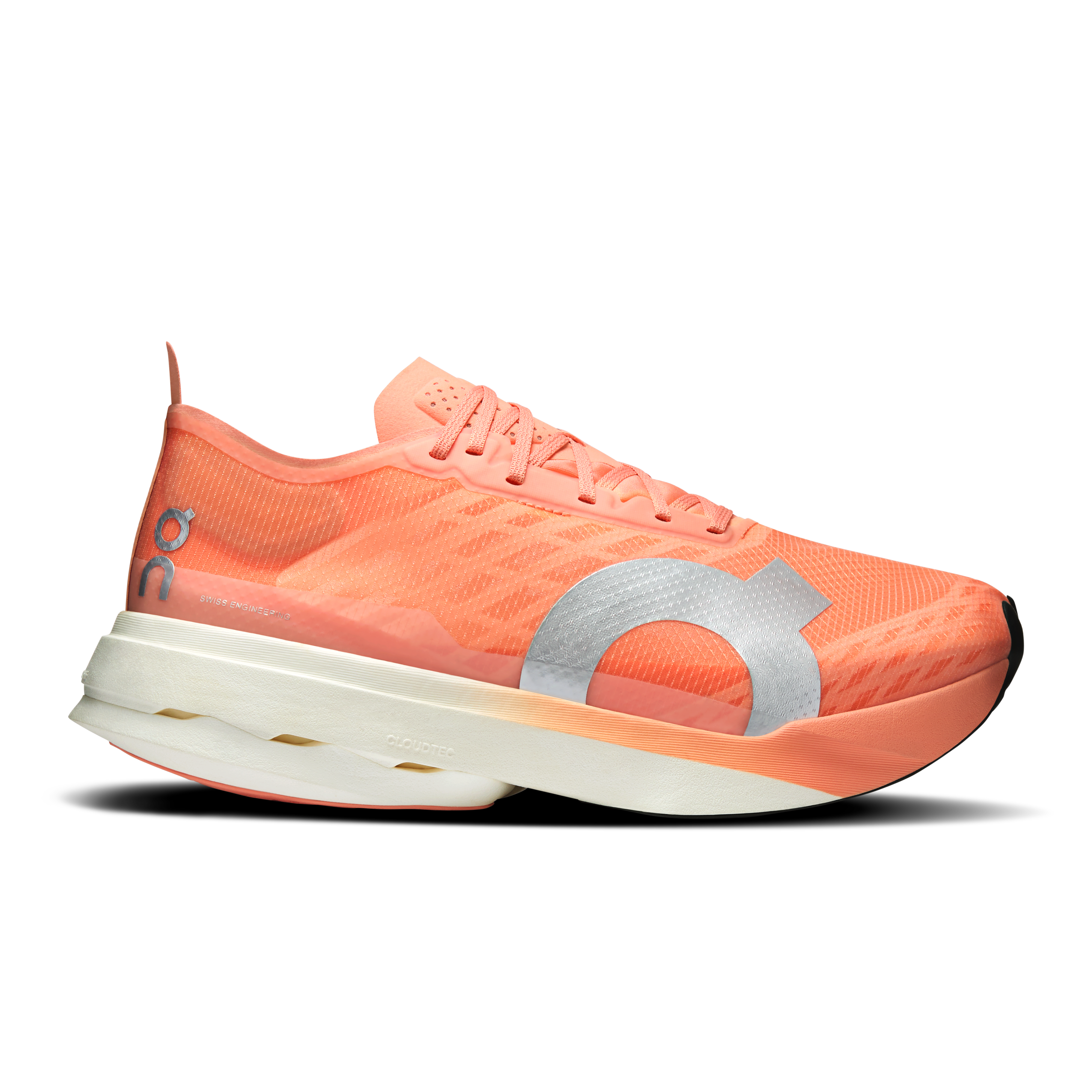
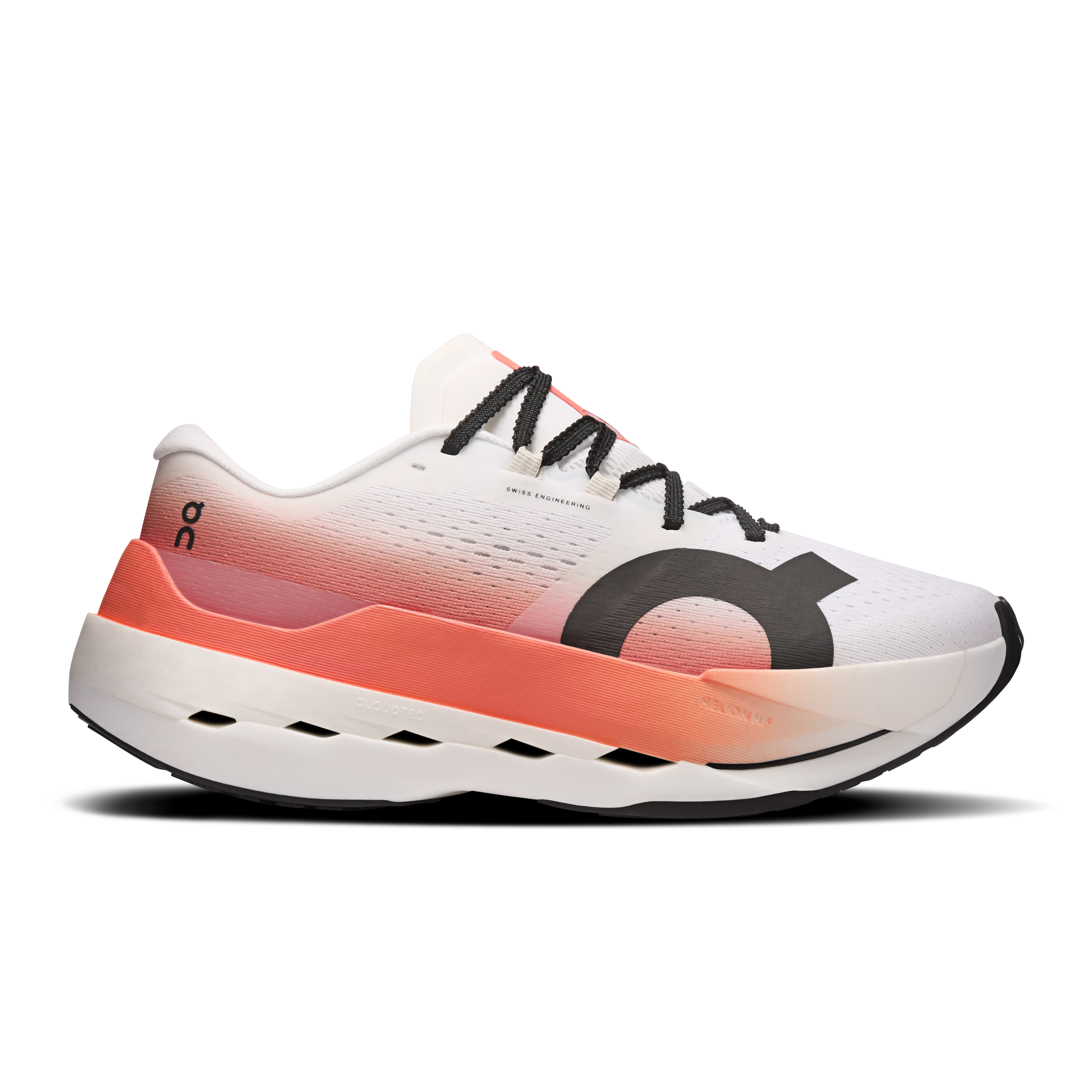
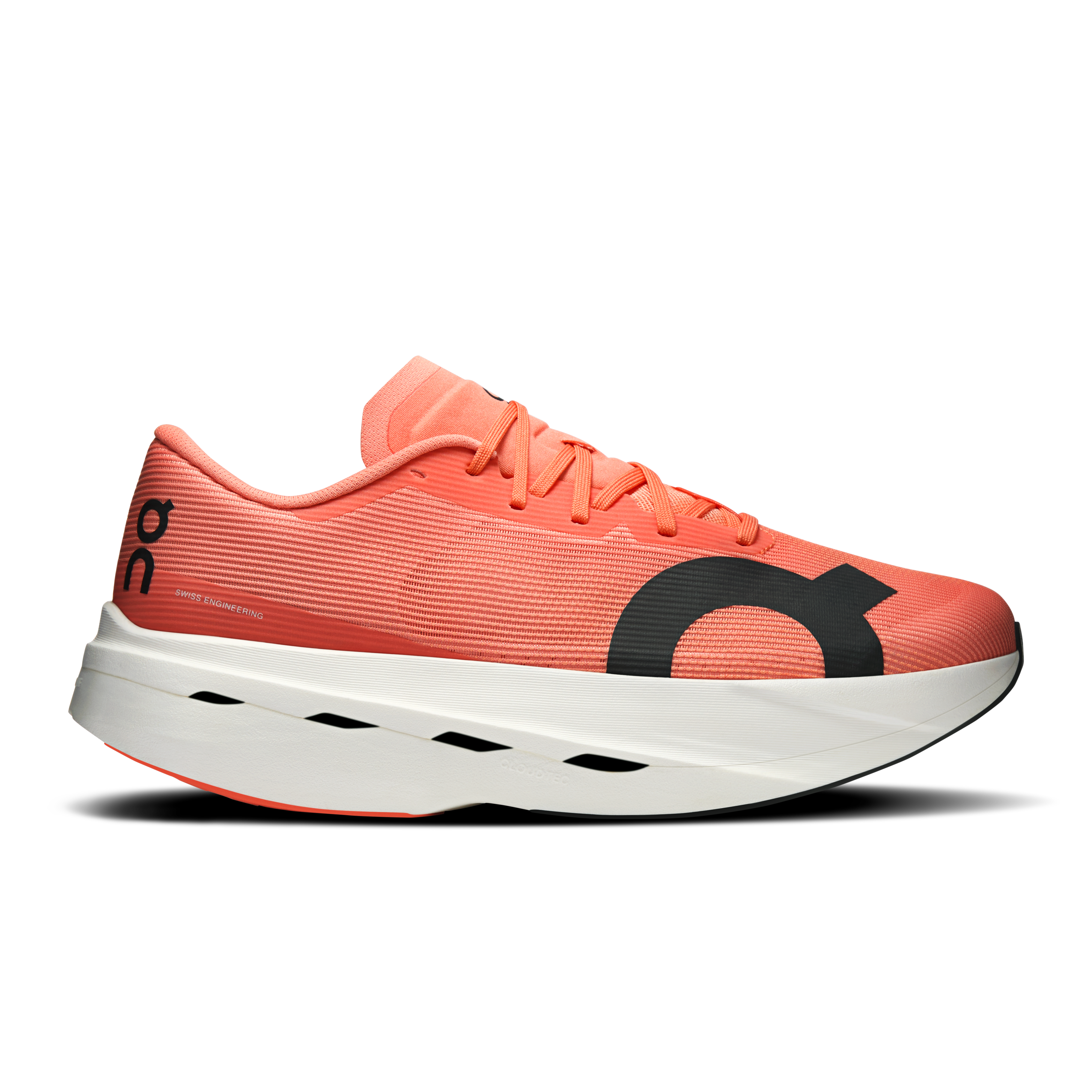
Zero Singlet
Women – Race-day running
€120.00
Less pushing harder, more pacing smarter. This beginner marathon training plan is designed to help you build endurance gradually, without burning out.
Whether it’s emulating your running heroes, marking life milestones, or making new memories with friends – it’s useful to keep the ‘why’ you run a marathon close to hand as fuel at every stage of your marathon journey.
Taking on – and finishing – the iconic distance of 26.2-miles (42.2km) can be positively life-changing. And with the right mindset, the weeks and months it takes to get you to that point become part of that package. There are no shortcuts, but this guide is the surest way to get ready and know what to expect from your first marathon.
The best marathon training plan is one you commit to. It’s all about pacing yourself.
If it’s your first marathon, it’s best to start at the beginning of this plan – 16 weeks out from the big day. If you’re considering starting the plan later than this (disclaimer up front: cutting corners when training is a bad idea) then there’s still lots of value and insights for you as a beginner runner here.
Four months strikes a balance: long enough to create real aerobic fitness, short enough to stay focused and consistent.
This plan focuses on the foundations most first-time marathoners need to get across the finish line feeling strong. If you’re curious why running slower can actually help you go farther, learning more about aerobic training can help explain the science behind this approach.
Good news, you’ve got time on your side. This first month is all about helping you get into the rhythm and habit of exercising regularly.
Mileage starts conservatively, giving your body space to adjust while you establish regular run days. The focus here isn’t speed or distance milestones. First, you actually have to show up, keep runs easy, and learn what a sustainable pace feels like.
During this phase, most runs should feel manageable. Long runs gradually extend, but they stay well within a range that supports recovery. This is also a good time to begin testing gear, gels and getting familiar with running on tired legs.
Week | Monday | Tuesday | Wednesday | Thursday | Friday | Saturday | Sunday |
|---|---|---|---|---|---|---|---|
1 | 🌙 | 3 mi easy | 🌙 or 🚲 | 3 mi easy | 🌙 | 4 mi long run | 2 mi recovery |
2 | 🌙 | 3 mi easy | 🌙 or 🚲 | 4 mi easy | 🌙 | 5 mi long run | 2 mi recovery |
3 | 🌙 | 4 mi easy | 🌙 or 🚲 | 4 mi easy | 🌙 | 6 mi long run | 3 mi recovery |
4 | 🌙 | 4 mi easy | 🌙 or 🚲 | 5 mi easy | 🌙 | 8 mi long run | 3 mi recovery |
🌙 = Rest day 🚲 = Cross train for 30-60 minutes (bike, swim, yoga, low-impact strength)
Things are starting to shape up nicely. Sure, there’s lots of running this month, but you should be becoming acclimatized to it and see improvements in your stamina. This phase is about maintaining consistency while gently increasing volume, reinforcing the aerobic base you’ve been building. You might notice that easy pace feels smoother, even as distances grow.
And recovery between runs becomes just as important as the runs themselves. Rest days and lighter efforts help you absorb the work.
Weeks until Marathon | Monday | Tuesday | Wednesday | Thursday | Friday | Saturday | Sunday |
|---|---|---|---|---|---|---|---|
5 | 🌙 | 5 mi easy | 🌙 or 🚲 | 5 mi easy | 🌙 | 10 mi long run | 3 mi recovery |
6 | 🌙 | 5 mi easy | 🌙 or 🚲 | 6 mi easy | 🌙 | 12 mi long run | 4 mi recovery |
7 | 🌙 | 6 mi easy | 🌙 or 🚲 | 6 mi easy | 🌙 | 14 mi long run | 4 mi recovery |
8 | 🌙 | 5 mi easy | 🌙 or 🚲 | 5 mi easy | 🌙 | 10 mi long run | 3 mi recovery |
🌙 = Rest day 🚲 = Cross train for 30-60 minutes (bike, swim, yoga, low-impact strength)
This is the biggest month of running in your whole plan. Weekly mileage peaks, long runs approach their highest volume, and you’ll get a clearer sense of what marathon distance asks of your body. Treat these sessions as practice for race day.
Use longer runs to experiment with energy gels and hydration timing. Get familiar with what feels best and what supports you when fatigue sets in. Once this month’s done, there’s only one more to go before the marathon.
Weeks until Marathon | Monday | Tuesday | Wednesday | Thursday | Friday | Saturday | Sunday |
|---|---|---|---|---|---|---|---|
9 | 🌙 | 6 mi easy | 🌙 or 🚲 | 6 mi easy | 🌙 | 16 mi long run | 4 mi recovery |
10 | 🌙 | 6 mi easy | 🌙 or 🚲 | 7 mi easy | 🌙 | 18 mi long run | 4 mi recovery |
11 | 🌙 | 7 mi easy | 🌙 or 🚲 | 7 mi easy | 🌙 | 20 mi long run | 5 mi recovery |
12 | 🌙 | 6 mi easy | 🌙 or 🚲 | 6 mi easy | 🌙 | 14 mi long run | 4 mi recovery |
🌙 = Rest day
🚲 = Cross train for 30-60 minutes (bike, swim, yoga, low-impact strength)
At this phase, the hard work is behind you and you’ll be tapering out after a few big runs and running less. Mileage gradually decreases while fitness stays high. This reduction in volume allows your body to recover fully and arrive at the start line feeling rested and responsive.
Trust the work you’ve done. Resist the urge to add extra workouts and focus on staying healthy, well-rested, and ready for marathon day.
Weeks until Marathon | Monday | Tuesday | Wednesday | Thursday | Friday | Saturday | Sunday |
|---|---|---|---|---|---|---|---|
13 | 🌙 | 5 mi easy | 🌙 or 🚲 | 5 mi easy | 🌙 | 12 mi long run | 3 mi recovery |
14 | 🌙 | 4 mi easy | 🌙 or 🚲 | 4 mi easy | 🌙 | 8 mi long run | 3 mi recovery |
15 | 🌙 | 3 mi easy | 🌙 or 🚲 | 3 mi easy | 🌙 | 6 mi long run | 2 mi recovery |
16 | 🌙 | 2 mi easy | 🌙 or 🚲 | 2 mi easy | 🌙 | 🌙 | 🏁 Marathon Day (26.2 mi) |


People might run marathons for all sorts of reasons: to work toward a goal, test consistency over time, mark a life moment, or share the experience with friends.
At their core, marathons are journeys. That’s what draws people in: the steady build of repeatable habits, the quiet endurance that grows and the sense of becoming stronger that extend beyond race day.
Hellen Obiri has achieved historic marathon wins, but her success is built on years of gradual progression, consistency, and patience.
“I didn't know I could come this far, but I trusted the process without losing hope," Obiri says. "That’s why I'm where I am today.”
Her perspective reinforces something every marathoner learns: progress isn’t instant. It’s layered and built week by week, run by run.
That same principle applies whether you’re chasing a podium or preparing for your very first start line.
Running a marathon challenges both body and mind. But the goal isn’t perfection, it’s consistency. Focus on building habits that support you over time so the race becomes the beginning of your running journey, not the end.
With that in mind, here are a few tips for beginners to help make your first marathon a success:
See a doctor: If you’re new to long-distance running, consider a check-up before you begin. It’s a simple way to make sure you’re ready to take on the training.
Start slower than you think: The marathon rewards patience. Keep your effort conversational, especially early on, so you’re building endurance without burning through it too soon.
Choose audio that supports your rhythm: A steady playlist or engaging podcast can help regulate pace and make longer runs feel more manageable.
Find a pacer – wisely: Sticking with someone slightly ahead of your comfort zone can help you stay steady. But if the pace starts to feel forced, trust your own efforts and dial it back.
Fuel consistently: Marathon training often means eating more, not less. Focus on balanced meals, adequate carbohydrates, and understanding what works for you before, during and after runs.
Build strength alongside mileage: Strength training and cross-training support muscles, joints, and ligaments, helping you stay durable as the distance goes up.
Prepare for the small details: Anti-chafing cream, muscle-warming rubs, intentional layering and recovery routines can make a significant difference over hours on your feet.
Choose shoes made for long runs: The right pair should feel supportive, comfortable and reliable as the miles (and confidence) goes up.


Comfort isn’t a luxury on marathon day. It can make or break performance. The right marathon gear should disappear once you start moving. Use your training runs to test your race day kit, paying attention to how it feels in motion, what shifts, and where friction might show up over longer distances.
If you’re new to the distance, stability and cushioning matter, especially late in the race. A well-fitted supportive running shoe can help reduce impact and keep your legs from getting sore as your runs get longer.
Stick to dedicated running shoes. For most beginners, a reliable, well-cushioned trainer is the best place to start.
Beyond footwear, wear clothes that won’t bother you while you run:
Moisture-wicking clothing: Lightweight fabrics that dry quickly help regulate temperature and reduce chafing over long miles.
Supportive base layers: Fitted shorts and undershirts can minimize friction and keep everything in place.
Performance socks: Moisture-wicking materials help protect against blisters, especially if conditions shift.
Hat or visor (if sunny): Shade helps manage heat, particularly on exposed courses.
Sunglasses: Useful for bright conditions and low morning sun when there’s an early start.
Well-tested layers: If the forecast is unpredictable, wear only what you’ve already trained in.
Running belt or vest: Helpful for carrying gels, electrolytes, house keys or your phone.
Pro tip: Pocketed shorts can be especially helpful for carrying small essentials and simplify your setup without needing a belt or vest.
Modern marathons often feel like a festival. Well-organized, well-supported and lined with aid and fuel stations. Still, what’s available on course might not align with what works best for you.
Pack what you’ve practiced with:
Energy gels: Choose options that include electrolytes if needed and test different gels during training.
Simple sugars: Candy or chews can be an accessible mid-race option. Choose options you’ve already tried in training.
Lip balm: Small but surprisingly essential.
Band-Aids: For unexpected hotspots or friction.
Salt pills or electrolytes: Particularly helpful in warmer conditions or longer races but again, only if tested beforehand.
Protein bars: If you can stomach it, aim for a bar with 10–20 grams of protein to support muscle recovery after the race or during the travel home.
Pro tip: Your long runs are dress rehearsals. Nothing new on race day. Not special marathon shoes, not fuel, not layers.
Finishing 26.2 miles is a major stress on the body. Post-marathon recovery is where the adaptation happens.
In the first 24-72 hours, prioritize rest, hydration, and balanced meals with carbohydrates to replenish energy and protein to support muscle repair.
Expect appetite and soreness to fluctuate. Both are normal. Keep meals simple and familiar and focus on consistency rather than perfection.
For the first few days, gentle movement is enough. Easy walks can help reduce stiffness and promote circulation, even if stairs feel surprisingly difficult. Soreness usually peaks a day or two after the race before gradually easing.
Avoid running or structured workouts for several days, then ease back based on how your body feels. Some runners feel ready within a week; others need more time. Both are valid.
Recovery isn’t about rushing into training again. Let adaptations settle so you can return feeling stronger rather than depleted.


Many beginners benefit from 16-18 weeks of structured training. That window allows time to build endurance safely while adapting to increasing mileage.
Get back to your plan without trying to “make up” missed miles. Pick up with your next scheduled run and adjust effort if needed. One skipped session won’t derail your build – stacking weeks matters more than any single workout.
Progress gradually and listen to how your body responds. Prioritize recovery between hard efforts, keep easy runs truly easy, address small aches early and include strength training to support your joints and muscles as training load builds.