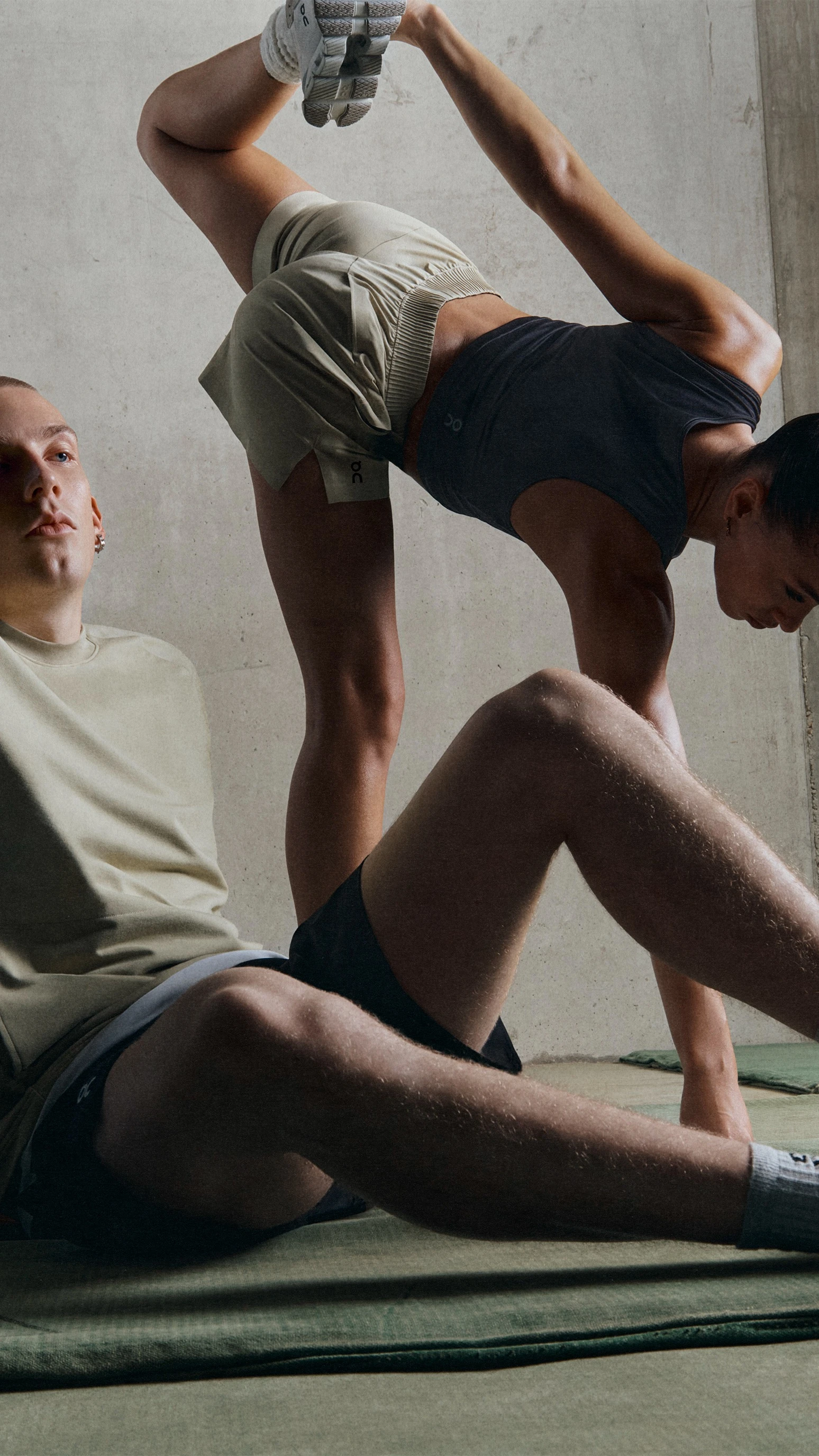
Yoga for athletes: Train smarter, recover faster
More athletes are finding the real edge doesn’t come from pushing harder. It’s in yoga. Recovery, mobility work and focus on the mat all add up to smarter training and a stronger performance.
Yoga for athletes has evolved from a side practice to a core part of training. Beyond flexibility, it builds resilience, supports recovery and enhances performance — on and off the mat.
For American sprinter Kendall Baisden, low-impact movement like yoga has helped her unlock her potential. “It’s given me the confidence to find that balance of being flexible and not trying to push in a way that's detrimental to me in the long run,” she says.
For Evie Venables, On Ambassador, runner and fitness coach, yoga offers something different. “It teaches me patience, mindfulness, and the connection between breath and movement,” she says. “All of which help me show up as a kinder, calmer version of myself in day to day life.”
Whether you’re chasing a personal best like Baisden, finding focus like Venables, or rebuilding after injury, here’s how yoga can strengthen both your training and your mindset.
The athlete’s advantage? Yoga.
“Yoga challenges me to slow down and give myself grace,” says Venables. “That might seem counterintuitive to progress, but the older I get, the more I realise they’re essential for making real, lasting progress mentally and physically.”
Gentle or dynamic, yoga adds the edge that keeps you showing up at your best, consistently.
Flexibility that translates to sport
Yoga enhances flexibility and mobility. For runners, freer hips mean a smoother stride. For tennis players, looser shoulders lead to stronger serves. For runners, it means increased speed. Every movement becomes more fluid, every action more effective.
Strength without strain
Planks, bridges and controlled holds are all part of the routine. Yoga for athletes builds functional strength — core, stabilizers and endurance — without pounding the joints. It’s strength that sticks, and power that translates into your sport.
Recover smarter
Focused stretches and steady breathing flush out soreness and speed up repair. Usually done after training, recovery yoga can ease any post-practice tension and prepare you for the next session.
Basiden is a big believer in recovery workouts. “It builds the love for running even more. You give your body enough time to come down and then come right back up. No one's body is built just to be intense.”
Injury prevention
Yoga is built-in prehab. It improves flexibility, joint stability and muscle balance, and can act as a health check before minor annoyances become major injuries. The more balanced your body, the more resilient your performance in sport.
Mental wins from the mat
Yoga trains the mind as much as the body. Breathwork calms nerves, sharpens decisions and steadies you under pressure. Baisden has noticed a shift in her training because of yoga.
“As a runner, when you’re able to master technique, there's a level of euphoria you can't find anywhere else,” she says. “To get to that point, you need a connection between your mind and body. Yoga taught me that.”
And you also might find the composure you build on the mat is reflected when you’re tested on the court, the track, the field — everywhere.
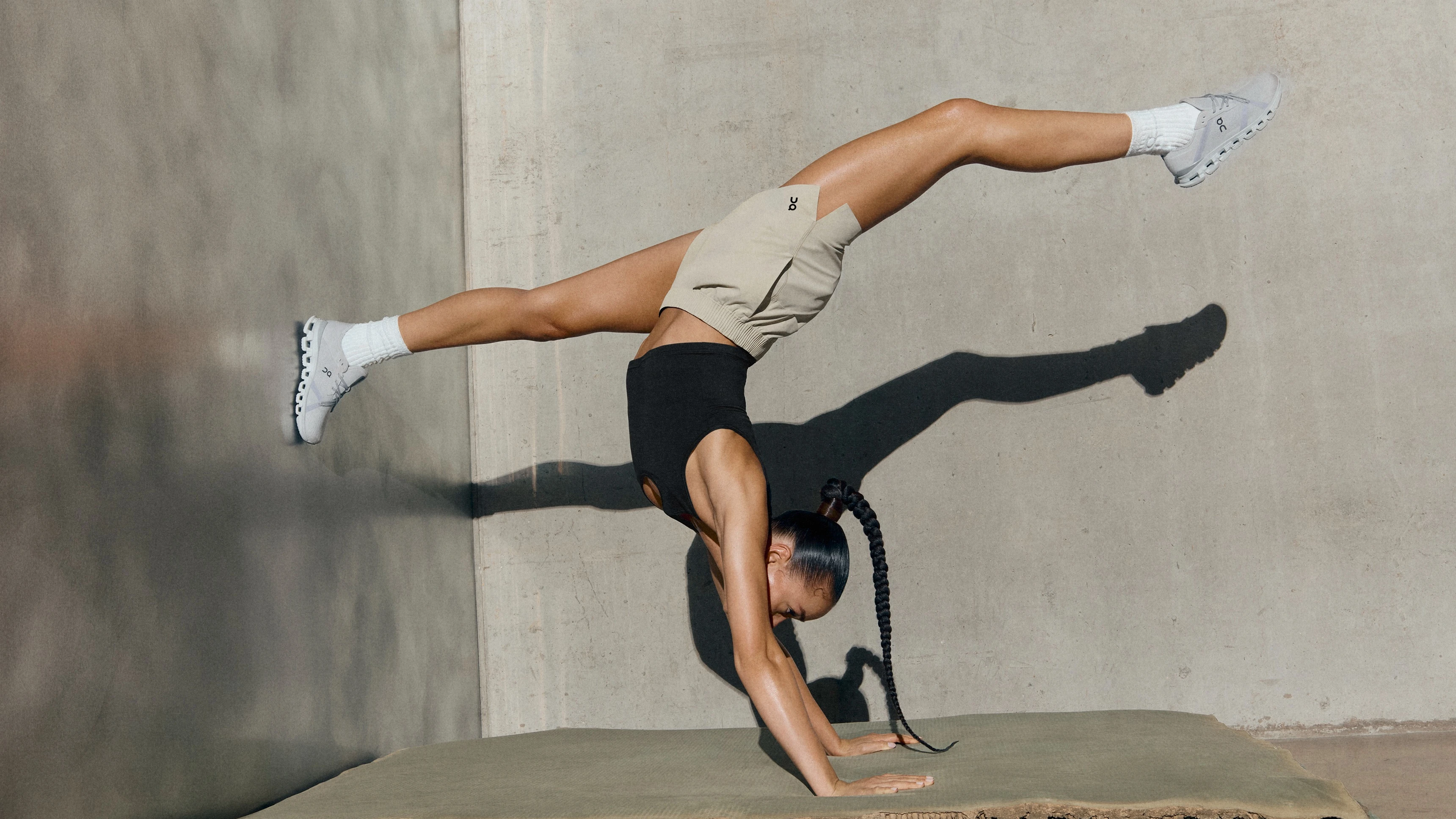
How yoga complements every sport
Yoga complements a variety of sports by enhancing mobility, building strength and promoting recovery. It’s a versatile tool that helps athletes perform at their best across different disciplines, such as:
- Running: Yoga improves flexibility and strengthens key muscles, helping increase speed and endurance while reducing the risk of injury during intense workouts for runners. - Tennis: Yoga enhances shoulder and hip mobility in tennis players, supporting powerful strokes and quick footwork. It also helps prevent common overuse injuries on the court. - Soccer: Yoga boosts leg flexibility, core stability and balance. It enables soccer players to achieve sharper turns and faster sprints with less strain. - Basketball: Yoga develops ankle stability, hip mobility and overall body control in basketball players. It helps them jump higher and move more efficiently during game time. - Cycling: Yoga opens up hip flexors and hamstrings, reducing stiffness and improving comfort during long rides. It also supports better posture on the bike. - Golf: Yoga increases rotational flexibility and core strength, leading to more powerful swings and consistency across every shot. - Martial arts: Yoga enhances agility, flexibility and mental focus in martial artists. It helps fighters move with precision and recover quickly from intense bouts.
Integrating yoga into your training routine can unlock these sport-specific benefits and support your overall athletic performance.
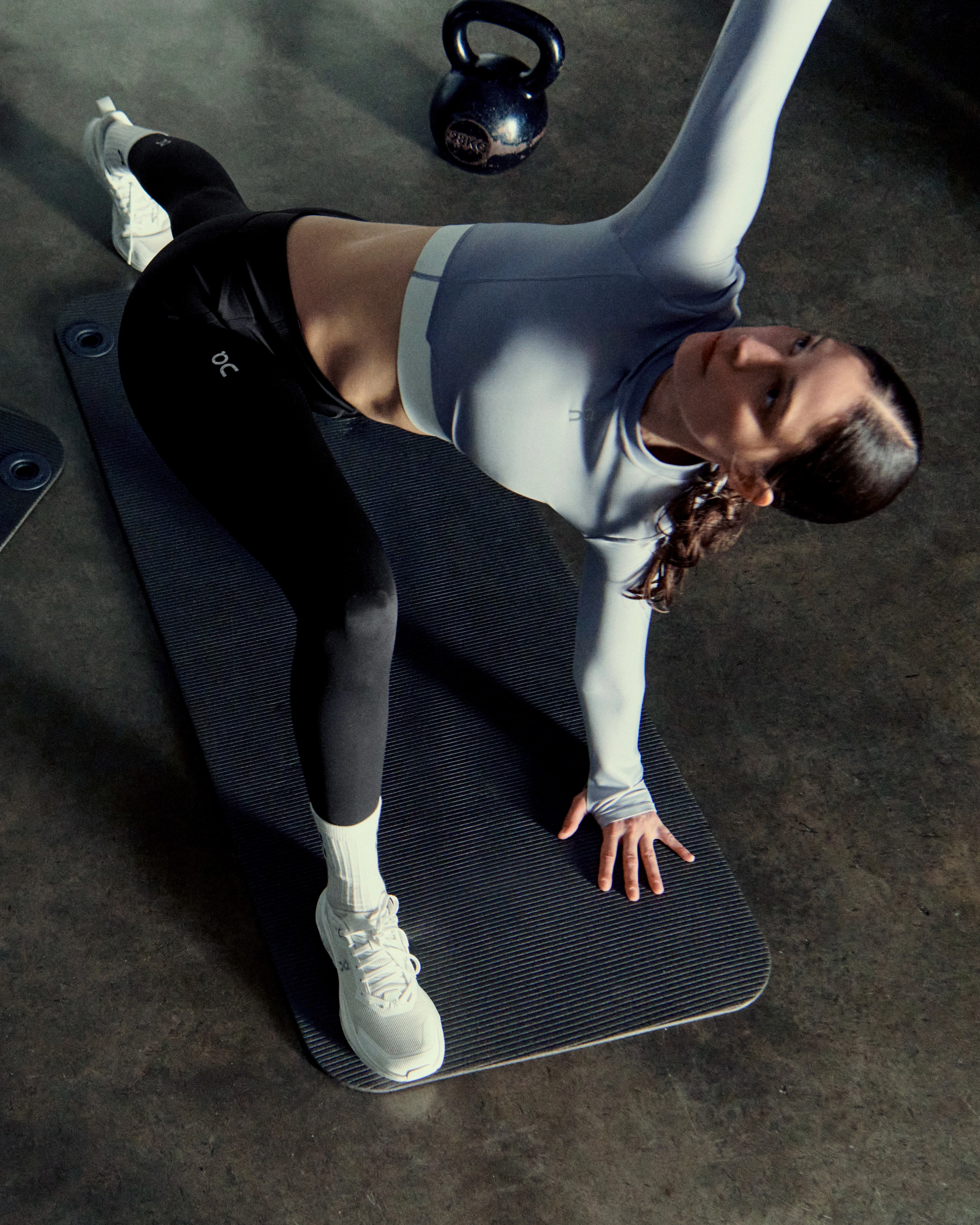
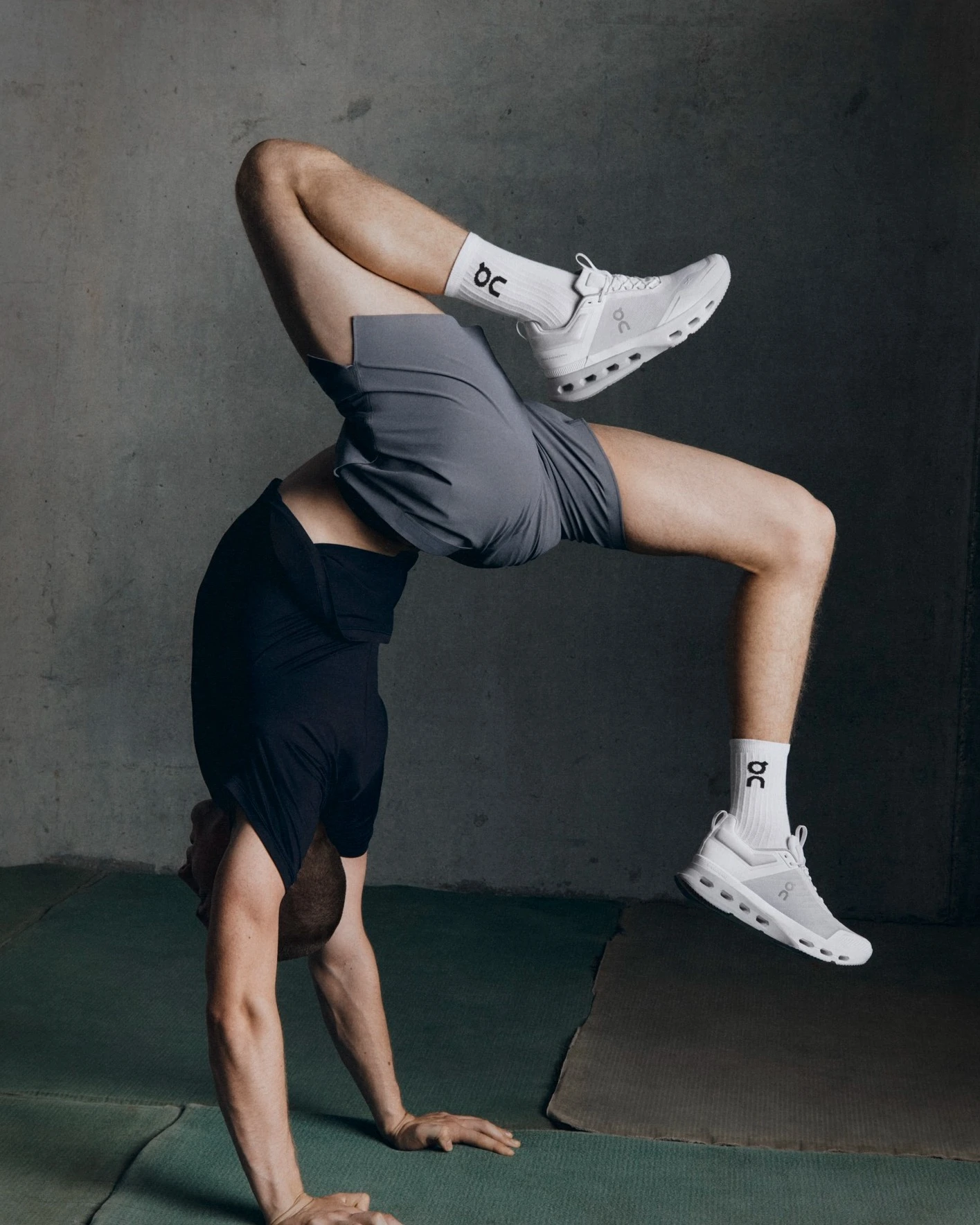
Yoga poses athletes actually need
Yoga for athletes can build strength, ease tightness and speed up recovery. Add these poses to your routine after a training session to move better and stay resilient. Here are the benefits of each pose:
- Downward dog: Stretches hamstrings, calves and the back. - Pigeon pose: Opens hips, releases glute tension. - Cobra pose: Strengthens the back and improves spinal mobility. - Supine twist: Relieves lower back and hip tightness. - Cat-cow: Warms up the spine, boosts mobility. - Bridge: Engages glutes and hamstrings, builds core strength and stability.
A short sequence with these staples is enough to keep your body balanced, strong and less prone to injury.
Post-workout recovery: Try a 10-minute yoga flow
Cool down after a tennis workout, a long run or a tough session with this simple flow. This gentle, mindful sequence is designed to release tension, restore mobility and leave you ready for the next session.
Child’s pose: Sit back on your heels with your arms forward and relax your forehead on the mat. Breathe deep.
Cat-cow stretch: On your hands and knees, arch and lift to warm the spine.
Downward dog: Press your hands into the ground, lift your hips and stretch your hamstrings and calves. Hold the pose and breathe.
Low lunge: Step one foot forward, drop your hips and stretch your hip flexors. Switch sides after a few breaths.
Seated forward fold: With straight legs, reach for the toes and stretch your back.
Supine hamstring stretch: On your back, lift one leg and hold it behind the thigh. Switch sides after 30 seconds.
Bridge pose: Lie on your back and bend your knees. With flat feet, lift your hips, activate your glutes and open your chest.
Supine twist: Lie on your back and stretch your arms wide. Drop your knees to one side. Switch.
Happy baby: Lie on your back, grab your feet and rock side to side.
Savasana: Finish the sequence by lying flat with arms by your sides. Breathe naturally for a moment and allow your body to settle.
Hold each pose for about a minute. Listen to your body. The goal here is recovery, not intensity.
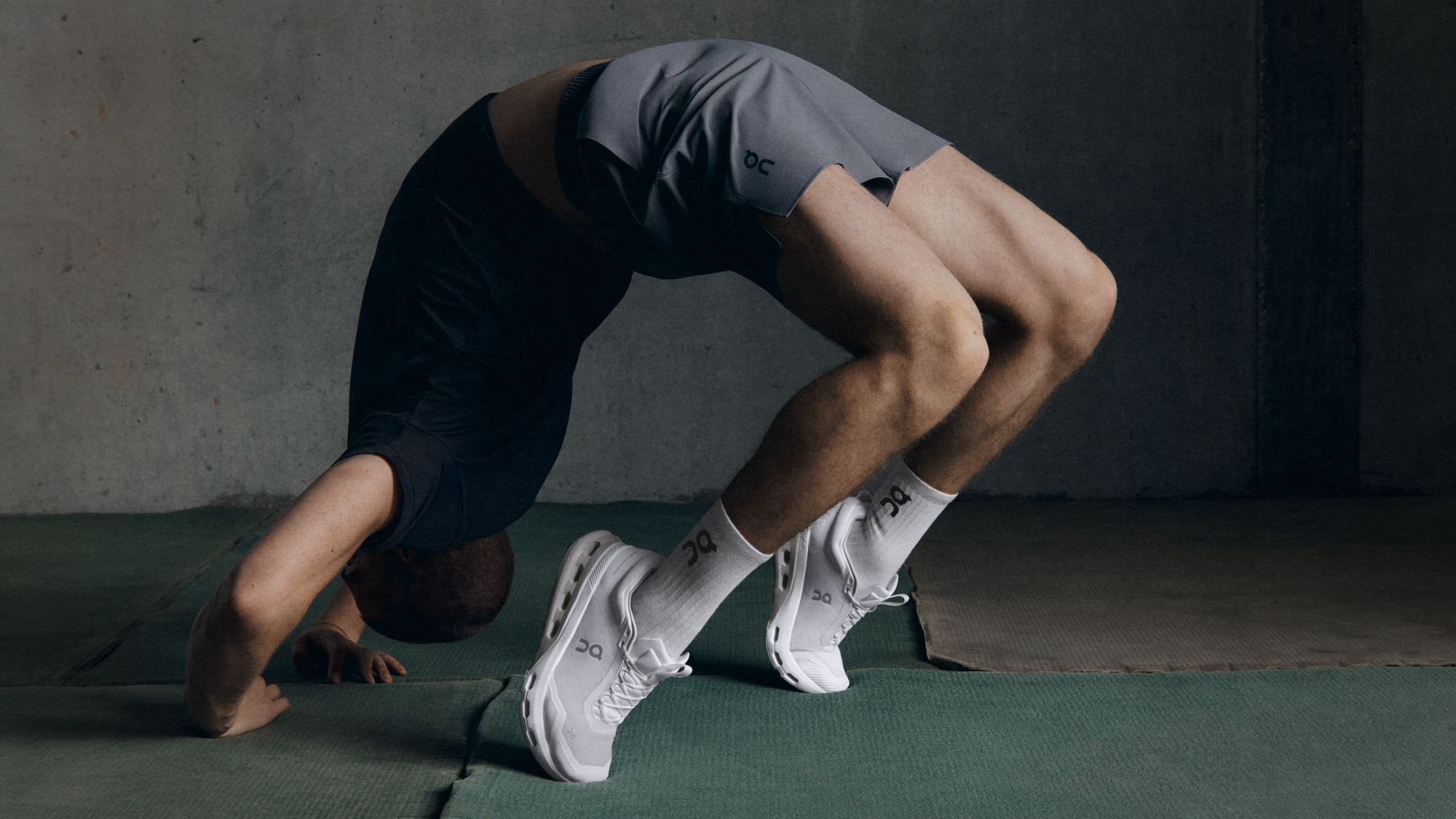
Feel benefits beyond the mat
Whether you’re winding down after an intense tennis match or seeking marathon recovery, yoga has real benefits. It’s recovery, resilience and focus rolled into one.
When building your yoga wardrobe, prioritize versatility and clothes that can be worn many ways. American sprinter Baisden loves to wear the Movement Bra and the Movement 3/4 Tights. “I like my arms to be out and to feel less restricted in my torso,” she says. “Having that feeling of freedom is very important to extend through my neck or my arms. If I'm trying to curve my back, I don’t want anything restricting.” But she also looks for tights with compression “because it helps me feel where I'm cueing movements from.”
Add yoga to your training and you’ll feel it where it counts: how you move, compete and recover.
Build yoga into your routine
Making yoga a consistent part of training doesn’t have to mean hours on the mat. Just 20 to 40 minutes a few times a week can shift how you move and how you feel.
For Venables, something clicked around week four of her yoga teacher training: yoga isn’t really about movement at all. “It’s about kindness to myself and others, giving myself grace, and slowing down. Not in a dull or passive way, but in a caring, compassionate one,” she reflects. “But sometimes kindness looks like instilling a bit of discipline, doing the things you might not want to do in the moment, but know your future self will thank you for. It’s all part of the same practice.”
However you define progress — stronger, steadier or simply more at ease — yoga helps you get there. One mindful breath at a time.