How to run an ekiden – long-distance relays and the warrior spirit
What is an ekiden? Attracting tens of millions of spectators, ekiden races are Japan’s most prestigious sporting events. And yet, outside their island home, these long-distance relays remain largely unknown.
Words by Mike Stuart. Photography by Iori Matsudaira.
There’s no other form of racing quite like Japan's ekiden relay competitions. With varying terrain and distances at each stage, winning is not just about individual speed, but athletes with differing strengths taking the Tasuki (a sash, which is passed between runners instead of a baton in ekiden relays) at the right time to create a winning result. It’s about all runners dreaming and working together for the collective good. They energize each other. It’s not just the format of ekiden that defines it, however, but its unique representation of team and human spirit.
Where does ekiden come from?
Started over a century ago, long before marathons became popular, Japan’s addition to the world of road racing turns the solitary sport of distance running into the most gripping of team relay events. Competitors enjoy celebrity status, with children aiming to literally follow in their footsteps.
The meaning of the word ekiden comes from combining the Japanese words, ‘eki’, which means ‘station’ and ‘den’, which translates to ‘convey’ or ‘carry’. Its name is taken from the transportation system used to send government documents by a relay of horses and men in ancient Japan.
Ekiden earned special significance from the very first race. The first ekiden was held on April 27, 1917, to celebrate the 50th anniversary of Tokyo becoming Japan's capital city. To mark the occasion, two teams raced 316 miles (508 kilometers) from Kyoto (the historical capital of Japan) to Tokyo (which had become the capital of Japan’s Meiji government). One team represented the Kanto (Tokyo) region, while the other ran for the Kansai (Kyoto/Osaka) region.
The race took place on a new road created along the old route between the two cities. The message was one of unifying the old Japan and the new, while also showing what progress had been made in infrastructure through the fast times the teams could run on the new road. Still, a fast time for 300 miles is a long time by most people’s standards – the Kanto team won that first race with a time of 41 hours and 44 minutes. And the story of ekiden was off to a flying, high-profile start.
Today, ekiden races happen across Japan. And teams don’t have to take on 500 plus kilometers. The standard ekiden involves teams of six running the marathon distance of 26.2 miles (ca. 42 km) in individual legs of each between 5 km and 10 km. It’s far from an elitist sport, with race formats organized for all ages and abilities, from small children to veterans.
Why is ekiden so popular?
For many, it’s the team element that gives ekiden races their magic. When the whole dynamic of a race can change every time one runner passes the Tasuki to the next, high drama is all but guaranteed.
This makes ekiden great to watch, but what about to run? We asked athletes from the Surugadai University ekiden team for a runner’s perspective. At the time of conversation the team, who are based in Hanno, in Saitama prefecture – around 25 miles (40 km) north-west of Tokyo – were preparing to compete in the Hakone ekiden – the most prestigious of all ekiden races (more on this particular race later).
A theme that repeatedly came up in conversation is that ekiden celebrates qualities that are prized in Japanese culture.
“Japanese people have a culture of doing things for the good of others. In Japan, we feel most moved or touched when we achieve something together with others or see others achieve something as a collective.”
Kio Furuhashi, Surugadai ekiden team
In track and field, you run alone and the result is yours,” explains Suruguadai runner Taiga Tosen. “Ekiden is not just about your own strength, but that of the team as a whole, it’s truly a team sport.”
For Surugadai’s ekiden team captain, Toshimune Niiyama, the Tasuki sash symbolizes the connection between the team members. Wearing it is a constant reminder of the collective effort, energizing the athletes as they run their respective parts of the race.
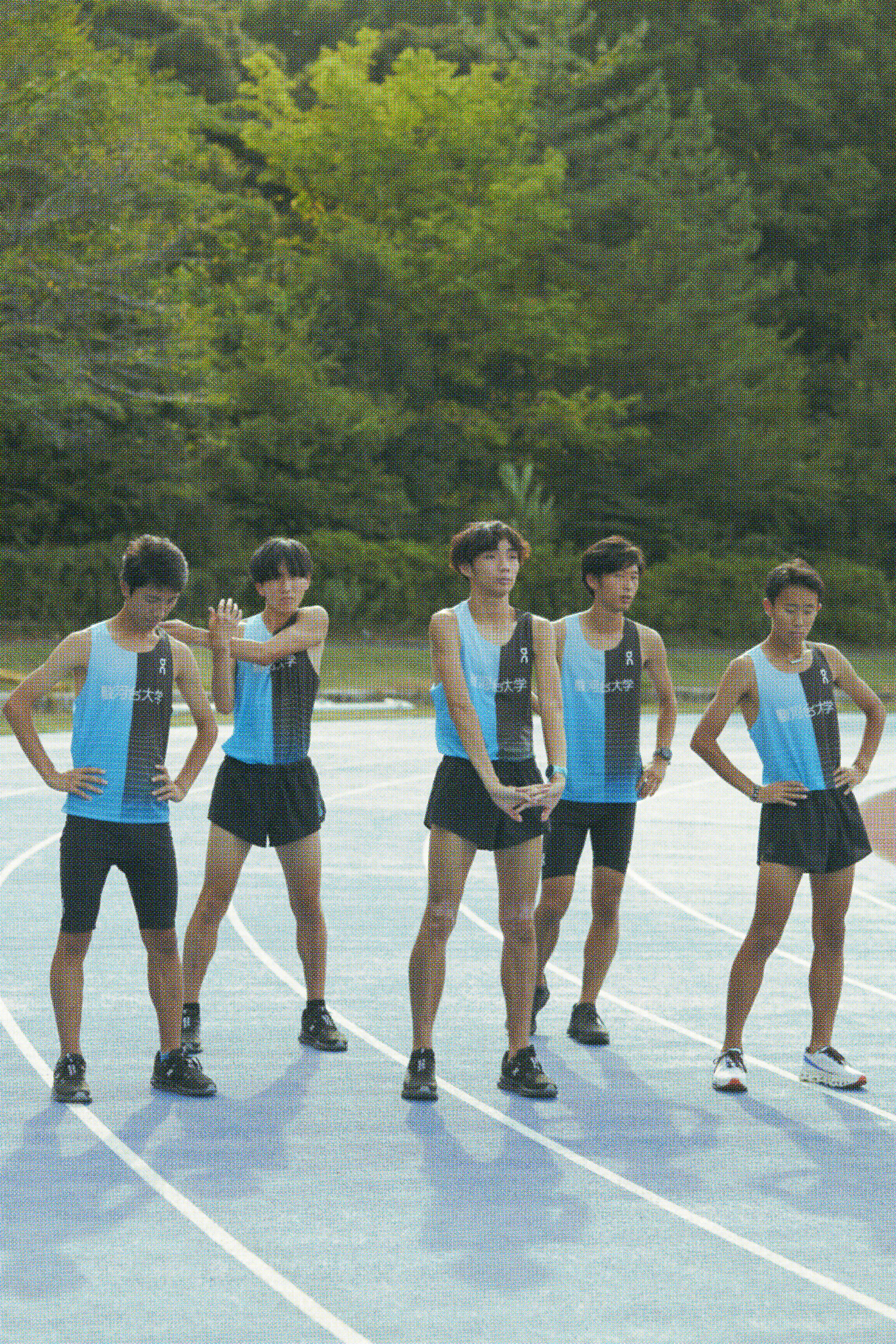
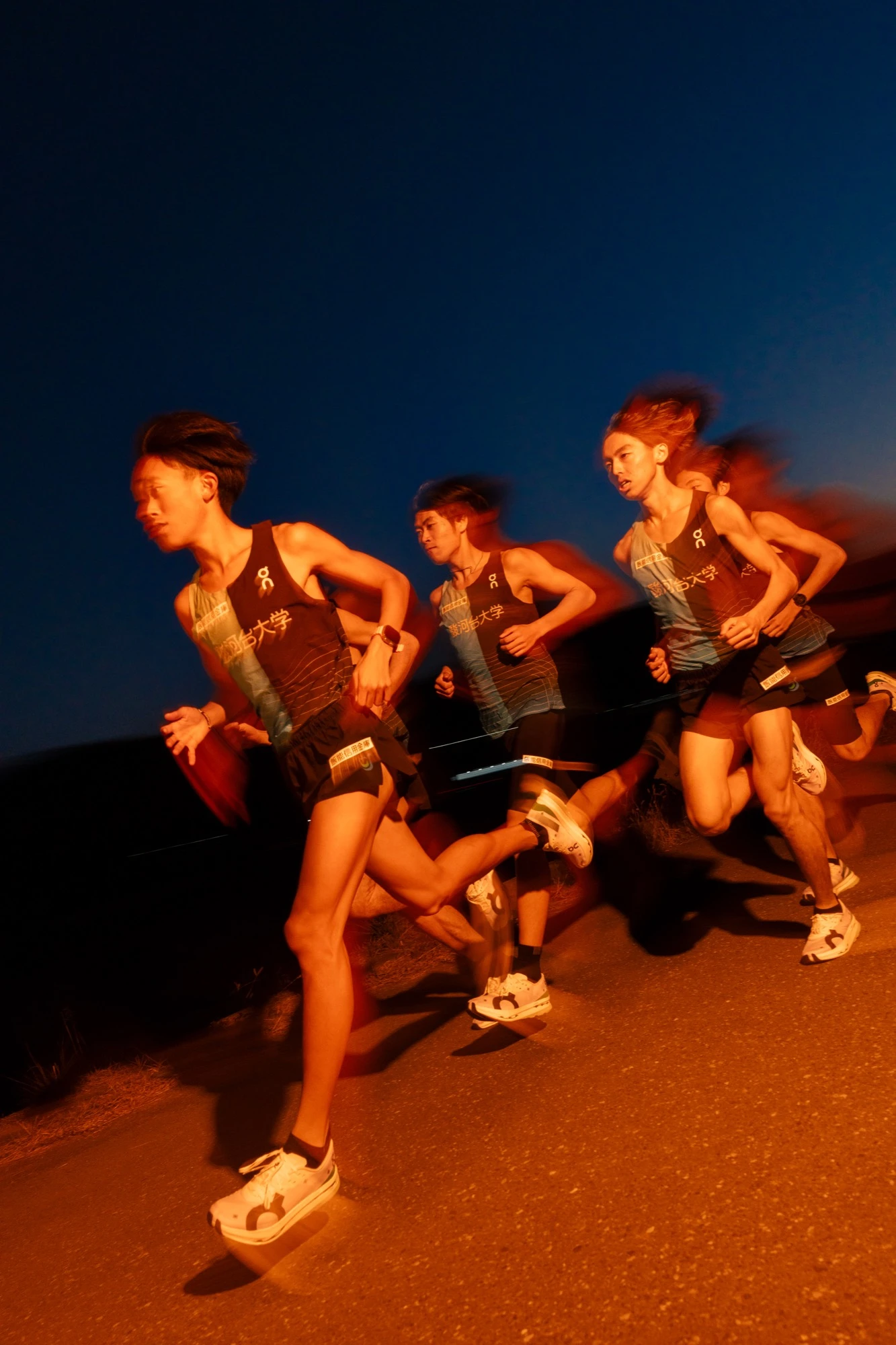
“Wearing the Tasuki, it is easier for me to feel the connection to the team,” Niiyama explains. “I have to relay this Tasuki to the next person, and I want to do that more than anything. This gives me energy, it drives me to keep running. When I wear the Tasuki, I can feel that the rest of the team’s support is carried with it.”
Niiyama’s teammate, Kio Furuhashi, shares this view. “When you run [in ekiden], you are conscious that, if the pace slows down here, it will be my fault. I think this is connected to the value of self-sacrifice in Japanese culture. Ekiden forces a runner to focus on themselves deeply, more than other team sports such as basketball or football.
“You receive responsibility from your fellow runner and run with that responsibility on your shoulder to pass it on to the next. It is a team sport, yet at the same time a deeply solitary sport.”
As well as celebrating the values of Japanese society, ekiden creates cultural moments, especially during the new year period, when a considerable proportion of the country tunes in to watch the biggest of all ekiden races: The Hakone Ekiden.
What is Hakone ekiden?
The Hakone Ekiden relay race is one of Japan’s most popular sporting spectacles. The race is held annually on January 2—3 and features teams of 10 runners from Japan’s major universities fighting it out for the ultimate ekiden victory.
This truly formidable relay starts in the hustle and bustle of central Tokyo before heading to the picturesque wilderness of Mount Fuji and back again over two days – a total distance of over 200 km. Twenty top teams of 10 male undergraduates compete, with each runner covering around 20 km on each day. And they run fast. Really fast. Most of these students are clocking times on par with those of professional half-marathon winners anywhere in the world.
The Hakone ekiden was founded in 1920 with help from Kanakuri Shiso, a runner from the original ekiden race in 1917, whose story is too unique not to touch on briefly. Japan’s first-ever Olympic marathon runner, Kanakuri competed at the 1912 Games in Stockholm, but the race didn’t go to plan.
After a rough 18-day trip from Japan to Sweden by ship and the Trans-Siberian Railway, Kanakuri arrived exhausted. Difficulties with the local cuisine and unusually warm race day conditions only added to his woes.
After around 18.5 miles (30 kilometers), he stopped at a house on the route and asked the residents if he could have a glass of water. When the family let Kanakuri rest on their couch, he fell asleep and only woke up the next morning.
Ashamed at not finishing the race, Kanakuri returned to Japan without a word to race officials. He was listed as missing in Sweden for 50 years until officials discovered he was back in Japan. In 1967, Swedish television invited him to come back and finish the race. Kanakuri accepted and in the process set the record for the slowest-ever marathon: 54 years, 8 months, 6 days, 5 hours, 32 minutes and 20.3 seconds. Asked about the event by the Japan Times, Kanakuri said: “It was a long run. Along the way, I got married, had six children and 10 grandchildren.”
Kanakuri subsequently competed in the 1920 and 1924 Olympic Games (a fact it seems escaped the Swedish authorities), but his role in setting up the Hakone ekiden remains his greatest legacy.
Sometimes referred to as “the greatest race on earth”, the Hakone Ekiden has become an important part of celebrating the new year in Japan, and can attract a television audience of around 65 million people – approximately half of the Japanese population.
“My family always get together for New Year, and the Hakone Ekiden is always on the TV,” says Niiyama. “For Japanese people, watching Hakone Ekiden together at New Year is the country’s main connection to track and field events, more so than meets or races where a great short-distance record or a new world record can happen.
“I think the reason why ekiden is so famous and loved today is because it is closely related to people’s memories; memories of family gatherings watching [Hakone] Ekiden together at New Year.”
Tosen also has fond memories of Hakone Ekiden as part of his family’s New Year traditions: “It’s a shared experience for many Japanese people; when you cozily get into a Kotatsu [a padded, heated blanket] at New Year and turn on the TV, the Hakone Ekiden is there. The Hakone Ekiden is an established part of our culture.”
The warrior spirit
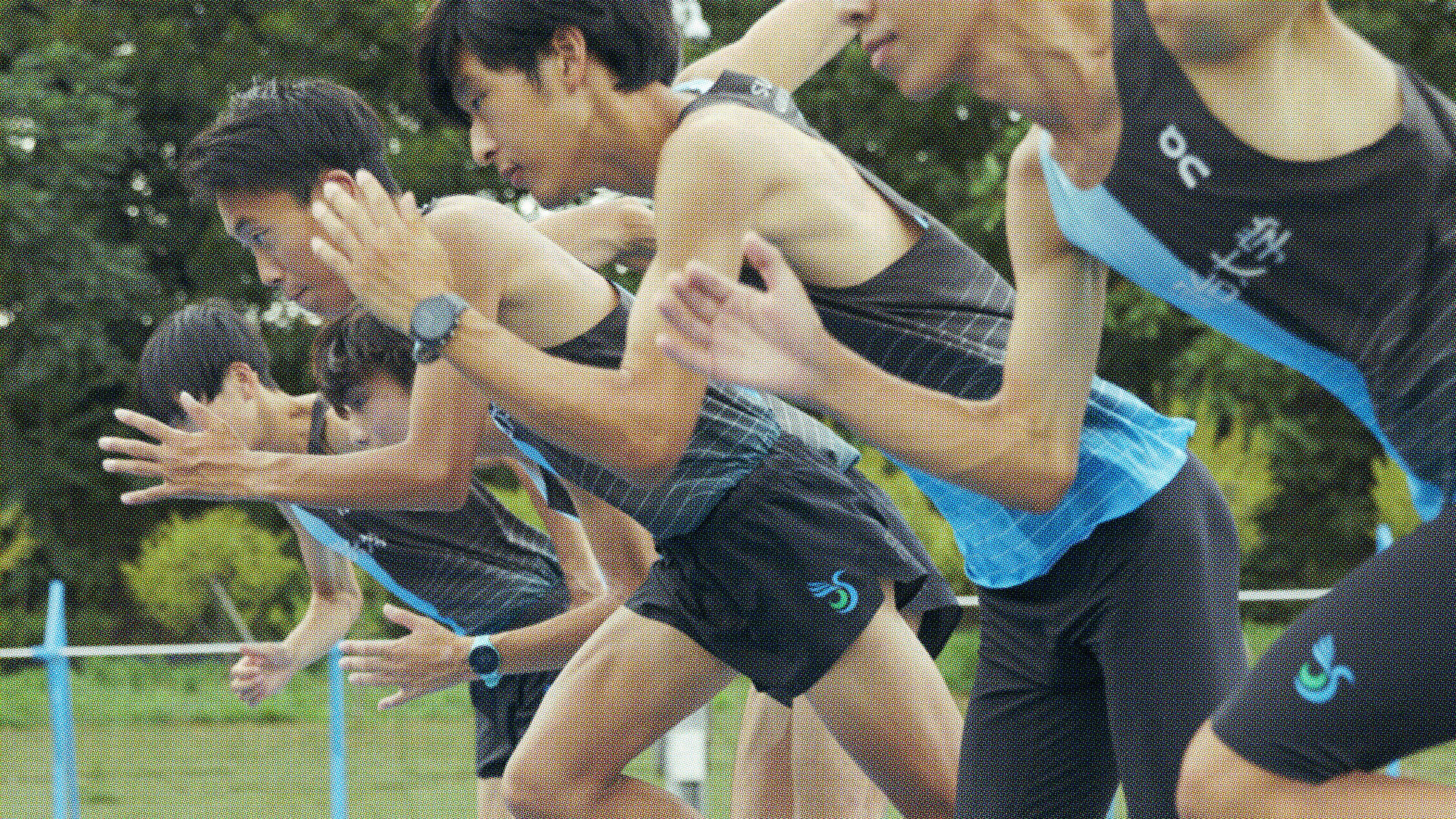
The spirit of ekiden is perhaps more visible at the Hakone race than anywhere else. The runners visibly give everything for their teams. It makes for great TV, but it runs much deeper than that. This spirit is not just part of ekiden DNA – it’s an important value in Japanese society.
The same honor that made Kanakuri Shiso leave Sweden quietly drives ekiden runners to give everything to avoid letting the team down. In The Sociological Analysis of Ekiden, Japan’s Long-Distance Relay Road Race, Akira Ohira explains that the values of Japanese society were inextricably linked with ekiden from the start:
“Looking back on the early development of ekiden, we can see that the organizers were also concerned with the politics of the new Japanese state.
“It is therefore reasonable to say that ekiden running emphasizes a combination of individual physical effort with teamwork and dedication, and that these are the kind of values that the leaders of Japan wanted young Japanese to learn and respect.”
Ekiden is still shaped by this same early spirit, as the Surugadai runners confirm:
“You can feel the weight of responsibility to the team when you put on the Tasuki. There are times when you have to run even if you are injured, and in those times your performance suffers. Still, you do your best for the team so that you can pass the Tasuki to the next teammate. There is great meaning in this act.”
– Toshimune Niiyama, Surugadai University ekiden team
If this unique mix of individual and team racing sounds new to you, imagine how it must look to a 15-year-old from Kenya, itself a pre-eminent producer of elite middle- and long-distance runners.
That was the situation facing Cyrus Njui when he headed to Japan on an athletics scholarship back in 2001. “In Japan, ekiden is the thing. It’s the priority of all runners. Nothing else comes close,” Cyrus explains. “My first was the Aoto Ekiden, which goes from Aomori to Tokyo – it took almost three days to complete!”
The unique combination of long-distance running and teamwork immediately struck a chord with him, though. “In Kenya, we did relay – but not like this. Only four people over four miles. But with ekiden, it's at least six different people. And each of those people has different strategies, different specialties and power.”
It’s this combination of people and abilities that makes Ekiden so appealing to Cyrus. “Even if a runner is slow, that just gives the faster runners motivation to make up any kilometers they’ve lost. And that element of cheering and giving encouragement – ‘I didn't do my best, but I wish you all the best, try to make up what I've lost’ – that idea of teamwork gave me such a boost. It’s really amazing motivation.”
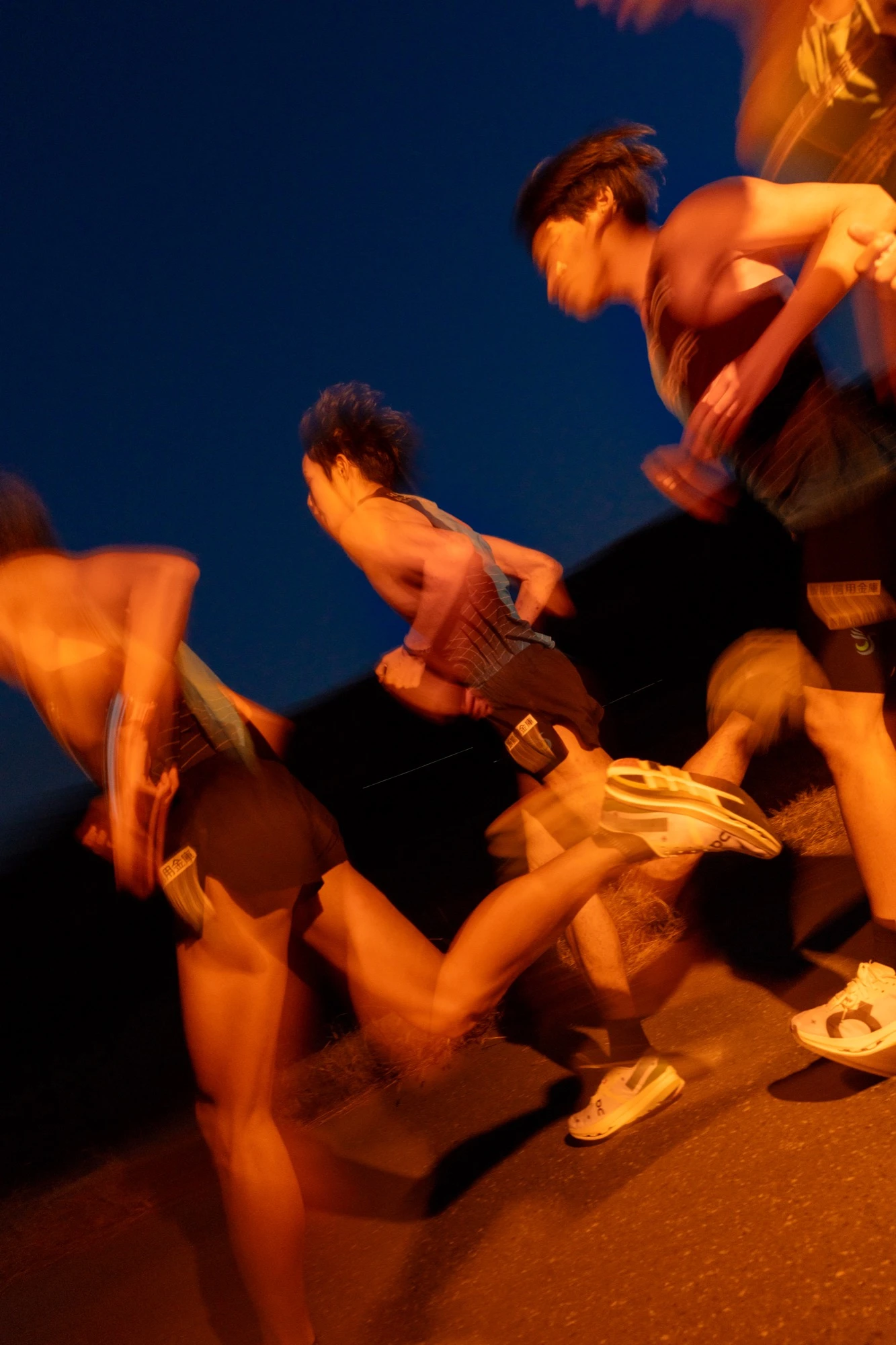
For Cyrus, this is all part of the Japanese mentality, of the Samurai Spirit. “Runners here, they just don't lose hope. Ever. Even if they’re feeling pain. Even if they are defeated. They just keep going. I learned that spirit from them, and I’ve never lost it.”
While international ekiden races are becoming increasingly common, ekiden is still a rare racing format outside Japan. Even so, there is a lot that anyone can learn from ekiden. Above all, that in applying ourselves for the good of the team rather than individual goals, new levels of hope and fight reveal themselves.
Would Kanakuri Shiso have made it across the line in Stockholm had he been part of an ekiden team instead of an individual racer? We’ll never know. But with that added warrior spirit, maybe. Just, maybe.