
Stretch it out: Benefits of hot yoga
Hot yoga turns up the heat (gently). In a warm studio, movement feels fluid, breath deepens and tension releases. Here’s how this steady practice supports both your body and mind.
Hot yoga didn’t start in Hollywood — but that’s where it found fame. The practice first took shape in Japan in the 1970s, where pairing heat with movement was introduced inside a studio. By the time it reached the West a decade later, it had evolved into something new: part fitness trend, part focus ritual.
For On Ambassador and fitness trainer Evie Venables, hot yoga is both grounding but intense. “During a session, my heart rate is up and I can feel every part of my body working. It’s one of those practices that really asks you to stay present,” she says. “Afterward, I feel tired yet strong – lighter, calmer, and more at ease.”
Long before studio sessions, warmth played a central role in recovery across cultures from Ayurvedic steam baths to Finnish saunas and Turkish hammams. Turning up the heat has long been a way to restore the body and calm the mind. Today, with renewed interest in heat exposure and active recovery, hot yoga is having another moment.
Here’s how heat can help you transform both your body and mind.
What is hot yoga?
Hot yoga is more of a setting, and less of a style. Classes usually take place in heated rooms between 90 and 105 degrees Fahrenheit — with around 40% humidity.
Vinyasa and Hatha are common styles linking breath and movement at a steady pace. But you’ll also find slower practices like Yin, all adapted to the warmth.
Choose a class that fits your energy. If you’re new to the warmth, the first few sessions might feel intense — that’s normal. Bring water, take breaks and come back to child's pose whenever you need.

Why your muscles love heat
The physical benefits of hot yoga go deeper than the surface. For many, heat amplifies what they already love about yoga. More mobility, more intensity, more feeling. Here’s what the heat unlocks, with research to prove it:
- More blood flow: A warm environment raises your heart rate and expands blood vessels. That means improved circulation with more oxygen and nutrients reaching your muscles and faster recovery.
- More flexibility: Venables loves to use the heat for mobility. “It helps my muscles relax and really open up,” she says. “Hot yoga keeps my body feeling agile, which makes such a difference to my recovery from strength training and running.” Studies show hot yoga increases range of motion, so you can go deeper into each pose with less risk of strain.
- More breath: Breathwork techniques like pranayama train your lungs to take in more air. With greater lung capacity, you build endurance and stay calm under pressure.
Together, these benefits help your body move with more freedom and recover with more ease.
Let the worries melt away
Hot yoga goes beyond a workout and can be a mental reset, too. A chance to turn down the noise, tune inward and reconnect with yourself. Just look at the science that backs it up.
- Brighter mood: Movement changes your brain. It boosts feel-good chemicals like serotonin and helps soothe the nervous system. One Harvard study found that people with moderate to severe depression felt significant symptom relief after just eight weeks of regular hot yoga.
- Less stress: Heat, breathwork and steady movement activate your parasympathetic nervous system, the one that tells your body it’s safe. It’s a full-body signal to slow down and let go.
- Deeper sleep: Stress and tension don’t clock out at night. But hot yoga can help. Some research indicates that heat exposure (like saunas or hot yoga) followed by a cooldown can be a natural trigger for better sleep.
Hot yoga can relax you but also rebalance you, lifting up your mind long after rolling up the mat.

Practice hot yoga safely
Hot yoga challenges you. That’s part of the appeal. But higher temperatures come with higher demands on the body. Here’s how to stay steady in the heat.
Hydrate and stay balanced
Hot yoga increases fluid loss. Some people lose up to 1.5L in a single session. Without enough hydration, you can feel drained or off-balanced. Sip water before, during and after class. Consider adding electrolytes to help your body absorb fluids and replenish key minerals like sodium and potassium.
Listen to your body
If you feel dizzy, lightheaded or nauseous, take a pause. Rest in child’s pose or lie down on your mat. Hot yoga isn’t about pushing through. The real power is knowing when to push and when to pull back.
Stretch in style
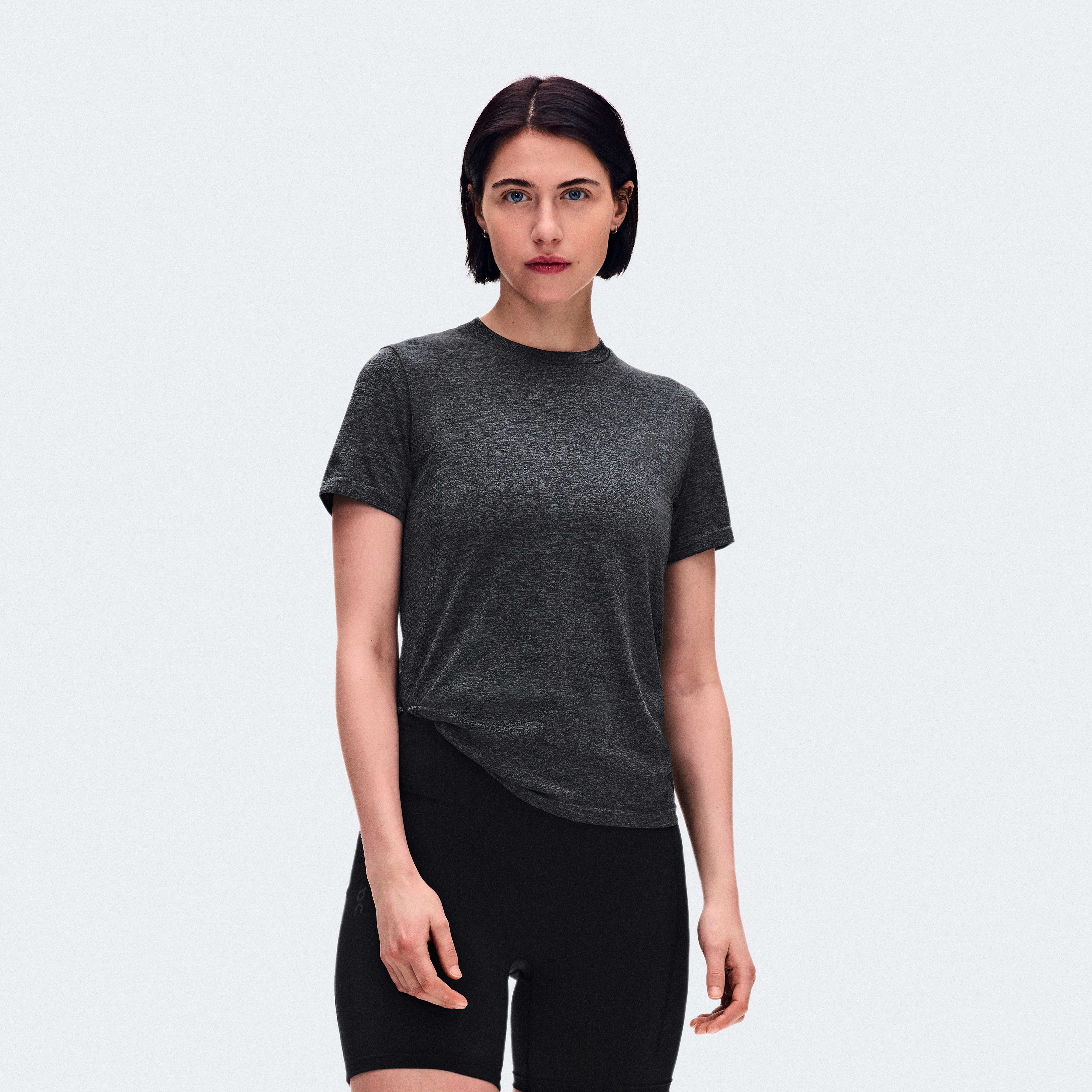
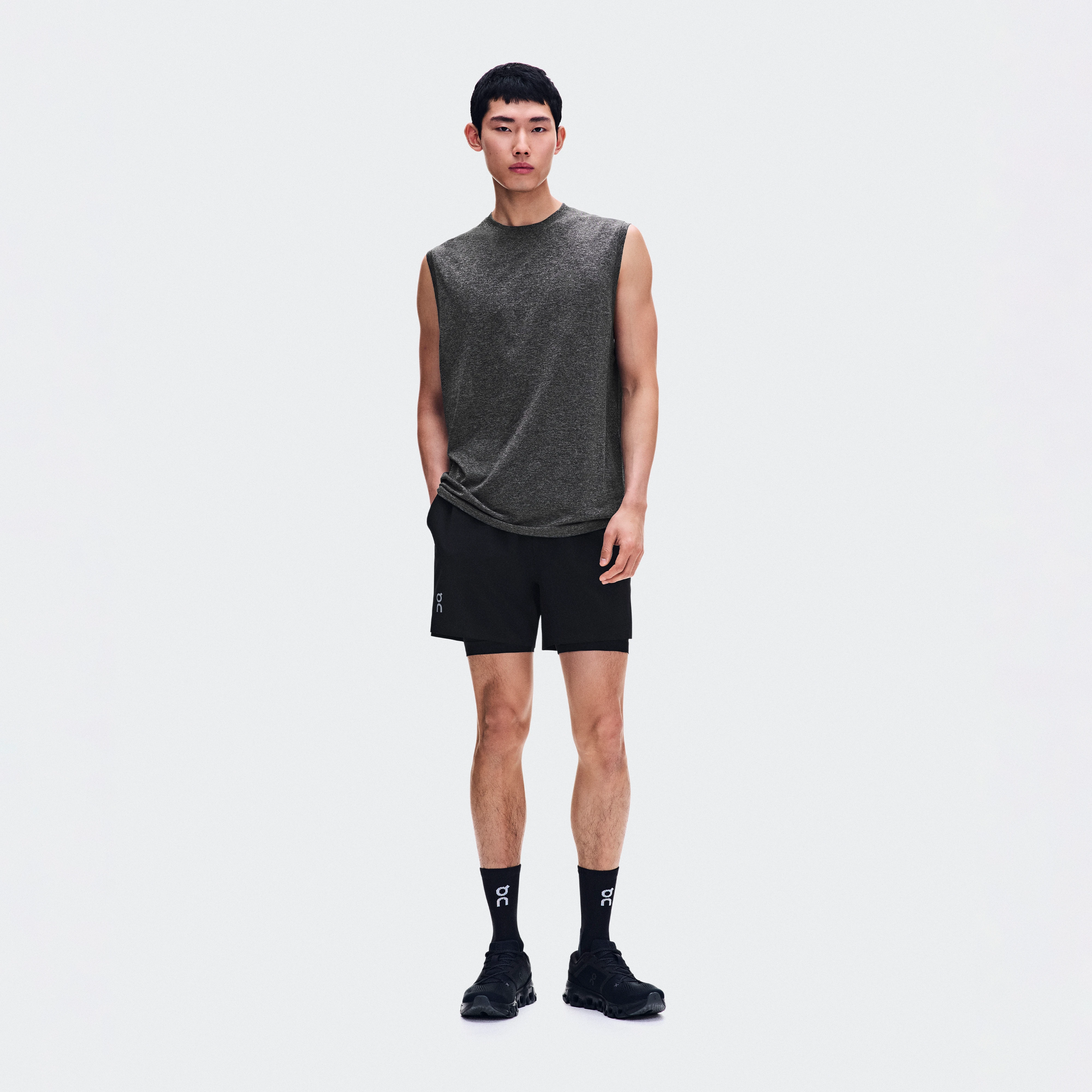
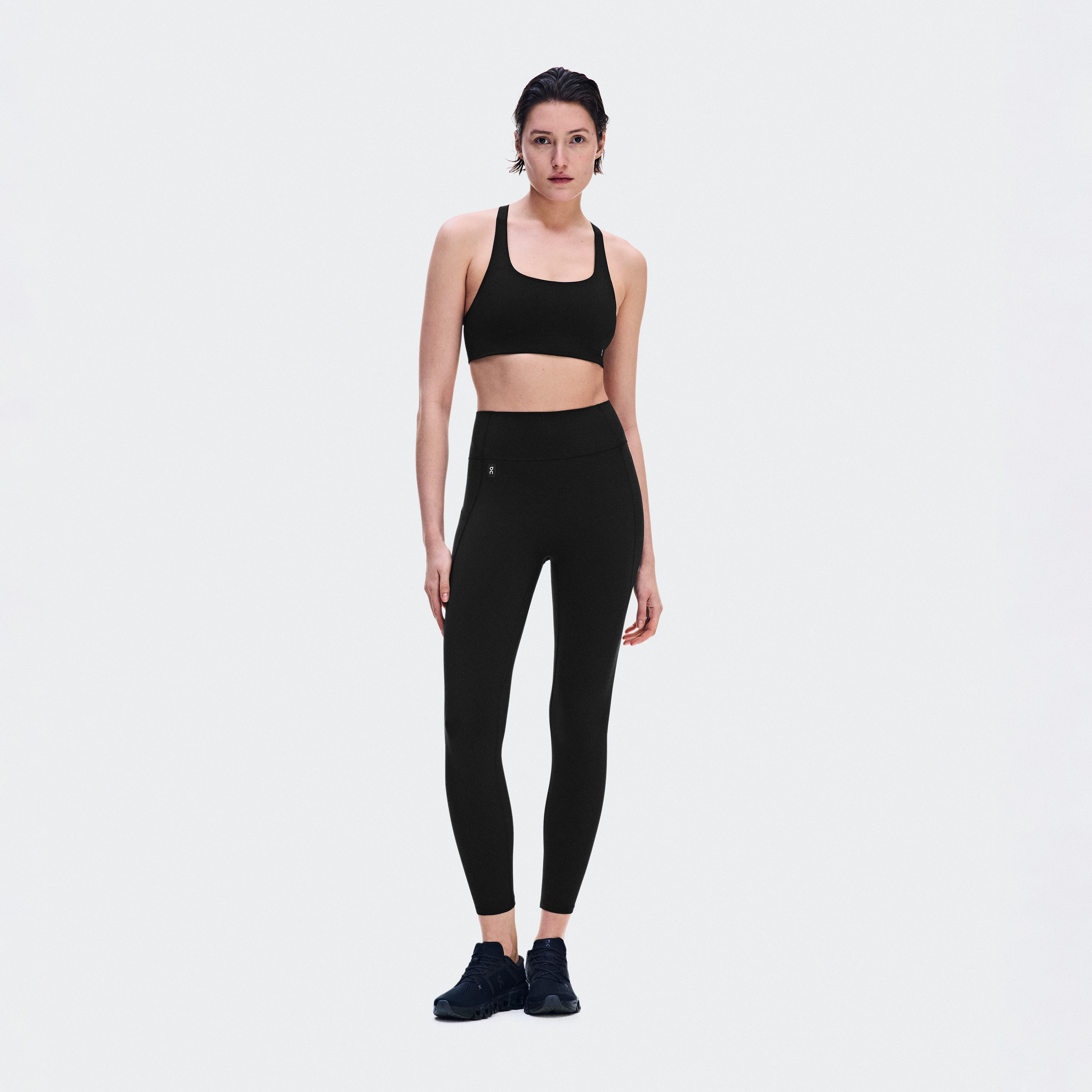
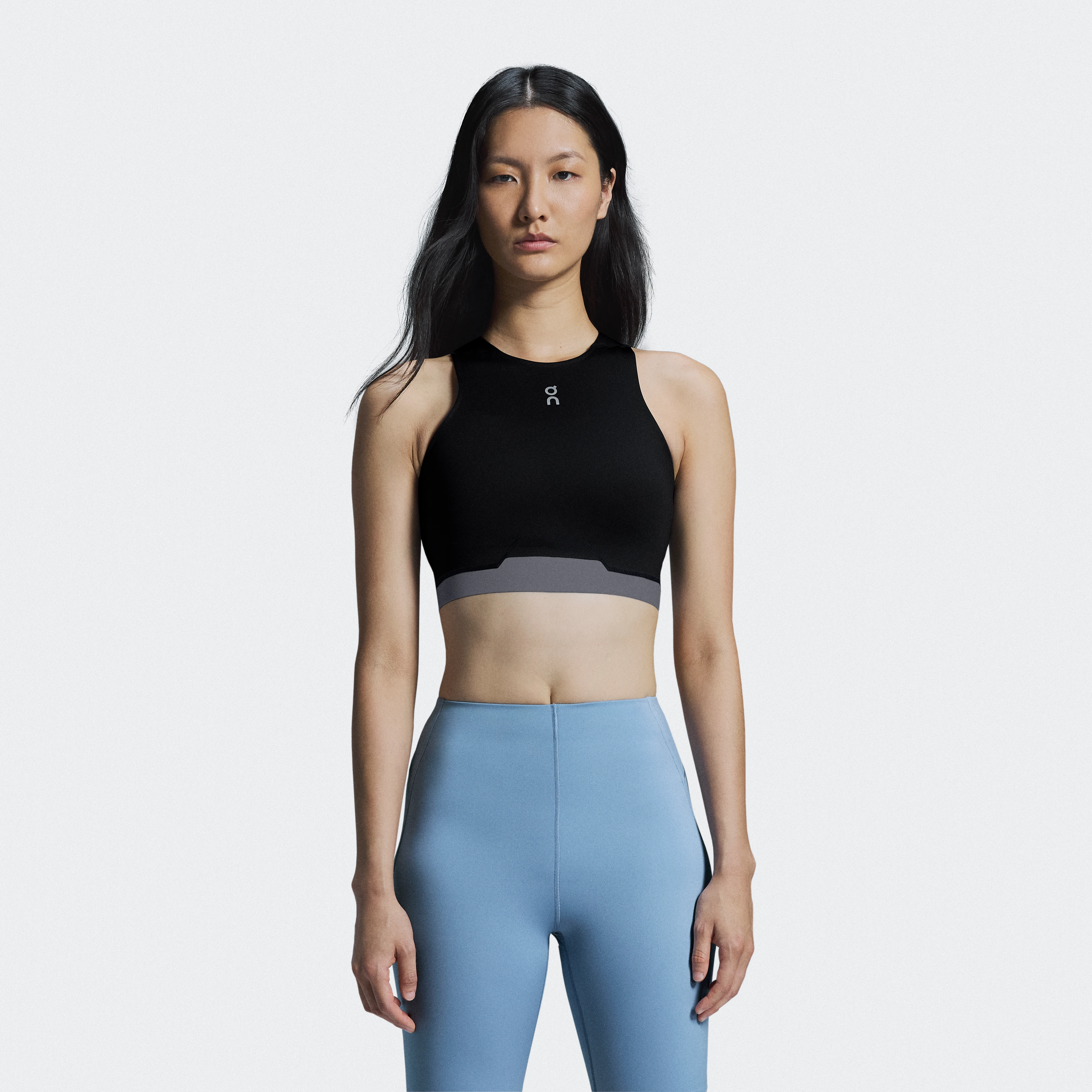
What you wear makes a difference. Jane Kim, a yoga and meditation instructor based in Berlin, and On ambassador, says “If I’m feeling low on motivation, the right outfits help me get in the mood.” For a more active practice, she prioritizes practicality and functionality. “I love wearing the Studio Crop and ½ Train Tights combo,” she says, which is made to wick moisture and keep you dry.
And on days that are more restorative, she focuses on “maximizing coziness.” She loves wearing the Club Loose Pants by FKA Twigs and any Club T. “These designs already suit my style, so it can be worn as casual-wear, too. But I love the feeling of quickly getting active whenever I want, like spontaneously participating in a class because my outfit already suits it.” Other essentials:
- A towel to cover your mat (yes, it gets slippery)
- A water bottle
- A hair tie
















Know your limits
Hot yoga isn’t for everyone. If you’re pregnant or have a heart condition, check with your doctor first. The heat adds cardiovascular strain, and it’s worth getting the green light before stepping into the studio.

Turn up the heat, find your edge
Hot yoga challenges you, physically and mentally. “When things get uncomfortable in the studio, I give myself grace and focus on my breath,” Venables reflects. “Interestingly, those are the two things that help me in life when things feel uncomfortable too. How I move through challenges on the mat often mirrors how I move through challenges off it.”
From deeper stretches to better sleep, sharper focus to stress relief, the benefits extend well after class is over.