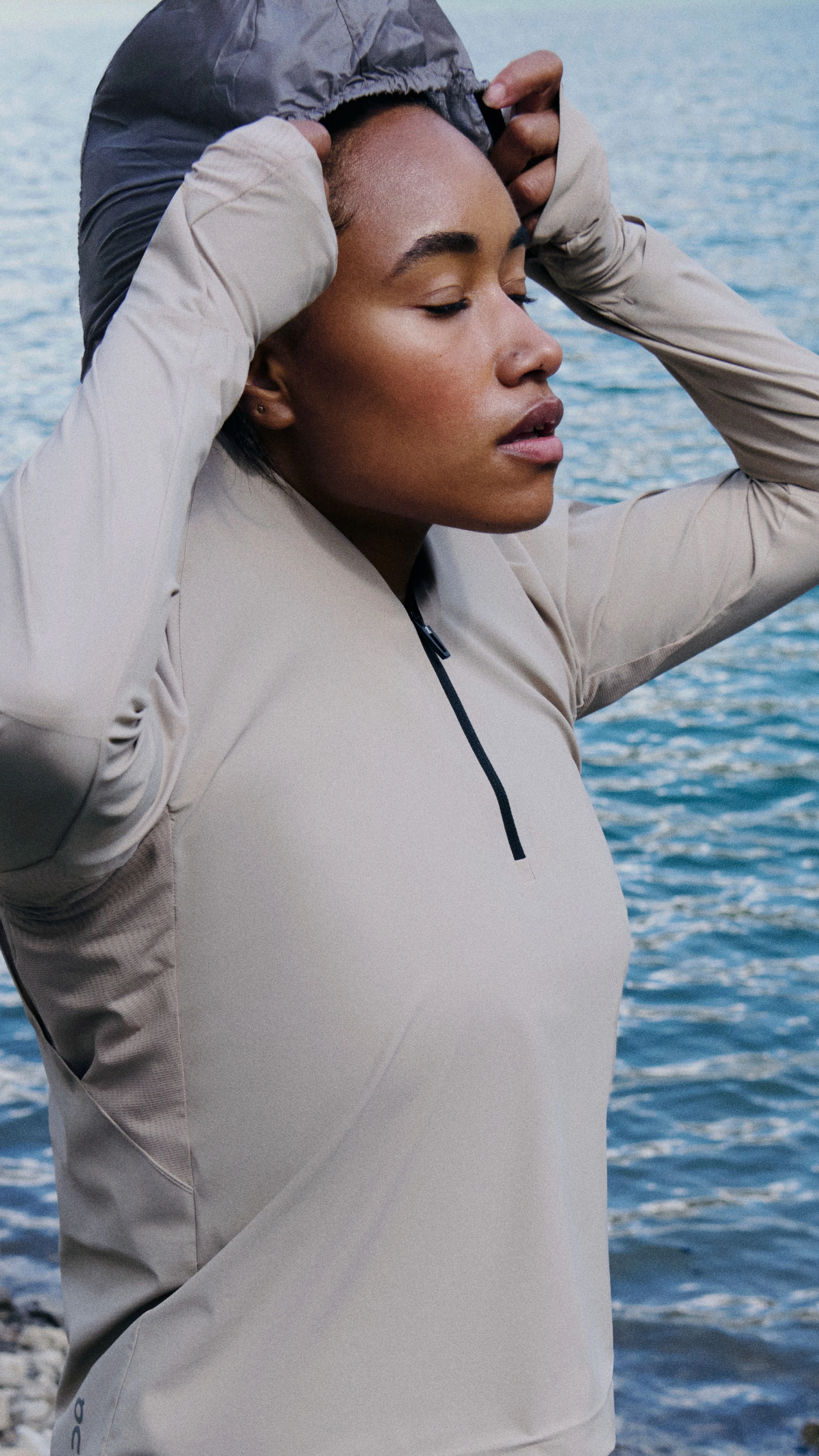

Ice baths are increasingly popular as a recovery tool, but the benefits depend on the details. How cold should the water be? How long should you stay in? With anecdotal guidance from tennis star Ben Shelton and wellness advocate Rich Roll, here’s what you need to know.
“The cold plunge, in terms of it being an antidepressant – something to calm you down and clear the mind – is pretty effective,” says ultra-endurance athlete and wellness advocate, Rich Roll, speaking with Judd Apatow on the Rich Roll Podcast in 2024.
Research backs Roll up. With benefits like stress reduction and improved circulation and focus, cryotherapy, a technique where the body is exposed to extremely cold temperatures for several minutes, continues to grow in popularity.
For On athlete and tennis star Ben Shelton, ice baths serve a more physical purpose. “I use them for recovery and muscle soreness,” he says. “It’s something I can do myself [for injury prevention] if my physiotherapist isn’t with me.”
Whether you’re chasing mental clarity or physical recovery, ice baths aren’t a huge time commitment. Depending on your personal tolerance, just a few minutes (up to 20 minutes) can be enough to feel the effects.
That said, moderation matters. Cold-water exposure shows diminishing returns when overused, which is why ice baths are best saved for your hardest training sessions, post-competition recovery or moments when you need to reset both body and mind.
The allure of the ice bath can be simple: it makes you feel more alive. For On triathlete and IRONMAN 70.3 medal holder, Fenella Langridge, that sensation comes from contrast therapy – pairing a hot infrared sauna with an ice bath immediately after. “Coming out from the heat and switching to the cold feels like it pulls the blood back in,” she says. “You’re buzzed afterwards.”
Beyond the post-plunge rush, ice baths offer a range of potential physical and mental benefits:
Reduce soreness and inflammation: Much like icing an injury, cold-water immersion can help reduce muscle soreness and inflammation, especially after hard runs or strength sessions.
Speed up recovery: By rapidly constricting blood vessels, cold exposure may help reduce swelling and support faster recovery between workouts.
Increase resilience: Regular cold exposure is often linked to improved mood and stress tolerance. Some research also suggests immune benefits, with cold-shower users reporting fewer sick days.
Support emotional regulation: Briefly submerging the face in cold water can stimulate the vagus nerve, which helps activate the parasympathetic nervous system – shifting the body out of fight or flight and into a calmer state.


Ben Shelton is known for taking the plunge in breaks between traveling and on rest days, but prefers ice baths at home when possible. “I use ice baths more often when I’m at home in Florida because they are already set up in my training facility,” he says. “It’s easier than having to make one in a hotel room bathroom [when I’m on the road].”
To create an ice bath at home, fill a tub with cold water and ice at roughly a 3:1 water-to-ice ratio. Aim to submerge the target areas. How much of your body goes in depends on your training needs and what you can tolerate.
If you don’t have a bathtub, a child-size inflatable pool or large bin (for lower-body immersion) works just as well.
For runners, focusing on the feet, calves and legs is often enough. More experienced plungers may opt for full-body immersion, including the hips and lower back, once they’ve properly acclimatized.
Water freezes at 32 degrees Fahrenheit (0 degrees Celsius) but ice baths don’t need to be anywhere near that cold to be effective. For most people, the ideal range is 50-60 degrees Fahrenheit (around 10-15 degrees Celsius) – cold enough to trigger a physiological response without unnecessary risk.
Using a 3:1 water-to-ice ratio, this temperature typically takes about 10 minutes to reach. Once the bath is ready, ease yourself in gradually to avoid shock.
User level | Temperature range | Recommended duration |
|---|---|---|
Beginner | 55–60°F (13°–16°C) | 2–5 minutes |
Regulars | 50°–55°F (10°–13°C) | 5–10 minutes |
Highly acclimated | 45°–50°F (7°–10°C) | 10-15 minutes |
Research suggests most benefits from cold exposure occur within two to 20 minutes, depending on water temperature and individual tolerance. If you're new to ice baths, staying in for more than a few minutes may feel challenging. That’s normal.
Tolerance builds gradually. Each session trains your ability to remain calm under discomfort and every plunge strengthens this mental muscle while you’re recovering physically too. That capacity to stay present when things feel hard carries over to training, competition, work and everyday stress.
You’ll probably be watching the clock to count down the minutes, but the most important thing to focus on is controlled breathing.
When you first enter cold water, the body’s natural response is shock. Breathing becomes quick and shallow. What you want to do is actually the opposite: deep, steady inhales help regulate your nervous system and keep your body from tensing.
Controlled breathing also supports circulation. When you steady your breath, you allow oxygen and nutrients to move more efficiently through working muscles as your body responds to the cold. Try this simple rhythm: Try this simple rhythm:
Inhale for seven seconds
Hold for two seconds
Exhale for seven seconds
Settle into this pattern and let the intensity pass. The goal isn’t to endure the cold but to stay calm with it.
Some experienced athletes place their hands under their armpits or behind their knees: areas where the skin is thinner and often more sensitive to cold. Redirecting sensation there can help you stay present and regulate discomfort as you settle into the bath.

When practiced responsibly, ice baths are generally safe. That said, the longer you stay in cold water, the more numb your body becomes. It’s important to approach them with caution, especially if you’re new. Talking to a physician before trying ice baths for the first time is a smart place to start. Potential risks of ice baths include:
Temporary loss of strength, making it hard to pull yourself out. If it’s your first time, having someone nearby could be helpful.
Hyperventilation, triggered by the involuntary gasp reflex when entering cold water. Enter slowly so that you don’t shock your system too much.
Frostbite and hypothermia, both of which are unlikely at recommended temperatures and durations, but possible with prolonged exposure.
Everyone responds to cold exposure differently. Pay attention to how your body feels and err on the side of caution if something doesn’t feel right.
When your time is up, be careful not to rush out and slip. Stand slowly, dry off with a warm towel, and take a warm (not hot) shower to help your body transition back to a comfortable state.
It’s normal for your body to take 15-20 minutes to return to a baseline feeling. If you do still feel chilled, a warm drink and an insulating layer (like a hoodie) can help speed up the process.
A 10-15 minute ice bath at about 50 degrees Fahrenheit (10 degrees Celsius) can be a useful addition to your recovery routine when used intentionally. From easing muscle soreness to supporting emotional regulation, ice baths can provide physical and mental benefits, especially after hard training days or high-stress periods.
Yes. 50 degrees Fahrenheit (10 degrees Celsius) is the middle range of the recommended range and is cold enough to trigger the benefits of an ice bath for most people. Depending on experience and tolerance, ice baths typically range from 60 degrees Fahrenheit (16 degrees Celsius) on the warmer end to 45 degrees Fahrenheit (7 degrees Celsius) on the colder end.
Even short exposure, around three minutes, can help improve mood and reduce inflammation, particularly for beginners or those new to cold exposure.
Even infrequent ice baths have benefits. Starting with once or twice a week allows you to gauge how your body responds before increasing frequency and see how you feel.